Budapest - Private tour Including Castle visit
Active
3h
All sales are final. No refund is available for cancellations.
Instant confirmation
Mobile or paper ticket accepted
About this experience
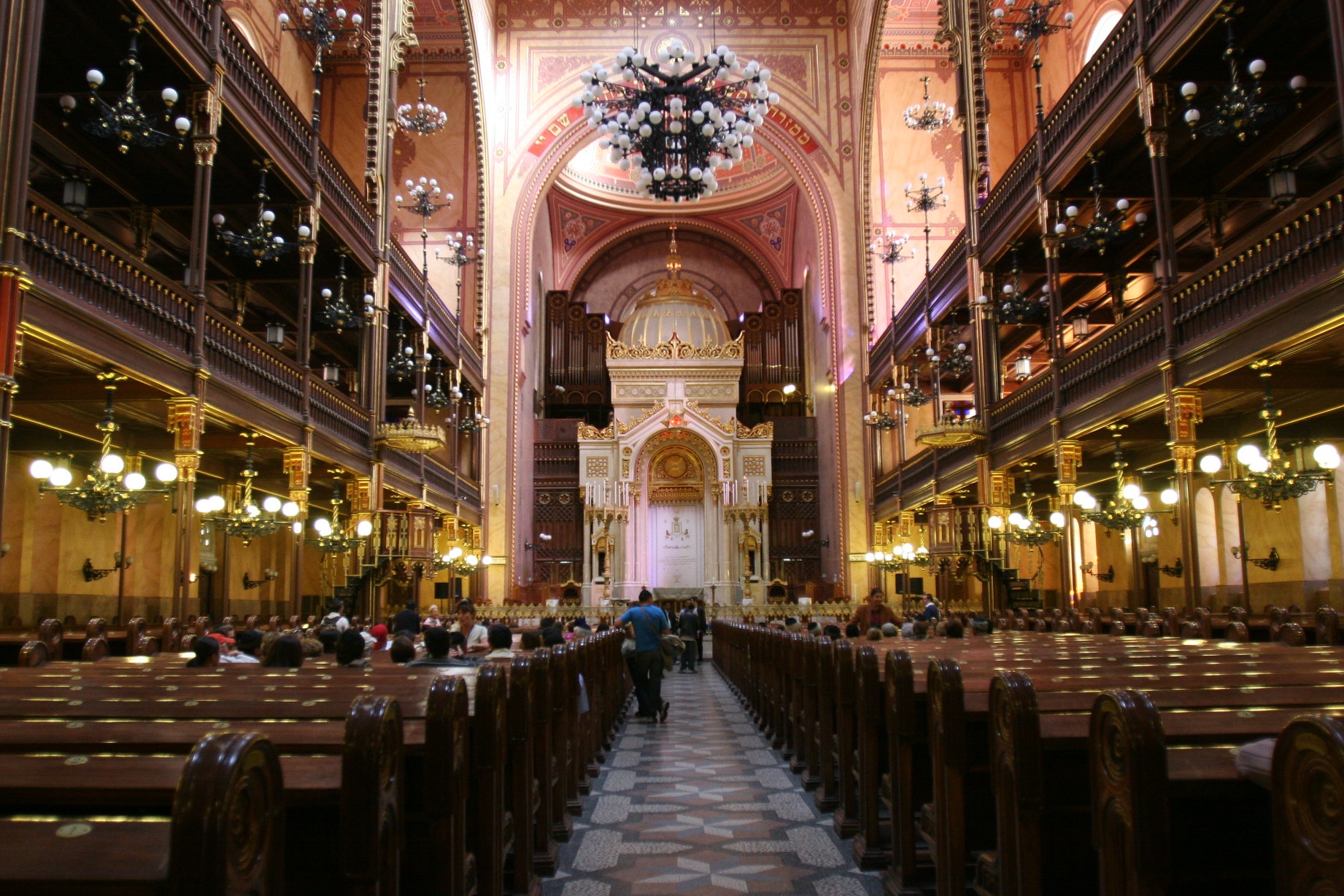
Begin your walking tour at St. Stephen's Basilica, Hungary’s third-largest church, featuring the famous reliquary and exquisite artworks. Visit the House of Hungarian Art Nouveau to see 20th-century Hungarian furniture, decorations, and paintings. Continue to the Hungarian Parliament Building, a Gothic and Renaissance Revival masterpiece with a central dome, mosaics, and sculptures, then cross the historic Széchenyi Chain Bridge and see the Zero Kilometer Stone, marking the start of all roads in Budapest. Explore Buda Castle, home to the Hungarian National Gallery and Budapest History Museum, and wander through the historic Castle Quarter. Admire the Neo-Romanesque Fisherman’s Bastion with its panoramic views, and finish at Matthias Church, a Gothic landmark known for royal coronations and historic events. This tour offers a compact journey through Budapest’s rich history, architecture, and culture.
Available options
Budapest - Private tour Including Castle visit
What's included
Private Tour Guide
Detailed itinerary
1
Start your tour at the famous St. Stephen's Basilica named after the first King of Hungary. Here, you will see its reliquary, its right hand! The Basilica is the third biggest church in Hungary, and one of the popular landmarks of Budapest. You will also find many pieces of fine arts here such as mosaics, statues, vault, tambourine, and paintings.
2
Next, you will visit the House of Hungarian Art Nouveau. This museum is dedicated to the Hungarian Art Nouveau style. Every part of the building is a reminder of 20th-century creativity. Here you will see pieces of furniture, decorations and paintings. You will also notice that the outside, indoor as well as the little cafe on its first floor are furnished in a unique Hungarian style!
3
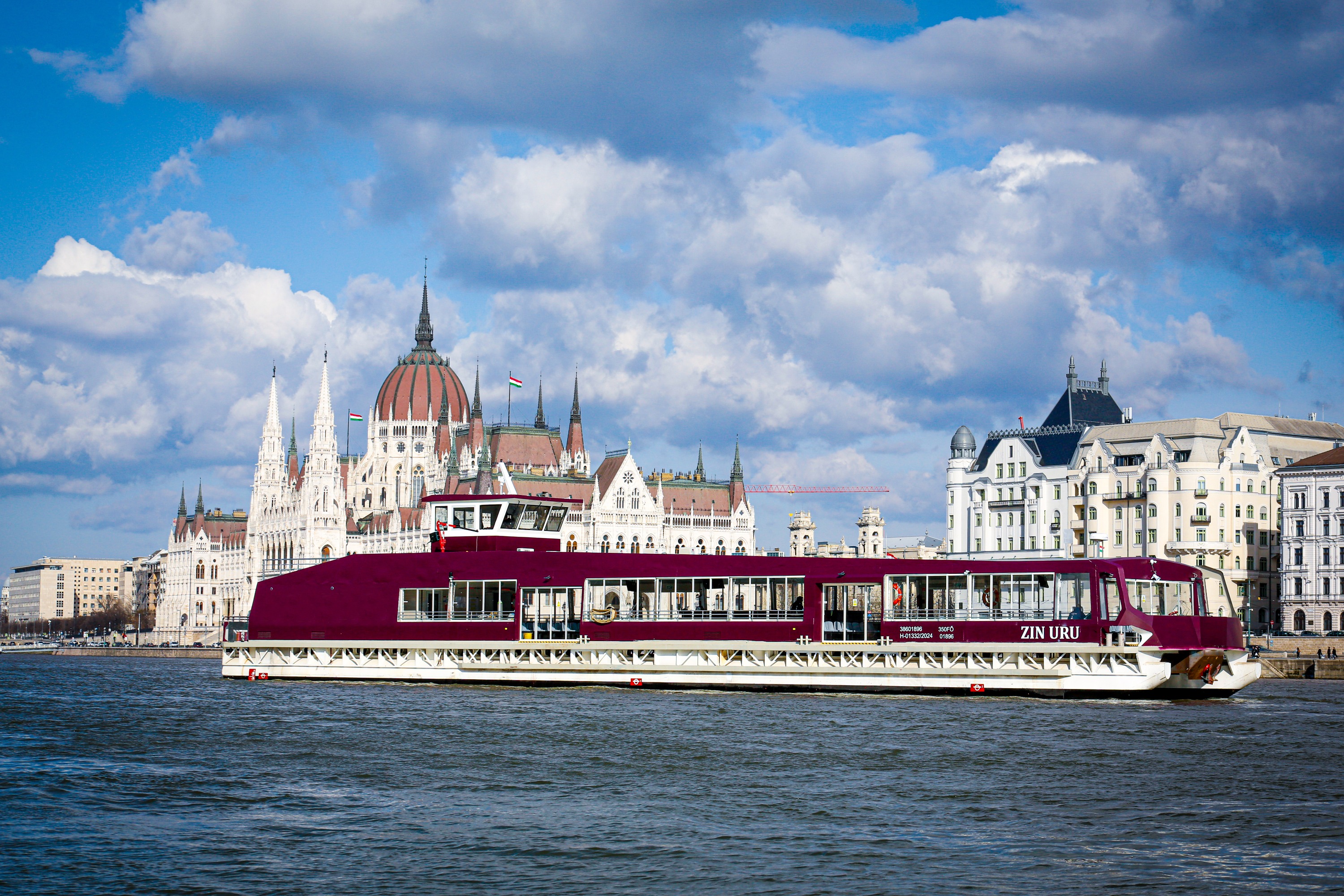
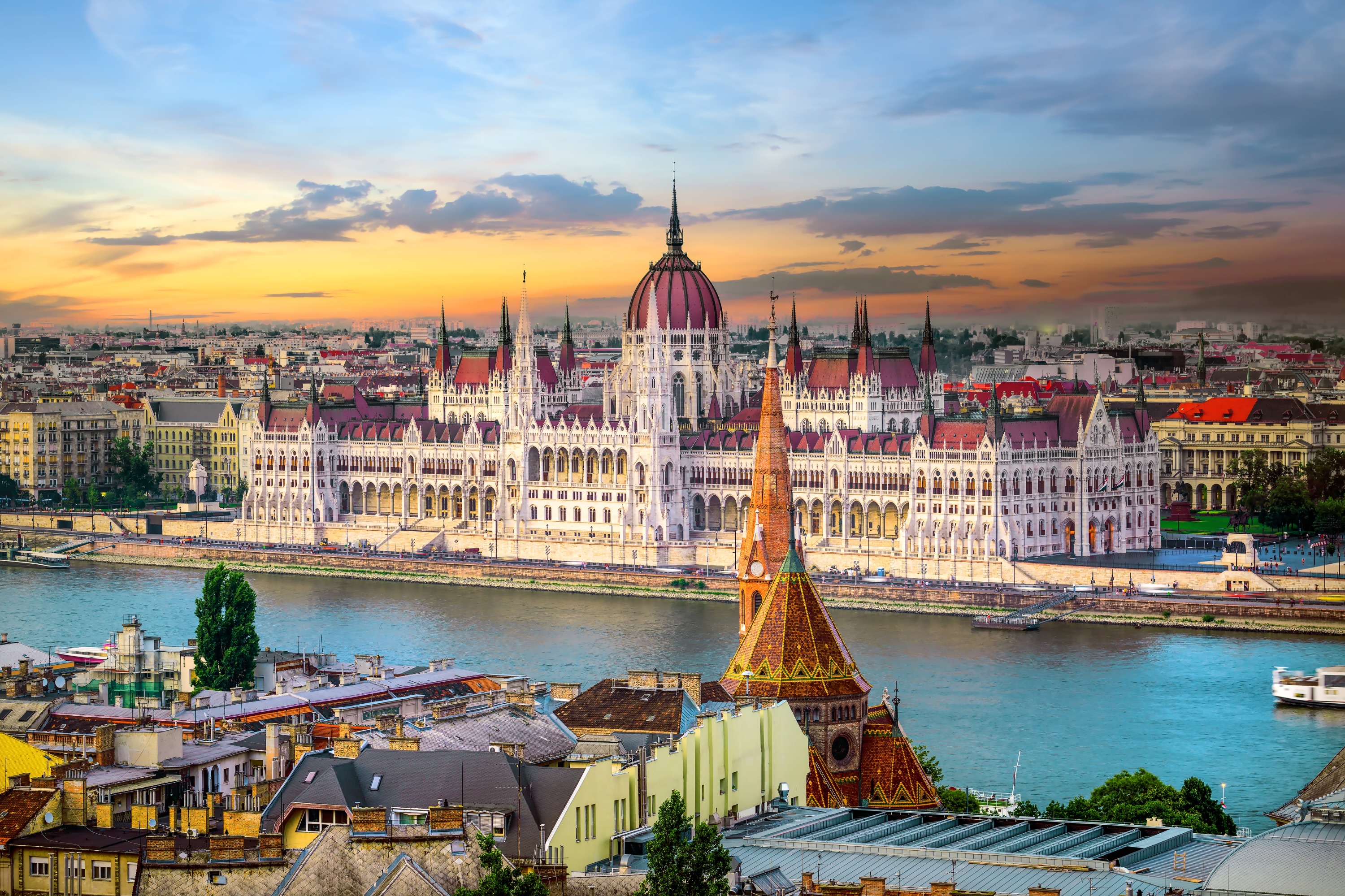
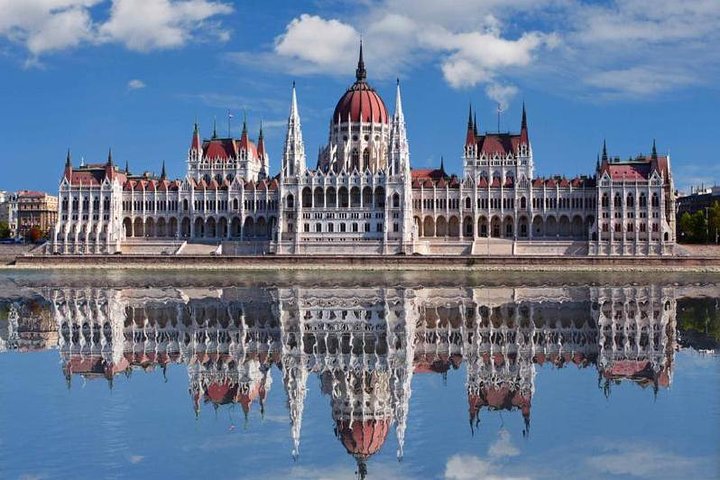
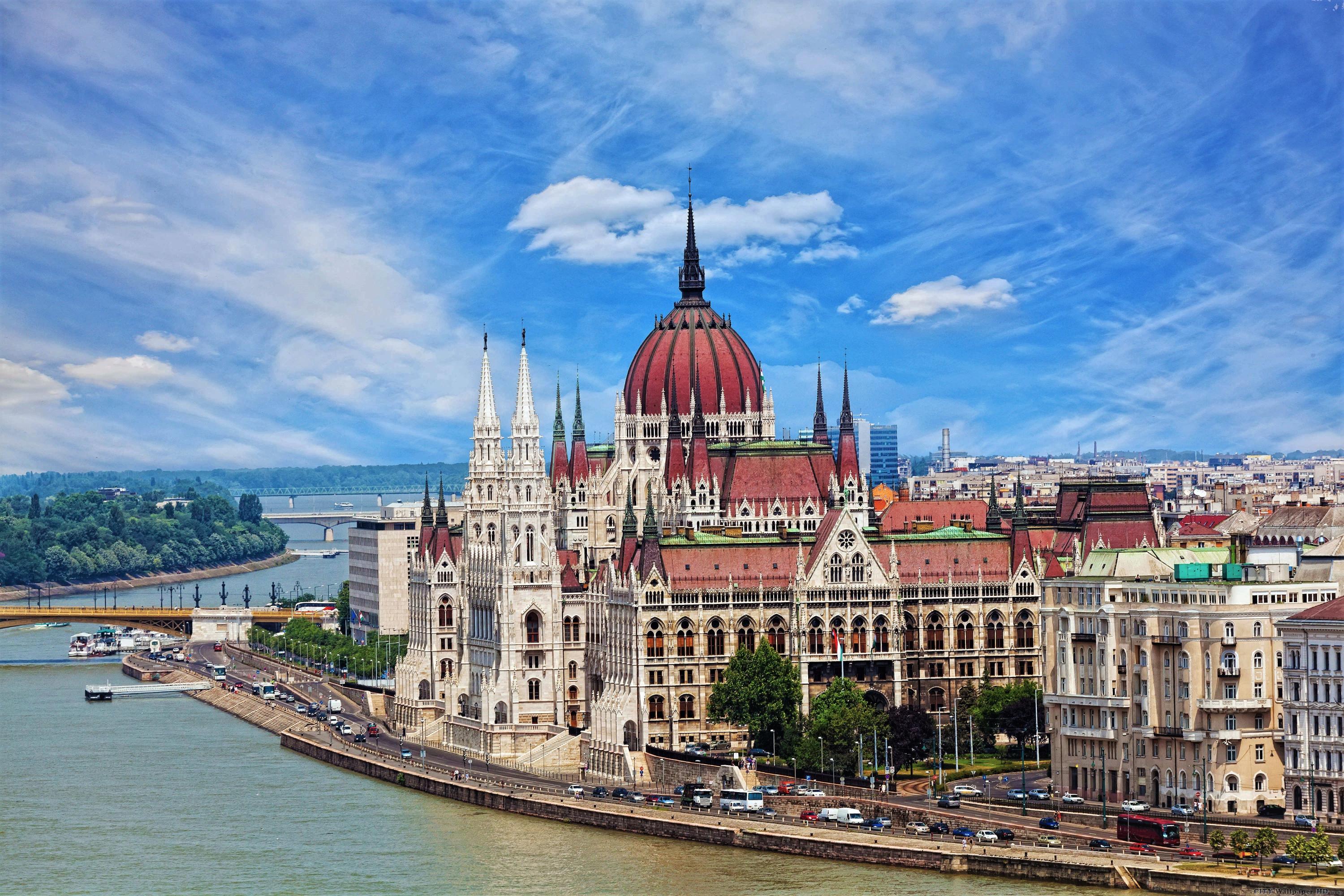
As we continue, you will get to see the Hungarian Parliament Building. Located in Kossuth Square and close to the Danube, the Parliament is the largest building in the country! Built-in Gothic Revival and Renaissance Revival architecture styles, you will enjoy its outside look made of a beautiful façade and a central dome. Glass mosaics made by Miksa Róth and 242 sculptures on the walls will astonish you with their wonders.
4
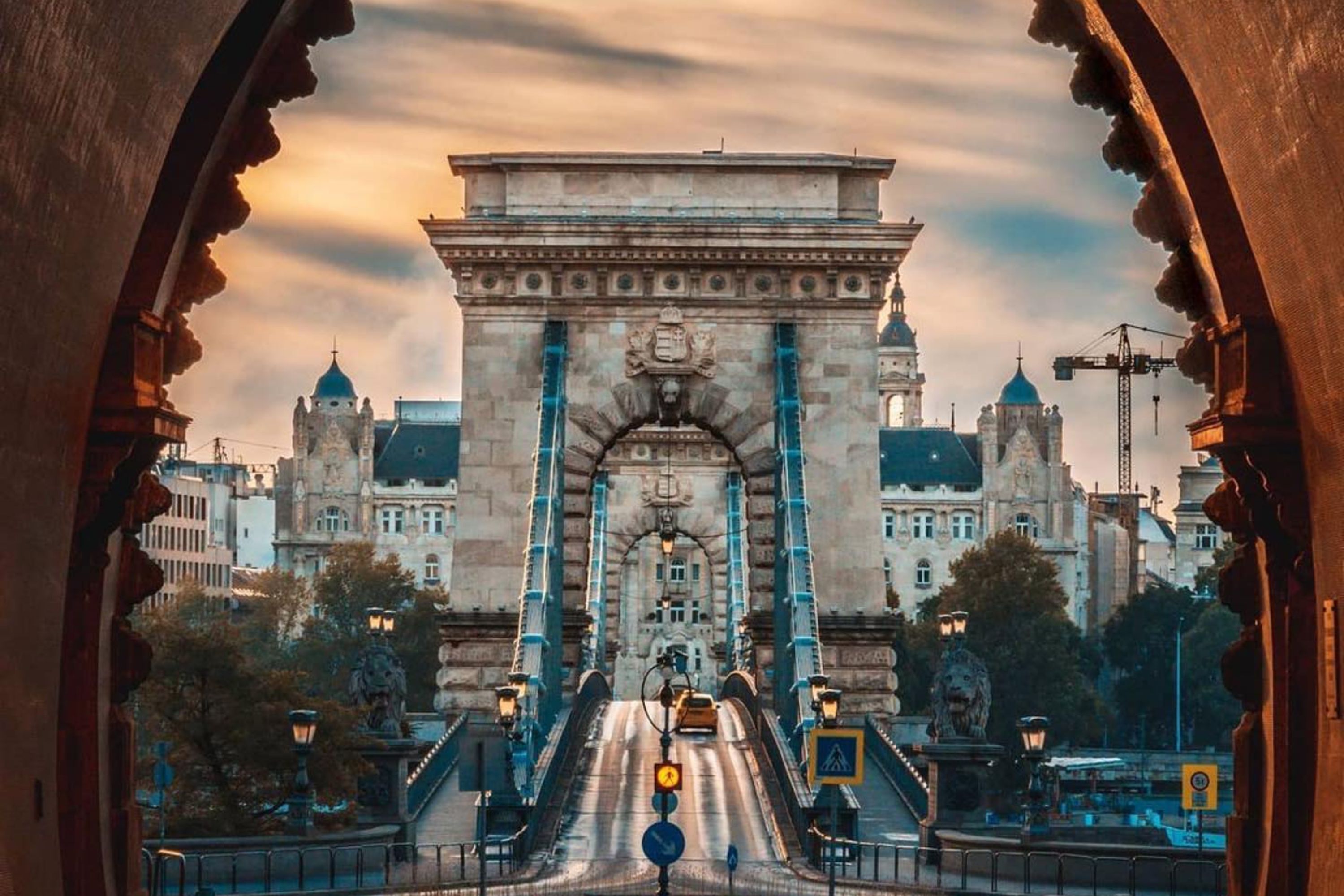
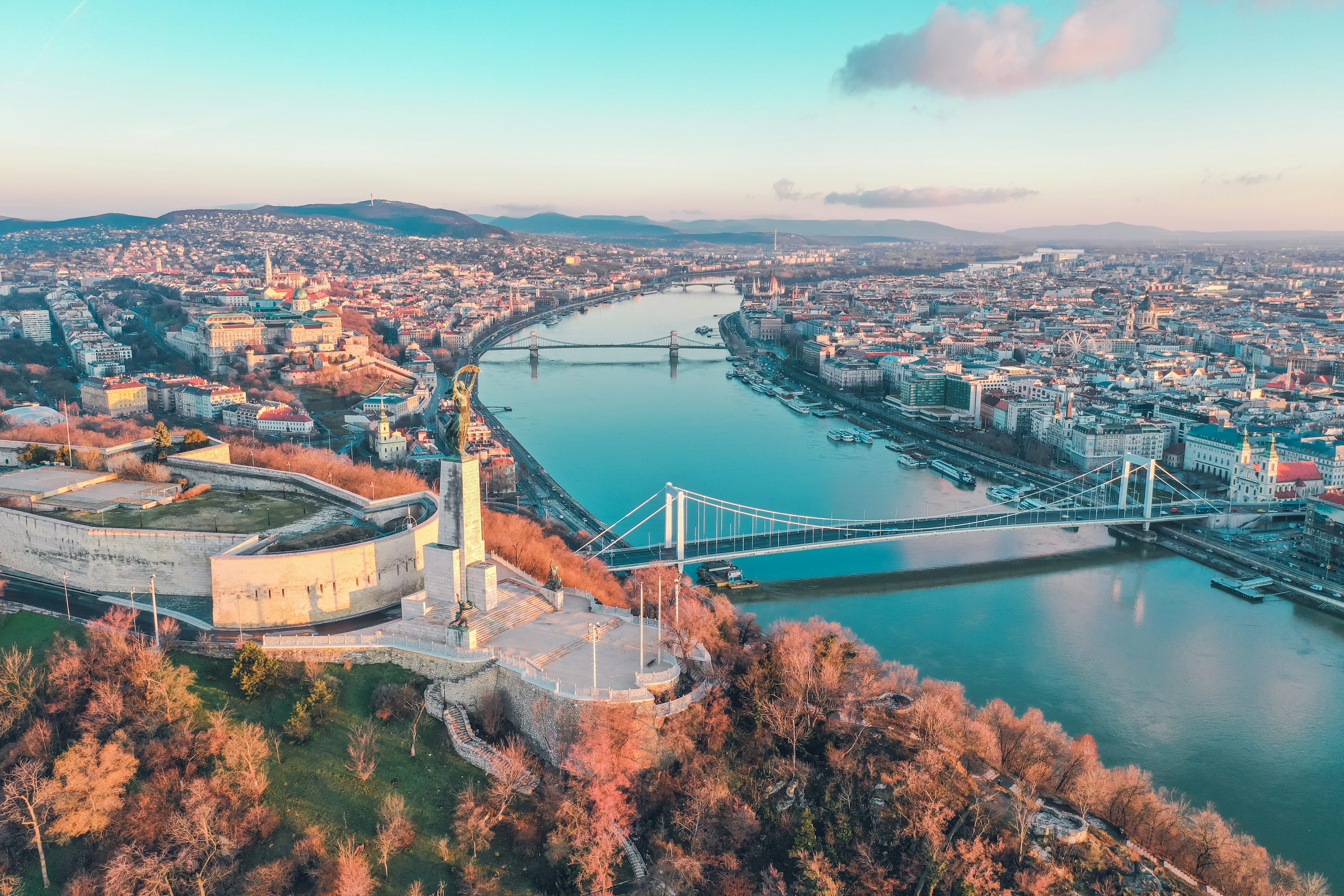
Walk on the Széchenyi Chain Bridge, the famous and first chain bridge of Budapest history, crossing the western and eastern sides of the city. It is a national symbol of advancement. At the time of its construction in the 19th century, the bridge was known as one of the modern world’s engineering wonders and had a lot of impact on the country’s life.
5
Our next stop will be the Zero Kilometer Stone. This limestone of 3 meters high is a significant sculpture of Budapest. It marks the main point where all roads start from Budapest and go all over the country. You will find the inscription « KM » for kilometers at the bottom of this strange zero-shaped sculpture.
6
Stop 6
You will then explore Buda Castle, a castle that was the home of Hungarian kings. Built-in 1265, it evolved in many styles in the 18th century, to become the massive Baroque palace we know today. Currently, this Royal Palace hosts the Hungarian National Gallery and the Budapest History Museum. The castle is surrounded by a wonderful area called the Castle Quarter. It is composed of many houses and monuments from medieval to neoclassical styles. A charming place to be, especially when we know Buda Castle is a World Heritage Site of Budapest.
7
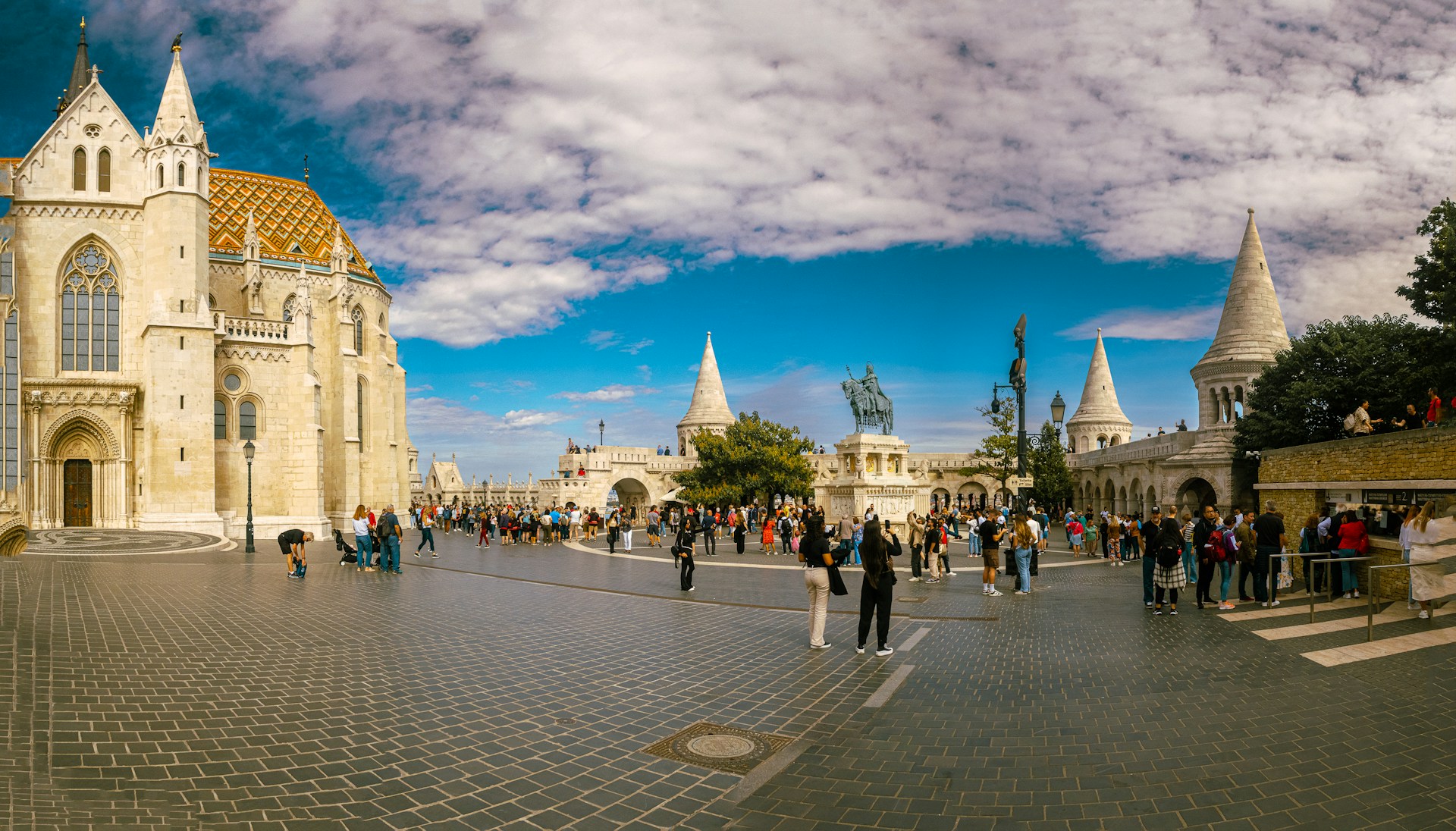
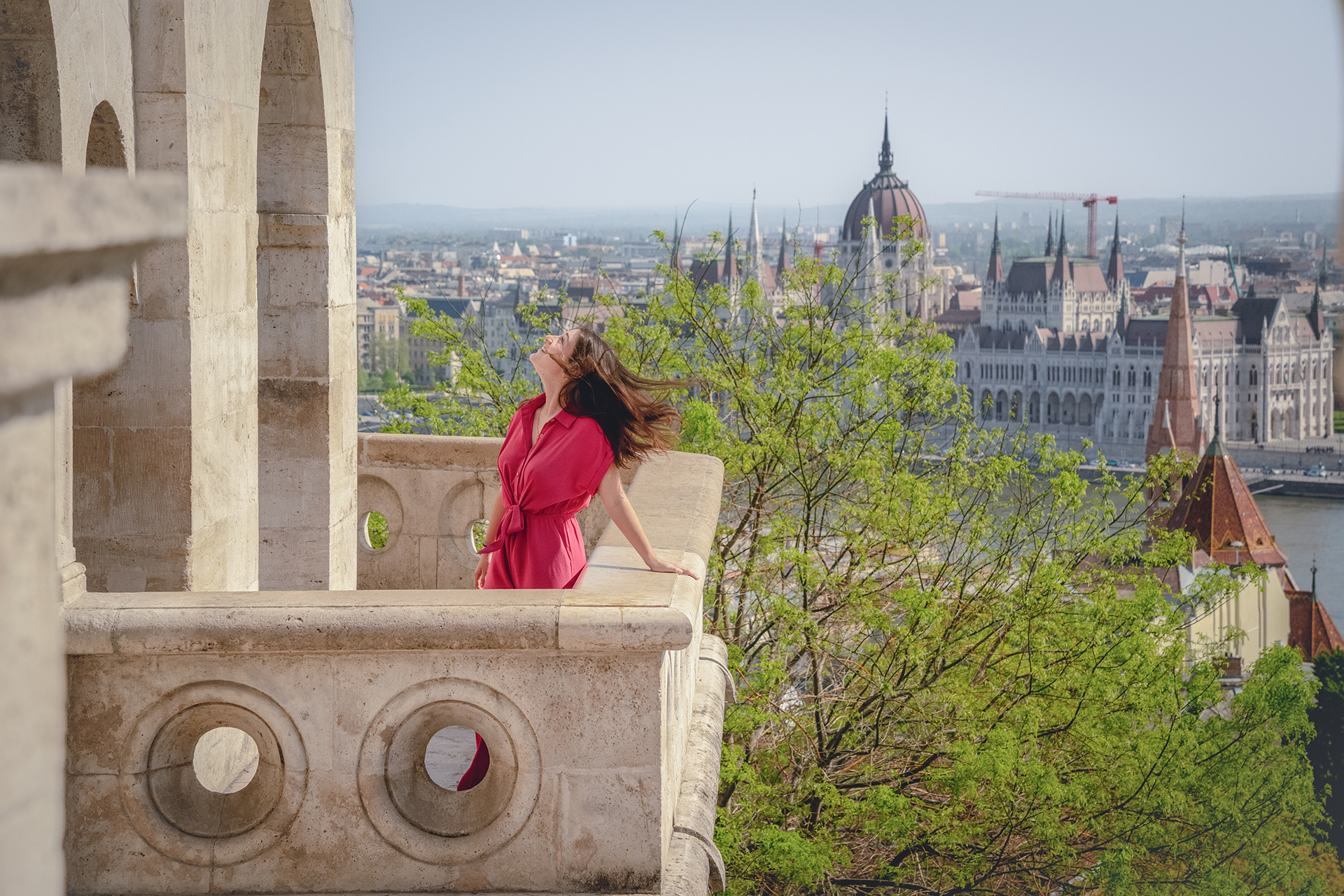
Here, you will also have a chance to see the Fisherman's Bastion. The bastion is located inside Buda Castle and is an important landmark of the city. Built between 1895 and 1902, it was made in a Neo-Romanesque style giving it all its beauty. From there, you will enjoy a wonderful panorama of the surroundings.
8
Finally, you will visit the Matthias Church, located in the Holy Trinity Square, right in front of the Fisherman’s Bastion. You will enjoy its mystical Gothic style, knowing it was the second largest church of medieval Buda. It was also the location of many historical events like the coronation of several kings, and the “Mary-wonder”.
What's not included
Entrance Fees
Available languages
Guide guide
DE
EN
HU
Important information
Public transportation options are available nearby
Suitable for all physical fitness levels
About Budapest
Budapest, the capital of Hungary, is a vibrant city known for its rich history, stunning architecture, and thermal baths. Straddling the Danube River, it offers a unique blend of Eastern and Western European cultures, making it a captivating destination for travelers.
Top Attractions
Budapest Parliament Building
The Hungarian Parliament Building is a stunning example of neo-Gothic architecture and a symbol of Hungary.
Architecture
1-2 hours
€20-30
Buda Castle
Buda Castle is a historical castle and palace complex that offers panoramic views of the city.
Historical
2-3 hours
Free to explore, €3-5 for museums
Széchenyi Thermal Bath
Széchenyi Thermal Bath is one of the largest thermal baths in Europe, offering a relaxing experience in historic surroundings.
Relaxation
2-3 hours
€15-20
Fisherman's Bastion
Fisherman's Bastion is a neo-Gothic and neo-Romanesque structure offering panoramic views of the Danube and Pest.
Architecture
1 hour
Free (€3 for the tower)
Heroes' Square
Heroes' Square is a significant monument and a major landmark in Budapest, commemorating the heroes of Hungary's history.
Historical
1 hour
Free
Must-Try Local Dishes
Goulash
A traditional Hungarian soup made with beef, vegetables, and paprika.
Dinner
Contains beef, gluten (from bread or flour)
Lángos
A deep-fried dough topped with sour cream, cheese, and garlic.
Snack
Contains dairy, can be made gluten-free
Chimney Cake (Kürtőskalács)
A sweet, cylindrical pastry cooked over an open fire and coated with sugar and cinnamon.
Dessert
Contains wheat, sugar, can be made gluten-free
Töltött Káposzta
Cabbage rolls stuffed with minced pork and rice, cooked in a tomato sauce.
Dinner
Contains pork, gluten (from tomato sauce)
Popular Activities
Hiking in the Buda Hills
Cycling along the Danube
Kayaking on the Danube
Visiting thermal baths
Strolling along Andrássy Avenue
Relaxing in City Park
Visiting museums and galleries
Attending classical music concerts
Best Time to Visit
May to September
This is the best time to visit Budapest for warm weather and outdoor activities. The city is lively with festivals and tourists.
18°C to 30°C
64°F to 86°F
Practical Information
Language
- Official: Hungarian
- Widely spoken: English, German
- English: Moderately spoken
Currency
Hungarian Forint (HUF)
Time Zone
GMT+1 (Central European Time)
Electricity
230VV, 50HzHz
Safety Information
Overall Safety Rating: Generally safe
Budapest is generally safe for travelers, but petty crime and scams can occur, especially in tourist areas.
Important Precautions:
- • Be cautious with valuables in crowded areas
- • Use official taxis or app-based services
- • Check bills carefully at restaurants and bars
Getting there
By air
- Budapest Ferenc Liszt International Airport • 16 km from city center
By train
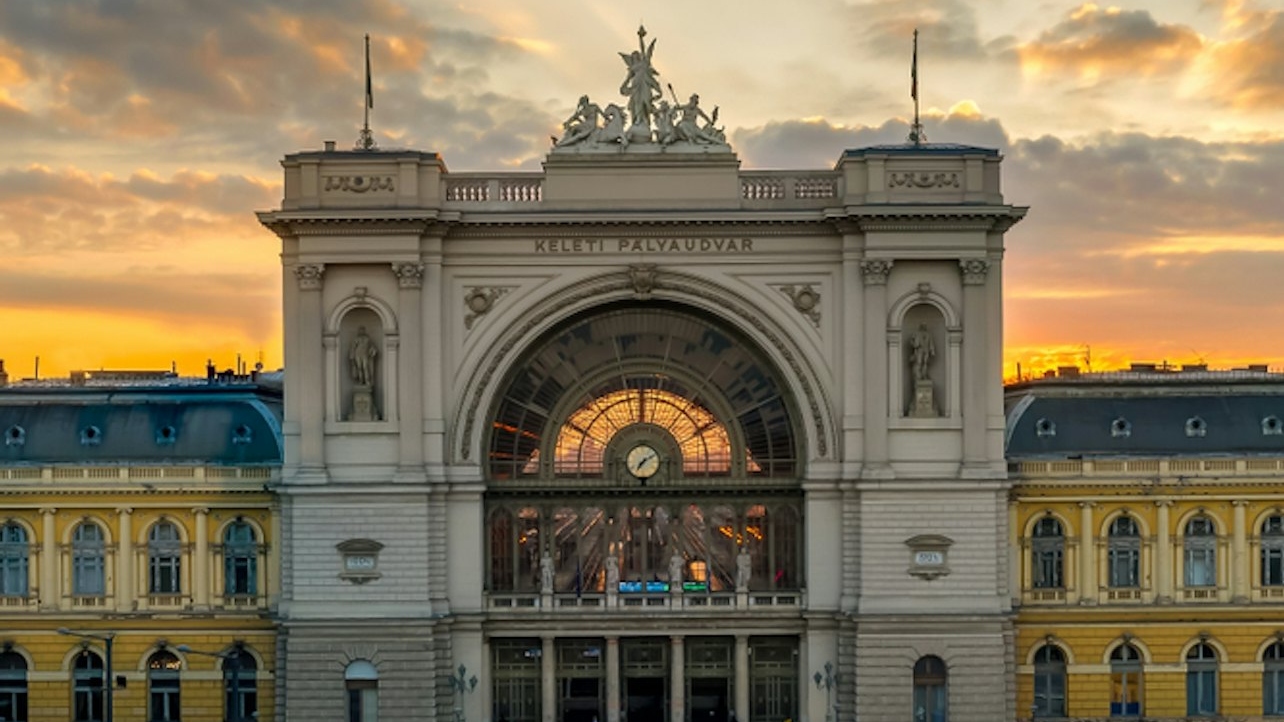
Budapest-Keleti Railway Station, Budapest-Nyugati Railway Station
By bus
Népliget Bus Station, Árpád Bridge Bus Station
Getting around
Public transport
The metro system is efficient and easy to use, with four lines connecting major attractions.
Taxis
Available • Apps: Bolt, Főtaxi
Rentals
Car, Bike, Scooter
Neighborhoods
District V (Belváros)
District VII (Jewish Quarter)
District VIII (Józsefváros)
District IX (Ferencváros)
Day trips
Szentendre
20 km from Budapest • Half day
A charming town known for its museums, galleries, and colorful houses.
Esztergom
50 km from Budapest • Full day
A historic town with a stunning basilica and a rich history.
Visegrád
40 km from Budapest • Full day
A historic town with a royal palace and scenic views of the Danube Bend.
Festivals
Budapest Christmas Market • Late November to early January
Budapest Spring Festival • March
Sziget Festival • August
Pro tips
- Use the Budapest Card for free public transport and discounts on attractions
- Take a Danube River cruise for stunning views of the city
- Visit the thermal baths early in the morning or late in the evening to avoid crowds
- Explore the Jewish Quarter for its vibrant nightlife and historic sites
- Try local street food, such as lángos and kürtőskalács, for an authentic taste of Budapest
From $25
per person
Price varies by option
Secure booking
Free cancellation available
Instant confirmation