Tokyo Walking Tour with professional guide
Active
1h - 2h
All sales are final. No refund is available for cancellations.
Manual confirmation
Mobile or paper ticket accepted
About this experience
Tokyo is the biggest city in the world. Capital of Japan, technology, tradition and strange things can be seen in this city. This tour will mainly focus on one of the most touristic and traditional areas of Tokyo, Asakusa. Asakusa is mainly known for the impressive Senso-Ji Temple, the oldest in Tokyo. But the temple is not the only part of this tour! First, after meeting your guide at Asakusa station, you will walk in the busy Nakamise Shopping street. Hozomon Gate will stand in front of you with its impressive red lantern. Asakusa Shrine and its unique composition will also be part of the promenade, as well as Mitsumine Shrine, the Edo-style Nishi-Sando street, and the secret Denboin Garden. So put on your kimono to enjoy traditional Japan!
Available options
Tokyo Walking Tour with professional guide
What's included
Private Tour Guide
Detailed itinerary
1
In front of you stands one of the busiest shopping streets in the world! Nakamise Dori is a street leading to Sensoji temple and its wonders. But Nakamise Dori is more than just a shopping street. On this 250-meters-long gallery, you will have the chance to look at 90 unique shops! This tourist market is standing here since the 17th century, so shops are being run by the same family from generation to generation. It is the best place in Tokyo to try Japanese food as well as to buy souvenirs of good quality. Here you can purchase many different gifts like cute chopsticks, geta, yukata, and folding fans.
2
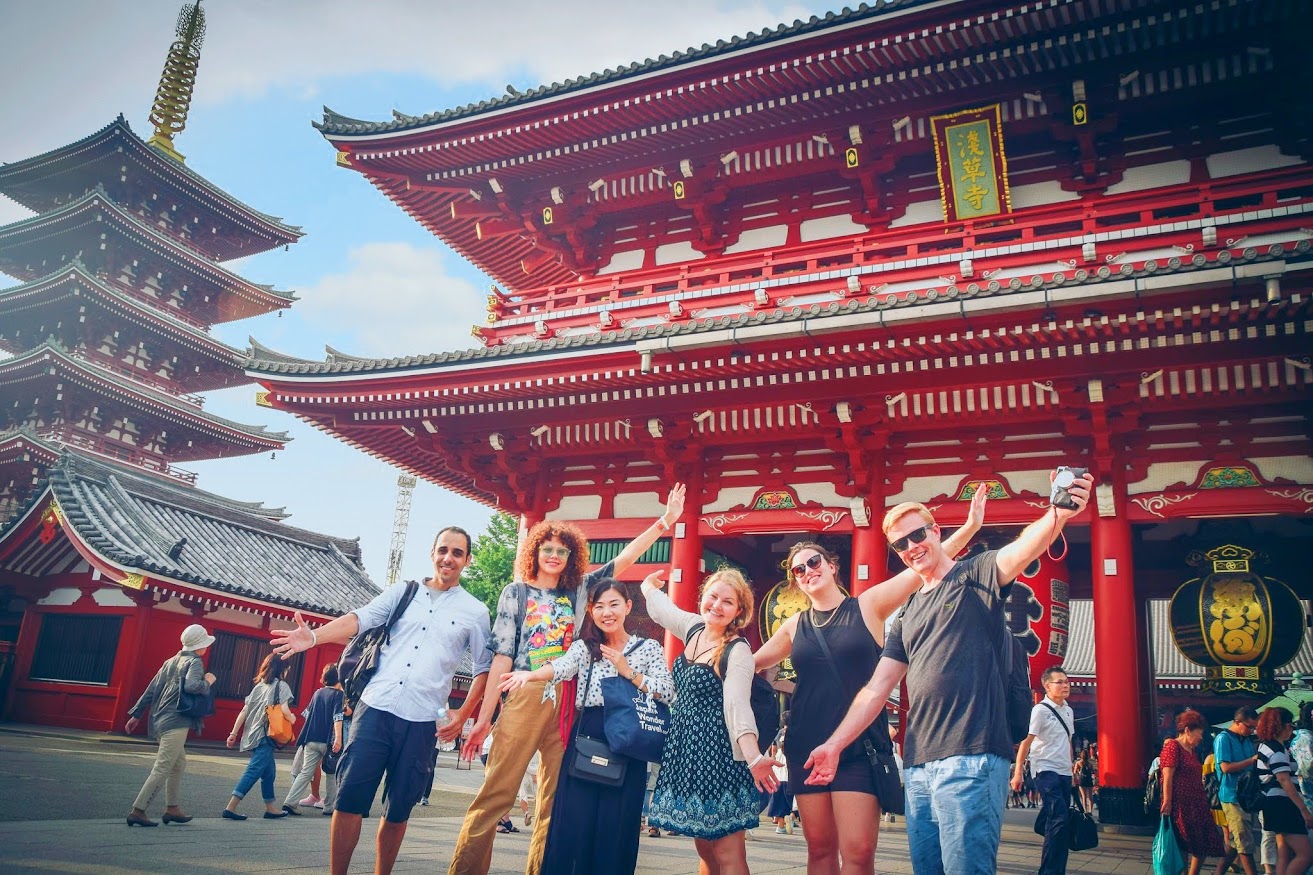
The Hozomon gate, meaning the Treasure-House Gate in Japanese, is one of the two impressive gates leading to the Senso-Ji temple. This gate is almost 23 meters high and 21 meters wide. But the most impressive part of this gate is what it contains. Two guardians statues are standing on each side of the gate. Those 6-meters-high statues represent Niō, the guardian of deities of the Buddha. Another impressive feature of the Hozomon gate is the presence of three large lanterns. The largest is 4 meters high, weighs 400 kg and hangs right in the center of the gate. It made the gate famous around the world.
3
Stop 3
Right next to Senso-Ji temple is the Asakusa Shrine. It is quite common in Japan to see two different religious places right next to each other. This Shinto shrine, also known as the Shrine of the Three Gods, honors the three men who founded the Senso-Ji Temple. It is one of the only two buildings in Asakusa that survived World War II, the other one being Senso-Ji Temple itself. You will stand in front of its impressive torii gate, knowing its rich history made it an Important Cultural Property of the Japanese Government in 1951!
4
Stop 4
Finally, you will walk to Tokyo's oldest and most significant Buddhist temple. Senso-Ji is an amazing part of this tour as you will see stunning things in there. The first one is an impressive five-story pagoda, a significant monument in a temple. The second one is the Kaminarimon, also called the Thunder Gate. This gate is a twin of the Hozomon gate. A massive red and black paper lantern hangs in the center of the gate. The gate contains four statues representing the Shinto gods Fujin and Raijin and Buddhist gods Tenryu and Kinryu. The Senso-Ji Temple is the most visited spiritual site in the world, dedicated to Kannon Bosatsum the Bodhisattva of compassion.
5
Many fires and catastrophes happened in Asakusa during the Edo Period. In consequence of those events, the shrine has been build. Indeed, the Mitsumine Shrine is a branch of the Mitsumine Shrine located in Chichibu, Saitama Prefecture. This shrine is known for being the most powerful in the Kanto Region. You will have a different feeling from Senso-Ji Temple and Asakusa Shrine there. Take the time to visit it and enjoy its effects. It is said the Mitsumine Shrine supports people with a strong will.
6
Nishi-Sando Shopping Street is different from Nakamise Shopping Street. First, you will look at its unique entrance decorated with replicas of hanafuda, a traditional card game. This covered street is different as the floor is made of laid natural cypress and the main color is vermilion. Here, shops have ornamental tiles and lanterns in a Senso-Ji Temple kind of style. You will feel like you traveled back in the Edo period, walking by this 100-meters-long street and its 40 stores. Each one of them sells unique charms, food, and souvenirs.
7
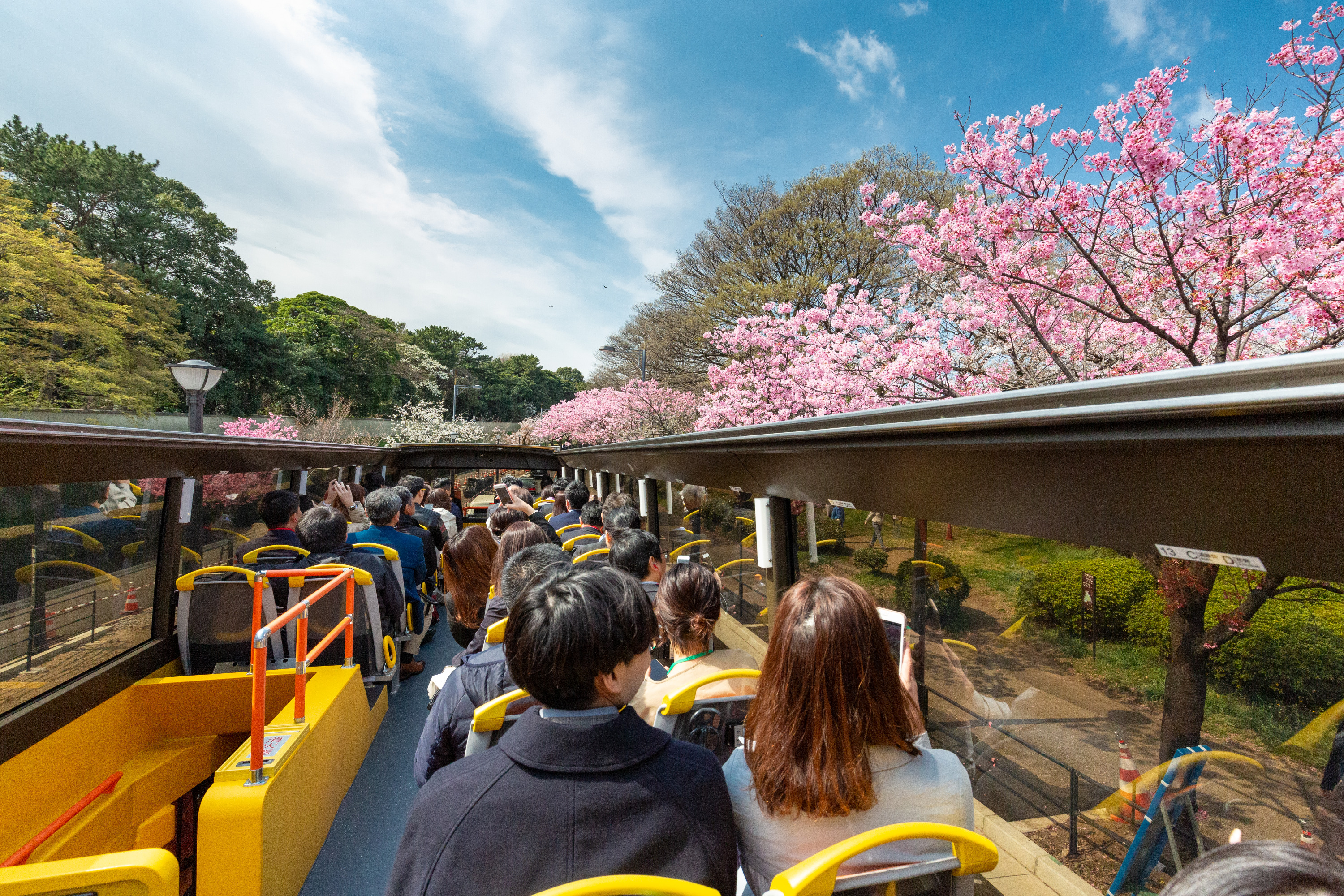
This step of the tour is special. Denboin garden is the residence of the head priest of Senso-Ji temple. As for, the garden isn't opened to the public all year long. Designated as National Scenic Beauty in 2011, Denboin Garden is a small space of silence and peace in the noisy Asakusa. Rich in nature, you will be able to visit the garden from the middle of March to early May. You will enjoy this 10,000 square meters garden where each part has been carefully taken care of by the priests. It is a typical Japanese garden, with a small pond, flowers and wonderful cherry trees. During this specific period, you will walk on a stone bridge under full bloomed cherry trees while looking at a small waterfall.
What's not included
Entrance Fees
Available languages
Guide guide
EN
Important information
Public transportation options are available nearby
Suitable for all physical fitness levels
Meeting point
Meeting Point at hotel possible (if centrally located).
About Tokyo
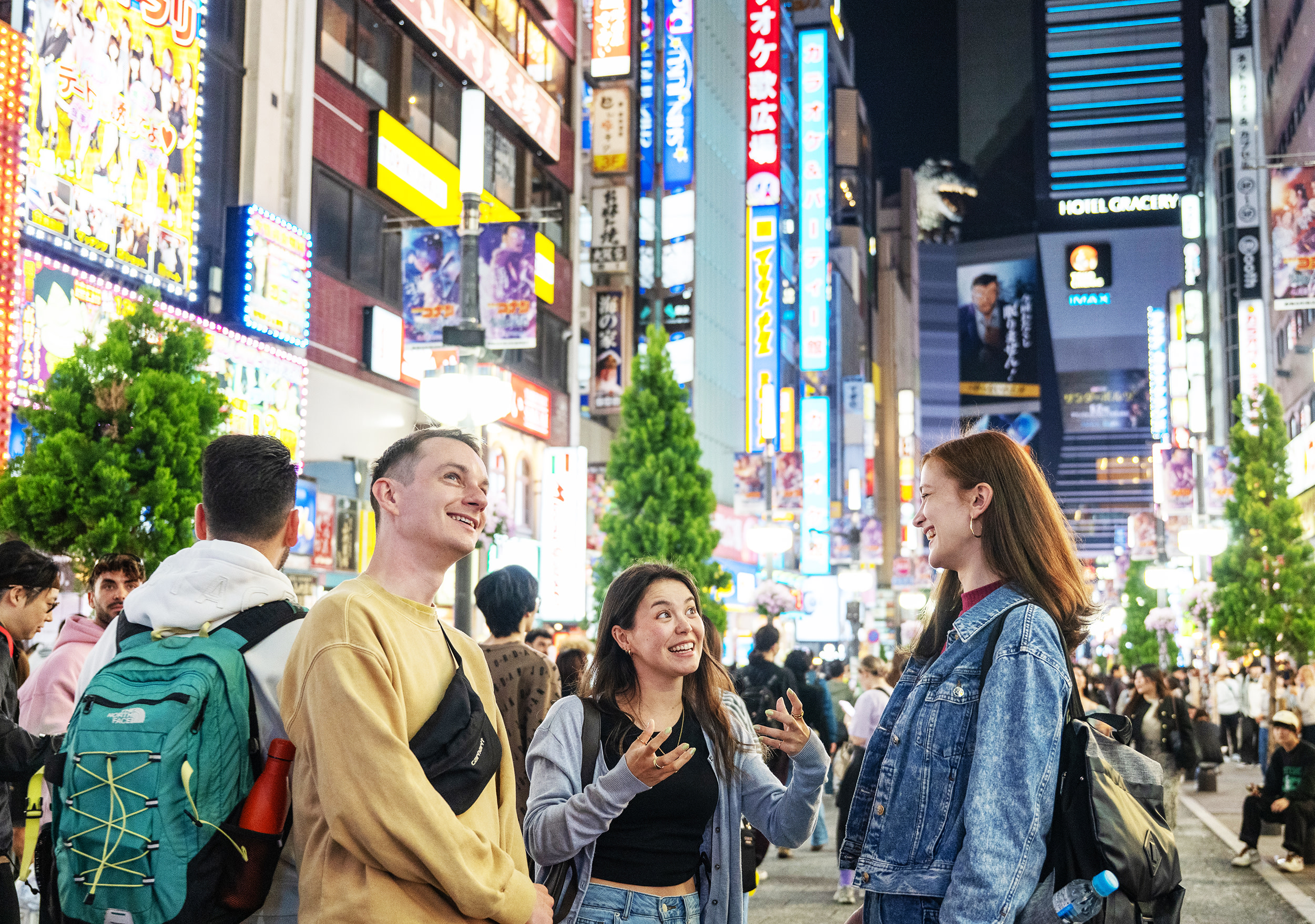
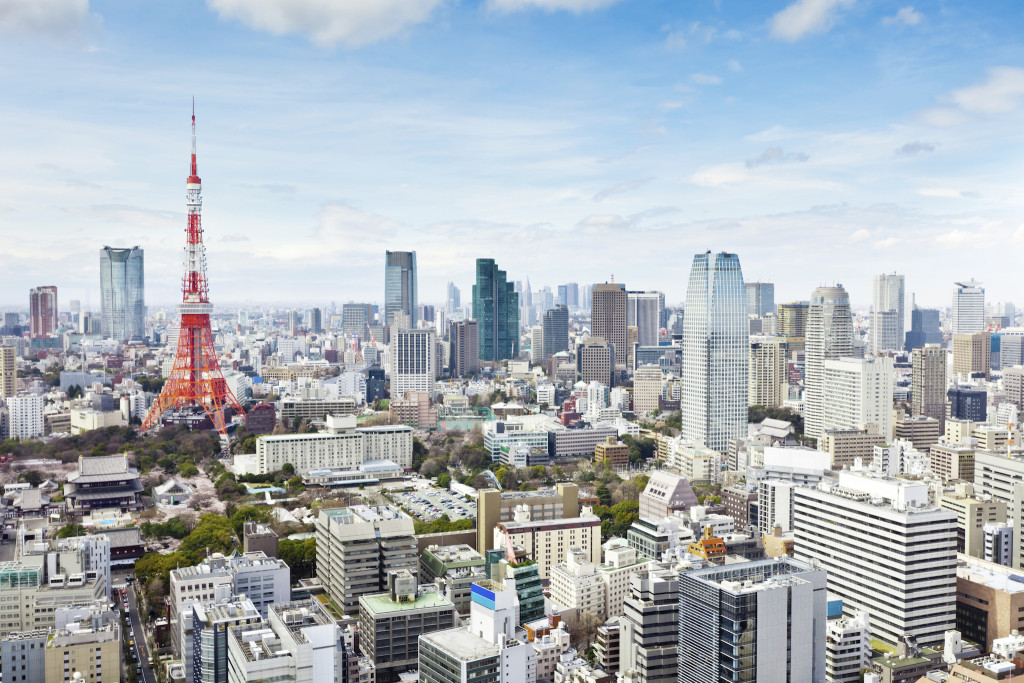
Tokyo, the capital of Japan, is a bustling metropolis that beautifully blends traditional culture with cutting-edge technology. Known for its neon-lit streets, historic temples, and world-class cuisine, Tokyo offers a unique experience that caters to every type of traveler.
Top Attractions
Senso-ji Temple
Senso-ji is Tokyo's oldest temple and one of its most significant. The temple's massive lantern and five-story pagoda are iconic landmarks.
Historical/Religious
1-2 hours
Free (small fee for some areas)
Meiji Shrine
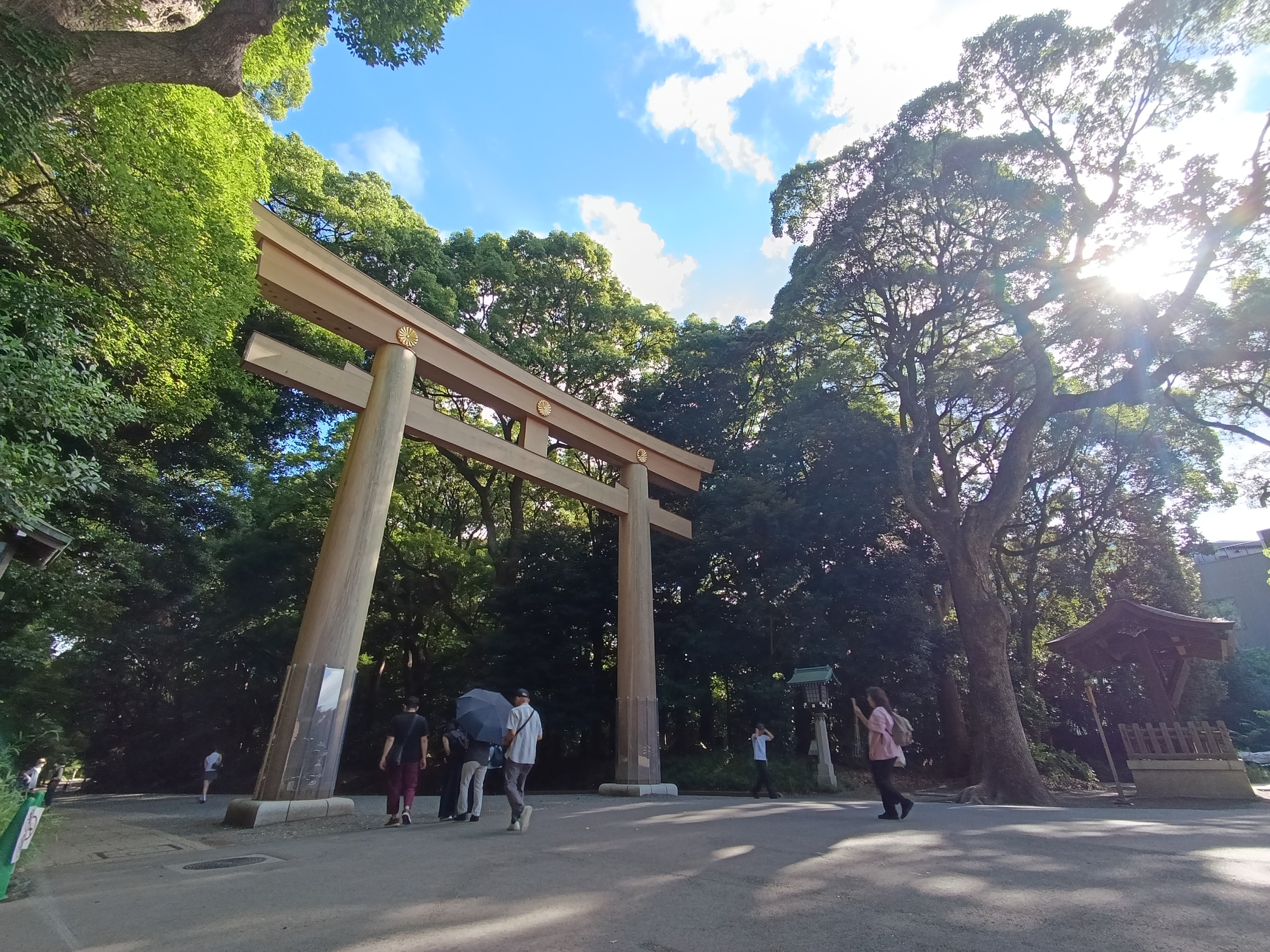
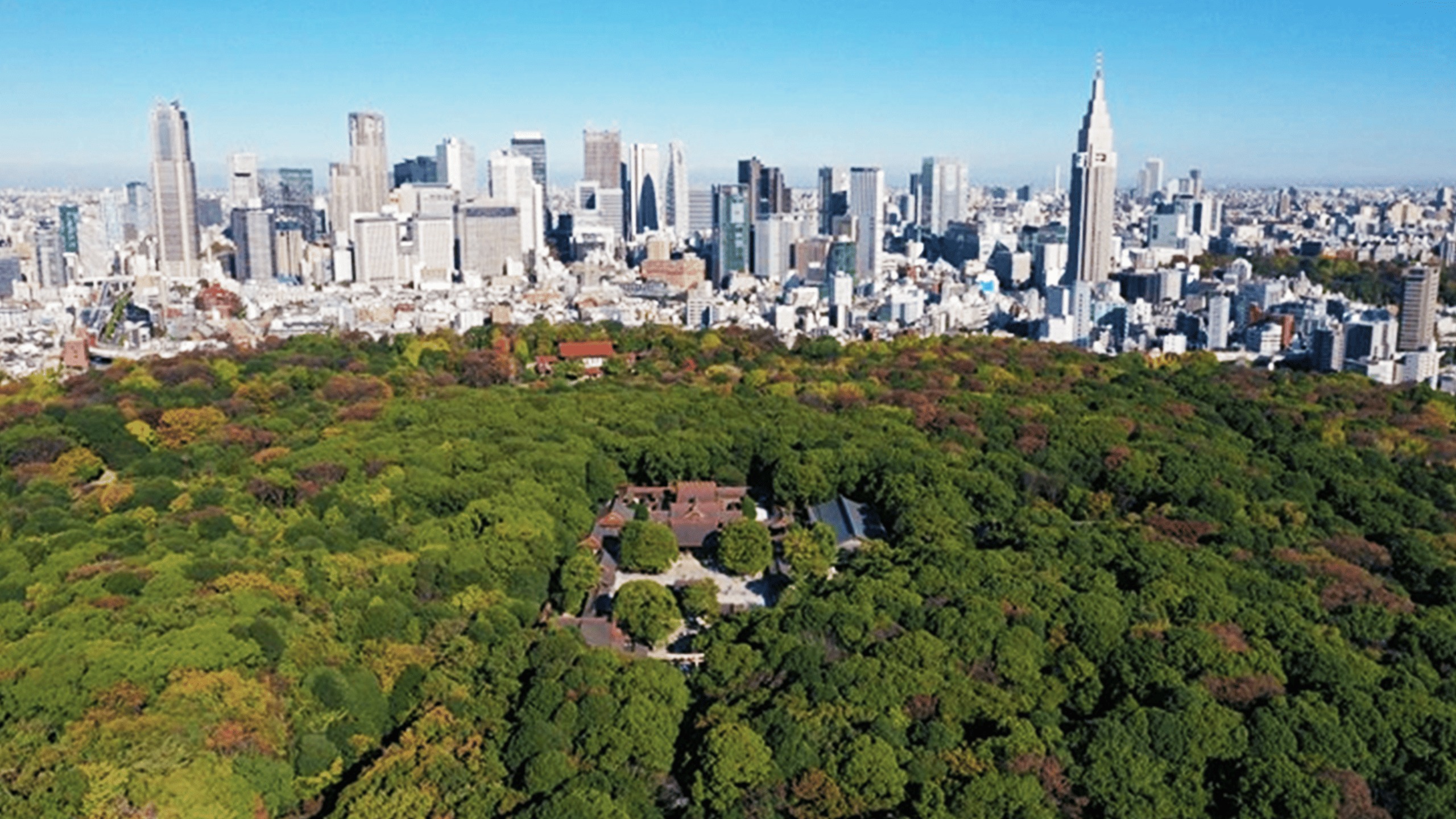
Meiji Shrine is a Shinto shrine dedicated to the deified spirits of Emperor Meiji and his wife, Empress Shoken. It is surrounded by a beautiful forest.
Historical/Religious
1-2 hours
Free
Shibuya Crossing
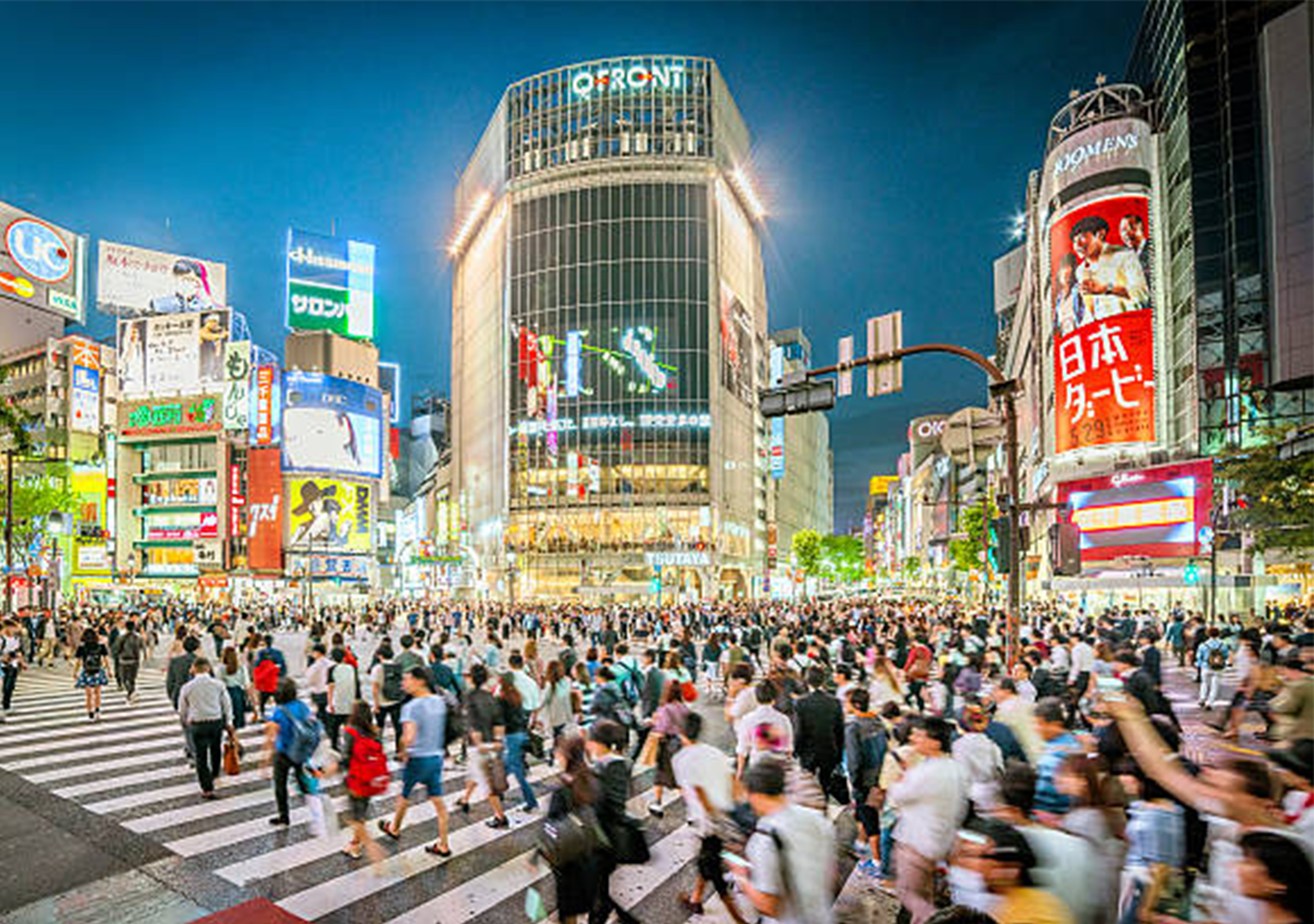
Shibuya Crossing is the world's busiest pedestrian crossing and a symbol of Tokyo's bustling urban life. It's a must-see for its chaotic yet orderly nature.
Cultural
30 minutes to 1 hour
Free (¥2,200 for Shibuya Sky)
Tokyo Skytree
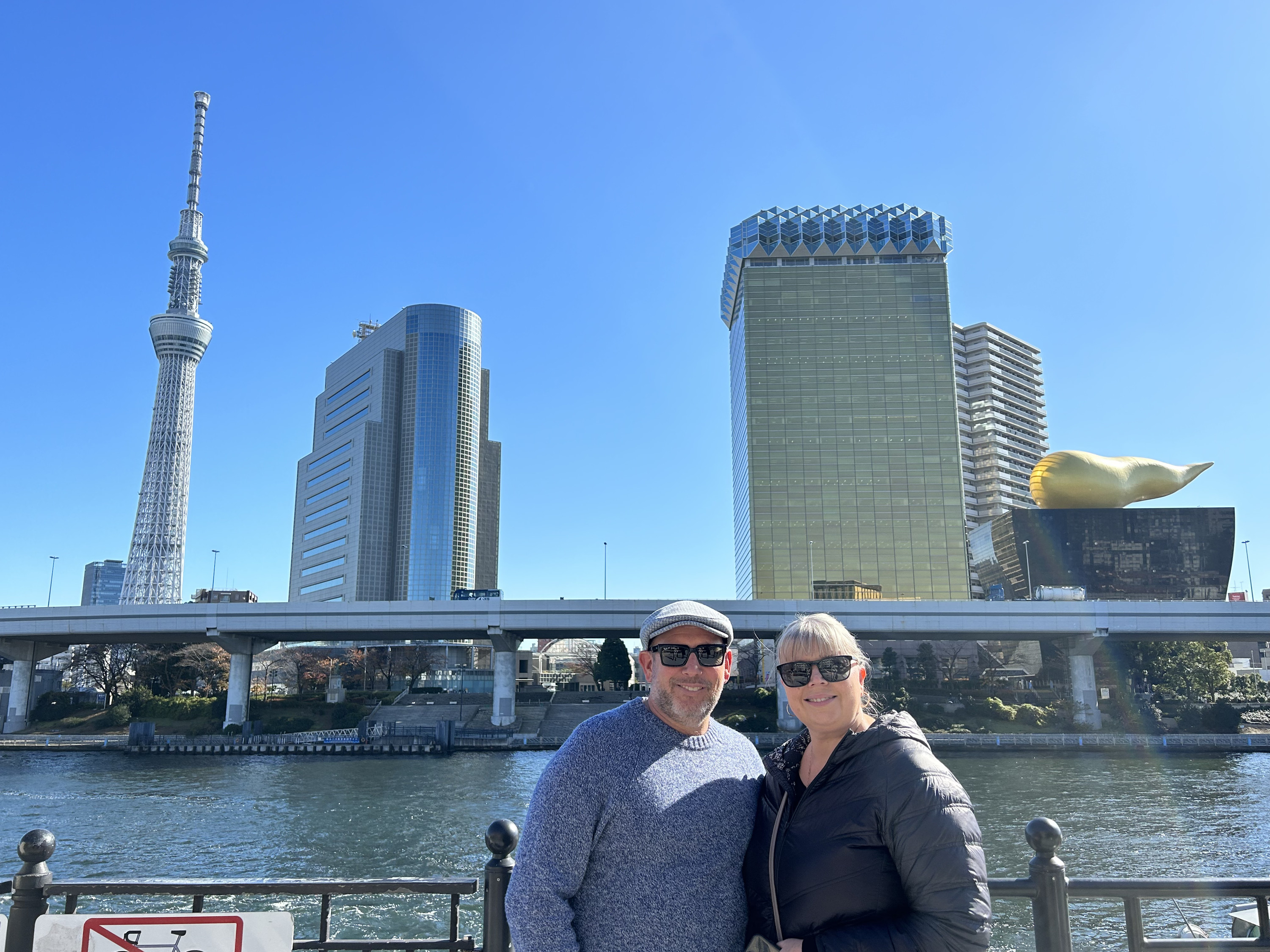
Tokyo Skytree is the tallest tower in Japan and the second tallest freestanding structure in the world. It offers breathtaking views of the city.
Architecture
2-3 hours
¥2,100 to ¥3,100 (USD $15 to $22)
Odaiba
Odaiba is a man-made island in Tokyo Bay known for its shopping, dining, and entertainment options. It's a great place for families and tech enthusiasts.
Entertainment
Half day to full day
Varies by attraction
Must-Try Local Dishes
Sushi
Fresh raw fish served on vinegared rice, a staple of Japanese cuisine.
Dinner
Contains fish, can be vegetarian with substitutes.
Ramen
Noodle soup with various broths and toppings, a popular comfort food.
Lunch/Dinner
Vegan and vegetarian options available.
Tempura
Deep-fried seafood and vegetables, known for its crispy texture.
Lunch/Dinner
Contains seafood and deep-fried ingredients.
Okonomiyaki
Savory pancake with various ingredients, often topped with sauce and bonito flakes.
Lunch/Dinner
Contains seafood and can be made vegetarian.
Popular Activities
Hiking in the nearby mountains
Parasailing at Odaiba
Onsen (hot spring) visits
Tea ceremonies
Traditional tea ceremonies
Kimono rentals and photo shoots
Boat tours on the Sumida River
Beach activities at Odaiba
Best Time to Visit
March to May (Spring) and September to November (Autumn)
These seasons offer comfortable temperatures and beautiful scenery, with cherry blossoms in spring and vibrant foliage in autumn. However, these are also the busiest times for tourism.
10°C to 25°C (50°F to 77°F)
50°F to 77°F
Practical Information
Language
- Official: Japanese
- Widely spoken: English, Chinese, Korean
- English: Moderately spoken in tourist areas, limited elsewhere
Currency
Japanese Yen (JPY)
Time Zone
GMT+9
Electricity
100VV, 50/60HzHz
Safety Information
Overall Safety Rating: Very safe
Tokyo is generally very safe, with low crime rates and a strong emphasis on public order. However, petty crimes like pickpocketing can occur in crowded areas.
Important Precautions:
- • Be cautious of your belongings in crowded areas.
- • Use licensed taxis and check fares before getting in.
- • Be aware of your surroundings, especially at night.
Getting there
By air
- Narita International Airport • 60 km (37 miles) from city center
- Haneda Airport • 15 km (9 miles) from city center
By train
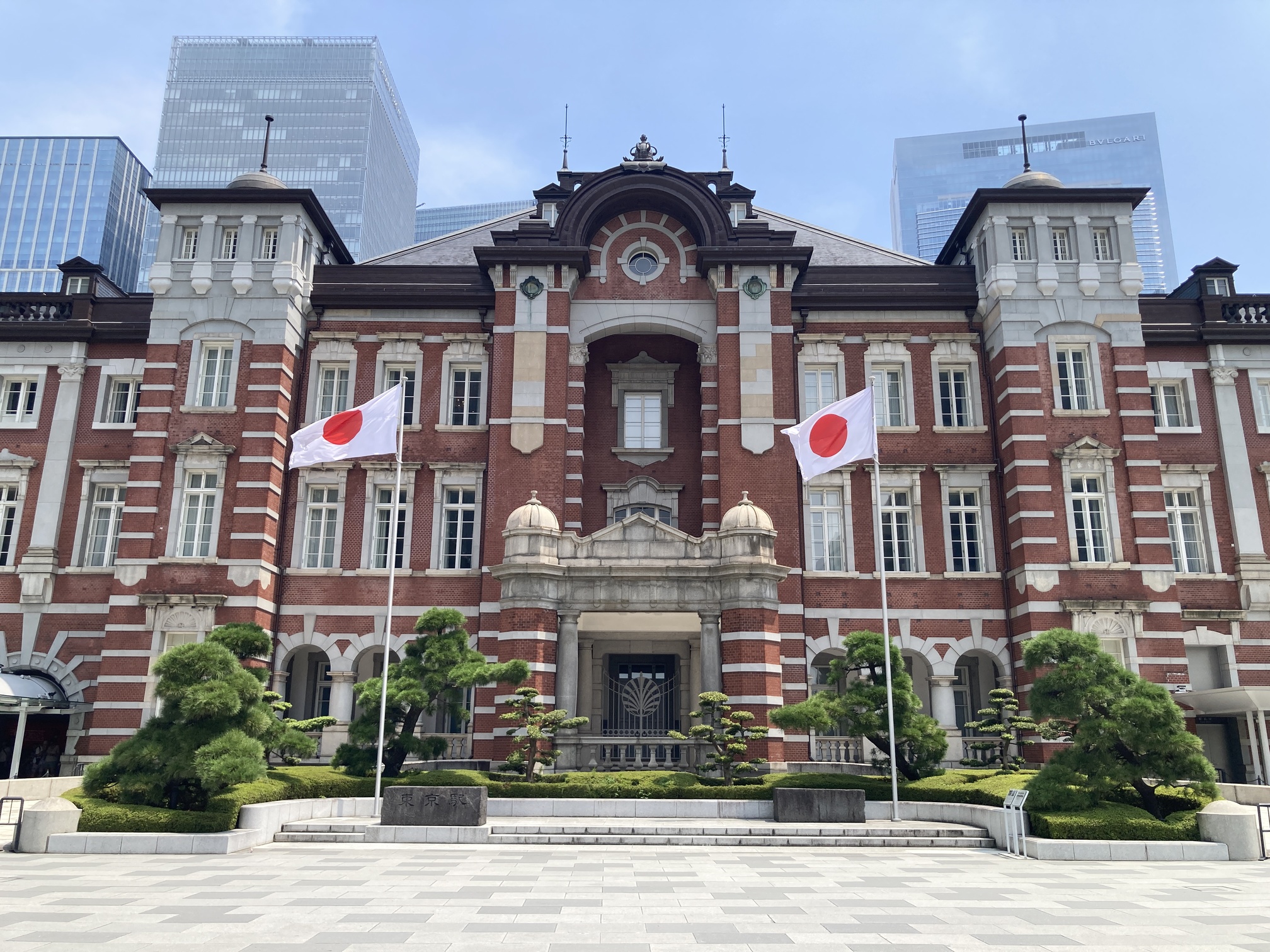
Tokyo Station, Shinjuku Station
By bus
Tokyo Station Bus Terminal, Shinjuku Expressway Bus Terminal
Getting around
Public transport
Tokyo's subway system is efficient, clean, and punctual. It consists of multiple lines operated by Tokyo Metro and Toei Subway.
Taxis
Available • Apps: JapanTaxi, DiDi
Rentals
Car, Bike, Scooter
Neighborhoods
Shibuya
Shinjuku
Asakusa
Ginza
Akihabara
Day trips
Nikko
120 km (75 miles) from Tokyo • Full day
Nikko is a city known for its beautiful shrines, temples, and natural scenery. It's a UNESCO World Heritage site and offers a peaceful retreat from the bustling city.
Kamakura
50 km (31 miles) from Tokyo • Half day to full day
Kamakura is a coastal town known for its historic temples, shrines, and the Great Buddha statue. It's a great place to experience traditional Japanese culture.
Hakone
90 km (56 miles) from Tokyo • Full day or overnight
Hakone is a hot spring resort town known for its onsen (hot springs), scenic views of Mount Fuji, and the Open-Air Museum. It's a popular destination for relaxation and nature.
Festivals
Sannō Matsuri • Mid-June (every 2 years)
Kanda Matsuri • Mid-May (every 2 years)
Sumida River Fireworks Festival • Last Saturday of July
Pro tips
- Use IC cards like Suica or Pasmo for convenient and discounted public transport.
- Download useful apps like Google Maps, Japan Transit Planner, and Japan Travel by Navitime.
- Learn a few basic Japanese phrases to enhance your experience and show respect for the local culture.
- Carry cash, as some smaller shops and restaurants may not accept credit cards.
- Visit popular attractions early in the morning or late in the afternoon to avoid crowds.
From $25
per person
Price varies by option
Secure booking
Free cancellation available