Cab Tours Belfast Famous Black taxi tours private 2hrs adventure
Active
2h
For a full refund, cancel at least 24 hours before the scheduled departure time.
Instant confirmation
Mobile or paper ticket accepted
About this experience
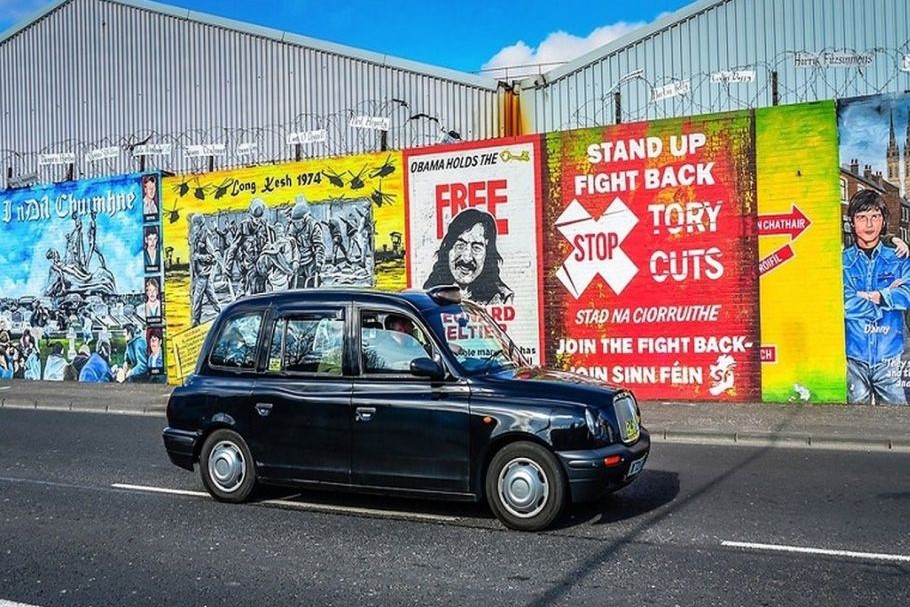
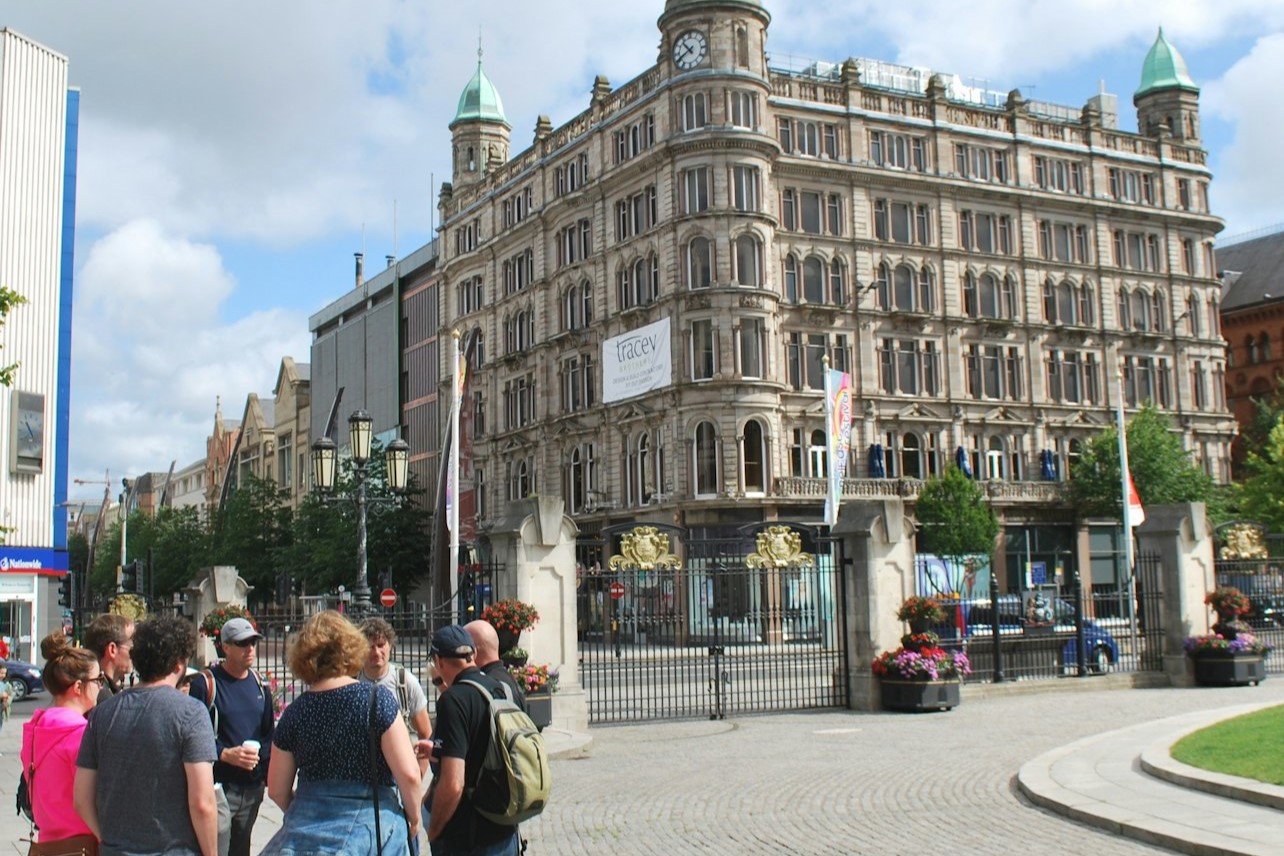
Unique opportunity to have a political insight into THE TROUBLES from both Republican and Loyalist ex-Prisoners. The Peoples Belfast black taxi Political tour allows you listen to the Real people and see the REAL Belfast. Learning all about the troubles in Belfast, what it was like to live through, What happened during the troubles and what it’s like now since the peace process, All drivers have lived through the troubles driving the streets for a living and can give a primary account like no other.
Available options
Cab Tours Belfast Famous Black taxi tours private 2hrs adventure
Pickup included
What's included
guide
Free pic
Hotel pickup
Hotel pickup and drop-off 1km from Belfast city hall
ALL OTHER PICK UPS AND DROP OFFS WILL BE CHARGE A CASH SURCHARGE ON THE DAY PAID TO GUIDE EG:CRUISE-SHIPS PLEASE CONTACT US BEFORE YOU BOOK ON CHARGES £15 EACH WAY PER CAB CRUISE SHIP PICK UPS
Detailed itinerary
1
Stop 1
This unique opportunity to travel through the heart land off the IRA and be guided by ex-republican prisoners and listen to the history .and learn about the political murals that dawn the walls. The Belfast Brigade of the Provisional IRA was the largest of the organisation's command areas, based in the city of Belfast. Founded in 1969, along with the formation of the Provisional IRA, it was historically organised into three battalions: the First Battalion based in the Andersonstown/Lenadoon/Twinbrook area of Southwest Belfast; the Second Battalion based in the Falls Road/Clonard/Ballymurphy district of West Belfast; and the Third Battalion organised in nationalist enclaves in the north (Ardoyne, New Lodge, Ligoniel), south (the Markets, Lower Ormeau) and east (Short Strand) of the city. do travel through the heart land off the IRA and be guided by ex-republican prisoners.
2
Stop 2
The tour will be conducted by loyalist ex-prisoners who will explain the troubled past of Northern Ireland and the history of the loyalist people.The West Belfast Division of the original Ulster Volunteer Force organised on the Shankill and drilled in Glencairn and some of its members saw service in the First World War with the 36th (Ulster) Division and later fought the IRA. A garden of remembrance beside the Shankill Graveyard and a mural on Conway Street commemorate those who fought in the war. Recruitment was also high during the Second World War and that conflict saw damage occur to the Shankill Road as part of the Belfast Blitz when a Luftwaffe bomb hit a shelter on Percy Street, killing many people. The site of the destruction was visited by the Duke and Duchess of Gloucester soon after the attack.
3
PEACEWALLS The peace lines or peace walls are a series of separation barriers in Northern Ireland that separate predominantly Republican and Nationalist Catholic neighbourhoods from predominantly Loyalist and Unionist Protestant neighbourhoods. They have been built at urban interface areas in Belfast, Derry, Portadown and elsewhere. The stated purpose of the peace lines is to minimise inter-communal violence between Catholics (most of whom are nationalists who self-identify as Irish[1]) and Protestants (most of whom are unionists who self-identify as British[1]).
The peace lines range in length from a few hundred yards to over three miles (5 km). They may be made of iron, brick, and/or steel and are up to 25 feet (8 m) high.] Some have gates in them (sometimes staffed by police) that allow passage during daylight but are closed at night.
What's not included
Hotel pickup and drop-off OUTSIDE THE 1KM FREE PICK UP ZONE FROM BELFAST CITY HALL WILL HAVE A CASH SURCHARGE ADDED ON THE DAY PAID TO GUIDE
Food and drinks
Drinks
Available languages
Guide guide
EN
Reviews breakdown
Viator
5.0
5 reviews
5★
5
4★
0
3★
0
2★
0
1★
0
Tripadvisor
5.0
2 reviews
5★
2
4★
0
3★
0
2★
0
1★
0
Important information
Service animals allowed
Public transportation options are available nearby
Infants are required to sit on an adult’s lap
Suitable for all physical fitness levels
Children must be accompanied by an adult
This tour is from the age of 14 plus
Meeting point
Important notes
Hotel pickups commence prior to this time, you must contact the local service provider to verify your exact pickup time.
Times are subject to change due to local traffic conditions.
About Belfast
Belfast, the capital of Northern Ireland, is a vibrant city with a rich maritime, industrial, and political history. Known for its Titanic heritage, friendly locals, and dynamic cultural scene, it offers a unique blend of historical sites, modern attractions, and stunning natural beauty.
Top Attractions
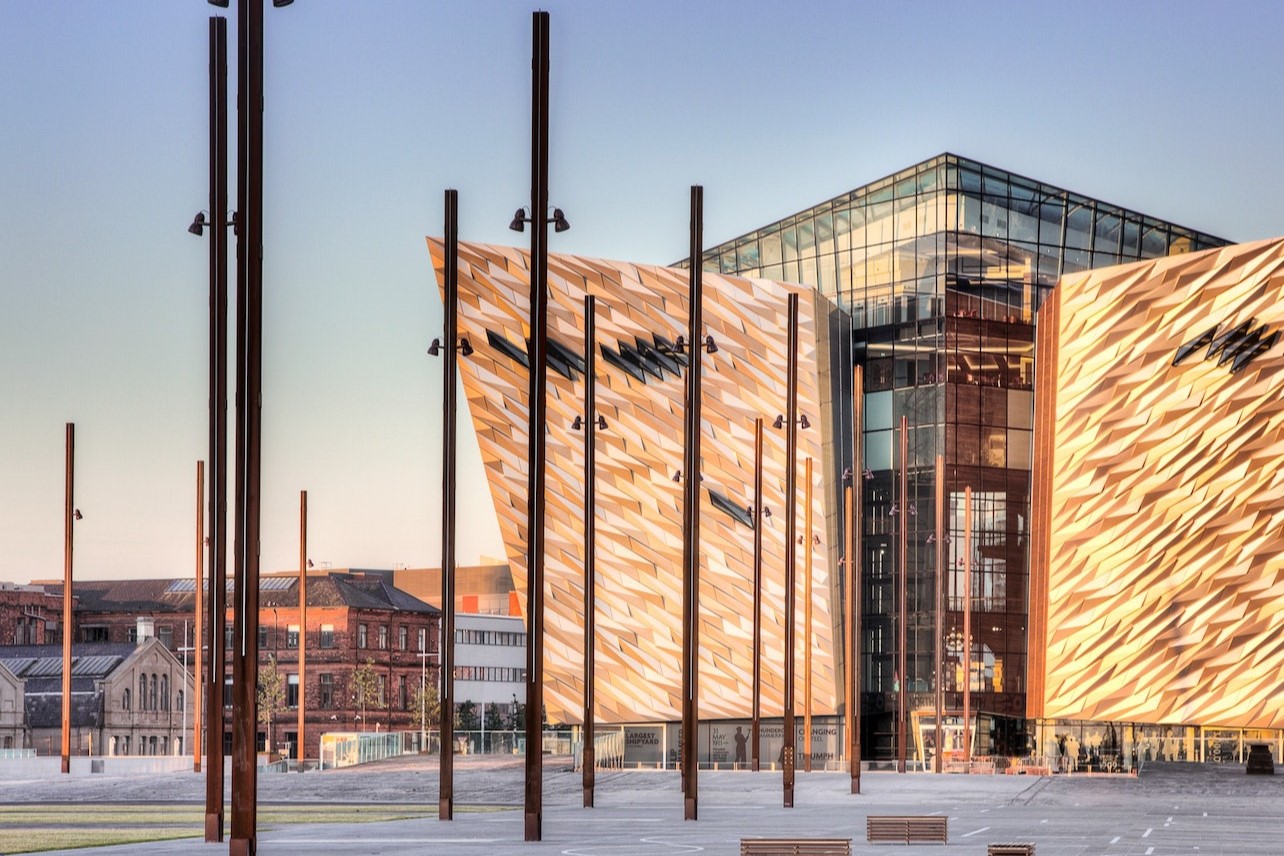
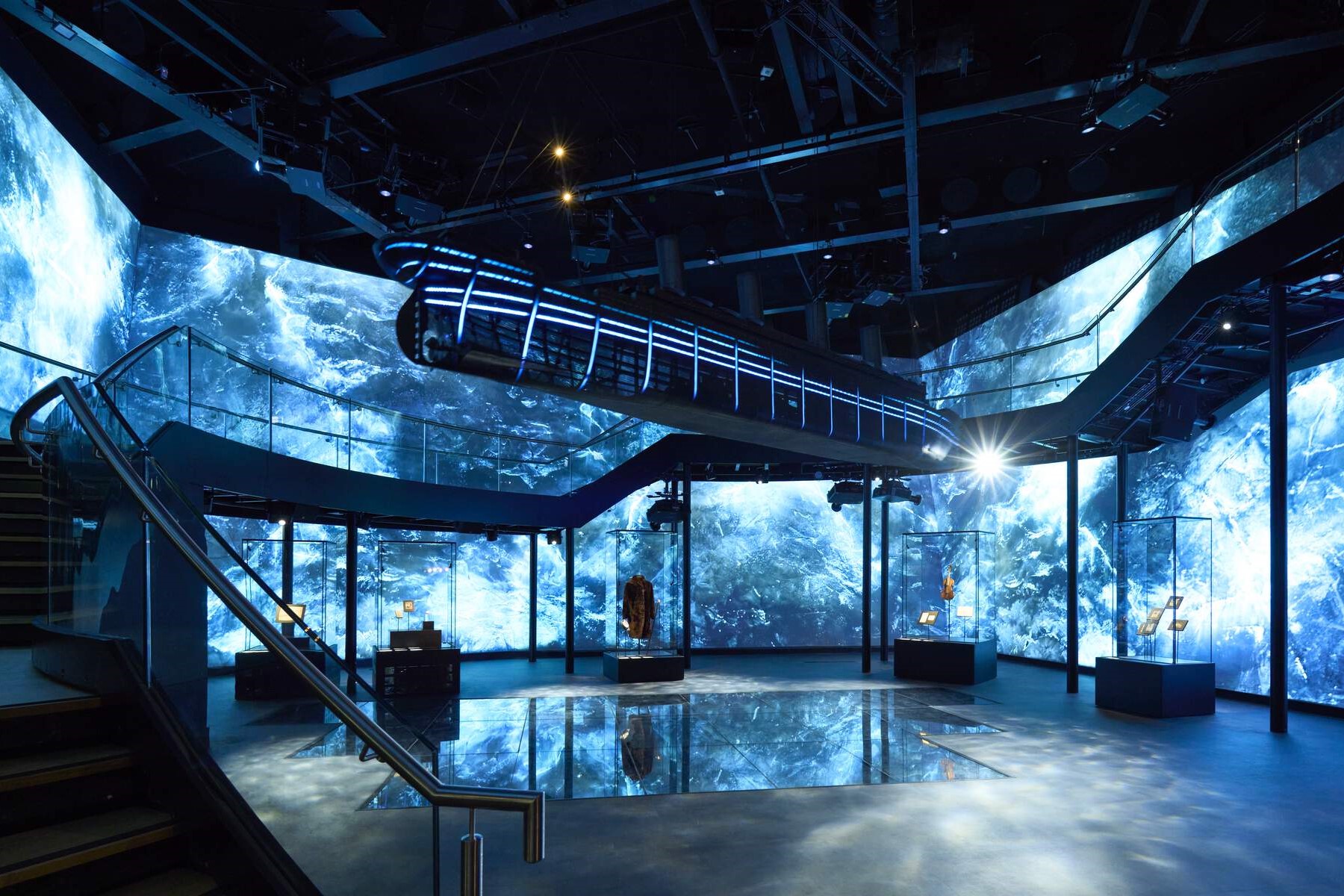
Titanic Belfast
A world-class museum dedicated to the Titanic, offering interactive exhibits and a fascinating insight into Belfast's shipbuilding heritage.
Historical
2-3 hours
£22-£26
Belfast Castle
A beautiful 19th-century castle set in the Cave Hill Country Park, offering stunning views of the city and surrounding countryside.
Historical
1-2 hours
Free
St. George's Market
A historic market offering a variety of food, crafts, and entertainment. It's one of the few remaining Victorian markets in the UK.
Cultural
1-2 hours
Free entry, food and crafts for purchase
Crumlin Road Gaol
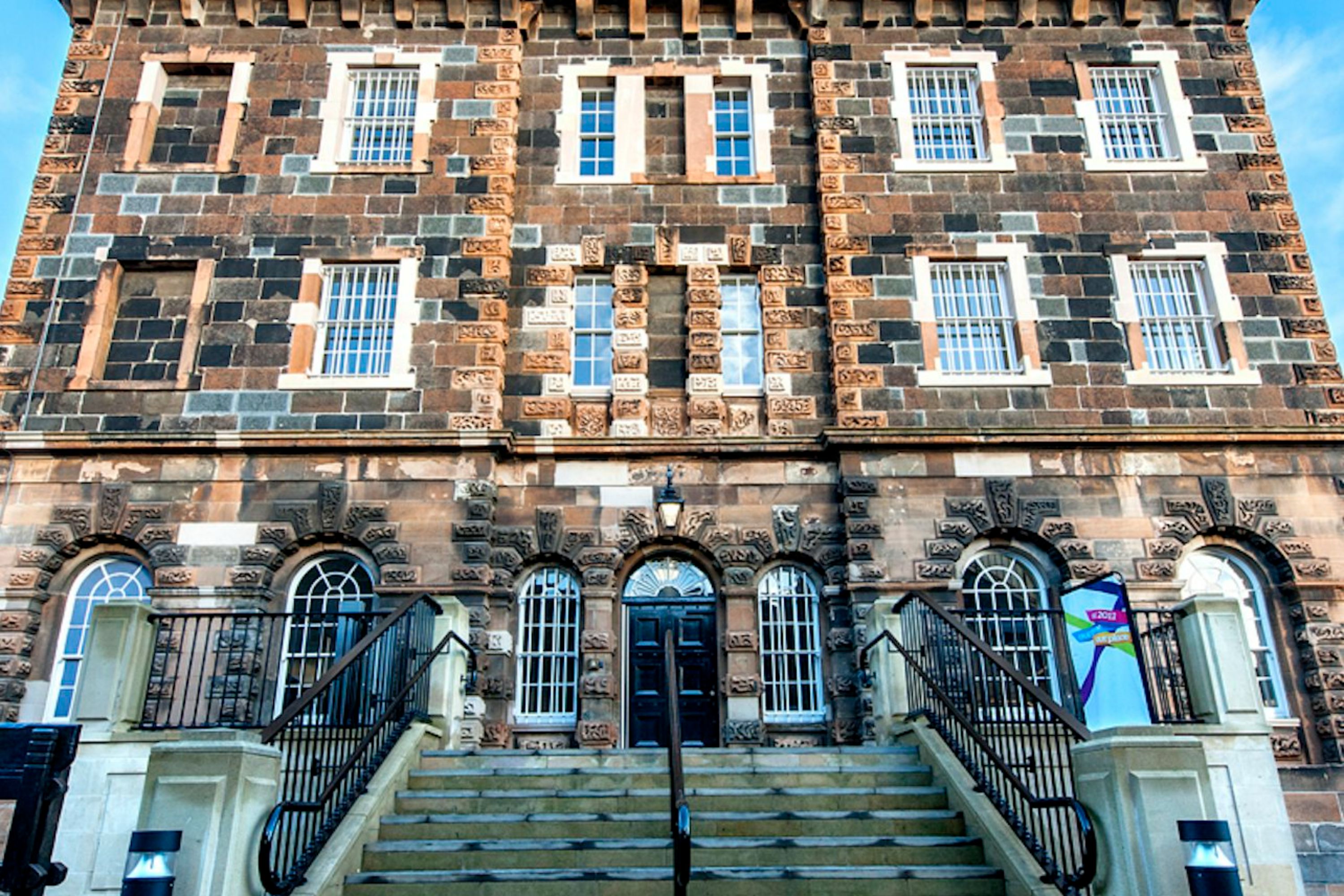
A former Victorian prison that has been restored to its original condition, offering guided tours and insights into Belfast's criminal history.
Historical
1-2 hours
£12-£15
Botanic Gardens
A beautiful public park featuring a variety of plants, trees, and flowers, as well as the Palm House and Tropical Ravine House.
Nature
1-2 hours
Free
Must-Try Local Dishes
Ulster Fry
A hearty breakfast consisting of soda bread, potato bread, bacon, sausage, black and white pudding, eggs, and tomato.
Breakfast
Contains meat and gluten
Irish Stew
A traditional stew made with lamb, potatoes, carrots, and onions.
Lunch/Dinner
Contains meat and gluten
Chippey
A traditional fish and chip shop serving battered fish, chips, and various sides.
Dinner
Contains fish and gluten
Belfast Bap
A soft, white bread roll filled with a sausage, bacon, or egg.
Breakfast/Lunch
Contains meat and gluten
Popular Activities
Hiking in Cave Hill Country Park
Crossing the Carrick-a-Rede Rope Bridge
Kayaking on Lough Neagh
Strolling through Botanic Gardens
Enjoying a spa day
Sipping coffee in a trendy cafe
Exploring the Ulster Museum
Attending a performance at the Grand Opera House
Best Time to Visit
June to August
This is the warmest and sunniest time of the year, perfect for outdoor activities and festivals. However, it's also the busiest tourist season.
15°C to 20°C
59°F to 68°F
Practical Information
Language
- Official: English
- Widely spoken: Irish (Gaelic)
- English: Widely spoken
Currency
Pound Sterling (GBP)
Time Zone
GMT (UTC+0) in winter, BST (UTC+1) in summer
Electricity
230VV, 50HzHz
Safety Information
Overall Safety Rating: Generally safe
Belfast is generally safe, but like any city, it's important to be aware of your surroundings and take precautions to ensure a safe and enjoyable trip.
Important Precautions:
- • Be aware of your surroundings, especially at night.
- • Keep valuables secure and out of sight.
- • Use licensed taxis and check the fare before starting your journey.
Getting there
By air
- Belfast International Airport • 20 km (12 miles) northwest of the city center
- George Best Belfast City Airport • 3 km (2 miles) east of the city center
By train
Belfast Central Station, Belfast Lanyon Place Station
By bus
Belfast Europa Buscentre
Getting around
Public transport
Buses are the most common form of public transport in Belfast, with a comprehensive network covering the city and surrounding areas.
Taxis
Available • Apps: Free Now, Uber
Rentals
Car, Bike, Scooter
Neighborhoods
Cathedral Quarter
Titanic Quarter
Belfast City Centre
Stranmillis
The Ormeau Road
Day trips
Giant's Causeway
90 km (56 miles) • Full day
A UNESCO World Heritage Site featuring a unique natural formation of interlocking basalt columns.
Carrick-a-Rede Rope Bridge
70 km (43 miles) • Half day
A thrilling rope bridge spanning a 23-meter (75-foot) chasm, offering stunning views of the coastline.
Dunluce Castle
80 km (50 miles) • Half day
A dramatic medieval castle perched on a cliff, offering a glimpse into Northern Ireland's past.
Festivals
Belfast International Arts Festival • October
Cathedral Quarter Arts Festival • May
Belfast Mela • August
Pro tips
- Take a black cab tour to learn about Belfast's history and political landscape from a local perspective.
- Visit the Cathedral Quarter for a vibrant mix of bars, restaurants, and cultural venues.
- Explore the Titanic Quarter, home to the Titanic Belfast museum and a variety of attractions.
- Stroll through Botanic Gardens and visit the nearby Ulster Museum and Palm House.
- Try local delicacies like the Ulster Fry and Belfast Bap at St. George's Market.
From $25
per person
Price varies by option
Secure booking
Free cancellation available
Instant confirmation