Munich Private Third Reich Tour
Active
2h
For a full refund, cancel at least 24 hours before the scheduled departure time.
Manual confirmation
Mobile or paper ticket accepted
About this experience
Many of Munich’s buildings carry the secrets of a dark past. Let us unfold them together while we march through history in this 2,5 hours walking tour into the heart of the Third Reich. General Eisenhower called Munich “the cradle of the Nazi beast”. The city was the birthplace of the Nazi party and also the home of its headquarters. In this city, in its public squares and streets, the voice of Adolf Hitler resounded for the first time. This is the city were Hitler found his voice and built up his notoriety and where he took his stranglehold over Germany. Munich was also the stage upon which some of the Nazi most ill-famed events took place. Our local guides will unfold for you all the events that led to the rise and downfall of the Nazi terror.
Available options
Munich Private Third Reich Tour
Pickup included
What's included
*Private guided Tour
*Possible customizing on tour with your local guide on the spot
*Local Guide who will be with your group only
Detailed itinerary
1
Stop 1
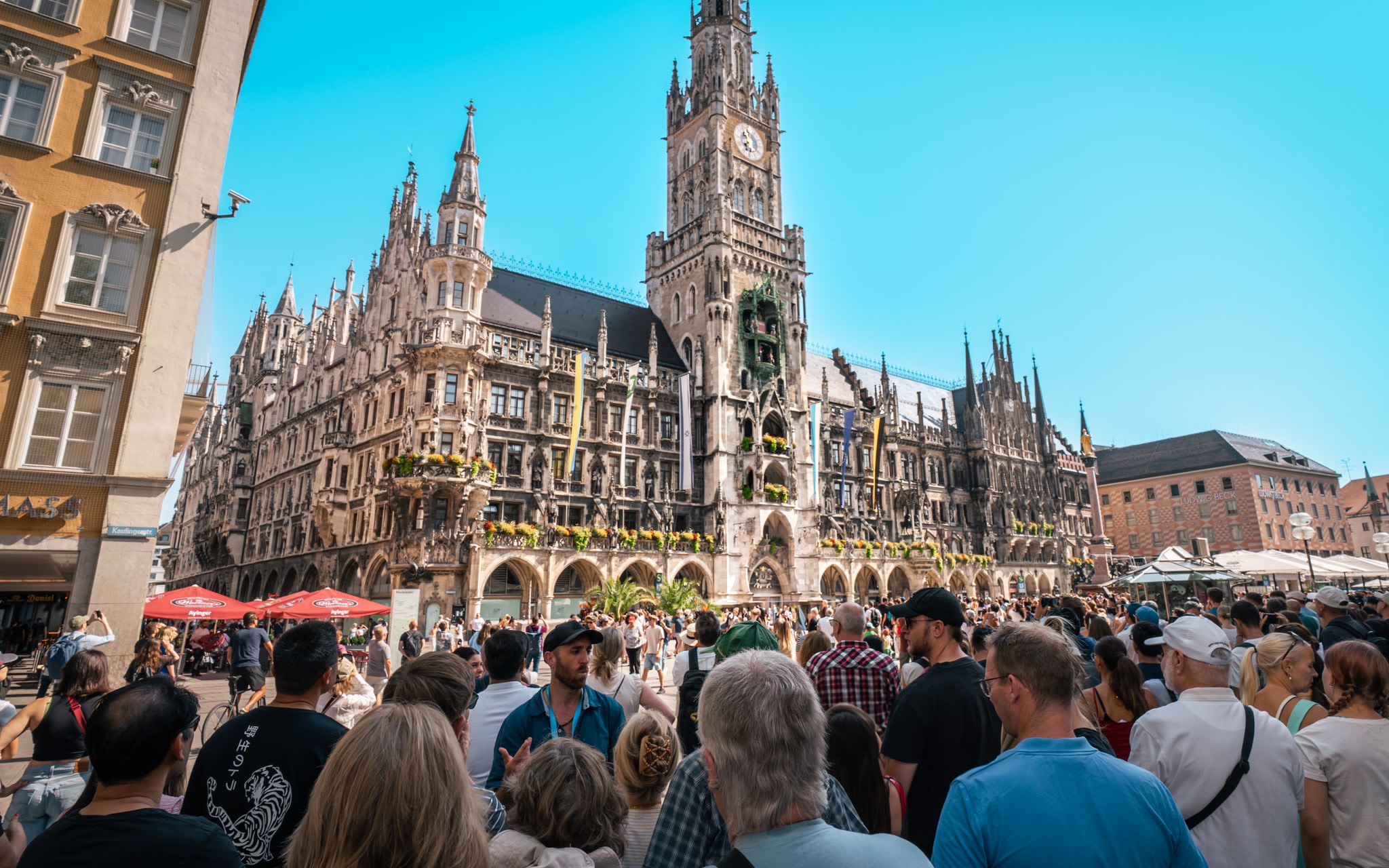
We meet up in front of Frauenkirche, where our story begun. In 1913, a small time Austrian painter started making and selling to tourists small drawings of some of the main touristic attractions in Munich. Just a couple of years later, the same person joins the German Workers Party (DAP, founded in 1920) after an intense night of debates and exchange of political views in a former beer hall at today’s number 38 Tal, called Sterneckerbräu, nowadays a modern computer store. From that moment on is all uphill for the young Adolf Hitler. Our tour will take us next to Hofbrauhaus beer hall, the main meeting point of the Nazis. Here, in the main room, from the small balcony, Hitler shouted out the party’s rules and regulations. Imagine the hall filled with people chanting the national anthem, applauding and being hypnotized by their new leader. Our next stop is in front of Altes Rathaus. This is the spot from where Hitler and Joseph Goebbels launched the Night of Broken Glass, the first pogrom against those of Jewish faith. Continuing our tour we will reach the Feldherrnhalle, a monumental loggia built in the 19 th century to honour the tradition of the army. On the left side of this building is the site of the brief battle that ended Hitler’s Beer Hall Putsch and caused his arrest. After 1933 the Nazis compelled
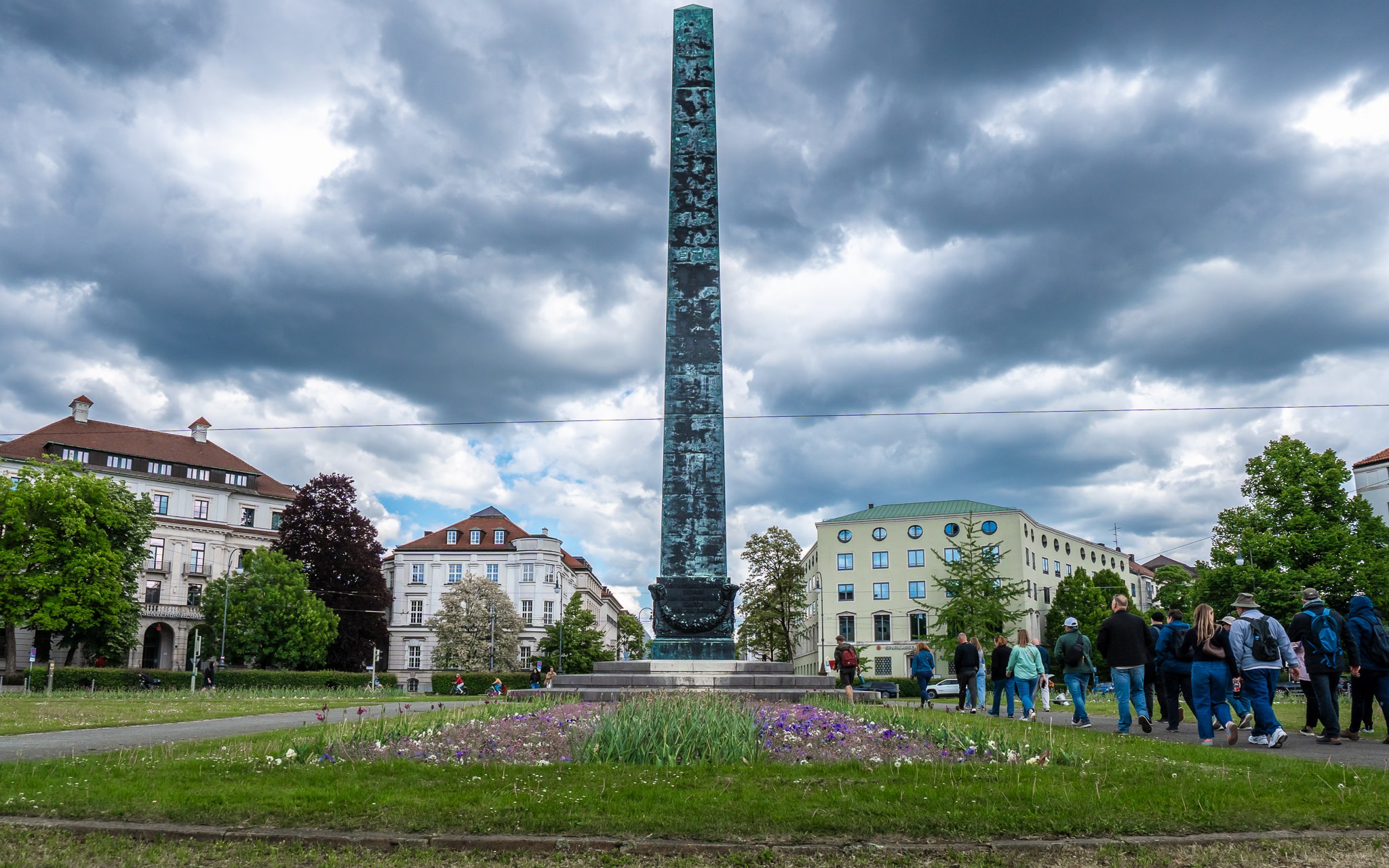
anyone walking by the Feldherrnhalle to give the Nazi salute. Many in Munich still didn’t sympathize with the regime, and started taking a detour through a back alley to avoid giving the salute (therefore nicknamed Dodgers’ Alley). We shall finish our tour with a final visit in the Königsplatz, to get a glimpse of the Führerbau, a representative building for Adolf Hitler, this being the place where the Munich Treaty was signed in 1938. Hitler’s former office is now a days a music school. There we can also see the Nazi Documentation Center, built on the side of the Braun Haus, the party’s headquarters from 1933 until 1945, and the ruins of the monument built by the Nazis to the 14 men who died during the Bier Hall Putsch of 1923. Königsplatz was the heart of the Nazi movement, a stage used by the Nazis for mass rallies and book burnings.
What's not included
*Gratuities
*Entrance fees
Available languages
Guide guide
DE
EN
Important information
Wheelchair accessible
Infants and small children can ride in a pram or stroller
Service animals allowed
Public transportation options are available nearby
Transportation options are wheelchair accessible
Not recommended for pregnant travelers
Not recommended for travelers with poor cardiovascular health
Suitable for all physical fitness levels
About Munich
Munich, the vibrant capital of Bavaria, is renowned for its rich history, stunning architecture, and lively cultural scene. Home to world-famous beer halls, opulent palaces, and lush green parks, Munich offers a unique blend of tradition and modernity, making it a must-visit destination in Germany.
Top Attractions
Marienplatz
Marienplatz is the heart of Munich, home to the iconic New Town Hall (Neues Rathaus) and its famous Glockenspiel. This bustling square is a must-visit for its historic significance and vibrant atmosphere.
Historical
1-2 hours
Free
Englischer Garten
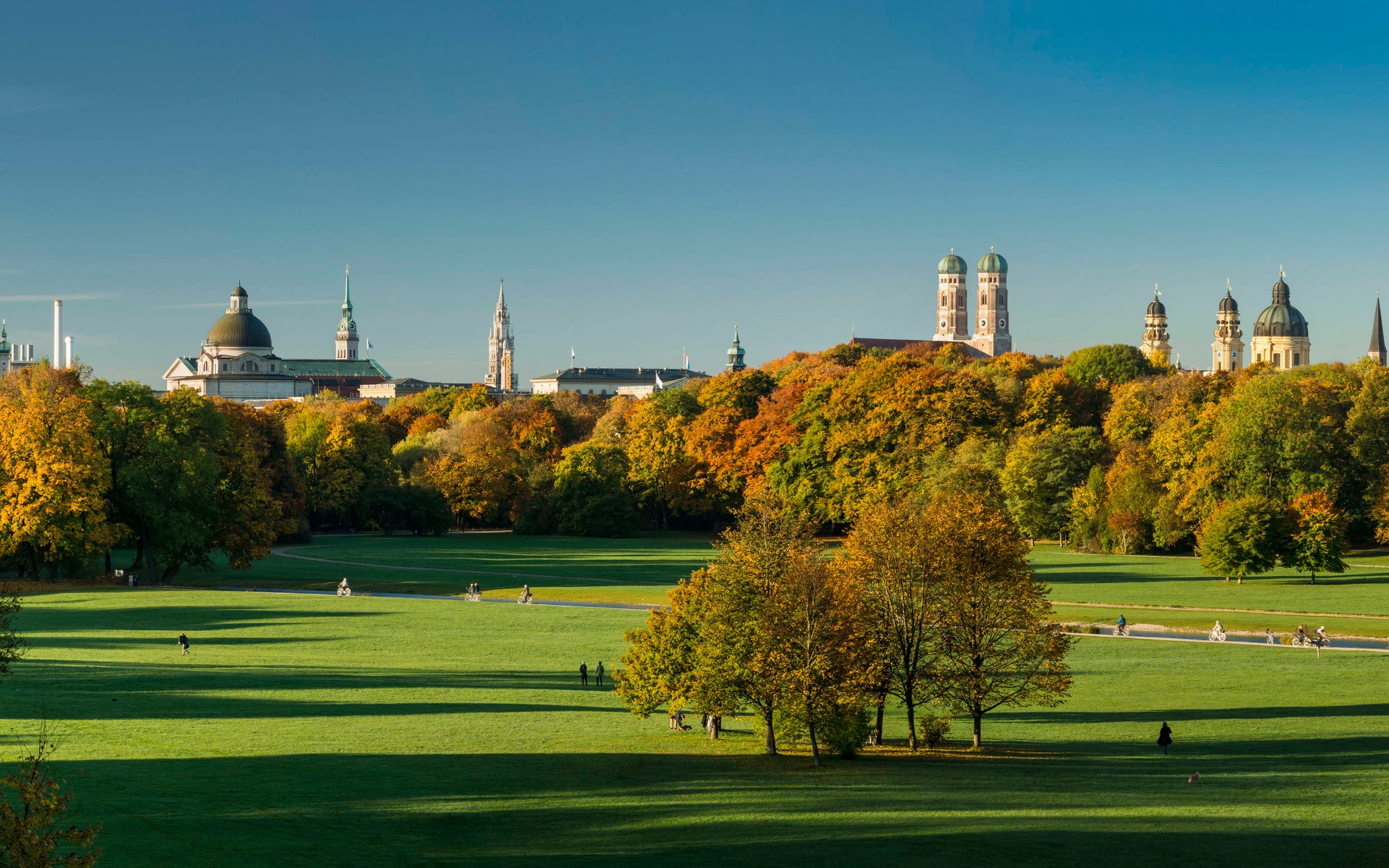
One of the world's largest urban parks, the Englischer Garten offers lush greenery, scenic walking paths, and recreational activities. It's a perfect spot for relaxation and outdoor fun.
Nature
Half-day
Free
Nymphenburg Palace
Nymphenburg Palace is a stunning Baroque palace with beautiful gardens and historic interiors. It offers a glimpse into the opulent lifestyle of Bavarian royalty.
Historical
2-3 hours
€11-€14
BMW Museum
The BMW Museum showcases the history and innovation of the iconic German car brand. It's a must-visit for car enthusiasts and those interested in automotive design.
Museum
1-2 hours
Free
Hofbräuhaus
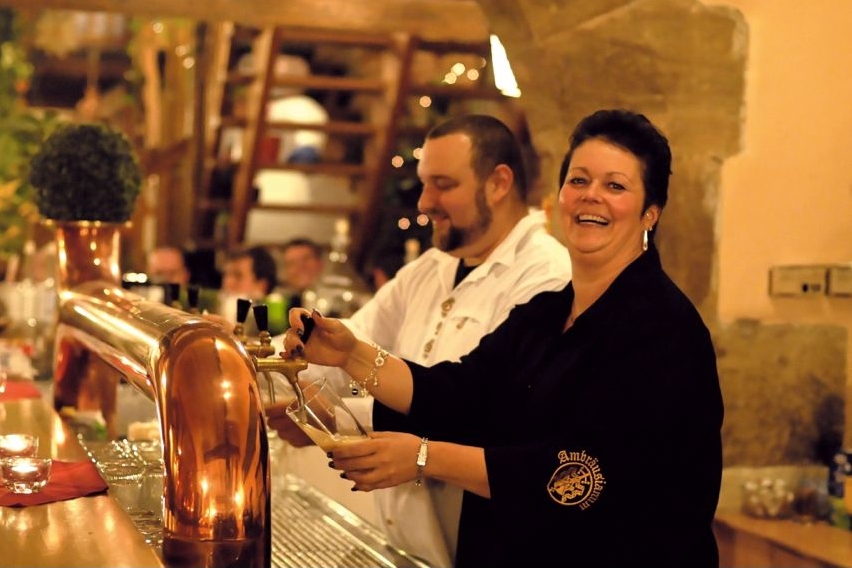
Hofbräuhaus is one of the world's most famous beer halls, offering traditional Bavarian food, live music, and a lively atmosphere. It's a quintessential Munich experience.
Cultural
1-2 hours
Moderate
Must-Try Local Dishes
Weißwurst
A traditional Bavarian white sausage made from veal and parsley, typically served with sweet mustard and pretzels.
Breakfast
Contains meat
Schnitzel
A breaded and fried cutlet, usually made from pork or veal, served with lemon and potato salad or fries.
Lunch/Dinner
Contains meat, gluten (breadcrumbs)
Bretzel (Pretzel)
A traditional Bavarian bread product made from dough twisted into a knot shape, often served with mustard or cheese.
Snack
Vegetarian, contains gluten
Apfelstrudel
A delicious pastry filled with apples, raisins, sugar, and cinnamon, baked until golden and crispy.
Dessert
Vegetarian, contains gluten
Popular Activities
Hiking in the Bavarian Alps
Cycling in Englischer Garten
Surfing at Eisbach Wave
Beer garden visits
Spa treatments
Park picnics
Museum visits
Opera and theater performances
Best Time to Visit
June to August
Summer is the peak tourist season in Munich, with warm weather and numerous outdoor festivals and events. It's the best time for exploring the city's parks, beer gardens, and cultural attractions.
15°C to 25°C
59°F to 77°F
Practical Information
Language
- Official: German
- Widely spoken: English, French, Italian
- English: Widely spoken in tourist areas
Currency
Euro (EUR)
Time Zone
CET (UTC +1), CEST (UTC +2 during daylight saving time)
Electricity
230VV, 50HzHz
Safety Information
Overall Safety Rating: Very safe
Munich is generally a very safe city with low crime rates. However, as with any major city, it's important to be aware of your surroundings and take basic precautions to ensure a safe and enjoyable visit.
Important Precautions:
- • Be aware of your surroundings, especially in crowded areas and on public transport
- • Keep valuables secure and out of sight
- • Be cautious when using ATMs, especially at night
Getting there
By air
- Munich Airport • 35 km from city center
By train
Munich Central Station, Munich East Station
By bus
Munich Central Bus Station, Munich East Bus Station
Getting around
Public transport
The S-Bahn is efficient and connects major stations and attractions. Trains run frequently and are a convenient way to get around.
Taxis
Available • Apps: FreeNow, Uber
Rentals
Car, Bike, Scooter
Neighborhoods
Altstadt (Old Town)
Maxvorstadt
Schwabing
Haidhausen
Day trips
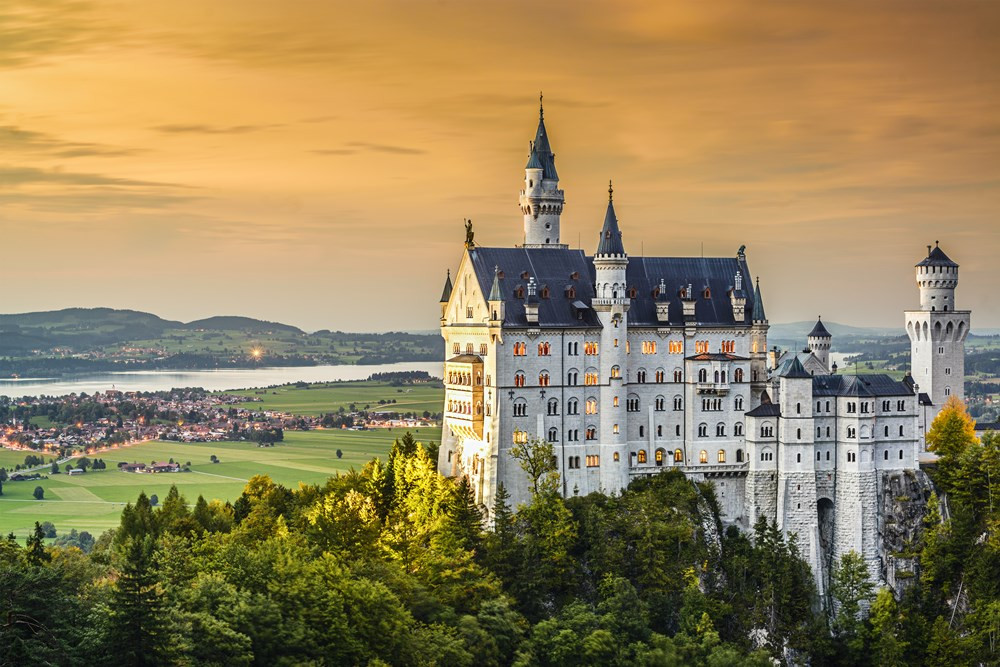
Neuschwanstein Castle
120 km from Munich • Full day
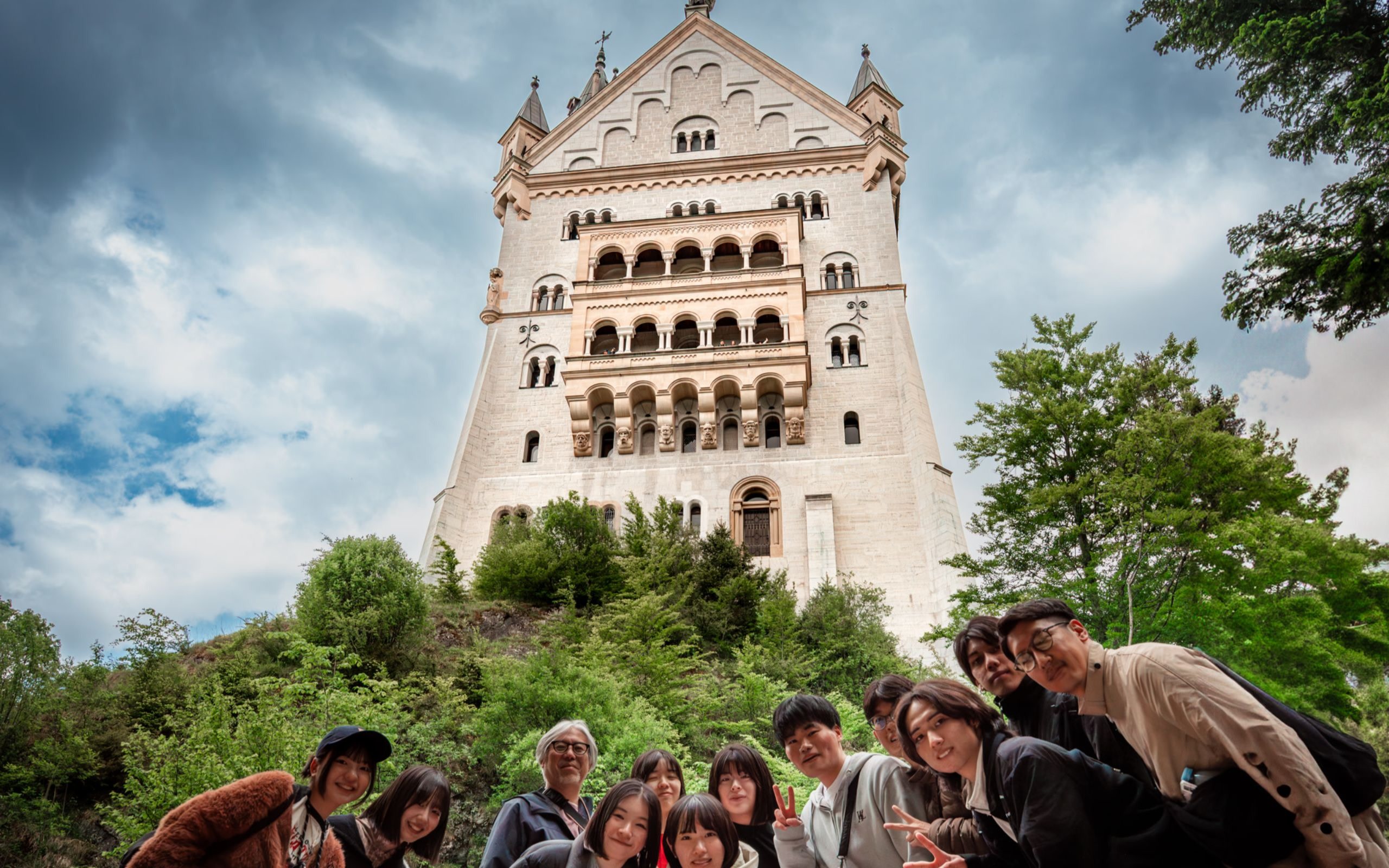
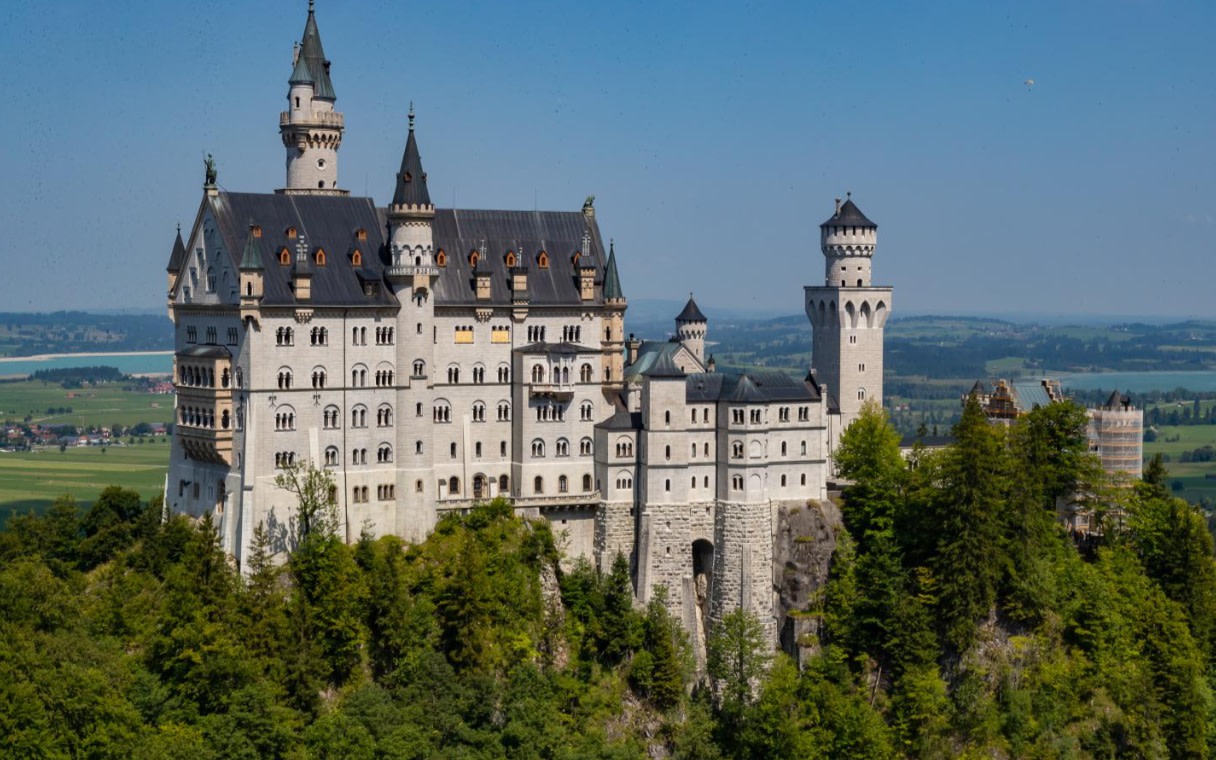
Neuschwanstein Castle is a fairytale-like castle nestled in the Bavarian Alps. It's one of Germany's most famous landmarks and offers stunning views and a glimpse into the life of King Ludwig II.
Salzburg, Austria
150 km from Munich • Full day
Salzburg is a beautiful Austrian city known for its historic old town, stunning architecture, and musical heritage. It's a great day trip for history and culture lovers.
Dachau Concentration Camp Memorial Site
20 km from Munich • Half day
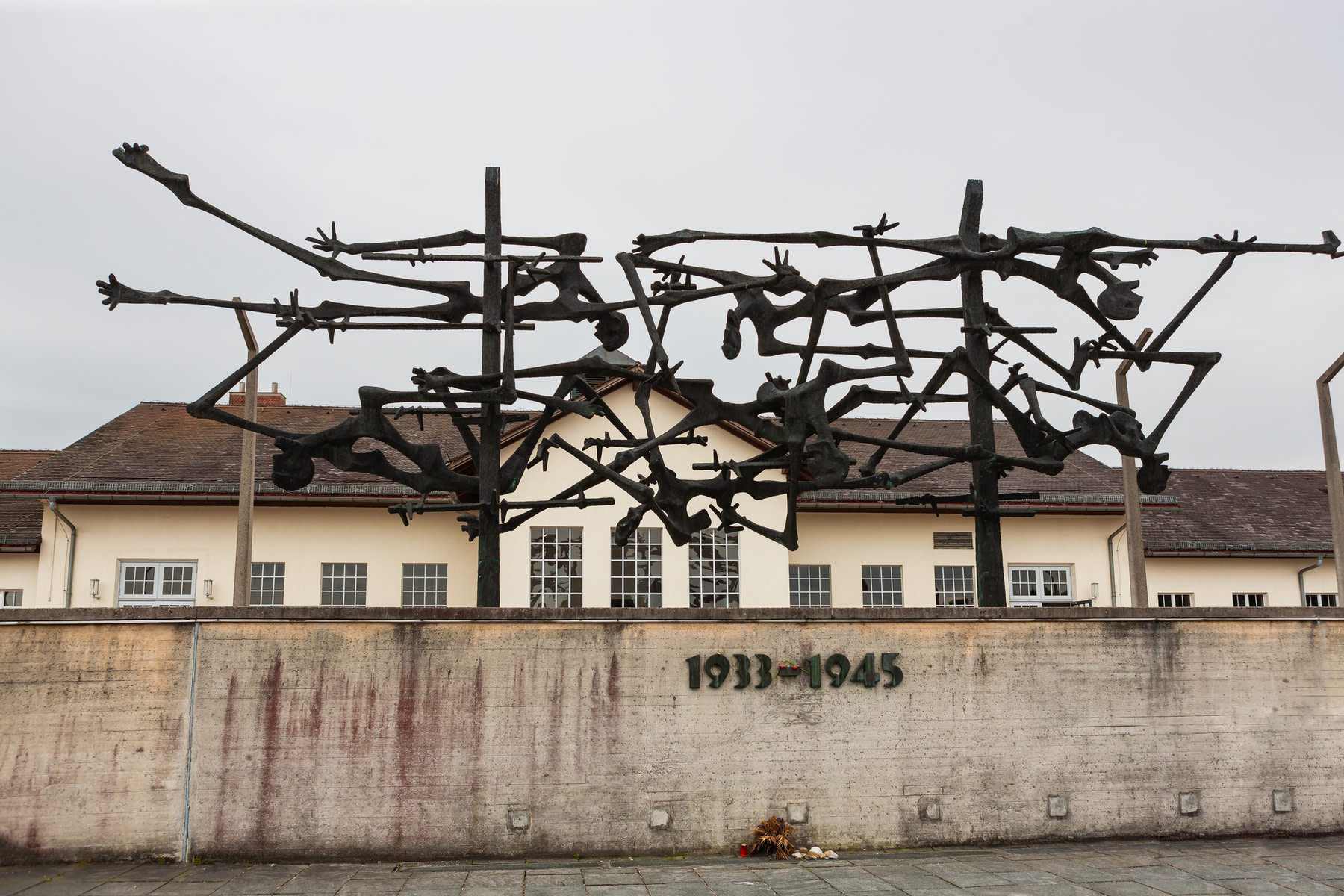
The Dachau Concentration Camp Memorial Site is a poignant and important historical site that offers a sobering reminder of the Holocaust and the atrocities committed during World War II.
Festivals
Oktoberfest • Late September to early October
Munich Christmas Markets • Late November to late December
Starkbierfest • Mid-March to early April
Pro tips
- Consider purchasing a Munich City Pass or similar discount card for savings on attractions and transport
- Learn a few basic German phrases to enhance your experience and connect with locals
- Visit popular attractions early in the morning or late in the afternoon to avoid crowds
- Explore the city's vibrant neighborhoods, each with its own unique character and attractions
- Take advantage of the city's extensive public transport system, including the U-Bahn, S-Bahn, trams, and buses
From $25
per person
Price varies by option
Secure booking
Free cancellation available