Private Historic Walking Tour of Tubingen With A Professional Guide
Active
1h
For a full refund, cancel at least 24 hours before the scheduled departure time.
Instant confirmation
Mobile or paper ticket accepted
About this experience
You will learn about:
• The history of the city
• The Stockerkahn tradition
• Poet Friedrich Hölderlin
• How the town survived the WWII
• History of Castle Hohentübingen
• Famous students of Protestant collegiate
• Notable residents and scholars
Available options
Private Historic Walking Tour of Tubingen With A Professional Guide
What's included
Private guided Tour
Local Guide who will be with your group only
Detailed itinerary
1
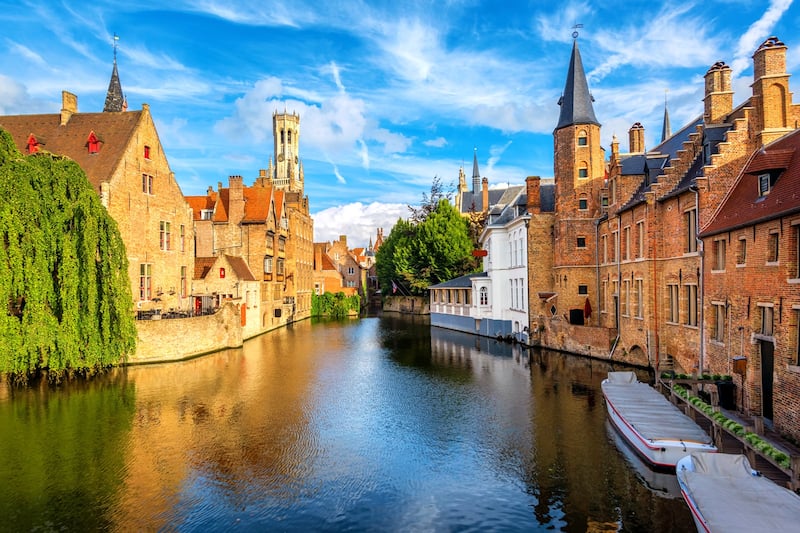
Start the tour with your guide on Eberhards Bridge also known as Neckar Bridge and marvel at the scenic waterfront with its ancient houses lovingly painted in pastel shades. Look down on the River Neckar and the Neckar Island bordered by almost 200 years old plane trees. Take your time and watch the „Stocherkähne“ - the punting boats exclusive to Tübingen navigated by a long wooden pole – gliding past in a romantic setting. Go up Neckarhalde and view the „Burse“ built as a students’ home and study in 1482, a few years after the foundation of the university. Learn about the German lyric poet Friedrich Hölderlin who had studied theology in Tübingen. A considerable part of European intellectual history has been written within the walls of the Protestant collegiate, a former Augustinian monastery dating back to 1534. After the reformation it served as a ducal stipend for students of Protestant Theology, among whom were included the famous astronomer and mathematician Johannes Kepler, the philosopher Georg Wilhelm Friedrich Hegel and the poet Friedrich Hölderlin to name only a few. Tired? Hold your breath because we’ll walk up the Castle Lane and one of Tübingen’s earliest streets with some of the oldest houses - and get to Castle Hohentübingen. Chronicles mentioned the castle for the first time in 1078. Most of the buildings still existing today date from the 16th century and host numerous institutes and collections of the university. Enjoy the views on the city, the Neckar and Ammer valleys and the extended region up to the Swabia Jura. Stroll back down to the Old Town which survived WWII and stayed intact due to the city’s lack of heavy industry. Wander along the Market Square – also known as „the living room“ of Tübingen - where you can admire the picturesque half-timbered house, most of which were built in the 15th and 16th century. Discover the medieval City Hall with its richly decorated façade and an artful astronomical clock made by Johannes Stöffler. The Renaissance fountain in front, featuring Neptune with his trident, was created in 1617 and adds to the cozy atmosphere of the square. From there, your guide will take you to the central landmark of the city, the St. George`s Collegiate Church. Built in late Gothic style, it received a most resplendent decor inside: An altar of Dürer’s pupil Hans Schäufelein, a richly decorated baptistery, masterfully created choir stalls, beautiful stained glass windows and one of the most superb Gothic rood screens in South Germany. Finish your tour in Münzgasse (Coin Lane) at the Old University Assembly Hall, once the center of the newly founded Eberhard Karls University in 1477. Until the completion of the New Assembly Hall in Wilhelmstrasse in 1845 it stayed the main building of the university and is listed as a historical monument.
What's not included
Gratuities
Available languages
Guide guide
DE
EN
Reviews breakdown
Viator
4.0
1 reviews
5★
0
4★
1
3★
0
2★
0
1★
0
Important information
Wheelchair accessible
Public transportation options are available nearby
Suitable for all physical fitness levels
This walk tour suitable for any age
For this walk tour no transportation needed
Meeting point
In front of the Ticket & Tourist Center An der Neckarbrücke, 1, 72072 Tübingen, Germany
About Baden-Württemberg
Baden-Württemberg is a southwestern state in Germany known for its picturesque landscapes, vibrant cities, and rich cultural heritage. It offers a blend of medieval charm, modern innovation, and stunning natural beauty, making it a diverse and appealing destination for travelers.
Top Attractions
Schloss Neuschwanstein
A 19th-century Romanesque Revival palace built by King Ludwig II of Bavaria, inspiring Disney's Sleeping Beauty Castle.
Historical/Architecture
2-3 hours
€13-€24
Black Forest (Schwarzwald)
A large forested mountain range in southwestern Baden-Württemberg, known for its scenic beauty and outdoor activities.
Nature
Full day or multi-day
Free to explore, activities vary in cost
Heidelberg Castle
A ruined castle overlooking the Neckar River and the town of Heidelberg, known for its romantic ruins and historical significance.
Historical/Architecture
2-3 hours
€8-€10
Must-Try Local Dishes
Maultaschen
Swabian stuffed pasta pockets, similar to ravioli, filled with a mixture of meat, spinach, breadcrumbs, and onions.
Dinner
Can be vegetarian if made without meat.
Spätzle
Soft egg noodles, often served as a side dish with gravy or cheese.
Side Dish
Vegetarian.
Schupfnudeln
Potato dumplings, often served with sauerkraut or onions.
Dinner
Vegetarian.
Popular Activities
Hiking in the Black Forest
Skiing in the Swabian Alps
Cycling along the Neckar River
Visiting spas and thermal baths
Enjoying local wines in a vineyard
Strolling through picturesque towns
Visiting museums and historic sites
Attending festivals and events
Best Time to Visit
June to August
This is the warmest and most popular time to visit, with long daylight hours and numerous festivals and outdoor activities.
18°C to 28°C
64°F to 82°F
Practical Information
Language
- Official: German
- Widely spoken: English, French
- English: Moderately spoken
Currency
Euro (EUR)
Time Zone
GMT+1 (CET), GMT+2 (CEST during daylight saving time)
Electricity
230VV, 50HzHz
Safety Information
Overall Safety Rating: Generally safe
Baden-Württemberg is generally a safe destination for travelers, with low crime rates and a stable political environment. However, as with any destination, it's important to take basic precautions to ensure a safe and enjoyable trip.
Important Precautions:
- • Keep valuables secure and out of sight
- • Be cautious with strangers and avoid sharing personal information
- • Use licensed taxis and agree on the fare before starting the journey
Getting there
By air
- Stuttgart Airport • 13 km from city center
- Karlsruhe/Baden-Baden Airport • 40 km from Karlsruhe
By train
Stuttgart Hauptbahnhof, Mannheim Hauptbahnhof
By bus
Stuttgart Bus Terminal, Mannheim Bus Terminal
Getting around
Public transport
Efficient and punctual, connecting major attractions and suburbs.
Taxis
Available • Apps: FreeNow, Taxi Europa
Rentals
Car, Bike, Scooter
Neighborhoods
Stuttgart Mitte
Schlossgarten
Bad Cannstatt
Day trips
Freiburg im Breisgau
200 km from Stuttgart • Full day
A charming university town known for its beautiful old town, historic cathedral, and proximity to the Black Forest.
Tübingen
50 km from Stuttgart • Half day to full day
A picturesque town known for its well-preserved medieval old town, historic university, and charming streets.
Bodensee (Lake Constance)
200 km from Stuttgart • Full day to multi-day
A large lake bordered by Germany, Switzerland, and Austria, known for its scenic beauty, water sports, and historic towns.
Festivals
Cannstatter Wasen • Late September to early October
Schützenfest • Late July to early August
Christmas Markets • Late November to late December
Pro tips
- Visit the world's largest cuckoo clock in Triberg
- Explore the historic Heidelberg Castle and its beautiful gardens
- Try local specialties like Maultaschen, Spätzle, and Black Forest cake
- Take a day trip to the picturesque town of Freiburg im Breisgau
- Experience the vibrant atmosphere of the Cannstatter Wasen beer festival
From $25
per person
Price varies by option
Secure booking
Free cancellation available
Instant confirmation