Pula Private Walking Tour With A Professional Guide
Active
2h
For a full refund, cancel at least 24 hours before the scheduled departure time.
Instant confirmation
Mobile or paper ticket accepted
About this experience
Welcome to Pula, the southern tip of the Istrian Peninsula famous for its mesmerising Adriatic views. A coast that is home to ancient temples and the best-preserved Roman amphitheatre outside Italy. A Croatian city that has seen a lot of turmoil between Romans, Ostrogoths, Venetians and the Allied forces in World War II. A seaside town well-known for the world’s best wine and Rakija. Wine lovers should never miss the chance to try it. Your guide will take you on a journey to the past of the capital of Istria, to see ancient Roman temples living in harmony with a modern vibrant city and to learn about the Italian heritage of what is today part of Croatia.
Available options
Pula Private Walking Tour With A Professional Guide
What's included
Possible customizing on tour with your local guide on the spot
Private guided Tour
Local Guide who will be with your group only
Detailed itinerary
1
You will see:
Amphitheatre de Pula
Kastel
Pula Cathedral
Temple Of Augustus
Arco dei Sergi
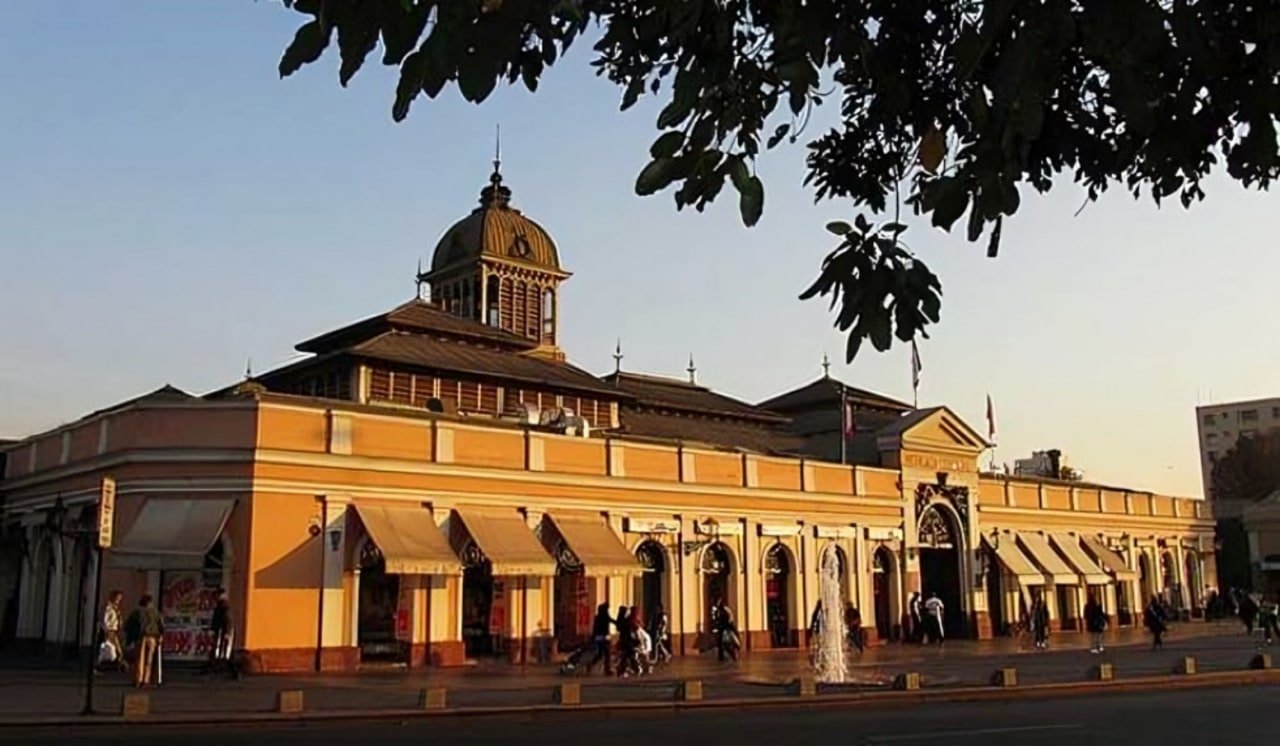
Pula's Marketplace
The Twin Gates of Pula
Gate of Hercules
You will learn about:
Pottery from the Neolithic period
Human settlement
Greek pottery
A great amphitheatre
1st-century AD triumphal arch
The Temple of Augustus - well-preserved Roman temple
Western Roman Empire
Venetian, Napoleonic and early Habsburg rule
Austrian Littoral province and union with Italy
Post-World War II
Republic of Croatia
What's not included
Gratuities
Entrance fees
Available languages
Guide guide
EN
HR
Important information
Wheelchair accessible
Infants and small children can ride in a pram or stroller
Service animals allowed
Public transportation options are available nearby
Infants are required to sit on an adult’s lap
Not recommended for pregnant travelers
Suitable for all physical fitness levels
About Pula
Pula is a historic city on the Istrian Peninsula in Croatia, known for its well-preserved Roman ruins, including the Pula Arena, one of the best-preserved Roman amphitheaters in the world. The city offers a unique blend of Roman history, Venetian architecture, and beautiful Adriatic coastline.
Top Attractions
Pula Arena
One of the best-preserved Roman amphitheaters in the world, built in the 1st century AD. It could hold up to 20,000 spectators.
Historical
1-2 hours
€10
Architectural Heritage Museum
A museum showcasing the rich architectural heritage of Pula, with exhibits on Roman, Byzantine, and Venetian periods.
Museum
1 hour
€5
Verudela Beach
A popular pebble beach with clear waters, ideal for swimming and sunbathing. The beach is part of the Verudela Peninsula.
Beach
Half day
Free
Must-Try Local Dishes
Fuži with Truffles
Handmade Istrian pasta with a creamy truffle sauce.
Main course
Vegetarian
Black Risotto
Risotto made with cuttlefish ink, giving it a distinctive black color.
Main course
Contains seafood
Pizza Istriana
Pizza topped with Istrian prosciutto, truffles, and local cheese.
Main course
Contains meat
Popular Activities
Hiking
Scuba diving
Beach lounging
Spa treatments
Museum visits
Historical tours
Boating
Snorkeling
Best Time to Visit
June to August
This is the peak tourist season with warm weather, clear skies, and lively festivals. The sea is perfect for swimming and water sports.
22°C to 30°C
72°F to 86°F
Practical Information
Language
- Official: Croatian
- Widely spoken: Italian, English
- English: Moderately spoken
Currency
Euro (EUR)
Time Zone
GMT+1 (CET)
Electricity
230VV, 50HzHz
Safety Information
Overall Safety Rating: Generally safe
Pula is generally safe for tourists, but standard precautions should be taken.
Important Precautions:
- • Keep valuables secure
- • Use licensed taxis
- • Be cautious of scams
Getting there
By air
- Pula Airport • 5 km from city center
By train
Pula Railway Station
By bus
Pula Bus Station
Getting around
Public transport
The bus system is efficient and affordable. Buses are the main form of public transport in Pula.
Taxis
Available • Apps: Bolt, Cammeo
Rentals
Car, Bike, Scooter
Neighborhoods
City Center
Verudela
Monte Paradiso
Day trips
Rovinj
35 km • Full day
A charming coastal town known for its Venetian architecture, narrow streets, and beautiful churches.
Cape Kamenjak
20 km • Half day
A stunning nature park with rugged coastline, hidden coves, and diverse wildlife.
Festivals
Dimensions Festival • Late July to early August
Pro tips
- Visit the Pula Arena early in the morning to avoid crowds
- Try local truffle dishes at traditional konobas (taverns)
- Explore the city on foot to discover hidden gems and narrow streets
- Take a boat trip to nearby islands for a unique perspective of the coastline
- Learn a few basic Croatian phrases to enhance your interaction with locals
From $25
per person
Price varies by option
Secure booking
Free cancellation available
Instant confirmation