Kuwait City Half Day Tour in Shared Group
Active
4h
For a full refund, cancel at least 24 hours before the scheduled departure time.
Manual confirmation
Mobile or paper ticket accepted
About this experience
The famous half day Kuwait City tour (total 4 hours) focuses on the history of Kuwait, the evolution of Kuwait City as a town, and Kuwaiti culture in general. The tour guide will lead you through the most famous sights in the center and outside of Kuwait City. You will immerse yourself in the story of each place, including its origin, cultural connotations, and current modern uses.
Available options
Kuwait City Half Day Tour in Shared Group
Pickup included
What's included
Bottled water
Local guide (in English & Arabic)
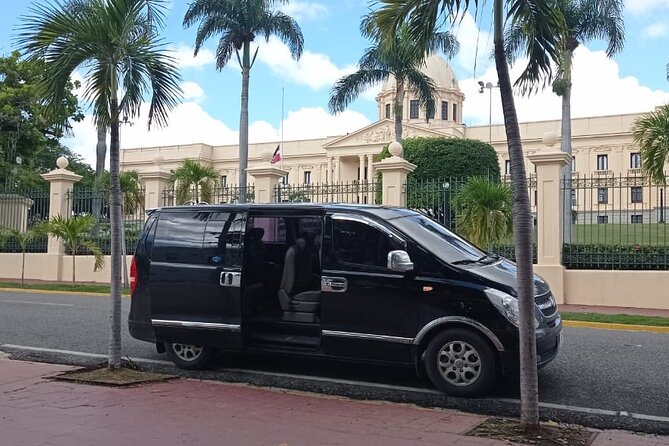
Transportation in private car
Detailed itinerary
1
Kuwait Towers is a group of three slender towers that symbolizes Kuwait’s economic resurgence and also World cultural as well as touristic landmark. The structure is often referred to as Kuwait tower in singular although there are three towers. Standing on a promontory into the Arabian Gulf, Kuwait towers were officially inaugurated in 1979 and are rated as a tourist attraction and iconic building of modern Kuwait.
2
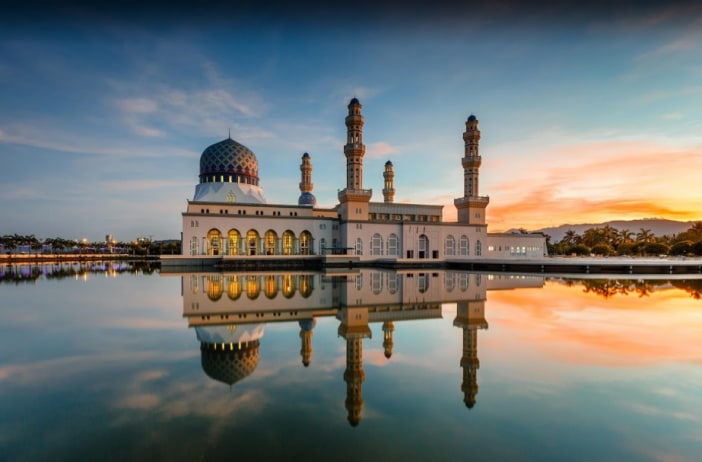
Located in the heart of the city, the Grand Mosque is the biggest and the official Mosque of Kuwait which means that official religious celebrations are held in this mosque only. Locals refer to it as Al-Masjid Al-Kabir with total area of 46,000 square meters (490,000 sq ft), in that the building itself covers 20,000 square meters (220,000 sq ft). The Grand mosque is internationally renowned for its Islamic architecture and it has become one of Kuwait's most treasured landmarks. Indeed, the builders and designers have put a lot of effort in creating this mosque starting the project way back in 1979 and finally completing it seven years later in 1986 at a cost of about KD 14 million. Grand Mosque is popular for its prayer arrangement during the last 10 days of Ramadan. Thousands of Muslims gather during last 10 days of Ramadan.
3
The Seif Palace is popular among local and overseas visitors as the home of the royal family. Nevertheless, they might be surprised to find out that this palace does not get much used by the Monarch and the government. While it is true that this palace is designated to the Emir dynasty, the household personally chose to stay in Bayan Palace which is known as the official house of the Emir and this is also the place where the monarch would entertain his dignitaries. Therefore, the Seif palace only serves as the court if there are special celebrations and events, or if the Bayan Palace is not available. However, thousands of travelers every year go to see this fine building.
4
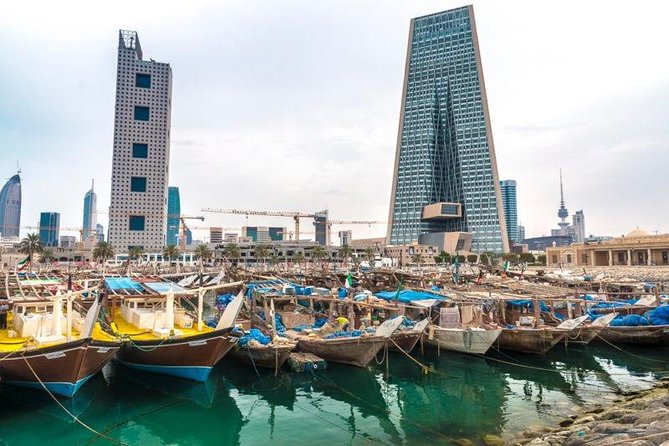
Kuwaiti Maritime Museum is an exhibition of artifacts and ship materials as well as wooden traditional ships, marks and remains of Kuwaiti seafaring from different ages.
5
Al Sadu House, a traditional Kuwaiti house, was built in 1936 and now became a cultural center of traditional women weavings and textiles to introduce and preserve the weaving heritage from the vast spots of the rural desert to the urbanized city.
6
Souq Al-Mubarakiya is a historic souq in Kuwait City, Kuwait. It is one of the oldest souqs in Kuwait, and was a center of trade prior to the discovery of oil. This market has been around for at least 200 years.
7
Dar al Athar al Islamiyyah at Amricani Cultural Centre is a cultural organisation based around the private art collection owned by Sheikh Nasser Sabah al Ahmed al Sabah, and his wife
8
Sharq Fish Market. This is by far the best and most beautiful Fish Market in Kuwait, and perhaps anywhere in the world!
9
The Sheikh Jaber Al-Ahmed Cultural Centre is a multidisciplinary public space owned by the Amiri Diwan striving to entertain, educate and inspire the people of Kuwait.
10
The National Assembly is the unicameral legislature of Kuwait.
11
The Kuwait National Museum is the national museum of Kuwait, located in Kuwait City. It was established in 1983 and designed by architect Michel Ecochard.
The museum comprises five buildings set around a central garden, their organization is parallel to the architectural plan of the vernacular Arab mud house with its central courtyard. The main buildings are connected to each other with elevated walkways.
What's not included
Food and drinks
Available languages
Guide guide
AR
EN
Reviews breakdown
Tripadvisor
5.0
2 reviews
5★
2
4★
0
3★
0
2★
0
1★
0
Important information
Wheelchair accessible
Infants and small children can ride in a pram or stroller
Service animals allowed
Transportation options are wheelchair accessible
All areas and surfaces are wheelchair accessible
Suitable for all physical fitness levels
A maximum of 6 people per booking
Total tour duration is 5 hours including travel time from/to hotel and between attractions points.
Important notes
• The duration of transfers are approximate, the exact duration will depend on the time of day and traffic conditions
About Kuwait City
Kuwait City is the bustling capital of Kuwait, known for its modern skyscrapers, rich history, and vibrant cultural scene. The city offers a unique blend of traditional Arabic heritage and contemporary urban development, making it a fascinating destination for travelers.
Top Attractions
Kuwait Towers
The iconic Kuwait Towers are a symbol of the city and offer panoramic views from their observation decks.
Architecture
1-2 hours
Free
The Grand Mosque
One of the largest mosques in Kuwait, featuring beautiful Islamic architecture and a serene atmosphere.
Religious
1 hour
Free
Souq Al-Mubarakiya
A traditional market offering a variety of goods, from spices and textiles to souvenirs and local crafts.
Cultural
2-3 hours
Budget to Moderate
Must-Try Local Dishes
Machboos
A traditional Kuwaiti dish made with spiced rice and meat, usually chicken or lamb.
Main dish
Contains meat
Harees
A porridge-like dish made from wheat and meat, often served during Ramadan.
Main dish
Contains meat
Popular Activities
Desert safaris
Dune bashing
Beach visits
Spa treatments
Museum visits
Traditional shopping
Boat tours
Water sports
Best Time to Visit
November to March
This is the best time to visit Kuwait City as the weather is pleasant and suitable for outdoor activities. The city hosts various cultural events and festivals during this period.
15°C to 28°C
59°F to 82°F
Practical Information
Language
- Official: Arabic
- Widely spoken: English
- English: Widely spoken
Currency
Kuwaiti Dinar (KWD)
Time Zone
GMT+3
Electricity
240VV, 50HzHz
Safety Information
Overall Safety Rating: Generally safe
Kuwait is generally safe for travelers, with low crime rates. However, travelers should be aware of local customs and laws.
Important Precautions:
- • Avoid political gatherings and demonstrations.
- • Be cautious when driving due to aggressive driving habits.
- • Respect local customs and laws.
Getting there
By air
- Kuwait International Airport • 15 km from city center
By bus
Kuwait City Bus Terminal
Getting around
Public transport
The bus system is affordable and covers most of the city. Buses are air-conditioned and comfortable.
Taxis
Available • Apps: Careem, Uber
Rentals
Car
Neighborhoods
Salmiya
Jabriya
Day trips
Failaka Island
20 km from Kuwait City • Full day
A small island with historical sites and beautiful beaches, offering a mix of relaxation and cultural exploration.
Kuwait Zoo
25 km from Kuwait City • Half day
A popular destination for families, featuring a variety of animals and a children's play area.
Festivals
Kuwait International Fair • November
Eid al-Fitr • Varies (end of Ramadan)
Pro tips
- Visit during the cooler months for a more comfortable experience.
- Try local dishes like machboos and harees for an authentic culinary experience.
- Use the K-Net card for convenient payments on public transportation.
- Dress modestly and respectfully, especially when visiting religious sites.
- Be cautious when driving due to aggressive driving habits.
From $25
per person
Price varies by option
Secure booking
Free cancellation available