Colombo Port Passenger terminal Shore excursion - Negombo beach
Active
5h - 6h
For a full refund, cancel at least 24 hours before the scheduled departure time.
Instant confirmation
Mobile or paper ticket accepted
About this experience
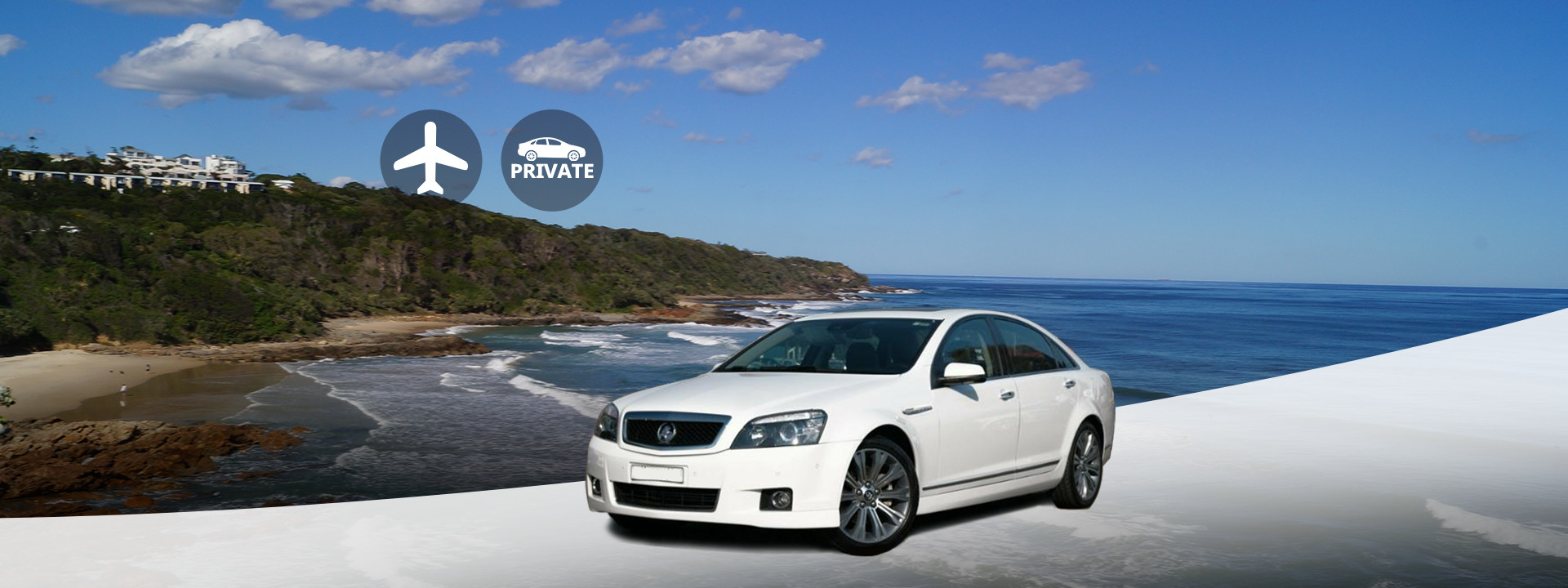
We Make your travel easier and more comfortable with our shore excursion, you are Traveling by private vehicle, and visit top sights such as Dutch Canal, See the extensive mangrove swamps of Negombo Lagoon, Enjoy bird watching at Wetlands, Visit Negombo fishing harbor & fish market area, Relax on the Beach of Negombo and back to the Cruise.
Available options
Colombo Port Passenger terminal Shore excursion - Negombo beach
Pickup included
What's included
Air-conditioned vehicle
Detailed itinerary
1
In 1613 a Portuguese missionary, Father Manoel Barradas, describes how Near Colombo, the Fathers embarked on a canal by which they entered into the River Kalane and going down the river they proceeded into another canal as narrow as shady, so that the oars, although they were very short, could scarcely fulfill their office. By this, they went as far as Negombo, which is six Chingala leagues. In the 17th century, the Portuguese constructed a canal from Hendala to Pamunugama. The Dutch established the center of their colony at Colombo. They then attempted to grow paddy rice in the surrounding marshes in Muthurajawela, Around the 18th century, the Dutch commenced the construction of a series of structures, dams, and canals using and enhancing the original system of waterways in an attempt to drain the salt water from the rice fields and to transport cinnamon in barges through to the seaport at Negombo. This system, known as the 'Dutch Canal',
2
Stop 2
Pass by
Negombo Lagoon is a large estuarine lagoon in Negombo, southwest Sri Lanka. The lagoon is fed by a number of small rivers and a canal. It is linked to the sea by a narrow channel to the north, near Negombo city. It is surrounded by a densely populated region containing rice paddies, coconut plantations, and grassland.
3
Negombo fishing village and its market is the second in the country in size. The unsophisticated village style of getting the fresh catch of the ocean for sale is an interesting thing to behold from a distance. Once the vessels are anchored, the workers shall take their hunt onto the beach for carrying out the rest of the job. They clean, scale, gut, salt, and dry them in the sunlight. While the large quantities are loaded for export and distribution across the country, you can find small retailers packing small boxes of fish onto their scooters or cycle. There would be seen in the shades men mending damaged fishing nets and cleaning their boats. The market is a must-visit thing for its eventful representation of the fish trade. It is noisy, vibrant, and smells like fish. You would certainly like being in there where the collection of the catch shall be dumped here and there for auction.
4
Stop 4
Negombo, Situated six kilometers, a mere stone's throw away from the International airport of Sri Lanka, is a characteristic predominantly Christian fishing town with narrow streets and small boutiques, and many a historic church to visit and see, with its routes running back to the arrival of the Portuguese. Negombo is an ideal place to enjoy the traditional fishing methods of Sri Lanka, the outrigger canoe, the swifter catamaran, and the lagoon famous for its pomfret, lagoon crab & lobster during the season. A resort town dotted with many hotels and restaurants and the famous lagoon, where one could take a ride in an outrigger sailing canoe and experience the authentic fisherman’s life.
5
return to Colombo port on the highway.
What's not included
Food and drinks
Important information
Not recommended for travelers with poor cardiovascular health
Suitable for all physical fitness levels
Dress code is smart casual
Important notes
• Dress code is smart casual
About Colombo
Colombo, Sri Lanka's bustling commercial capital, is a vibrant blend of modern life and colonial charm. With its diverse culture, rich history, and tropical beauty, the city offers everything from historic sites and religious landmarks to lively markets and beautiful beaches.
Top Attractions
Galle Face Green
A scenic promenade along the Indian Ocean, popular for kite flying, evening strolls, and street food.
Beach
1-2 hours
Free
National Museum of Colombo
Sri Lanka's largest museum, showcasing the country's rich history and cultural heritage.
Museum
2-3 hours
LKR 1,000 (foreigners)
Kelaniya Raja Maha Vihara
An ancient Buddhist temple with significant historical and religious importance.
Religious
1-2 hours
Free (donations welcome)
Beira Lake
A scenic lake in the heart of Colombo, offering boat rides and beautiful views.
Nature
1-2 hours
Free (boat rides may have a small fee)
Colombo Dutch Hospital Shopping Precinct
A historic building transformed into a vibrant shopping and dining destination.
Shopping
1-3 hours
Varies by shop
Must-Try Local Dishes
Rice and Curry
A traditional Sri Lankan meal consisting of rice served with a variety of curries made from vegetables, meat, or fish.
Main Dish
Vegetarian and non-vegetarian options available, may contain allergens like nuts and seafood.
Hoppers (Appa)
Bowl-shaped pancakes made from fermented rice flour and coconut milk, often served with an egg in the center.
Breakfast/Dinner
Vegetarian, can be made vegan without egg.
Kottu Roti
A popular street food made from chopped roti (flatbread) cooked with vegetables, meat, or fish, and spices.
Dinner/Snack
Vegetarian and non-vegetarian options available, may contain allergens like nuts and seafood.
Lamprais
A Dutch-influenced dish consisting of rice, meat, and vegetables cooked in banana leaves.
Main Dish
Non-vegetarian, may contain allergens like nuts and seafood.
Popular Activities
Hiking
Water sports
Wildlife safaris
Beach activities
Spa treatments
Yoga
Temple visits
Museum tours
Best Time to Visit
December to March
This period offers the best weather for visiting, with warm temperatures and less rainfall, making it ideal for exploring the city and its attractions.
28-32°C
82-90°F
Practical Information
Language
- Official: Sinhala, Tamil
- Widely spoken: English
- English: Widely spoken in tourist areas and by younger generations
Currency
Sri Lankan Rupee (LKR)
Time Zone
GMT+5:30
Electricity
230VV, 50HzHz
Safety Information
Overall Safety Rating: Generally safe, but exercise caution in crowded areas and at night
Colombo is generally safe for tourists, but petty crime and scams can occur, especially in crowded areas and tourist hotspots. Be cautious of pickpocketing, bag snatching, and overcharging by taxis and vendors.
Important Precautions:
- • Use reputable tour operators and guides
- • Agree on fares before using taxis or tuk-tuks
- • Keep valuables secure and out of sight
Getting there
By air
- Bandaranaike International Airport • 35 km south of Colombo
By train
Colombo Fort Station
By bus
Bastion Street Bus Terminal, Colombo Central Bus Stand
Getting around
Public transport
Buses are the most common and affordable way to get around, but they can be crowded and slow.
Taxis
Available • Apps: Uber, PickMe
Rentals
Car, Bike, Scooter
Neighborhoods
Colombo Fort
Cinnamon Gardens
Galle Face
Pettah
Day trips
Kandy
115 km • Full day
Kandy, the last capital of the ancient kings' era, is a UNESCO World Heritage Site known for its rich history, cultural landmarks, and scenic beauty.
Galle
120 km • Full day
Galle is a historic coastal city known for its UNESCO World Heritage-listed Dutch Fort, beautiful beaches, and rich cultural heritage.
Negombo
35 km • Half day
Negombo is a coastal town known for its beautiful beaches, historic sites, and vibrant fishing industry.
Festivals
Vesak • May (full moon day)
Esala Perahera • July or August (full moon day)
Christmas • December 25
Pro tips
- Use app-based taxi services like Uber or PickMe for reliable and transparent pricing
- Carry small denominations of cash for markets and street vendors, as change may be limited
- Bargain politely when shopping at markets and with street vendors, as prices are often negotiable
- Try local street food for an authentic and affordable culinary experience, but be cautious of food hygiene and choose busy stalls with high turnover
- Visit popular attractions early in the morning or late in the afternoon to avoid crowds and the heat
From $25
per person
Price varies by option
Secure booking
Free cancellation available
Instant confirmation