Shore Excursions Colombo Passenger Dock to Galle Hikkaduwa By Car
Active
7h - 8h
For a full refund, cancel at least 24 hours before the scheduled departure time.
Instant confirmation
Mobile or paper ticket accepted
About this experience
We pick you up from the Colombo port passenger terminal and make your travel easier and more comfortable with our shore excursion, you are Traveling by private vehicle, and visit top sights such as Moonstone mines, Tsunami museum, Marine sanctuary at Hikkaduwa, Galle foand return to the Colombo port passenger terminal.
Available options
Shore Excursions Colombo Passenger Dock to Galle Hikkaduwa By Car
Pickup included
What's included
Lunch
Driver/guide
admission fee according to the tour details.
Detailed itinerary
1
Meetiyagoda Moonstones can occur in several colors, but there’s only one place in the whole world that produces the exquisite blue moonstone—Meetiyagoda in southwest Sri Lanka. In fact, Sri Lanka was so associated with this mysterious gem that moonstones used to go by the name Ceylon opal. Local legend has it that the land around Meetiyagoda has been blessed by the moon, and it’s obvious why. Underneath this small village is the world’s largest vein of a moonstone-bearing igneous rock called pegmatite. You’d think that an area so rich in this stunning gemstone would be heavily mined and scarred by machiners but digging by hand down through the topsoil, the miners use coconut wood scaffolding and fern leaves to prop up and line the sides of the shafts as they go. Once they hit the pegmatite layer, the miners begin to tunnel, again using coconut beams to keep the tunnels from collapsing. Collected in buckets, the moonstone-bearing gravel is then winched up the mine shaft – again by hand.
2
Seenigama Muhudu Viharaya near Hikkaduwa is a temple situated in a small islet just 200 m offshore. The temple is Sinhalese Buddhist. Another temple at the shores of Seenigama, frequented by both Buddhists and Hindus, is dedicated to a local tutelary deity named Devol, who is also worshipped in Unawatuna. The god is a protector of fishermen and boats. According to localizations of Ramayana narratives, Seenigama was the place where Sugriva, helper of Lord Rama, began his campaign against the demon king Ravana of Lanka, in order to free Rama’s wife Sita from captivity.
3
Located approximately a 7-minute drive away from Hikkaduwa lies a quaint little Monastery, with a pond surrounded by lush greenery and views of the ocean. The highlight of the site is a small island located right in the middle of the pond which houses a brilliant Buddha statue where the god stands tall facing the ocean waves. The statue features Lord Buddha posing the Abhaya mudra which is a symbol of protection and fearlessness. The monument was built after the tsunami of 2004 which claimed thousands of people’s lives and affected millions. The statue symbolizes the god claiming that the people are now safe and he will continue to protect the people from harm. The statue is a replica of Afghanistan’s Bamiyan Buddha and although it has been constructed recently it is considered one of the most beautiful specimens of Lord Buddha around the island where he projects the Abhaya Mudra. Being one of the few places on the island where you could see such scenery,
4
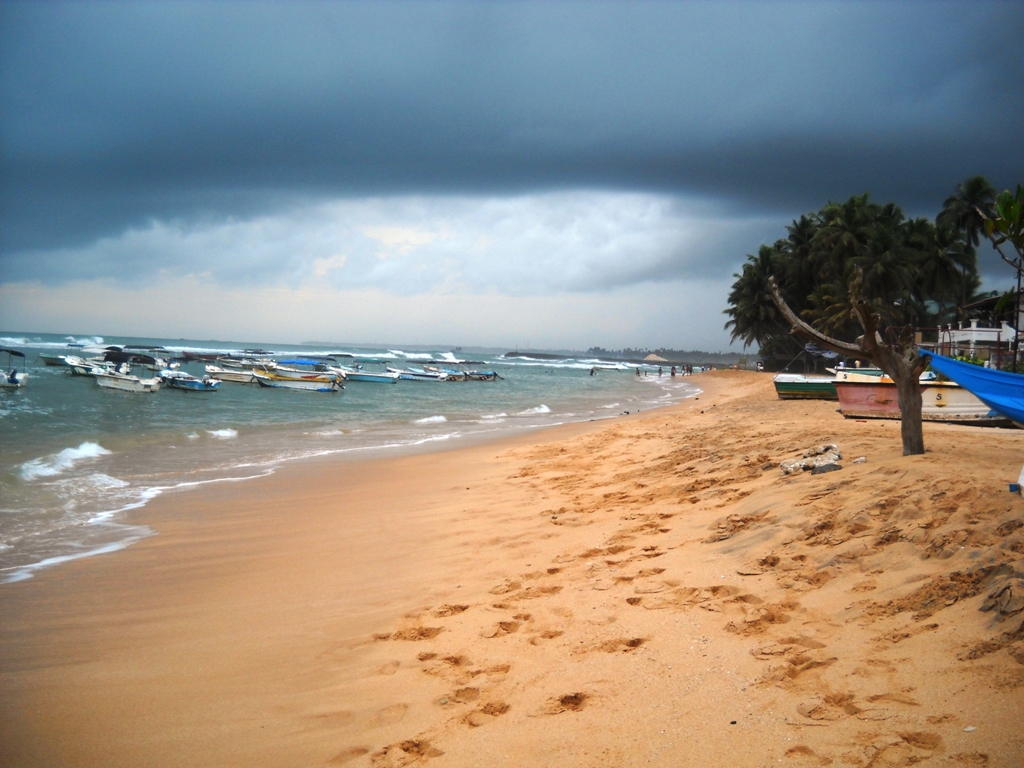
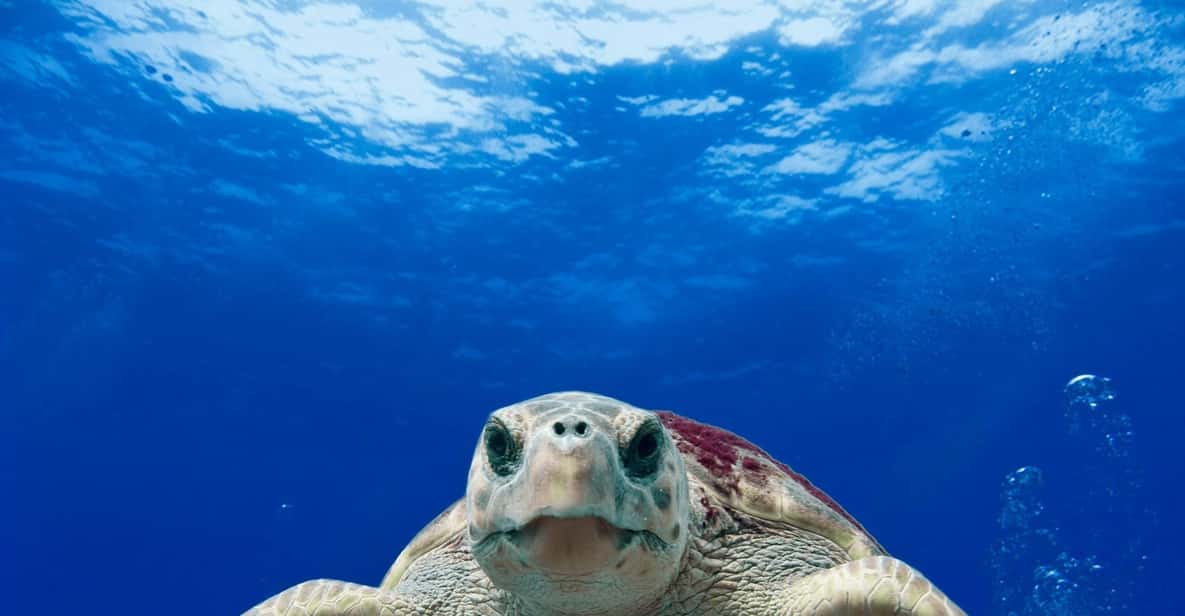
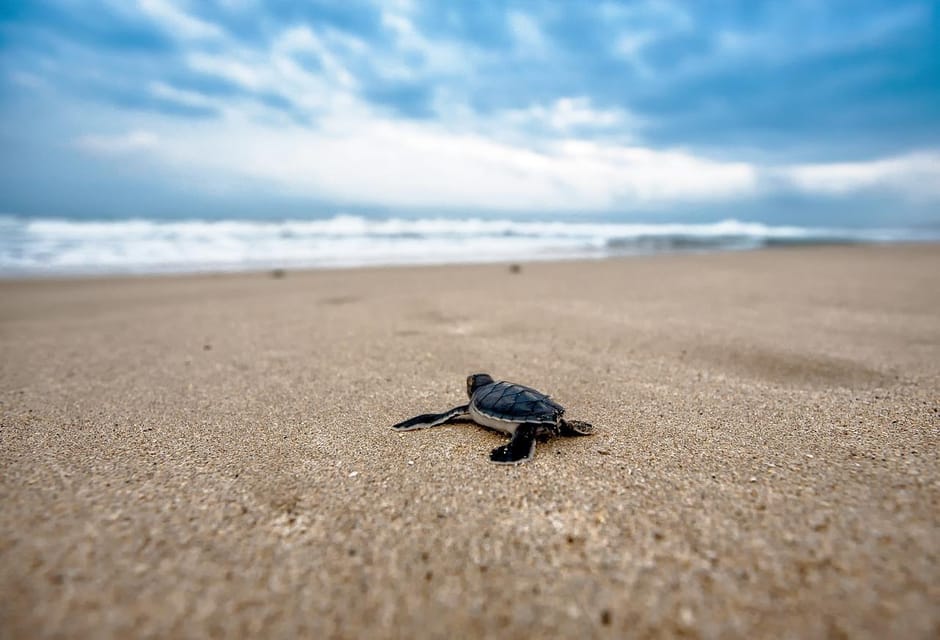
Marine sanctuary and beach resort.
5
Stop 5
The Galle Fort has both Portuguese and Dutch-era buildings, reflecting the bygone era of the colonial domination of the city. These buildings needed attention as many changes had taken place over the centuries. The Government of Sri Lanka, through its Galle Heritage Foundation under the Ministry of Cultural Affairs and National Heritage, has taken the initiative of restoring some of the heritage buildings to their old glory. The restoration work has been financially supported by the Government of the Netherlands. The renovation work conforms to guidelines set by the Archeological Department of Sri Lanka.
Galle Fort
Galle Fort Clock Tower
Galle Fort Lighthouse
Old Town of Galle and its Fortifications
Dutch Reformed Church
All Saints Anglican Church
Meera Mosque
Galle International Cricket Stadium.
6
back to the Colombo port passenger terminal, on the southern expressway.
Available languages
Guide guide
DE
JA
EN
FR
Important information
Not recommended for travelers with poor cardiovascular health
Suitable for all physical fitness levels
Dress code is smart casual
Important notes
• Dress code is smart casual
About Colombo
Colombo, Sri Lanka's bustling commercial capital, is a vibrant blend of modern life and colonial charm. With its diverse culture, rich history, and tropical beauty, the city offers everything from historic sites and religious landmarks to lively markets and beautiful beaches.
Top Attractions
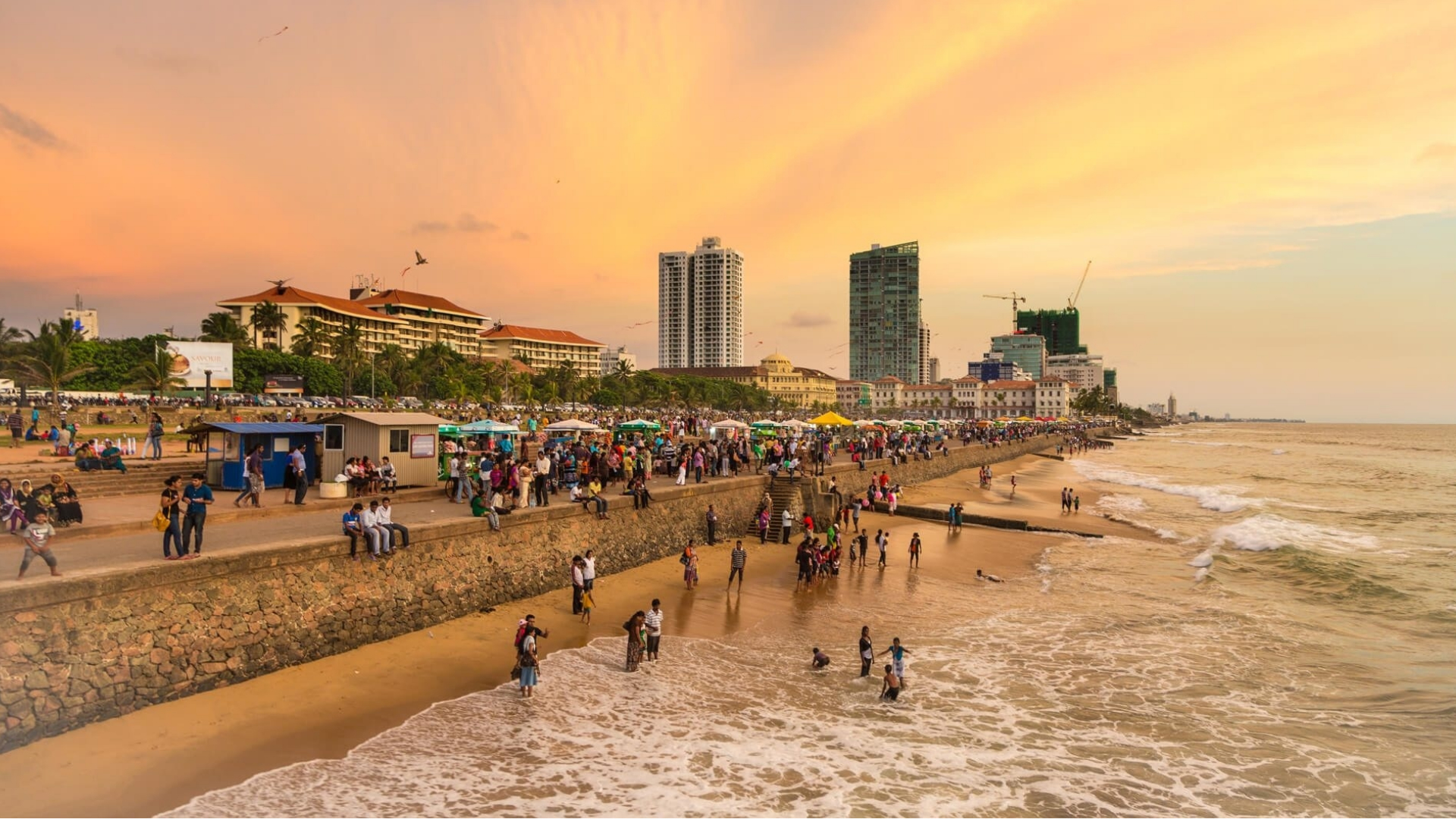
Galle Face Green
A scenic promenade along the Indian Ocean, popular for kite flying, evening strolls, and street food.
Beach
1-2 hours
Free
National Museum of Colombo
Sri Lanka's largest museum, showcasing the country's rich history and cultural heritage.
Museum
2-3 hours
LKR 1,000 (foreigners)
Kelaniya Raja Maha Vihara
An ancient Buddhist temple with significant historical and religious importance.
Religious
1-2 hours
Free (donations welcome)
Beira Lake
A scenic lake in the heart of Colombo, offering boat rides and beautiful views.
Nature
1-2 hours
Free (boat rides may have a small fee)
Colombo Dutch Hospital Shopping Precinct
A historic building transformed into a vibrant shopping and dining destination.
Shopping
1-3 hours
Varies by shop
Must-Try Local Dishes
Rice and Curry
A traditional Sri Lankan meal consisting of rice served with a variety of curries made from vegetables, meat, or fish.
Main Dish
Vegetarian and non-vegetarian options available, may contain allergens like nuts and seafood.
Hoppers (Appa)
Bowl-shaped pancakes made from fermented rice flour and coconut milk, often served with an egg in the center.
Breakfast/Dinner
Vegetarian, can be made vegan without egg.
Kottu Roti
A popular street food made from chopped roti (flatbread) cooked with vegetables, meat, or fish, and spices.
Dinner/Snack
Vegetarian and non-vegetarian options available, may contain allergens like nuts and seafood.
Lamprais
A Dutch-influenced dish consisting of rice, meat, and vegetables cooked in banana leaves.
Main Dish
Non-vegetarian, may contain allergens like nuts and seafood.
Popular Activities
Hiking
Water sports
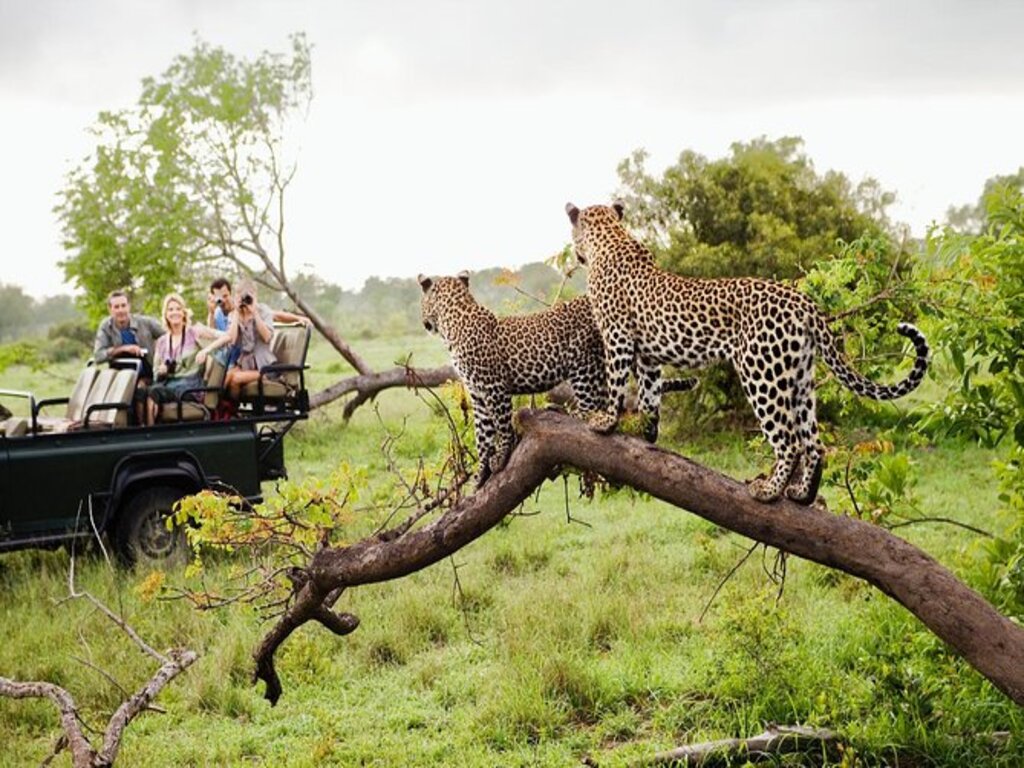
Wildlife safaris
Beach activities
Spa treatments
Yoga
Temple visits
Museum tours
Best Time to Visit
December to March
This period offers the best weather for visiting, with warm temperatures and less rainfall, making it ideal for exploring the city and its attractions.
28-32°C
82-90°F
Practical Information
Language
- Official: Sinhala, Tamil
- Widely spoken: English
- English: Widely spoken in tourist areas and by younger generations
Currency
Sri Lankan Rupee (LKR)
Time Zone
GMT+5:30
Electricity
230VV, 50HzHz
Safety Information
Overall Safety Rating: Generally safe, but exercise caution in crowded areas and at night
Colombo is generally safe for tourists, but petty crime and scams can occur, especially in crowded areas and tourist hotspots. Be cautious of pickpocketing, bag snatching, and overcharging by taxis and vendors.
Important Precautions:
- • Use reputable tour operators and guides
- • Agree on fares before using taxis or tuk-tuks
- • Keep valuables secure and out of sight
Getting there
By air
- Bandaranaike International Airport • 35 km south of Colombo
By train
Colombo Fort Station
By bus
Bastion Street Bus Terminal, Colombo Central Bus Stand
Getting around
Public transport
Buses are the most common and affordable way to get around, but they can be crowded and slow.
Taxis
Available • Apps: Uber, PickMe
Rentals
Car, Bike, Scooter
Neighborhoods
Colombo Fort
Cinnamon Gardens
Galle Face
Pettah
Day trips
Kandy
115 km • Full day
Kandy, the last capital of the ancient kings' era, is a UNESCO World Heritage Site known for its rich history, cultural landmarks, and scenic beauty.
Galle
120 km • Full day
Galle is a historic coastal city known for its UNESCO World Heritage-listed Dutch Fort, beautiful beaches, and rich cultural heritage.
Negombo
35 km • Half day
Negombo is a coastal town known for its beautiful beaches, historic sites, and vibrant fishing industry.
Festivals
Vesak • May (full moon day)
Esala Perahera • July or August (full moon day)
Christmas • December 25
Pro tips
- Use app-based taxi services like Uber or PickMe for reliable and transparent pricing
- Carry small denominations of cash for markets and street vendors, as change may be limited
- Bargain politely when shopping at markets and with street vendors, as prices are often negotiable
- Try local street food for an authentic and affordable culinary experience, but be cautious of food hygiene and choose busy stalls with high turnover
- Visit popular attractions early in the morning or late in the afternoon to avoid crowds and the heat
From $25
per person
Price varies by option
Secure booking
Free cancellation available
Instant confirmation