Skip the Line: Medieval Tuida Fortress tours
Active
1d
For a full refund, cancel at least 24 hours before the scheduled departure time.
Instant confirmation
Mobile or paper ticket accepted
About this experience
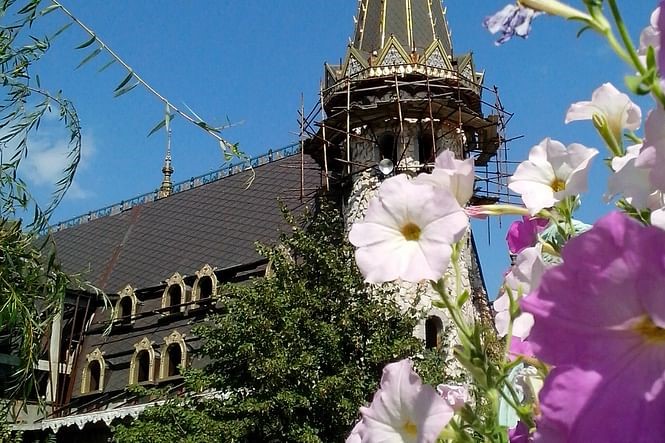
Тhe Tuida Fortress is a Late Roman, Early Byzantine and medieval Bulgarian fortress located on the Hisarlaka Hill in the eastern Bulgarian city of Sliven. It's a must see attraction offering plenty of activities inside. We welcome you!
Available options
entrance ticket + e-guide
entrance ticket + e-guide
Guided tour
Walk with a guide around the fortress, have an e-guide for a souvenir too
Archery and dress medievally
Spice up your visit with archery and medieval dresses. Ticket and e-guide are included in the rate.
What's included
guiding (if this option is booked)
archery & medieval dresses (if this option is booked)
E-guide
taking photos
Detailed itinerary
1
The Tuida Fortress avoided destruction during the invasion of the Goths in 378 AD but was destroyed in the invasions of the Huns in the 5th century AD. It was rebuilt during the reign of Roman Emperor Anastasius I (r. 491-518 AD), preserving but also enhancing the original architecture of the fortress. The Tuida Fortress was ultimately destroyed around 598-599 AD, most probably during an invasion of Avars and Slavs.
The territory around today’s Bulgarian city of Sliven was made part of Bulgaria, i.e. of the First Bulgarian Empire (632/680-1018 AD), around 705 AD when Bulgarian Khan (or Kanas) Tervel gained the Zagore Region south of the Balkan Mountains after he helped Byzantine Emperor Justinian II the Slit-nosed (Rhinotmetos or Rhinotmetus) (r. 685-695 and 705-711 AD) regain his throne in Constantinople. Thus, a Bulgarian settlement, whose name remains unknown, was built on the place of the Tuida Fortress. A lead seal of Bulgarian Knyaz Boris I Mihail (r. 852-889 AD) has been found there.
The Bulgarians rebuilt the fortress walls and the aquaduct of Tuida, and erected new buildings inside the fortress that were covered with marble slabs produced by stone cutters in the then Bulgarian capital Veliki Preslav (“Great Preslav”). Several bricks with an Ancient Bulgar sign (resembling “|Y|") have been found there. Written sources indicated that Tuida was the seat of a bishop from the 4th century AD onwards.
After the original excavations of the Tuida Fortress first started in 1982, they were resumed in 2004. The archaeological finds there include, in addition to Knyaz Boris I’s lead seal, a number of iron tools, ceramic vessels, ornaments, coins, and bones from 14 species of wild and domesticated birds including Bonelli’s eagle (Aquila fasciata), western capercaillie (Tetrao urogallus), great bustard (Otis tarda), and common pheasant (Phasianus colchicus).
The archaeological excavations have revealed the fortress walls of Tuida, fortress towers and gates, remains of buildings, two marble pedestals dedicated to gods Apollo and Zeus which contain the name of the fortress as Tuida or Suida (known in written sources as Tsoida), a 3rd century AD inscription describing the settlement as a market place, a cult complex used between the 4th and the 13th century consisting of a three-nave one-apse Early Christian basilica and a unique baptistery decorated with murals and mosaics.
The ruins of a larger basilica have been found outside the fortress walls (which encompassed an area of about 40 decares (app. 10 acres)) which is taken to mean that the settlement was not confined by the fortified area but spanned outside of it.
What's not included
Food, drinks and personal expenses
Available languages
Written guide
DE
RU
CMN
EN
IT
FR
ES
Guide guide
EN
Reviews breakdown
Tripadvisor
4.3
6 reviews
5★
5
4★
0
3★
0
2★
0
1★
1
Important information
Wheelchair accessible
Service animals allowed
Transportation options are wheelchair accessible
Suitable for all physical fitness levels
Please, wear comfortable shoes.
About Sliven
Sliven, a charming city in southeastern Bulgaria, is nestled in the foothills of the Balkan Mountains. Known for its natural beauty, rich history, and vibrant cultural scene, Sliven offers a unique blend of outdoor adventures and historical exploration. The city is also famous for its mineral springs, which have been a source of healing and relaxation for centuries.
Top Attractions
Hadzhi Dimitar Peak
Hadzhi Dimitar Peak is a popular hiking destination located in the Balkan Mountains. It offers breathtaking views of the surrounding landscape and is a great spot for nature lovers and hikers.
Nature
Half day to full day
Free
Sliven Regional Museum of History
The Sliven Regional Museum of History offers a fascinating glimpse into the rich history of the region. The museum houses a diverse collection of artifacts, including archaeological finds, traditional costumes, and historical documents.
Historical
1-2 hours
Approximately 5 BGN
Sinope Fortress
Sinope Fortress is an ancient fortress located on a hill overlooking the city. It offers stunning views of Sliven and the surrounding countryside. The fortress is a popular spot for history enthusiasts and those seeking a peaceful retreat.
Historical
1-2 hours
Free
Sliven Mineral Baths
The Sliven Mineral Baths are a series of natural hot springs known for their healing properties. Visitors can relax and rejuvenate in the warm, mineral-rich waters, making it a perfect destination for those seeking relaxation and wellness.
Relaxation
1-2 hours
Approximately 10-20 BGN
Must-Try Local Dishes
Banitsa
A traditional Bulgarian pastry made with filo dough, cheese, and eggs. It is often served for breakfast or as a snack.
Breakfast/Snack
Contains dairy and eggs, can be vegetarian if made without meat.
Shopska Salad
A refreshing salad made with tomatoes, cucumbers, onions, peppers, and grated sirene cheese. It is a staple of Bulgarian cuisine.
Lunch/Dinner
Vegetarian, can be made vegan without the cheese.
Kebapche
A grilled minced meat sausage made with a blend of spices. It is often served with French fries or lyutenitsa (a spicy pepper and tomato spread).
Lunch/Dinner
Contains meat, not suitable for vegetarians or vegans.
Tarator
A cold soup made with yogurt, cucumbers, garlic, and dill. It is a refreshing dish, especially during the hot summer months.
Appetizer/Snack
Contains dairy, can be made vegan with plant-based yogurt.
Popular Activities
Hiking in the Balkan Mountains
Rock climbing at Hadzhi Dimitar Peak
Visiting the Sliven Mineral Baths
Picnicking in the City Park
Exploring the Sliven Regional Museum of History
Attending local festivals and events
Swimming at Burgas Beach (day trip)
Skiing and snowboarding in the Balkan Mountains (seasonal)
Best Time to Visit
May to September
The best time to visit Sliven is during the summer months when the weather is warm and pleasant, perfect for exploring the city's natural and historical attractions. The city is lively with various festivals and outdoor activities.
15°C to 30°C
59°F to 86°F
Practical Information
Language
- Official: Bulgarian
- Widely spoken: English, Russian
- English: Moderately spoken in tourist areas, limited in rural areas
Currency
Bulgarian Lev (BGN)
Time Zone
GMT+3
Electricity
220VV, 50HzHz
Safety Information
Overall Safety Rating: Generally safe
Sliven is generally a safe city for travelers, with low crime rates and a welcoming atmosphere. However, as with any destination, it's important to take basic precautions to ensure a safe and enjoyable trip.
Important Precautions:
- • Keep valuables secure and be cautious of pickpockets in crowded areas.
- • Use licensed taxis or ride-sharing apps to avoid overcharging.
- • Be cautious when using ATMs, especially at night, and cover the keypad when entering your PIN.
Getting there
By air
- Plovdiv International Airport • 120 km from Sliven
- Burgas Airport • 80 km from Sliven
By train
Sliven Central Railway Station
By bus
Sliven Central Bus Station
Getting around
Public transport
The bus system in Sliven is efficient and covers most parts of the city. Buses are the primary mode of public transportation.
Taxis
Available • Apps: Yandex.Taxi, Uber (limited availability)
Rentals
Car, Bike, Scooter
Neighborhoods
City Center
Hadzhi Dimitar District
Kozarevo District
Day trips
Burgas
80 km from Sliven • Full day
Burgas is a coastal city known for its beautiful beaches, vibrant nightlife, and historical sites. It's a great destination for a day trip from Sliven, offering a mix of relaxation and cultural exploration.
Kotlenski Waterfalls
20 km from Sliven • Half day
The Kotlenski Waterfalls are a series of beautiful waterfalls located in the Balkan Mountains. They are a popular destination for nature lovers and hikers, offering stunning views and a peaceful retreat.
Stara Zagora
70 km from Sliven • Full day
Stara Zagora is a city with a rich history and a variety of cultural attractions. It's known for its ancient Roman ruins, museums, and vibrant arts scene. A day trip to Stara Zagora offers a fascinating glimpse into Bulgaria's past and present.
Festivals
International Folklore Festival • June
Wine Festival • September
Sliven Carnival • February/March (before Lent)
Pro tips
- Visit the Sliven Mineral Baths for a relaxing and rejuvenating experience.
- Explore the ancient Sinope Fortress for stunning views of the city and surrounding countryside.
- Hike to Hadzhi Dimitar Peak for breathtaking views of the Balkan Mountains.
- Sample local wines at one of the city's many wineries or wine bars.
- Attend a local festival or event to experience the vibrant cultural scene of Sliven.
From $25
per person
Price varies by option
Secure booking
Free cancellation available
Instant confirmation