Food Tour Experience in Rio de Janeiro - Private Tour
Active
5h - 6h
For a full refund, cancel at least 24 hours before the scheduled departure time.
Instant confirmation
Mobile or paper ticket accepted
About this experience
If you love travelling and you love food, you will love this tour. Brazil is an enormous tropical country and its gastronomy is an explosion of flavors. This tour is a depth immersion in Brazilian culinary and it is also a lovely way of exploring the city of Rio de Janeiro. In the company of a licensed guide, you will visit farmers markets, traditional restaurants and bars only known by the locals. The tour guide will be very informative about art, history, culture and the architecture of the neighbourhoods. The menu includes traditional food such as: Tapioca crepes and cheese bread ( both gluten-free ), açai, café, cachaça, caipirinha, pastel, coxinha, brigadeiro, sweets and cakes, sugarcane juice, Brazilian nuts, fruits, juices and craft beer. You can also choose one typical meal. This menu varies a little depending on the places visited .
We also have options for vegetarians.
This tour is in small groups, (no more than 10 people).
We will walk and use our own transportation
Available options
Private Food Tour
Duration: 5 hours<br/>Pickup included
What's included
Soda/Pop
2 Alcoholic beverages are included
Private Transportation A/C
Snacks
Food and Drinks were carefully selected to make this experience unique. The menu includes (Fruits, Juices, drinks, snacks and traditional meals) with options for vegetarians.
Coffee and/or Tea
Licensed Tour Guide
Detailed itinerary
1
Every day the farmers market takes place in a different neighbourhood, for this reason, the itinerary change a little
2
Stop 2
Pass by
Santa Teresa is also a vibrant gastronomic center, as well as an artistic center. Due to a large number of artists and art studios, the neighborhood has come to be called Rio's Montmartre.
3
Stop 3
Pass by
It is the popular name of a major public square in the center of Rio de Janeiro, Brazil. Its official name is Praça Floriano Peixoto, in honor of the second president of Brazil, Floriano Peixoto. The square concentrated a great part of the political and cultural life of Brazil.
4
Stop 4
Pass by
The Carioca Aqueduct is located in the center of the city, in the Lapa neighborhood, and is frequently called Arcos da Lapa (Lapa Arches) by Brazilian people. The aqueduct was built in the middle of the 18th century to bring fresh water from the Carioca River to the population of the city. It is a typical example of colonial architecture and engineering.
5
Stop 5
This tour is a deep immersion in Brazilian culinary and is also a lovely way of exploring the city of Rio de Janeiro. In the company of a licensed guide, you will visit markets, restaurants, bars and you will learn about art, history, culture and architecture of the area visited.
6
Stop 6
Pass by
It is the historic downtown, the building of neoclassical characteristics and in the past was launched in 1880, making the Francisco Joaquim Bethencourt da Silva (1831-1912) project, an architect from the Imperial house, founder of the Propagadora Society of Fine Arts and the Arts and Crafts Lyceum.
7
Stop 7
Pass by
In a neoclassical building dating from 1820, the Casa França-Brasil sponsors small-scale exhibitions that often deal with political and cultural facets of carioca society. There are occasional concerts held on the veranda. The classical revival building once served as a customs house.
8
The heart of the Port Area. From 1910 on, with the inauguration of Porto do Rio (“Rio’s Port”), began an important place to welcome ships that brought products and tourists to the city. Around the square, there are important buildings, such as the Rio Art Museum (MAR) and the Museum of Tomorrow, as well as the A Noite building, the first skyscraper of the city, built in 1930. In the middle of the square, there’s the statue of Barão de Mauá, Irineu Evangelista de Souza, a great businessman from the time of the Empire.
9
Stop 9
Pass by
Museum of Tomorrow is an Applied Sciences museum that explores the opportunities and challenges which humanity will be forced to tackle in the coming decades from the perspective of sustainability and conviviality.
10
Stop 10
Pass by
The Museum of Art promotes a transversal reading of the city’s history, its social fabric, its symbolic life, conflicts, contradictions, challenges, and social expectations. Its exhibitions unite historical and contemporary dimensions of art through national and international exhibitions of long and short duration. The museum also rises with a mission to insert art in public education, through its Escola do Olhar.
11
Located in Gamboa, the 2500 m² mural is signed by muralist Eduardo Kobra. One of the largest graphite panels stared the world, according to the Guinness World Record, is the newest tourist attraction in Rio de Janeiro was inspired by the Olympic rings representing the five continents and received the name of “ethnic groups”. The art is signed by Eduardo Kobra, which has works spread over 20 countries, such as England, France, the USA, Russia, Greece, Italy, Sweden, and Poland.
12
Stop 12
Pass by
The Candelária Church is an important historical Roman Catholic church in the city of Rio de Janeiro. It was built and decorated during a long period, from 1775 to the late 19th century. The church combines a Portuguese colonial Baroque with later Neoclassical and Neo-Renaissance interior elements.
13
Stop 13
Pass by
The Royal Portuguese Reading Room has the largest and most valuable literary of Portuguese outside Portugal. Constructed between 1880 and 1887, it has more than 350,000 volumes in a library, fully computerized, which brings together rare books from the XVI, XVII, and XVIII. The library receives a copy of Portugal for each of the works published in the country according to its status of “legal deposit”. The current headquarters building has the neomanuelino style that evokes the exuberant Gothic-Renaissance at the time of the Portuguese Discoveries. The facade, inspired by the Jeronimos Monastery in Lisbon, was carved in limestone in Lisbon and brought by ship to Rio.
14
Stop 14
Pass by
Located in the Historic Downtown, the Pólo Saara is considered to be the largest open air mall of the State of Rio de Janeiro. Composed of eleven streets on the surroundings of Alfândega St., it has over 88 stores, most of which cater to the popular market. At the end of the 19th century, the region was originally occupied by immigrants of different nationalities who opened up small family business. The buildings of Saara still preserve the original architecture of that time.
15
Stained-glass windows, brocaded mirrors and marble countertops create a lavish setting for coffee or a meal here. Dating from the late 19th century, the Confeitaria Colombo serves desserts – including a good pastel de nata (custard tart) – befitting its elegant decor.
16
Stop 16
Pass by
The architectural lines are eclectic style, feature the beginning of the century, built to headquarter a Brazilian Lloyd school. But it didn’t happen and the building was used, for more than 50 years, to make the administrative and operational post areas could work. the Centro Cultural Correios is marking the presence of the Institute in the city promoting events in many areas on many vacancies, like theater, video, music, arts with promotions and events in many areas focusing on the integration of carioca’s people with varied ways of artistic expression.
17
Stop 17
Pass by
XV Square or Fifteenth of November Square is one of the most famous squares in the city center and there are still some very important buildings in the History of Rio de Janeiro and Brazil, besides having been the stage of historical events.
18
Stop 18
Pass by
This enormous concrete cone (1964-1976) by architect Edgar de Oliveira da Fonseca has had its fair share of controversy. The edifice stands at a height of 106m with a 96m internal diameter. The cathedral's main door (18m high), adorned with bronze bas-reliefs, leads into the immense interior space, entirely devoid of any structure, which can hold some 20 000 people. At each cardinal point is a huge stained-glass window sloping down from the summit to the base. In the basement is a museum devoted to sacred art and a columbarium.
19
The Valongo Wharf is an old dock located in the port area of Rio de Janeiro. In 2011, during the excavations carried out as part of the revitalization works in the Rio de Janeiro port area, the two wharves - Valongo and Imperatriz - were discovered, one on top of the other, and, along with them, a large number of amulets and worship objects from Congo, Angola, and Mozambique. IPHAN and the city of Rio de Janeiro inscribed the wharf's archaeological site to the Unesco World Heritage Site Tentative List. The wharf was then officially designated a World Heritage Site in 2017.
20
Stop 20
Pass by
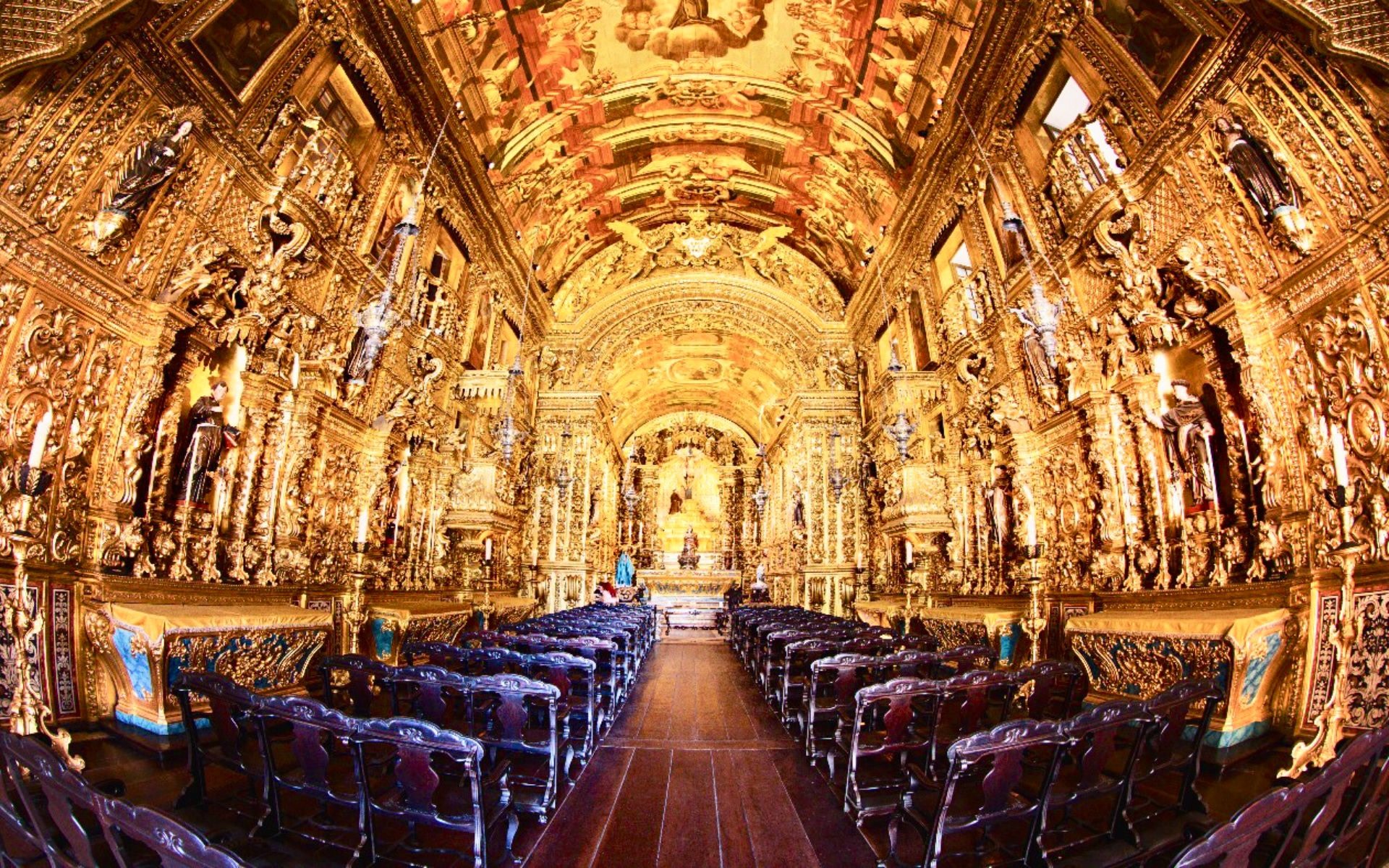
At the entrance to this church is a small museum housing the statues of saints that are borne through the streets in the Ash Wednesday procession, of which the most remarkable is a St Louis dressed up as Louis XIII! The church's exuberant gilded wood decor (1700-1737), the work of Manuel and Francisco Xavier de Brito, constitutes one of Brazil's most accomplished examples of Baroque art. The Apotheosis of St Francis, on the ceiling of the nave, is the work of Caetano da Costa Coelho and is Brazil's first example of perspective in art.
21
The Santo Antônio Monastery, located on an esplanade overlooking the Largo da Carioca, attracts admiring stares from all sides. But it is the inside of the complex that is really worth seeing. Have a look inside the church, which is one of the most remarkable in Rio, with its sculpted, gilded wood apse and its remarkable painted ceiling in the confessional. At the very beginning of the 18C, the monastery protected Cariocas from the French. These days you will discover a haven of peace and quiet within this wonder of religious architecture.
22
Stop 22
Pass by
The National Museum of Fine Art boasts 18 000 exhibits, making it the largest museum in the country. Here, you can admire works by Brazilian masters from the 19C (Victor Mereilles, Pedro Américo etc) and 20C (Maria Leontina, Iberê Camargo etc), as well as a fine series of paintings by Eugène Boudin. Contemporary artists are also represented, most notably, engravings by Carlos Oswald. The collection of engravings on display is one of the largest in Brazil.
23
Stop 23
Pass by
The Brazilian National Library (BN) is the responsible agency for the governmental politics execution of capture, storage, preservation and diffusion of the Country’s intellectual production. With more than 200 years of history, it is the oldest Brazilian cultural institution. It has a heritage of approximately 9 million items and, therefore, was considered by UNESCO (Organization of United Nations for the Education, Science and Culture) as one of the main national libraries in the world. To guarantee the maintenance of this immense set of works, BN has restoration and conservation of paper laboratories, binding workshop, centers of microfilming, photograph and digitation.
24
Farmers Market Copavabana
25
Stop 25
Pass by
Farmers Market Ipanema
26
Stop 26
Pass by
It is no coincidence if the Theatro Municipal reminds you of Paris' Opera Garnier. The architects took inspiration from the French Opera House and had all the materials needed for its construction imported from Europe in 1905. The opening was even held on Bastille Day! The guided tour will acquaint you with the remarkable decor of the auditorium, the staircase, the vestibule and even the basement. And why not enjoy a show in the company of over 2 000 spectators?
Available languages
Guide guide
PT
EN
ES
Reviews breakdown
Viator
4.2
5 reviews
5★
4
4★
0
3★
0
2★
0
1★
1
Tripadvisor
5.0
6 reviews
5★
6
4★
0
3★
0
2★
0
1★
0
Important information
Infants and small children can ride in a pram or stroller
Public transportation options are available nearby
Travelers should have at least a moderate level of physical fitness
Please inform Food allergy and dietary restrictions
About Rio de Janeiro
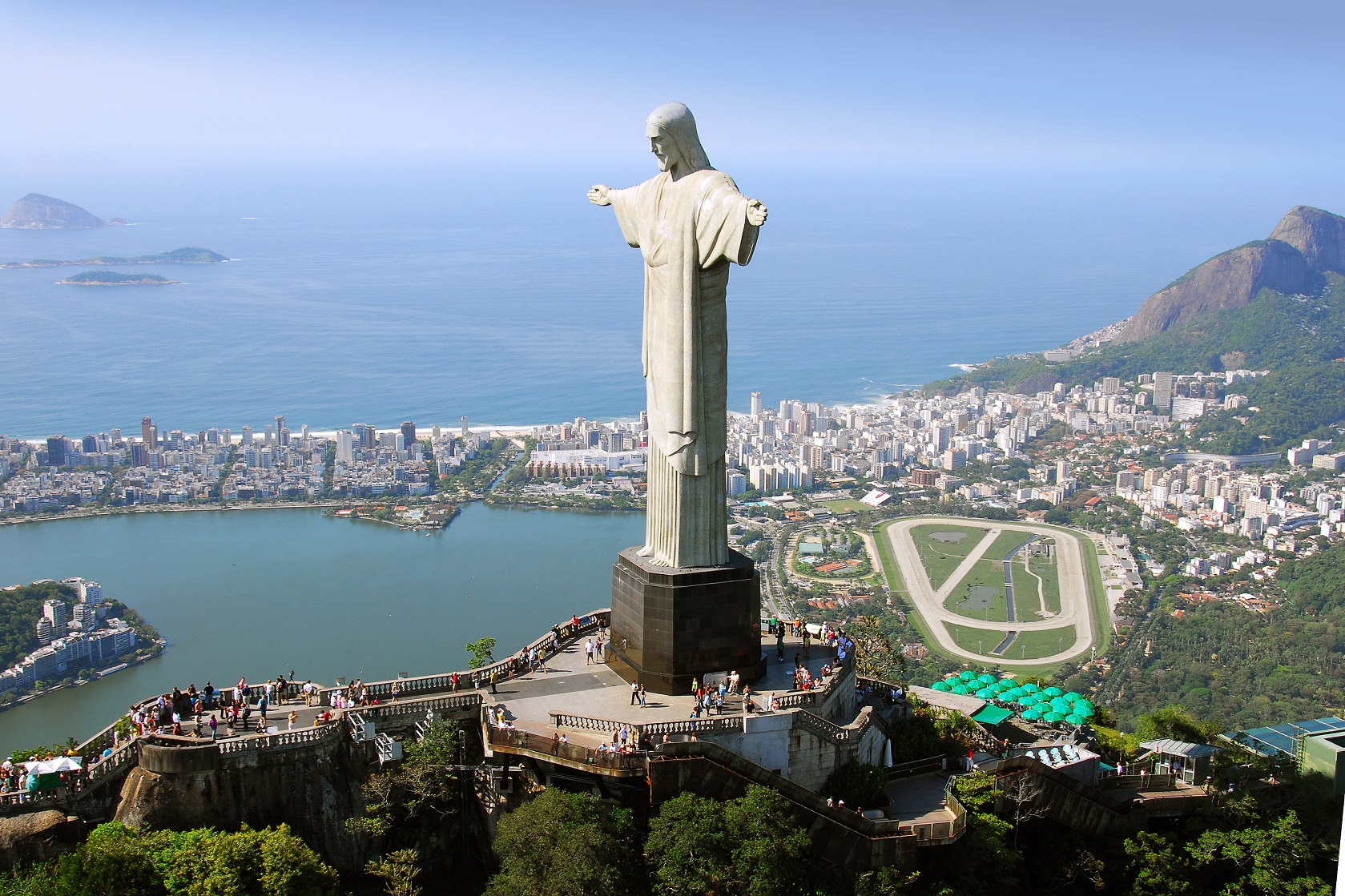
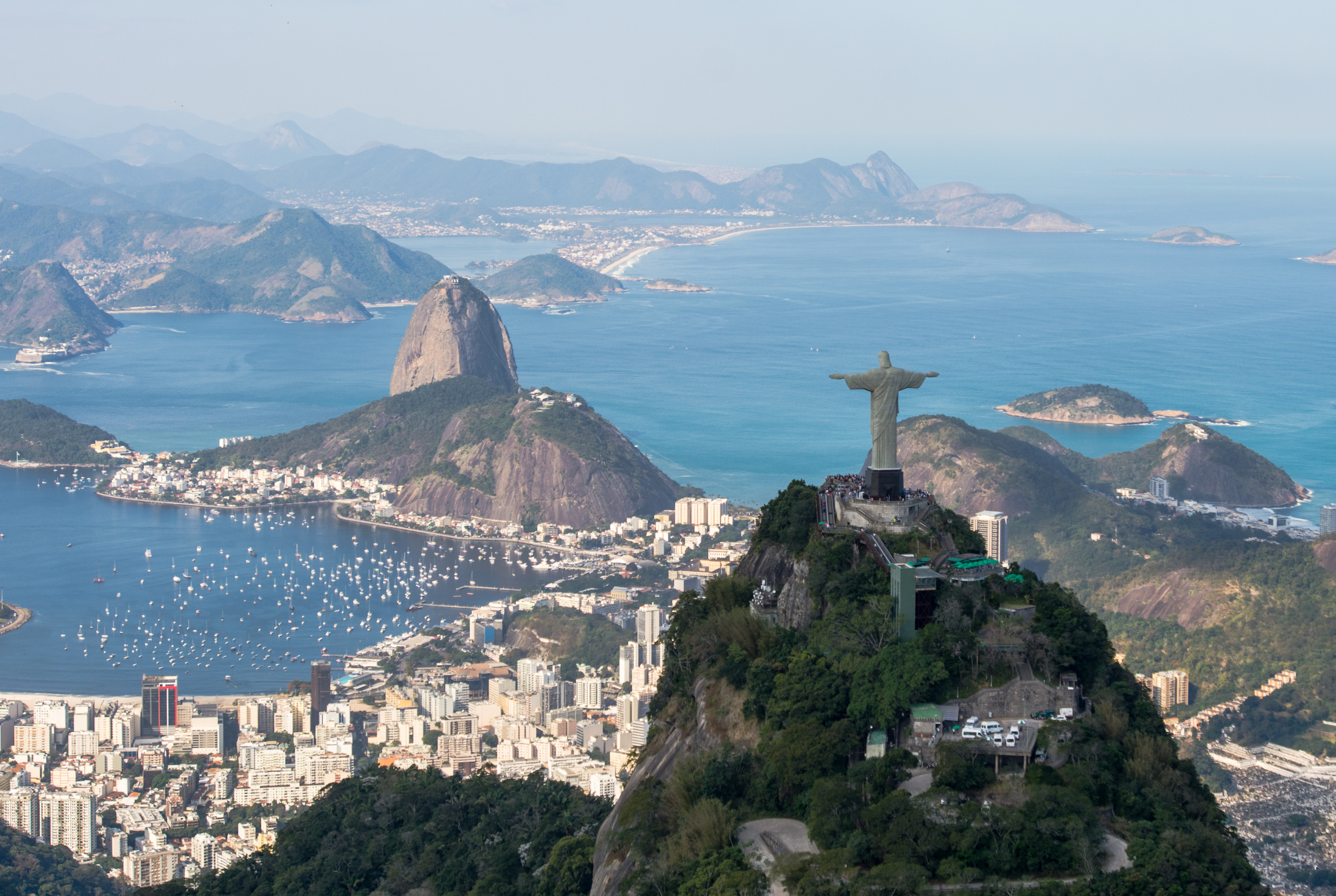
Rio de Janeiro, known as the 'Marvelous City,' is famous for its natural settings, Carnival, samba, bossa nova, and Balneario beaches such as Copacabana and Ipanema. It's a vibrant city with a rich cultural heritage and stunning landscapes, including the iconic Christ the Redeemer statue and Sugarloaf Mountain.
Top Attractions
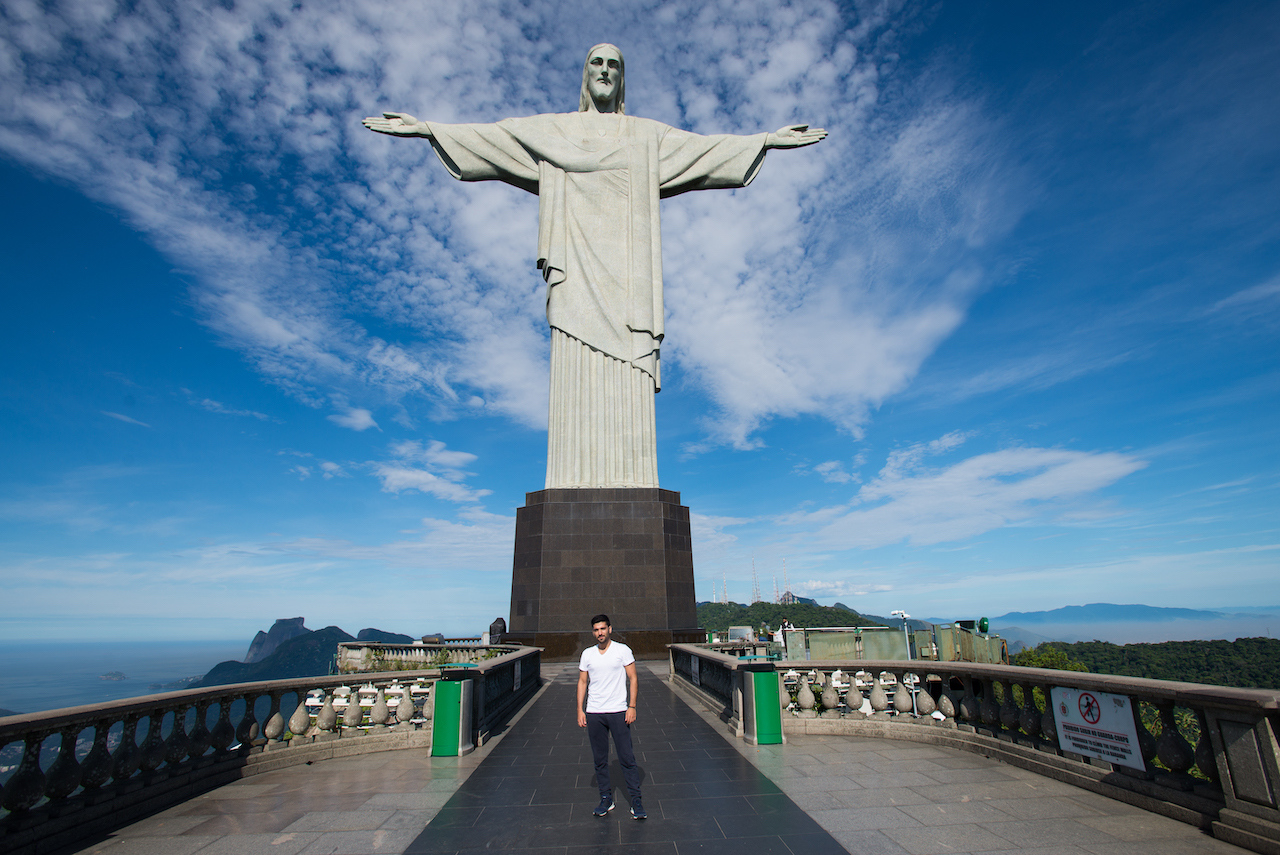
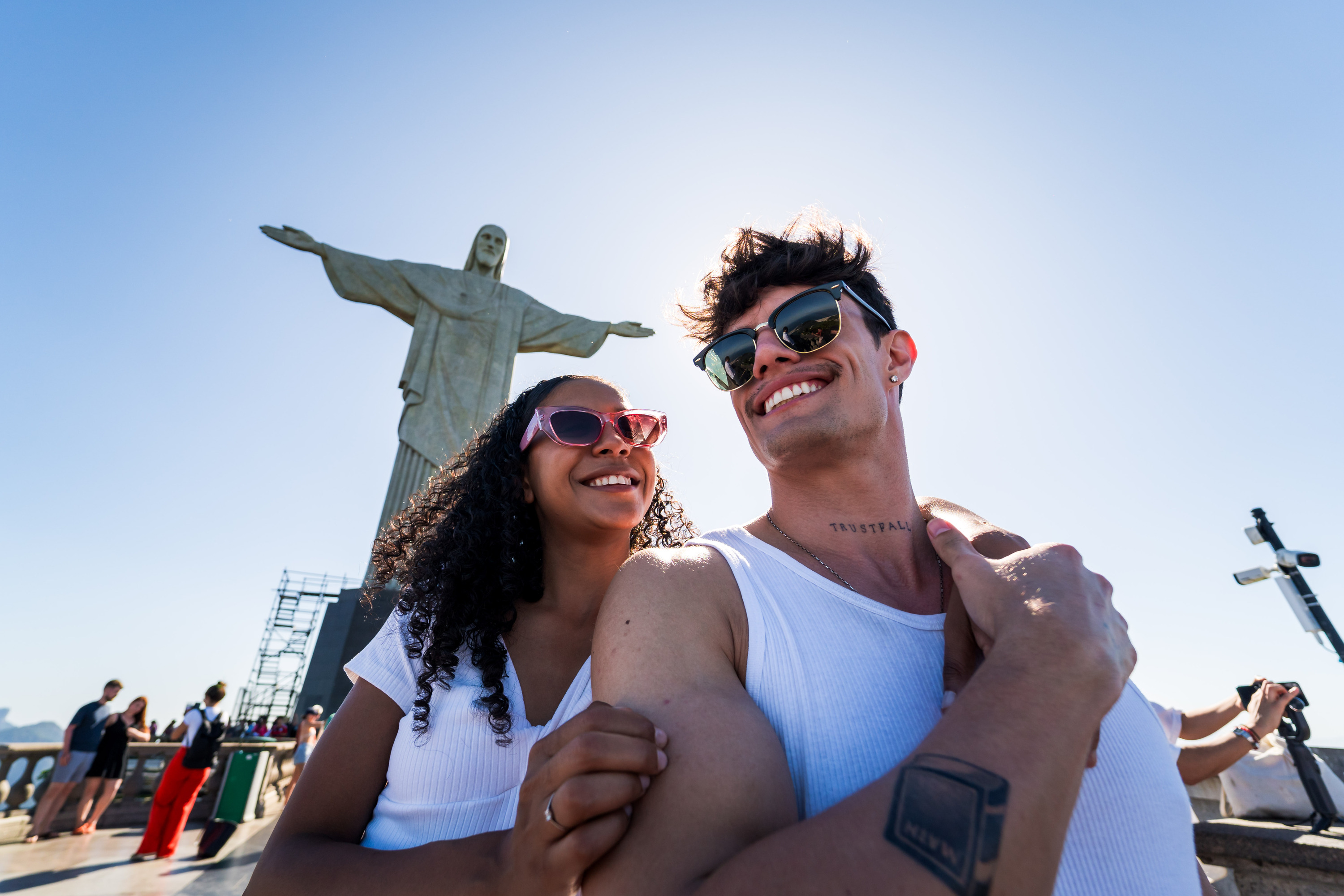
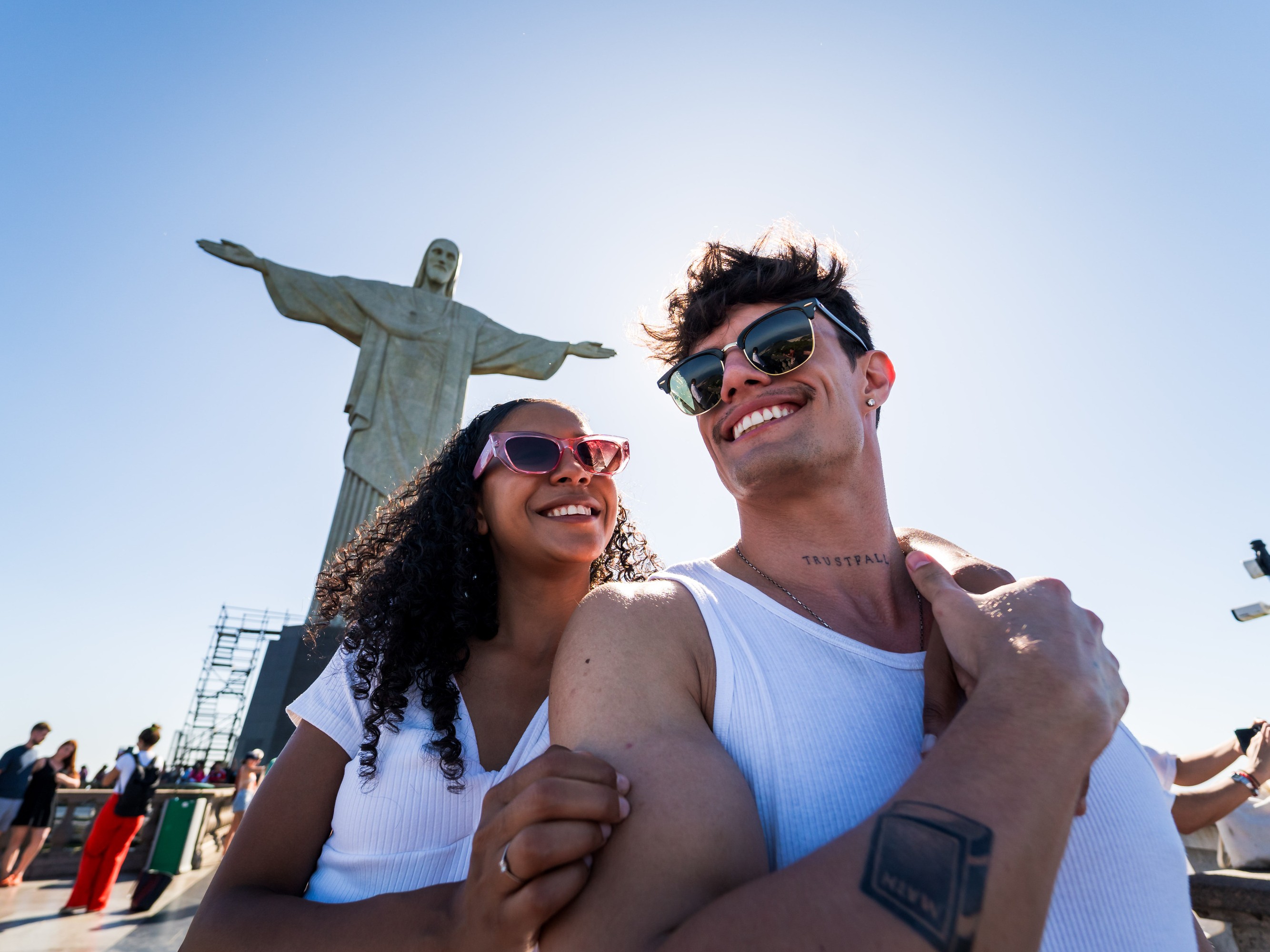
Christ the Redeemer
One of the New Seven Wonders of the World, this iconic statue offers breathtaking views of Rio de Janeiro.
Historical/Religious
2-3 hours
R$84 (including train ticket)
Sugarloaf Mountain
A famous peak offering stunning views of Rio de Janeiro and its beaches.
Nature
2-3 hours
R$88 (round-trip cable car)
Copacabana Beach
One of the most famous beaches in the world, known for its vibrant atmosphere and beautiful sunsets.
Beach
Half day or full day
Free
Tijuca National Park
The world's largest urban forest, offering hiking trails, waterfalls, and diverse wildlife.
Nature
Half day or full day
Free (some attractions may have fees)
Santa Teresa
A historic and bohemian neighborhood known for its cobblestone streets, art galleries, and scenic views.
Cultural
Half day
Free to explore
Must-Try Local Dishes
Feijoada
A hearty stew made with black beans and various cuts of pork, often served with rice, collard greens, and orange slices.
Dinner
Contains pork, not suitable for vegetarians or vegans.
Pão de Queijo
Cheese bread made with tapioca flour, giving it a unique texture and flavor.
Snack
Vegetarian, but contains dairy.
Moqueca
A traditional fish stew cooked in coconut milk and dendê oil, with various seafood and vegetables.
Dinner
Can be made vegetarian or vegan with vegetable broth and tofu.
Açaí
A thick, creamy fruit pulp from the açaí palm, often served with granola and condensed milk.
Dessert/Drink
Can be made vegan with plant-based milk.
Popular Activities
Hiking in Tijuca National Park
Surfing in Arpoador
Paragliding in Pedra Bonita
Beach lounging in Ipanema
Spa treatments in Copacabana
Yoga in Botafogo
Visiting museums in Centro
Attending a samba show
Best Time to Visit
December to March
This is the peak tourist season with warm weather and the famous Carnival in February/March. Expect crowded beaches and higher prices.
25-30°C
77-86°F
Practical Information
Language
- Official: Portuguese
- Widely spoken: English (limited)
- English: Limited
Currency
Brazilian Real (BRL)
Time Zone
GMT-3 (Brasília Time)
Electricity
110V/220VV, 60HzHz
Safety Information
Overall Safety Rating: Exercise caution
Rio de Janeiro is generally safe for tourists, but petty crime and violence can occur. Exercise caution, especially in less touristy areas and at night.
Important Precautions:
- • Avoid walking alone at night in unsafe areas
- • Use common sense and stay alert to your surroundings
- • Keep valuables secure and out of sight
Getting there
By air
- Rio de Janeiro-Galeão International Airport • 20 km (12 miles) from city center
- Santos Dumont Airport • 12 km (7.5 miles) from city center
By train
Central do Brasil
By bus
Rodoviária Novo Rio, Terminal Rodoviário da Gavea
Getting around
Public transport
Efficient and air-conditioned, the metro is a great way to avoid traffic.
Taxis
Available • Apps: Uber, 99 Taxis
Rentals
Car, Bike, Scooter
Neighborhoods
Copacabana
Ipanema
Santa Teresa
Lapa
Botafogo
Day trips
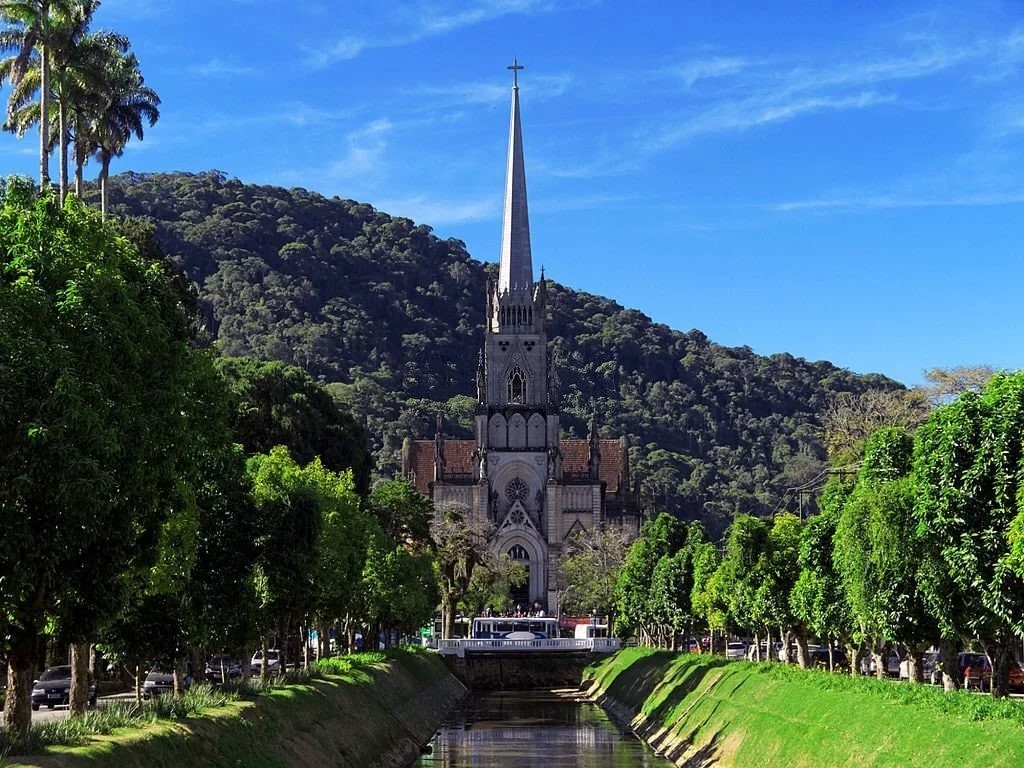
Petrópolis
65 km (40 miles) • Full day
A charming colonial town in the mountains, known for its historic architecture and cool climate.
Paraty
170 km (105 miles) • Full day or overnight
A historic coastal town with cobblestone streets, colonial architecture, and beautiful beaches.
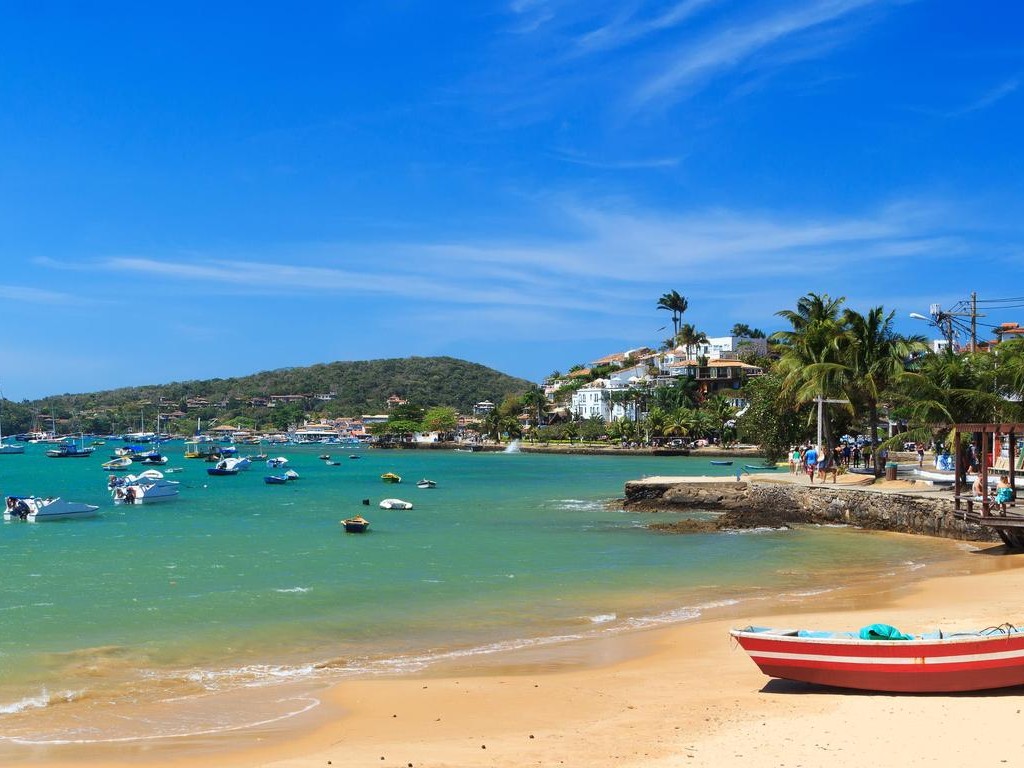
Búzios
170 km (105 miles) • Full day or overnight
A picturesque beach town known for its stunning beaches, clear waters, and vibrant nightlife.
Festivals
Carnival • February/March (dates vary)
Rio Carnival Samba Parade • February/March (dates vary)
New Year's Eve (Réveillon) • December 31
Pro tips
- Visit Christ the Redeemer early in the morning to avoid crowds and enjoy the best views
- Take a helicopter tour for a unique perspective of the city
- Explore the less touristy neighborhoods like Santa Teresa and Botafogo for a more authentic experience
- Try local street food like pão de queijo and coxinha for a taste of Brazilian flavors
- Learn some basic Portuguese phrases to enhance your interactions with locals
From $25
per person
Price varies by option
Secure booking
Free cancellation available
Instant confirmation