Private Half-Day TukTuk Tour All Around Vila do Conde
Active
3h
For a full refund, cancel at least 24 hours before the scheduled departure time.
Instant confirmation
Mobile or paper ticket accepted
About this experience
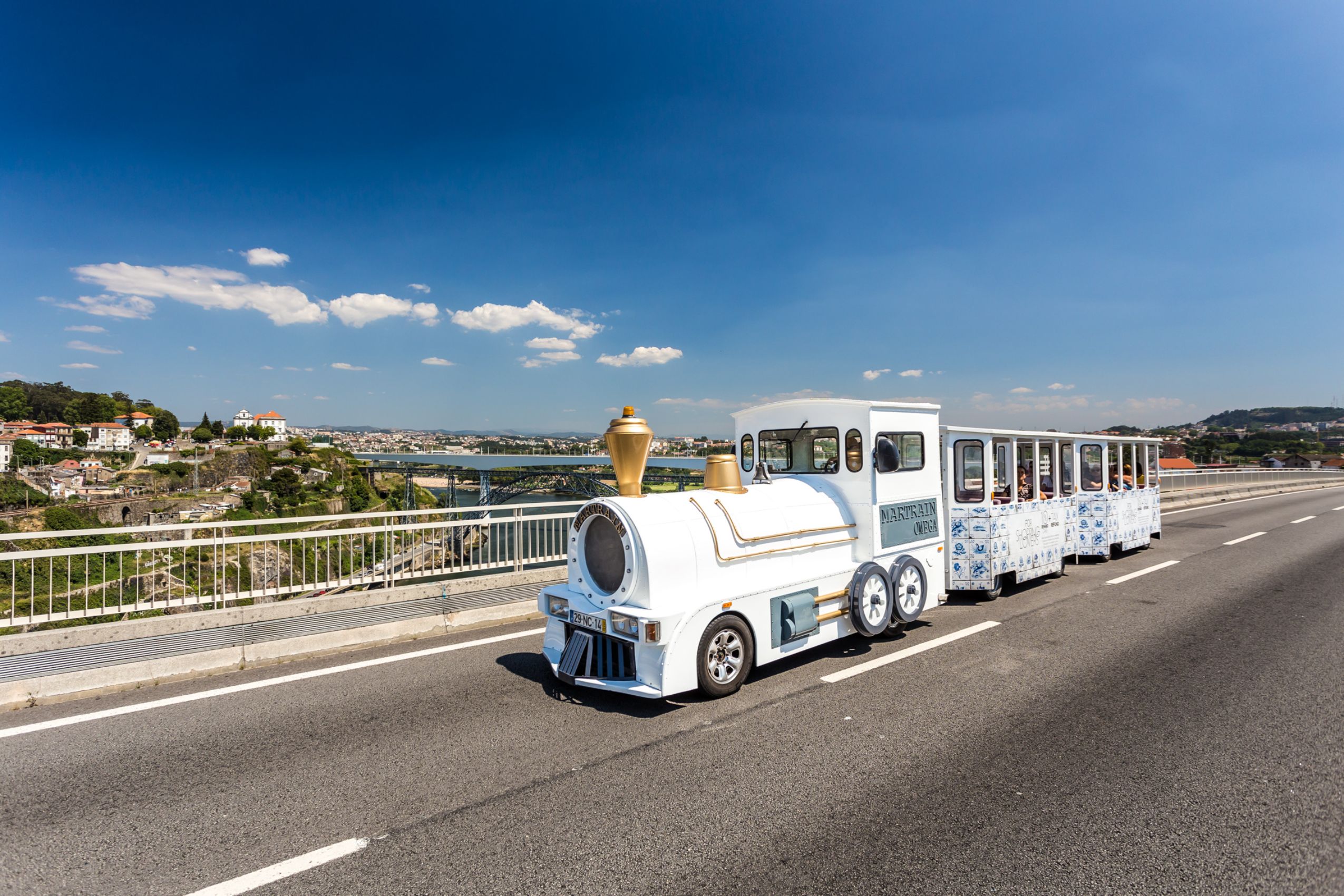
A half-day adventure in Vila do Conde. Come and discover the history of the city, it's main monuments, stroll through the charming streets and discover viewpoints with incredible views.
Get ready to enjoy this unique experience that will allow you to make the most of your time in Vila do Conde, with a unique tour, in a mix of Tuk Tuk with short walks and stop at the best places to take pictures. A transversal tour, tailor-made to show you the "Princesa do Ave", its origins, histioy, heritage, architecture, lifestyle, culture, gastronomy and some hidden gems!
Available options
Half Day - Vila do Conde
Pickup included
What's included
Local guide
Driver/guide
Port Wine tasting
Live commentary on board
Detailed itinerary
1
The Municipal Market of Vila do Conde is a historic place, strategically located in the center of Vila do Conde, in a large and welcoming square, which invites you to stop to relax and discover local products.
2
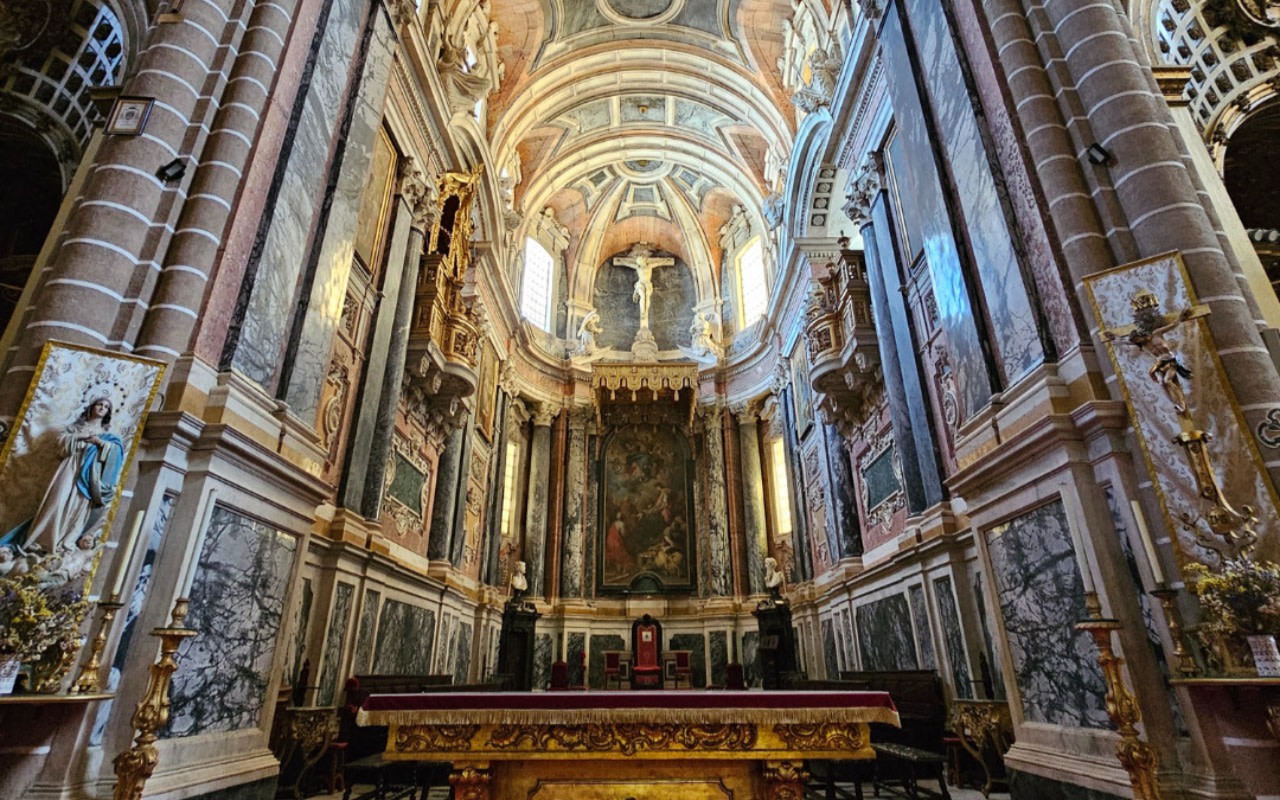
The Church of São João Batista (Saint John the Baptist) or Igreja Matriz de Vila do Conde is one of the most important monuments in the city and one of the most significant in Manueline style in the country, presenting elements of Gothic and Renaissance architecture. It has been classified as a National Monument since 1910.
3
Small in size, it is unique for its shape and roof, similar to that of eastern temples where its patron stayed. This little chapel has a circular and elliptical plan, formed by two bodies.
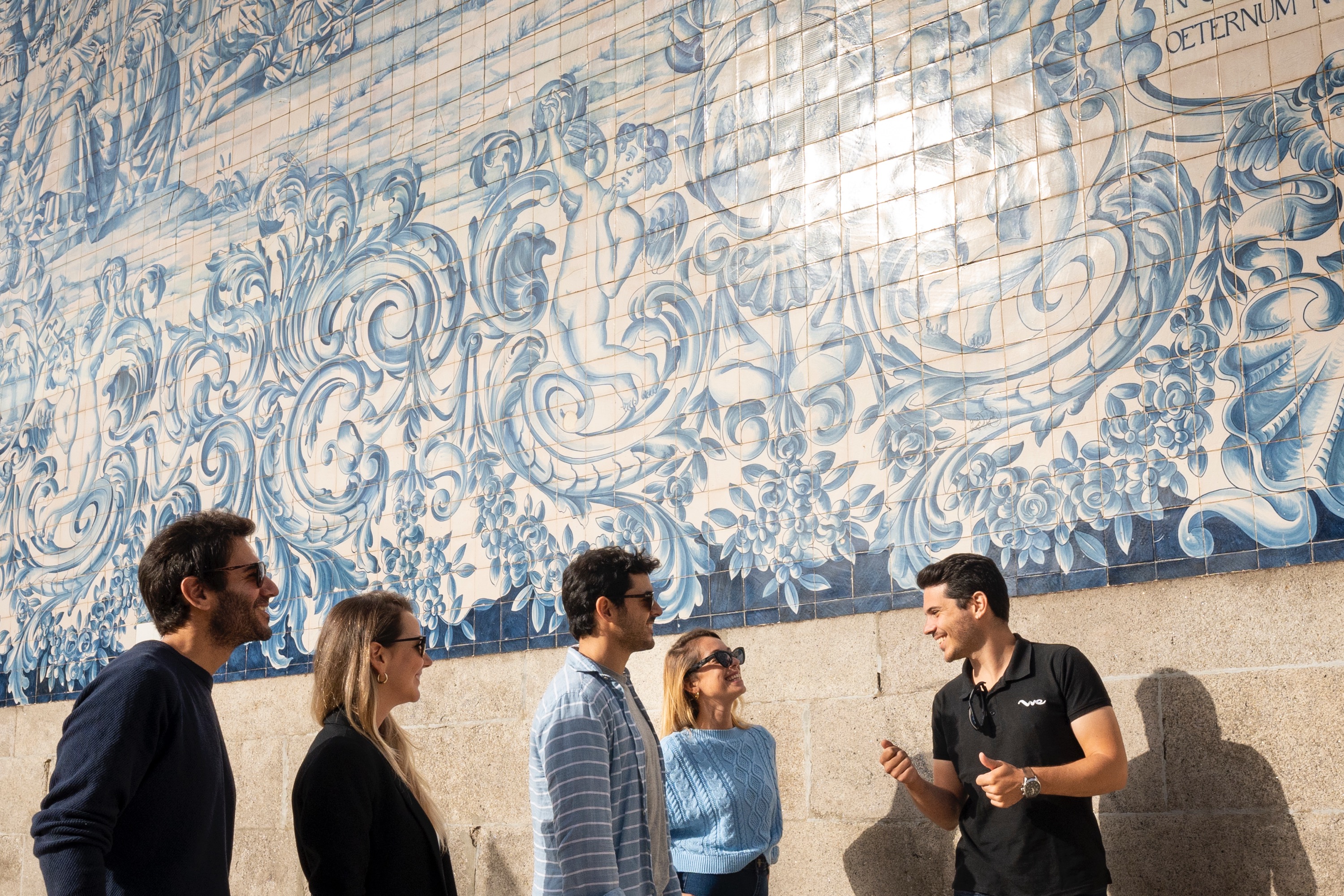
The interior is covered in tile panels with biblical scenes.
From its viewpoint you can enjoy a view that encompasses the entire right bank of the Ave river in the city up to its mouth.
4
Traditional bobbin lace is part of the city’s historical heritage. The Museum presents beautiful examples, some from the Lace School and competitions, among other initiatives. It also has an international section, where you can see lace, cushions and bobbins from Europe and Brazil.
Visitors will also be able to witness the execution of the lacework live.
5
Founded in the waters of the Ave River since 2007, the replica of the Nau Quinhentista, built by shipyards Samuel & Filhos, Lda, from Vila do Conde, is an important and precious complement to the Alfândega Régia - Naval Construction Museum museum nucleus. In addition to being an important element of tourist and recreational attraction, it has a pedagogical function, as, built with the greatest respect for the scientific investigations carried out by Admiral Rogério d' Oliveira, it incorporates the ancestral knowledge of the carpenters and caulkers of the Vilacondense shipyards.
6
The permanent exhibition open to the public has three aspects, which reflect the function of the Museum: Portuguese Navigation, namely that which originates and ends in Vila do Conde; the history of the Royal Customs and its operation, officers and customs-cleared products; the history of Naval Construction, types of boats built in Vila do Conde and their respective construction processes.
7
Memory of the 500 years of the Portuguese Discoveries and Vila do Conde's participation in the Maritime Epic. Monument-square designed by sculptor José Rodrigues, marked by the vertical affirmation of a mast and the ship's canopy furrowing geometric waves, with a mermaid punctuating an enchanted sea and where the sky is mirrored.
8
The Fort of Nossa Senhora da Assunção, also referred to as Fort of São João Baptista, has a pentagonal plan with bastions also pentagonal at the apexes, in the Vauban style. The walls are made of embankment stone, topped by vertical parapets. In three of the five bastions, there are guardhouses with a quadrangular plan.
The fortress has five bastions, called Santo António, Santa Bárbara (facing land – east and north), São Francisco, São João and Nossa Senhora da Guia (facing the sea – northwest, southwest and south).
Its construction began in the 1570s.
9
It is a small market where the main trade is fish, although it also has fruit and vegetables.
In this market you will find a familiar and genuine atmosphere. The fishmongers who operate the business are the fishermen's wives and all from Caxinas. It's a good market to buy fresh fish. It is located right in front of the beach and close to the Church of Navegantes.
10
The “Boat Church” – as it is called by many people – was inaugurated in August 1985, that temple is considered a bold, innovative project, which leaves no one indifferent.
Recognized throughout the country and the world for its peculiar boat shape, the Caxinas church has become a reference in Vila do Conde and in the North of Portugal.
11
The Santa Clara Aqueduct extends between Terroso, in Póvoa de Varzim, and the Santa Clara Convent in Vila do Conde, in the Porto district, in Portugal.
It was built in the 18th century, between 1705 and 1714, on the initiative of Abbess D. Bárbara Micaela de Ataíde.
It has been classified as a National Monument since 1910.
National Geographic magazine considered the Santa Clara aqueduct the 3rd most beautiful aqueduct in the world.
12
The most spectacular views of the city can be seen around the Monastery of Santa Clara. On one side we have the river and the green landscape, on the other side there is the mouth of the Ave river and the entire city of Vila do Conde, with its church, its fishing boats and its beautiful extension to the ocean.
13
The Church of the Convent of Santa Clara is a Catholic temple that belonged to the Convent of Santa Clara, a women's convent established in 1318 and extinguished in the 19th century. Of the primitive buildings, only the Gothic-Manueline church remains, classified as a National Monument
What's not included
Gratuities
Available languages
Guide guide
PT
EN
ES
Reviews breakdown
Tripadvisor
4.0
1 reviews
5★
0
4★
1
3★
0
2★
0
1★
0
Important information
Infants are required to sit on an adult’s lap
Not recommended for travelers with spinal injuries
Not recommended for pregnant travelers
Service animals allowed
Public transportation options are available nearby
Infants and small children can ride in a pram or stroller
Suitable for all physical fitness levels
Children must be accompanied by an adult
This is a private tour/activity. Only your group/family will participate
Meeting point
In front of VIla do Conde Tourist Office.
About Porto
Porto, the second-largest city in Portugal, is a vibrant coastal city known for its rich history, stunning architecture, and delicious cuisine. With its picturesque Ribeira district, historic bridges, and world-famous port wine cellars, Porto offers a unique blend of cultural heritage and modern charm.
Top Attractions
Ribeira District
The Ribeira district is the historic heart of Porto, known for its colorful buildings, narrow streets, and lively atmosphere. It's a UNESCO World Heritage site and a must-visit for anyone coming to Porto.
Historical
2-3 hours
Free to explore
Livraria Lello
Livraria Lello is one of the most famous bookstores in the world, known for its stunning neo-Gothic interior and as an inspiration for J.K. Rowling's Harry Potter series.
Cultural
1 hour
€6 (includes a book voucher)
Clérigos Tower
The Clérigos Tower is a iconic Baroque bell tower that offers panoramic views of Porto. Climbing the 240 steps to the top is well worth the effort for the breathtaking views.
Architecture
1 hour
€5
Dom Luís I Bridge
This double-deck iron bridge spans the Douro River, connecting Porto to Vila Nova de Gaia. The upper deck offers stunning views of the river and the city.
Architecture
30 minutes
Free
Port Wine Cellars
Vila Nova de Gaia is home to many of Porto's famous port wine cellars, where you can learn about the history of port wine and enjoy tastings.
Cultural
2-3 hours
€10-€30
Must-Try Local Dishes
Francesinha
A hearty sandwich made with layers of meat, covered in melted cheese and a special sauce, served with fries.
Lunch/Dinner
Contains meat and dairy
Bacalhau à Brás
A traditional Portuguese dish made with shredded cod, onions, potatoes, and eggs.
Lunch/Dinner
Contains fish and eggs
Tripas à Moda do Porto
A traditional Porto dish made with tripe, beans, and spices, slow-cooked to perfection.
Lunch/Dinner
Contains meat
Pastéis de Nata
Delicious custard tarts with a flaky pastry crust, often dusted with cinnamon or powdered sugar.
Dessert
Contains dairy and eggs
Popular Activities
Hiking in the Serra do Pilar
Kayaking on the Douro River
Sunbathing at Praia do Castelo do Queijo
Enjoying a port wine tasting
Visiting the Livraria Lello
Exploring the Ribeira district
Swimming at Praia do Castelo do Queijo
Boat tours on the Douro River
Best Time to Visit
May to September
This is the peak tourist season with warm weather and plenty of sunshine. It's ideal for exploring the city and enjoying outdoor activities.
18°C to 28°C
64°F to 82°F
Practical Information
Language
- Official: Portuguese
- Widely spoken: English, Spanish, French
- English: Widely spoken in tourist areas
Currency
Euro (EUR)
Time Zone
GMT+1 (Western European Time)
Electricity
230VV, 50HzHz
Safety Information
Overall Safety Rating: Generally safe
Porto is generally a safe city for travelers, with low violent crime rates. However, petty crime, such as pickpocketing and bag snatching, can occur in tourist areas and on public transportation.
Important Precautions:
- • Keep valuables secure and out of sight, especially in tourist areas and on public transportation
- • Be cautious when using taxis, and always ensure the meter is running or agree on a price before starting your journey
- • Avoid walking alone at night in quiet or poorly lit areas
Getting there
By air
- Francisco Sá Carneiro Airport • 11 km (7 miles) from city center
By train
Porto Campanhã, Porto São Bento
By bus
Porto Bus Terminal (Terminal de Camionagem de Porto)
Getting around
Public transport
The metro system is efficient and easy to use, with six lines connecting major points of interest.
Taxis
Available • Apps: Bolt, Uber
Rentals
Car, Bike, Scooter
Neighborhoods
Ribeira
Bolhão
Foz do Douro
Miguel Bombarda
Day trips
Braga
50 km (31 miles) • Full day
Braga is a historic city known for its beautiful churches, monasteries, and the Bom Jesus do Monte sanctuary.
Guimarães
40 km (25 miles) • Full day
Guimarães is a historic city known as the birthplace of Portugal. It's home to a well-preserved medieval center and the stunning Guimarães Castle.
Douro Valley
80 km (50 miles) • Full day
The Douro Valley is a stunning wine region known for its terraced vineyards, port wine cellars, and scenic boat tours.
Festivals
São João Festival • June 23-24
Festa de São João • June 24
Porto Wine Festival • September
Pro tips
- Visit the Livraria Lello bookstore early in the morning or late in the afternoon to avoid the crowds and long queues
- Take a port wine tasting tour to learn about the history of port wine and sample a variety of wines from different cellars
- Explore the historic center of Porto on foot, as many of its narrow streets and charming squares are best discovered by walking
- Try the local cuisine, such as Francesinha, Bacalhau à Brás, and Tripas à Moda do Porto, at traditional restaurants and cafes
- Take a day trip to the Douro Valley to see the stunning vineyards, visit port wine cellars, and enjoy a scenic boat tour on the Douro River
From $25
per person
Price varies by option
Secure booking
Free cancellation available
Instant confirmation