Full-Day Private Tour to Ohrid and Bitola from Skopje
Active
11h
For a full refund, cancel at least 24 hours before the scheduled departure time.
Instant confirmation
Mobile or paper ticket accepted
About this experience
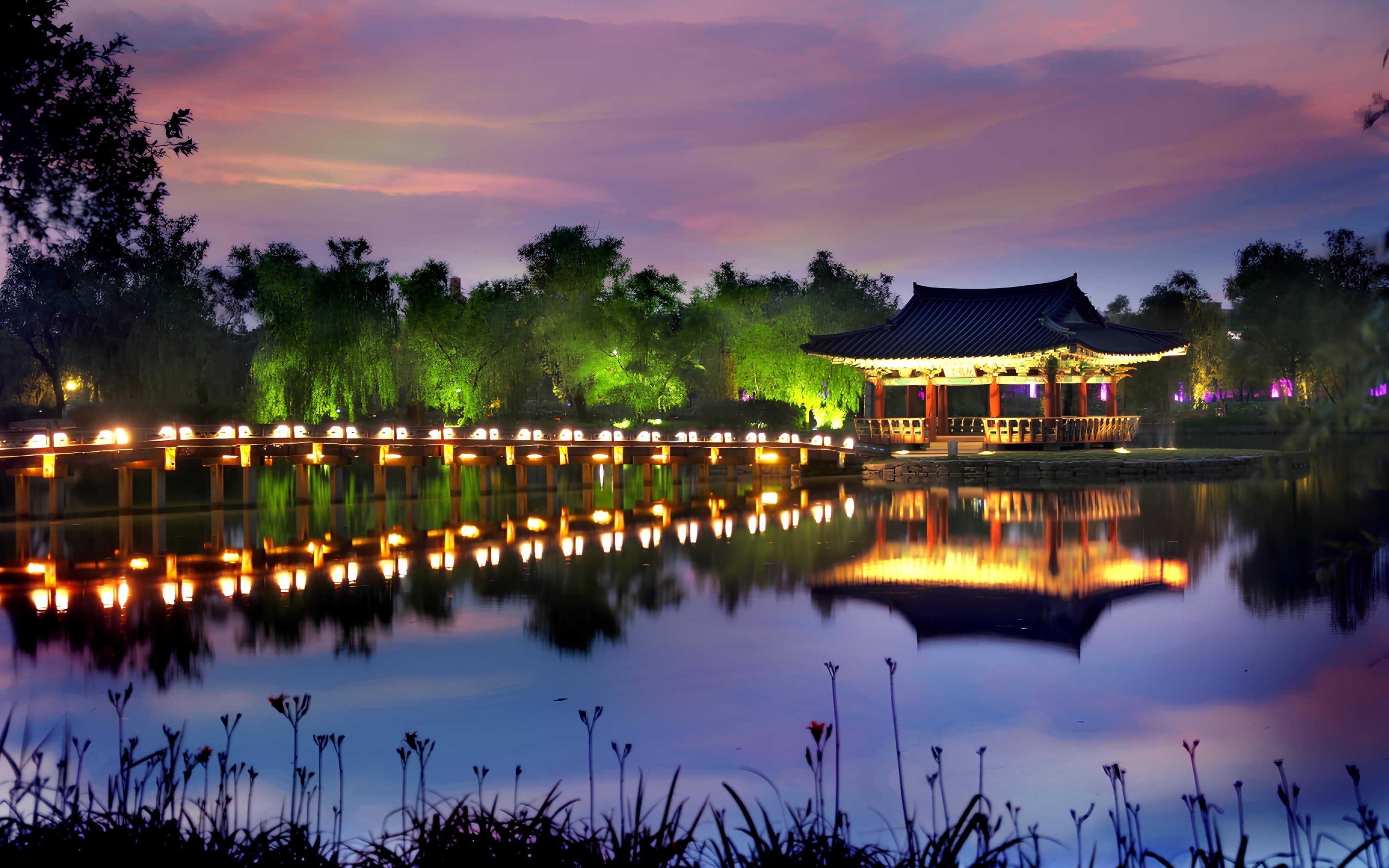
From the capital, we are traveling to the main tourist attraction in Macedonia, the town of Ohrid. Ohrid lies on the shores of the oldest lake in Europe, Lake Ohrid. Everywhere in Ohrid, breathtaking views of the Lake will fill your eyes and cameras. Called the Jerusalem on The Balkans, Ohrid is the center from where Christianity was spread in these lands. We will continue to Bitola and visit Heraclea and the Bitola Museum. We will not miss the chance to have coffee or just enjoy the Shirok Sokak Street cafes.
Available options
Full-Day Private Tour to Ohrid and Bitola from Skopje
Pickup included
What's included
Pick-up and drop off at your hotel or any preferred location in Skopje
Experienced English-speaking tour guide/driver
All transfers with comfortable A/C car or minivan
Detailed itinerary
1
The constructors built this ancient theater between two hills which protected it from winds, and thus the ancient theater has incredible acoustics. Because of its acoustics, it is chosen as one of the main stages where the Ohrid Summer Festival takes place.
2
Stop 2
The fresco painting in this church represents some of the first works of the most prestigious medieval painters Michael and Eutychios. Their dramatic expressiveness was the basis of the new trend in Byzantine art from this epoch, called “The Renaissance of the Paleologues”, which was the last chapter of the Byzantine art. On the walls of this church, with extraordinary vitality, power, and obvious emotions, they have painted scenes from the life of the Mother of God and Jesus Christ.
3
According to recent excavations by Macedonian archaeologists, it was contended that this fortress was built on the place of an earlier fortification, dated to the 4th century BC, which was probably built by King Philip II of Macedon.
4
There are remains from different periods, from the Age of Bronze to the Middle Ages. The remarkable epoch of the Early Christianity left its traces in form of an Christian basilicas with magnificent floor mosaics revealing the secrets of the spiritual life of the population. At the end of the 9th century the first Slavic Archbishop and creator of the Cyrillic alphabet, St Clement, came to this area where he started a strong educational and literary activity. He opened the first Slavic University and from there the old Slavic culture was spread.
5
Standing alone on a cliff overlooking the Lake of Ohrid, above the fishing settlement of Kaneo, it is one of the landmarks of the old town of Ohrid and a favorite symbol in the entire city. The architecture is a combination of Byzantine and Armenian elements.
6
Stop 6
The church served as a cathedral church during Tzar Samoil’s ruling, and it was the central church of the Tzar Samoil patriarchy at that time. The church as it is today was renovated and adorned with frescoes in the time of the archbishop Leo, between 1037 and 1056.
7
It is an archaeological site located just 2 km from Bitola and represents the remains of the old town of Heraclea Lynchestys. The town was founded in the 4th century BC by Philip II of Macedon, the father of Alexander the Great
8
Probably one of the most interesting parts of the museum, amongst the other galleries is the Memorial Room dedicated to the father of modern Turkey, Kemal Mustafa Ataturk, who finished military school in this very building.
What's not included
Entrance fees
Food and drinks
Personal expenses
Available languages
Guide guide
EN
IT
Reviews breakdown
Tripadvisor
5.0
1 reviews
5★
1
4★
0
3★
0
2★
0
1★
0
Important information
Not recommended for travelers with poor cardiovascular health
Suitable for all physical fitness levels
The tour operates in various weather conditions, please dress accordingly
Comfortable walking shoes are recommended
Meeting point
Departure time: 8 AM or 9 AM
Important notes
• Comfortable walking shoes are recommended
• You can present either a paper or an electronic voucher for this activity.
About Skopje
Skopje, the vibrant capital of North Macedonia, is a city where ancient history and modern architecture collide. Known for its Ottoman-era bazaars, Roman ruins, and an abundance of statues, Skopje offers a unique blend of cultures and eras. The city's dynamic atmosphere and rich heritage make it an intriguing destination for travelers.
Top Attractions
Skopje Fortress (Kale)
The Skopje Fortress, also known as Kale, is an ancient fortress located in the heart of the city. It offers panoramic views of Skopje and a glimpse into the city's rich history.
Historical
1-2 hours
Free
Macedonian Square (Makedonija Square)
Macedonian Square is the main square in Skopje, surrounded by notable landmarks such as the statue of Alexander the Great and the Portico. It's a bustling hub of activity and a great place to people-watch.
Historical
30 minutes to a few hours
Free
Old Bazaar (Čaršija)
The Old Bazaar is a historic market area that dates back to the Ottoman period. It's a maze of narrow streets filled with shops, cafes, and mosques, offering a glimpse into Skopje's rich cultural heritage.
Cultural
1-2 hours
Free to explore, prices vary for shopping
Matka Canyon
Matka Canyon is a stunning natural area located just outside of Skopje. It offers beautiful landscapes, hiking trails, and a variety of water activities.
Nature
Half day to full day
Free to explore, prices vary for tours and activities
Stone Bridge
The Stone Bridge is an iconic landmark in Skopje, connecting the Old Bazaar with the modern city center. It's a beautiful example of Ottoman architecture and offers great views of the Vardar River.
Historical
15-30 minutes
Free
Must-Try Local Dishes
Tavče Gravče
A traditional Macedonian dish made with baked beans, onions, and various spices, cooked in a clay pot.
Dinner
Vegetarian
Ajvar
A popular relish made from roasted red peppers, eggplants, and various spices.
Side Dish
Vegetarian, Vegan
Shopska Salata
A refreshing salad made with tomatoes, cucumbers, onions, and grated cheese.
Starter
Vegetarian
Kebapi
Grilled minced meat sausages, typically served with ajvar, kaymak, and fresh bread.
Dinner
Contains meat
Popular Activities
Hiking in Matka Canyon
Caving in Vodno Mountain
Boat tours on Matka Lake
Spa and wellness treatments
Exploring the Old Bazaar
Visiting museums and galleries
Boating on Matka Lake
Swimming in local pools and spas
Best Time to Visit
May to September
This period offers warm weather and plenty of sunshine, perfect for exploring the city's outdoor attractions and festivals.
15°C to 30°C
59°F to 86°F
Practical Information
Language
- Official: Macedonian
- Widely spoken: Albanian, English
- English: Moderately spoken
Currency
Macedonian Denar (MKD)
Time Zone
GMT+1 (CET), GMT+2 (CEST) during daylight saving time
Electricity
220VV, 50HzHz
Safety Information
Overall Safety Rating: Generally safe
Skopje is generally safe for travelers, with low levels of violent crime. However, petty crime such as pickpocketing and bag snatching can occur in crowded areas.
Important Precautions:
- • Be cautious of pickpockets in crowded areas.
- • Use licensed taxis or ride-sharing apps.
- • Avoid exchanging money on the street.
Getting there
By air
- Skopje International Airport • 17 km from city center
By train
Skopje Railway Station
By bus
Skopje Bus Station
Getting around
Public transport
The bus system is the primary mode of public transport in Skopje, with an extensive network covering the city and its suburbs.
Taxis
Available • Apps: Taxi 24, Uber
Rentals
Car, Bike, Scooter
Neighborhoods
Old Bazaar (Čaršija)
City Center
Debar Maalo
Day trips
Matka Canyon
15 km from Skopje • Half day to full day
Matka Canyon offers stunning natural landscapes, hiking trails, and water activities, making it a perfect day trip from Skopje.
Vodno Mountain
5 km from Skopje • Half day
Vodno Mountain offers beautiful views of Skopje and the surrounding area, as well as hiking trails and a historic church.
Potočari Memorial Cemetery
200 km from Skopje • Full day
A solemn and moving memorial dedicated to the victims of the Srebrenica massacre, offering a poignant historical experience.
Festivals
Skopje Summer Festival • July
Skopje Jazz Festival • October
Pro tips
- Visit the Old Bazaar early in the morning to avoid the crowds and heat.
- Try the local coffee and pastries at one of the many cafes in Debar Maalo.
- Take a boat tour on Matka Lake for a unique and scenic experience.
- Explore the underground caves of Matka Canyon for a thrilling adventure.
- Visit the Millennium Cross on Vodno Mountain for a breathtaking view of the city.
From $25
per person
Price varies by option
Secure booking
Free cancellation available
Instant confirmation