Cordoba Monumental Intensive Tour in Spanish Tickets included
Active
3h - 4h
For a full refund, cancel at least 24 hours before the scheduled departure time.
Instant confirmation
Mobile or paper ticket accepted
About this experience
Let us take care of everything for you, including booking and purchasing tickets, so you can avoid the hassle of doing it yourself. Join us on a guided walking tour in Spanish, exploring the most significant monuments of Córdoba. Experience the grandeur of the Fortress of the Catholic Monarchs (with interior access), stroll through the historic streets of the Jewish Quarter, visit the Synagogue (interior visit whenever possible) and marvel at the impressive Mosque-Cathedral (interior). This tour is one of the most comprehensive available in the city, offering a deep immersion into the rich history and culture of Córdoba. In addition, it is the only tour in Córdoba led by highly experienced and qualified guides, guaranteeing an exceptional and informative experience. Don't miss the opportunity to explore the city's most iconic sites with us—it's the perfect way to fully appreciate the beauty and history of Córdoba.
Available options
Monumental Premium Tour
Group of up to 15 people: Guided tour of the Alcazar, Synagogue, Jewry and Mosque in a group of up to 15 people, Spanish guide and tickets included.
Monumental Cordoba in Spanish
Guide and tickets included: Guided tour of the most important monuments of Córdoba, official local guide in Spanish and entrance fees included.
What's included
Avoid queues to get tickets
Entrance ticket to the Alcázar of the Christian Kings
Entrance ticket to the Synagogue
Entrance ticket to the Mosque-Cathedral
Audio Receivers to listen to our guide inside the Cathedral
Official local guide in Spanish
Detailed itinerary
1
Stop 1
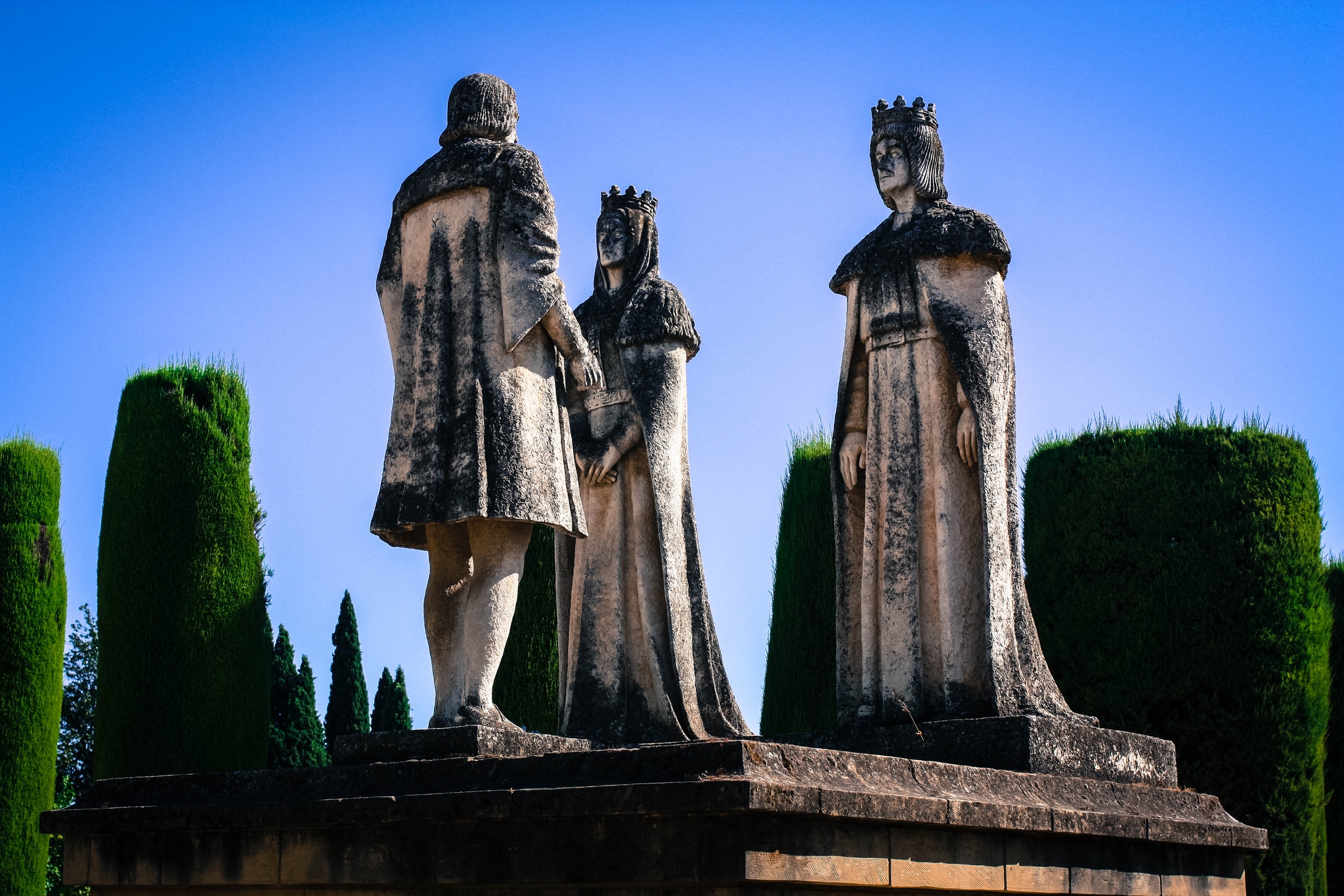
This historic building has played numerous roles over the centuries: it was a palace, a strategic fortress, the residence of the Catholic Monarchs, Isabella of Castile and Ferdinand of Aragon, and even served as a prison in its time.
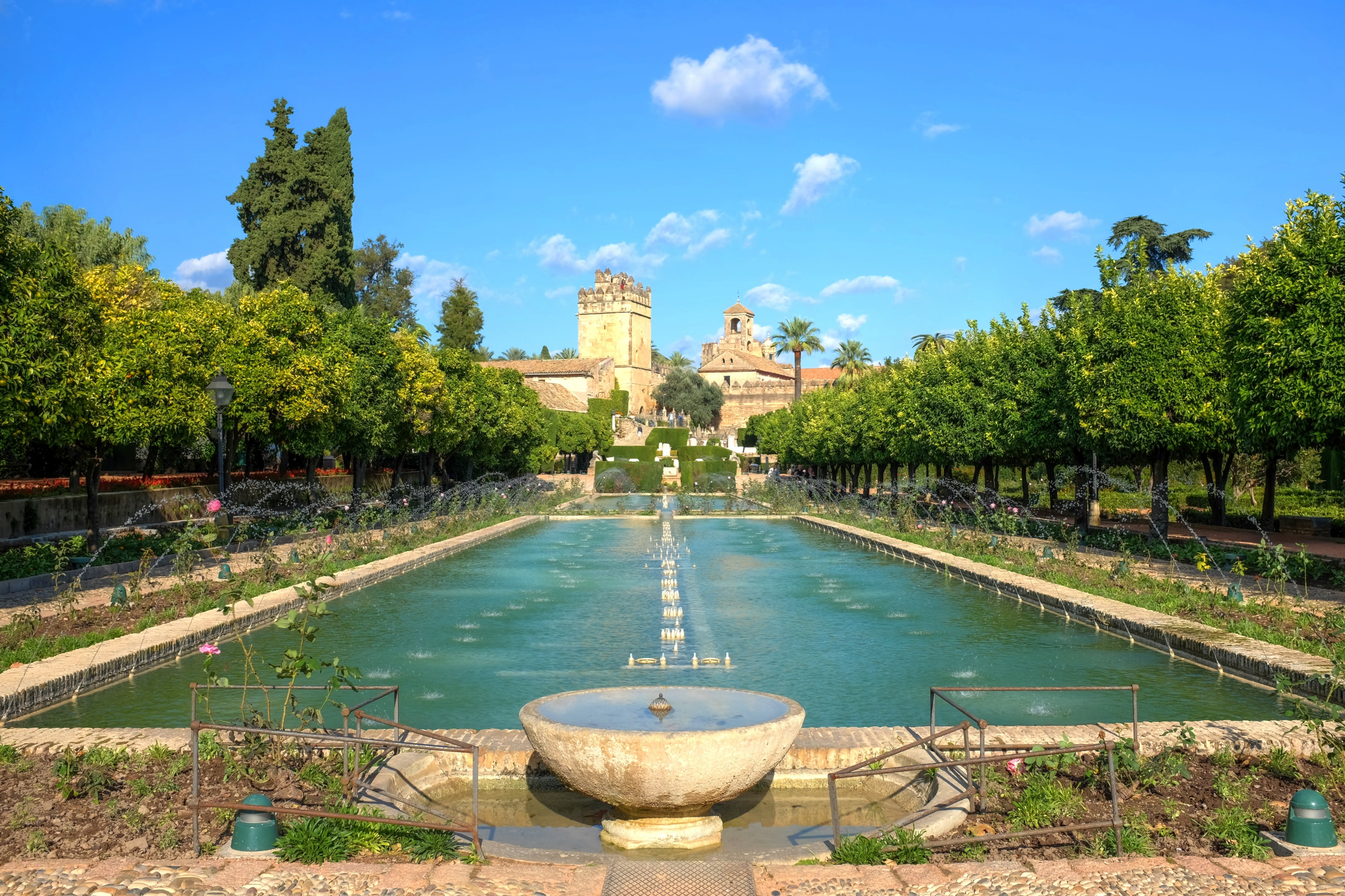
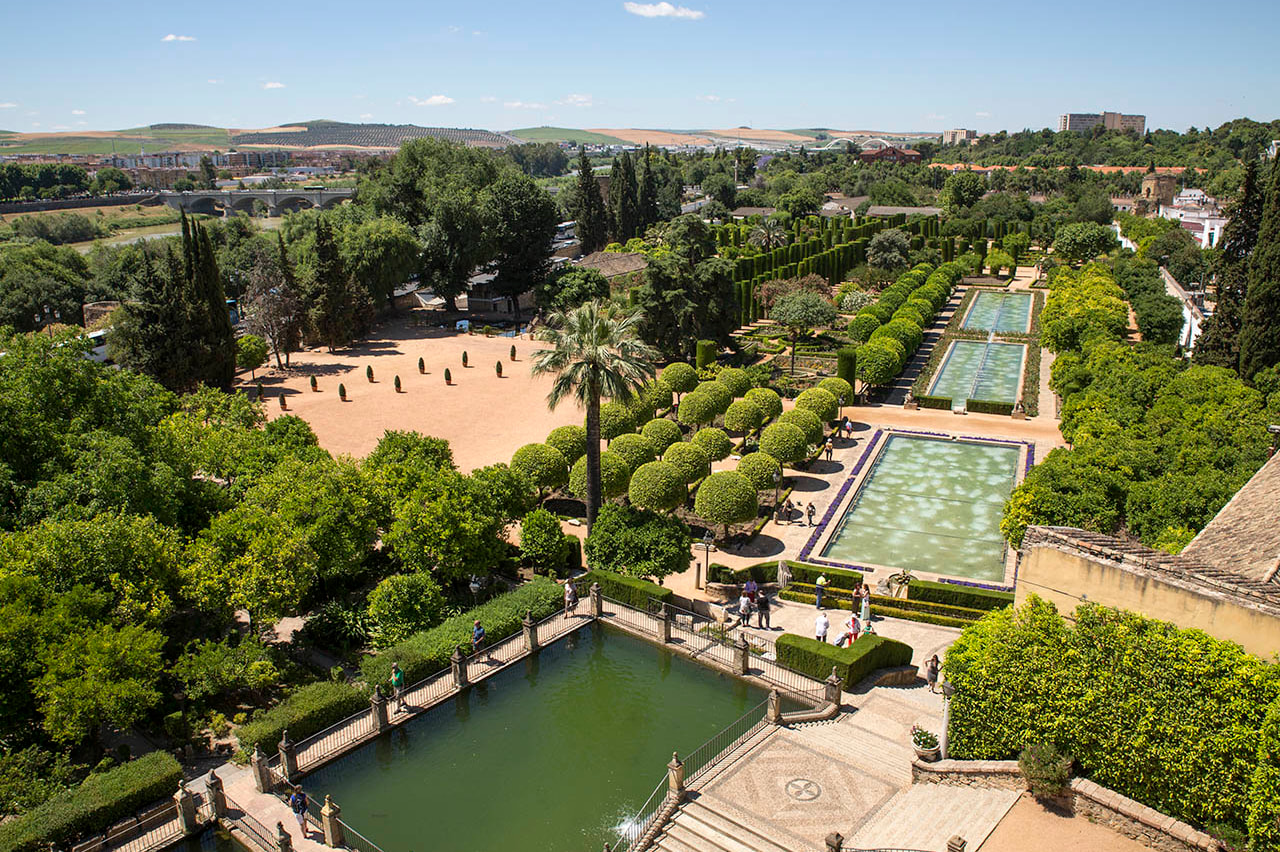
Declared a Heritage Site in 1931 and recognized as a UNESCO World Heritage Site in 1994, this architectural complex stands out for its impressive contrast between an austere exterior and a splendid interior. Its courtyards and gardens, designed with a strong Mudéjar influence, are a testament to the coexistence of cultures in the city and a space that invites contemplation.
Among its most notable attractions are the Tribute Tower, the Lions Tower, the Mosaic Hall and the Women’s Courtyard, as well as its fountains and ponds, which create a magical atmosphere. The visit to the Alcázar is an essential experience for those who want to understand the historical and cultural richness of Córdoba.
2
The Monument to the Lovers in Córdoba celebrates the eternal love story between Ibn Zaydun and Wallada bint al-Mustakfi, prominent figures in Andalusian history. Featuring a statue depicting two clasped hands, this iconic cultural site is a stopping point during our guided tour.
3
The Statue of Maimonides in Córdoba, Spain, pays tribute to the influential philosopher and physician Moisés Maimonides. This statue celebrates his important contributions to medieval thought and medicine, making it a prominent cultural landmark in the city.
4
It is a complex network of narrow streets located in the Historic Center of Córdoba, northeast of the Mosque. This area, known as the Jewish Quarter, is a historic neighborhood that reflects the city's rich Jewish past. Its cobbled streets, charming squares and traditional architecture create a unique atmosphere that invites you to explore its history and heritage. In the Jewish Quarter, you will also find the Córdoba Synagogue and the Museum of the Inquisition, which add depth to the understanding of life in medieval Córdoba.
5
Stop 5
The Synagogue of Córdoba, built in 1315, is a historical monument in the Jewish Quarter of Córdoba, Spain. It is one of the best preserved medieval synagogues in Spain, with beautiful Mudejar style decorations. Despite its small size, the cultural and historical importance of the synagogue makes it an essential attraction in Córdoba.
We will visit her whenever possible. Long lines sometimes form on the narrow street leading to the synagogue, which can cause significant delays. The synagogue is closed all day on Mondays and in the afternoons on Sundays and holidays. If we cannot make the interior visit, which usually lasts about 5 minutes, we will explain the monument from the outside. The Córdoba synagogue is a very small building with limited interior space.
6
The Municipal Souk in Córdoba, located in a 16th-century mansion that formerly belonged to the Armenta family, offers local crafts such as Córdoba leather, filigree silverware and ceramics. From time to time, a local guitarist adds to the atmosphere, enriching the cultural experience of this historic market in Córdoba's old town.
The Municipal Souk in Córdoba, located in a 16th-century mansion that formerly belonged to the Armenta family, offers local crafts such as Córdoba leather, filigree silverware and ceramics. From time to time, a local guitarist adds to the atmosphere, enriching the cultural experience of this historic market in Córdoba's old town.
7
The Chapel of San Bartolome in Córdoba, Spain, is a historic chapel known for its beautiful Mudejar architecture. Dating back to the 14th century and featuring intricate details, it is located in the heart of the city's old town, attracting visitors interested in exploring Córdoba's rich religious and architectural heritage.
8
Mohamed Al-Gafequi, an Andalusian doctor born in Córdoba in 1126, was known for his expertise in ophthalmology during the medieval era. He made significant advances in cataract surgery, perfecting techniques that had a lasting impact on the field. Al-Gafequi's contributions extended to detailed studies of the anatomy of the eye and ocular diseases, highlighting him as a key figure in the history of medicine and ophthalmology.
9
The Faculty of Philosophy and Letters in Córdoba, Spain, is located in the historic building that was formerly the Hospital del Cardenal Salazar. Over time, the building was converted from a medical institution to a center of higher education. Since its establishment in 1971 as a University College under the University of Seville, and subsequently as a Faculty at the newly formed University of Córdoba in 1973, the building has been an important educational and cultural landmark. It underwent expansions and renovations in the 1990s to accommodate new academic programs such as Art History, Humanities, and later, Translation and Interpreting. Today, it stands as a combination of historic architecture and modern academic facilities, contributing to Córdoba's academic legacy.
10
Stop 10
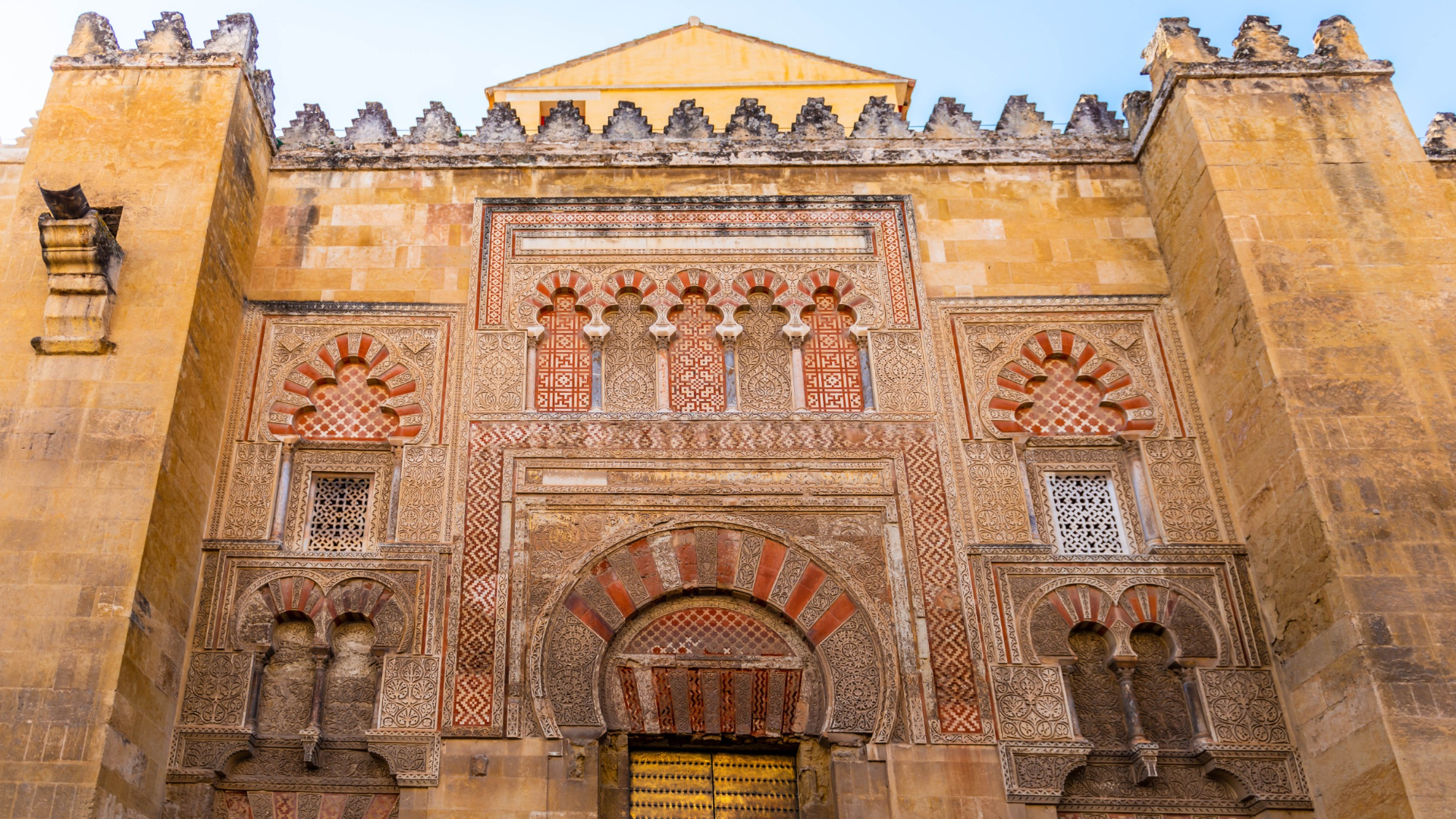
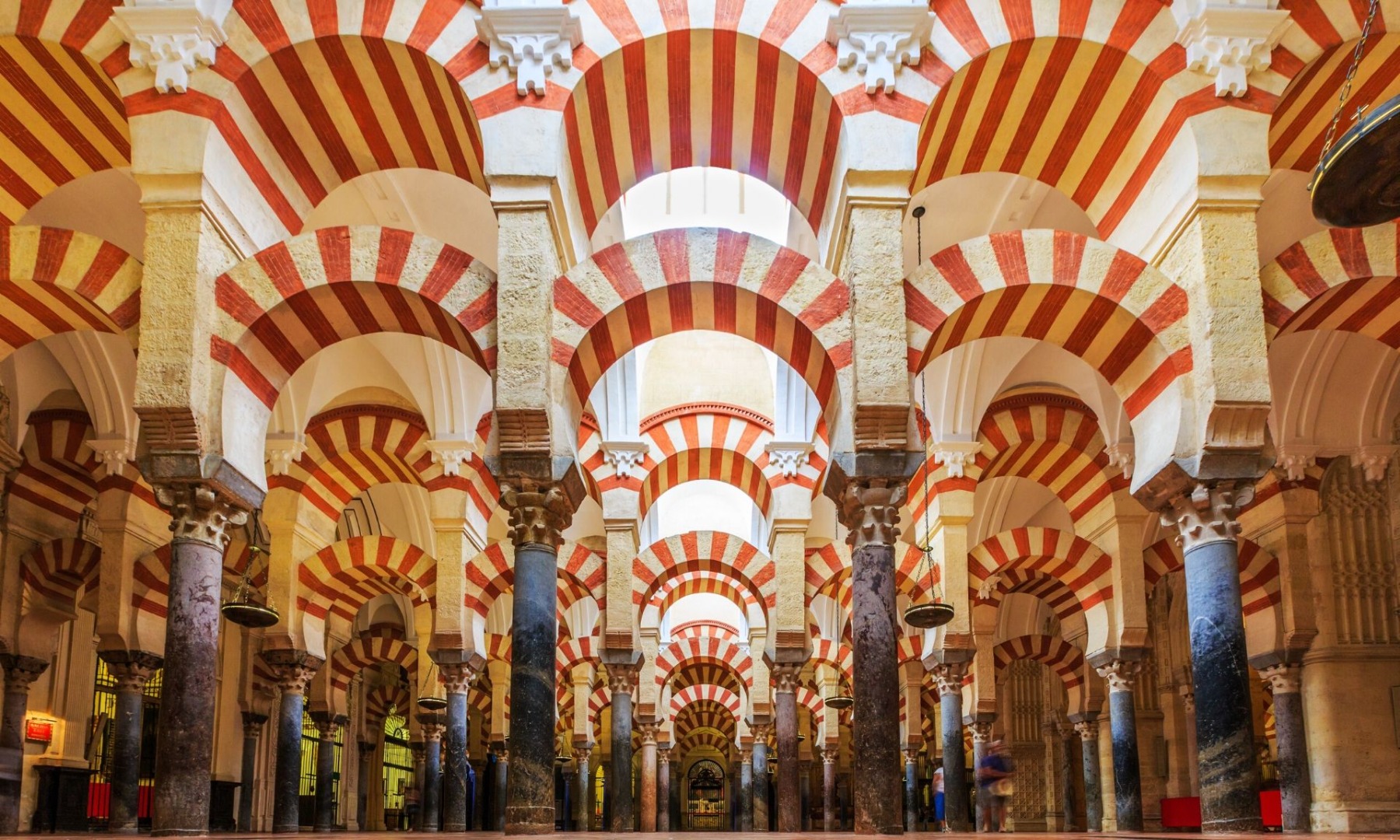
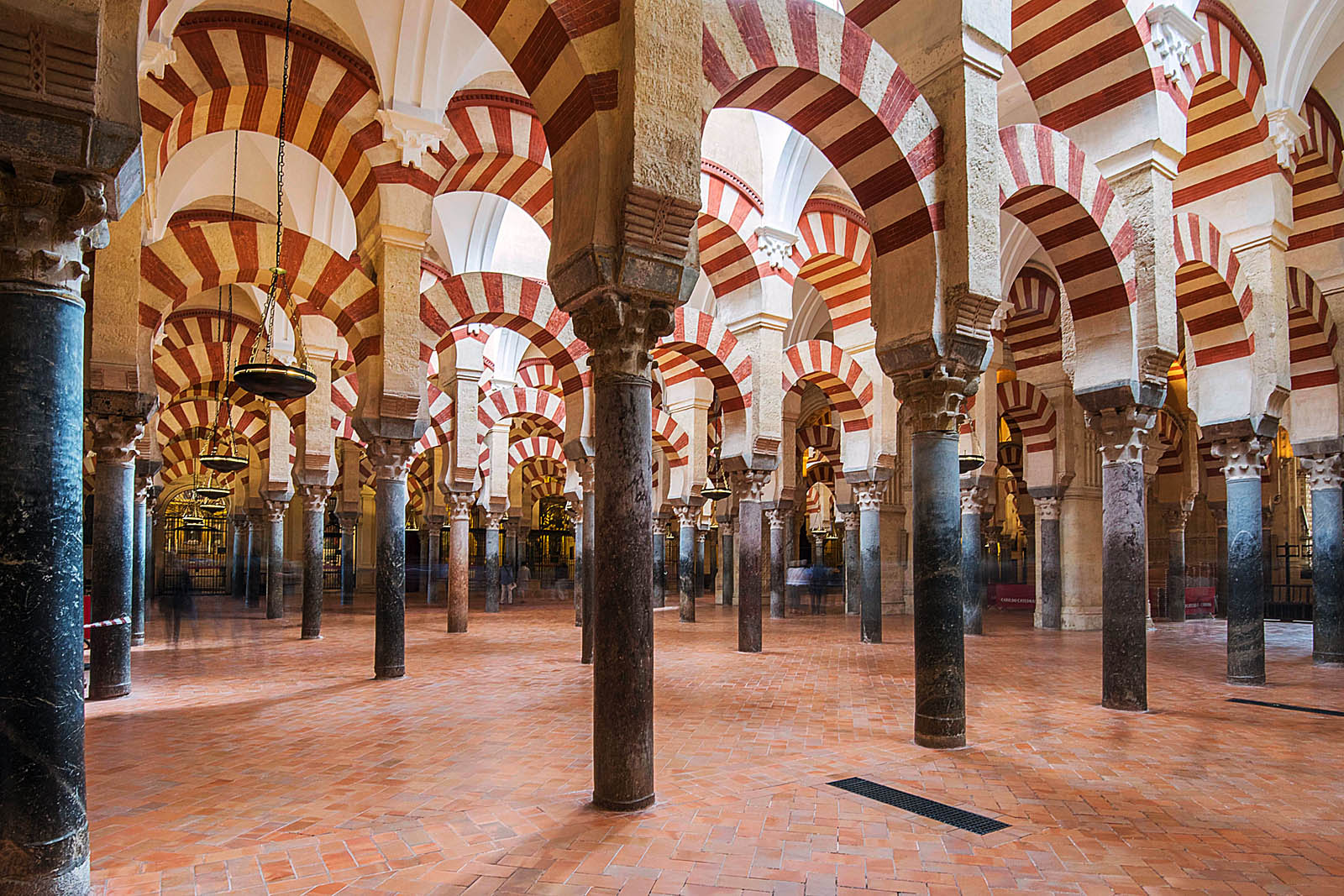
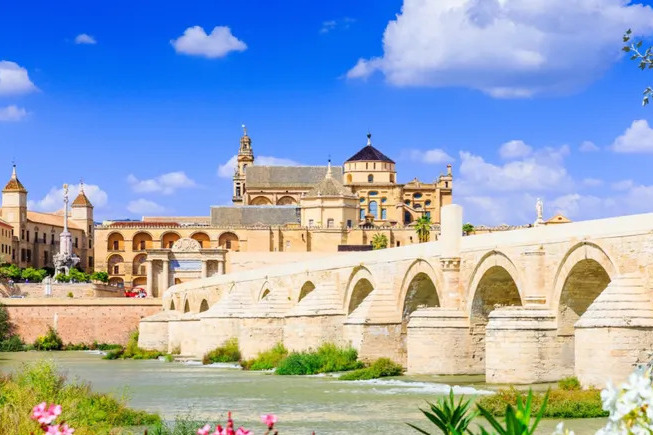
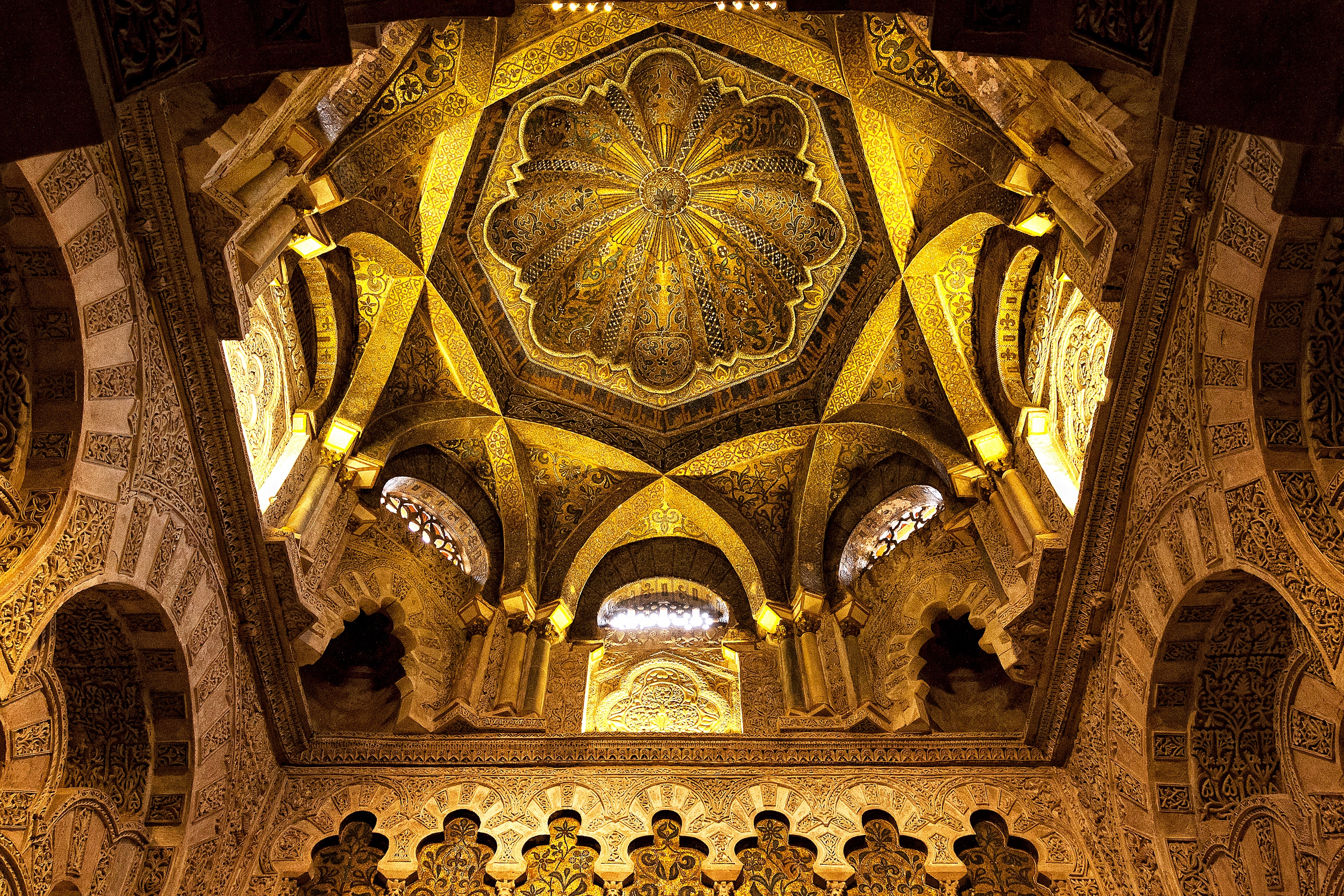
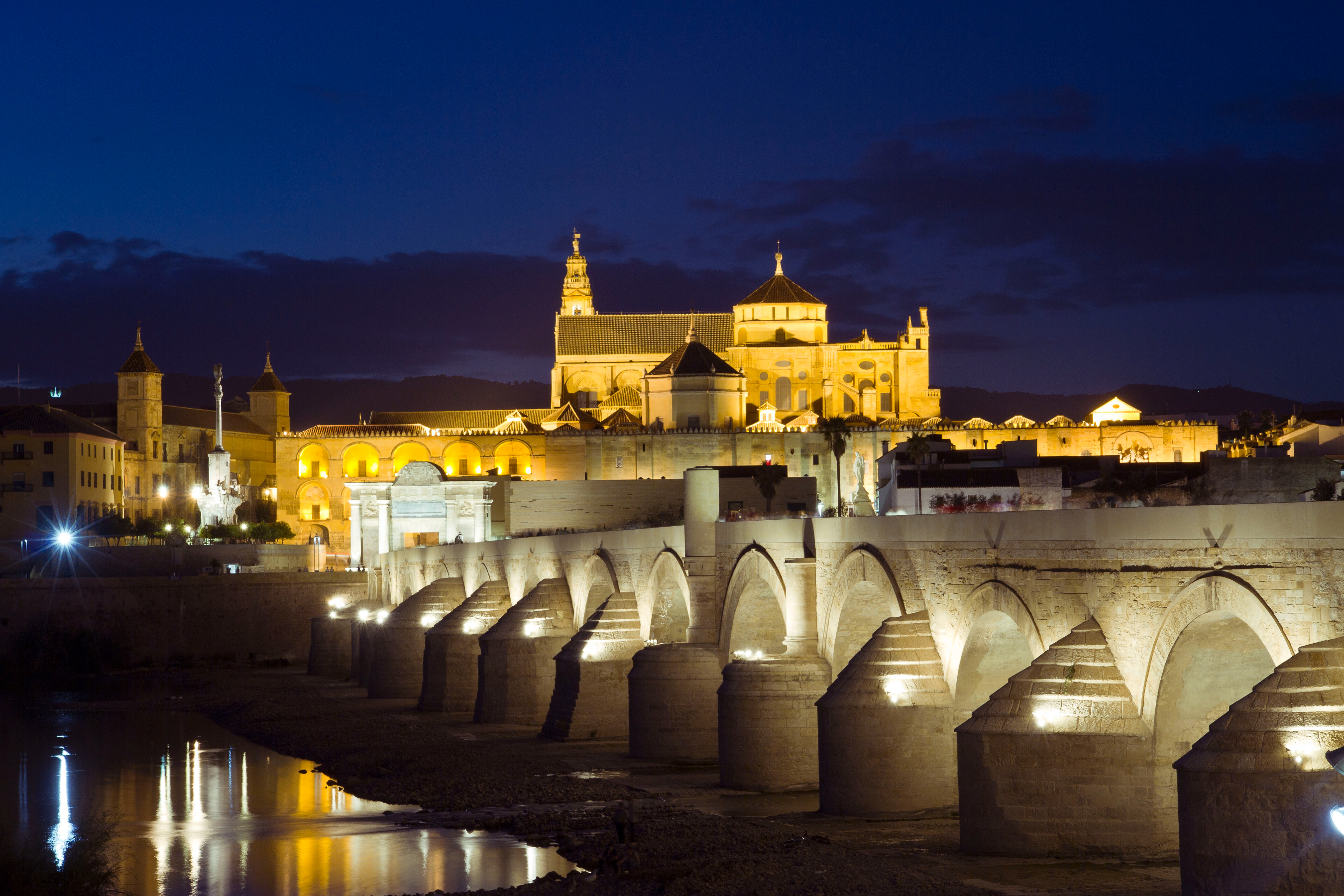
Originally, it was the Visigothic basilica of Saint Vincent, then it was transformed into a mosque and, finally, into a Christian cathedral. The Mosque-Cathedral of Córdoba is one of the most fascinating buildings in the world, standing out for its impressive architecture that combines Islamic and Christian elements. Its immense prayer hall, with its iconic horseshoe arches and columns, along with the majestic Christian cathedral added in the center, create a unique visual experience. Furthermore, its rich history reflects the complex interweaving of cultures and religions over the centuries, making it an emblematic symbol of Córdoba's heritage.
What's not included
Food and drinks
Available languages
Guide guide
ES
Important information
Service animals allowed
Public transportation options are available nearby
Infants and small children can ride in a pram or stroller
Wheelchair accessible
Suitable for all physical fitness levels
Meeting point
At the Main Entrance to the Alcázar of the Christian Monarchs, Avenida del Alcázar.
Important notes
Meeting point: In front of the main entrance to the Alcázar de los Reyes Cristianos, Avenida del Alcázar. Ask for Paki or Natalia.
Please use the bathrooms of a hotel, restaurant or café before coming to the visit so that you can enjoy it without interruptions.
WhatsApp contact for emergencies: 00 34 639 71 36 89
About Córdoba
Córdoba, a UNESCO World Heritage Site, is renowned for its rich history, stunning architecture, and vibrant cultural heritage. The city's iconic Mosque-Cathedral, a testament to its Islamic past, stands as a symbol of its unique blend of cultures. With its charming streets, lively patios, and delicious cuisine, Córdoba offers an unforgettable Andalusian experience.
Top Attractions
Mosque-Cathedral of Córdoba
This UNESCO World Heritage Site is a stunning example of Islamic and Christian architecture. The Mosque, originally built in the 8th century, was later converted into a Catholic cathedral.
Historical/Architectural
2-3 hours
€11 (general admission)
Alcázar de los Reyes Cristianos
This medieval Alcázar, or fortress, was once the residence of Christian kings. It features beautiful gardens, Roman mosaics, and stunning views of the city.
Historical
1-2 hours
€4.50 (general admission)
Jewish Quarter (Judería)
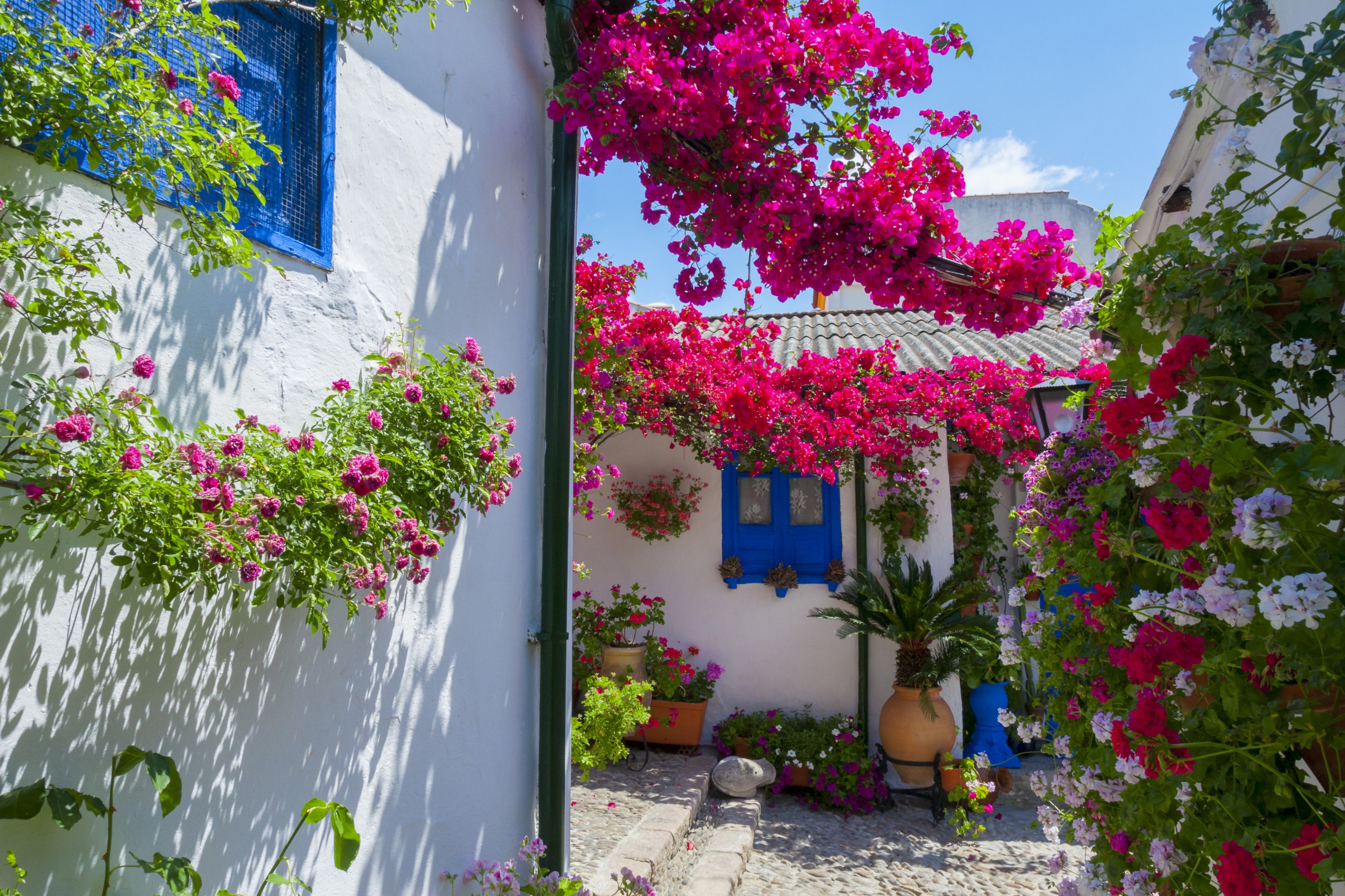
The Jewish Quarter is a labyrinth of narrow streets, whitewashed houses, and flower-filled courtyards. It's a charming area to explore and offers a glimpse into Córdoba's multicultural past.
Cultural/Historical
1-2 hours
Free to explore
Roman Bridge
This ancient bridge, originally built by the Romans in the 1st century BC, spans the Guadalquivir River and offers stunning views of the city.
Historical/Architectural
30 minutes to 1 hour
Free to walk across
Medina Azahara
This ancient palace-city was built in the 10th century by the Caliph of Córdoba. Today, it's an archaeological site with ruins and a museum showcasing its history.
Historical/Archaeological
2-3 hours
€5 (general admission)
Must-Try Local Dishes
Salmorejo
A thick, creamy soup made from tomatoes, bread, garlic, and olive oil, often topped with ham and hard-boiled eggs.
Cold soup
Contains gluten and dairy
Berenjenas con miel
Fried eggplant slices drizzled with honey and sometimes sprinkled with sesame seeds.
Appetizer
Vegetarian
Rabo de toro
A rich stew made with oxtail, red wine, and vegetables, slow-cooked to tender perfection.
Main course
Contains beef and alcohol
Flamenquín
A rolled and breaded pork loin stuffed with serrano ham and cheese, then fried or baked.
Main course
Contains pork and dairy
Popular Activities
Hiking in the surrounding countryside
Biking through the historic center and along the Guadalquivir River
Enjoying a leisurely meal or drink at a rooftop terrace
Taking a stroll through the beautiful patios and gardens
Visiting the Mosque-Cathedral and other historic sites
Exploring the Jewish Quarter and its charming streets
Taking a boat ride on the Guadalquivir River
Visiting the Medina Azahara archaeological site
Best Time to Visit
March to May, September to November
Spring and autumn offer pleasant temperatures and fewer tourists, making it ideal for sightseeing and exploring the city's attractions. The famous Patio Festival takes place in May, showcasing the city's beautiful courtyards.
15°C to 30°C
59°F to 86°F
Practical Information
Language
- Official: Spanish
- Widely spoken: English
- English: Moderately spoken
Currency
Euro (EUR)
Time Zone
GMT+1 (CET), GMT+2 (CEST during daylight saving time)
Electricity
230VV, 50HzHz
Safety Information
Overall Safety Rating: Generally safe
Córdoba is generally a safe city for travelers, with low crime rates and a welcoming atmosphere. However, as with any tourist destination, it's essential to take precautions to protect yourself and your belongings.
Important Precautions:
- • Keep valuables secure and out of sight
- • Be cautious of your surroundings, especially in crowded areas and at night
- • Use licensed taxis or ride-sharing services, and insist on the meter being turned on
Getting there
By air
- Córdoba Airport • 6 km from city center
- Seville Airport • 140 km from Córdoba
By train
Córdoba Central Station
By bus
Córdoba Bus Station
Getting around
Public transport
The bus network covers the entire city and is an affordable way to get around. Buses are frequent and well-connected.
Taxis
Available • Apps: Free Now
Rentals
Car, Bike, Scooter
Neighborhoods
Historic Center (Casco Histórico)
San Basilio
Viana
Day trips
Seville
140 km • Half day to full day
Seville, the capital of Andalusia, is a vibrant city known for its rich history, stunning architecture, and lively atmosphere. It's home to the iconic Alcázar of Seville, the Seville Cathedral, and the beautiful Plaza de España.
Granada
200 km • Full day
Granada, a city in the foothills of the Sierra Nevada mountains, is famous for its stunning Alhambra palace and fortress complex, as well as its vibrant tapas culture and Moorish history.
Ronda
100 km • Full day
Ronda, a picturesque town in the mountains of Andalusia, is known for its dramatic cliff-top location, historic bullring, and stunning views of the surrounding countryside.
Festivals
Patio Festival (Festival de los Patios) • Mid-May
Feria de Córdoba (Córdoba Fair) • Early May
Cruces de Mayo (May Crosses) • May 3
Pro tips
- Visit the Mosque-Cathedral early in the morning to avoid crowds and enjoy the serene atmosphere.
- Explore the Jewish Quarter on a Sunday morning when the streets are less crowded, and the atmosphere is peaceful.
- Try salmorejo, a local specialty, at a traditional tapas bar for an authentic taste of Córdoba.
- Attend a flamenco show at a local tablao for an intimate and cultural experience.
- Take a day trip to the Medina Azahara archaeological site to discover the city's rich history and stunning views.
From $25
per person
Price varies by option
Secure booking
Free cancellation available
Instant confirmation