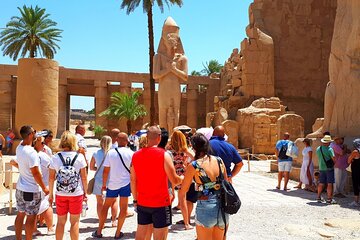


Private Valley of the Kings and Queen Hatshepsut Karnak wi/Lunch
Active
8h
For a full refund, cancel at least 24 hours before the scheduled departure time.
Instant confirmation
Mobile or paper ticket accepted
About this experience
Explore the Wonders of Luxor – Day Guided Tour
Join us on a captivating full-day tour led by a certified Egyptologist to explore the legendary Valley of the Kings, home to the tombs of Egypt’s most powerful pharaohs. Discover the mysteries of royal burials and step inside some of the most beautifully decorated tombs in the valley.
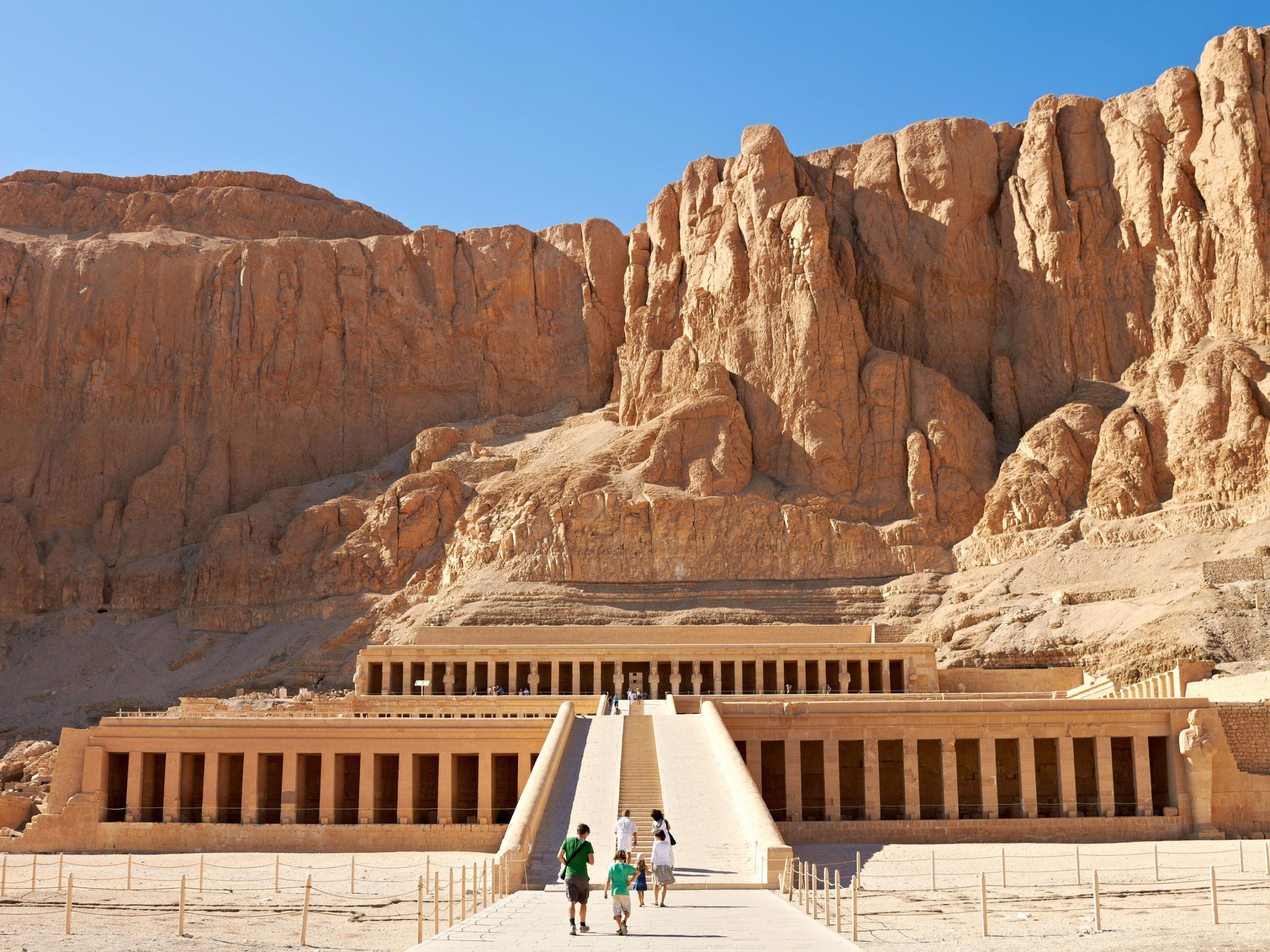
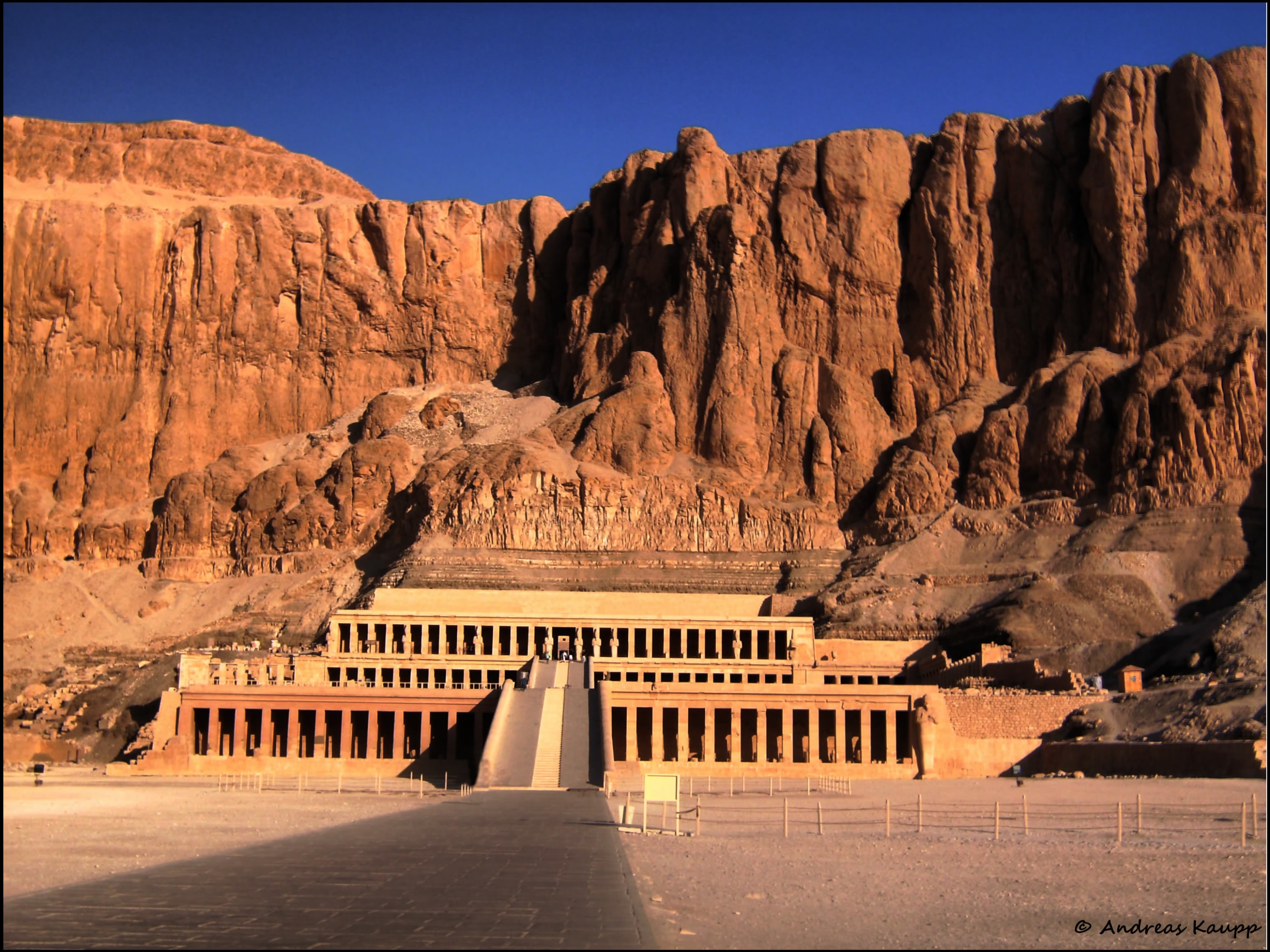
Continue your journey with a visit to the magnificent Mortuary Temple of Queen Hatshepsut, one of the most striking monuments in Egypt, built for the most successful female pharaoh in history.
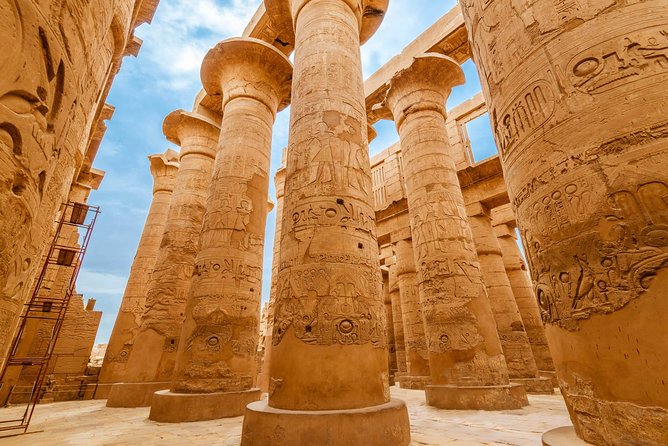
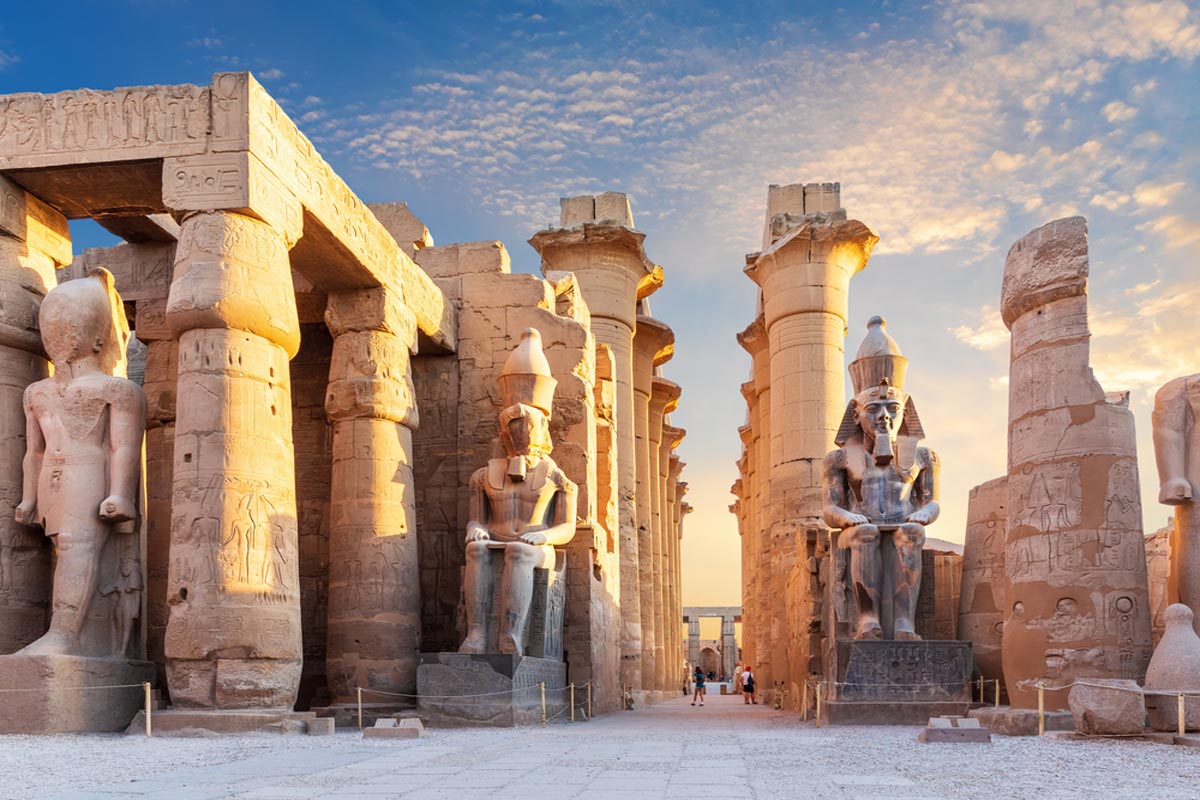
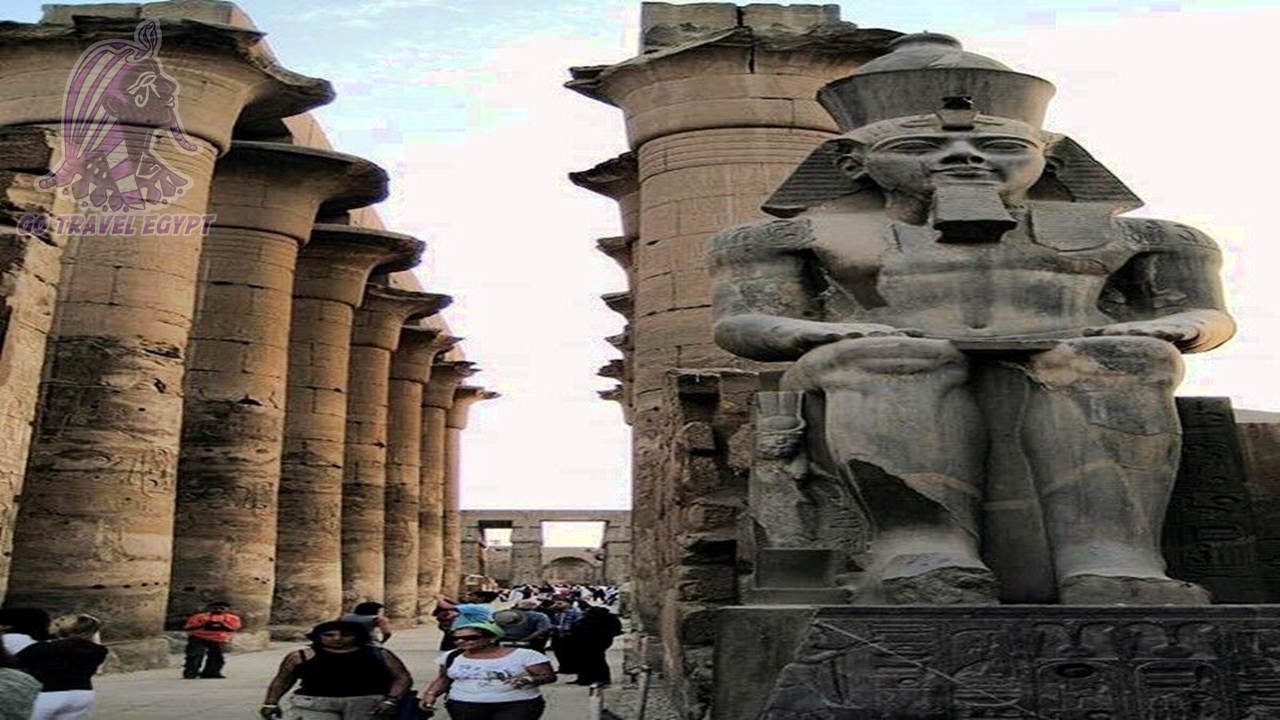
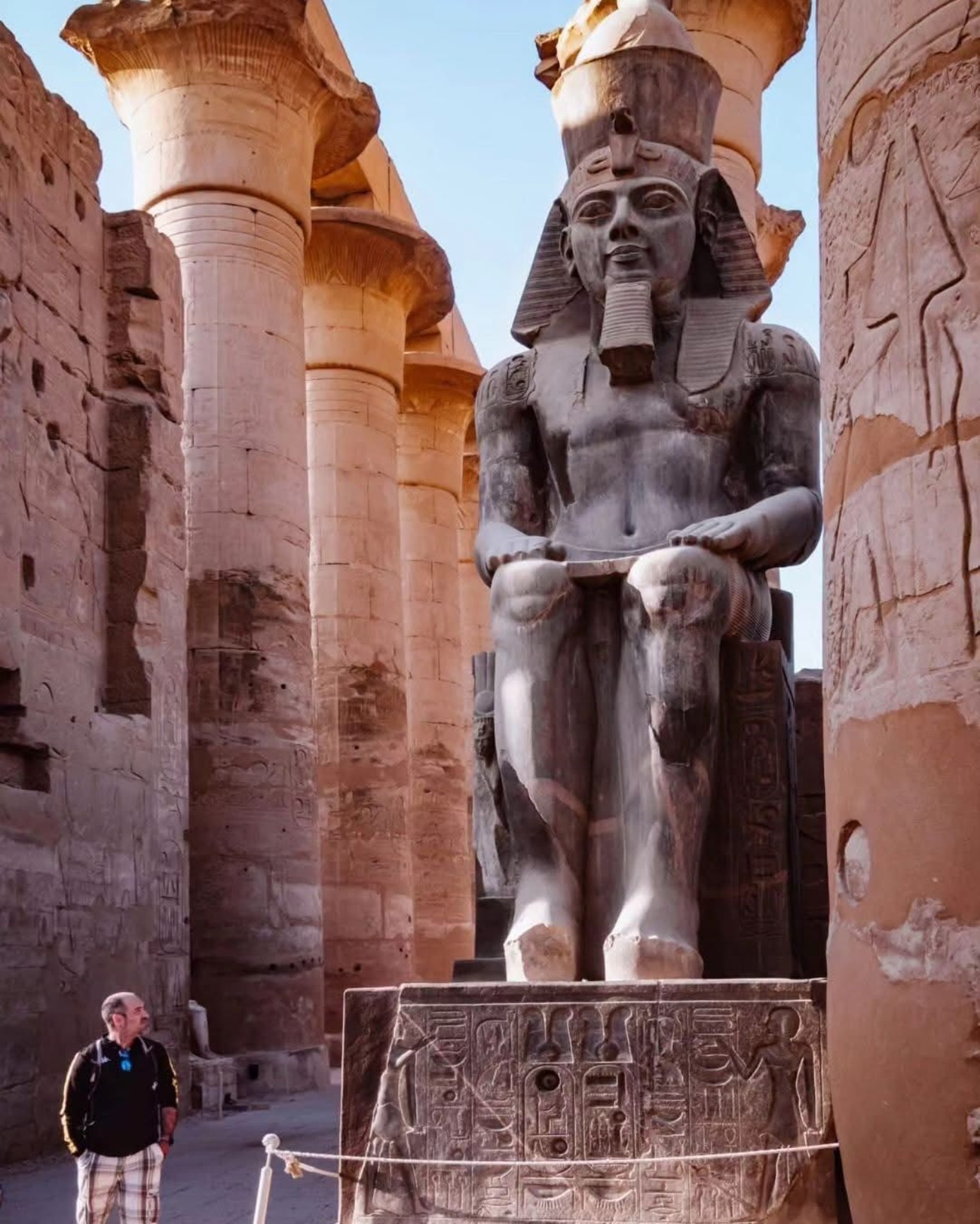
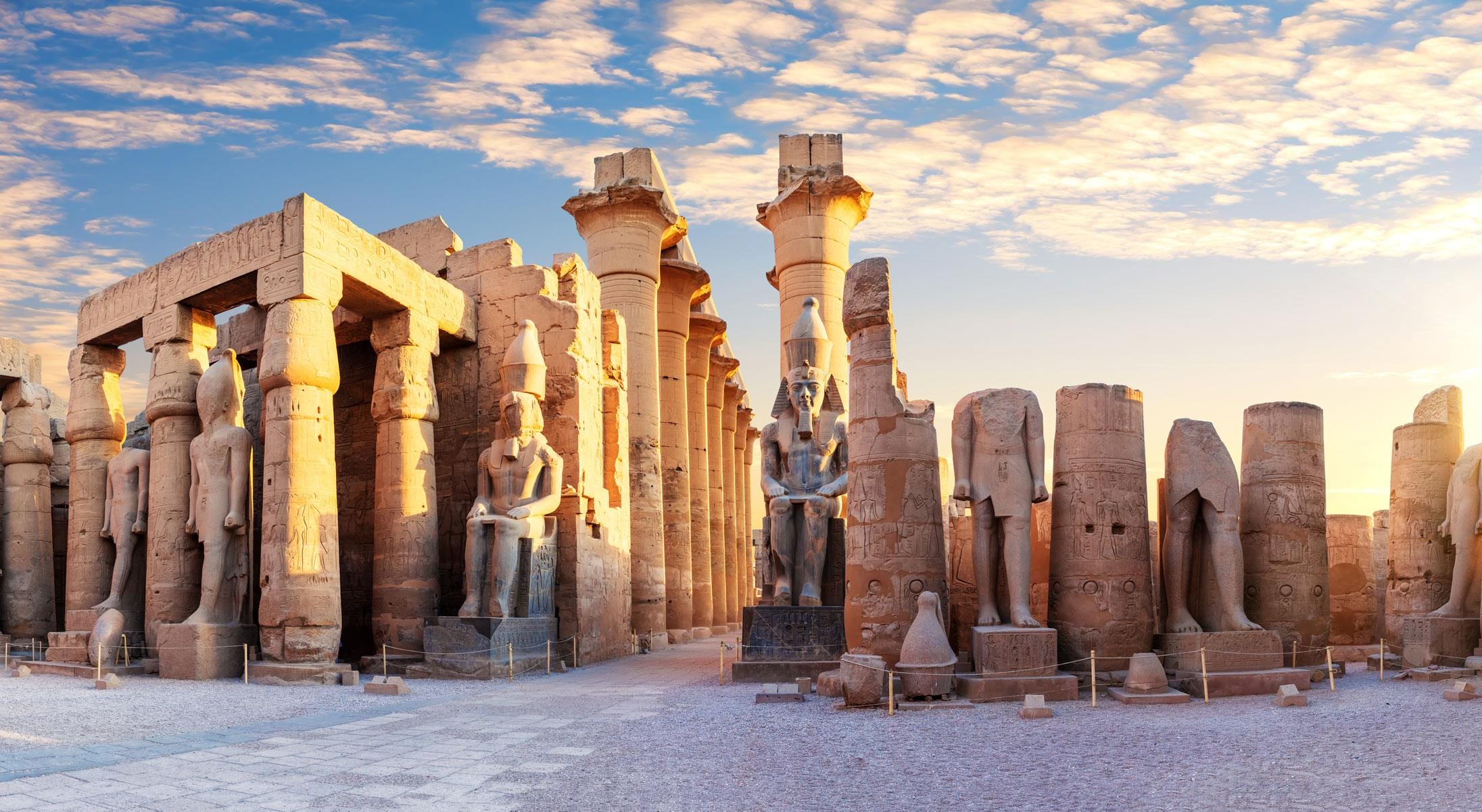
noon, marvel at the grandeur of Karnak Temples, the largest religious complex ever built. Walk through its vast courtyards, majestic pylons, and the forest of towering columns in the Great Hypostyle Hall, as your guide brings the mythology and history of ancient Thebes to life.
Highlights:
• Valley of the Kings
• Temple of Queen Hatshepsut
• Karnak Temples
• Guided by a certified Egyptologist
Lunch
Available options
Person
Pickup included
What's included
Transport by air-conditioned vehicle
Lunch
Private Tour
Hotel pickup and drop-off
Qualified Egyptologist guide
Detailed itinerary
1
Stop 1
the Valley of the Kings, the ancient Necropolis of Thebes, which is a must-see for Luxor travelers. There you visit four tombs: the Tomb of Ramses, the Tomb of Horemheb and the Tomb of Merenptah. Your Egyptologist tour guide will be with you to answer any questions you may have.
2
Stop 2
King Tutankhamun, the most famous king in the world. This young king from the New Kingdom was around 10 years old when he ascended the throne and died when he was only 19. You will get the chance to be face to face with his royal mummy in his tomb in the Valley of the Kings
Admission to this place 300 EGP
3
Stop 3
The tomb of Ramesses III, designated as KV 11, is a complex system in the Valley of the Kings. It has been known since antiquity,the wonderful decorations include colourful painted sunken reliefs featuring the traditional ritual texts (Litany of Ra, Book of Gates etc) and Ramses before the gods. Unusual here are the secular scenes, in the small side rooms of the entrance corridor, showing foreign tributes, such as highly detailed pottery imported from the Aegean, the royal armoury, boats and, in the last of these side chambers, the blind harpists that gave the tomb one of its alternative names: ‘Tomb of the Harpers’
4
The tomb of Ramses IV (KV 2) in the Valley of the Kings is rather different than most other tombs built here. This tomb is by far the most spectacular of the other tombs you will see. The hieroglyphics on the wall depict scenes from the Litany of Ra, Book of the Dead, Book of Caverns, the Book of the Heavens, Book of Amduat, and the Book of the Night. The blue and white colors on the walls inside the burial chamber are very vibrant and you can see the king's sarcophagus made of rose-colored granite. There is also a beautiful scene of goddess Nut on the ceiling, where she is depicted swallowing the sun, and it traveling through her stomach, for Nut to give birth to it.
5
Stop 5
In Egyptian mythology, Ptah is the demiurge of Memphis, god of craftsmen and architects. In the or simply in its falcon form of the new deity, began to be placed in tombs to accompany and protect the dead on their journey to the West of Luxor .Tomb 8, which is located in the Valley of the Kings, was the burial place of the Pharaoh Merneptah and is the model of royal tombs Merneptah was a son of Ramesses II and Queen Isis-Nofret.the tomb was discovered by Howard Carter in 1903. Of coursethere is a material decrease in the number of lateral rooms, and a dramatic increase in the height of the corridors and rooms. He did away with the jogged axis used since the time of Horemheb and instead built the entire tomb on a single axis. Also, for the first time, the entrance was made considerably wider than earlier tombs .
6
Stop 6
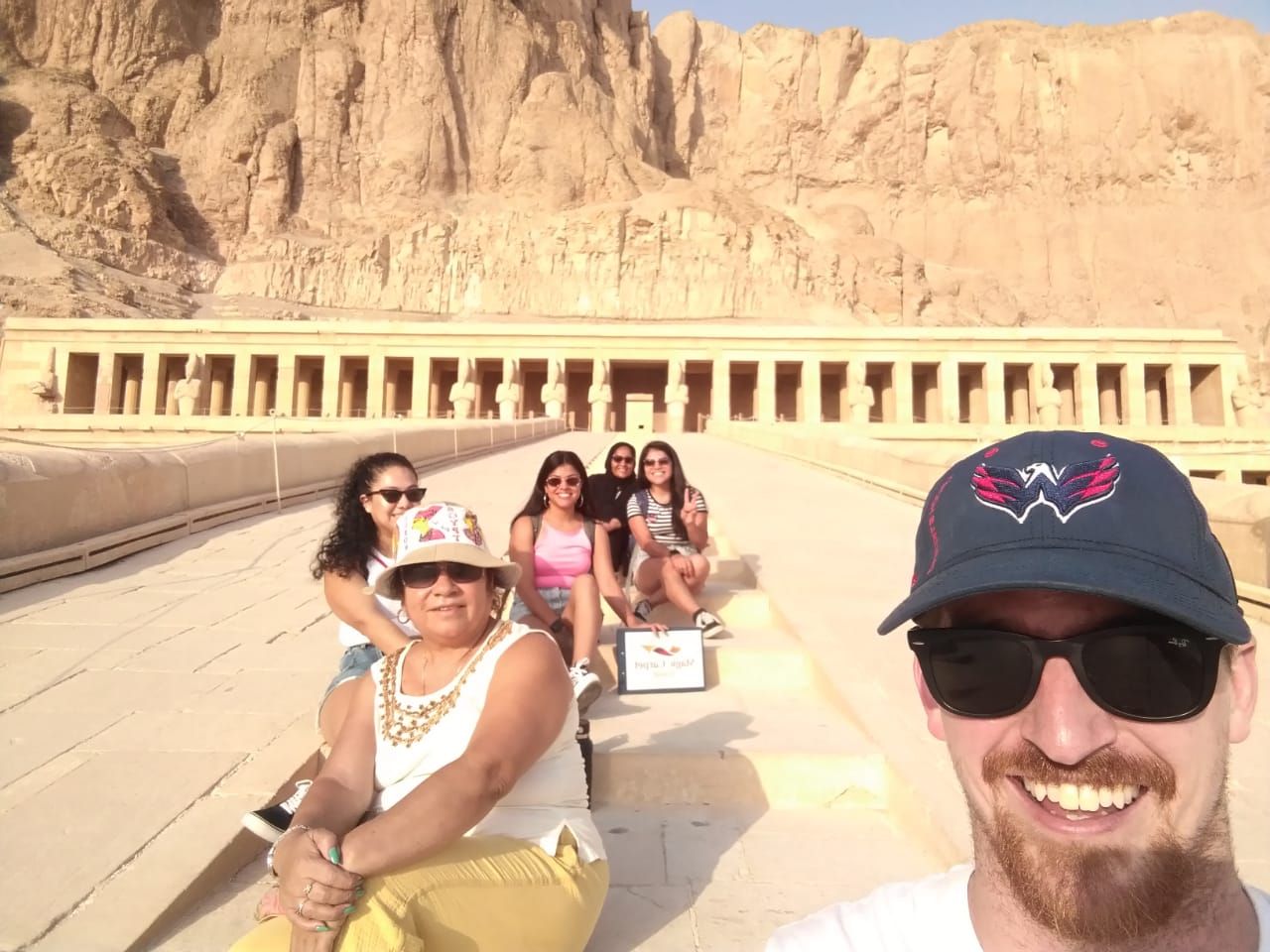
After visiting the tombs you will be transported to the Temple of Queen Hatshepsut (Deir el Bahari), the only woman ever to reign over Egypt as Pharaoh. This queen was an ancestor of King Tutankhamun and belonged to the same dynasty.Temple of Queen Hatshepsut, the only woman ever to reign over Egypt as Pharaoh .
7
Stop 7
after lunch ,
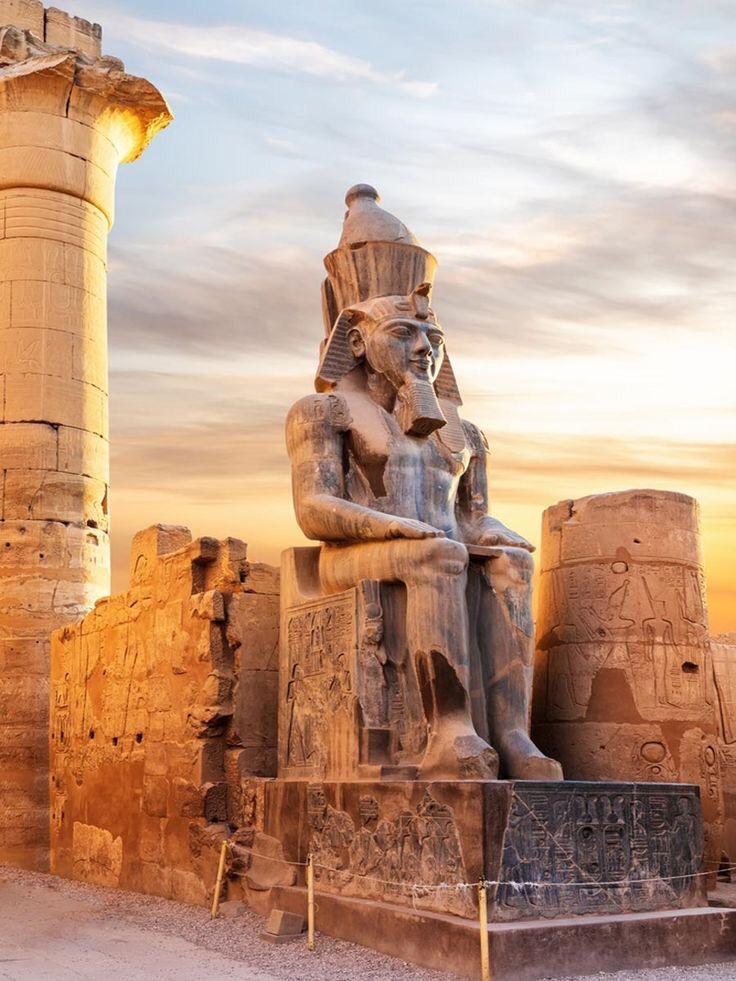
Karnak in the East Bank of Luxor. Karnak is a complex of temples built in different reigns, starting with the Avenue of Sphinxes, the Hypostyle Hall with its 134 gigantic columns, the Obelisks of Queen Hatshepsut and Tutomosis I, the Temple of Amon adorned with lotus and papyrus designs, the Granite Scarbeus of Amenophis III and the Sacred Lake. Karnak beats every other pharaonic monument: it is simply one of the most beautiful ancient monuments in Egypt
8
Stop 8
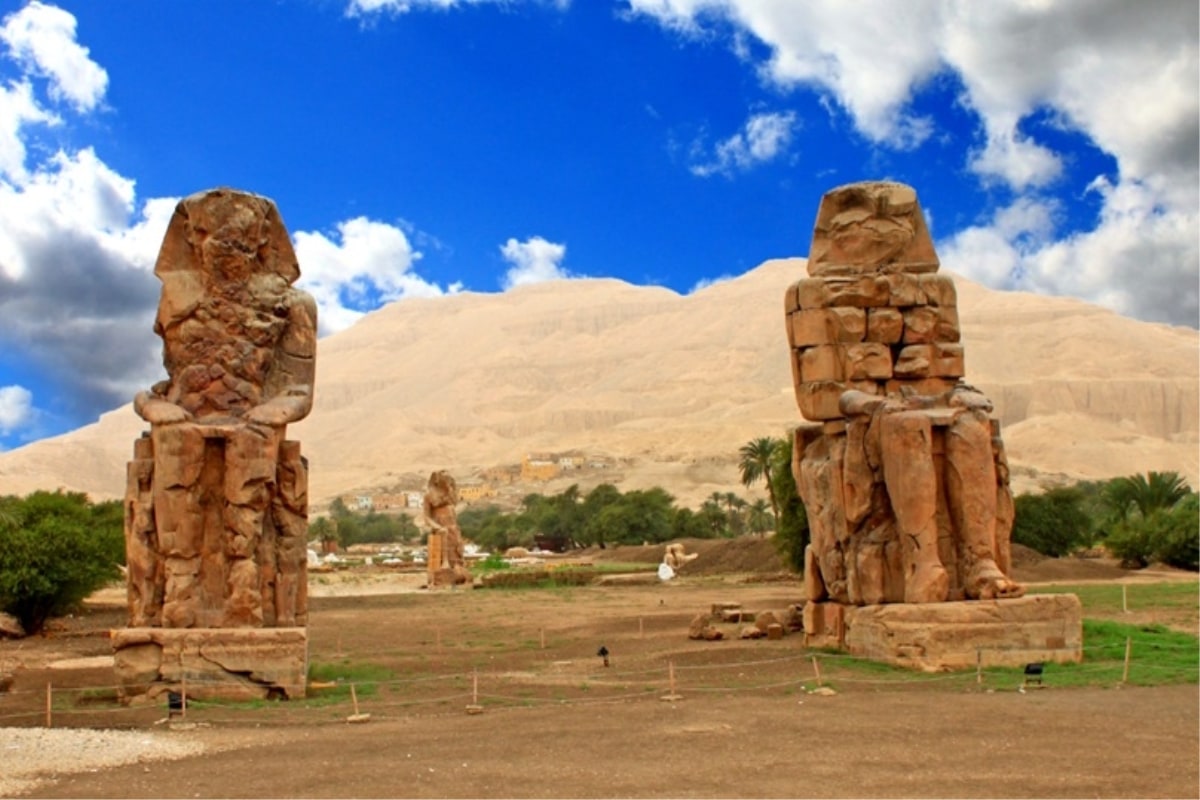
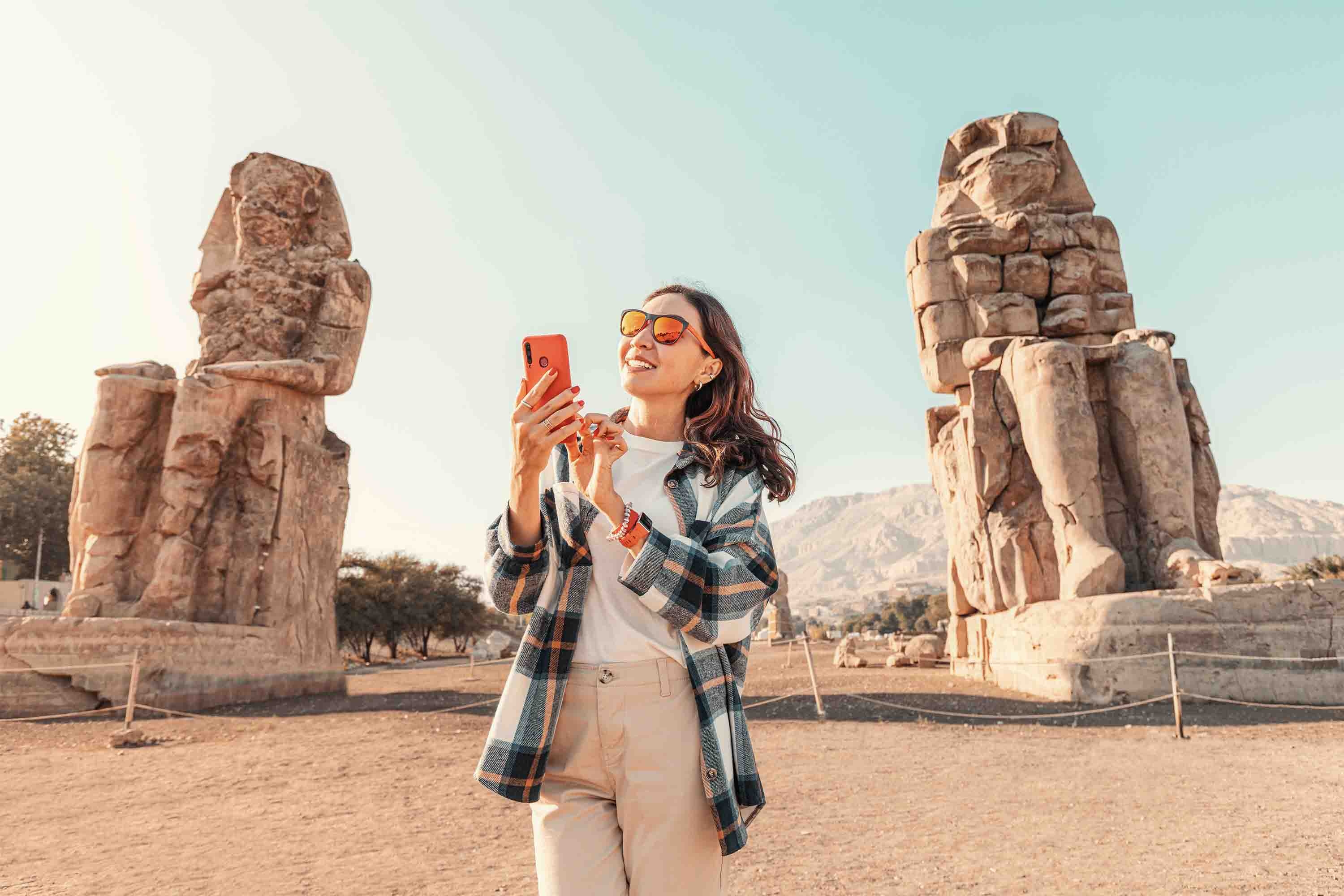
The Colossi of Memnon, the two largest ancient statues in Egypt, which date back to the era of King Amenhotep III.
What's not included
Gratuities
Total entrance fees to mentioned sites
Available languages
Guide guide
AR
EN
Reviews breakdown
Tripadvisor
4.5
2 reviews
5★
1
4★
1
3★
0
2★
0
1★
0
Important information
Suitable for all physical fitness levels
Vegetarian option is available, please advise at time of booking if required
Important notes
••Entrance Tickets: Entrance tickets are not included in the tour price. The additional cost is EGP 1,900 per person, payable by card. Your tour guide will assist you with purchasing your tickets.
• Optional Hot Air Balloon Ride: Enhance your Luxor experience with a morning hot air balloon ride for an additional $55 per person.
• Airport Pickup: Airport transfers are available for $10 per person, one way.
• Travel Tip: “Baksheesh” (tips/gratuities) are an essential part of daily life in Egypt. We recommend tipping, especially for your tour guide. And driver.
About Luxor
Luxor, once the ancient city of Thebes, is a treasure trove of ancient Egyptian history and architecture. Known for its magnificent temples, tombs, and monuments, it offers an unparalleled glimpse into the past. The city is often referred to as the world's greatest open-air museum, with landmarks like the Valley of the Kings and Karnak Temple attracting visitors from around the globe.
Top Attractions
Karnak Temple Complex
The Karnak Temple Complex is a massive temple complex dedicated to the god Amun-Ra. It is one of the largest religious buildings ever constructed and a must-visit for its grandeur and historical significance.
Historical/Architecture
2-3 hours
Egyptian Pounds 160
Valley of the Kings
The Valley of the Kings is a burial site for pharaohs and nobles from the New Kingdom period. It contains over 60 tombs, including the famous tomb of Tutankhamun.
Historical/Architecture
3-4 hours
Egyptian Pounds 240 (includes entry to 3 tombs)
Luxor Temple
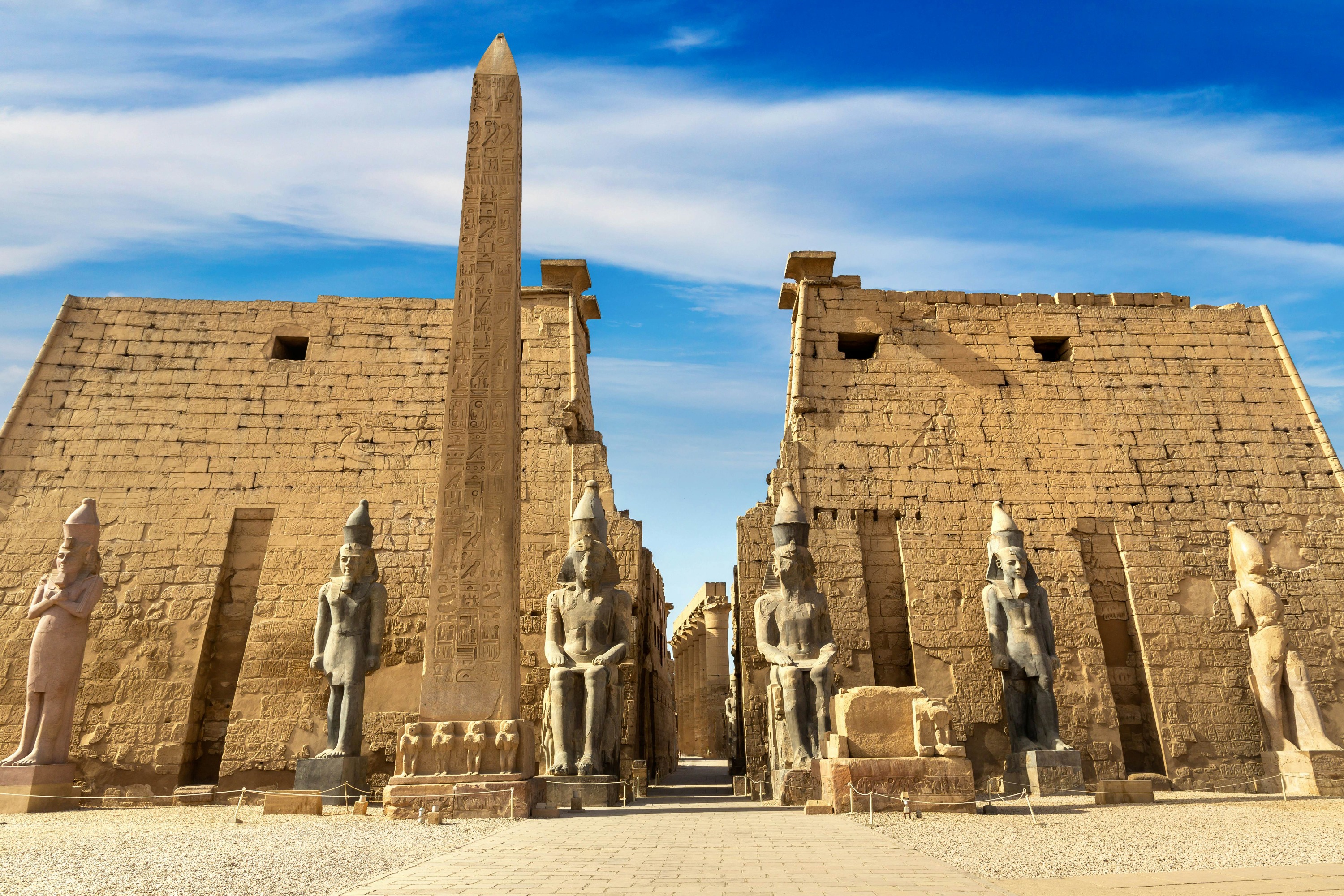
Luxor Temple is a large ancient Egyptian temple complex located on the east bank of the Nile. It was constructed around 1400 BCE and dedicated to the god Amun-Ra.
Historical/Architecture
1-2 hours
Egyptian Pounds 160
Hatshepsut Temple
The Mortuary Temple of Hatshepsut is a stunning temple dedicated to the female pharaoh Hatshepsut. It is uniquely designed and set against the cliffs of Deir el-Bahari.
Historical/Architecture
1-2 hours
Egyptian Pounds 120
Luxor Museum
The Luxor Museum is a small but impressive museum showcasing artifacts from the Theban Necropolis and the surrounding area. It provides a great overview of Luxor's rich history.
Museum
1 hour
Egyptian Pounds 100
Must-Try Local Dishes
Kushari
A popular Egyptian dish made with rice, lentils, pasta, and fried onions, topped with tomato sauce and garlic vinegar.
Main Dish
Vegetarian
Ful Medames
A traditional Egyptian breakfast dish made from slow-cooked fava beans, often served with eggs, falafel, and tahini.
Breakfast
Vegan
Grilled Kebab
Marinated and grilled skewers of lamb or chicken, often served with rice and salad.
Main Dish
Contains meat
Baklava
A sweet pastry made with layers of filo dough, nuts, and honey syrup.
Dessert
Vegetarian, contains nuts
Popular Activities
Hot air balloon ride
Felucca sailing
Horseback riding
Nile River cruise
Spa treatments
Café hopping
Temple visits
Museum tours
Best Time to Visit
October to April
This period offers the most comfortable weather for sightseeing and exploring the ancient sites. The cooler temperatures make it ideal for outdoor activities.
15°C to 30°C
59°F to 86°F
Practical Information
Language
- Official: Arabic
- Widely spoken: English, French
- English: Moderately spoken in tourist areas
Currency
Egyptian Pound (EGP)
Time Zone
GMT+2
Electricity
220VV, 50HzHz
Safety Information
Overall Safety Rating: Generally safe
Luxor is generally safe for tourists, but petty crime and scams can occur. Be cautious of your surroundings, especially in crowded areas and tourist sites.
Important Precautions:
- • Be cautious of your belongings in crowded areas
- • Use reputable tour companies and guides
- • Negotiate prices in advance for taxis and services
Getting there
By air
- Luxor International Airport • 6 km from city center
By train
Luxor Train Station
By bus
Luxor Bus Station
Getting around
Public transport
Local buses are a cheap and common way to get around Luxor. They can be crowded and may not be the most comfortable option for tourists.
Taxis
Available • Apps: Uber, Careem
Rentals
Car, Bike, Scooter
Neighborhoods
East Bank
West Bank
Day trips
Valley of the Queens
3 km from Luxor • Half day
The Valley of the Queens is a burial site for the wives and children of pharaohs. It contains over 70 tombs, including the famous tomb of Nefertari.
Dendera Temple Complex
60 km from Luxor • Full day
The Dendera Temple Complex is a well-preserved temple dedicated to the goddess Hathor. It is known for its beautiful reliefs and the famous Dendera zodiac.
Abydos Temple
140 km from Luxor • Full day
The Abydos Temple is a significant archaeological site dedicated to the god Osiris. It is known for its well-preserved reliefs and the famous Abydos King List.
Festivals
Luxor African Film Festival • Late March to early April
Luxor International Folk Festival • Late October to early November
Eid al-Fitr • Varies (end of Ramadan)
Pro tips
- Visit major attractions early in the morning to avoid crowds and the heat.
- Hire a knowledgeable local guide to fully appreciate the history and significance of the ancient sites.
- Stay hydrated and wear sun protection, as the sun can be intense, especially during the summer months.
- Bargain politely in markets and with street vendors, as prices are often inflated for tourists.
- Try local dishes like Kushari and Ful Medames for an authentic culinary experience.
From $25
per person
Price varies by option
Secure booking
Free cancellation available
Instant confirmation