Rome Evening Tour with Private Driver and guide with Dinner
Active
3h
For a full refund, cancel at least 24 hours before the scheduled departure time.
Instant confirmation
Mobile or paper ticket accepted
About this experience
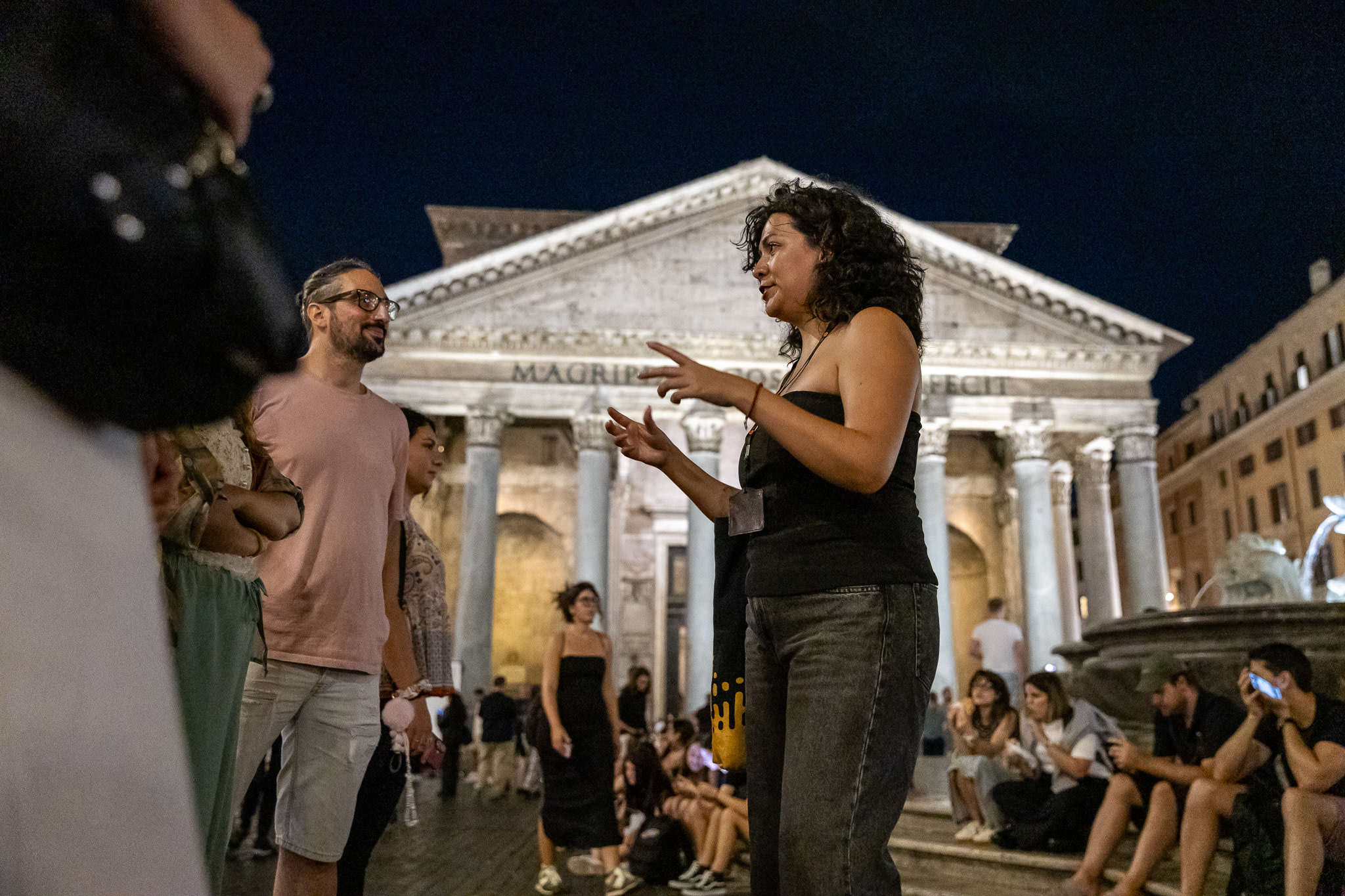
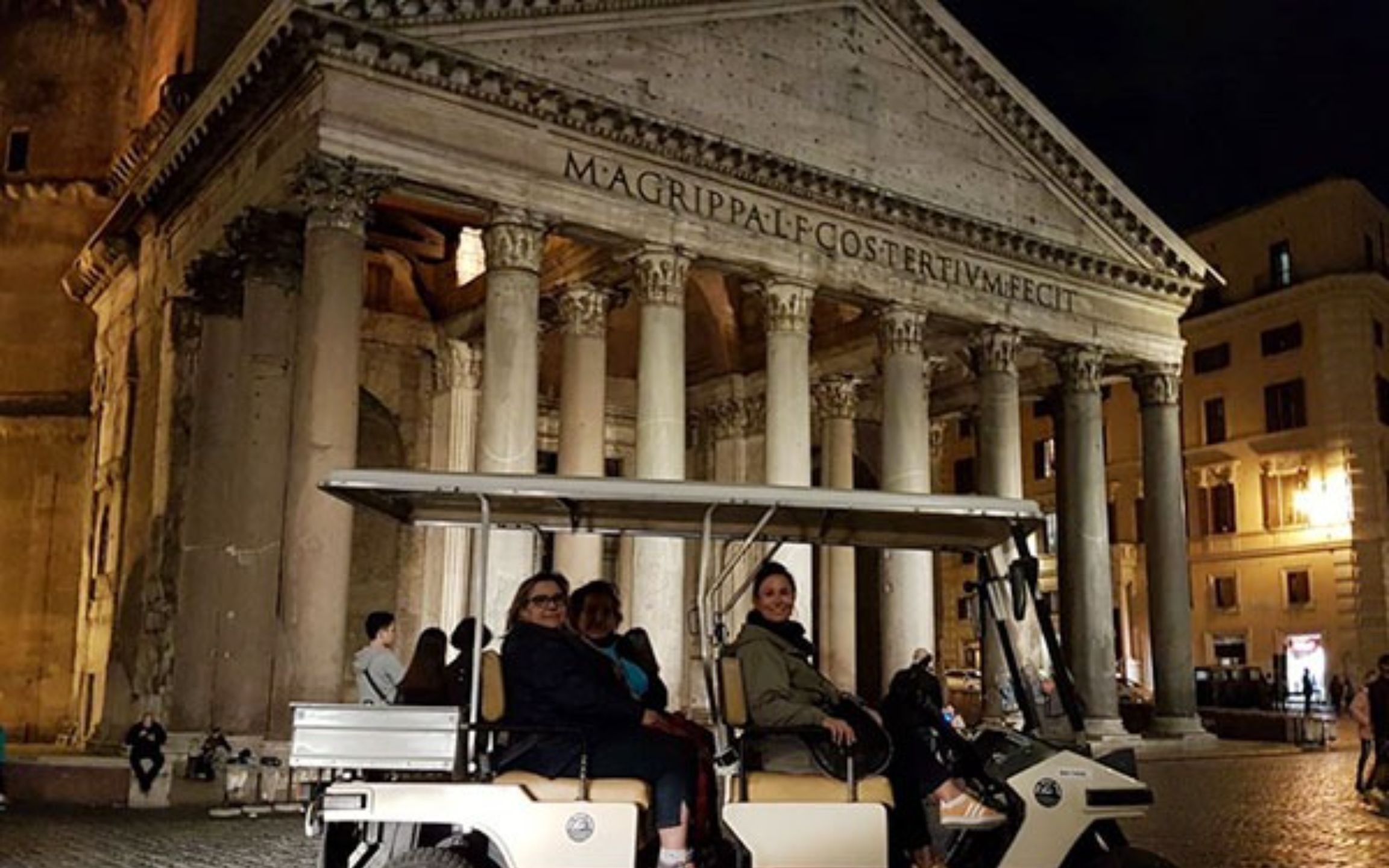
Experience the most intimate Italian adventure with Rome by Night! Your evening will begin with a chauffeur-driven luxury Mercedes picking you up from your hotel and taking you on a historical and romantic journey through Rome. Your experienced guide will lead you from Janiculum Hill to the Colosseum and beyond, providing insights into the timeless city. The evening will culminate with a delightful dinner, all included in the price. Discover the Eternal City during its most romantic hours as the sun sets and the magnificent monuments light up under the night sky.
Available options
Rome Evening Tour with Private Driver and guide with Dinner
Pickup included
What's included
Professional certified Guide (all sites from outside)
Courtesy pick-up from centrally located hotels
Private, chauffeur-driven car
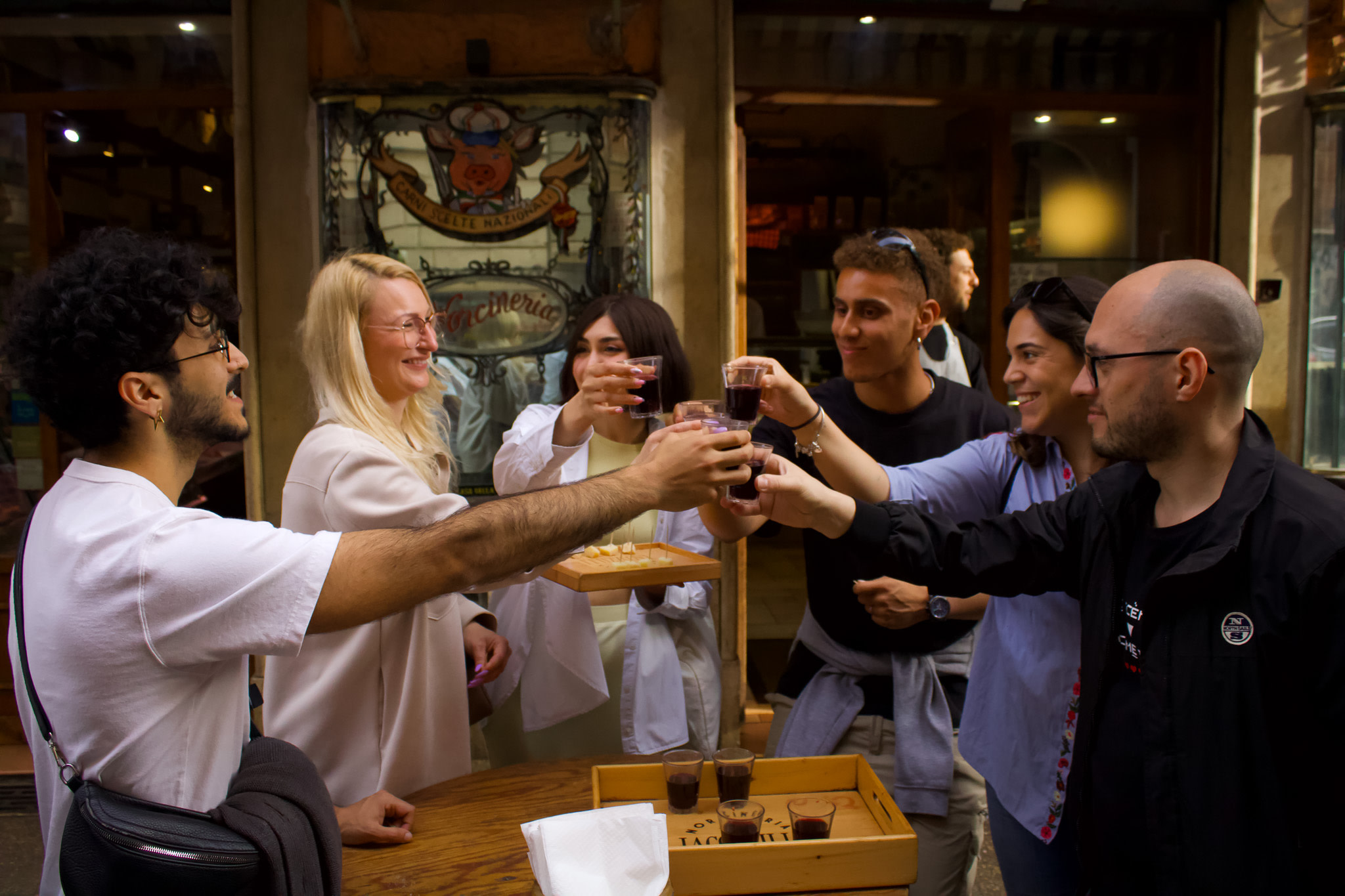
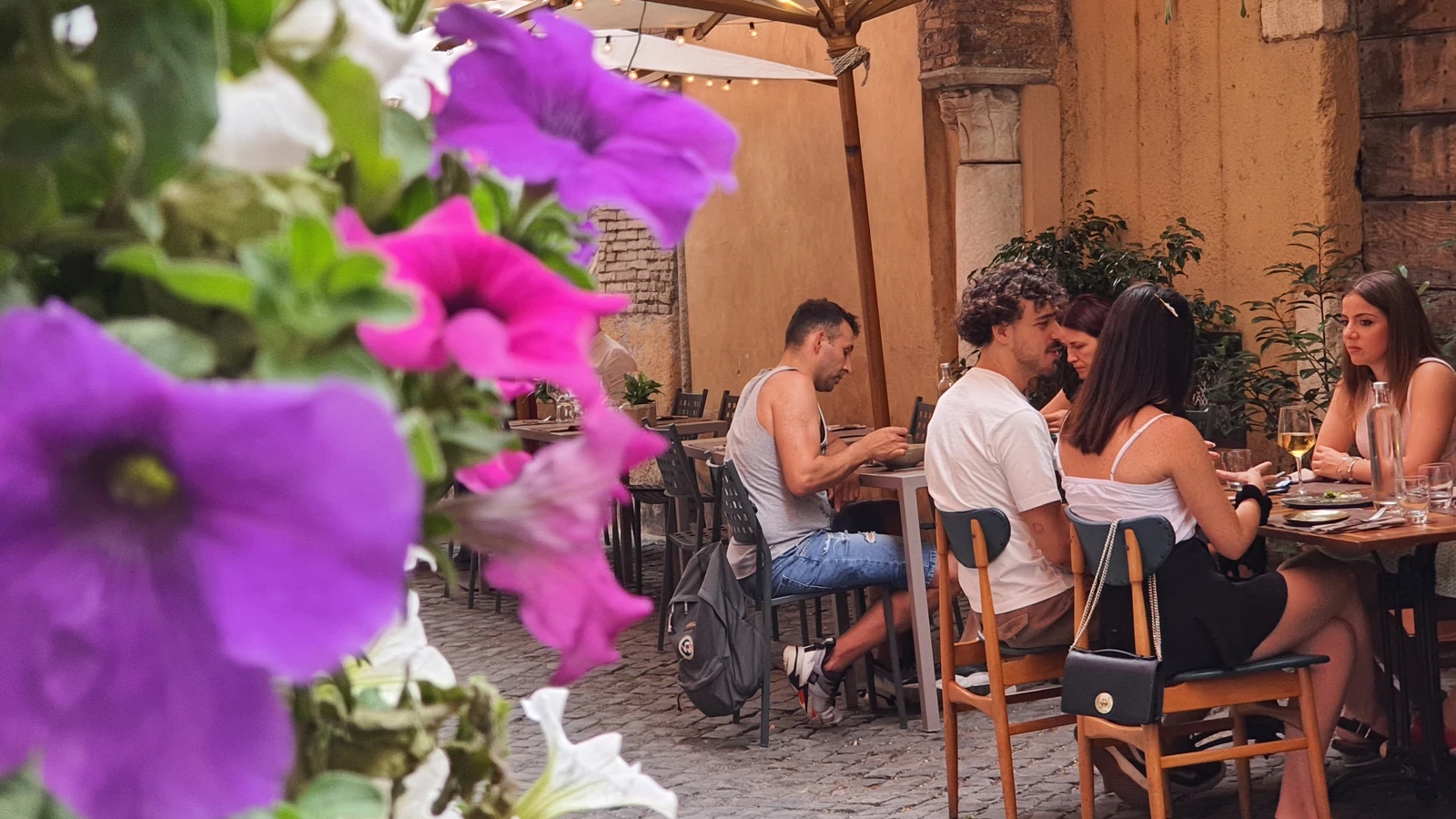
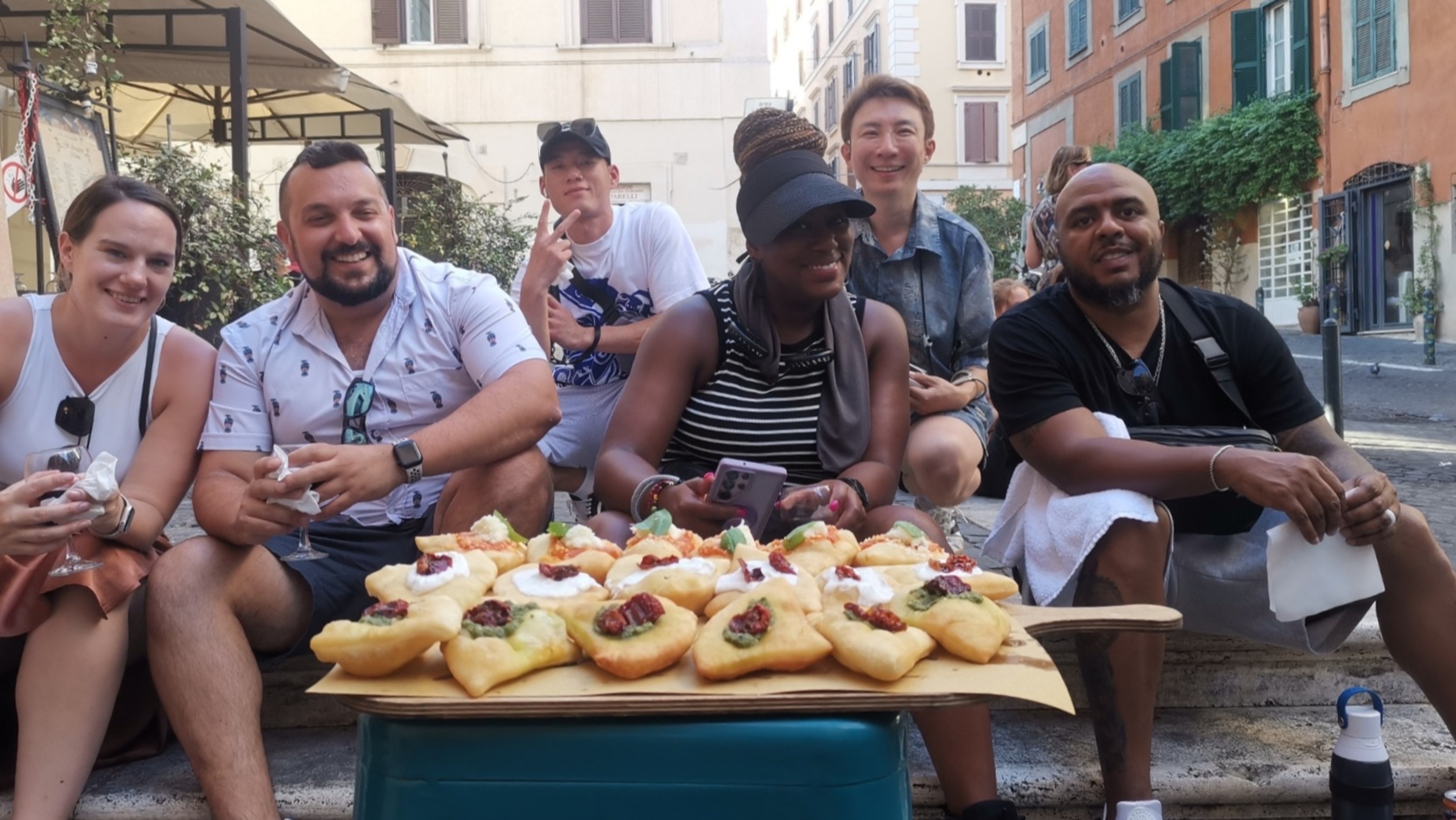
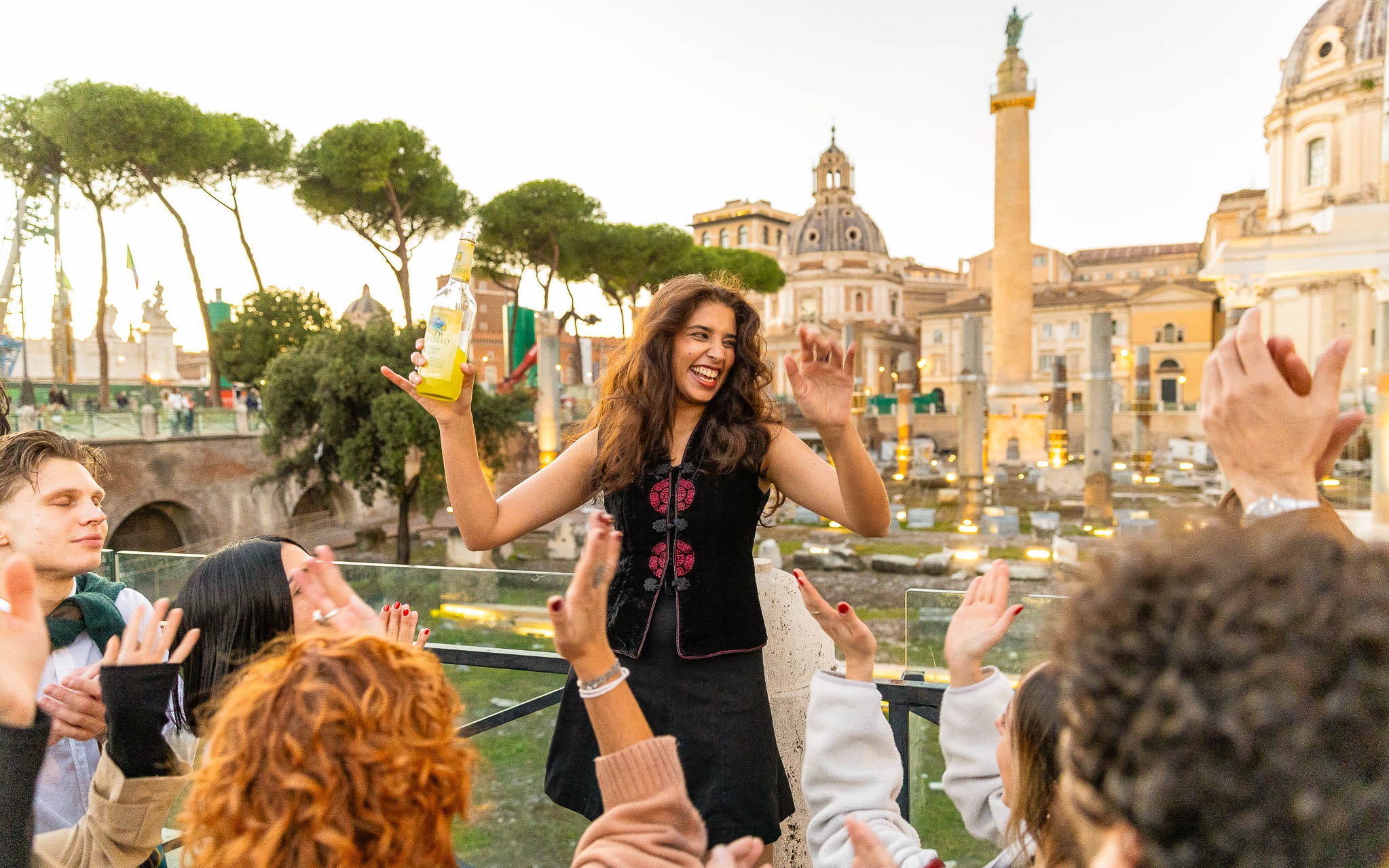
Dinner in a typical Italian restaurant – First Course, Main Course, dessert & water
Detailed itinerary
1
Stop 1
Your driver will pick you up at your location and bring you to the meeting with your guide. Here are some of the sights you will see, but you will enjoy much more along the way.
You can customize your itinerary with your guide during the tour, if you have already seen some of the sites described.
This package does not include drop-off, so you can take your time enjoying your dinner.
The Janiculum Hill provides stunning panoramic views of Rome, highlighting its domes, bell towers, and historic center.
In 1849, it was the site of a fierce battle where Giuseppe Garibaldi's forces defended the short-lived Roman Republic against French troops. Key features include the equestrian Monument to Giuseppe Garibaldi and several busts of Italian patriots.
Additionally, notable sights are the Fontana dell'Acqua Paola, known as Il Fontanone, and the Tempietto of San Pietro in Montorio, a beautifully proportioned Renaissance shrine.
2
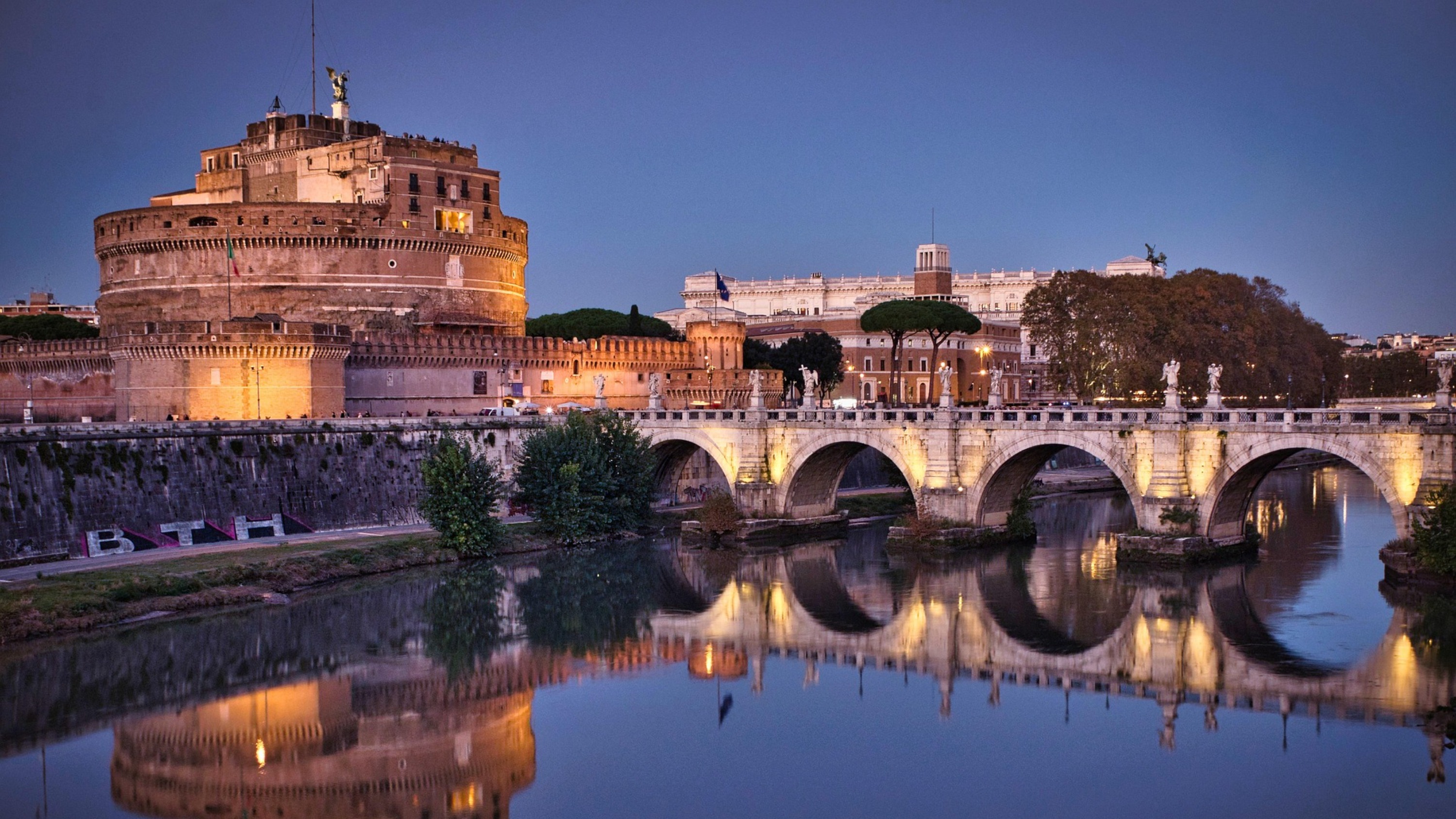
Castel Sant'Angelo is an ancient and massive fortress located on the right bank of the Tiber River. Originally constructed as the Mausoleum of Emperor Hadrian in the 2nd century AD, it was later transformed into a papal fortress and prison.
The castle is crowned by a large bronze statue of the Archangel Michael, who is depicted sheathing his sword. This statue gives the structure its modern name, "Castle of the Holy Angel," and is visible from a considerable distance.
The Ponte Sant'Angelo is an impressive pedestrian bridge that crosses the Tiber River, leading directly to the castle. It is famous for its beautiful decorations, which include ten Baroque marble statues of angels designed by Gian Lorenzo Bernini and crafted by his pupils. Each angel holds an instrument associated with the Passion of Christ.
3
Piazza Venezia serves as the bustling geometric and traffic hub of Rome, prominently featuring the grand white marble edifice known as the Vittoriano, or Altare della Patria. This monumental structure honors Italy's first king, Victor Emmanuel II, and houses the Tomb of the Unknown Soldier, a poignant tribute to fallen soldiers. The square is an essential historical crossroads, flanked by the Renaissance-style Palazzo Venezia, which is famous for being the location of Mussolini's infamous balcony speeches during World War II. Additionally, Piazza Venezia serves as a vital starting point for several major thoroughfares, including the Via dei Fori Imperiali, which leads visitors directly to the iconic Colosseum, connecting them to Rome's rich history and cultural heritage.
4
Stop 4
Piazza del Campidoglio (Capitoline Hill) is a masterpiece of Renaissance urban planning, originally designed by Michelangelo Buonarroti in the 16th century. Michelangelo created a harmonious, trapezoidal shape for the square, featuring a distinctive geometric paving pattern centered around a replica of the ancient equestrian statue of Marcus Aurelius.
The piazza is surrounded by three monumental palaces that currently house the Capitoline Museums, the world's oldest public museums, as well as the Palazzo Senatorio, which serves as Rome's city hall.
To reach the piazza, visitors must ascend the monumental Cordonata staircase. This wide, gently sloping ramp was also designed by Michelangelo to provide a grand ascent, accommodating those who may wish to ride horses. At the top of the staircase, colossal statues of Castor and Pollux stand guard. The staircase itself plays a vital role in the architectural experience, guiding visitors to the elevated center of Roman authority.
5
You can see the Forum ruins walking along the Via Dei Fori Imperiali, but what we suggest is to delay your permanence on the Hill and take advantage of this stunning, elevated vantage point that allows you to survey the most dramatic and comprehensive panorama of ancient Rome.
You can clearly trace the Via Sacra (Sacred Way), the Forum's main road. Prominently, you’ll see the eight columns of the Temple of Saturn, which served as the state treasury, and the well-preserved Arch of Septimius Severus.
As you look around the central square, you’ll spot the foundations of the Basilica Julia and Basilica Aemilia, the columns of the Temple of Castor and Pollux, and the restored façade of the Curia Julia (Senate House). In the distance, the unmistakable shape of the Colosseum and the slopes of Palatine Hill, where emperors built their palaces, can be seen.
6
Stop 6
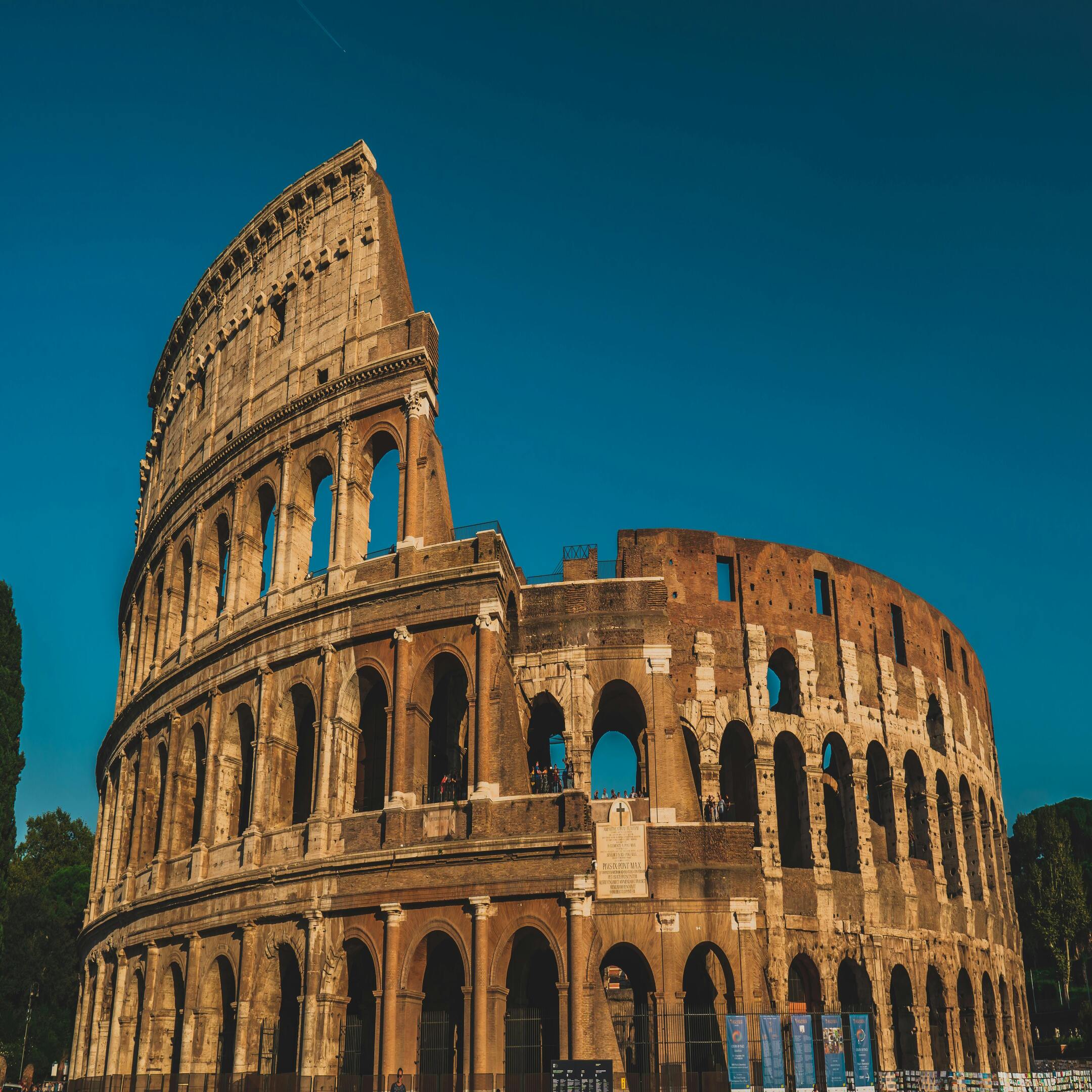
The Colosseum, a colossal, elliptical amphitheatre, built primarily of travertine stone, rises nearly 50 meters (160 feet) high and dominates its surroundings.
Its remaining outer wall showcases a spectacular facade of four tiered levels, the lower three levels consisting of 80 arches with half-columns.
Your guide will explain why the marble and many elements disappeared over the years, leaving a massive, porous stone structure and the engineering genius of Imperial Rome.
Dinner: In case of allergies or specific dietary requirements, the restaurant will welcome special requests, preferably in advance at the time of booking. Dinner includes water—any extra to be paid directly on the spot.
What's not included
Drop off to the hotels , B&Bs (on request)
Important information
Wheelchair accessible
Infants and small children can ride in a pram or stroller
Specialized infant seats are available
Transportation options are wheelchair accessible
Suitable for all physical fitness levels
About Rome
Rome, the capital of Italy, is a city of ancient ruins, artistic masterpieces, and vibrant culture. Known as the Eternal City, it is a living museum where every corner tells a story of its rich history spanning over 2,500 years.
Top Attractions
Colosseum
The Colosseum is an iconic symbol of Rome and one of the most famous ancient amphitheaters in the world. It was used for gladiatorial contests and public spectacles.
Historical
1-2 hours
€16 (combined ticket with Roman Forum and Palatine Hill)
Vatican City
Vatican City is an independent city-state enclaved within Rome. It is the spiritual and administrative center of the Roman Catholic Church.
Religious
Half day
€17 (Vatican Museums and Sistine Chapel), Free (St. Peter's Basilica)
Roman Forum
The Roman Forum was the political, commercial, and legal hub of the Roman Republic and Empire. It is a sprawling ruin of temples, basilicas, and arches.
Historical
1-2 hours
€16 (combined ticket with Colosseum and Palatine Hill)
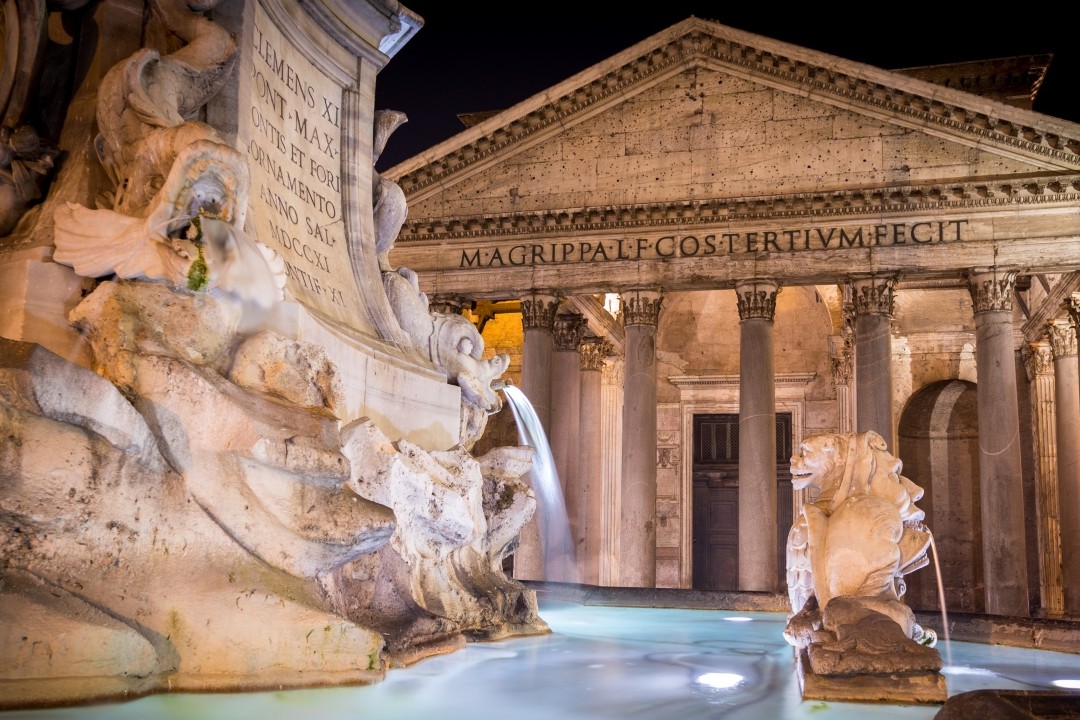
Pantheon
The Pantheon is a former Roman temple, now a church, known for its large dome and oculus. It is one of the best-preserved ancient buildings in Rome.
Historical
30 minutes to 1 hour
Free
Trevi Fountain
The Trevi Fountain is a Baroque masterpiece and the largest fountain in Rome. It is a popular spot for visitors to throw coins and make wishes.
Architecture
15-30 minutes
Free
Must-Try Local Dishes
Cacio e Pepe
A simple yet delicious pasta dish made with Pecorino Romano cheese and black pepper.
Pasta
Vegetarian
Carbonara
A rich pasta dish made with eggs, Pecorino Romano, guanciale (cured pork cheek), and black pepper.
Pasta
Contains pork and eggs
Supplì
Fried rice balls filled with mozzarella and tomato sauce.
Snack
Vegetarian (some variations may contain meat)
Carciofi alla Romana
Artichokes braised with garlic, mint, and olive oil.
Vegetable
Vegetarian
Popular Activities
Hiking in the Appian Way Regional Park
Biking along the Tiber River
Rock climbing in the nearby mountains
Picnicking in Villa Borghese Gardens
Boating on Lake Albano
Enjoying a spa day at a luxury hotel
Visiting the Vatican Museums
Attending an opera at the Teatro dell'Opera di Roma
Best Time to Visit
April to June, September to October
Spring and fall offer pleasant weather and fewer crowds compared to the summer peak. Ideal for sightseeing and outdoor activities.
15-30°C
59-86°F
Practical Information
Language
- Official: Italian
- Widely spoken: English, Spanish, French
- English: Moderately spoken
Currency
Euro (EUR)
Time Zone
GMT+1 (CET), GMT+2 (CEST during daylight saving time)
Electricity
230VV, 50HzHz
Safety Information
Overall Safety Rating: Generally safe
Rome is generally safe for tourists, but pickpocketing and scams can be a problem in crowded areas. Be aware of your surroundings and take precautions to protect your belongings.
Important Precautions:
- • Keep valuables secure and out of sight
- • Use official taxis or ride-sharing services
- • Be cautious of strangers approaching you with petitions or bracelets
Getting there
By air
- Leonardo da Vinci International Airport • 35 km from city center
- Ciampino Airport • 15 km from city center
By train
Roma Termini, Roma Tiburtina
By bus
Tiburtina Bus Station, Roma Termini
Getting around
Public transport
The metro system is efficient and covers major tourist areas. It operates from 5:30 AM to 11:30 PM.
Taxis
Available • Apps: Uber, FreeNow
Rentals
Car, Bike, Scooter
Neighborhoods
Trastevere
Monti
Prancipio
Testaccio
Day trips
Ostia Antica
30 km from Rome • Half day
An ancient Roman port city with well-preserved ruins, including a theater, baths, and mosaics. It offers a glimpse into daily life in ancient Rome.
Tivoli
30 km from Rome • Full day
A picturesque town known for its stunning villas and gardens, including the famous Villa d'Este with its elaborate fountains and gardens.
Orvieto
120 km from Rome • Full day
A charming hilltop town known for its stunning cathedral, underground caves, and local wine. It offers a mix of history, culture, and scenic views.
Festivals
Natale di Roma • April 21
Festa de' Noantri • July
Rome Film Festival • October
Pro tips
- Visit major attractions early in the morning or late in the afternoon to avoid crowds
- Use public transport or walk instead of taking taxis to save money and experience the city like a local
- Try local specialties and ask for recommendations from locals and restaurant staff
- Dress modestly when visiting religious sites and be respectful of local customs and traditions
- Be aware of pickpockets and scams, especially in crowded areas and tourist hotspots
From $25
per person
Price varies by option
Secure booking
Free cancellation available
Instant confirmation