Private Tour-Nagoya sightseeing centred on “Samurai Culture”!
Active
3h
For a full refund, cancel at least 24 hours before the scheduled departure time.
Manual confirmation
Mobile or paper ticket accepted
About this experience
Are you familiar with the three historical heroes born in Owari Nagoya? Indeed, Lord Oda Nobunaga, who schemed for national unification yet fell just short of achieving it; Lord Toyotomi Hideyoshi, the Taiko who rose from peasant origins to accomplish national unification; and Lord Tokugawa Ieyasu, who won the decisive battle that divided the nation and laid the foundations for a stable, long-lasting shogunate? Why not spend a wonderfully indulgent day with a local guide, tracing their footsteps and experiencing Japan's samurai culture?
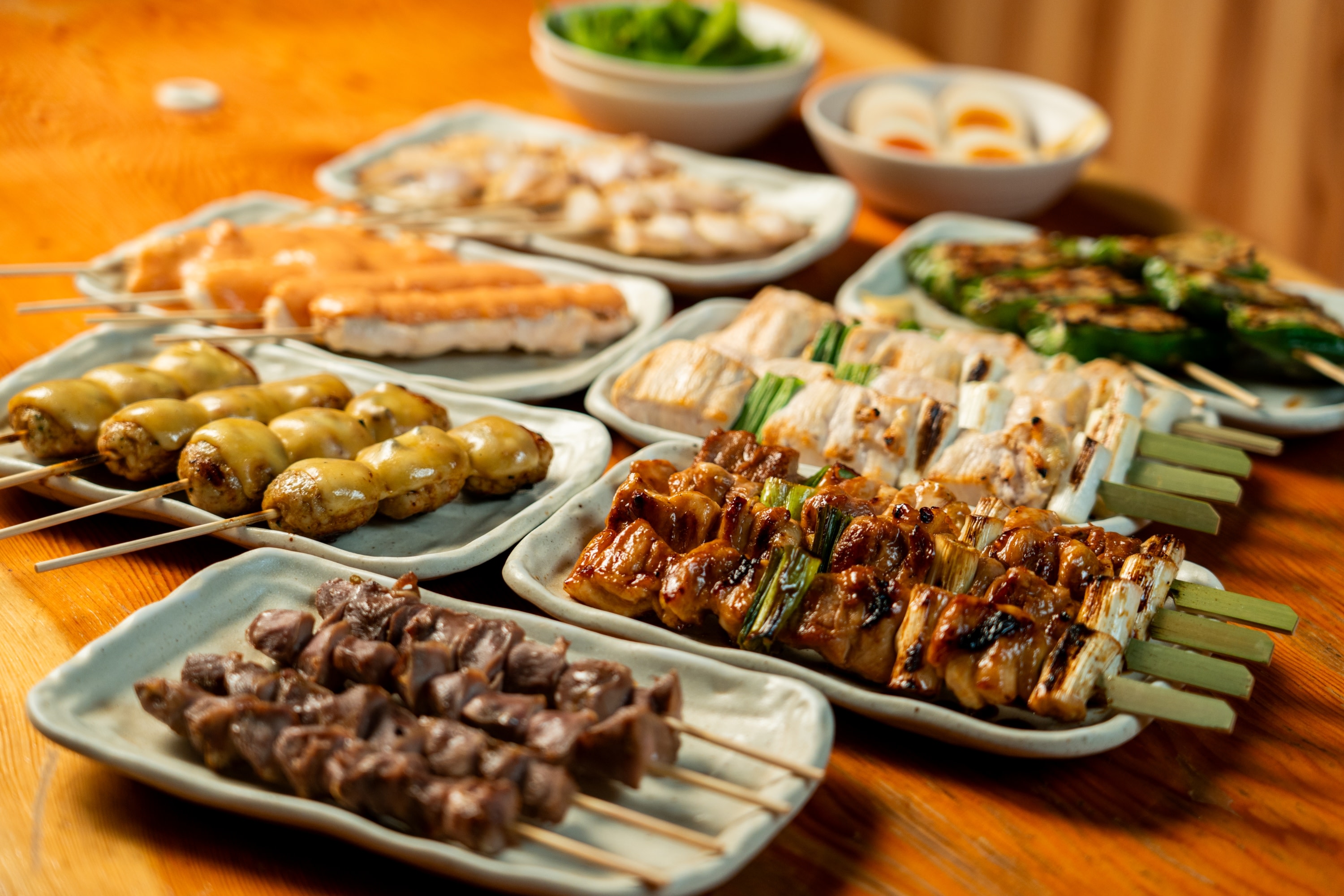
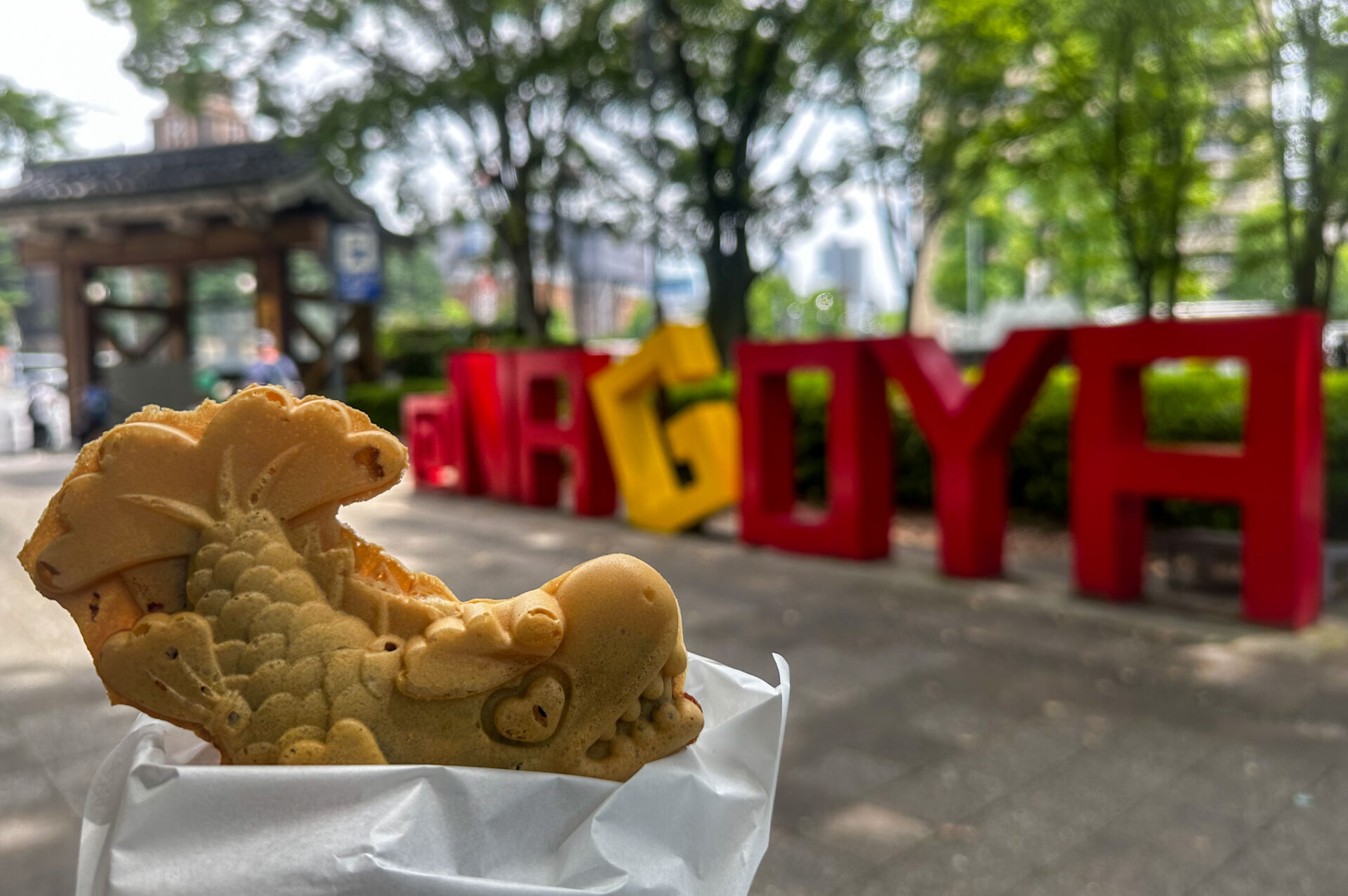
Beyond samurai culture, Nagoya boasts its own unique culinary tradition, “Nagoya-meshi” – a distinct food culture found nowhere else. Savouring a lunch experience available only here with a guide who knows the area intimately is another delight of Nagoya.
Now then, let us embark together on a journey that is uniquely Nagoya!"
Available options
Private Tour-Nagoya sightseeing centred on “Samurai Culture”!
What's included
Private Tour
Necessary expenses for the tour guide
Tour Guide
Detailed itinerary
1
①Nagoya Castle Main gate
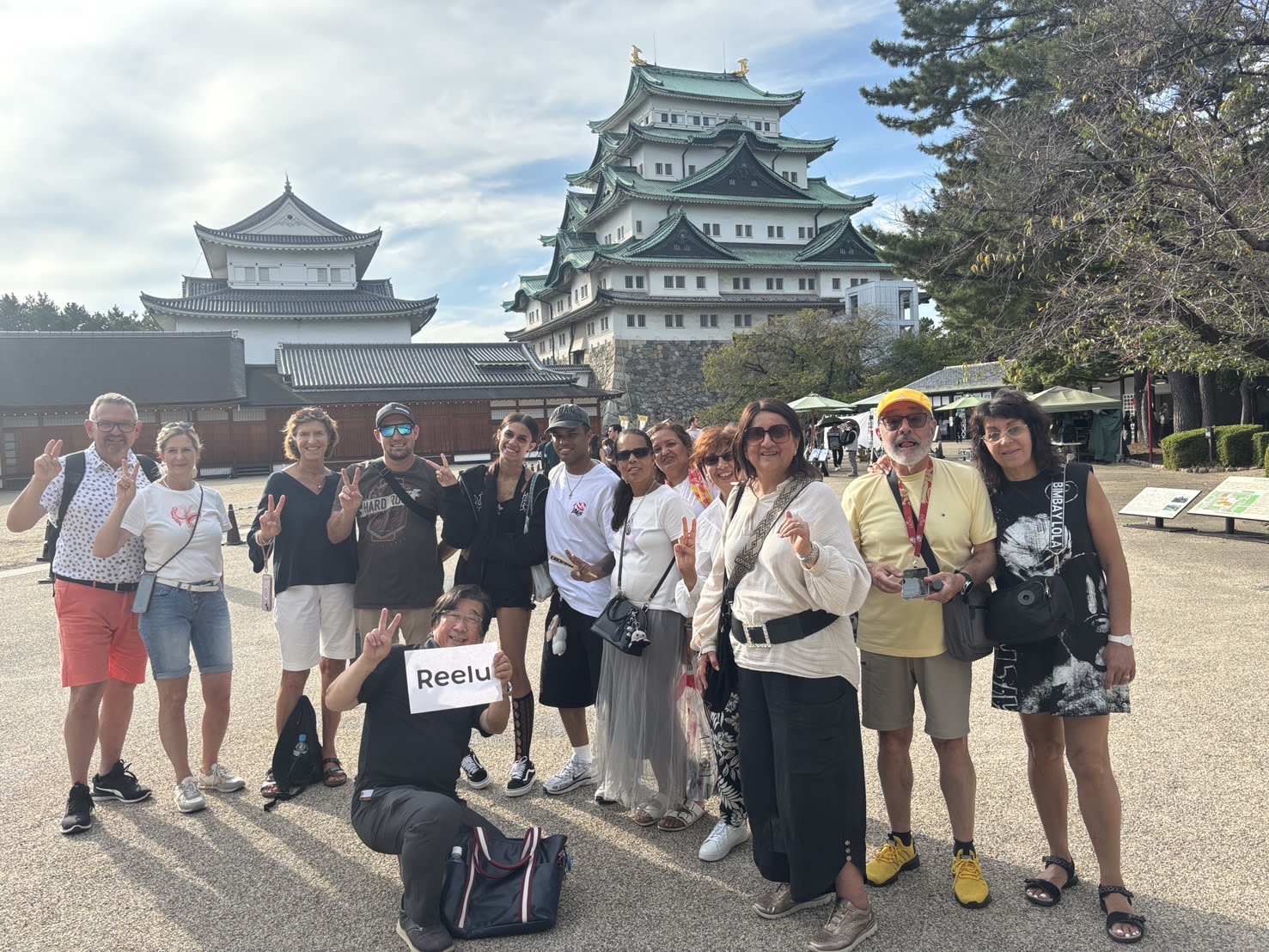
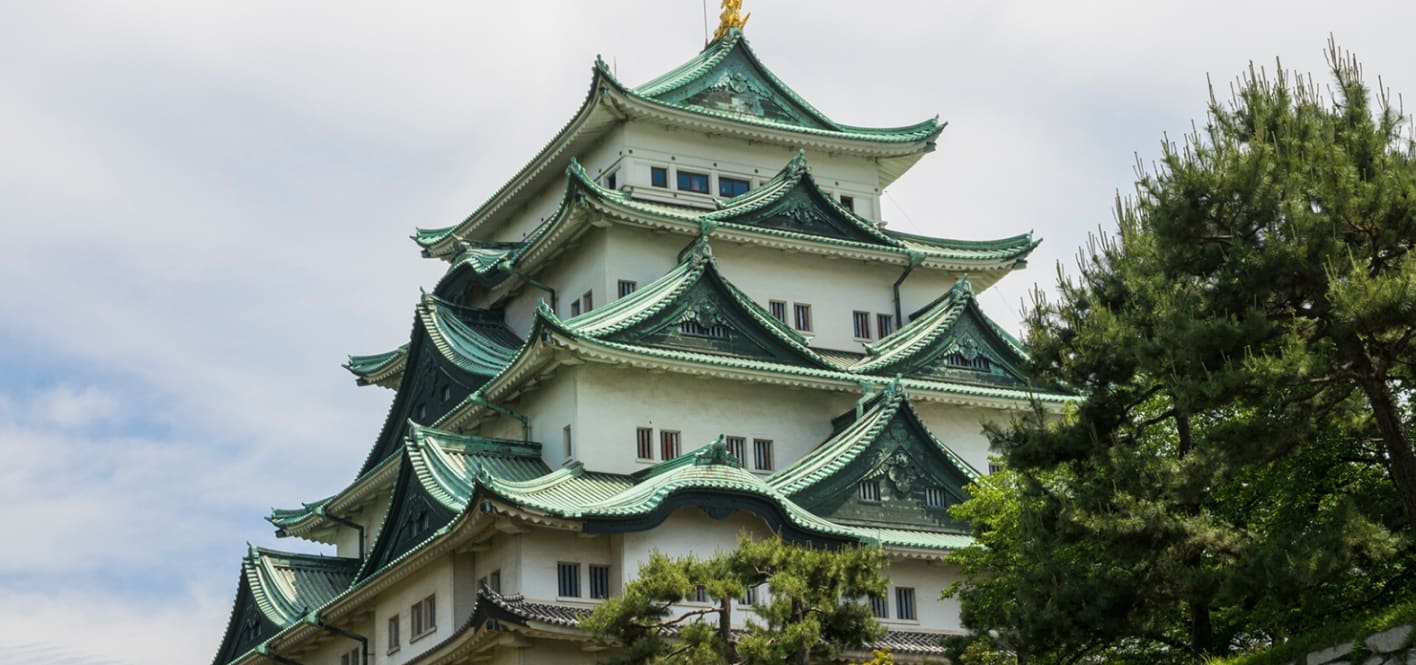
Upon entering through the gate now known as the main gate of Nagoya Castle—built by imperial decree during the Tenka Fushin construction project ordered by Lord Tokugawa Ieyasu, the first shogun of the Edo shogunate—one can grasp its grandeur as clearly as if holding it in one's hand.
②Nagoya Castle Honmaru palace
A palace serving as both the administrative headquarters and residence for successive lords of the Owari Tokugawa clan, and as lodgings for Tokugawa shoguns visiting Kyoto. With access to the keep currently restricted, it stands alongside the Castle Treasure Museum as one of the few accessible spots where one can experience the atmosphere of the Edo period.
③Nagoya Castle Tenshukaku
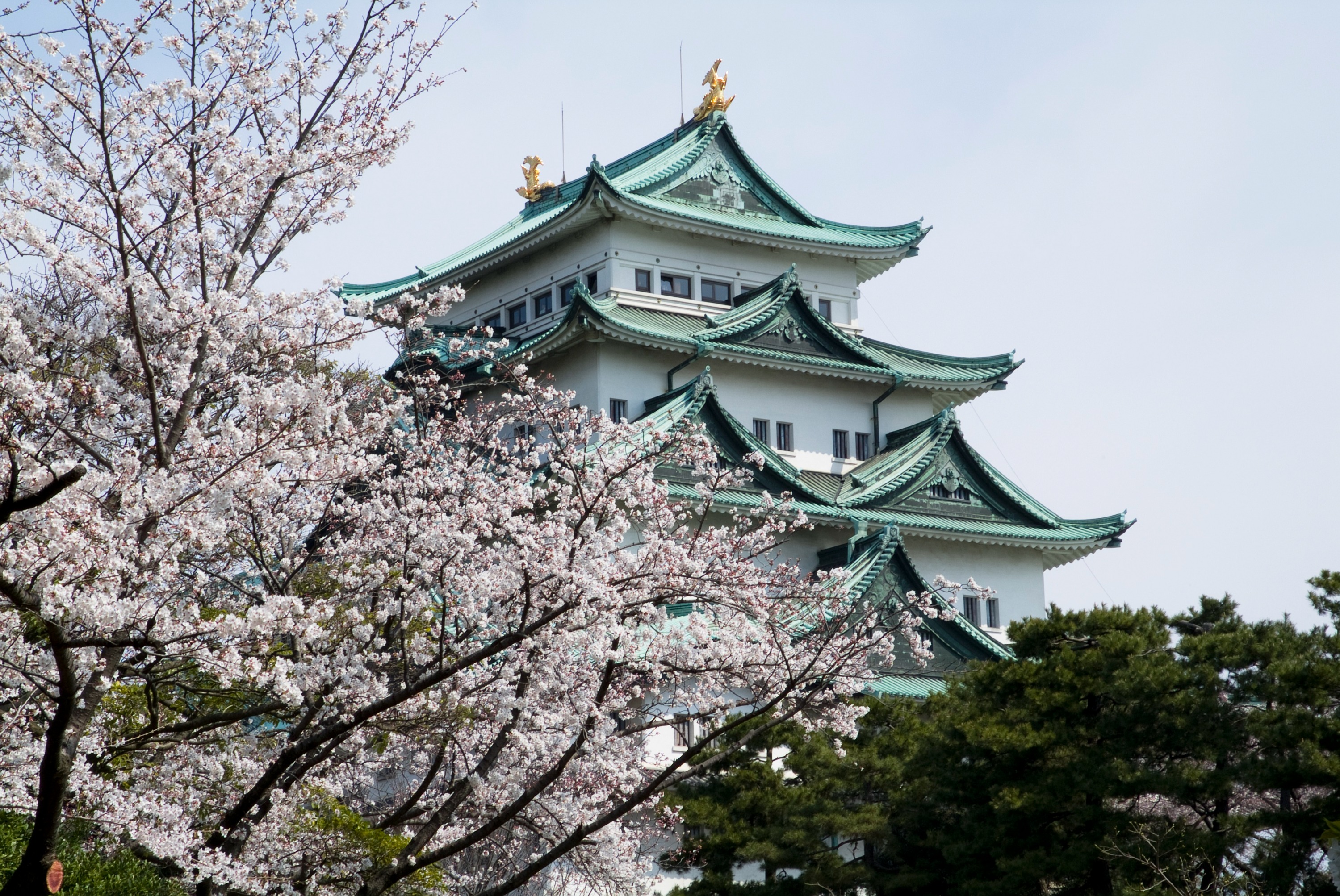
The castle tower, which had been designated a National Treasure alongside the Honmaru Palace until it was destroyed in the war, was rebuilt after the war using reinforced concrete. Together with its golden shachi, it stands as a symbol representing Nagoya.
2
This site was the residence of the Owari Tokugawa feudal lord and its associated daimyō garden, but excavation work is currently underway prior to restoration.
3
A destination packed with national treasures and important cultural properties, including swords, armour and ukiyo-e prints. Beyond the artworks, it features interactive zones and areas dedicated to archery and firearms, allowing visitors to immerse themselves fully in the world of the Sengoku period.
4
Osu Kannon, standing west of Osu in Nagoya's downtown area, has long been a cherished place of relaxation for the city's residents.
5
The bustling Osu Shopping Street, thriving as the gateway town to Osu Kannon Temple, is the liveliest shopping district in Nagoya. Let us explore the secret behind this town's widespread appeal, cherished by young and old alike, and even by foreign visitors.
What's not included
Travel expenses and entrance fees for your own
Money for food/drinks, souvenirs, and extra activities for your own
Hotel pickup and drop-off
The use of private van
Available languages
Guide guide
JA
EN
Important information
Wheelchair accessible
Infants and small children can ride in a pram or stroller
Public transportation options are available nearby
Suitable for all physical fitness levels
This tour involves travelling by underground and on foot.
Please wear comfortable walking shoes and suitable clothing.
At certain viewing points, you will be required to remove your shoes before entering.
Photography is permitted in some areas but not in others; please follow the instructions of your guide or staff members.
Meeting point
Nagoya Castle Station has two ticket gates at the exits, so let's meet at the North Gate closest to Nagoya Castle.
Important notes
・Please wear comfortable clothing as this tour involves a lot of walking.
・"Hiroshima Prefectural Art Museum" is closed on Mondays and if any of the scheduled places are closed on the day you visit, your tour guide will take you to an alternate location.
・The travel expense is not included in the tour fee. Please bring extra money to experience this tour to its fullest.
(Entrance fees, transportation fees, activity fees, etc. - at least about JPY 2,000 /person)
・If you do not arrive at the specified starting place after 60 minutes from the agreed meeting time, the tour will be considered canceled.
From $25
per person
Price varies by option
Secure booking
Free cancellation available