Rome: a journey into Roman times, Half-Day Semi-Private Tour
Active
3h
For a full refund, cancel at least 24 hours before the scheduled departure time.
Instant confirmation
Mobile or paper ticket accepted
About this experience
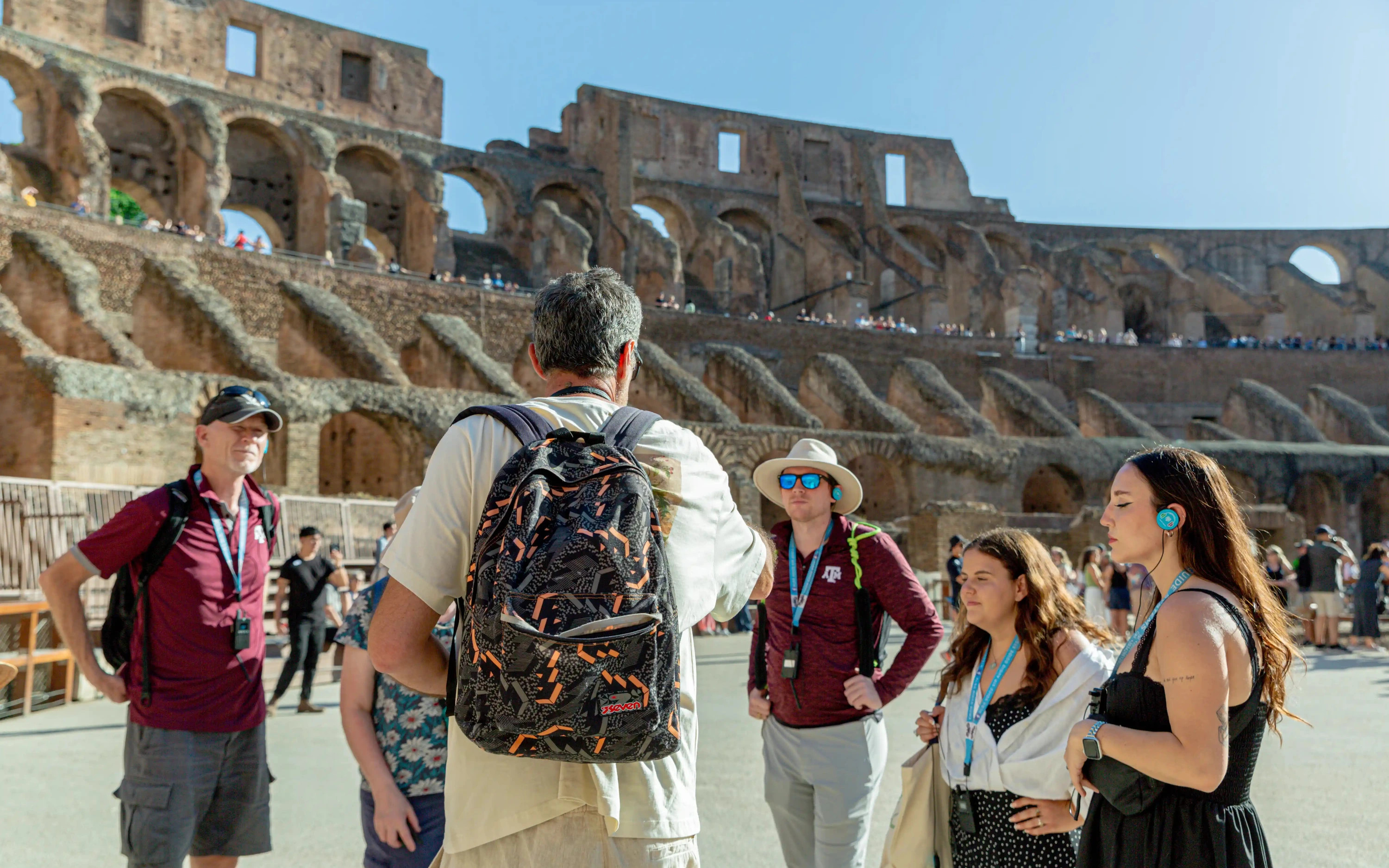
A half day walking tour in the oustanding Museo Nazionale Romano, where Roman artistic treasures are kept, and Michelangelo became architect. You'll stroll in an evergreen wood once belonging to the Thermal Baths of Diocletian what's more, that huge courtyard was restored by Michelangelo!
Let your guide treat you with lost statues from the imperial palace such as Myron's Discobolus and the Old Boxer, richly painted frescoes from the Garden Villa of Empress Livia, colorful mosaics and tombs of any sort and kind! At the end of the tour, keep some space in your heart for science and astronomy, as you will walk in the Basilica of Santa Maria degli Angeli, housing the one and only planetary sundial built by XVII century astronomers for the Pope to calculate the perfect sequence of day and night throughout the seasons.
Enjoy the pleasure of walking in amazing quietness in front of first class art pieces and let Rome show you its best treasures!
Available options
Semi Private Tour
Tour includes: – Entrance tickets to the museum
– 3 hours Professional Guide
What's included
2,30 hours Professional Guide
Entrance ticket to the National Roman Museum Palazzo Massimo
Detailed itinerary
1
Stop 1
Meeting point
the guide meet you in fornt the basilica
2
Stop 2
The Baths of Diocletian, known in ancient times as "Palatium Diocletiani", were public baths in ancient Rome and were the largest thermal complex during the empire.
The bathing complex of the Baths of Diocletian, built between 298 and 306 AD, was The complex, the largest ever built in the Roman world, could accommodate around three thousand people.
It was Emperor Domitian, who reigned between the years 284 and 305 AD. to want a gigantic public bathing facility that would serve the Roman people.
For the Romans, the bath represented a social event of absolute importance and the thermal baths reflected the value of the Emperor. The complex had been structured on the model of the Baths of Trajan and Caracalla.
3
Stop 3
The National Roman Museum is a group of museums in Rome made up of four locations divided into various parts of the city. It was founded in 1889 and opened a year later during the unification of Italy, with the aim of collecting antiques from the 5th century BC. until the 3rd century AD.
The archaeological collections of the Kircherian Museum initiated the collection that formed this museum to which were added the numerous discoveries made in Rome during the planning of the city, once it became the capital of the new Kingdom of Italy. In 1901 the Italian State granted the Ludovisi Collection as well as the important national collection of ancient sculpture to the National Roman Museum. The museum was founded in the cloister built by Michelangelo in the 16th century which was part of the Baths of Diocletian and which is still its main headquarters today.
4
Stop 4
Santa Maria degli Angeli e dei Martiri stands on the remains of the monumental Baths of Diocletian, an imposing construction that flaunted the grandeur of the Roman Empire.
The project to transform the complex into a church is due to Michelangelo, who limited himself to a "conservative" restoration and is the only Renaissance church in Rome.
On the floor you can admire the meridian line drawn by Francesco Bianchini in 1703, which indicates midday and the arrival of the solstice and equinox, as well as functioning as a calendar.
The church has a monumental organ with 5,400 pipes, capable of leaving visitors speechless who are lucky enough to listen to its melodies inside the immense temple.
What's not included
Tips
Available languages
Guide guide
EN
IT
ES
Reviews breakdown
Viator
5.0
1 reviews
5★
1
4★
0
3★
0
2★
0
1★
0
Important information
Not recommended for travelers with poor cardiovascular health
Public transportation options are available nearby
Infants and small children can ride in a pram or stroller
Travelers should have at least a moderate level of physical fitness
Provide the correct phone number with international country code
Visit the Basilica di Santa Maria degli Angeli
Visit the fabulous “Terme di Diocleziano
Walk underground areas and places of worship
One day before please call to confirm the pick up
See the best of Rome in a private group max 12 people
Without this information we can not guarantee the correct service
check that you provide all the details to the agency
Important notes
• Casual and comfortable clothing recommended (jeans, sportswear, sneakers)
• Comfortable walking shoes are recommended
• Please contact the supplier one day before to confirm pickup time
Local supplier Welcome Italy:
Head Office (from 10am to 7pm on Monday to Friday) +39 0687772364 / +39 0687760030
Emergency +39 3890055460 or +39 3208216235
Hotel pickups commence prior to this time
About Rome
Rome, the capital of Italy, is a city of ancient ruins, artistic masterpieces, and vibrant culture. Known as the Eternal City, it is a living museum where every corner tells a story of its rich history spanning over 2,500 years.
Top Attractions
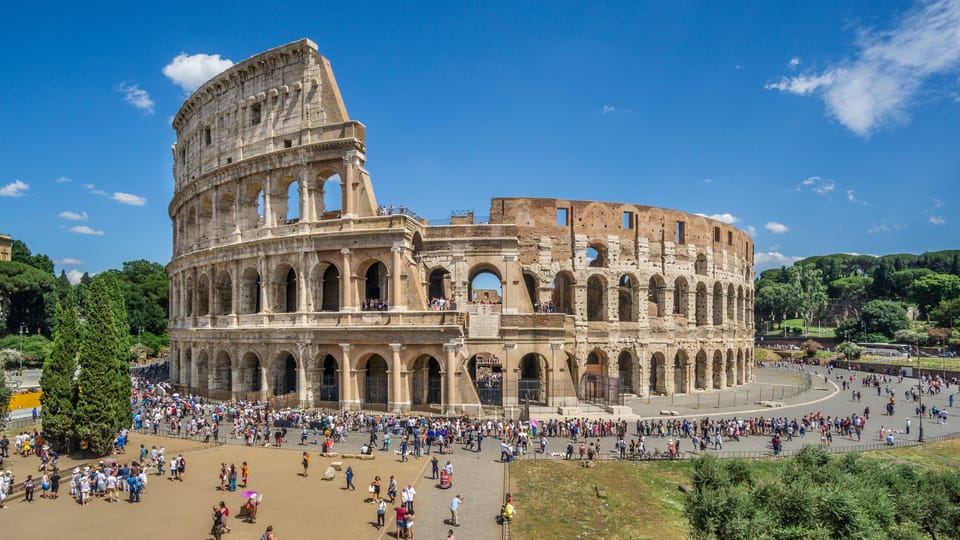
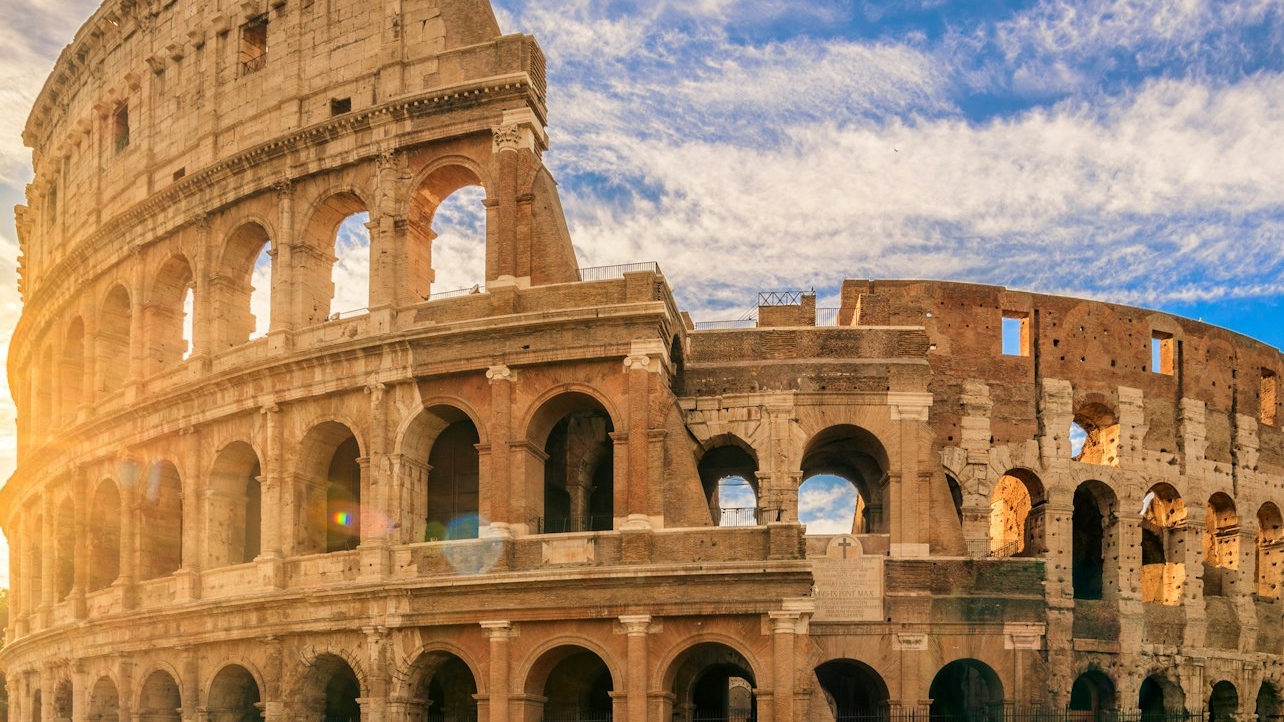
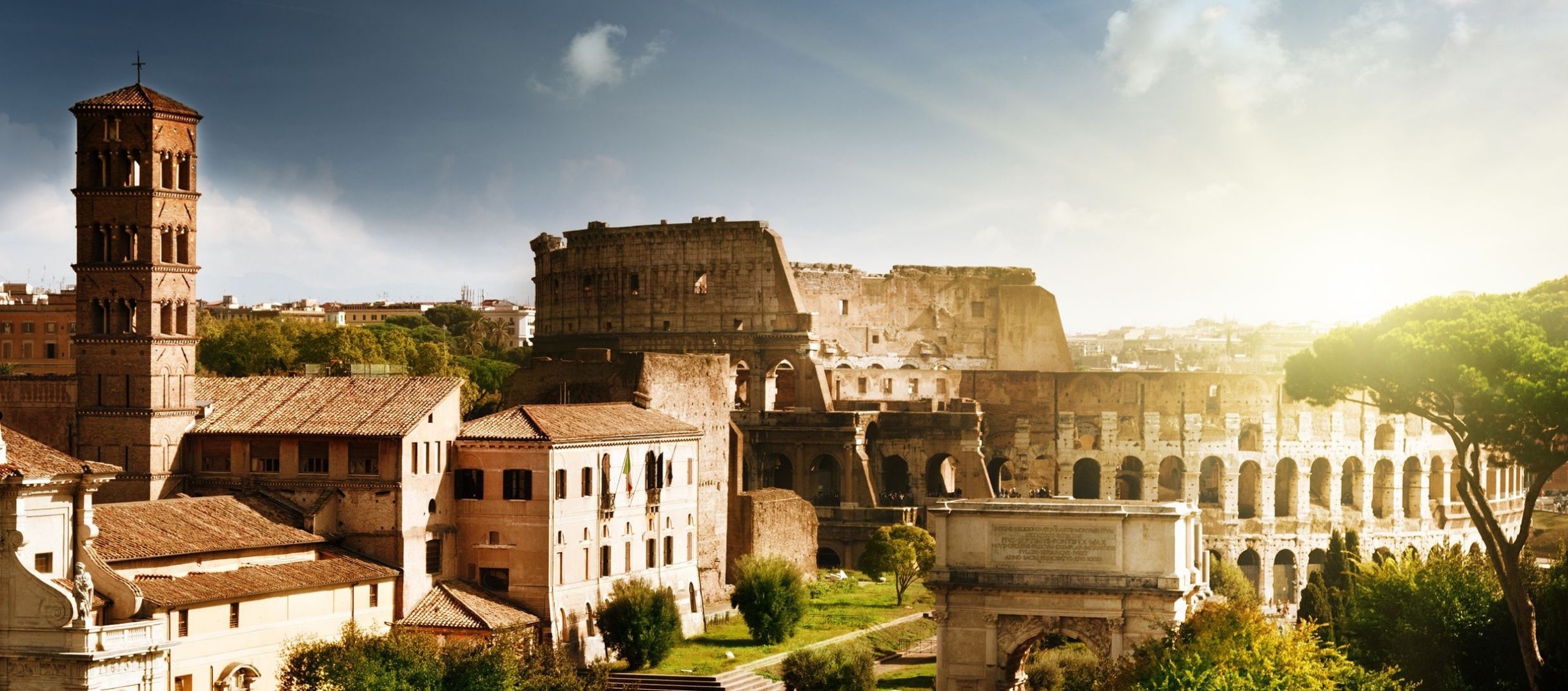
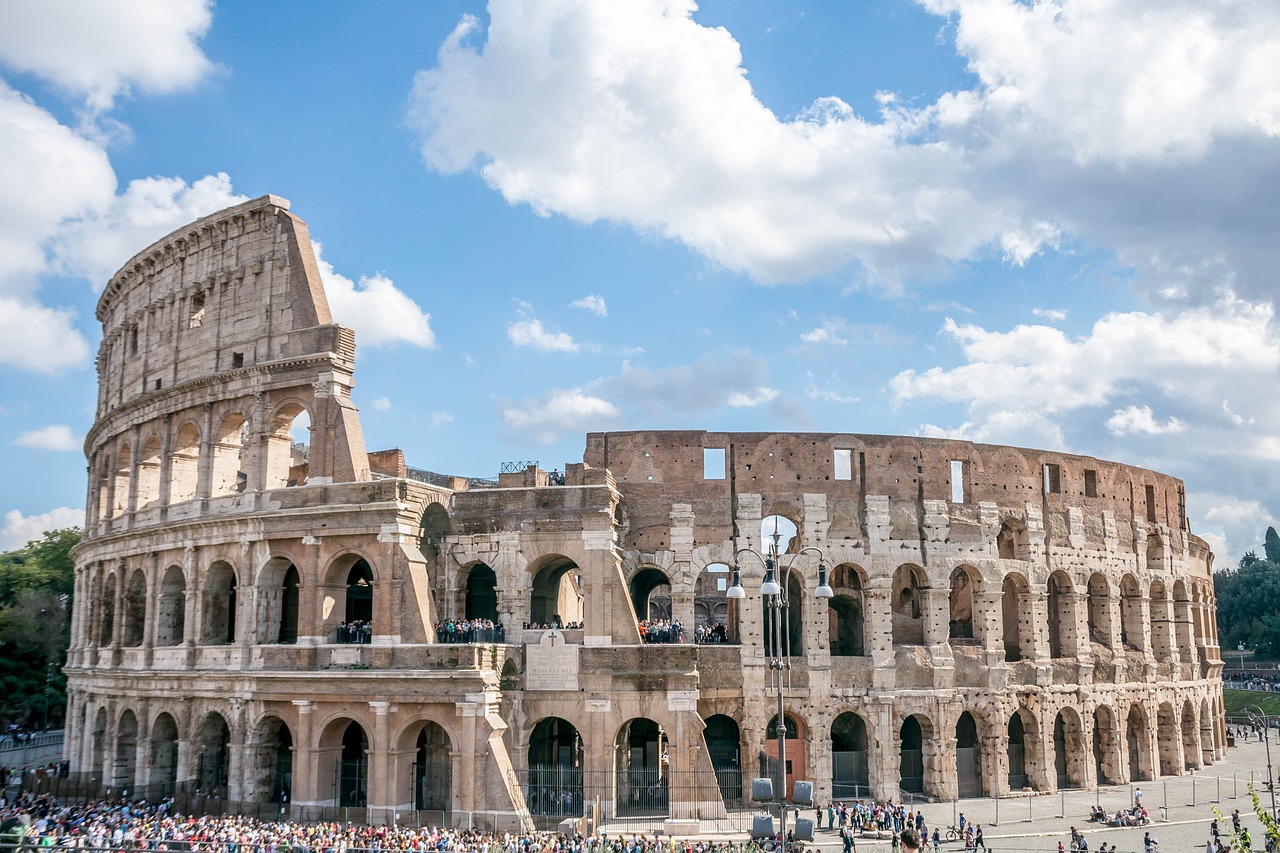
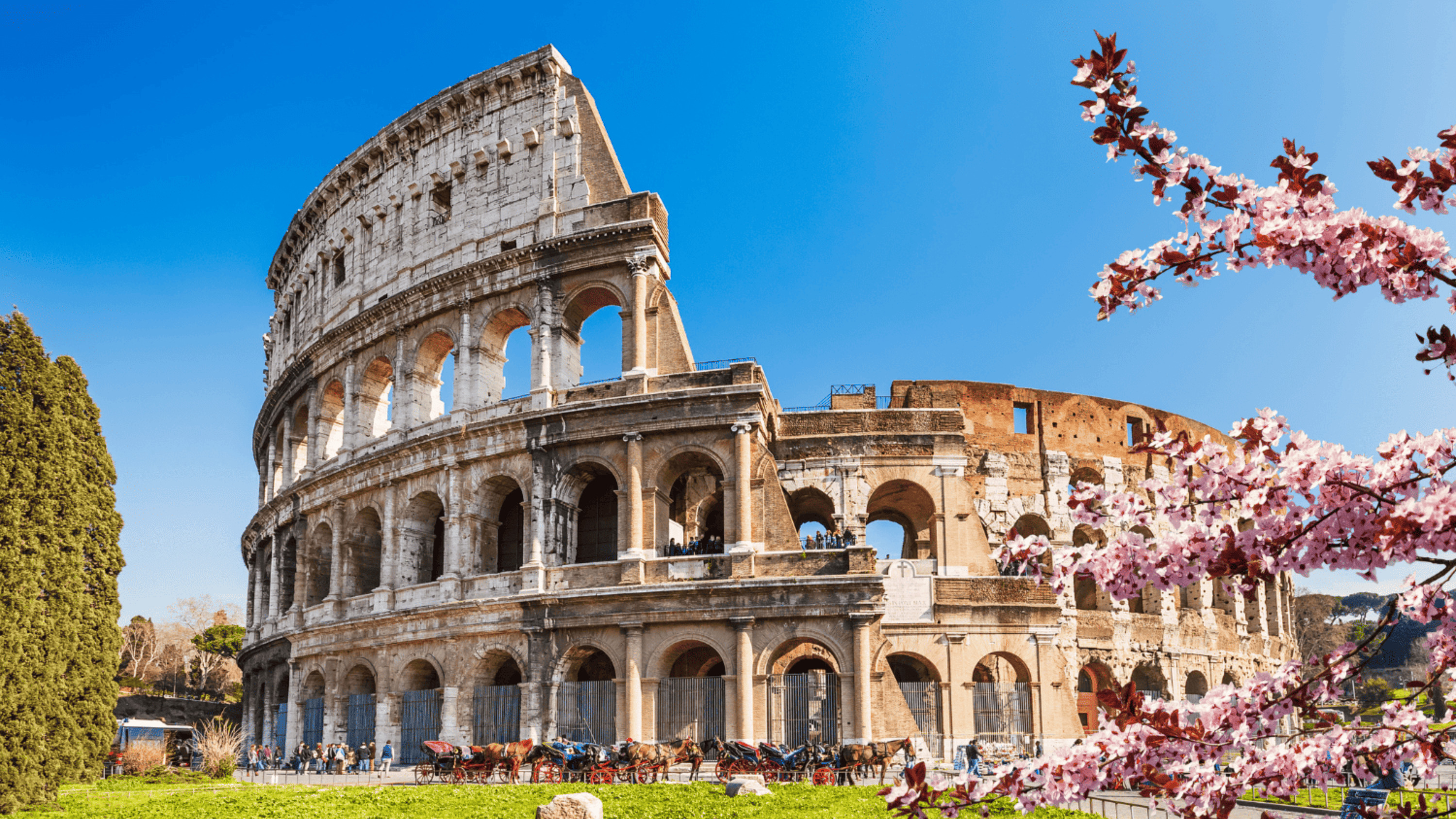
Colosseum
The Colosseum is an iconic symbol of Rome and one of the most famous ancient amphitheaters in the world. It was used for gladiatorial contests and public spectacles.
Historical
1-2 hours
€16 (combined ticket with Roman Forum and Palatine Hill)
Vatican City
Vatican City is an independent city-state enclaved within Rome. It is the spiritual and administrative center of the Roman Catholic Church.
Religious
Half day
€17 (Vatican Museums and Sistine Chapel), Free (St. Peter's Basilica)
Roman Forum
The Roman Forum was the political, commercial, and legal hub of the Roman Republic and Empire. It is a sprawling ruin of temples, basilicas, and arches.
Historical
1-2 hours
€16 (combined ticket with Colosseum and Palatine Hill)
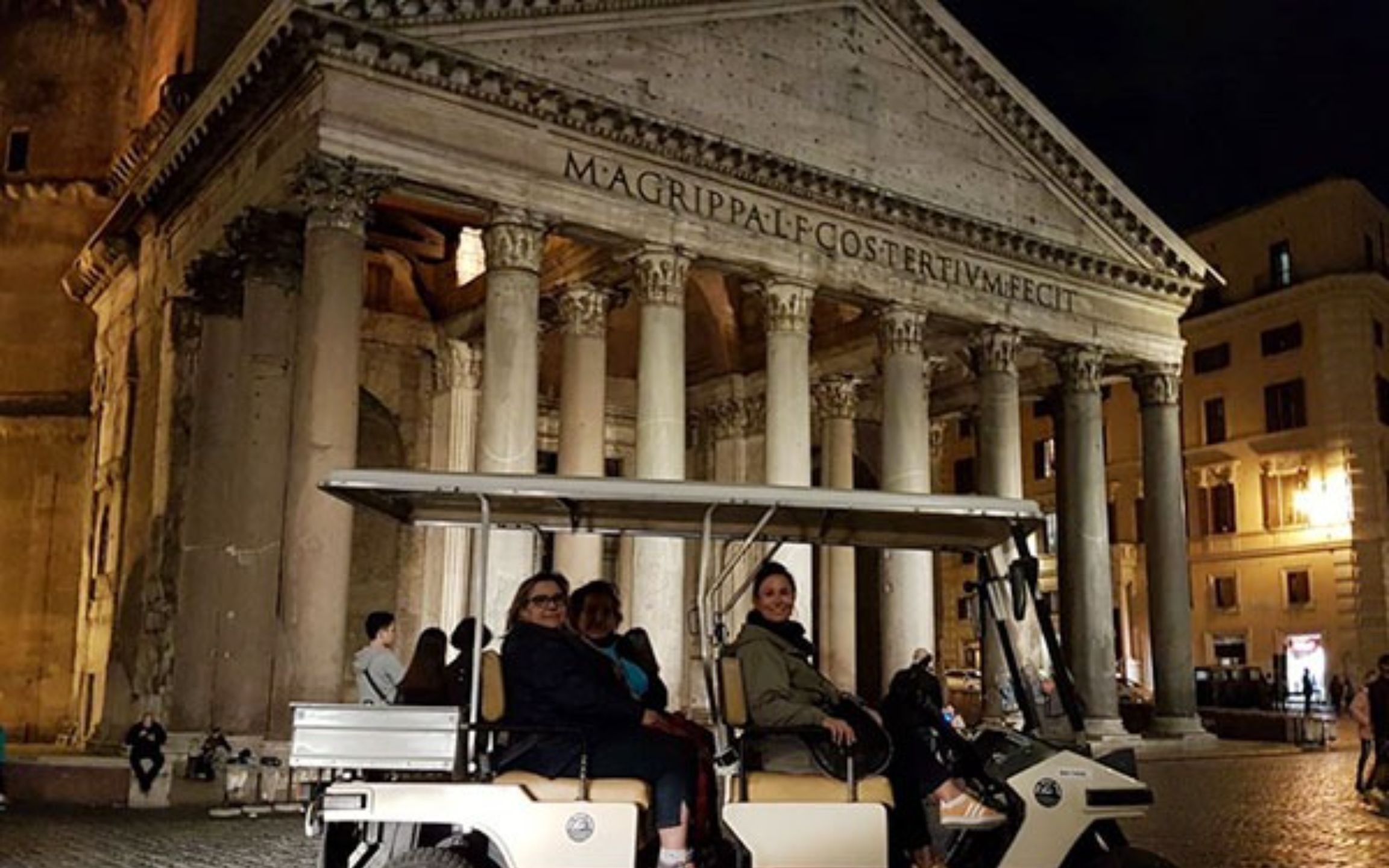
Pantheon
The Pantheon is a former Roman temple, now a church, known for its large dome and oculus. It is one of the best-preserved ancient buildings in Rome.
Historical
30 minutes to 1 hour
Free
Trevi Fountain
The Trevi Fountain is a Baroque masterpiece and the largest fountain in Rome. It is a popular spot for visitors to throw coins and make wishes.
Architecture
15-30 minutes
Free
Must-Try Local Dishes
Cacio e Pepe
A simple yet delicious pasta dish made with Pecorino Romano cheese and black pepper.
Pasta
Vegetarian
Carbonara
A rich pasta dish made with eggs, Pecorino Romano, guanciale (cured pork cheek), and black pepper.
Pasta
Contains pork and eggs
Supplì
Fried rice balls filled with mozzarella and tomato sauce.
Snack
Vegetarian (some variations may contain meat)
Carciofi alla Romana
Artichokes braised with garlic, mint, and olive oil.
Vegetable
Vegetarian
Popular Activities
Hiking in the Appian Way Regional Park
Biking along the Tiber River
Rock climbing in the nearby mountains
Picnicking in Villa Borghese Gardens
Boating on Lake Albano
Enjoying a spa day at a luxury hotel
Visiting the Vatican Museums
Attending an opera at the Teatro dell'Opera di Roma
Best Time to Visit
April to June, September to October
Spring and fall offer pleasant weather and fewer crowds compared to the summer peak. Ideal for sightseeing and outdoor activities.
15-30°C
59-86°F
Practical Information
Language
- Official: Italian
- Widely spoken: English, Spanish, French
- English: Moderately spoken
Currency
Euro (EUR)
Time Zone
GMT+1 (CET), GMT+2 (CEST during daylight saving time)
Electricity
230VV, 50HzHz
Safety Information
Overall Safety Rating: Generally safe
Rome is generally safe for tourists, but pickpocketing and scams can be a problem in crowded areas. Be aware of your surroundings and take precautions to protect your belongings.
Important Precautions:
- • Keep valuables secure and out of sight
- • Use official taxis or ride-sharing services
- • Be cautious of strangers approaching you with petitions or bracelets
Getting there
By air
- Leonardo da Vinci International Airport • 35 km from city center
- Ciampino Airport • 15 km from city center
By train
Roma Termini, Roma Tiburtina
By bus
Tiburtina Bus Station, Roma Termini
Getting around
Public transport
The metro system is efficient and covers major tourist areas. It operates from 5:30 AM to 11:30 PM.
Taxis
Available • Apps: Uber, FreeNow
Rentals
Car, Bike, Scooter
Neighborhoods
Trastevere
Monti
Prancipio
Testaccio
Day trips
Ostia Antica
30 km from Rome • Half day
An ancient Roman port city with well-preserved ruins, including a theater, baths, and mosaics. It offers a glimpse into daily life in ancient Rome.
Tivoli
30 km from Rome • Full day
A picturesque town known for its stunning villas and gardens, including the famous Villa d'Este with its elaborate fountains and gardens.
Orvieto
120 km from Rome • Full day
A charming hilltop town known for its stunning cathedral, underground caves, and local wine. It offers a mix of history, culture, and scenic views.
Festivals
Natale di Roma • April 21
Festa de' Noantri • July
Rome Film Festival • October
Pro tips
- Visit major attractions early in the morning or late in the afternoon to avoid crowds
- Use public transport or walk instead of taking taxis to save money and experience the city like a local
- Try local specialties and ask for recommendations from locals and restaurant staff
- Dress modestly when visiting religious sites and be respectful of local customs and traditions
- Be aware of pickpockets and scams, especially in crowded areas and tourist hotspots
From $25
per person
Price varies by option
Secure booking
Free cancellation available
Instant confirmation