Secret Rome: Discover the Hidden Underground, Small Group Tour
Active
3h
For a full refund, cancel at least 24 hours before the scheduled departure time.
Instant confirmation
Mobile or paper ticket accepted
About this experience
Half-day walking tour in the center of Rome, you will walk underground, enter a 2000-year-old market and cross an island near the oldest bridge in Rome.
Is every church in Rome built on the ruins of Pagan Temples? This is what you will discover when you arrive at San Nicola in Carcere, built on some very ancient places of worship!
A short distance from the Portico d'Ottavia and the ruins of the Teatro Marcello, you will cross the oldest bridge in Rome, 2000 years old. Visit the Tiber Island and the underground of Santa Cecilie, with ancient mosaics, mysterious inscriptions and a richly decorated crypt. Finally, you will visit the church of San Crisogono built on a huge underground house, where archaeologists have found a large frescoed wall.
Important:
This tour is intended as a walk which enters underground areas and places of worship, it is advisable to wear comfortable shoes and to respect the churches dress code: trousers should touch the knee and shoulders should be covered.
Available options
Small Group Tour
Secrets Rome: this tour you will walk underground, through ruins and columns, you will enter a 2000 years old market and cross an island by the oldest bridge of Rome: it will be great fun for the whole family
What's included
Tickets entrance at the museums
3 hours Professional Guide
Detailed itinerary
1
Stop 1
Meeting point tour
2
Stop 2
The Theater of Marcellus, largely preserved, is the only ancient theater remaining in Rome. Built in the southern area of the Campus Martius known as the Circus Flaminius, between the Tiber river and the Capitoline Hill, it was commissioned by Caesar and continued by Augustus.
The building was erected in Campo Marzio, in the place that tradition had consecrated to stage performances, where the "Theatrum et proscenium ad Apollinis", connected to the temple of Apollo, was already located.
3
Stop 3
The medieval church of San Nicola in Carcere stands in the area of the ancient Forum Olitorio, in the place where, in the period of Republican Rome, three temples stood, transformed into a prison during the Middle Ages (hence the name "in prison").
Built in 1128 (as the inscription on the façade recalls), it was dedicated to Saint Nicholas, since the Greek community lived in the area, particularly devoted to the saint. The small square of the Foro Olitorio, with the three temples of Janus, Speranza and Juno Sospita in the centre, was used as a market for herbs and vegetables. The church was built before the 11th century by Pope Pasquale II and was almost entirely rebuilt and enriched in 1599 by the architect Giacomo della Porta.
4
Stop 4
The Tiber Island, the only urban island on the Tiber, approximately 300 meters long and approximately 90 meters wide, is connected to the banks of the Tiber by two bridges: towards Trastevere by the Cestio bridge, dating back to 46 BC. C. and in the direction of the Ghetto with the Fabricio bridge, built in 62 BC. C., also called Quattro Capi bridge, for the Roman herms that decorate its parapets.
According to legend, the island was born in 509 BC. when, having ousted Lucius Tarquinius Superbus, the last king of Rome, the people, as a sign of hatred towards the tyrant, threw the king's enormous grain deposit into the Tiber, which turned out to be so abundant that it formed a small island.
In reality, a compact bank of tuff, similar to that of the nearby Capitoline Hill, constitutes the basic geological element, on which the sands carried by the current have naturally settled.
5
Located along Viale Trastevere, in the district of the same name, San Crisogono stands in Piazza Sonnino and is one of the oldest basilicas in Rome. The church was built in the 4th century, under Pope Sylvester I, it was rebuilt in the 12th century and then again in 1626, designed by Giovanni Battista Soria, at the behest of Cardinal Scipione Borghese.
Currently the basilica has a monumental baroque tympanum façade, preceded by a large portico with four columns. The attic above houses eight sculptures, four vases decorated with dragons alternating with four eagles, symbol of the Borghese family. The 12th century Romanesque bell tower is crowned by a spire.
The interior of the church, decorated by Pietro Cavallini, is divided into three naves by two orders of granite columns; the apse mosaic can be attributed to the school of the same artist, while the floor was created in Cosmatesque style.
6
Stop 6
The Portico d'Ottavia complex is the only one preserved of the large porticoes that limited, on the northern side, the square of the Circo Flaminio, an area that corresponds to the ancient Ghetto. It was rebuilt by Augustus, in place of the older Portico of Metello, between 27 and 23 BC. and dedicated to her sister Ottavia.
It was subsequently restored and partially rebuilt in 203 by Septimius Severus, after a fire in 191, a period to which the majority of the currently visible remains belong.
The complex, a quadriportico of 119 x 132 metres, included the most ancient Temple of Juno Regina, which was then joined by the Temple of Jupiter Stator, the first in Rome entirely made of marble, two libraries, Greek and Latin, and the Curia Octaviae , a large environment for public meetings.
7
Stop 7
The Basilica of S. Cecilia in Trastevere is located in the square of the same name and stands on the house of the Roman martyr Cecilia and her husband Valeriano.
The excavations under the church, carried out during the restoration of 1899, highlighted a group of ancient buildings from the Republican age with walls in opus quadratum of tuff and a Doric column.
At the bottom of a niche there is a tuff relief representing "Minerva" in front of an altar. The building shows restorations and renovations from a later period, from the 2nd to the 4th century AD, when it was unified with other existing buildings dating back to the Republican age.
In addition to various rooms built in brickwork and with remains of floor mosaics, there is also a large room characterized by the presence of seven cylindrical brick basins in the floor.
What's not included
Pickup and Drop-off hotel
Tips
Available languages
Guide guide
PT
EN
IT
FR
ES
Reviews breakdown
Tripadvisor
4.0
1 reviews
5★
0
4★
1
3★
0
2★
0
1★
0
Important information
Not recommended for travelers with poor cardiovascular health
Travelers should have at least a moderate level of physical fitness
This tour is intended as a walk which enters underground areas and places of worship: Should anyone feel uncomfortable in underground spaces, the guide can deal with it; those people will comfortably sit in the top church, while the rest of the group will visit the underground. It is advisable to wear confortable shoes such as sport trainers and to respect the churches dress code: trousers should touch the knee and shoulders should be covered; tourists may consider bringing a scarf to wear at necessity.
Provide the Correct address of your accommodation , hotel, B&B
Provide the correct phone number with international country code
check that you provide all the details to the agency
Without this information we can not guarantee the correct service
Emergency number also operational via whatsapp- One day before 24 H. Call to confirm the pick up
Hotel pickup and drop-off (central Rome only)
Coronavirus information: Below a brief list of the measures will be taken to ensure the safety of customers during the tours and on board our vehicles: - gloves and surgery masks; - disinfectant gel - Sanitization of vehicles at the end of each tour - staff, assistants, guides, drivers wearing masks and gloves - preventive information to the customer once on board the vehicles - the capacity of minivans and groups will be regulated according to the law and regulations of the virus corona in customer protection
Meeting point
Meeting point
Important notes
• Casual and comfortable clothing recommended (jeans, sportswear, sneakers)
• Comfortable walking shoes are recommended
• Please contact the supplier one day before to confirm pickup timeLocal supplier Welcome Italy:
Head Office (from 10am to 7pm on Monday to Friday) +39 0687772364 / +39 0687760030
Emergency +39 3890055460 or +39 3208216235
Hotel pickups commence prior to this time
About Rome
Rome, the capital of Italy, is a city of ancient ruins, artistic masterpieces, and vibrant culture. Known as the Eternal City, it is a living museum where every corner tells a story of its rich history spanning over 2,500 years.
Top Attractions
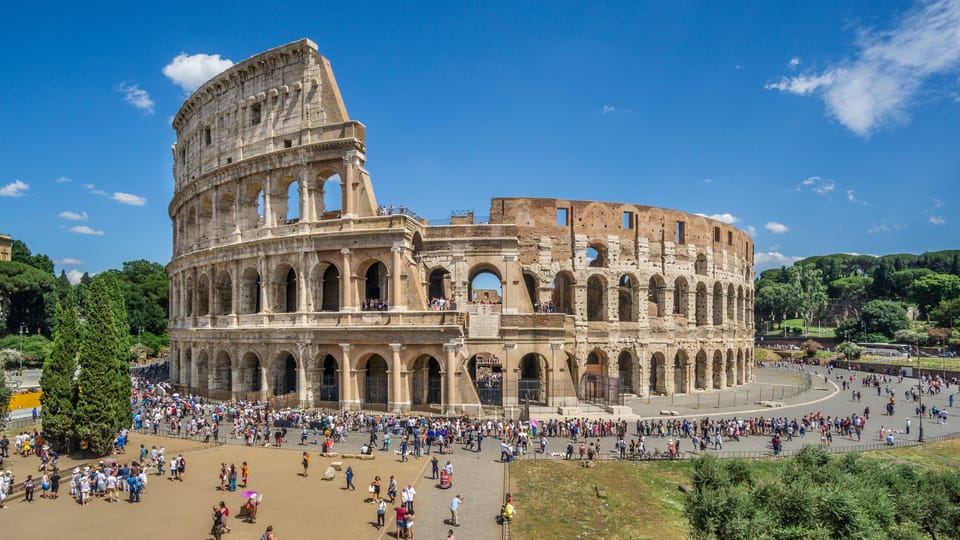
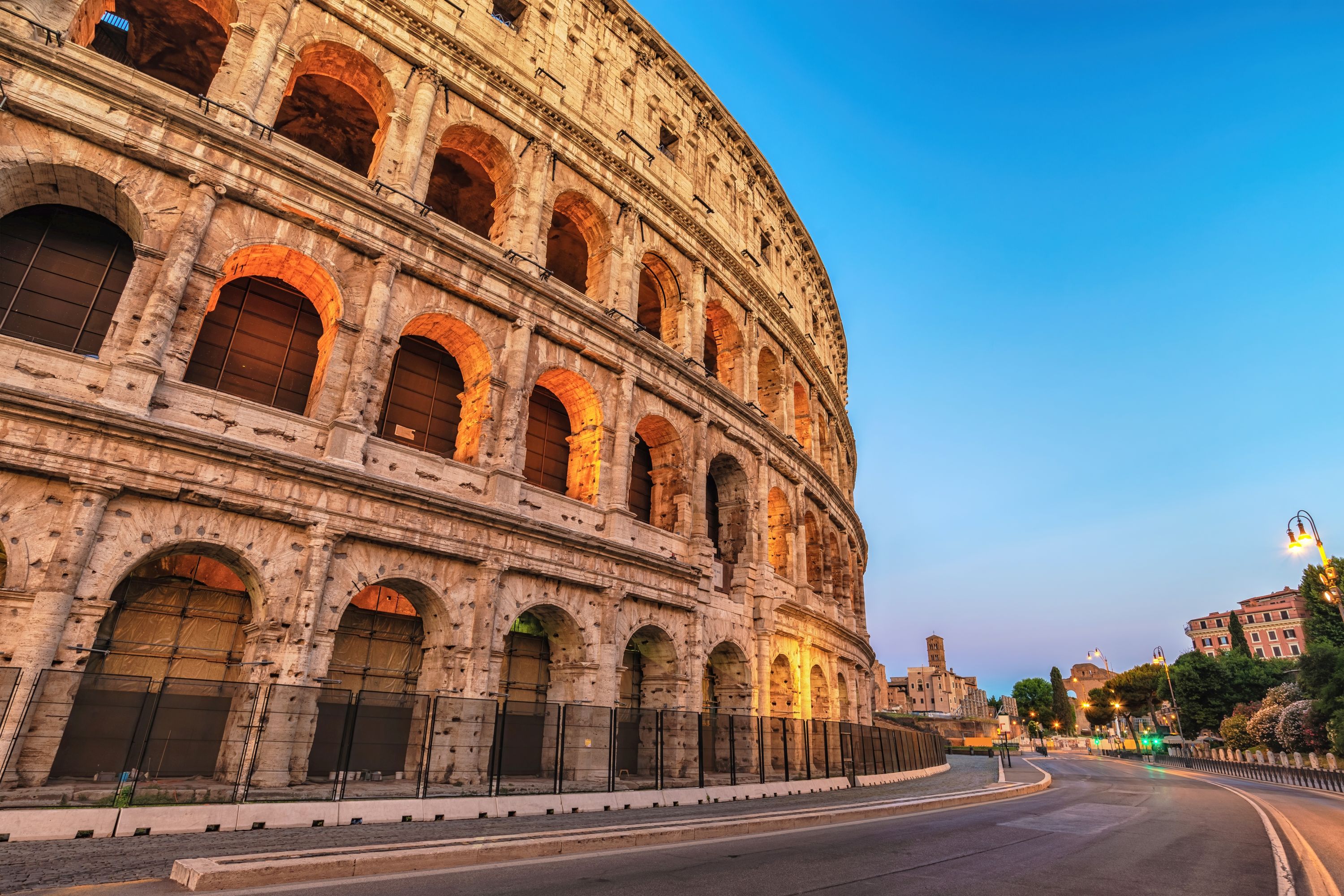
Colosseum
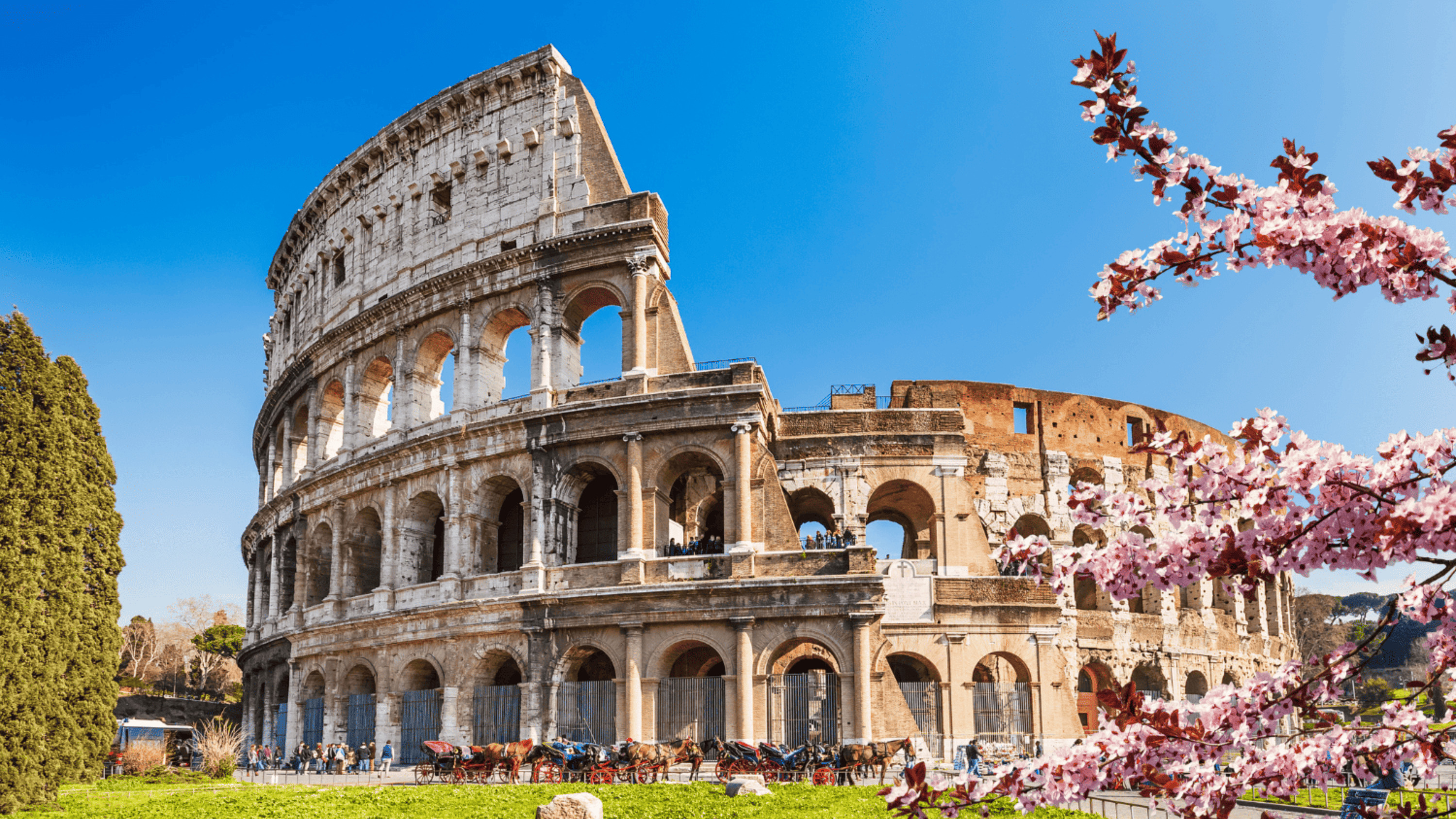
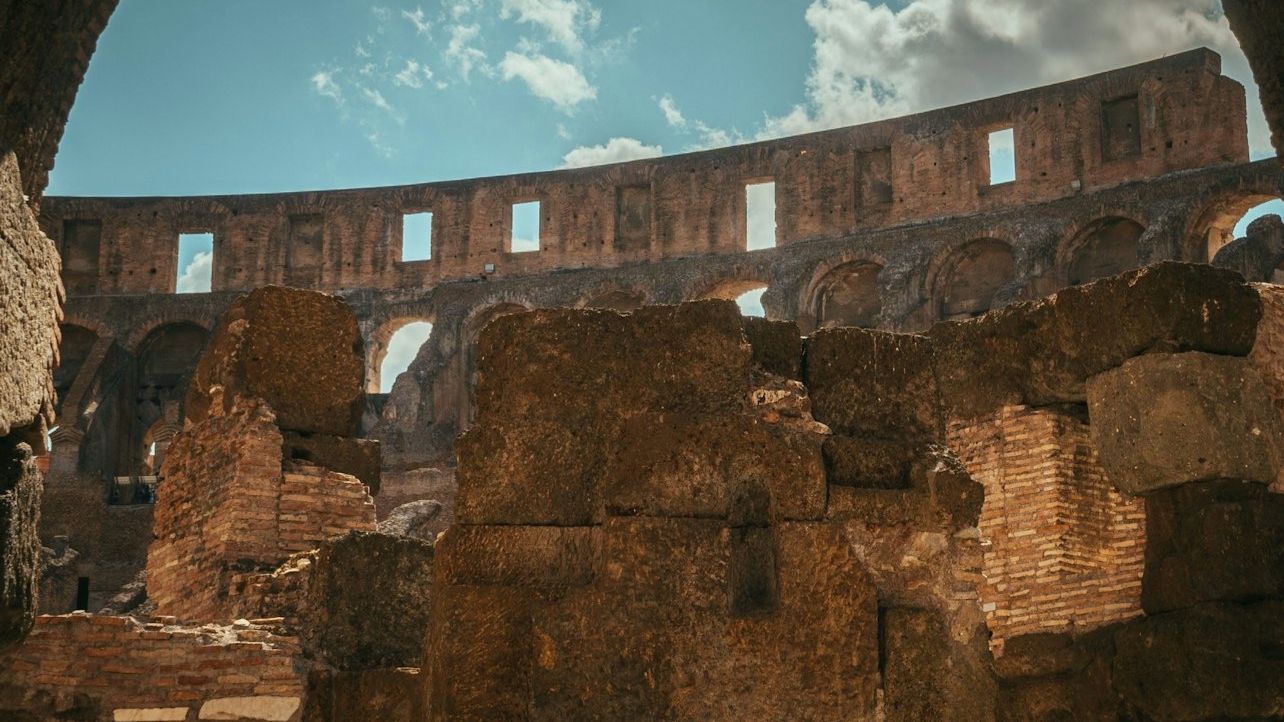
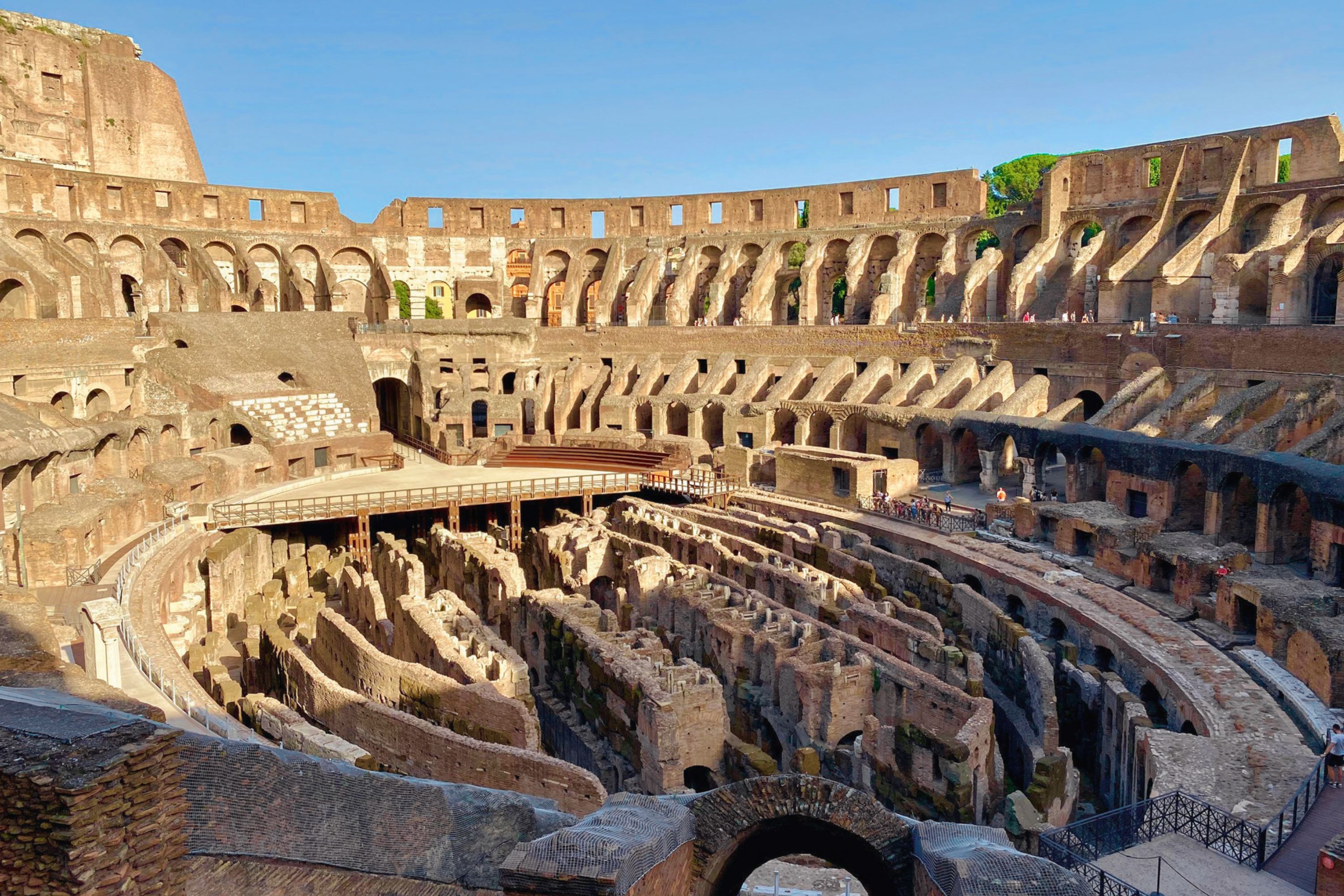
The Colosseum is an iconic symbol of Rome and one of the most famous ancient amphitheaters in the world. It was used for gladiatorial contests and public spectacles.
Historical
1-2 hours
€16 (combined ticket with Roman Forum and Palatine Hill)
Vatican City
Vatican City is an independent city-state enclaved within Rome. It is the spiritual and administrative center of the Roman Catholic Church.
Religious
Half day
€17 (Vatican Museums and Sistine Chapel), Free (St. Peter's Basilica)
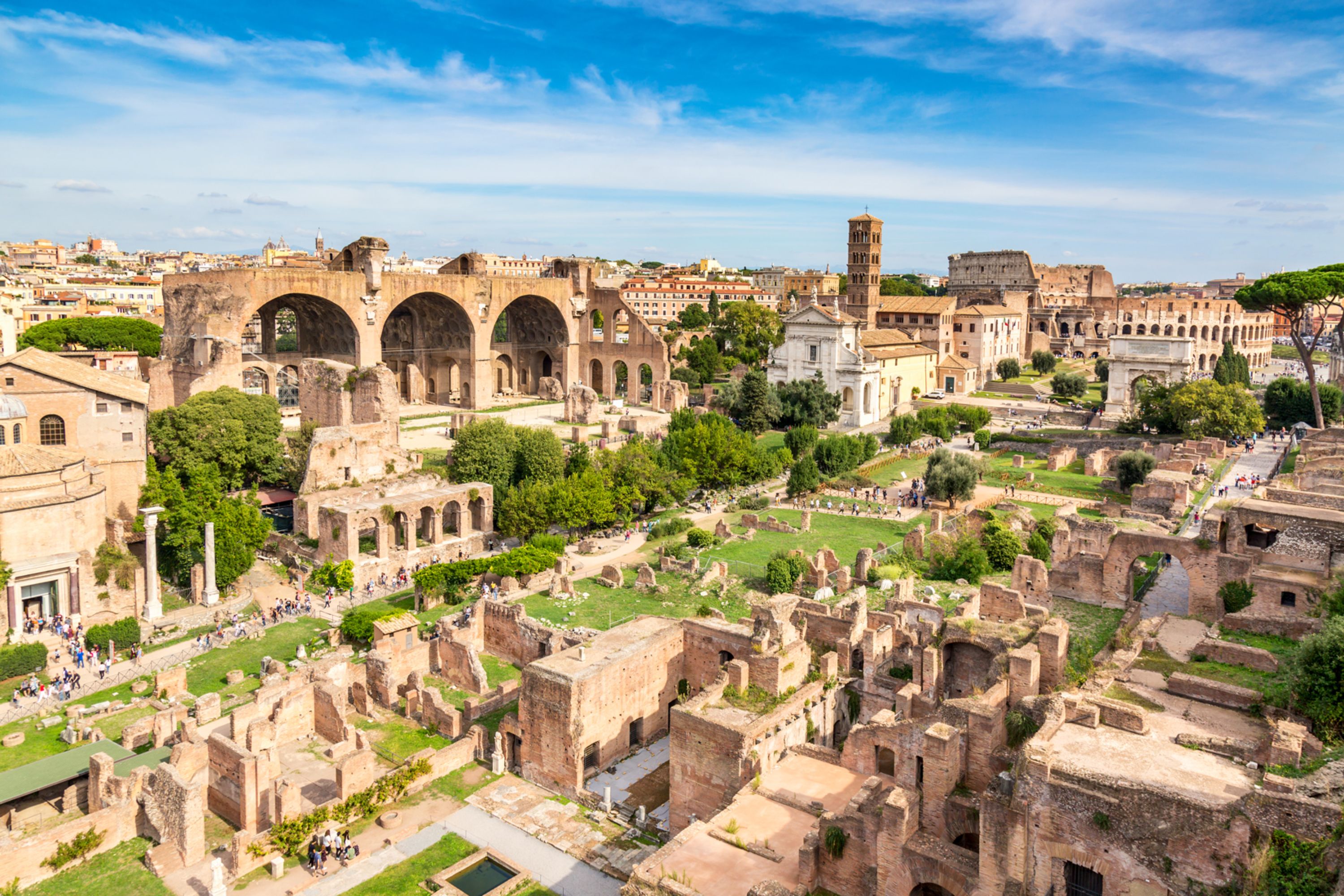
Roman Forum
The Roman Forum was the political, commercial, and legal hub of the Roman Republic and Empire. It is a sprawling ruin of temples, basilicas, and arches.
Historical
1-2 hours
€16 (combined ticket with Colosseum and Palatine Hill)
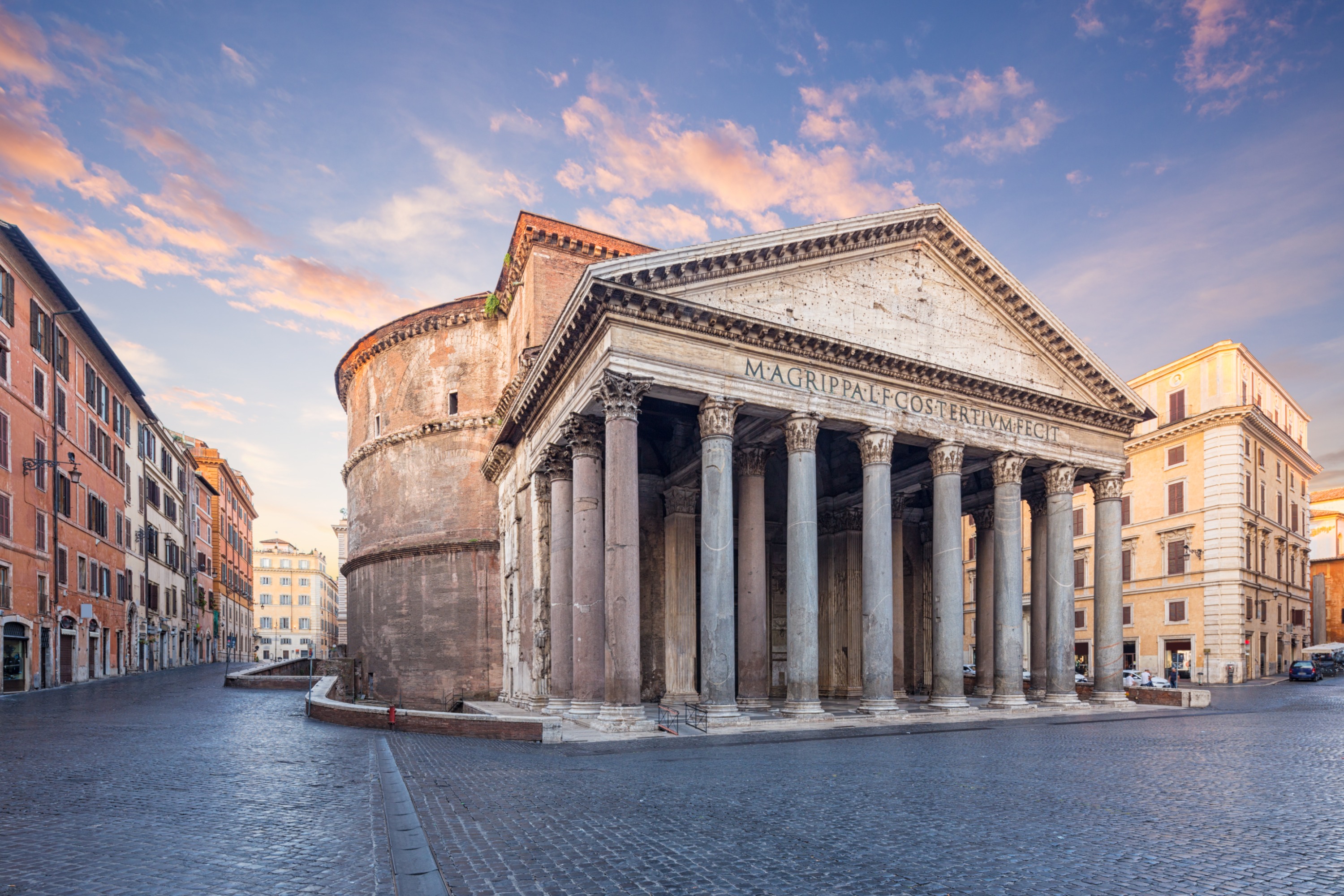
Pantheon
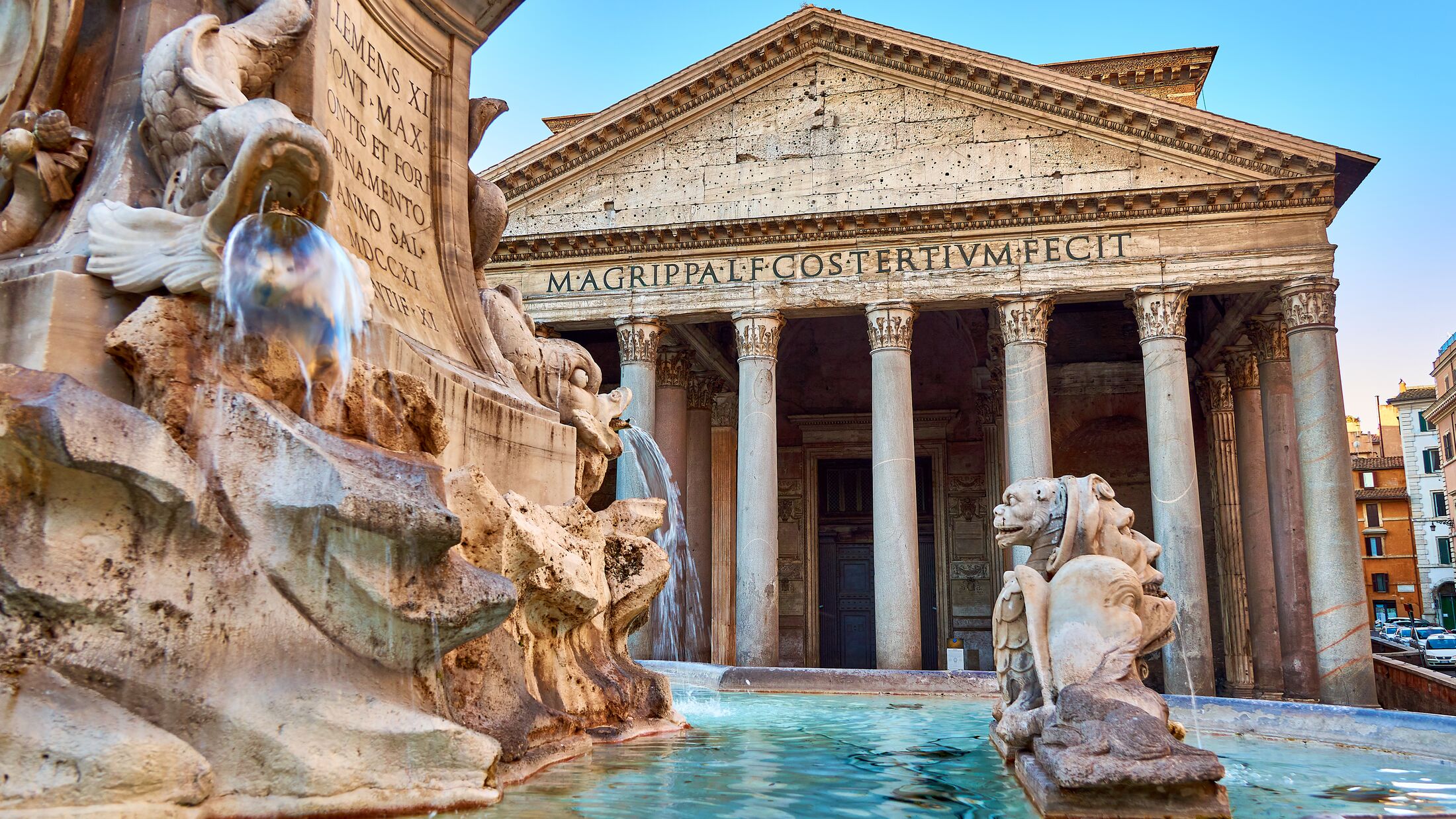
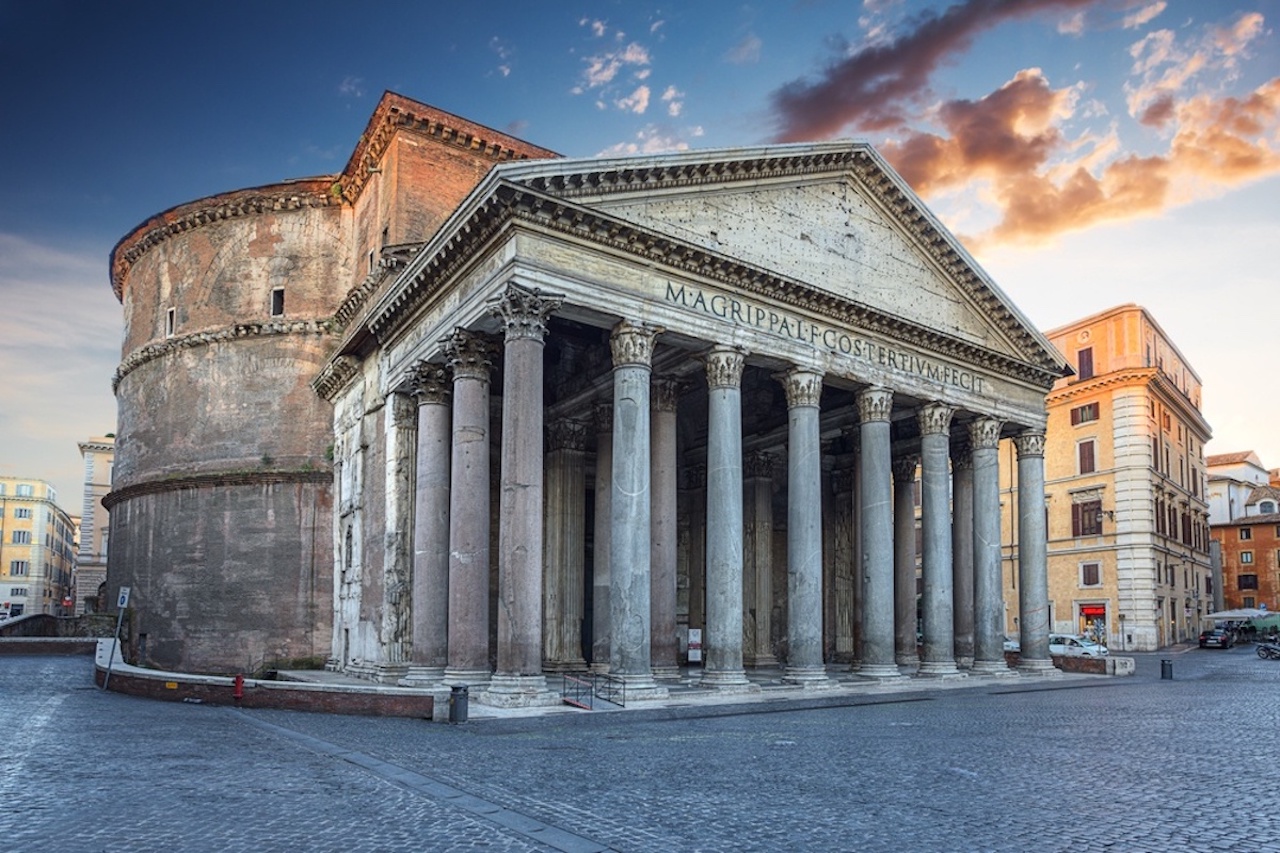
The Pantheon is a former Roman temple, now a church, known for its large dome and oculus. It is one of the best-preserved ancient buildings in Rome.
Historical
30 minutes to 1 hour
Free
Trevi Fountain
The Trevi Fountain is a Baroque masterpiece and the largest fountain in Rome. It is a popular spot for visitors to throw coins and make wishes.
Architecture
15-30 minutes
Free
Must-Try Local Dishes
Cacio e Pepe
A simple yet delicious pasta dish made with Pecorino Romano cheese and black pepper.
Pasta
Vegetarian
Carbonara
A rich pasta dish made with eggs, Pecorino Romano, guanciale (cured pork cheek), and black pepper.
Pasta
Contains pork and eggs
Supplì
Fried rice balls filled with mozzarella and tomato sauce.
Snack
Vegetarian (some variations may contain meat)
Carciofi alla Romana
Artichokes braised with garlic, mint, and olive oil.
Vegetable
Vegetarian
Popular Activities
Hiking in the Appian Way Regional Park
Biking along the Tiber River
Rock climbing in the nearby mountains
Picnicking in Villa Borghese Gardens
Boating on Lake Albano
Enjoying a spa day at a luxury hotel
Visiting the Vatican Museums
Attending an opera at the Teatro dell'Opera di Roma
Best Time to Visit
April to June, September to October
Spring and fall offer pleasant weather and fewer crowds compared to the summer peak. Ideal for sightseeing and outdoor activities.
15-30°C
59-86°F
Practical Information
Language
- Official: Italian
- Widely spoken: English, Spanish, French
- English: Moderately spoken
Currency
Euro (EUR)
Time Zone
GMT+1 (CET), GMT+2 (CEST during daylight saving time)
Electricity
230VV, 50HzHz
Safety Information
Overall Safety Rating: Generally safe
Rome is generally safe for tourists, but pickpocketing and scams can be a problem in crowded areas. Be aware of your surroundings and take precautions to protect your belongings.
Important Precautions:
- • Keep valuables secure and out of sight
- • Use official taxis or ride-sharing services
- • Be cautious of strangers approaching you with petitions or bracelets
Getting there
By air
- Leonardo da Vinci International Airport • 35 km from city center
- Ciampino Airport • 15 km from city center
By train
Roma Termini, Roma Tiburtina
By bus
Tiburtina Bus Station, Roma Termini
Getting around
Public transport
The metro system is efficient and covers major tourist areas. It operates from 5:30 AM to 11:30 PM.
Taxis
Available • Apps: Uber, FreeNow
Rentals
Car, Bike, Scooter
Neighborhoods
Trastevere
Monti
Prancipio
Testaccio
Day trips
Ostia Antica
30 km from Rome • Half day
An ancient Roman port city with well-preserved ruins, including a theater, baths, and mosaics. It offers a glimpse into daily life in ancient Rome.
Tivoli
30 km from Rome • Full day
A picturesque town known for its stunning villas and gardens, including the famous Villa d'Este with its elaborate fountains and gardens.
Orvieto
120 km from Rome • Full day
A charming hilltop town known for its stunning cathedral, underground caves, and local wine. It offers a mix of history, culture, and scenic views.
Festivals
Natale di Roma • April 21
Festa de' Noantri • July
Rome Film Festival • October
Pro tips
- Visit major attractions early in the morning or late in the afternoon to avoid crowds
- Use public transport or walk instead of taking taxis to save money and experience the city like a local
- Try local specialties and ask for recommendations from locals and restaurant staff
- Dress modestly when visiting religious sites and be respectful of local customs and traditions
- Be aware of pickpockets and scams, especially in crowded areas and tourist hotspots
From $25
per person
Price varies by option
Secure booking
Free cancellation available
Instant confirmation