Rome Day Tour Spanish Steps Trevi Fountain and Vatican Museums
Active
6h - 7h
For a full refund, cancel at least 24 hours before the scheduled departure time.
Instant confirmation
Mobile or paper ticket accepted
About this experience
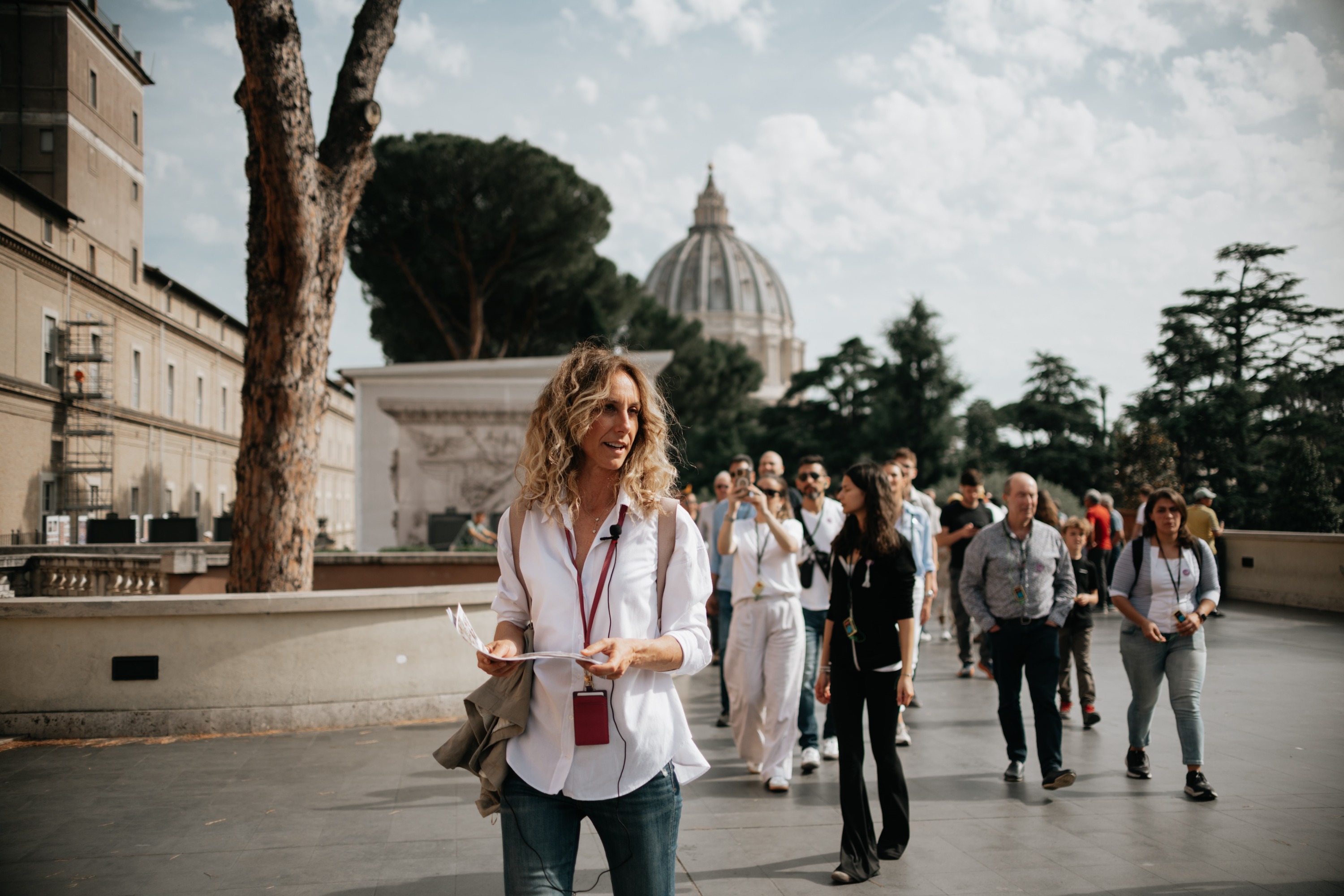
Discover Rome’s iconic monuments and the genius of the artists who shaped its fountains and squares. Your journey begins at Piazza Trinità dei Monti, where you will meet your guide. After descending the elegant Spanish Steps, we continue to the Trevi Fountain, a Baroque masterpiece where tossing a coin ensures your return to the Eternal City. Next, explore the Pantheon, an ancient marvel of engineering and spirituality.
Wander through charming narrow streets to Piazza Navona to admire the rival masterpieces of Bernini and Borromini. Following the morning session, a transfer will take you to the Vatican Museums. Our assistant will greet you and offer local recommendations for lunch (not included).
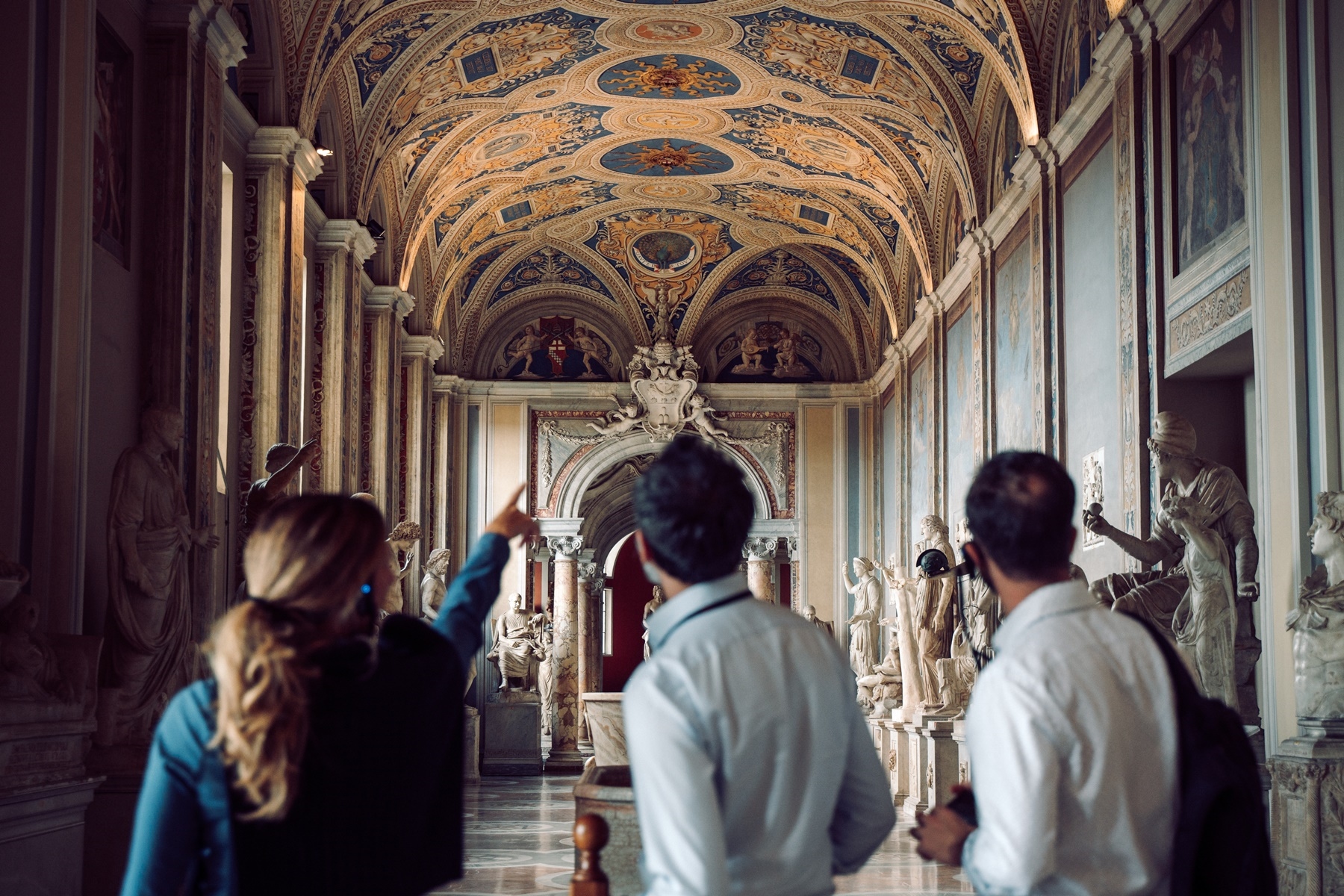
In the afternoon, delve into the world’s largest private art collection. Walk the grand galleries of the Vatican until you reach the Sistine Chapel, where you will stand in awe of Michelangelo’s legendary frescoes: The Creation of Adam and The Last Judgment.
Available options
(F1+F3) Small Group Tour
(F1+F3P) Private Tour Option
What's included
Headsets (from 8 people)
2.30 hours morning tour with a professional guide
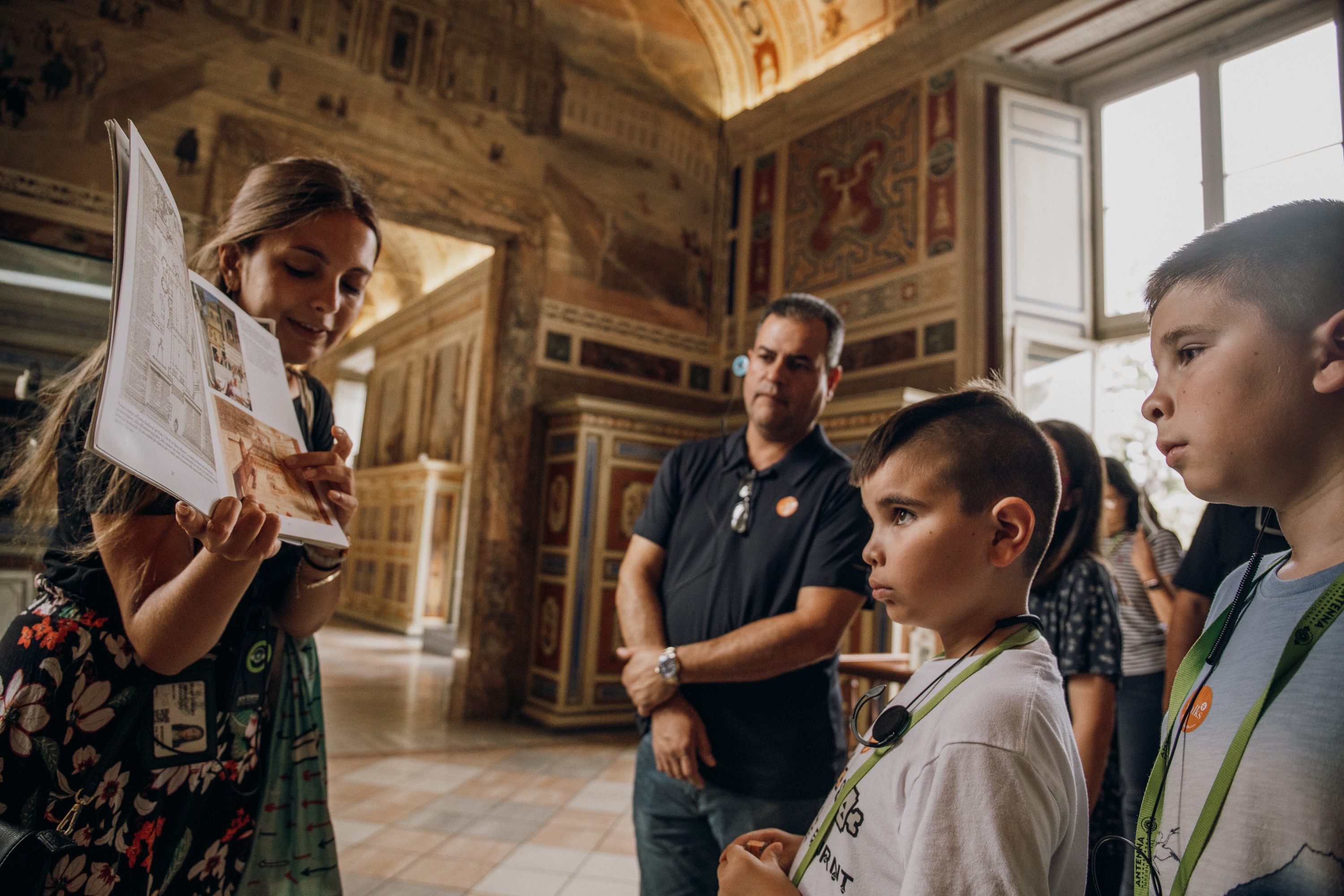
3 hours Professional Guide Vatican Museum
Skip-the-line access at the Vatican Museums, Sistine Chapel
Transportation at the end of the morning tour to the meeting point of the Vatican Museums
Detailed itinerary
1
Stop 1
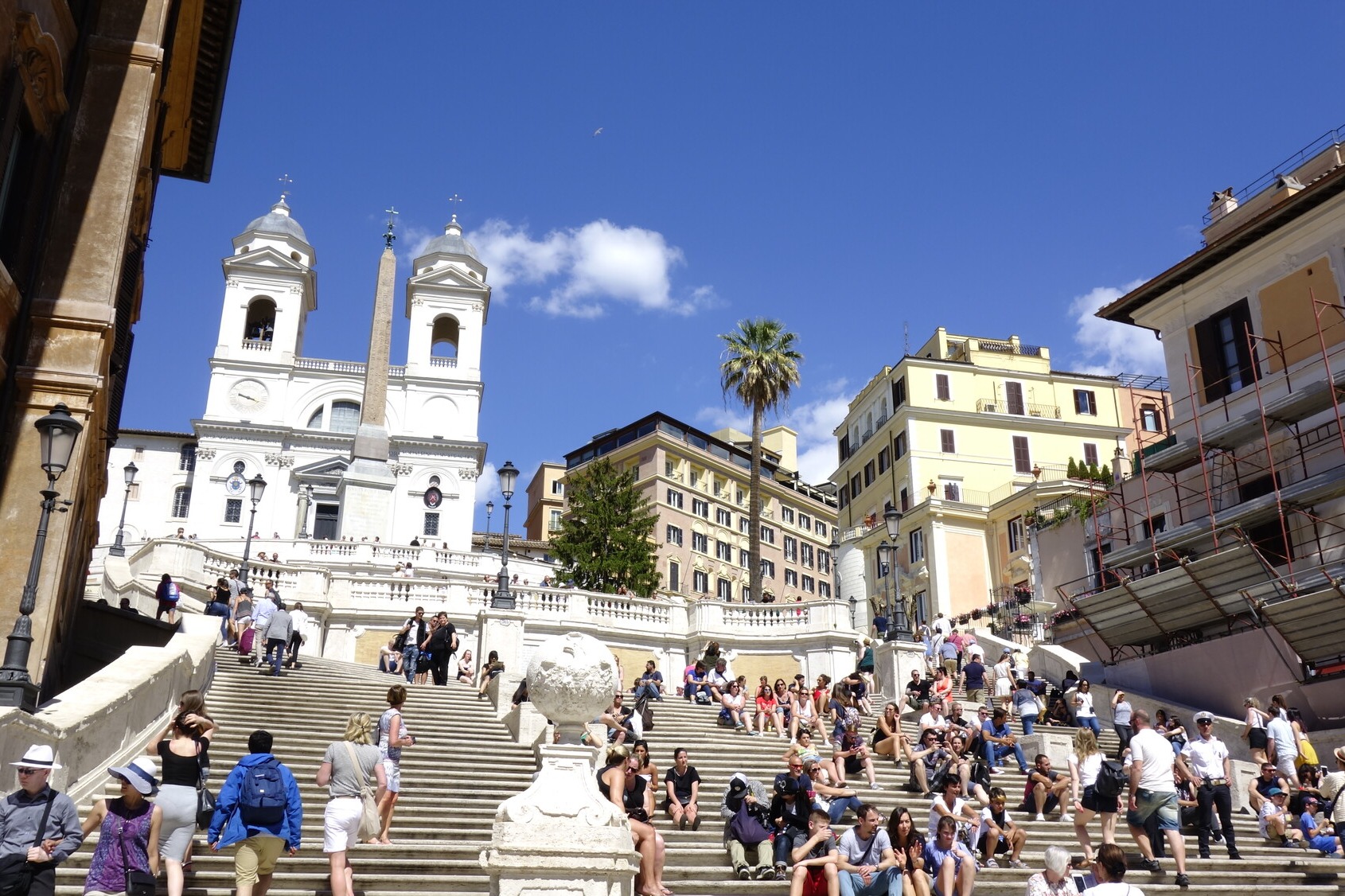
An extraordinary masterpiece of the eighteenth century, the steps of Trinità dei Monti are the connection between the Pincio hill and the Piazza di Spagna below, at that time separated by a bare, steep and muddy hill. It was built between 1723 and 1726 by the architect Francesco De Sanctis, commissioned by Cardinal Pierre Guérin de Tencin. It was inaugurated on the occasion of the Jubilee of 1725 by Pope Benedict XIII.
Built in travertine, the staircase is made up of 11 flights, each made up of 12 steps that divide, meander, reunite, continuously changing direction. A series of balustrades accompanies the ramps which interrupt the steep difference in height and function as a resting point and landscape enjoyment. The grandiose structure, which established a connection between an area of the city with a strong French presence with the Spanish colony below, constitutes an architectural space that serves both for transit and, above all, as a meeting place and pleasant rest.
2
Stop 2
Piazza di Spagna is one of the most famous and visited squares in Rome. In the center stands the Barcaccia Fountain, designed and sculpted in Baroque style by Pietro and Gian Lorenzo Bernini.
Located in an extraordinary position in the center of the city, in Campo Marzio, Piazza di Spagna represents an internationally renowned place.
Piazza di Spagna, with its characteristic butterfly shape like two triangles that intersect at the vertices, as well as being a symbolic monument of the majestic Roman Baroque, is today one of the most exclusive meeting places in Rome, with its palaces, sumptuous hotels , famous restaurants, shops and designer ateliers.
The most famous shopping streets such as via Condotti, via del Babuino and via Borgognona branch off from here.
3
Stop 3
Trevi Fountain is the most famous of the Roman fountains, its name derives from the confluence of three streets in the square, or from the triple outlet of the water of the original fountain.
The construction of the current Trevi fountain is due to Pope Clement XII who, in 1732, among the various projects presented, that of the architect Nicola Salvi was chosen.
In the center dominates the statue of Oceanus driving the shell-shaped chariot, pulled by the angry horse and the placid horse, braked by two tritons.
Before leaving, don't forget to throw a coin into the fountain, you will definitely return to Rome, as custom says. If, however, you're looking for a bit of romance, perhaps even Italian love, you'll need to flip a second and third coin to ensure the wedding bells ring soon.
4
Stop 4
“The most beautiful remnant of Roman antiquity, the Pantheon is indeed one of the best preserved examples of Roman monumental architecture.
Its history begins in 27 BC, when Marco Vipsanio Agrippa had the first temple built in this area dedicated to "all the gods". However, its current form is due to Hadrian who had it rebuilt between 118 and 125 AD, enlarging it, reversing its orientation and opening a large porticoed square in front of the new temple.
The large circular cell is surrounded by thick masonry walls and eight large pillars on which the weight of the characteristic hemispherical concrete dome, larger than that of St. Peter's Basilica, is distributed. What is most surprising about the architecture of the Pantheon is its size: the height of the building is equal to the diameter of the dome, just over 43 metres, a characteristic that reflects the classic canons of rational Roman architecture.
5
Stop 5
Piazza Navona is one of the most spectacular and characteristic urban complexes of Baroque Rome. The square is delimited by the buildings that arose on the remains of the Stadium of Domitian, whose shape and dimensions are preserved.
The original shape of the square faithfully imitates the perimeter of the ancient stadium that Domitian had built for athletics and horse racing.
The square is dominated by the church of Sant'Agnese in Agone, begun by Carlo and Girolamo Rainaldi and completed by Borromini, who significantly modified it, making it one of the most magnificent baroque architectures in Rome. Next to the church, there is Palazzo Pamphili, in front of the palace stands the church of Nostra Signora del Sacro Cuore, also known as San Giacomo degli Spagnoli. Three fountains adorn the square: the Fontana del Moro, the Fontana de' Calderari, also known as the Fountain of Neptune and the Fountain of the Four Rivers, the work of Gian Lorenzo Bernini.
6
Transfer by deluxe minivan to the Vatican Museums meeting point. Here you can visit the Triumphal Market, the most famous and ancient in Rome. Inside, you will have the opportunity to sample typical Roman dishes. Our assistant will advise you on the best solution for your needs.
7
Stop 7
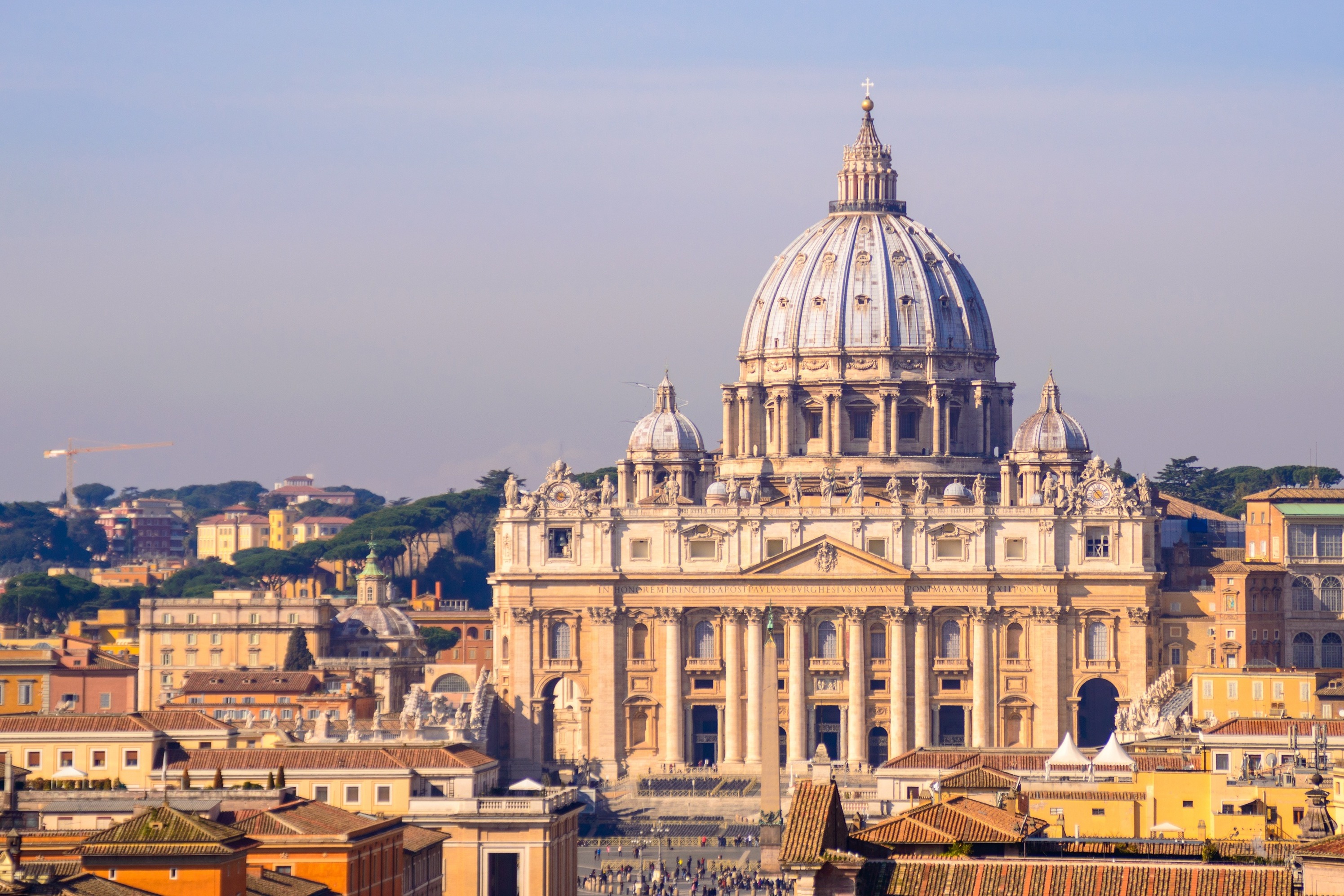
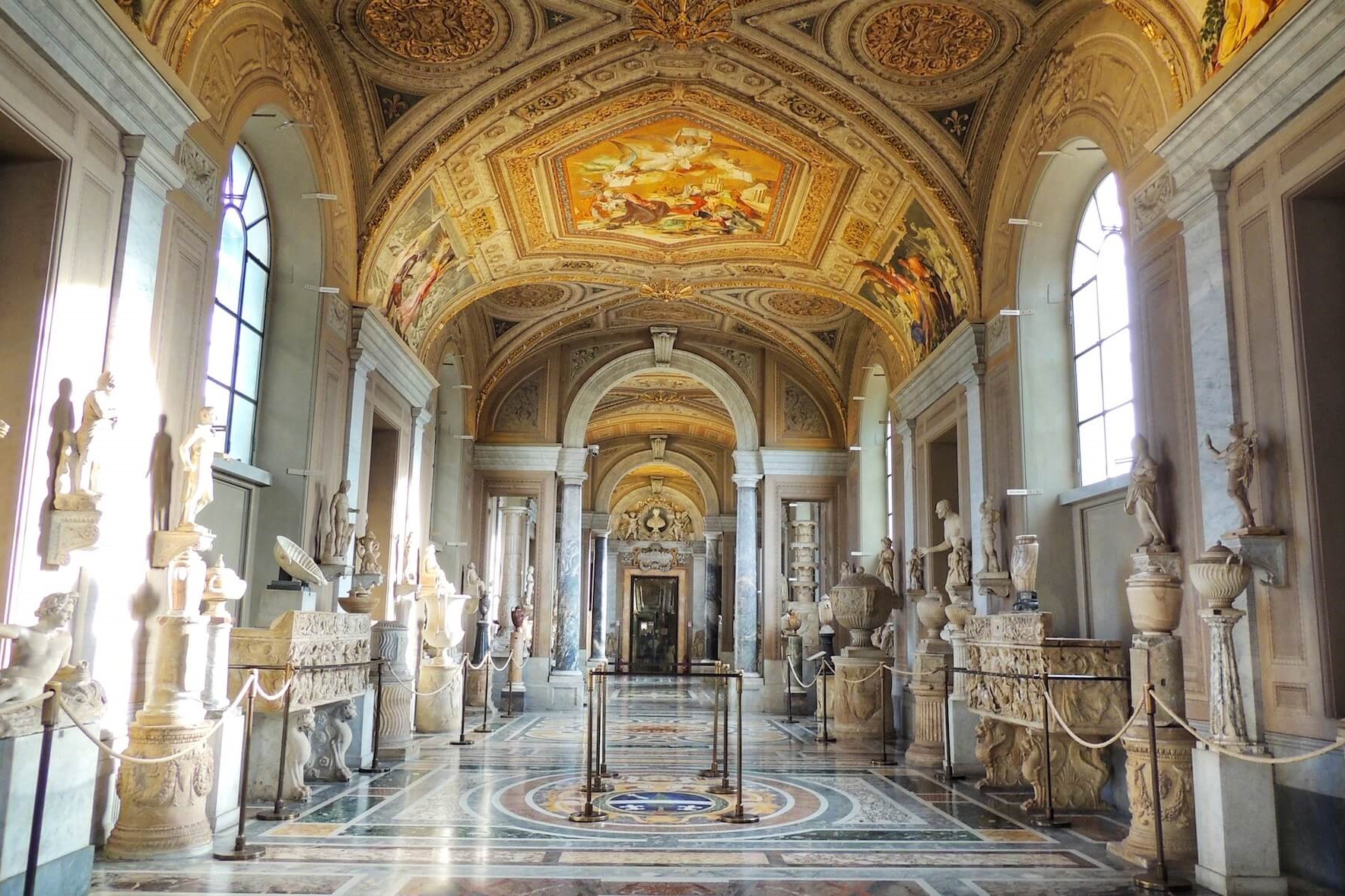
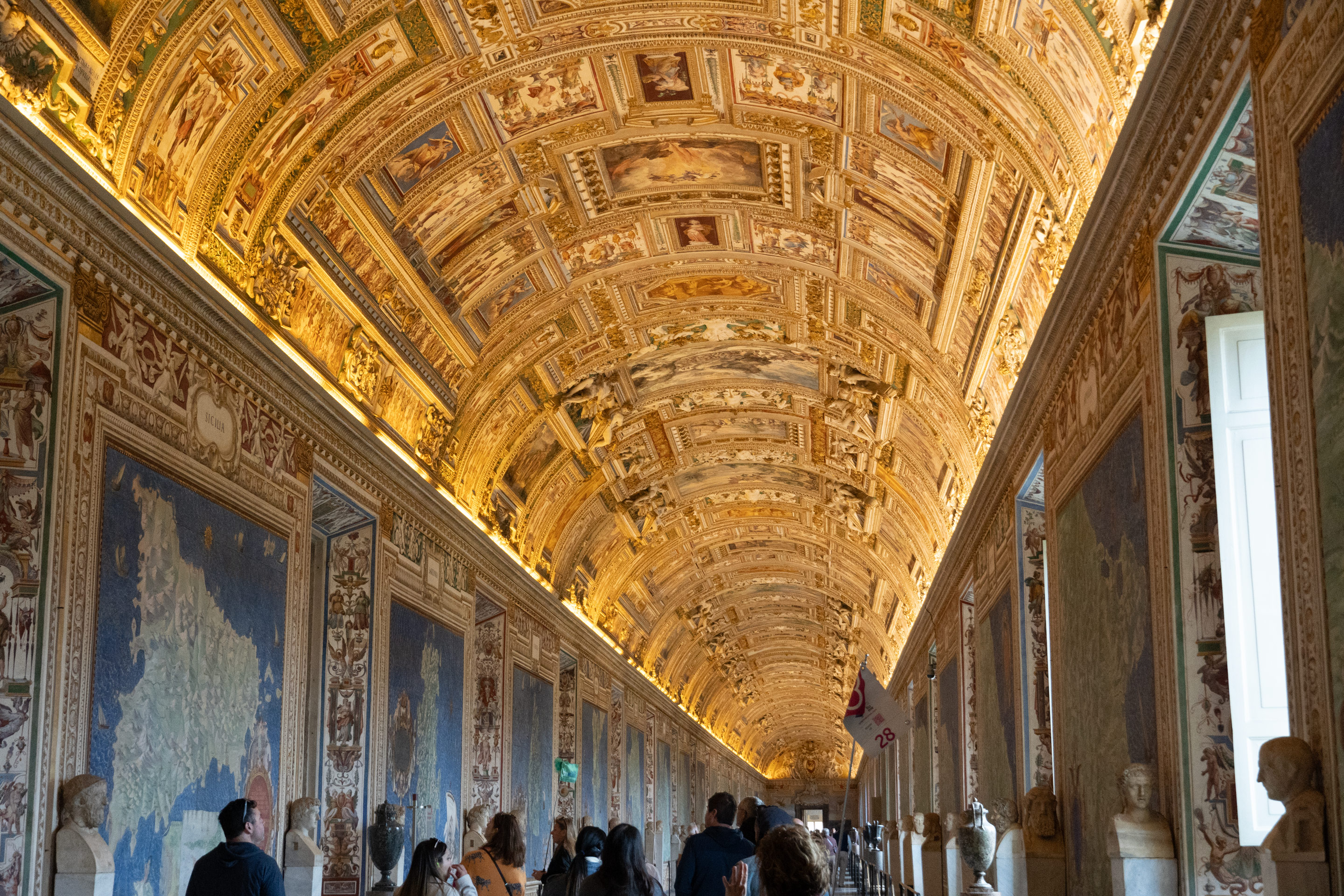
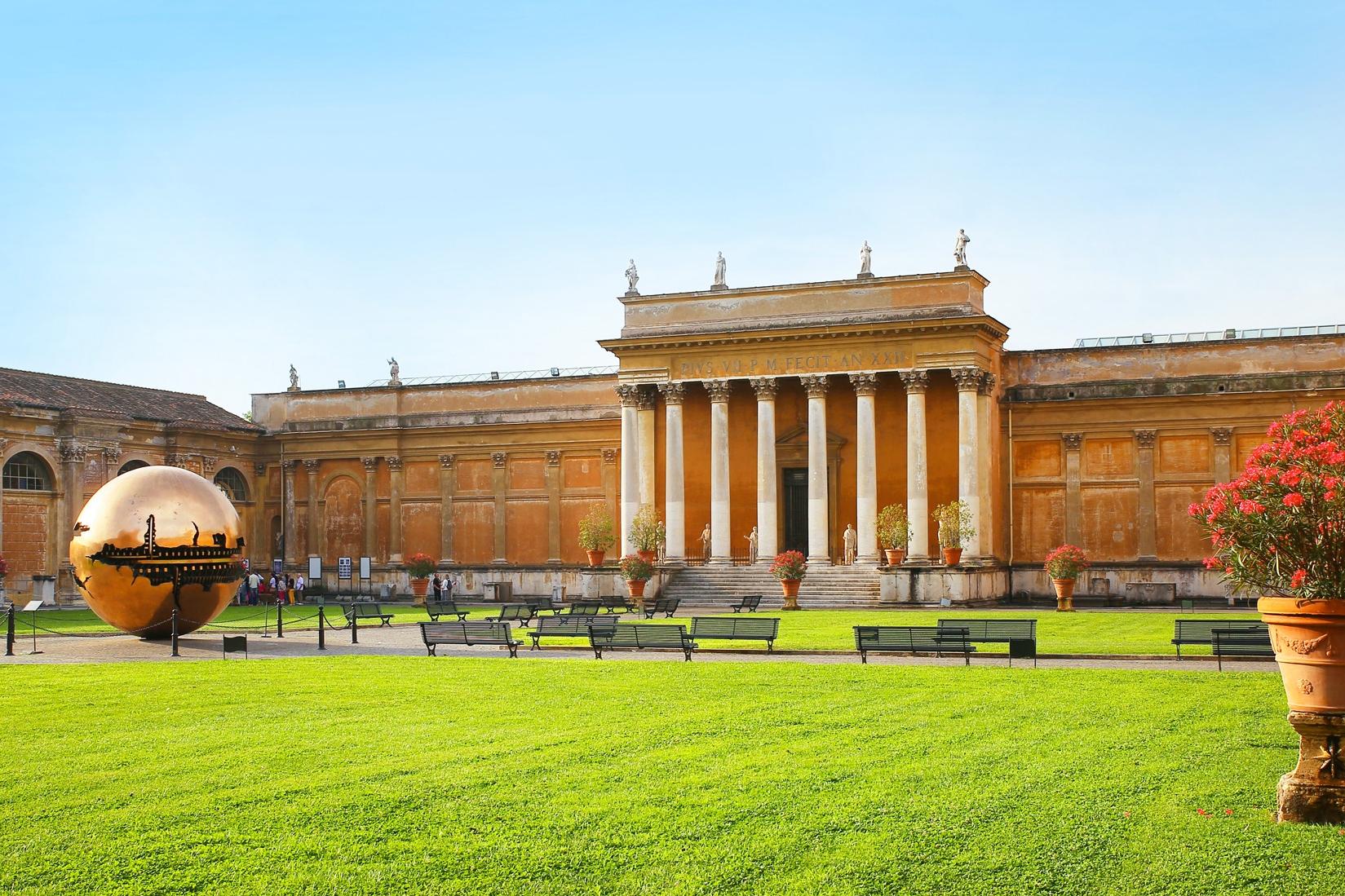
The Vatican Museums host the most important and largest collections in the world which include masterpieces of antiquity, from Egypt to Greece to Rome, from early Christian and medieval art to the Renaissance, from the 17th century to contemporary art.
Frescoes, paintings, mosaics, sculptures and statues of inestimable beauty created by great artists and collected by popes over the centuries are preserved and exhibited in the various rooms of the Vatican Museums and represent the largest art collection in the world.
This immense heritage was made possible through the progressive enrichment with masterpieces from the Renaissance to the 20th century. The Vatican museum complex, with 54 museums in total and 70,000 works, of which only 20,000 on display, is spread over 1400 rooms, chapels and galleries, and is the custodian of an extraordinary legacy of masterpieces, beauty and history as well as a symbolic place of dialogue between cultures and religions.
8
Stop 8
The breathtakingly beautiful Sistine Chapel, which is considered the pope’s home chapel. Walk through this sacred Vatican site to see Michelangelo’s astounding frescoes, The Creation of Adam and The Last Judgment.
What's not included
Lunch
Pickup and Drop-off Hotel
Available languages
Guide guide
EN
FR
ES
Important information
Infants and small children can ride in a pram or stroller
Public transportation options are available nearby
Not recommended for travelers with poor cardiovascular health
Suitable for all physical fitness levels
Meeting point
Meeting point wih the guide and start of the tour
About Rome
Rome, the capital of Italy, is a city of ancient ruins, artistic masterpieces, and vibrant culture. Known as the Eternal City, it is a living museum where every corner tells a story of its rich history spanning over 2,500 years.
Top Attractions
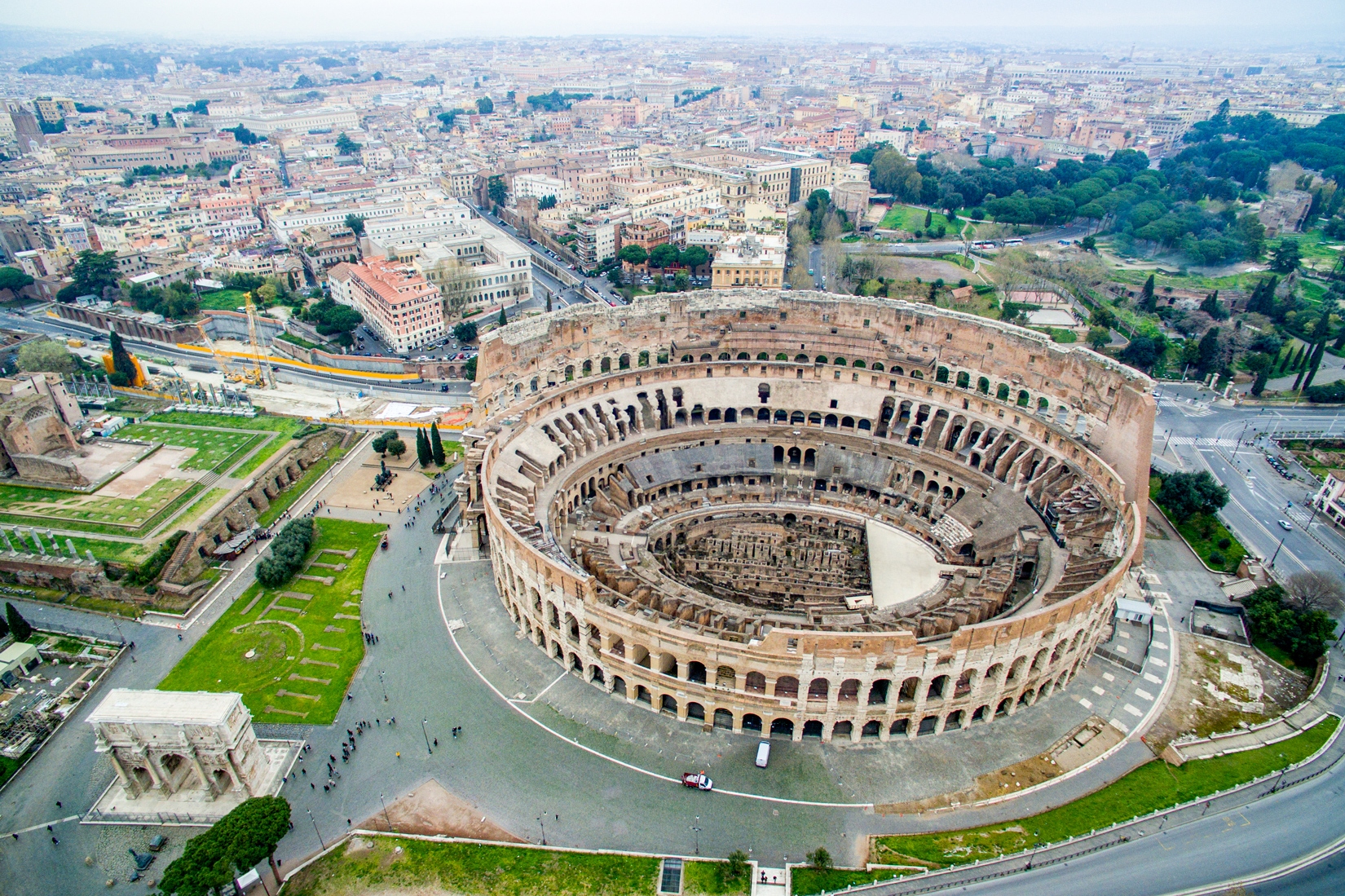
Colosseum
The Colosseum is an iconic symbol of Rome and one of the most famous ancient amphitheaters in the world. It was used for gladiatorial contests and public spectacles.
Historical
1-2 hours
€16 (combined ticket with Roman Forum and Palatine Hill)
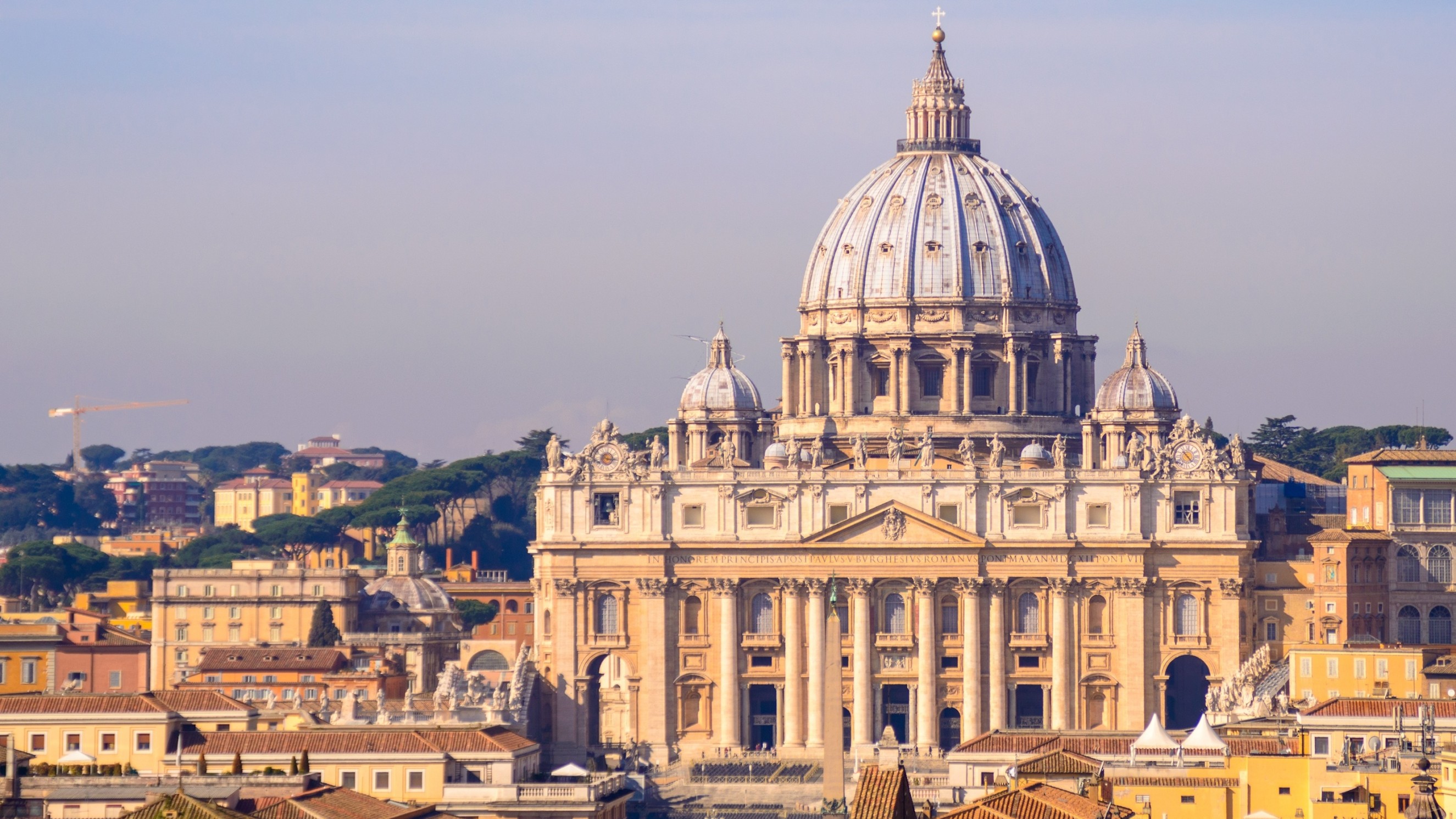
Vatican City
Vatican City is an independent city-state enclaved within Rome. It is the spiritual and administrative center of the Roman Catholic Church.
Religious
Half day
€17 (Vatican Museums and Sistine Chapel), Free (St. Peter's Basilica)
Roman Forum
The Roman Forum was the political, commercial, and legal hub of the Roman Republic and Empire. It is a sprawling ruin of temples, basilicas, and arches.
Historical
1-2 hours
€16 (combined ticket with Colosseum and Palatine Hill)
Pantheon
The Pantheon is a former Roman temple, now a church, known for its large dome and oculus. It is one of the best-preserved ancient buildings in Rome.
Historical
30 minutes to 1 hour
Free
Trevi Fountain
The Trevi Fountain is a Baroque masterpiece and the largest fountain in Rome. It is a popular spot for visitors to throw coins and make wishes.
Architecture
15-30 minutes
Free
Must-Try Local Dishes
Cacio e Pepe
A simple yet delicious pasta dish made with Pecorino Romano cheese and black pepper.
Pasta
Vegetarian
Carbonara
A rich pasta dish made with eggs, Pecorino Romano, guanciale (cured pork cheek), and black pepper.
Pasta
Contains pork and eggs
Supplì
Fried rice balls filled with mozzarella and tomato sauce.
Snack
Vegetarian (some variations may contain meat)
Carciofi alla Romana
Artichokes braised with garlic, mint, and olive oil.
Vegetable
Vegetarian
Popular Activities
Hiking in the Appian Way Regional Park
Biking along the Tiber River
Rock climbing in the nearby mountains
Picnicking in Villa Borghese Gardens
Boating on Lake Albano
Enjoying a spa day at a luxury hotel
Visiting the Vatican Museums
Attending an opera at the Teatro dell'Opera di Roma
Best Time to Visit
April to June, September to October
Spring and fall offer pleasant weather and fewer crowds compared to the summer peak. Ideal for sightseeing and outdoor activities.
15-30°C
59-86°F
Practical Information
Language
- Official: Italian
- Widely spoken: English, Spanish, French
- English: Moderately spoken
Currency
Euro (EUR)
Time Zone
GMT+1 (CET), GMT+2 (CEST during daylight saving time)
Electricity
230VV, 50HzHz
Safety Information
Overall Safety Rating: Generally safe
Rome is generally safe for tourists, but pickpocketing and scams can be a problem in crowded areas. Be aware of your surroundings and take precautions to protect your belongings.
Important Precautions:
- • Keep valuables secure and out of sight
- • Use official taxis or ride-sharing services
- • Be cautious of strangers approaching you with petitions or bracelets
Getting there
By air
- Leonardo da Vinci International Airport • 35 km from city center
- Ciampino Airport • 15 km from city center
By train
Roma Termini, Roma Tiburtina
By bus
Tiburtina Bus Station, Roma Termini
Getting around
Public transport
The metro system is efficient and covers major tourist areas. It operates from 5:30 AM to 11:30 PM.
Taxis
Available • Apps: Uber, FreeNow
Rentals
Car, Bike, Scooter
Neighborhoods
Trastevere
Monti
Prancipio
Testaccio
Day trips
Ostia Antica
30 km from Rome • Half day
An ancient Roman port city with well-preserved ruins, including a theater, baths, and mosaics. It offers a glimpse into daily life in ancient Rome.
Tivoli
30 km from Rome • Full day
A picturesque town known for its stunning villas and gardens, including the famous Villa d'Este with its elaborate fountains and gardens.
Orvieto
120 km from Rome • Full day
A charming hilltop town known for its stunning cathedral, underground caves, and local wine. It offers a mix of history, culture, and scenic views.
Festivals
Natale di Roma • April 21
Festa de' Noantri • July
Rome Film Festival • October
Pro tips
- Visit major attractions early in the morning or late in the afternoon to avoid crowds
- Use public transport or walk instead of taking taxis to save money and experience the city like a local
- Try local specialties and ask for recommendations from locals and restaurant staff
- Dress modestly when visiting religious sites and be respectful of local customs and traditions
- Be aware of pickpockets and scams, especially in crowded areas and tourist hotspots
From $25
per person
Price varies by option
Secure booking
Free cancellation available
Instant confirmation