Aracena & Riotinto Mines Tour from Seville
Active
10h
For a full refund, cancel at least 24 hours before the scheduled departure time.
Instant confirmation
Mobile or paper ticket accepted
About this experience
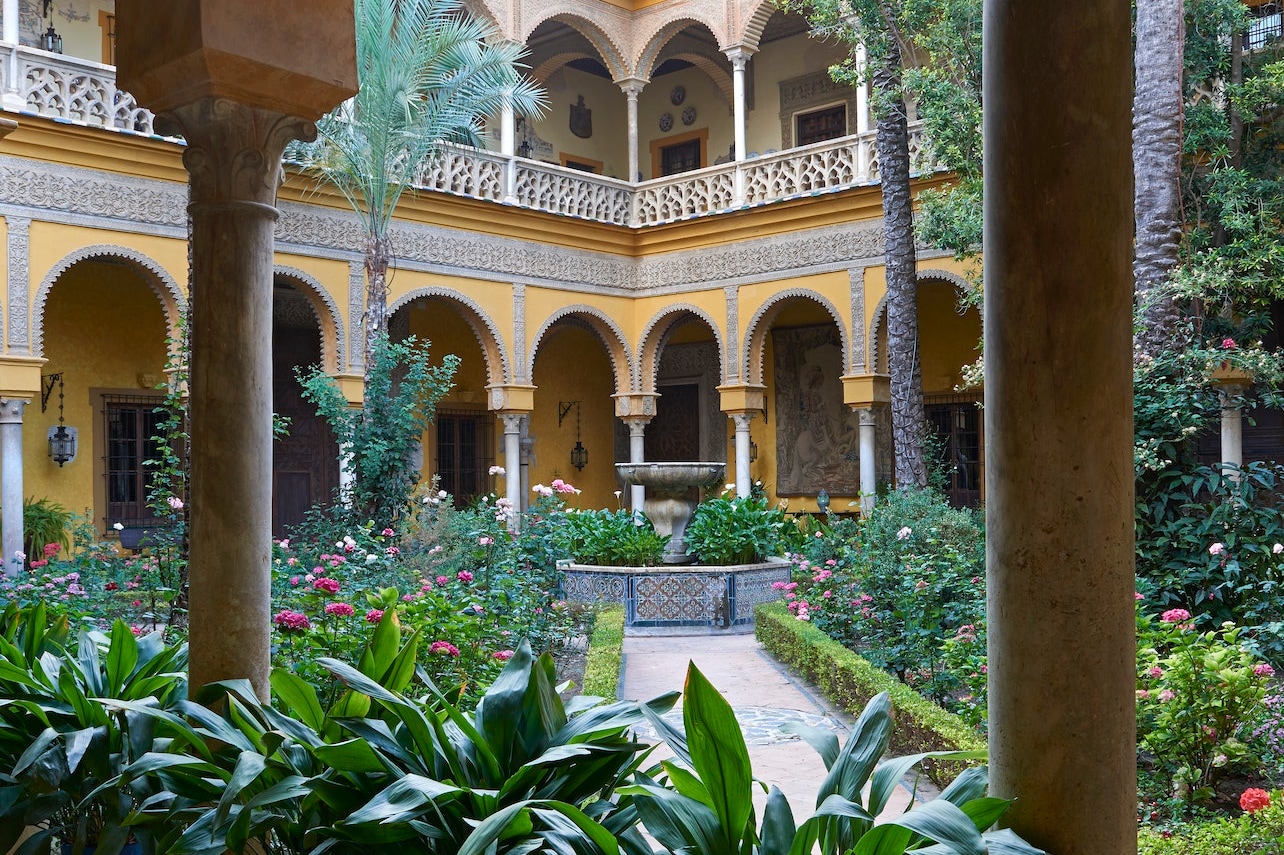
Enjoy a group day trip from Seville to Aracena, Huelva.
You will get the amazing opportunity to explore the city of Aracena, its castle, its natural caves of wonders (Grutas de las Maravillas), where you will see geological formations such as stalactites and stalagmites. All of this is hidden behind Aracena and nearby peaks.
We will continue our panoramic tour of the Dehesa de Sierra Morena, birthplace of the Iberian pig. Here is where we can find great gastronomic traditions with exceptional ham, that we will taste during lunch
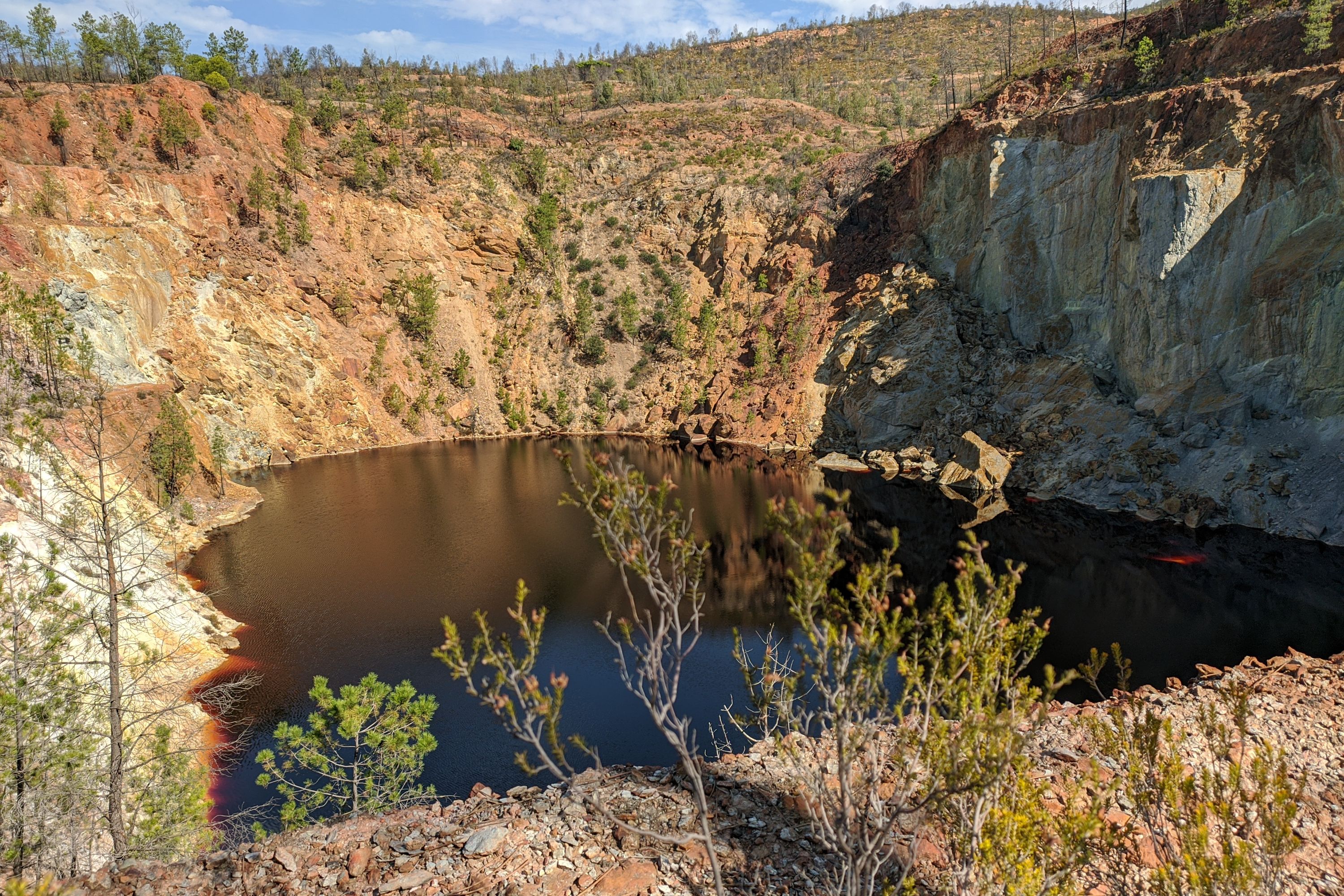
In the excursion, we will visit the town of Riotinto, known for its mines and the characteristic reddish color of the water of its River, the Tinto. An environment that seems to have been taken from another planet, as if it were Mars, where NASA studies its extreme conditions.
These experiences will give us the opportunity to take incredible photographs of an unforgettable trip.
Available options
from Hotel Don Paco - 8:50am
Meeting point: At the door of Hotel Don Paco at 8:50am
Private tour
Private
from Calle Trajano 6 - 9am
Meeting point: Naturanda Tourist Office in calle Trajano 6, at 9:00am<br/>Starting point:<br/>Naturanda Tourism Information - Luggage Storage, C. Trajano, 6, Casco Antiguo, 41001 Sevilla, Spain
from Calle Rastro 12A - 8:45am
Meeting point: Naturanda Tourist Office in calle Rastro 12A at 8:45am<br/>Starting point:<br/>C. Rastro, 12a, 41004 Sevilla, Spain
What's included
Round-trip shared transfer
Tickets for the caves and castle
Pickup and drop-off service
Detailed itinerary
1
We will start the trip from Seville.
2
Stop 2
La Gruta de la Maravillas (the Cave of Wonders) is a network of limestone caverns located in the town of Aracena.
This natural underground monument is situated in the old centre of Aracena, under the hill crowned by the medieval castle and Priory Church of la Señora del Mayor Dolor, and has been open since 1914.
The guided tour of Las Maravillas Cave follows a circular route of around 1km, and takes around 45 minutes. The visit includes two of the three levels of the cavity, at temperatures of between 16-19 degrees and relative humidity of 98%.
The scenery of these caves has formed over many thousands of years through a process known as “karstification” - the slow erosion of limestone, gradually dissolved by carbonic acid, producing fissures, sinkholes, underground streams, and caverns.
3
For many years the town has been dependent on the mines from which it derives its name. Minas de Riotinto reached its peak of prosperity and importance in the late 19th and early 20th century, when the mines were in full production and the population was 200,000. The town itself was built on rolling hills, now covered by pine and eucalyptus trees planted by the British for use in the mines.
Minas de Riotinto has a golf course called Corta Atalaya Golf. named after the vast open-pit mine nearby. One of the first golf courses to be built in Spain, its purpose was to keep the British mining engineers content and occupied in their leisure time.
4
The origin pat of Aracena is at the top of the hill occupied by the Castle and the Priory Church. In medieval times it was a fortified town, defended by a stone wall and the fortress. Archaeological remains from the 10th-13th centuries have been found in this location, which are evidence of an Al-Andalus town related to the Qatrasana settlement documented in Islamic texts. The interior Aracena Castle contains dwellings from the Al-Andalus era and a number of buildings from the medieval fortress. The entry to the Castle enclosure is via the secondary gate to the Alcázar. This area, which is located at the highest and most easterly part of the hill, is that which makes up the fortified enclosure of Aracena next to the bailey.
5
After this beautiful trip, we will head back to Seville
What's not included
Food and drinks
Available languages
Guide guide
EN
IT
FR
ES
Reviews breakdown
Viator
3.8
6 reviews
5★
2
4★
2
3★
1
2★
1
1★
0
Tripadvisor
4.6
43 reviews
5★
35
4★
4
3★
2
2★
0
1★
2
Important information
Specialized infant seats are available
Travelers should have at least a moderate level of physical fitness
Infant seats are available on request if requested in advance
Meeting point
9:00 AM - Naturanda Tourism Office in Calle Trajano 6, 41002 Sevilla.
Important notes
• Minimum numbers apply. There is a possibility of cancellation after confirmation if there is not enough passengers to meet requirements. In the event of this occurring, you will be offered an alternative or full refund.
• Please, re-confirm time and pick up point with the local service provider upon arrival at your destination. Please note that departure times and locations may vary slightly after booking.
Times are subject to change due to local traffic conditions.
About Seville
Seville, the capital of Andalusia, is a city rich in history, culture, and vibrant traditions. Known for its stunning architecture, including the iconic Alcázar and Seville Cathedral, the city offers a unique blend of Moorish and Spanish influences. The warm climate, lively festivals, and delicious cuisine make it a captivating destination for travelers.
Top Attractions
Real Alcázar de Sevilla
The Alcázar is a stunning royal palace with a mix of Moorish, Gothic, and Renaissance architecture. It is a UNESCO World Heritage Site and features beautiful gardens and courtyards.
Historical/Architecture
2-3 hours
€11.50 (General admission)
Seville Cathedral and Giralda Tower
The Seville Cathedral is the largest Gothic cathedral in the world and a UNESCO World Heritage Site. The Giralda Tower offers panoramic views of the city.
Historical/Religious
1-2 hours
€11 (General admission)
Plaza de España
This iconic plaza is a masterpiece of Regionalism architecture, featuring a semi-circular plaza with beautiful tiled benches and a large fountain.
Architecture/Cultural
1-2 hours
Free
Barrio de Santa Cruz
The historic Jewish quarter of Seville, known for its narrow, winding streets, charming plazas, and vibrant atmosphere.
Cultural/Historical
1-2 hours
Free to explore
Triana Market
A traditional market offering a variety of fresh produce, meats, cheeses, and local specialties. It's a great place to experience the local culture and cuisine.
Cultural/Shopping
1 hour
Free to enter, prices vary
Must-Try Local Dishes
Gazpacho
A cold soup made from tomatoes, cucumbers, bell peppers, garlic, and olive oil. It's a refreshing dish perfect for hot summer days.
Appetizer
Vegan
Salmorejo
A thicker and creamier version of gazpacho, made with tomatoes, bread, garlic, and olive oil. Often topped with hard-boiled eggs and jamón.
Appetizer
Vegetarian
Rabo de Toro
A traditional stew made with oxtail, red wine, and vegetables. It's a hearty and flavorful dish that's a staple in Andalusian cuisine.
Main Course
Contains meat
Pescaíto Frito
Fried small fish, typically served as a tapas dish. It's a popular snack in Seville, often enjoyed with a glass of wine.
Appetizer
Contains fish
Popular Activities
Hiking in the nearby Sierra Morena mountains
Biking along the Guadalquivir River
Relaxing in the gardens of the Real Alcázar
Enjoying a traditional spa experience
Visiting the numerous museums and galleries
Attending flamenco performances
Boating on the Guadalquivir River
Swimming at nearby beaches
Best Time to Visit
April to June, September to October
The best time to visit Seville is during spring and autumn when the weather is pleasant and the city is lively with festivals and events. The temperatures are comfortable, and the tourist crowds are manageable.
20°C to 35°C
68°F to 95°F
Practical Information
Language
- Official: Spanish
- Widely spoken: English, French
- English: Moderately spoken
Currency
Euro (EUR)
Time Zone
GMT+1 (CET), GMT+2 (CEST during daylight saving time)
Electricity
230VV, 50HzHz
Safety Information
Overall Safety Rating: Generally safe
Seville is generally safe for travelers, but petty crime such as pickpocketing can occur in crowded areas. Be cautious and take standard precautions to protect your belongings.
Important Precautions:
- • Keep valuables secure and out of sight
- • Be cautious of pickpockets in crowded areas
- • Use licensed taxis or ride-sharing apps
Getting there
By air
- Seville Airport • 10 km from city center
By train
Santa Justa Station
By bus
Plaza de Armas, Príncipe Pío
Getting around
Public transport
The bus network is the primary form of public transport in Seville, covering most of the city and its suburbs.
Taxis
Available • Apps: Cabify, Uber
Rentals
Car, Bike, Scooter
Neighborhoods
Santa Cruz
Triana
Arsenal
Macarena
Day trips
Córdoba
140 km from Seville • Full day
Córdoba is a historic city known for its stunning Mosque-Cathedral, a UNESCO World Heritage Site, and its beautiful patios and gardens.
Ronda
130 km from Seville • Full day
Ronda is a picturesque town perched on a cliff, known for its dramatic views, historic bullring, and ancient Arab baths.
Cádiz
120 km from Seville • Full day
Cádiz is a coastal city known for its beautiful beaches, historic sites, and vibrant carnival celebrations.
Festivals
Feria de Abril • Two weeks after Easter
Semana Santa • The week leading up to Easter
Feria de San Miguel • Late September to early October
Pro tips
- Visit the Real Alcázar early in the morning to avoid crowds and enjoy the gardens in peace
- Explore the Triana neighborhood for authentic ceramics, flamenco, and local cuisine
- Try salmorejo, a thicker and creamier version of gazpacho, at a local bodega
- Take a day trip to Itálica to explore the ancient Roman ruins near Seville
- Attend a flamenco performance at a local tablao for an authentic cultural experience
From $25
per person
Price varies by option
Secure booking
Free cancellation available
Instant confirmation