Puerto Quetzal Shore Excursion: Private Antigua Tour
Active
5h - 6h
For a full refund, cancel at least 24 hours before the scheduled departure time.
Instant confirmation
Mobile or paper ticket accepted
About this experience
See the sights of Antigua City, shopping, volcanoes, and colonial architecture during this 6-hour tour. Get you onboard your air-conditioned transportation at the port and your exploration of Guatemala begins. As you head towards Antigua City, your guide will give you interesting information about the city and its native Guatemala, its culture, and history. You will pass the beautiful countryside with views of the famous volcanoes. During this excursion, you will have a lot of photo opportunities
Available options
Puerto Quetzal Shore Excursion: Private Antigua Tour
Pickup included
What's included
Local guide
Bottled water
Professional driver/guide
Port pickup and drop-off
Detailed itinerary
1
Antigua Guatemala, commonly referred to as just Antigua or la Antigua, is a city in the central highlands of Guatemala known for its preserved Spanish Baroque-influenced architecture as well as a number of ruins of colonial churches. It served as the capital of the Kingdom of Guatemala. It has been designated a UNESCO World Heritage site.
2
Stop 2
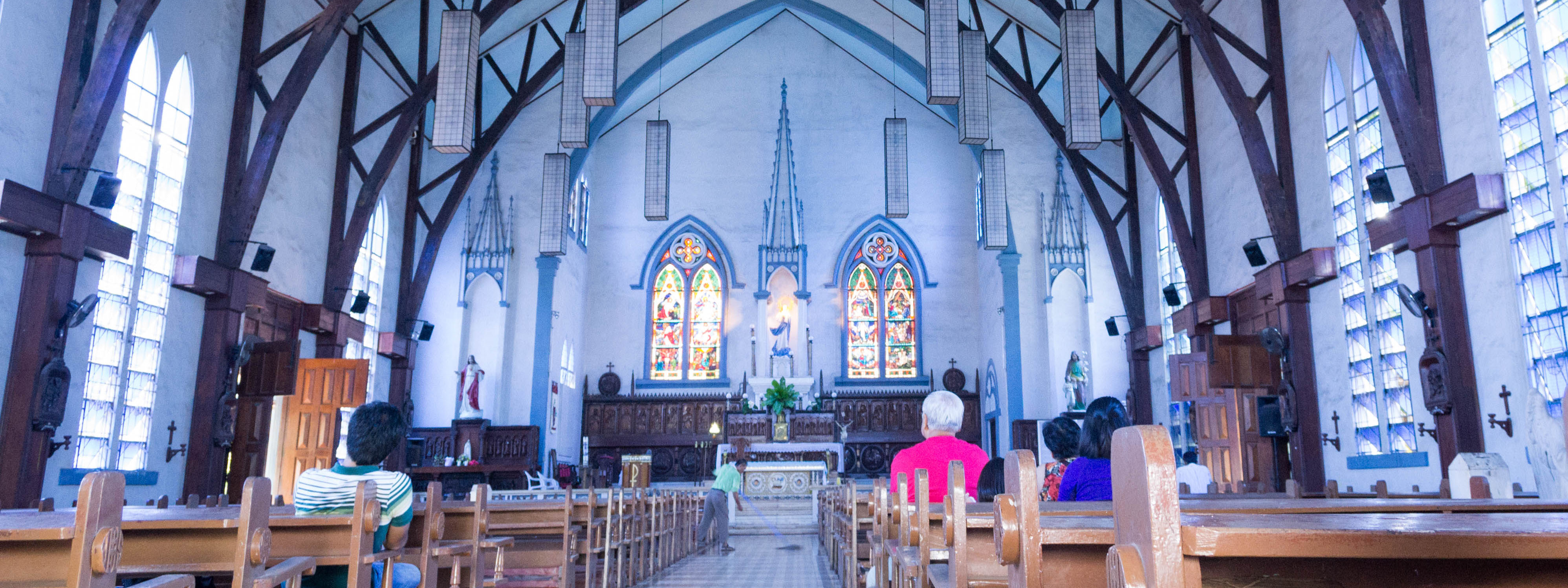
The Cathedral of Antigua Guatemala is also named The Parish of San José. The construction of this church began in 1542 and was one of the first buildings to be constructed after the destruction of the first Guatemala capital in the valley of Almolonga, the cathedral was inaugurated in 1545.
Stones and rubble were used for the first construction of the Cathedral of San José, which were part of the first capital of Guatemala. Although it was inaugurated in 1545, its construction was not completed, and it was interrupted several times over the years due to numerous earthquakes and the difficulty to transport the materials for the construction.
Due to the quality of the materials and engineering problems, the church was demolished in 1668 and the construction of a new cathedral began on April 7, 1669, a project led by Juan Pascual and the architect José de Porres, with the help of the engineer and sculptor Martin de Andújar Cantos who was known for his work of religious sculptures. The project ended in 1680.
3
Stop 3
Parque Central is as old as the city, but while everything in the city suggests that for once time stood still, this park continues to evolve. Today, it’s one of the best places to people-watch and a favorite meeting place for locals and tourists alike.
From the city’s inception, the plaza was designed to be the center of social life. For a long time, historians have thought that Italian architect Juan Bautista Antonelli designed the layout of the city – historical records cast doubt on this assertion – Antonelli never traveled to the Americas. In any event, the founders conceived the capital in the classical colonial Spanish design – the main plaza at the center of a grid layout.
4
Stop 4
When Franciscan missionaries arrived in Guatemala from Spain in 1530 they were assigned 120 villages by the civil authorities. They were the first to move to the Panchoy Valley in 1541 where they built a church at the site of today's School of Christ (Escuela de Cristo). This chapel was severely damaged in 1565 and during the next ten years donations were collected to build a new sanctuary located two blocks away in 1579. Parts of this construction, maybe the only ones in Antigua which date back to the 16th century, can be appreciated at one side of today's sanctuary. San Francisco el Grande became a significant religious and cultural center for the whole region. Theology, law, philosophy, physics and mathematics were taught at San Buenaventury College, located in today's monastery ruins. The college also favoured painters of the colonial era such as Cristóbal de Villalpando, Thomas de Merlo and Alonzo de la Paz.
5
Stop 5
The Santa Catalina Arch is one of the distinguishable landmarks in Antigua Guatemala, Guatemala, located on 5th Avenue North. Built in the 17th century, it originally connected the Santa Catalina convent to a school, allowing the cloistered nuns to pass from one building to the other without going out on the street. A clock on top was added in the era of the Central American Federation, in the 1830s.
6
Stop 6
The Mercedarians were the first to establish a male monastery at the former Santiago de Guatemala. The cross in stone at the atrium and the rooms behind the main altar are the oldest structures in La Merced and date from the seventeenth century. In 1749 Juan de Dios Estrada was commissioned with the construction of the luxurious sanctuary and cloister. He erected a building of low height designed to withstand earthquakes based on the experiences of the tremor of 1751. Arches and columns are wider to cope with the quakes. It was opened in 1767.
7
Stop 7
adeite Jade was discovered approximately 3,000 years ago by an early Mesoamerican culture, The Olmecs. They became expert lapidary artists and carved jade into beautiful statues, ceremonial ornaments and objects for their rituals. Their descendants, The Maya, used it as ornaments and jewelry for nobles and priests. Other cultures such as the Aztecs continued to work jade, up until the time of the Spanish Conquest.
The Ancient Maya, builders of large cities, extensive traders and astronomers who developed a very accurate calendar, also revered jade as their most important possession. Only the very wealthy and powerful could afford to wear jade both in this life and in the after life. The love for jade and the knowledge of its source was lost to the Americas at the time of the Spanish conquest. The Spaniards subjugated the ancient cultures and influenced them to value what the conquerors valued – gold. o for more than 400 years, jade was forgotten in the Americas.
What's not included
Food and drinks
Gratuities
Available languages
Guide guide
EN
ES
Reviews breakdown
Viator
5.0
6 reviews
5★
6
4★
0
3★
0
2★
0
1★
0
Tripadvisor
4.9
10 reviews
5★
9
4★
1
3★
0
2★
0
1★
0
Important information
Infants and small children can ride in a pram or stroller
Service animals allowed
Public transportation options are available nearby
Specialized infant seats are available
Suitable for all physical fitness levels
At time of booking, cruise ship passengers must provide the following information at time of booking: ship name, docking time, disembarkation time and re-boarding time
Minimum age is 18 years
Refunds will not be issued if tour/activity is missed due to late or non-arrival of cruise ship
Subject to favorable weather conditions. If canceled due to poor weather, you will be given the option of an alternative date but not full refund
The duration of transfers are approximate, the exact duration will depend on the time of day and traffic conditions
Meeting point
Our Guide will be with a sign on your name just right outside of pear.
Important notes
• Minimum numbers apply. There is a possibility of cancellation after confirmation if there is not enough passengers to meet requirements. In the event of this occurring, you will be offered an alternative but not refund
About Puerto Quetzal
Puerto Quetzal is a charming port city in Guatemala, known for its beautiful coastline and as a gateway to the Pacific Highlands. It offers a mix of natural beauty, cultural heritage, and adventure activities, making it a unique destination for travelers.
Top Attractions
Puerto Quetzal Beach
A beautiful beach with golden sand and clear waters, perfect for swimming, sunbathing, and water sports.
Beach
Half day to full day
Free (activities may have additional costs)
La Democracia Hot Springs
Natural hot springs located near Puerto Quetzal, offering a relaxing and rejuvenating experience.
Nature
Half day
Moderate
Volcán Pacaya
An active volcano offering hiking and adventure opportunities for thrill-seekers.
Adventure
Full day
Moderate to Expensive (depending on tour package)
Must-Try Local Dishes
Pescado Frito
Fried fish, typically served with rice, beans, and plantains.
Main Course
Contains fish
Ceviche
Fresh raw fish cured in citrus juices, mixed with vegetables and spices.
Appetizer
Contains fish, can be made with shrimp or mixed seafood
Platanos Fritos
Fried plantains, a popular side dish in Guatemalan cuisine.
Side Dish
Vegetarian
Popular Activities
Hiking
Volcano tours
Water sports
Beach lounging
Spa treatments
Hot springs
Historical site visits
Local markets
Best Time to Visit
Dry season (November to April)
This is the best time to visit Puerto Quetzal due to the pleasant weather and lower humidity. It's ideal for outdoor activities and exploring the region.
25-30°C
77-86°F
Practical Information
Language
- Official: Spanish
- Widely spoken: English (in tourist areas)
- English: Moderately spoken in tourist areas
Currency
Guatemalan Quetzal (GTQ)
Time Zone
CST (UTC -6)
Electricity
120VV, 60HzHz
Safety Information
Overall Safety Rating: Exercise caution
Puerto Quetzal is generally safe, but travelers should be aware of petty crime and take precautions.
Important Precautions:
- • Be cautious with valuables in crowded areas
- • Use reputable transportation services
- • Avoid walking alone at night in unfamiliar areas
Getting there
By air
- La Aurora International Airport • 100 km (62 miles) from Puerto Quetzal
By bus
Guatemala City Bus Terminal
Getting around
Public transport
The local bus system is affordable and widely used. Buses are frequent and cover most areas of the city.
Taxis
Available • Apps: Uber, Local taxi apps
Rentals
Car, Bike, Scooter
Neighborhoods
City Center
Beachfront Area
Day trips
Antigua Guatemala
100 km (62 miles) • Full day
A UNESCO World Heritage site known for its colonial architecture, cobblestone streets, and rich history.
Lake Atitlán
120 km (75 miles) • Full day
A stunning lake surrounded by volcanoes, offering a variety of outdoor activities and scenic views.
Festivals
Festival de la Paz • Annually in December
Pro tips
- Visit the local markets for fresh produce and unique souvenirs
- Try the local seafood dishes for an authentic culinary experience
- Explore the nearby natural attractions, such as volcanoes and hot springs
- Learn a few basic Spanish phrases to enhance your interaction with locals
- Be cautious with valuables in crowded areas to avoid petty theft
From $25
per person
Price varies by option
Secure booking
Free cancellation available
Instant confirmation