Spiritual Delhi Temples Full-Day Private Guided Tour
Active
8h - 9h
For a full refund, cancel at least 24 hours before the scheduled departure time.
Instant confirmation
Mobile or paper ticket accepted
About this experience
This private tour of Delhi’s temples packs in main highlights into just one day—perfect for travelers short on time. Your private guide shows you some of India’s most stunning and spiritual spots, including ISKCON temple, Lotus Temple, Chattarpur Temple, Gurudwara Bangla Sahib, Akshardham Temple, and Birla Mandir (Lakshmi Narayan Temple). Plus, round-trip transport from Delhi or Gurugram (Gurgaon) City is included to ensure a stress-free trip.
Available options
3 Travelers
Package Includes: Hotel pickup and drop-off + Private air-conditioned vehicle + Live Tour Guide + Bottled water<br/>Pickup included
5 or more Travelers
Package Includes: Hotel pickup and drop-off + Private air-conditioned vehicle + Live Tour Guide + Bottled water<br/>Pickup included
2 Travelers
Package Includes: Hotel pickup and drop-off + Private air-conditioned vehicle + Live Tour Guide + Bottled water<br/>Pickup included
4 Travelers
Package Includes: Hotel pickup and drop-off + Private air-conditioned vehicle + Live Tour Guide + Bottled water<br/>Pickup included
1 Traveler
Package Includes: Hotel pickup and drop-off + Private air-conditioned vehicle + Live Tour Guide + Bottled water<br/>Pickup included
What's included
Professional private local tour guide
Hotel pickup and drop-off
Bottled water
Transport by private air-condition vehicle
Detailed itinerary
1
Stop 1
This temple is dedicated to Lord Krishna and Radharani of Hinduism. The temple was built with stone and marble. This latticed tower temple is located at the highest point of the hill. You can find many carved wood and stone carvings in the temple walls, which explain the mythological stories of Hinduism.
2
Stop 2
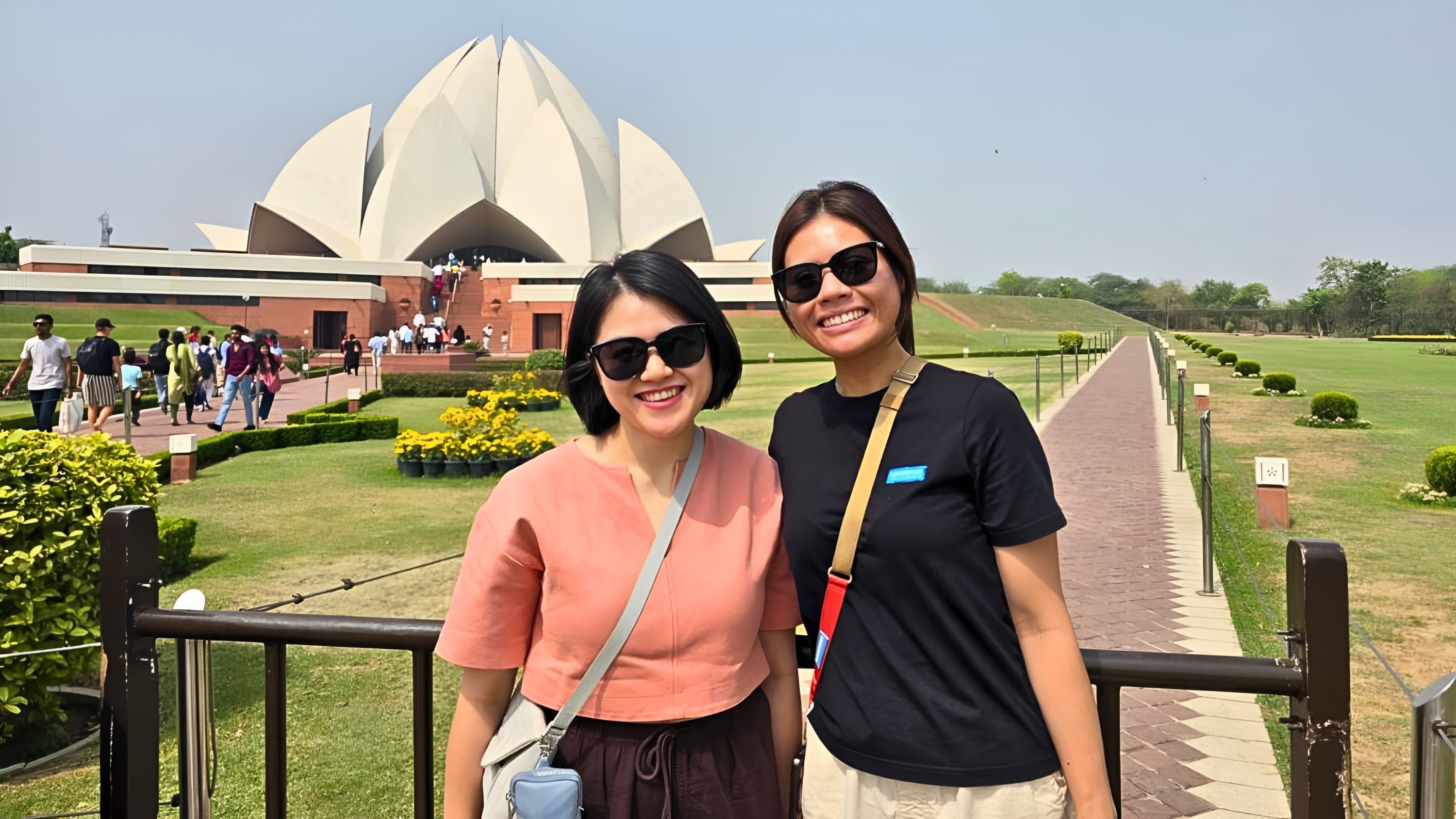
Designed for tranquil worship, Delhi's beautiful Lotus Temple (Bahai Temple) offers a rare pocket of calm in the hectic city. This architectural masterpiece was designed by Iranian-Canadian architect Fariburz Sahba in 1986. It is shaped like a lotus flower, with 27 delicate-looking white-marble petals. The temple was created to bring faiths together; visitors are invited to pray or meditate silently according to their own beliefs.
3
Stop 3
Delhi’s second-largest temple (after Akshardham), this impressive sandstone and marble complex dates from 1974, and is dedicated to the goddess Katyayani (one of the nine forms of Parvati). There are dozens of shrines with towering South Indian gopurams (temple towers), and an enormous statue of Hanuman stands guard over one part of the complex.
4
Stop 4
This magnificent white-marble gurdwara (Sikh temple), topped by glinting golden onion domes, was constructed at the site where the eighth Sikh guru, Harkrishan Dev, stayed before his 1664 death. As at all gurdwaras, free meals are served to pilgrims daily. Just inside the entrance to the complex is a small museum, chronicling the history of Sikhism and its gurus and martyrs.
5
Stop 5
Delhi's largest temple, the Gujarati Hindu Swaminarayan Group’s Akshardham Temple was built in 2005, and is breathtakingly lavish. Artisans used ancient techniques to carve the pale red sandstone into elaborate reliefs, including 20,000 deities, saints and mythical creatures. The centerpiece is a 3m-high gold statue of Bhagwan Shri Swaminarayan surrounded by more, fabulously intricate carvings.
6
Stop 6
This Orissan-style temple was erected by the wealthy industrialist BD Birla in 1939; the main shrine honors Lakshmi, goddess of wealth. Gandhi inaugurated the complex as a temple for all castes; a sign on the gate says 'Everyone is Welcome'.
What's not included
Lunch
Available languages
Guide guide
EN
Reviews breakdown
Viator
4.6
9 reviews
5★
8
4★
0
3★
0
2★
0
1★
1
Tripadvisor
4.5
10 reviews
5★
8
4★
0
3★
1
2★
1
1★
0
Important information
Infants and small children can ride in a pram or stroller
Public transportation options are available nearby
Infants are required to sit on an adult’s lap
Suitable for all physical fitness levels
Dress code - Temples are a sacred house of God and a place of daily worship. To preserve its sanctity and spiritual ambiance one must follow the below dress code within temple complex:
Upper Wear: Must cover the shoulders, chest, navel, and upper arms
Lower Wear: Must be at least below knee-length
Remove footwear outside the temple. Socks are fine, you can keep wearing them.
A moderate amount of walking is involved please wear comfortable socks
The duration of transfers are approximate, the exact duration will depend on the time of day and traffic conditions
Important notes
• Dress code - Temples is a sacred house of God and a place of daily worship. To preserving its sanctity and spiritual ambiance one must follow the below dress code within temple complex:
Upper Wear: Must cover the shoulders, chest, navel, and upper arms
Lower Wear: Must be at least below knee-length
• Remove footwear outside the temple. Socks are fine, you can keep wearing them.
• Comfortable walking shoes are recommended
• The duration of transfers are approximate, the exact duration will depend on the time of day and traffic conditions
• Hotel pickups commence prior to this time
• Times are subject to change due to local traffic conditions.
• Travelers should be fully vaccinated and carry the covid vaccination certificate
About New Delhi
New Delhi, the capital of India, is a vibrant blend of ancient history and modern development. It offers a rich cultural experience with its historic monuments, bustling markets, and diverse cuisine. The city is a gateway to understanding India's past and present.
Top Attractions
Red Fort
A UNESCO World Heritage Site and a symbol of India's struggle for independence. Built by Emperor Shah Jahan in the 17th century.
Historical
2-3 hours
₹35 ($0.50) for Indians, ₹500 ($7) for foreigners
Qutub Minar
Another UNESCO World Heritage Site, this towering minaret is a fine example of early Indo-Islamic architecture.
Historical
1-2 hours
₹30 ($0.40) for Indians, ₹500 ($7) for foreigners
India Gate
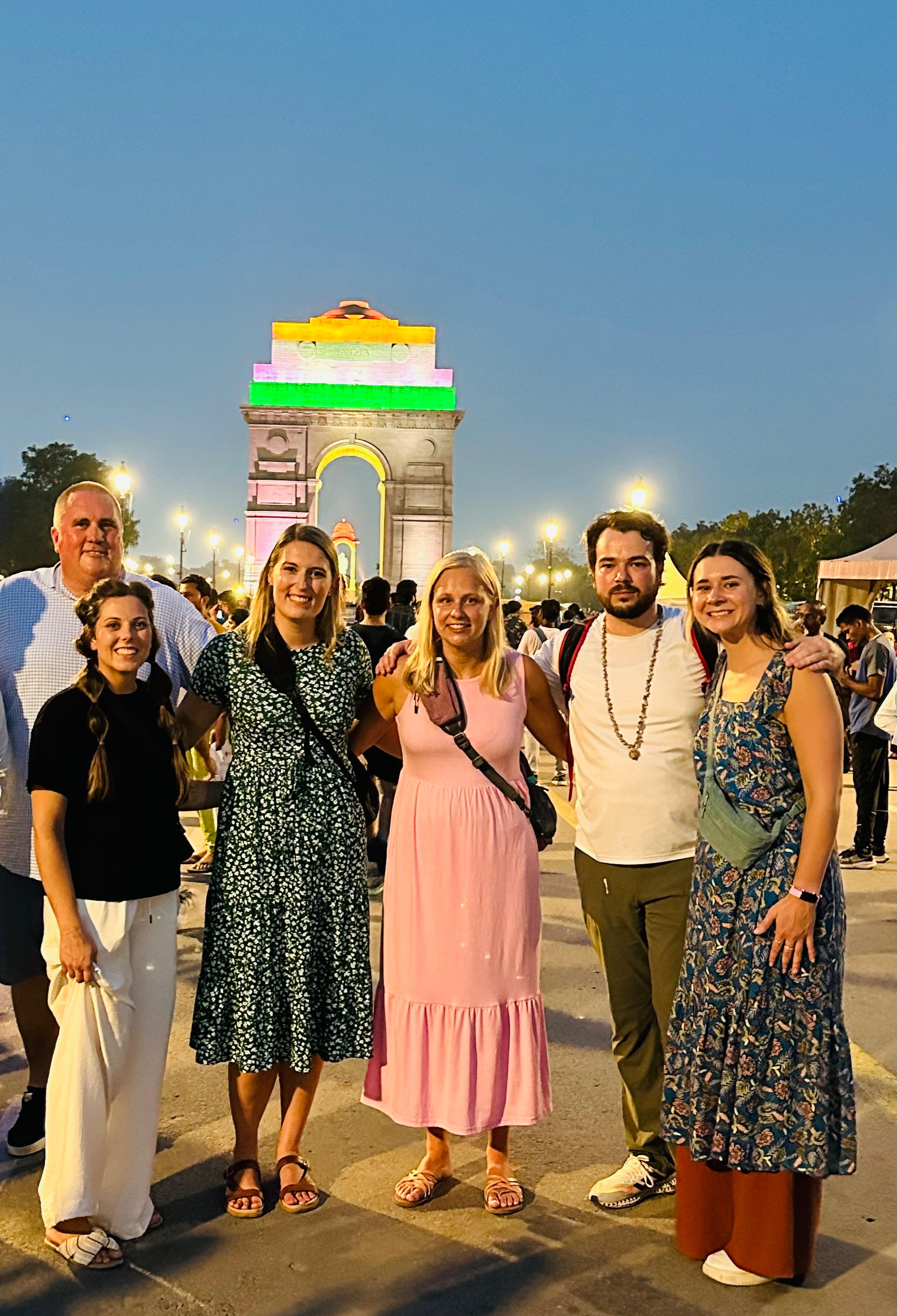
A war memorial dedicated to the soldiers who died in World War I and the Afghan Wars. A popular evening spot for locals and tourists.
Historical
1 hour
Free
Humayun's Tomb
A UNESCO World Heritage Site and a precursor to the Taj Mahal. This beautiful Mughal garden tomb is a must-visit.
Historical
1-2 hours
₹30 ($0.40) for Indians, ₹500 ($7) for foreigners
Lotus Temple
A Baha'i House of Worship known for its flower-like shape. It is a symbol of peace and unity.
Religious
1 hour
Free
Must-Try Local Dishes
Butter Chicken
Creamy tomato-based curry with tender chicken pieces, originated in Delhi.
Dinner
Non-vegetarian
Chole Bhature
Spicy chickpea curry served with deep-fried bread.
Lunch
Vegetarian
Chaat
A variety of savory snacks like Pani Puri, Bhel Puri, and Aloo Tikki.
Snack
Vegetarian, some options vegan
Paratha
Stuffed flatbread cooked on a griddle, often served with yogurt or pickle.
Breakfast
Vegetarian, some options vegan
Popular Activities
River rafting in Rishikesh
Hot air ballooning in Jaipur
Trekking in the Aravalli Range
Spa treatments in luxury hotels
Yoga and meditation in Rishikesh
Strolls in Lutyens' Delhi
Attending a classical music or dance performance
Visiting art galleries and museums
Best Time to Visit
October to March
This is the most pleasant time to visit with cooler temperatures and various festivals. It's ideal for sightseeing and outdoor activities.
15°C to 35°C
59°F to 95°F
Practical Information
Language
- Official: Hindi, English
- Widely spoken: Punjabi, Urdu, Bhojpuri
- English: Widely spoken in urban areas
Currency
Indian Rupee (INR)
Time Zone
IST (GMT+5:30)
Electricity
230VV, 50HzHz
Safety Information
Overall Safety Rating: Exercise caution
New Delhi is generally safe for tourists, but petty crimes like pickpocketing and scams can occur. Be cautious, especially in crowded areas.
Important Precautions:
- • Use trusted transport options
- • Avoid walking alone at night
- • Be cautious of strangers offering help
Getting there
By air
- Indira Gandhi International Airport • 16 km from city center
By train
New Delhi Railway Station, Old Delhi Railway Station
By bus
Inter-State Bus Terminal (ISBT), Dhaula Kuan Bus Stand
Getting around
Public transport
Clean, efficient, and air-conditioned. Connects major attractions and neighborhoods.
Taxis
Available • Apps: Ola, Uber
Rentals
Car, Bike, Scooter
Neighborhoods
Connaught Place
Old Delhi
Lutyens' Delhi
Hauz Khas
Day trips
Agra
233 km from Delhi • Full day
Home to the iconic Taj Mahal, Agra is a must-visit for history and architecture lovers.
Jaipur
268 km from Delhi • Full day or overnight
The Pink City is known for its palaces, forts, and vibrant culture.
Rishikesh
240 km from Delhi • Full day or overnight
A spiritual and adventure hub, Rishikesh is famous for yoga, meditation, and river rafting.
Festivals
Diwali • October-November (dates vary)
Holi • March (dates vary)
Republic Day • January 26
Pro tips
- Use the Delhi Metro for efficient and affordable travel around the city.
- Try street food from busy stalls to ensure freshness and hygiene.
- Bargain politely in markets, but be prepared to pay a fair price.
- Carry small denominations for shopping and street food.
- Respect local customs and traditions, especially when visiting religious sites.
From $25
per person
Price varies by option
Secure booking
Free cancellation available
Instant confirmation