Skip-the-Line Private Pompeii Guided Tour from Positano
Active
4h - 5h
For a full refund, cancel at least 24 hours before the scheduled departure time.
Instant confirmation
Mobile or paper ticket accepted
About this experience
Don’ t miss the opportunity to visit the famous archaeological site of Pompeii with an expert official guide!
Join a comfortable ride avoiding the stress of the public transportation.
Thanks to the priority entrance you will enter the ruins as soon as you arrive at the ruins.
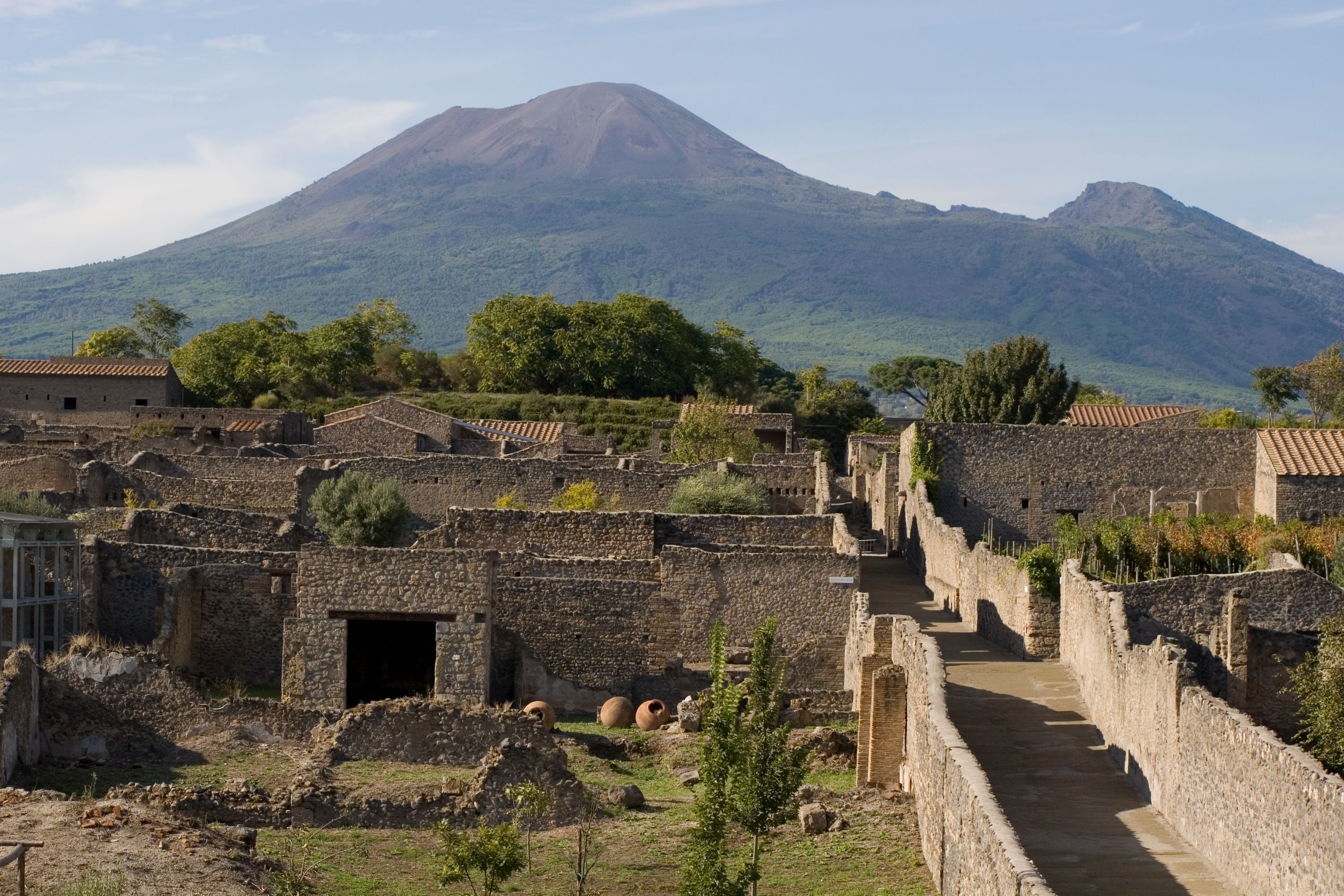
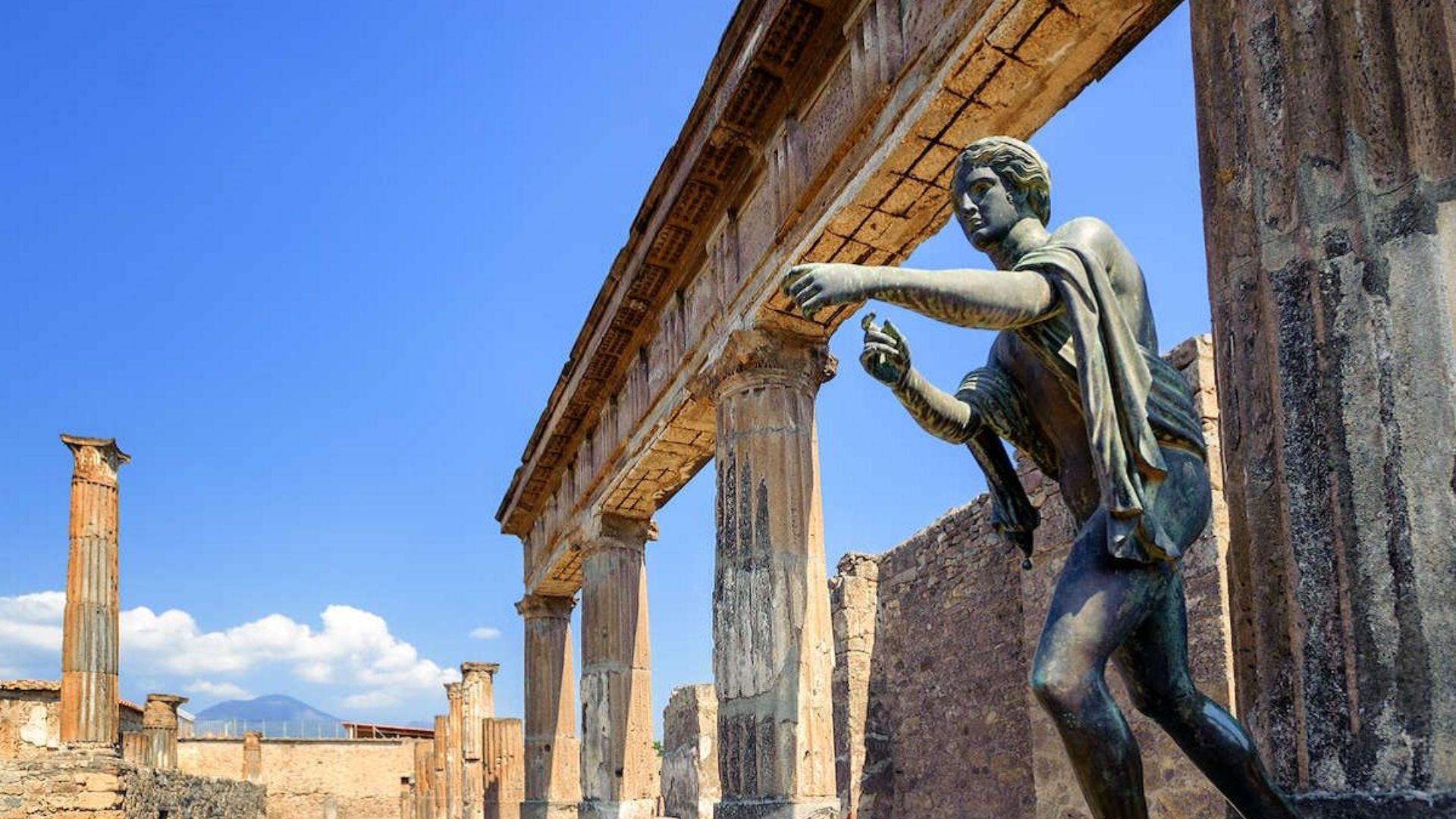
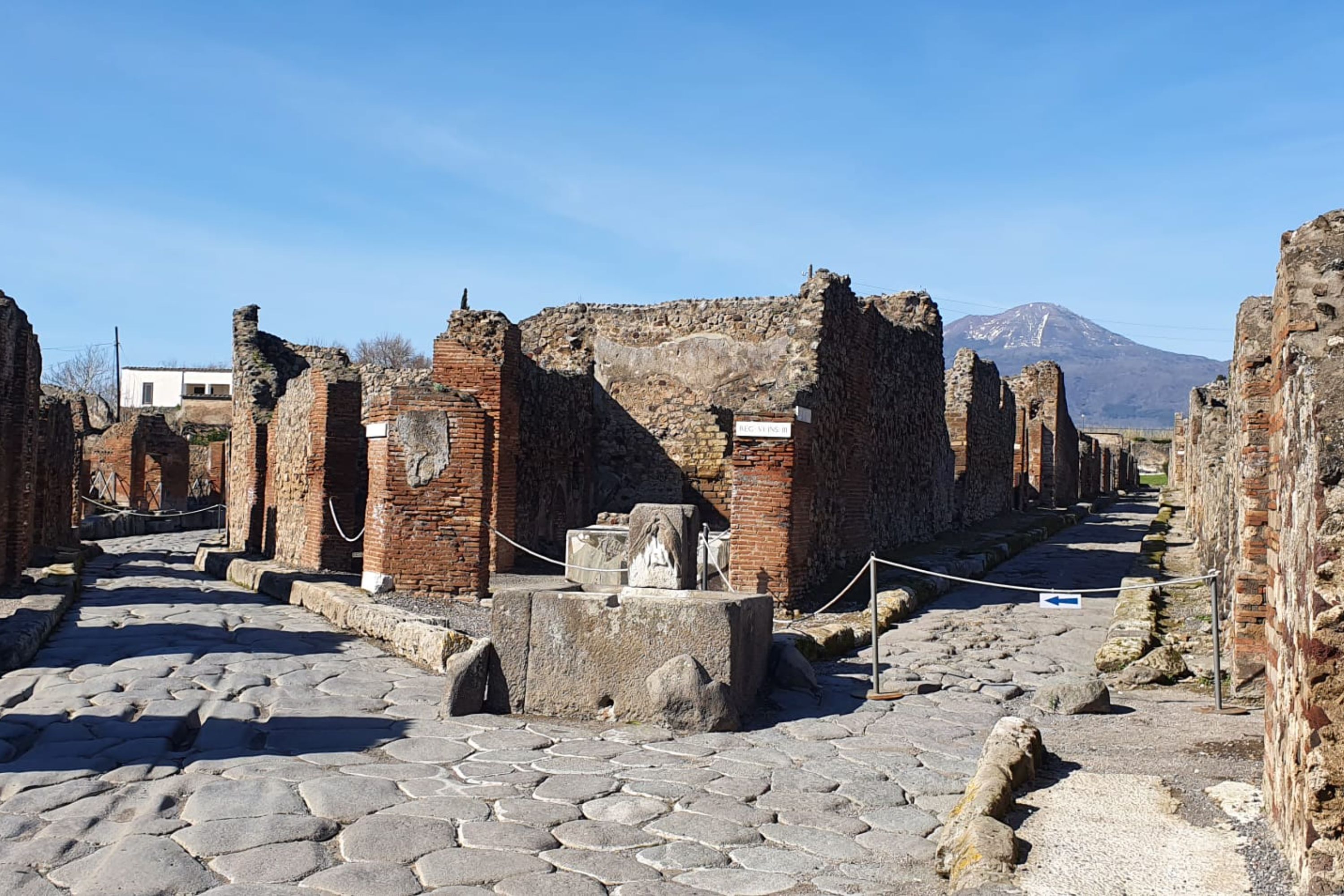
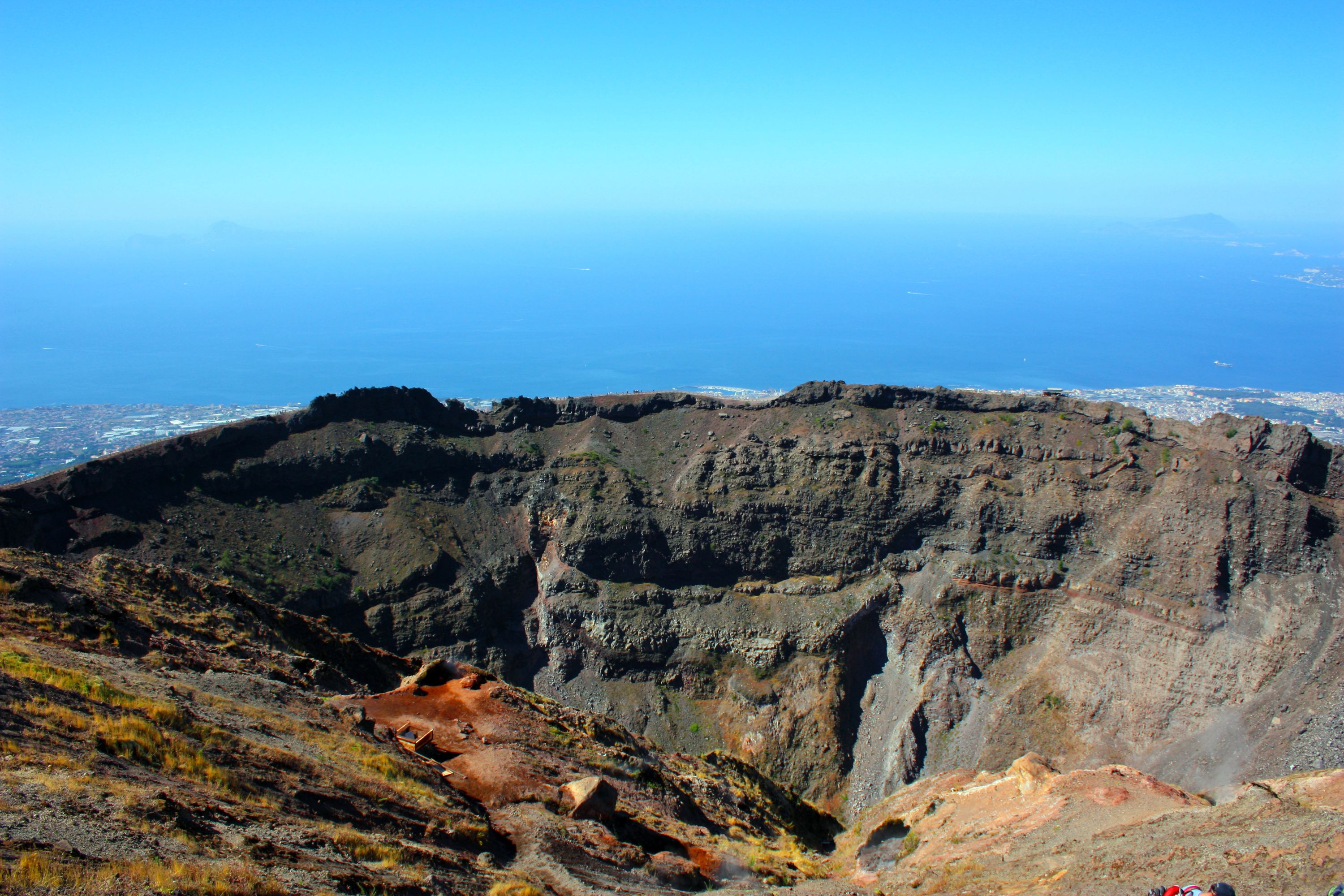
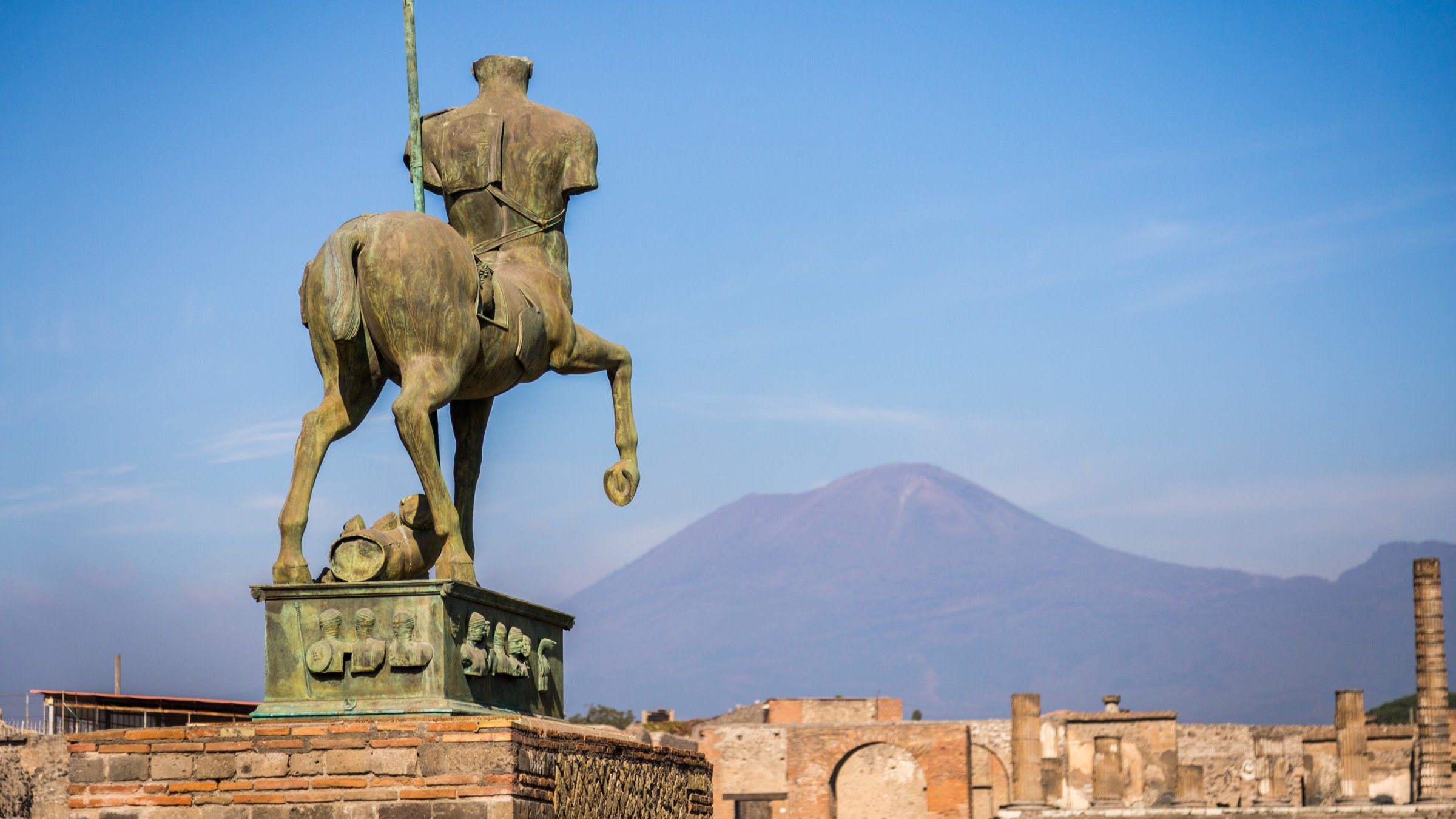
Pompeii, lay buried by volcanic ash from the first-century eruption of Mount Vesuvius until excavations began in the 18th century.
All the infrastructures, the frescoes and the manufacts are well preserved and nowadays you can still admire the baths, the streets, the bakeries and forums that were once integral parts of daily life.
Together with your guide you will bring back to life the history of the prosperous Romans.
Available options
Spanish Speaking Guide
Spanish Speaking Guide<br/>Pickup included
German Speaking Guide
german Speaking Guide<br/>Pickup included
English Speaking Guide
English Speaking Guide<br/>Pickup included
French Speaking Guide
French Speaking Guide<br/>Pickup included
What's included
Round-trip transportation by private vehicle
Private Driver
Private Official guide at disposal for a walking tour of the ruins
Skip the line entrance fee in Pompeii
Pick up and drop off in Positano
Detailed itinerary
1
Stop 1
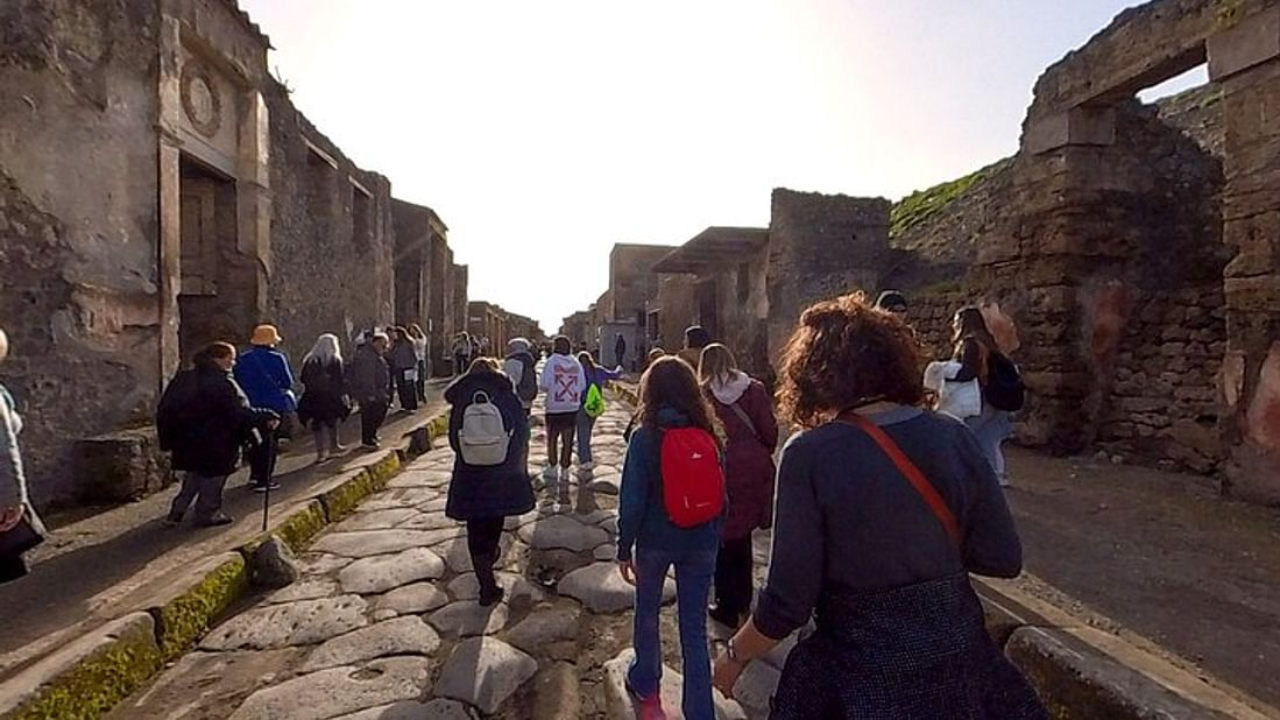
Join a walking tour of the Archaeological site of Pompeii of 2 hours with an official guide !
After the eruption of the Mount Vesuvius in the 79 AD, the city was submerged by a torrent of lapilli and lava which petrified the city preserving all the manufacts and infrastructures from the passing of the years.
2
The Basilica, with its extension of 1,500 square meters, was the most sumptuous building of the Forum, and its space was used to carry out business and for the administration of justice.
3
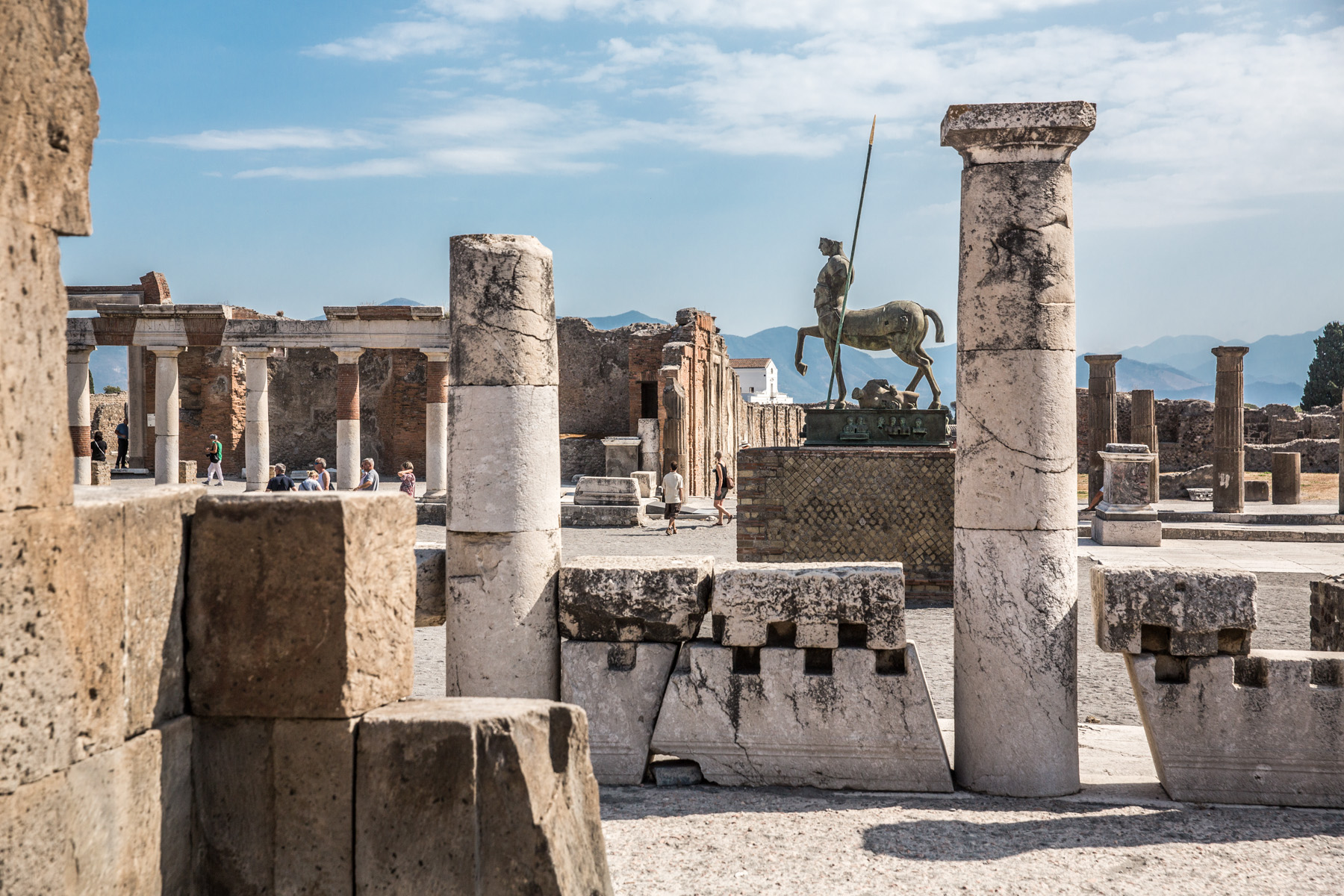
The Civil Forum is the core of daily life of the city and is the focal point of all the main public buildings for city administration and justice, business management, and trade activities such as markets, as well as the main places of citizen worship.
4
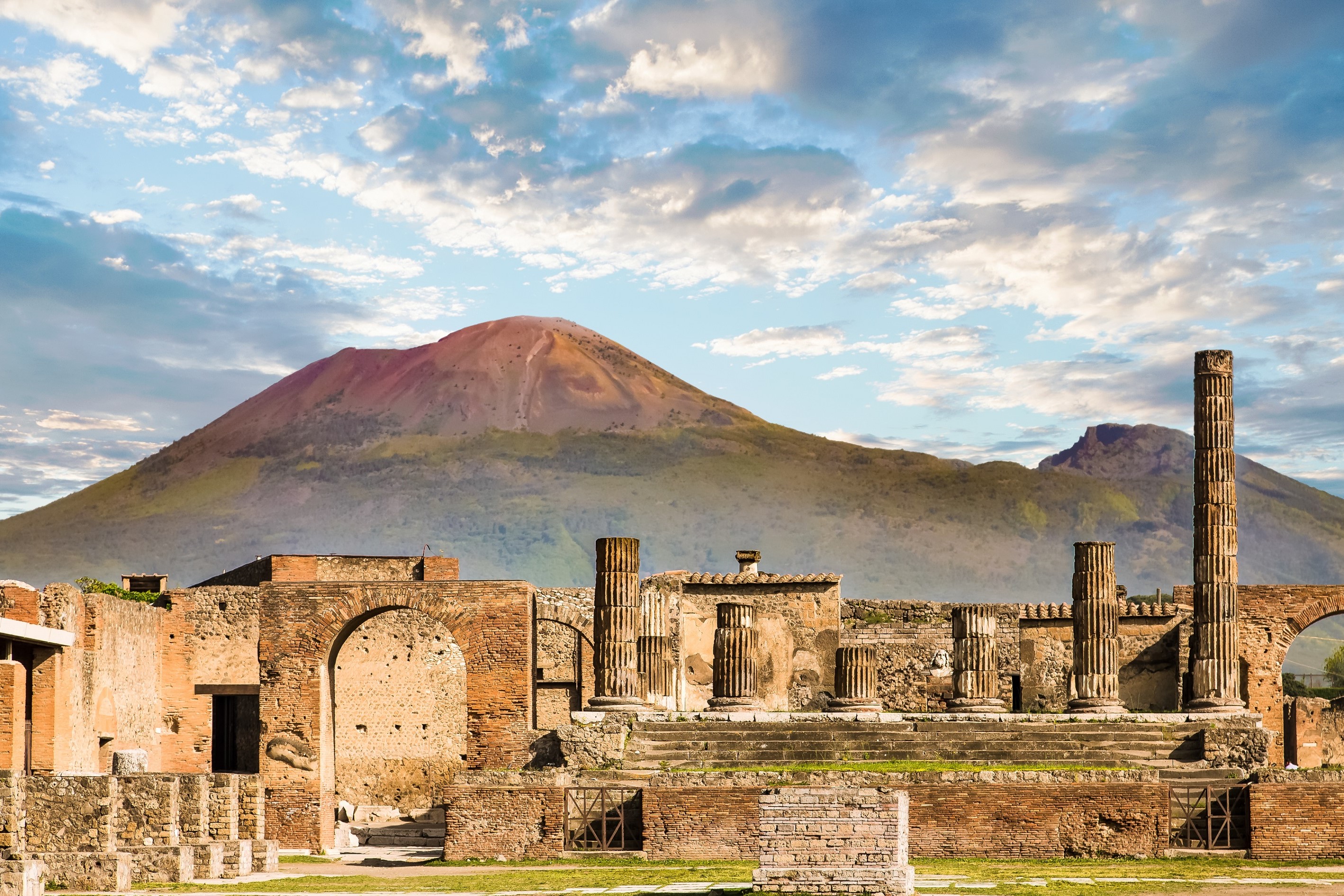
The Temple of Jupiter dominates the north side of the Forum, with Mount Vesuvius scenically rising behind. When the colony was founded (80 BC), the temple underwent a radical renovation and became a real Capitolium with the three cult statues of Jupiter, Juno and Minerva, which looked like those of the Capitolium in Rome, placed on a high base so as to make them visible to whoever passed in the Forum square.
5
The Macellum consists of a tuff quadriporticus with a hall for worship in an elevated position on the eastern side, in line with the entrance. The copies of two marble statues, a female and a male armed, are found on the niches of the side wall, together with the fragment of a larger statue, probably pertaining to an emperor, Titus or Vespasian, indicating how this area was intended for the imperial cult. To its left is a room for meetings of a sacred board and to the right a large room with a masonry counter perhaps for fish to be sold.
6
Stop 6
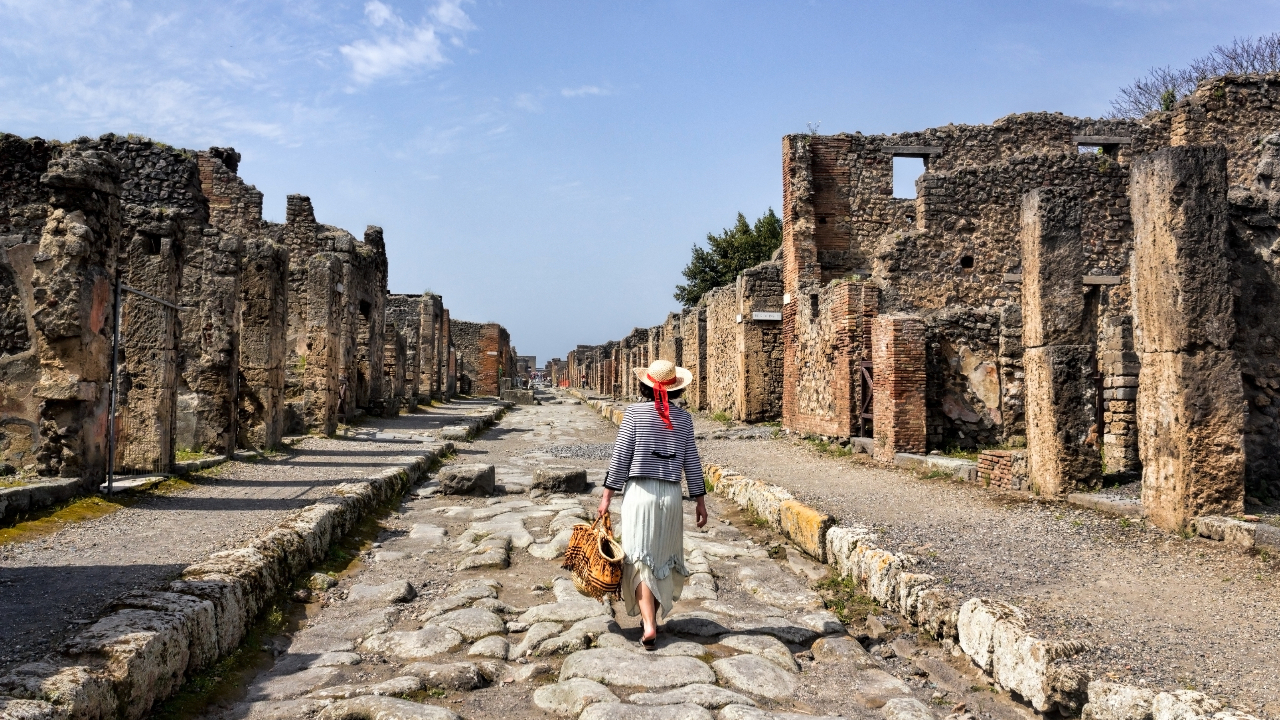
Via dell’Abbondanza was the ancient main street (decumanus maximus) of ancient Pompeii, which ran across the city in the direction east/west from the Forum to the Porta Sarno.
In ancient times the street was crowded and noisy with many shops, workshops ("officinae”), cafes, snack-bars and restaurants for food and drink
7
Stop 7
The Forum Baths are located behind the Temple of Jupiter and date back to the years immediately after the founding of the colony of veterans by General Silla (80 BC). Women's and men's quarters had separate entrances. The men's section presents an apodyterium (dressing room), used also as a tepidarium (for medium temperature baths), frigidarium (for cold baths) and calidarium (for hot baths). Like many buildings in Pompeii, the baths were heavily damaged during the earthquake of 62 AD.
8
The Lupanar of Pompeii is the most famous brothel in the ruined Roman city of Pompeii. It is of particular interest for the erotic paintings on its walls. Lupanar is Latin for "brothel". The Pompeii lupanar is also known as Lupanare Grande.
The prostitutes in the brothel were mostly Greek and Oriental slaves who were paid between two and eight Asses (a glass of wine cost one As) for their services.
9
The house of the Menander is a great example of a Roman Villa owned by an high-ranking family. It is reachly decorated with wonderful frescoes representing scenes of the Trojan war and here were also founded many objects in silver, tableware now strored in the Archaeological Museum in Naples. The house owes its name to a picture of Menander, an Athenian poet, placed in the portico.
The house belonged to Quintus Poppaeus Sabinus of the Poppei family, relatives of the Empress Poppea Sabina, Nero's second wife.
10
The House of the Faun (Italian: Casa del Fauno), built during the 2nd century BC, was one of the largest and most impressive private residences in Pompeii, Italy, and housed many great pieces of art. It is one of the most luxurious aristocratic houses from the Roman republic, and reflects this period better than most archaeological evidence found even in Rome itself.
11
Stop 11
The Large Theater of Pompeii was built from the Romans on the slope of a hill located in the area; they took advantage of the natural depression of the mountain to create a majesty auditorium divided into 5 sectors.
On the stage were played tragedies of the Greco-Roman traditions.
What's not included
Lunch
Available languages
Guide guide
DE
EN
FR
ES
Important information
Specialized infant seats are available
Not recommended for travelers with poor cardiovascular health
Public transportation options are available nearby
Infants and small children can ride in a pram or stroller
Suitable for all physical fitness levels
Meeting point
In case your hotel is not reachable or you don't require the pick up/ drop off we'll be happy to meet you at the Garage Parking Mandara, located at Viale Pasitea nr. 82 next to the petrol pump
Important notes
• This is a private tour/activity. Only your group will participate.
• You have to confirm departure time with the local service provider before the travel date.
• The program is subject to changes due to weather or causes of force majeure in which case it may not be possible to make some stops or visits mentioned in the program, the guide could amend the itinerary slightly.
• Duration and itinerary times may vary due to local traffic conditions.
• Changes to the date and time of your tour requested less than 24 hours before departure time are subject to the supplier availability.
About Positano
Positano is a picturesque coastal town on the Amalfi Coast, known for its pastel-colored houses, narrow streets, and stunning sea views. It's a romantic and scenic destination that offers a mix of relaxation, adventure, and cultural experiences.
Top Attractions
Spiaggia Grande
The main beach in Positano, known for its beautiful views and lively atmosphere. It's a great place to relax and enjoy the sea.
Beach
Half day
Free (sunbeds and umbrellas for rent)
Path of the Gods (Sentiero degli Dei)
A scenic hiking trail offering breathtaking views of the Amalfi Coast. It's a moderate hike suitable for most fitness levels.
Hiking
3-4 hours
Free
Church of Santa Maria Assunta
A beautiful 19th-century church known for its stunning majolica dome and historic artifacts. It's a must-visit for its architectural beauty and religious significance.
Religious
1 hour
Free (donations welcome)
Fortezza di Positano
A historic fortress offering panoramic views of the town and coastline. It's a great place to learn about the town's history and enjoy the scenery.
Historical
1-2 hours
Free
Boat Tour
A boat tour along the Amalfi Coast offers a unique perspective of the coastline and its hidden coves. It's a great way to explore the area and enjoy the sea.
Adventure
Half day to full day
€50-€200 per person
Must-Try Local Dishes
Spaghetti alle Vongole
Spaghetti with clams, a classic Italian dish made with fresh clams, garlic, white wine, and olive oil.
Main Course
Contains shellfish, gluten (pasta)
Delizia al Limone
A lemon delight cake made with sponge cake, lemon curd, and mascarpone cream, a specialty of the Amalfi Coast.
Dessert
Contains dairy, eggs, gluten
Insalata di Mare
A seafood salad made with a variety of fresh seafood, including shrimp, mussels, and octopus, served with a lemon vinaigrette.
Appetizer
Contains shellfish, fish
Popular Activities
Hiking
Boat tours
Snorkeling
Beach activities
Spa treatments
Sunbathing
Visiting historic sites
Exploring local shops
Best Time to Visit
May to September
This is the best time to visit for warm weather and outdoor activities. The town is lively, and the sea is perfect for swimming.
20°C to 30°C
68°F to 86°F
Practical Information
Language
- Official: Italian
- Widely spoken: English, French, German
- English: Moderately spoken
Currency
Euro (EUR)
Time Zone
GMT+1 (Central European Time)
Electricity
230VV, 50HzHz
Safety Information
Overall Safety Rating: Generally safe
Positano is generally safe, but petty crime can occur, especially in crowded areas. Be cautious with your belongings and be aware of your surroundings.
Important Precautions:
- • Keep your belongings secure
- • Be cautious of strangers offering services
- • Use reputable tour operators
Getting there
By air
- Naples International Airport • 60 km
- Rome Fiumicino Airport • 280 km
By train
Naples Central Station
By bus
Naples, Sorrento
Getting around
Public transport
Buses are the main form of public transport along the Amalfi Coast. They can be crowded and slow due to traffic.
Taxis
Available • Apps: None specific to the area
Rentals
Car, Scooter
Neighborhoods
Marina Grande
Fornillo
Montepertuso
Day trips
Amalfi
10 km • Half day to full day
A charming town known for its historic cathedral, beautiful beaches, and scenic views. It's a great place to explore the Amalfi Coast's rich history and culture.
Ravello
15 km • Half day to full day
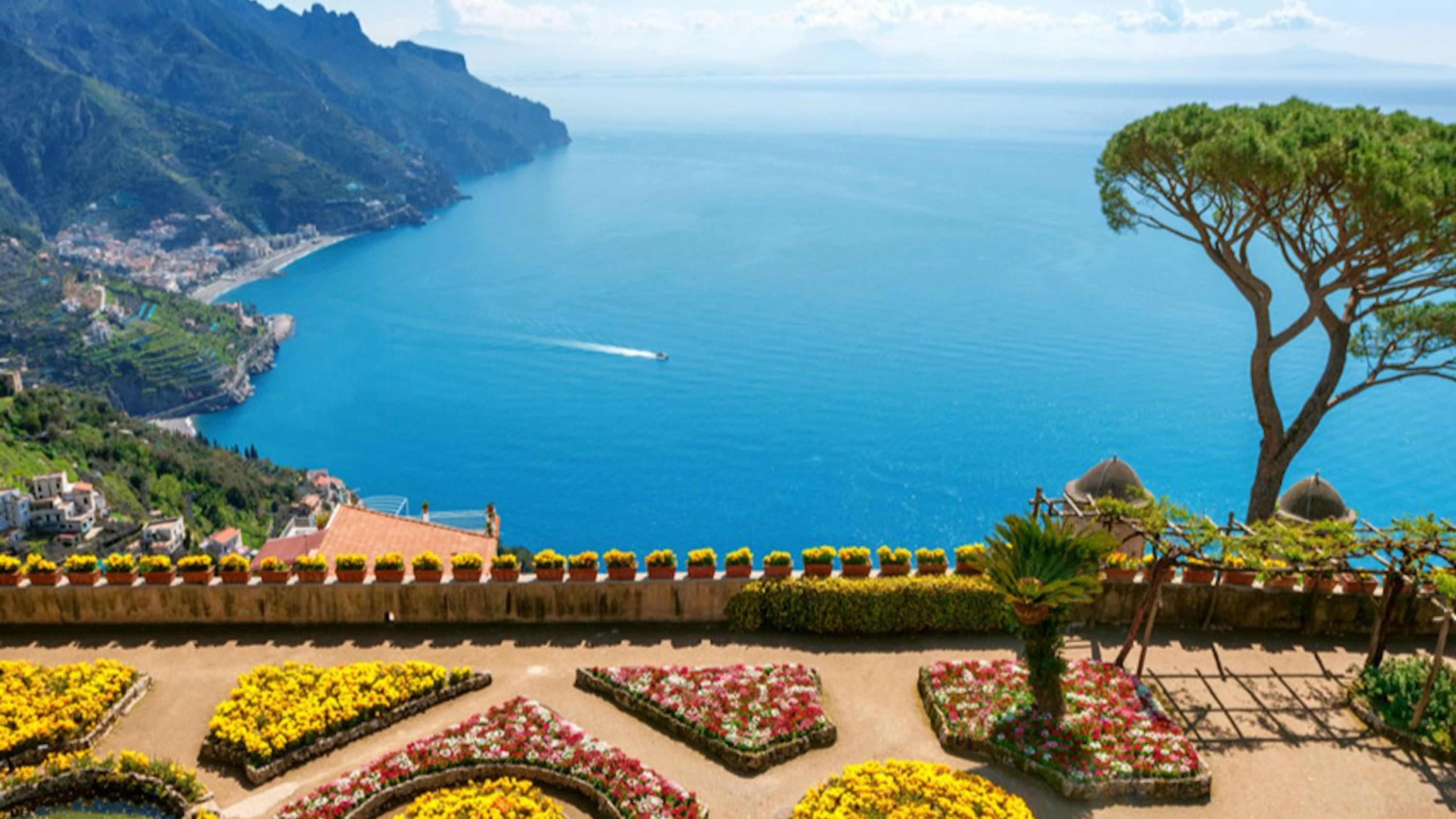
A picturesque hilltop town known for its stunning gardens, historic villas, and panoramic views. It's a great place to enjoy the beauty and culture of the Amalfi Coast.
Capri
30 km • Full day
A beautiful island known for its stunning landscapes, luxury shopping, and historic sites. It's a great place to enjoy the Mediterranean lifestyle and explore the island's natural beauty.
Festivals
Festa di San Vito • June 28th
Amalfi Coast Festival • July to August
Pro tips
- Visit in the shoulder season for fewer crowds and lower prices.
- Book accommodations and popular restaurants well in advance.
- Explore the town on foot to discover hidden gems and scenic viewpoints.
- Take a boat tour to see the coastline from a different perspective.
- Try local specialties like limoncello and seafood dishes.
From $25
per person
Price varies by option
Secure booking
Free cancellation available
Instant confirmation