Skip-the-Line Private Pompeii & Herculaneum Tour with Local Guide
Active
8h
For a full refund, cancel at least 24 hours before the scheduled departure time.
Instant confirmation
Mobile or paper ticket accepted
About this experience
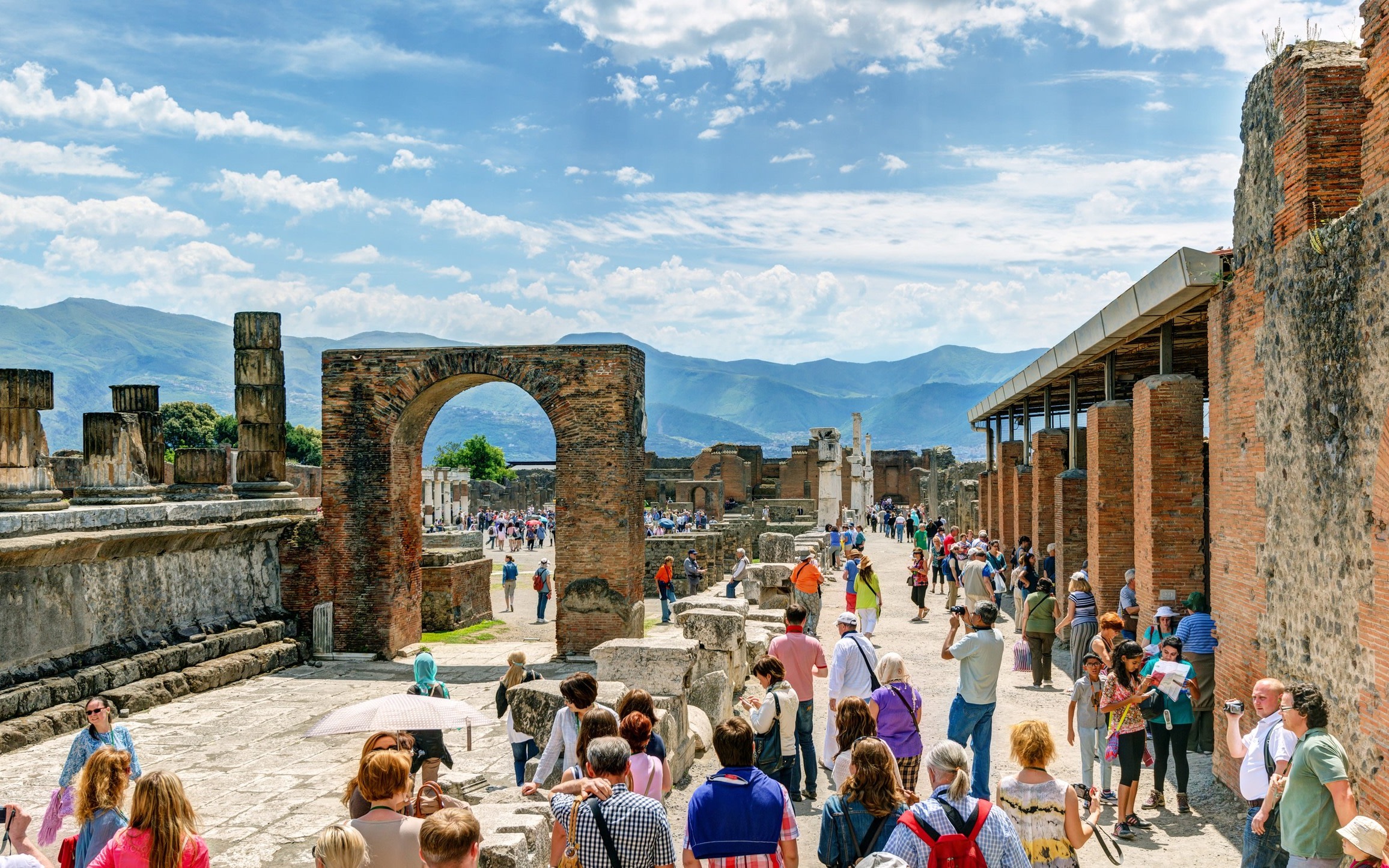
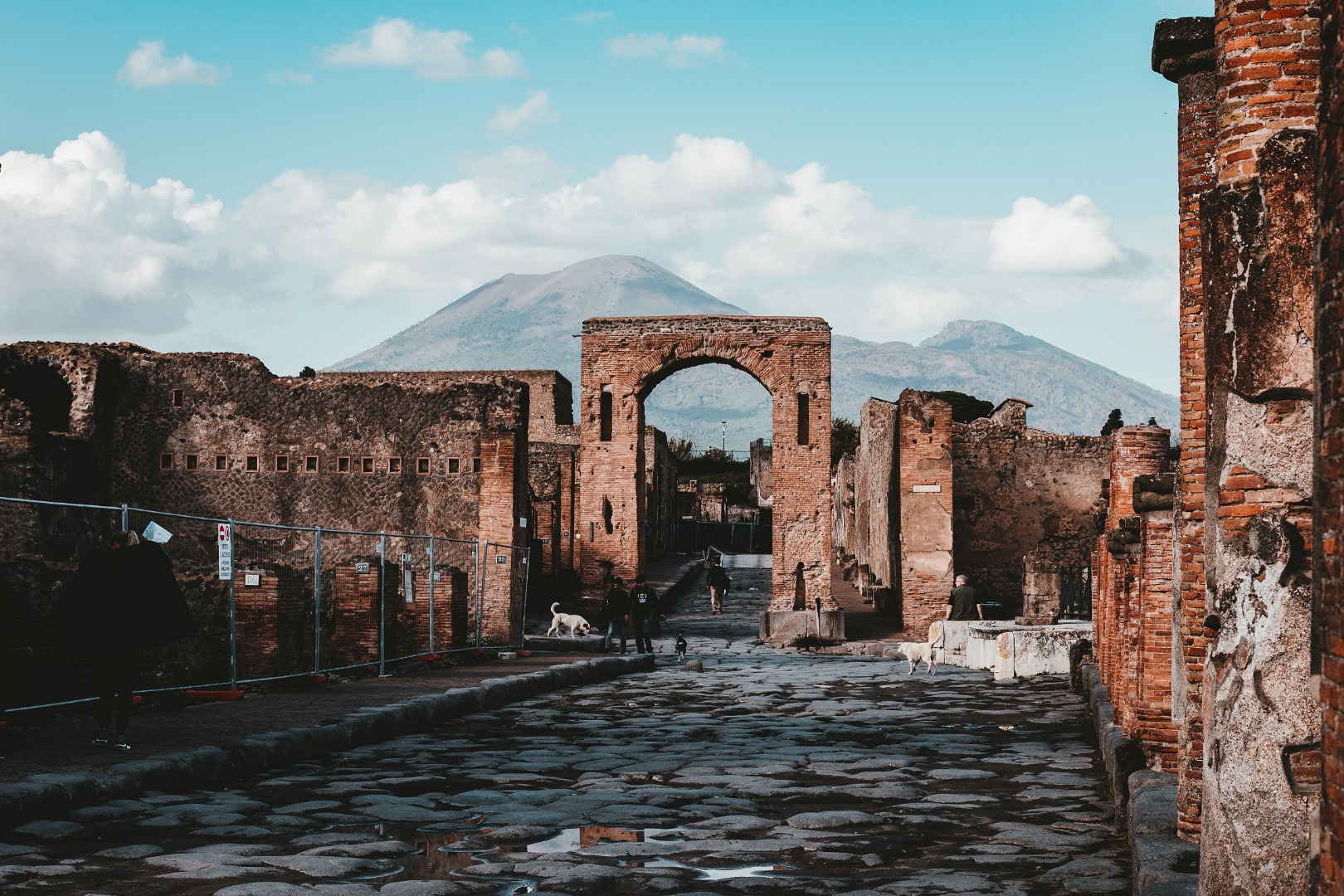
Spend a day in the Vesuvian Area visiting the amazing archaeological Site of Pompeii and Herculaneum ruins.
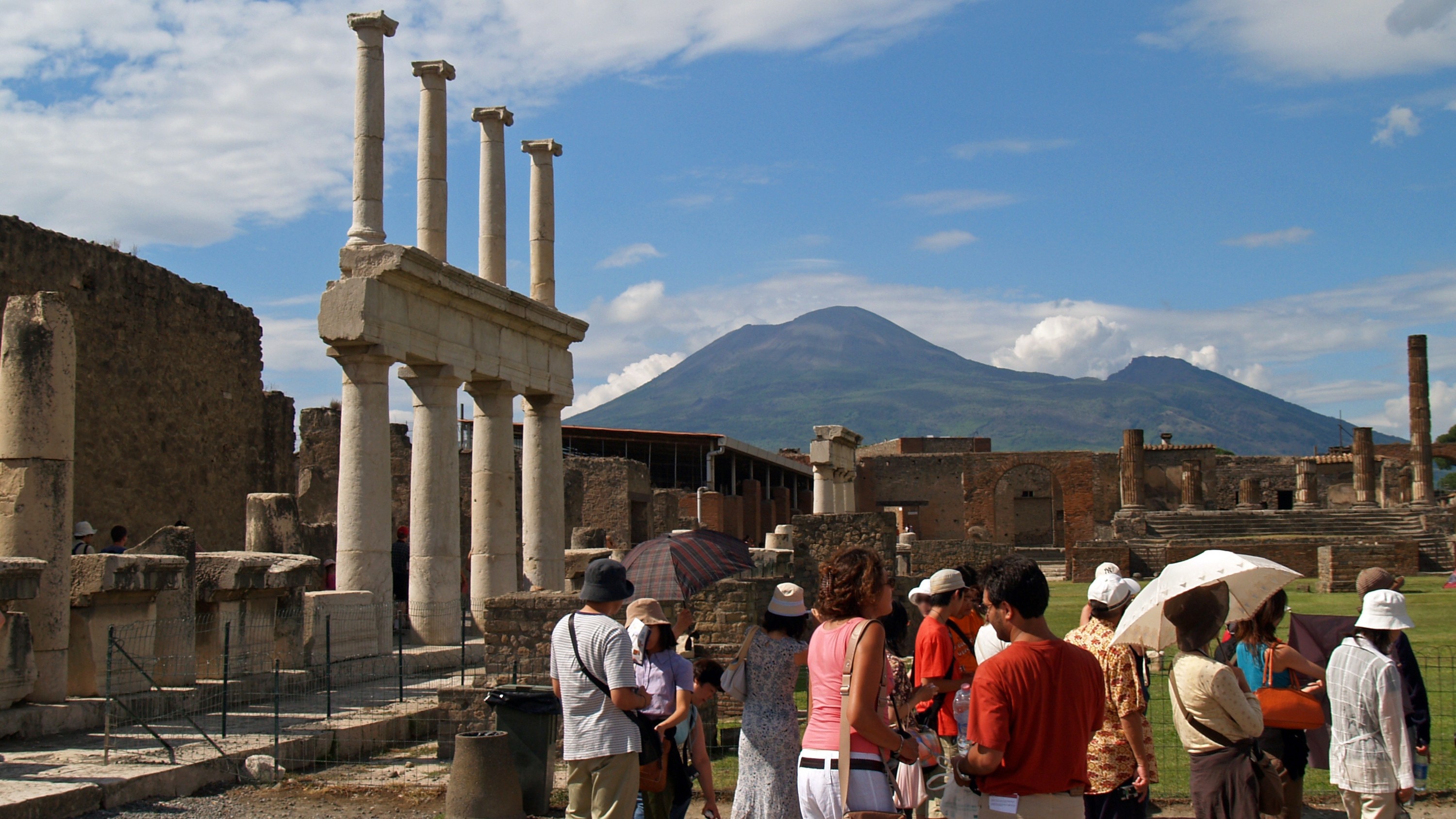
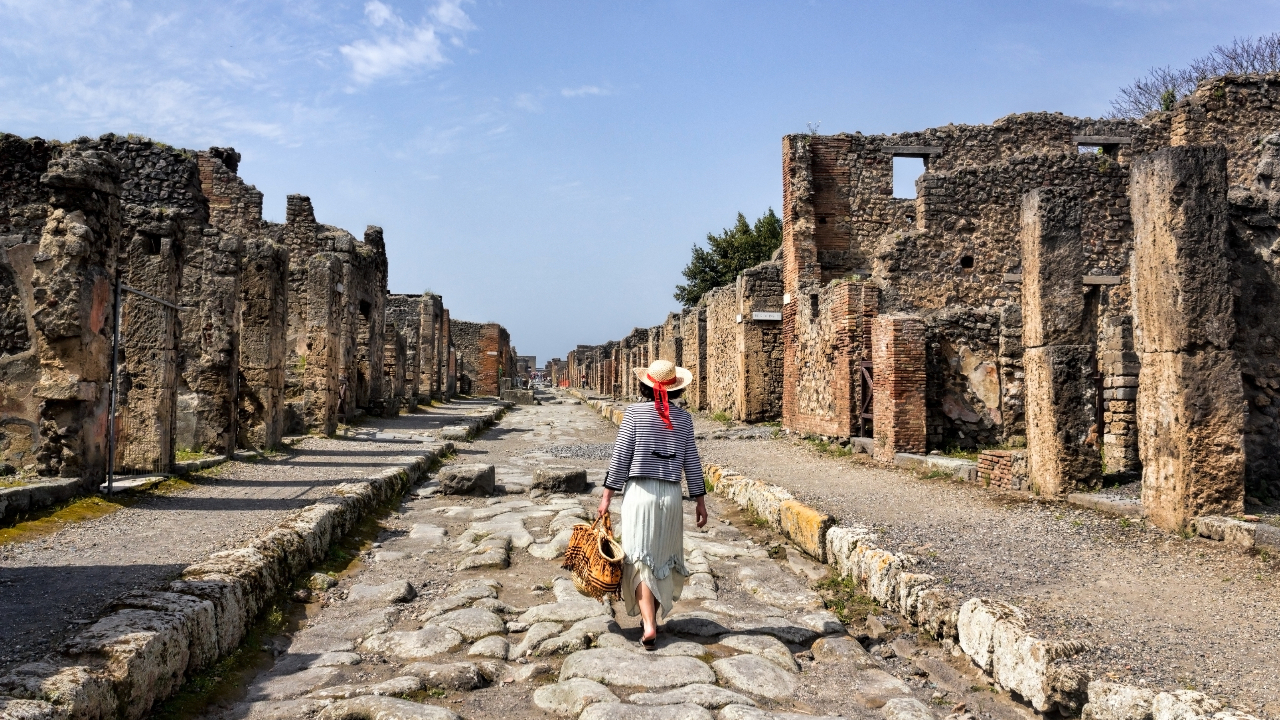
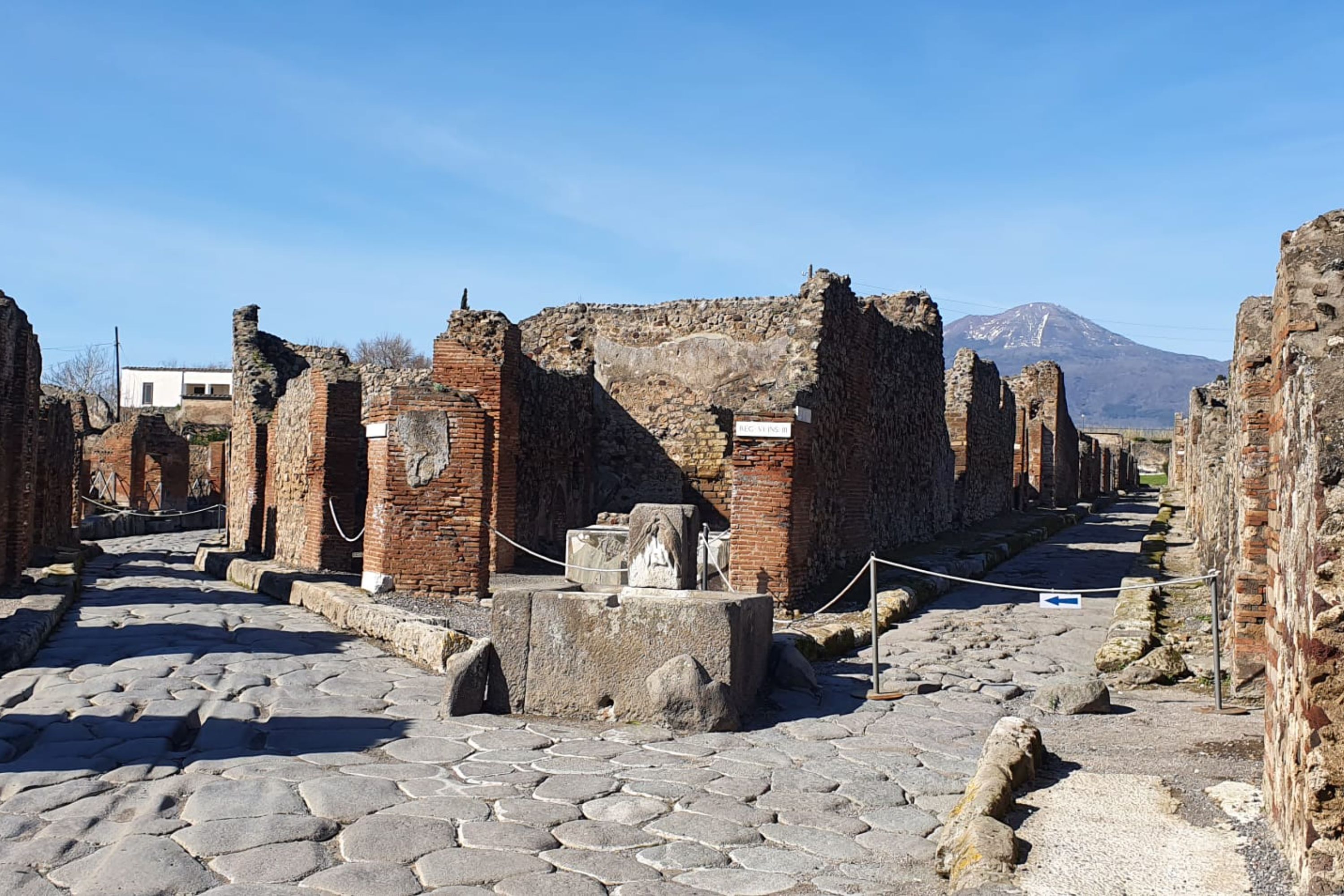
Pick-up from Sorrento and transfer to Pompeii; by the entrance, you’ll meet the guide and will spent consequently 2 hours walking through the alleys of the historical town.
Free time to spend 2 hours to explore this massive site. You’ll walk through the alleys of what was once considered one of the most important commercial centers in the area.
Free time for lunch.
Continue to Herculaneum and free time to visit the archaeological park. Together with Pompeii, Herculaneum is considered one of the main archaeological sites of the Campania Region today; it is better preserved than the one of Pompeii due to it being buried under a cover of mud and lava.
Return to Sorrento in the afternoon.
Available options
Tour in Spanish
Spanish Speaking Guide<br/>Pickup included
Tour in English
English Speaking Guide<br/>Pickup included
Tour in German
German Speaking Guide<br/>Pickup included
Tour in French
French Speaking Guide<br/>Pickup included
Tour in Italian
Italian Speaking Guide<br/>Pickup included
What's included
Private transportation
Highway tolls, car fuel and parking
Pick up and drop-off from your hotel in Sorrento area
2 hours private guided tour in Pompei
Skip the line entrance tickets in Pompeii and Herculaneum
Official guide
2 hours private guided tour in Herculaneum
Detailed itinerary
1
Stop 1
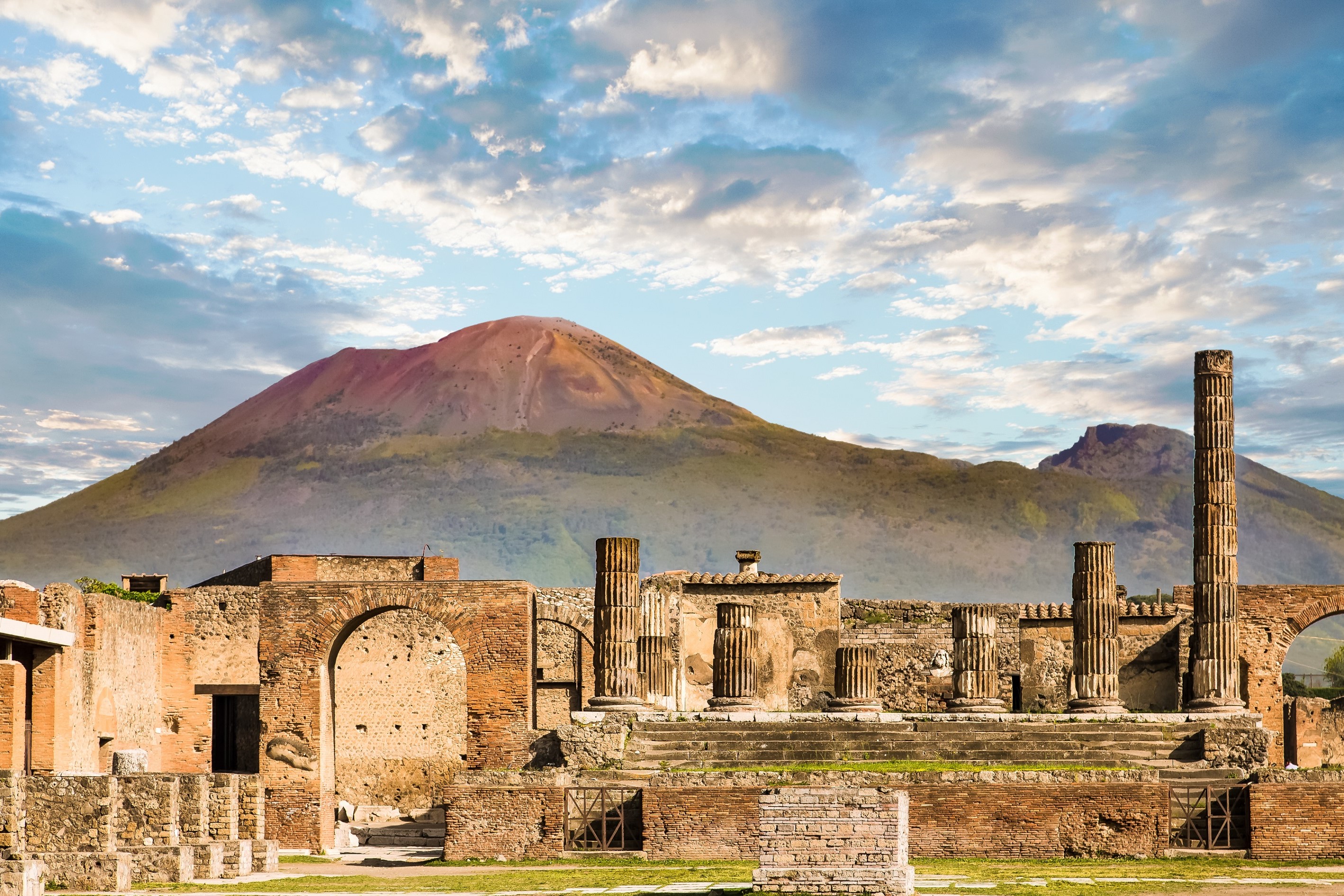
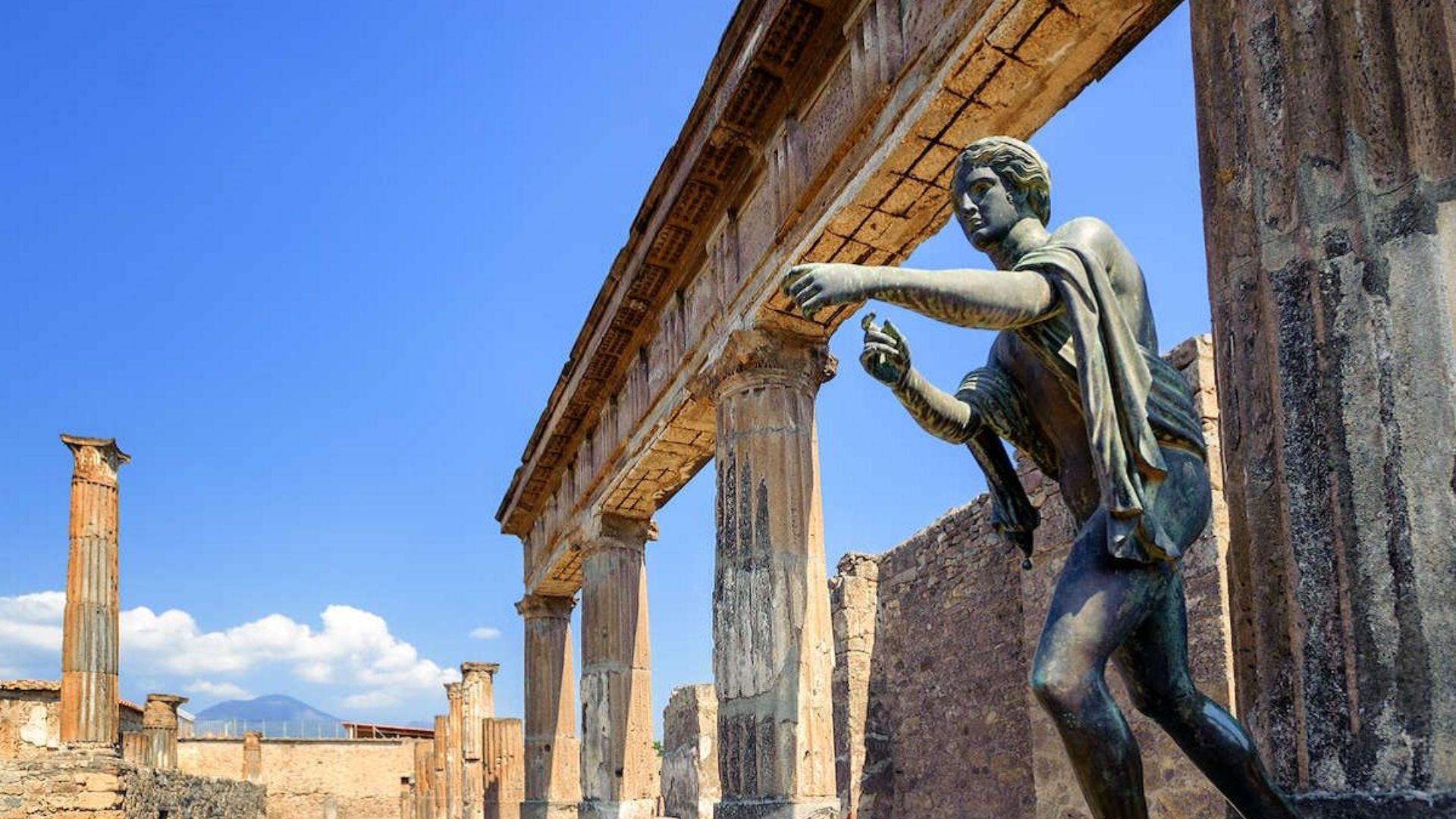
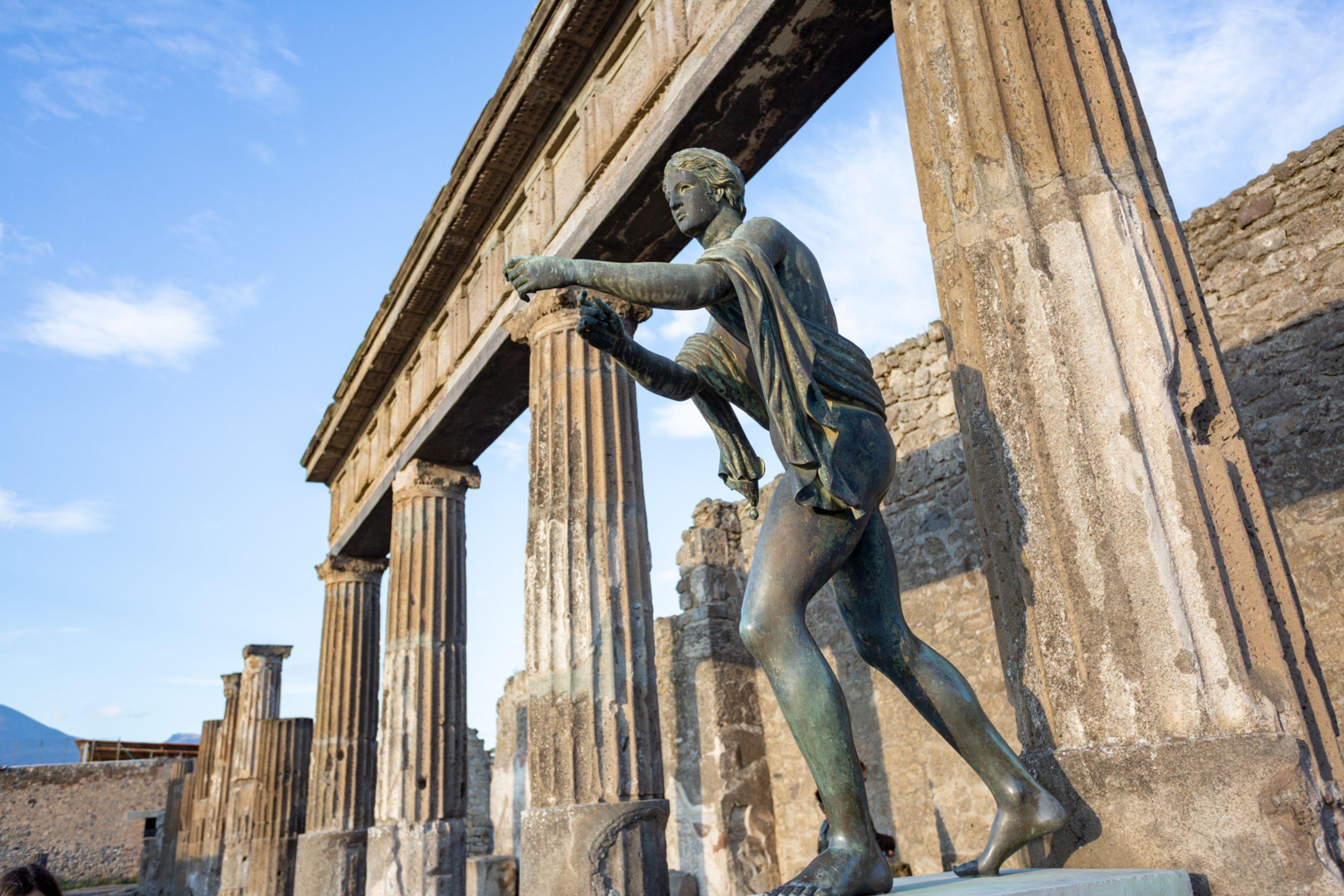
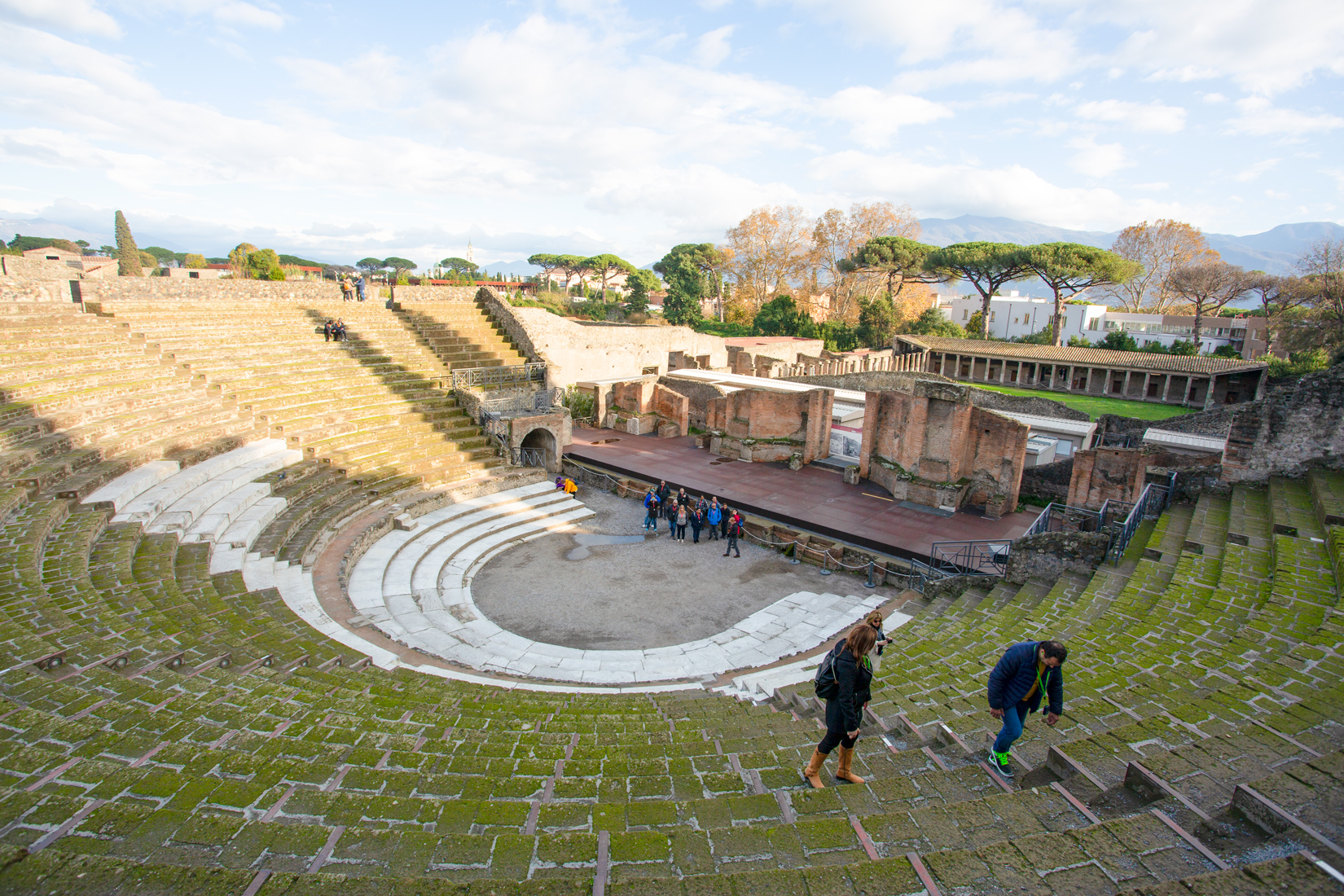
Pompeii is a vast archaeological site in southern Italy’s Campania region, near the coast of the Bay of Naples. Once a thriving and sophisticated Roman city, Pompeii was buried under meters of ash and pumice after the catastrophic eruption of Mount Vesuvius in 79 A.D.
2
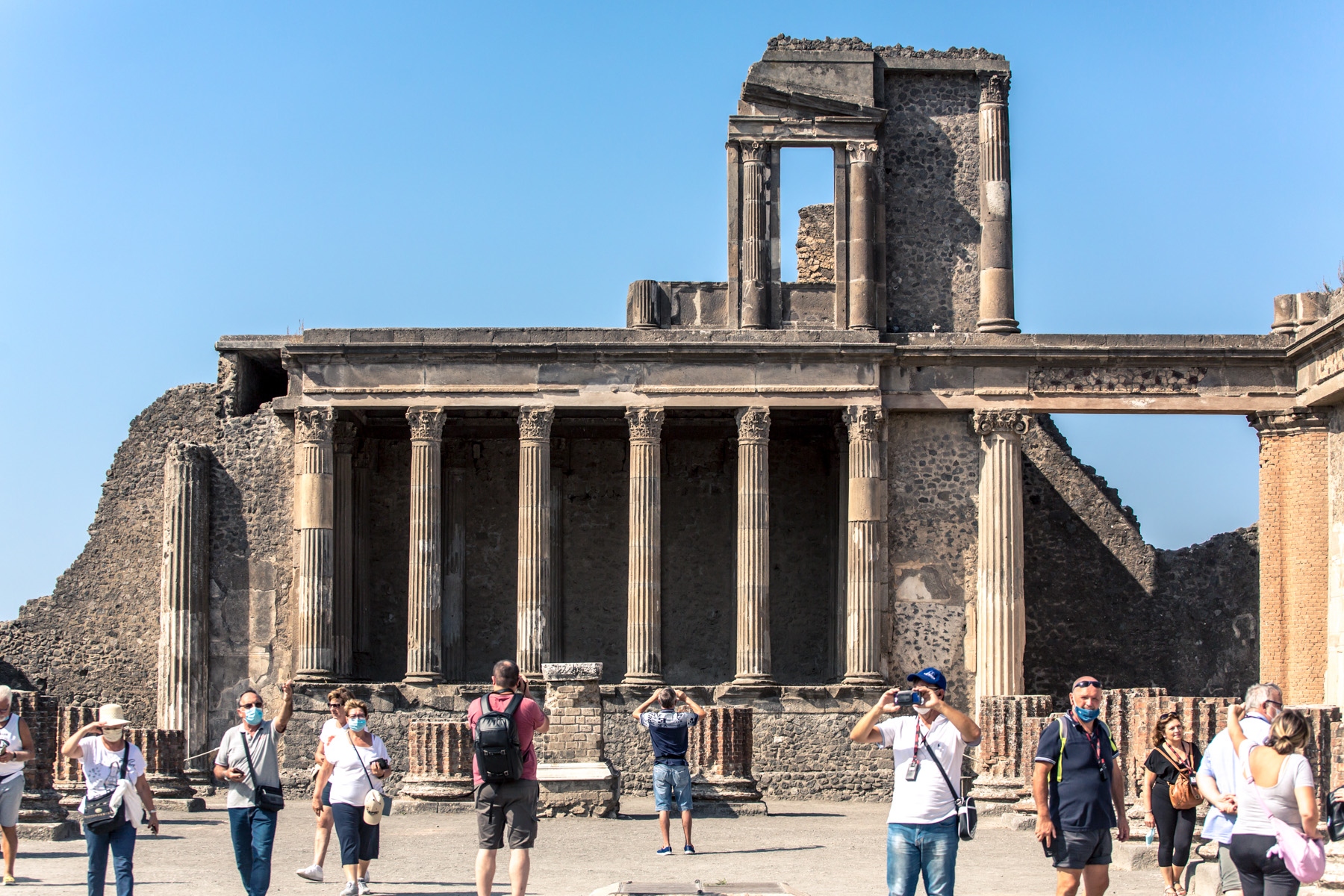
The Basilica, with its extension of 1,500 square meters, was the most sumptuous building of the Forum, and its space was used to carry out business and for the administration of justice.
3
The Civil Forum is the core of daily life of the city and is the focal point of all the main public buildings for city administration and justice, business management, and trade activities such as markets, as well as the main places of citizen worship.
4
Stop 4
The Lupanar of Pompeii is the most famous brothel in the ruined Roman city of Pompeii. It is of particular interest for the erotic paintings on its walls. Lupanar is Latin for "brothel". The Pompeii lupanar is also known as Lupanare Grande.
The prostitutes in the brothel were mostly Greek and Oriental slaves who were paid between two and eight Asses (a glass of wine cost one As) for their services.
5
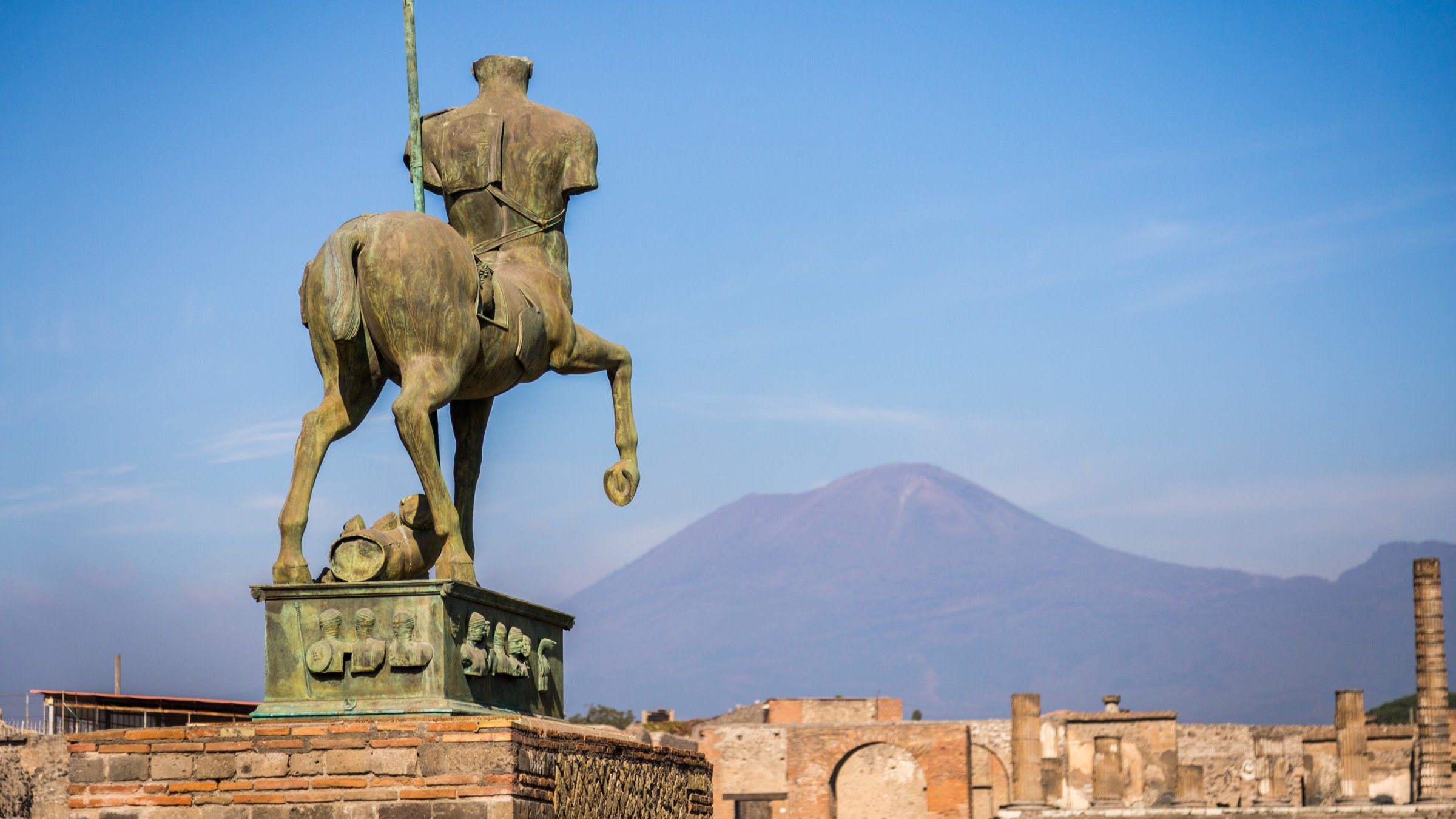
The Temple of Jupiter dominates the north side of the Forum, with Mount Vesuvius scenically rising behind. When the colony was founded (80 BC), the temple underwent a radical renovation and became a real Capitolium with the three cult statues of Jupiter, Juno and Minerva, which looked like those of the Capitolium in Rome, placed on a high base so as to make them visible to whoever passed in the Forum square.
6
The House of the Faun (Italian: Casa del Fauno), built during the 2nd century BC, was one of the largest and most impressive private residences in Pompeii, Italy, and housed many great pieces of art. It is one of the most luxurious aristocratic houses from the Roman republic, and reflects this period better than most archaeological evidence found even in Rome itself.
7
The Macellum consists of a tuff quadriporticus with a hall for worship in an elevated position on the eastern side, in line with the entrance. The copies of two marble statues, a female and a male armed, are found on the niches of the side wall, together with the fragment of a larger statue, probably pertaining to an emperor, Titus or Vespasian, indicating how this area was intended for the imperial cult. To its left is a room for meetings of a sacred board and to the right a large room with a masonry counter perhaps for fish to be sold.
8
Stop 8
Located in the shadow of Mount Vesuvius, Herculaneum was an ancient Roman town destroyed by volcanic pyroclastic flows in 79 AD. Its ruins are located in the comune of Ercolano.
9
It is thought that the building was a centre of the cult of the Emperor Augustus and the headquarters of the Collegium Augustalium (or possibly even the local curia).
10
The "thermae" were the city's public baths. There were relatively few private baths and these were limited to the most well-to-do families, given that the latter were the only ones who could afford to build rooms suited to the purpose.
The thermal bath buildings were divided into two sections: one reserved for women and one reserved for men. Each of these contained a series of rooms with different functions:
changing room
cold bath room
tepid bath room
hot bath room
all well preserved from the passing of the years
11
The Casa dei Cervi is an imposing example of a Roman noble family's house that, before the volcanic mud slide, boasted a seafront address. Constructed around a central courtyard, the two-storey villa contains murals and some beautiful still-life paintings.
12
The House of the Skeleton probably the aggregation of three smaller buildings, derives its name from the discovery of human remains in a second floor room in 1831.
Some inhabitants shut themselves in their homes and they died there either by suffocation or because of the extreme heat of the gases which hit the town.
13
The Partem Domus Lignea, owes its name to a folding wooden door discovered here; it was used to separate the atrium from the tablinium (the studio of the owner).
In front of the façade it's still possible to admire the benches where the clientes waited to be received from the host.
14
After the Eruption of the Volcano Vesuvius, many inhabitants fled for their lives reaching the beach.
The men tried to protect women and children, but the fury of the Volcano was unstoppable and the waves, the sand and the lava destroyed the little port and the beach.
The wooden boat, recovered from the ancient beach, was covered with a resinous material, which preserved it perfectly, and in 1982 it was bring back to lifeand put back in the right position, so travellers can admire it.
What's not included
Food and drinks
Available languages
Guide guide
DE
EN
IT
FR
ES
Reviews breakdown
Viator
5.0
5 reviews
5★
5
4★
0
3★
0
2★
0
1★
0
Tripadvisor
4.2
5 reviews
5★
4
4★
0
3★
0
2★
0
1★
1
Important information
Not recommended for travelers with spinal injuries
Public transportation options are available nearby
Specialized infant seats are available
Suitable for all physical fitness levels
We suggest to wear sunscreen and comfortable shoes as in summer it gets very hot
Meeting point
In case you don't need the pick up, you will meet the driver by the entrance of "Gray Line - IAMME IA!" office located behind the statue of Torquato Tasso, nearby the Bar Fauno, next to the Fattoria Terranova shop.
We suggest to arrive at meeting point 10 minutes prior to the departure.
Important notes
• This is a private tour/activity. Only your group will participate.
• Free and reduced tickets can only be issued upon presentation of a valid identity document.
• You have to confirm departure time with a local service provider before the travel date.
• The program is subject to changes due to weather, causes of force majeure (road closure, public events), in which case it may not be possible to make some stops or visits mentioned in the program. The guide could amend the itinerary slightly.
• Duration and itinerary times may vary due to local traffic conditions.
About Sorrento
Sorrento is a charming coastal town on the Amalfi Coast, known for its stunning views, lemon groves, and historic center. It's a gateway to the Amalfi Coast and offers a mix of relaxation, culture, and adventure.
Top Attractions
Piazza Tasso
The main square of Sorrento, named after the famous poet Torquato Tasso. It's a lively spot with cafes, restaurants, and street performers.
Historical
30 minutes to a few hours
Free
Sorrento Cathedral
A beautiful 19th-century cathedral dedicated to Saint Mary of the Assumption. It features a mix of architectural styles and a stunning interior.
Religious
30 minutes
Free
Villa Tasso
A historic villa that once hosted the famous poet Torquato Tasso. It offers beautiful gardens and panoramic views of the coast.
Historical
1 hour
Free
Marina Grande
The main beach of Sorrento, offering a mix of sandy and pebbly shores. It's a popular spot for swimming, sunbathing, and enjoying seafood at nearby restaurants.
Beach
Half day
Free (beach clubs may charge)
Museo Correale di Terranova
A museum showcasing the history and culture of Sorrento, with exhibits on local crafts, art, and archaeology.
Museum
1-2 hours
€7
Must-Try Local Dishes
Spaghetti alle Vongole
Spaghetti with clams, a classic dish made with fresh clams, garlic, olive oil, and white wine.
Main Course
Contains seafood
Sfogliatella
A traditional Italian pastry filled with sweet ricotta cheese and candied fruit.
Dessert
Contains dairy
Limoncello
A lemon liqueur made from the local Sorrento lemons, typically served as a digestif.
Drink
Contains alcohol
Popular Activities
Hiking the Path of the Gods
Scuba diving
Boat tours
Beach activities
Spa treatments
Wine tasting
Visiting museums
Attending festivals
Best Time to Visit
June to August
The peak season offers the best weather for beach activities and exploring the town. However, it's also the most crowded and expensive time.
25°C to 35°C
77°F to 95°F
Practical Information
Language
- Official: Italian
- Widely spoken: English, French, German
- English: Moderately spoken
Currency
Euro (EUR)
Time Zone
GMT+1 (CET), GMT+2 (CEST) during daylight saving time
Electricity
230VV, 50HzHz
Safety Information
Overall Safety Rating: Generally safe
Sorrento is generally safe for tourists, with low crime rates. However, petty theft can occur in crowded areas.
Important Precautions:
- • Keep valuables secure in crowded areas
- • Use licensed taxis or rideshare services
- • Be cautious of strangers approaching you with petitions or surveys
Getting there
By air
- Naples International Airport • 50 km
By train
Sorrento Station
By bus
Sorrento Bus Terminal
Getting around
Public transport
Buses are the primary mode of public transport in Sorrento and connect to other towns on the Amalfi Coast.
Taxis
Available • Apps: MyTaxi
Rentals
Car, Bike, Scooter
Neighborhoods
Marina Grande
Town Center
Capo di Sorrento
Day trips
Amalfi Coast
10-30 km • Half day to full day
The Amalfi Coast is a stunning stretch of coastline with picturesque towns, beautiful beaches, and breathtaking views.
Capri
10 km (by boat) • Full day
A beautiful island known for its luxurious villas, stunning views, and the famous Blue Grotto.
Pompeii
30 km • Half day
An ancient Roman city preserved by volcanic ash from the eruption of Mount Vesuvius in 79 AD.
Festivals
Festa di San Paolo • June 29-30
Limoncello Festival • July
Sorrento Film Festival • September
Pro tips
- Visit the lemon groves for a unique and authentic experience
- Try a limoncello tasting to sample the local specialty
- Explore the Path of the Gods for stunning views and a challenging hike
- Take a boat tour to see the coastline from the water
- Visit during the shoulder season for fewer crowds and lower prices
From $25
per person
Price varies by option
Secure booking
Free cancellation available
Instant confirmation