

Florence - The Medici's Private Walking Tour
Active
2h
For a full refund, cancel at least 24 hours before the scheduled departure time.
Instant confirmation
Mobile or paper ticket accepted
About this experience
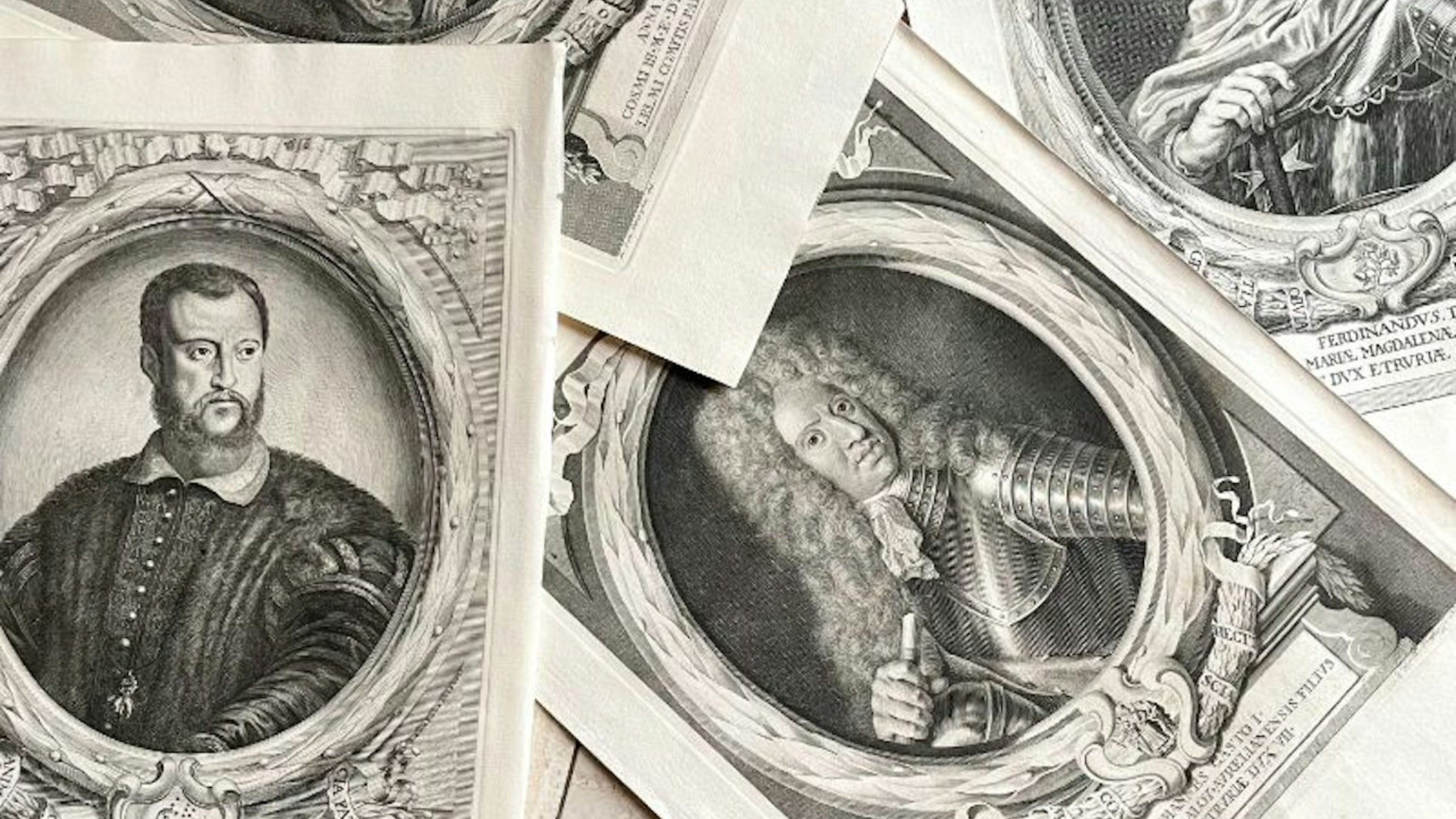
Step into the fascinating world of the Medici, the family that shaped the very soul of Florence and sparked the Renaissance. From their modest origins as bankers to their rise as dukes and patrons of the arts, this tour takes you on an unforgettable journey through the history of one of Europe’s most influential dynasties.
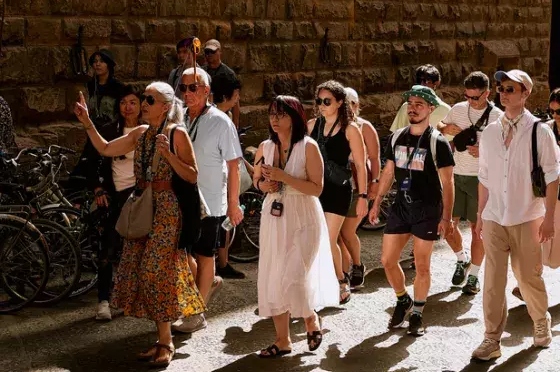
Accompanied by a licensed, knowledgeable guide, you’ll explore the places that marked their lives and their legacy—magnificent palaces, majestic churches, private chapels, and even secret passageways once used to move through the city in safety and style. As you walk the same streets they once ruled, you’ll uncover stories of ambition, art, power struggles, and cultural brilliance.
This is more than a tour, it’s a deep dive into the heartbeat of Florence, told through the extraordinary lives of the Medici. Whether you're a history lover, an art enthusiast, or simply curious about the city’s past, this experience will leave you inspired and enchanted.
Available options
Private German
Pickup included
SPANISH PRIVATE
ENGLISH PRIVATE
FRENCH PRIVATE
ITALIAN PRIVATE
What's included
Professional guide
Earphones if necessary
Pick-up at your accomodation if centrally located
Detailed itinerary
1
Stop 1
Palazzo Medici Riccardi is a cornerstone of Renaissance architecture in Florence and a symbol of the Medici family's early rise to power. Commissioned by Cosimo de’ Medici in the mid-15th century and designed by Michelozzo, the palace was one of the first buildings to reflect the new ideals of proportion, symmetry, and classical influence. Behind its austere, rusticated stone façade lies a refined interior, including the stunning Magi Chapel, decorated with vibrant frescoes by Benozzo Gozzoli that celebrate the Medici’s wealth and influence. Later expanded by the Riccardi family, the palazzo blends political power, artistic innovation, and family legacy, offering a quiet but powerful glimpse into Florence’s golden age.
2
Stop 2
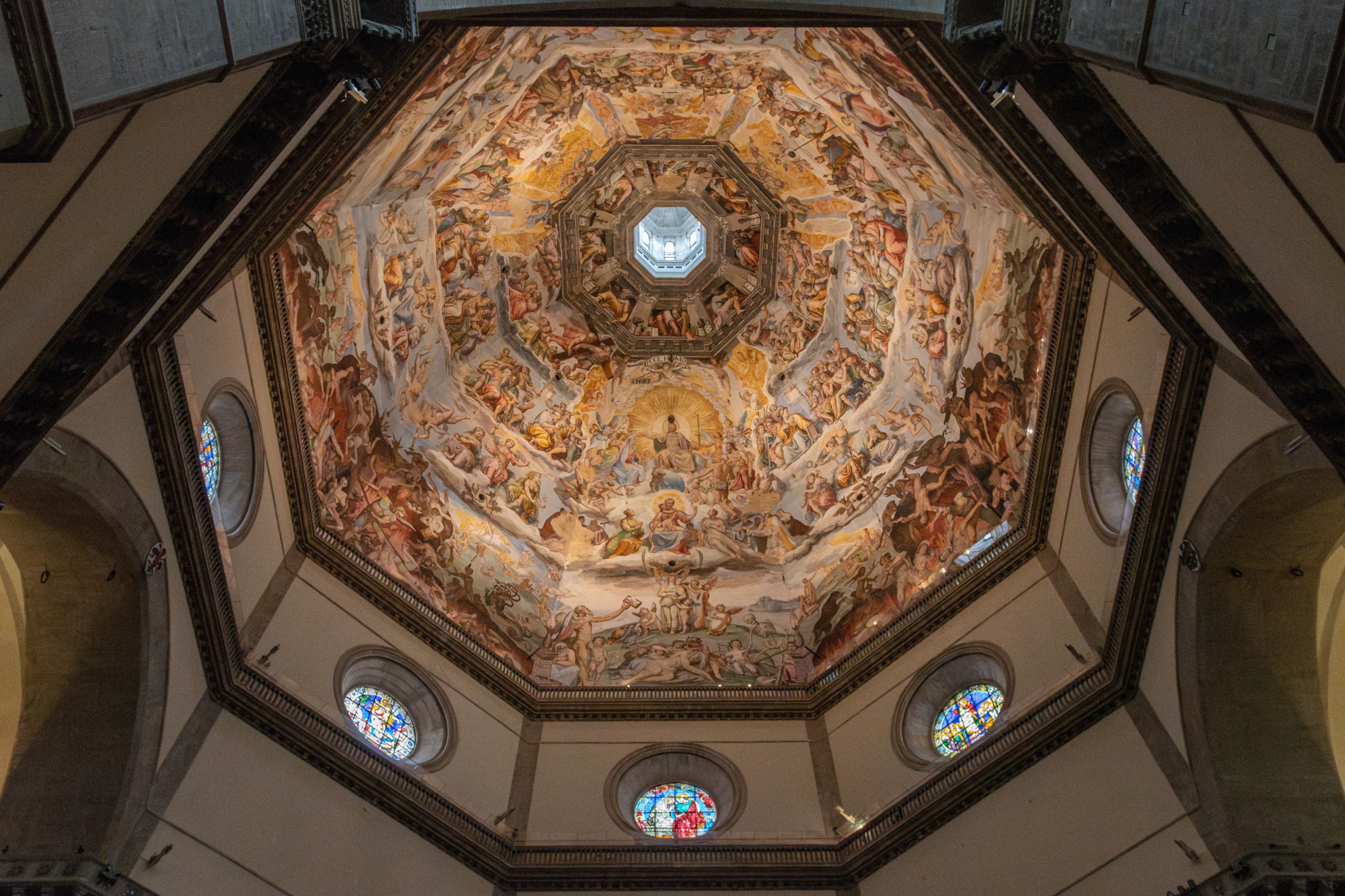
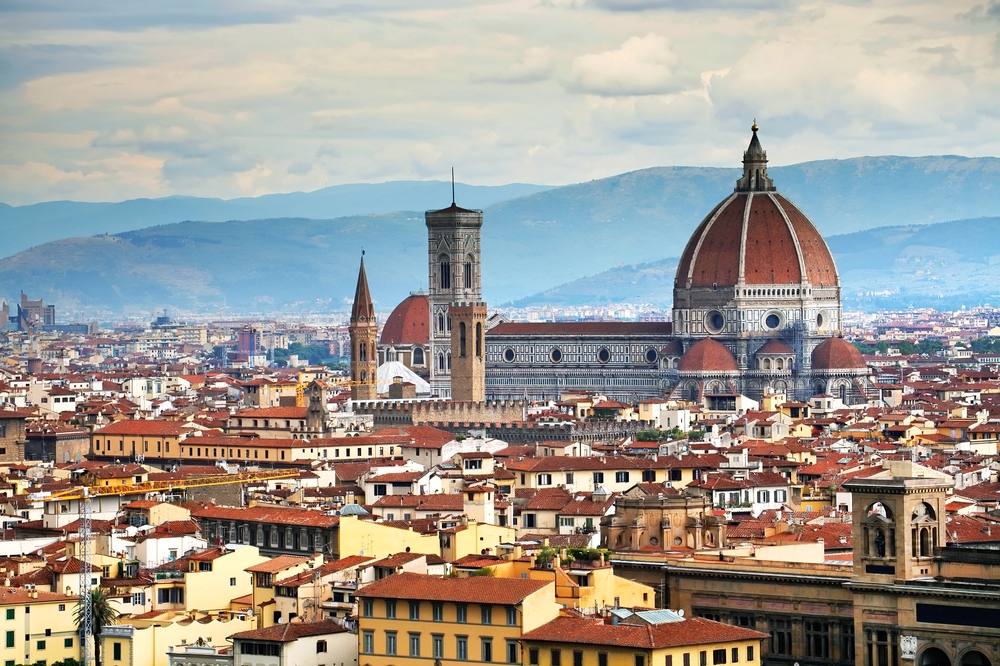
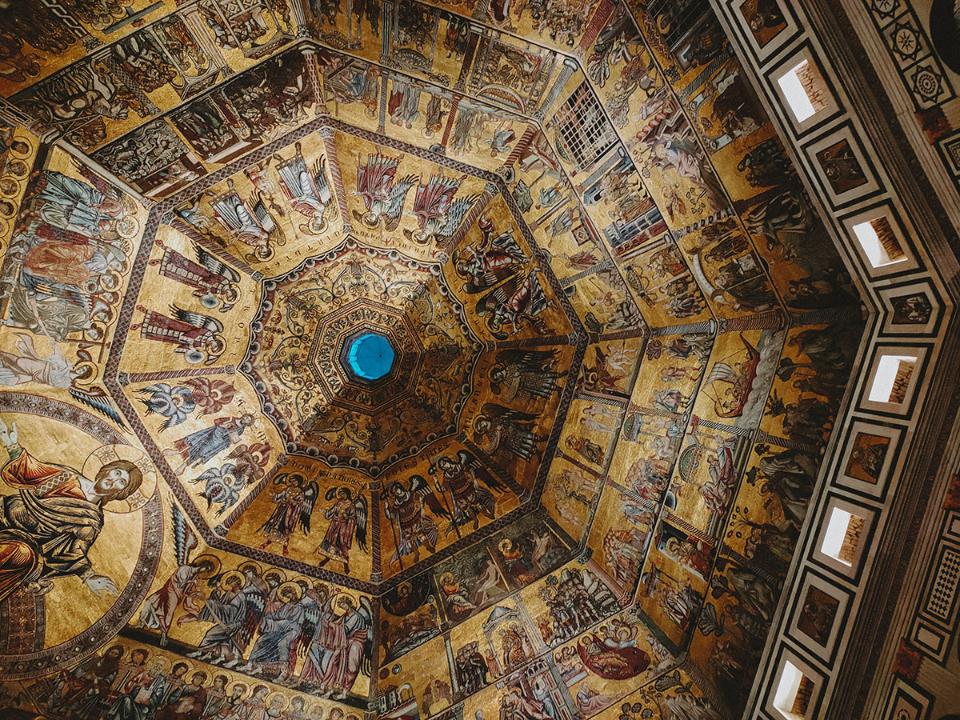
Piazza del Duomo is the monumental heart of Florence, where some of the city’s most iconic landmarks come together in a breathtaking ensemble of art and architecture. Dominating the square is the Cathedral of Santa Maria del Fiore, with Brunelleschi’s soaring dome rising above the skyline, a masterpiece of engineering and beauty. Nearby, Giotto’s bell tower adds vertical elegance, while the Baptistery of San Giovanni, with its intricate marble façade and golden “Gates of Paradise,” stands as one of the city’s oldest and most revered buildings. The piazza is constantly alive with the movement of visitors, the echo of footsteps on stone, and the awe that comes from standing at the crossroads of history, faith, and artistic genius.
3
Stop 3
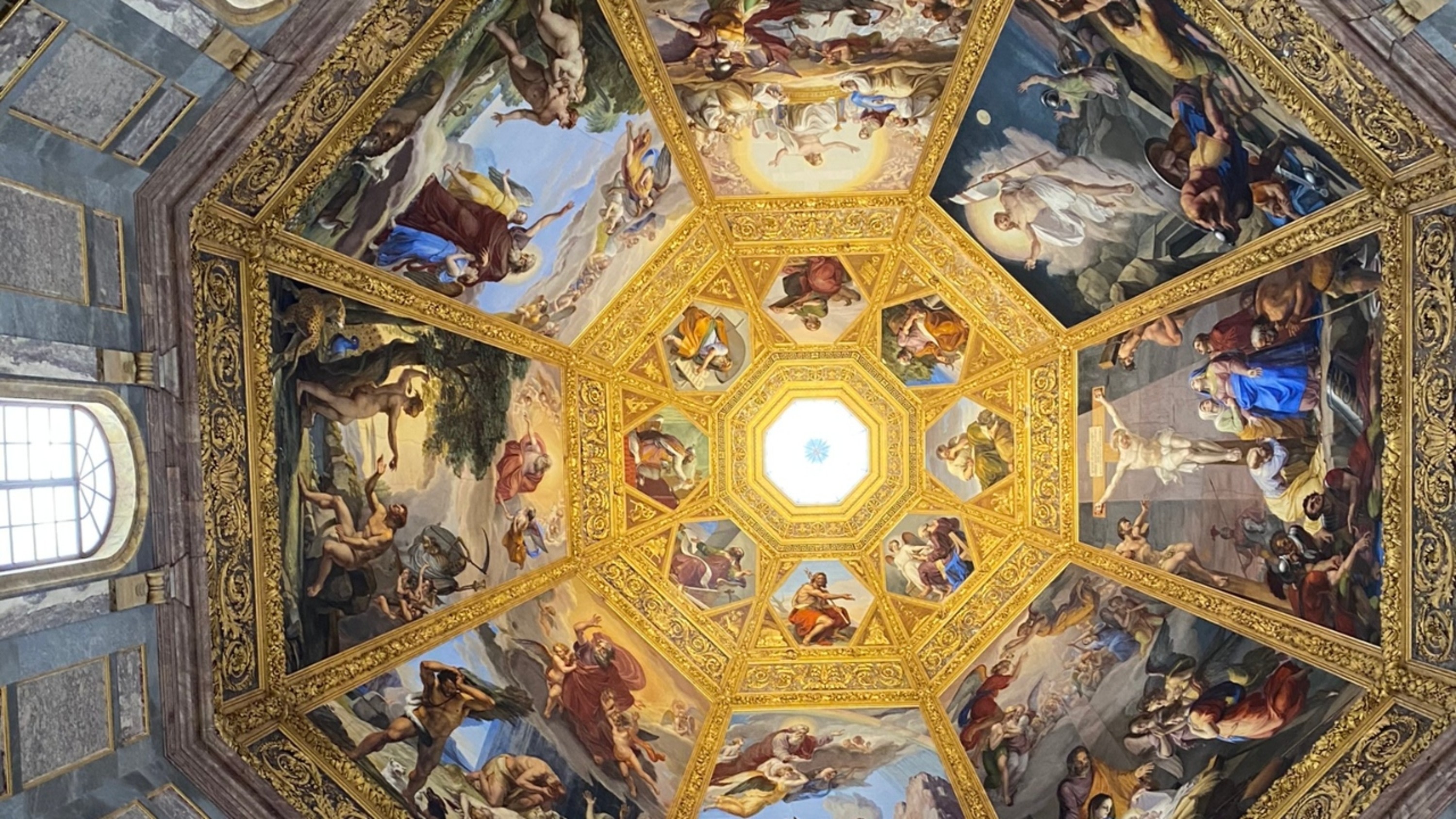
The Basilica di San Lorenzo is one of Florence’s oldest and most historically rich churches, deeply tied to the legacy of the Medici family. Originally consecrated in the 4th century and rebuilt in the 15th century with designs by Brunelleschi, the basilica blends Renaissance harmony with spiritual simplicity. Its plain façade contrasts with the richness of its interior, which houses works by Donatello and elegant chapels filled with art and symbolism. Most famously, it includes the Medici Chapels, monumental tombs designed by Michelangelo, where generations of the powerful family are buried. San Lorenzo is not just a church, but a mirror of Florence’s transformation through faith, art, and political power.
4
Stop 4
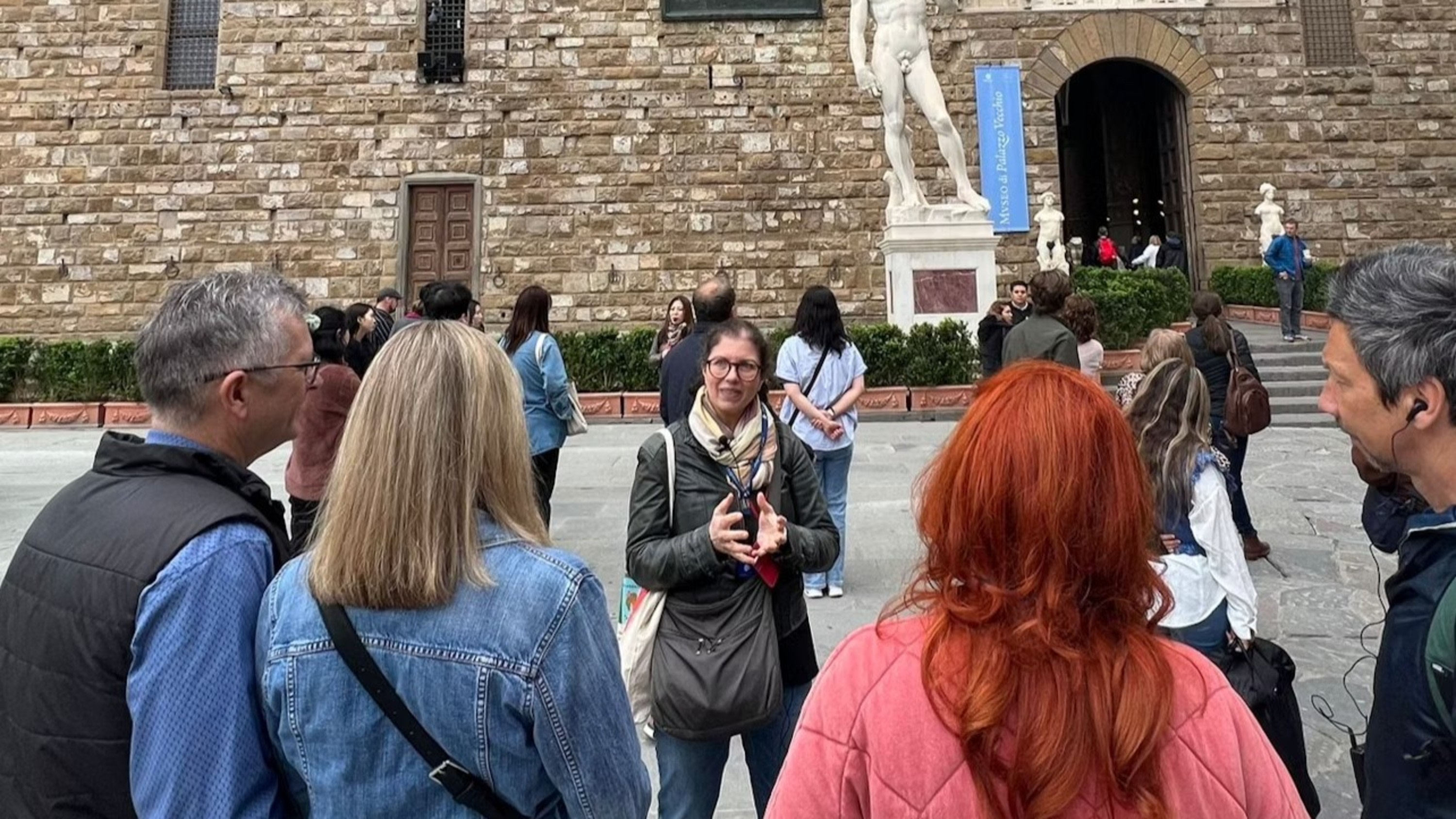
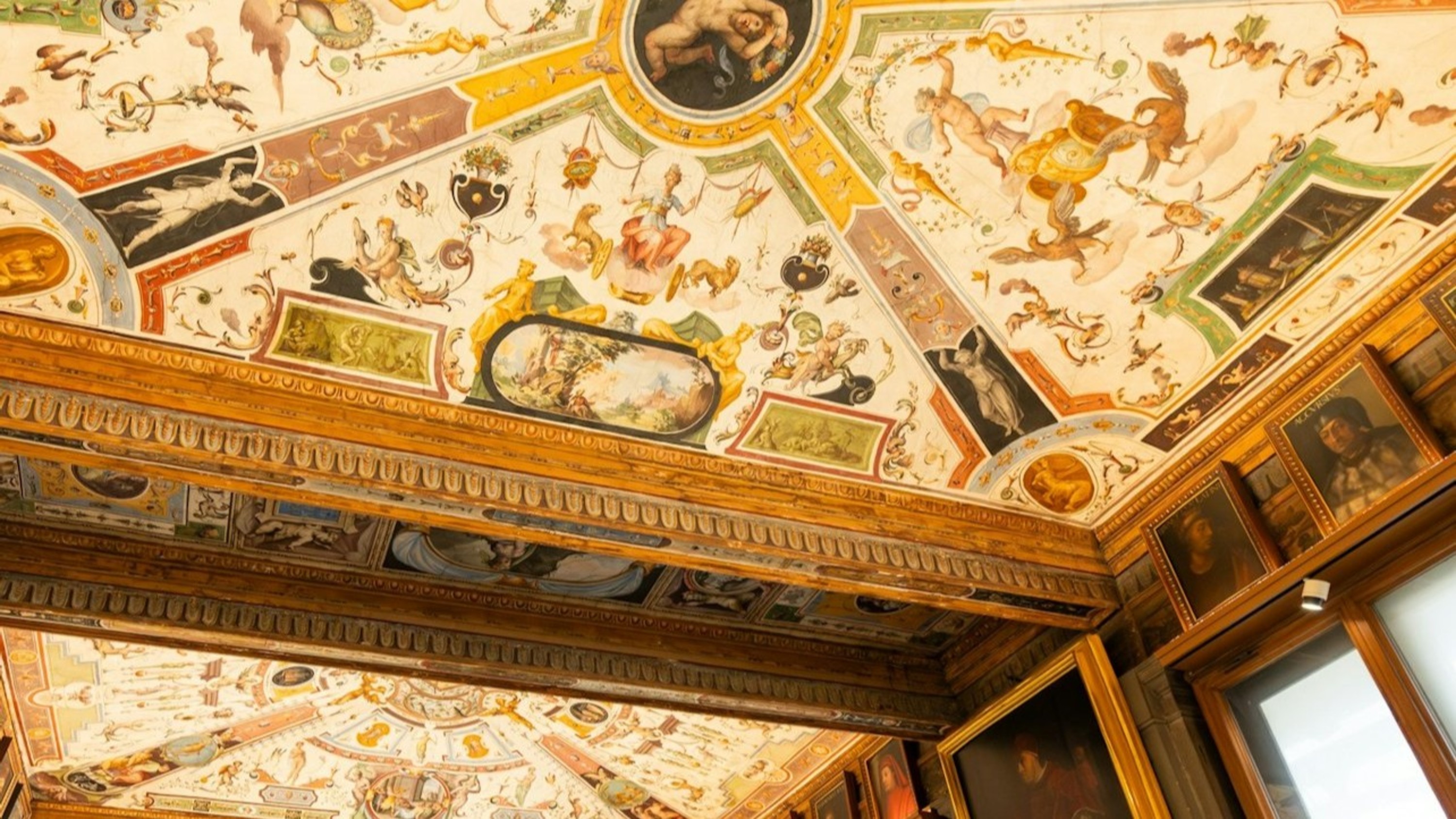
Piazza della Signoria is Florence’s historic center of power, dominated by the imposing Palazzo Vecchio. It’s an open-air museum filled with Renaissance masterpieces, including a replica of Michelangelo’s David, the Fountain of Neptune, and striking statues under the Loggia dei Lanzi. The nearby Uffizi Gallery links the square to Florence’s artistic legacy, making it a vibrant blend of history, art, and civic life.
5
Stop 5
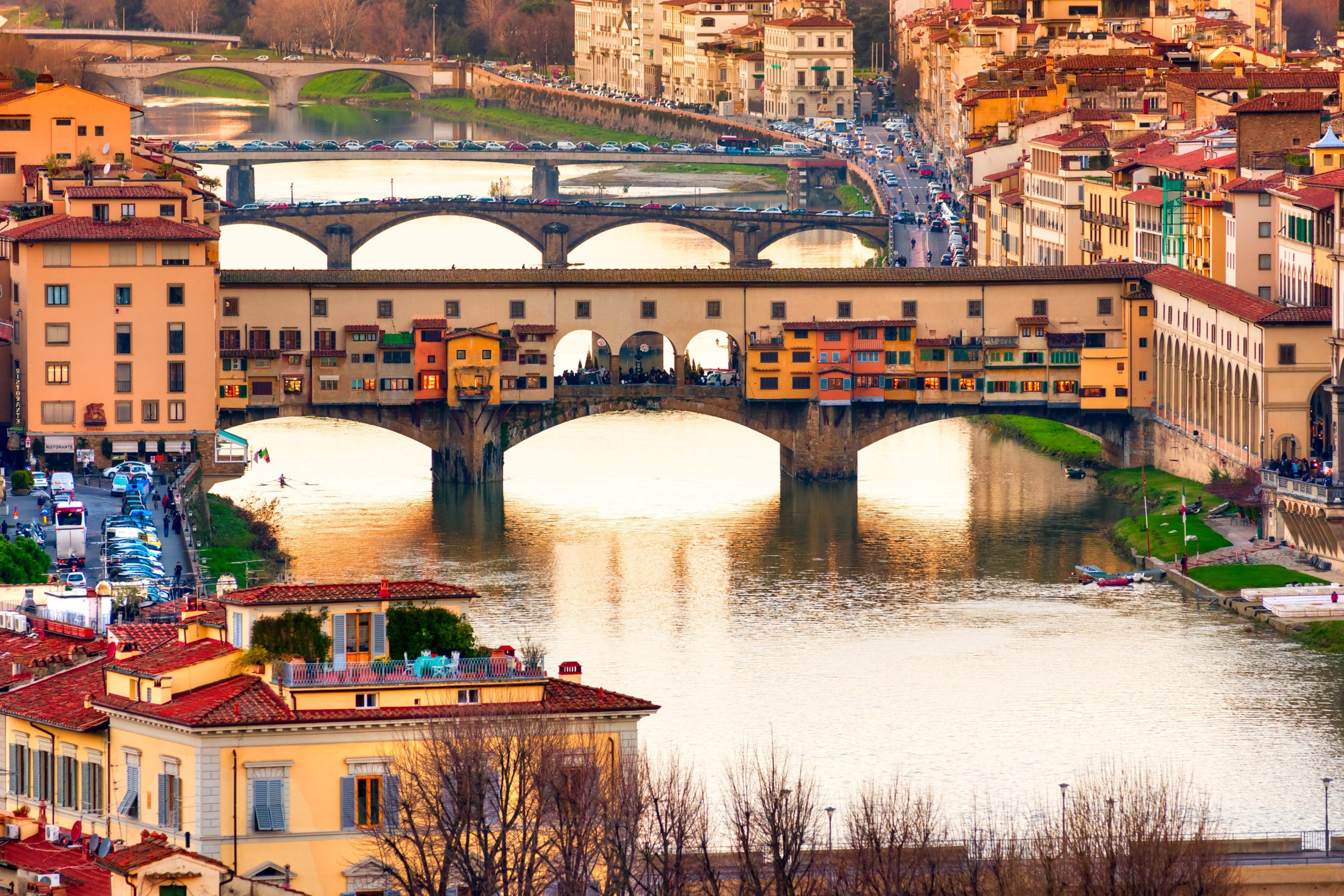
Ponte Vecchio is Florence’s oldest and most iconic bridge, known for its picturesque row of jewelry shops and its unique, medieval charm. Above it runs the Vasari Corridor, a hidden elevated passageway built in 1565 to connect Palazzo Vecchio to the Pitti Palace. Designed for the Medici, it allowed them to move through the city unseen, offering a secretive view of Florence from above the bustling streets. Together, the bridge and corridor embody the city’s blend of beauty, power, and ingenuity.
6
Stop 6
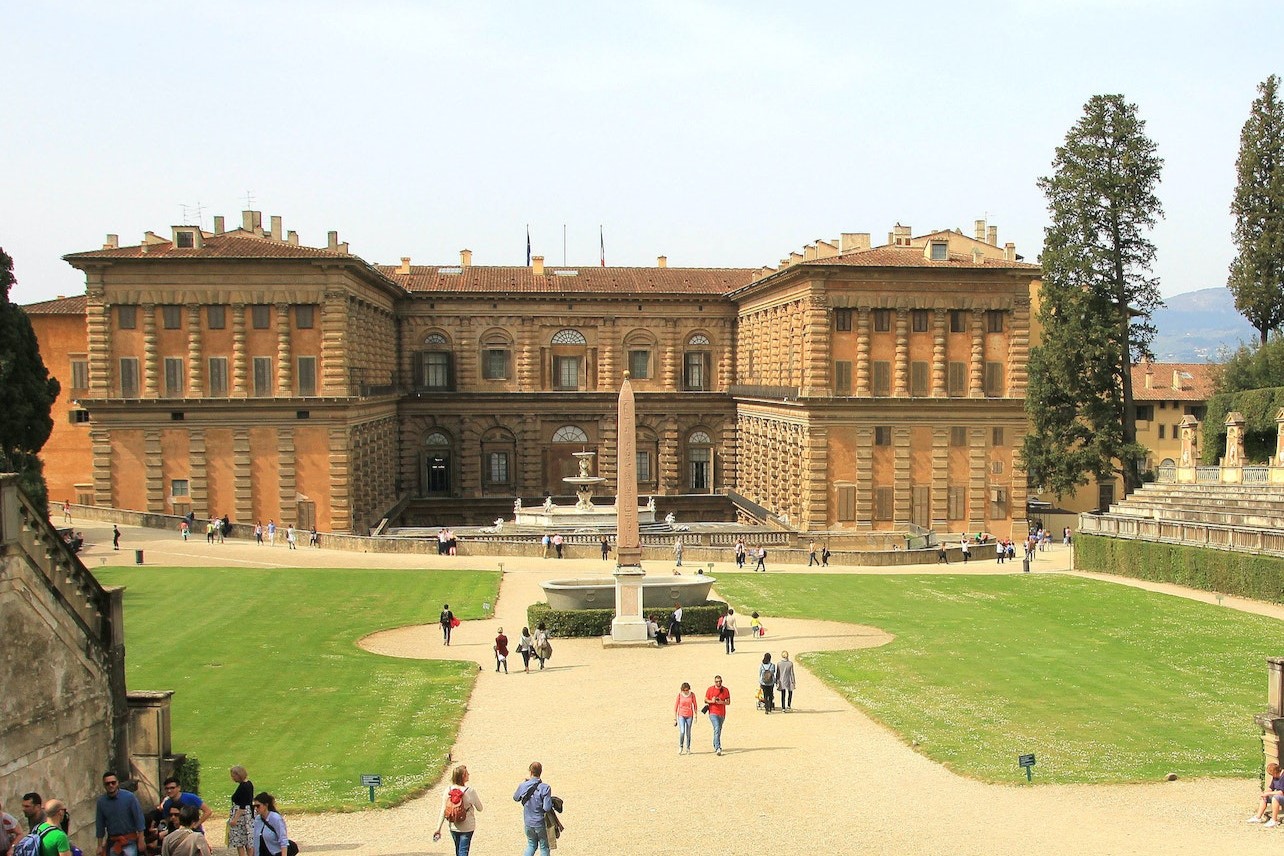
The Pitti Palace is a grand Renaissance residence in Florence, once home to the Medici family. Behind its massive stone façade lie richly decorated rooms and world-class museums, including the Palatine Gallery with masterpieces by Raphael and Titian. The palace opens onto the Boboli Gardens, a vast and elegant green space filled with sculptures, fountains, and sweeping views. It’s a place where royal splendor and artistic heritage meet in the heart of the Oltrarno district.
What's not included
Drop-off at your hotel
Admission to monuments and attractions
Available languages
Guide guide
DE
EN
IT
FR
ES
Reviews breakdown
Viator
4.7
12 reviews
5★
11
4★
0
3★
0
2★
0
1★
1
Tripadvisor
5.0
4 reviews
5★
4
4★
0
3★
0
2★
0
1★
0
Important information
Wheelchair accessible
Infants and small children can ride in a pram or stroller
Service animals allowed
Public transportation options are available nearby
Infants are required to sit on an adult’s lap
Transportation options are wheelchair accessible
Suitable for all physical fitness levels
Dress code is smart casual
Participants are requested at the meeting point 15 minutes before the departure time
Meeting point
Please wait for your guide at the statue of General Fanti
Important notes
Please be at the meeting point 15 minutes before departure
About Florence
Florence, the capital of Italy's Tuscany region, is a treasure trove of art, architecture, and history. Known as the birthplace of the Renaissance, it's home to iconic masterpieces, stunning cathedrals, and a rich cultural heritage that continues to captivate visitors from around the world.
Top Attractions
Duomo
The Florence Cathedral, known as the Duomo, is a masterpiece of Renaissance architecture. Its iconic dome, designed by Brunelleschi, offers panoramic views of the city.
Architecture/Religious
2-3 hours
Free to enter the cathedral, €18 for the climb to the dome
Uffizi Gallery
One of the world's most famous art museums, the Uffizi Gallery houses works by Botticelli, Michelangelo, and Leonardo da Vinci.
Museum/Art
2-3 hours
€20
Ponte Vecchio
A medieval stone bridge famous for its jewelry shops. It's one of the most iconic landmarks in Florence.
Architecture
30 minutes to 1 hour
Free
Piazzale Michelangelo
A panoramic terrace offering breathtaking views of Florence. It's a perfect spot for sunset and photography.
Scenic Viewpoint
1-2 hours
Free
Accademia Gallery
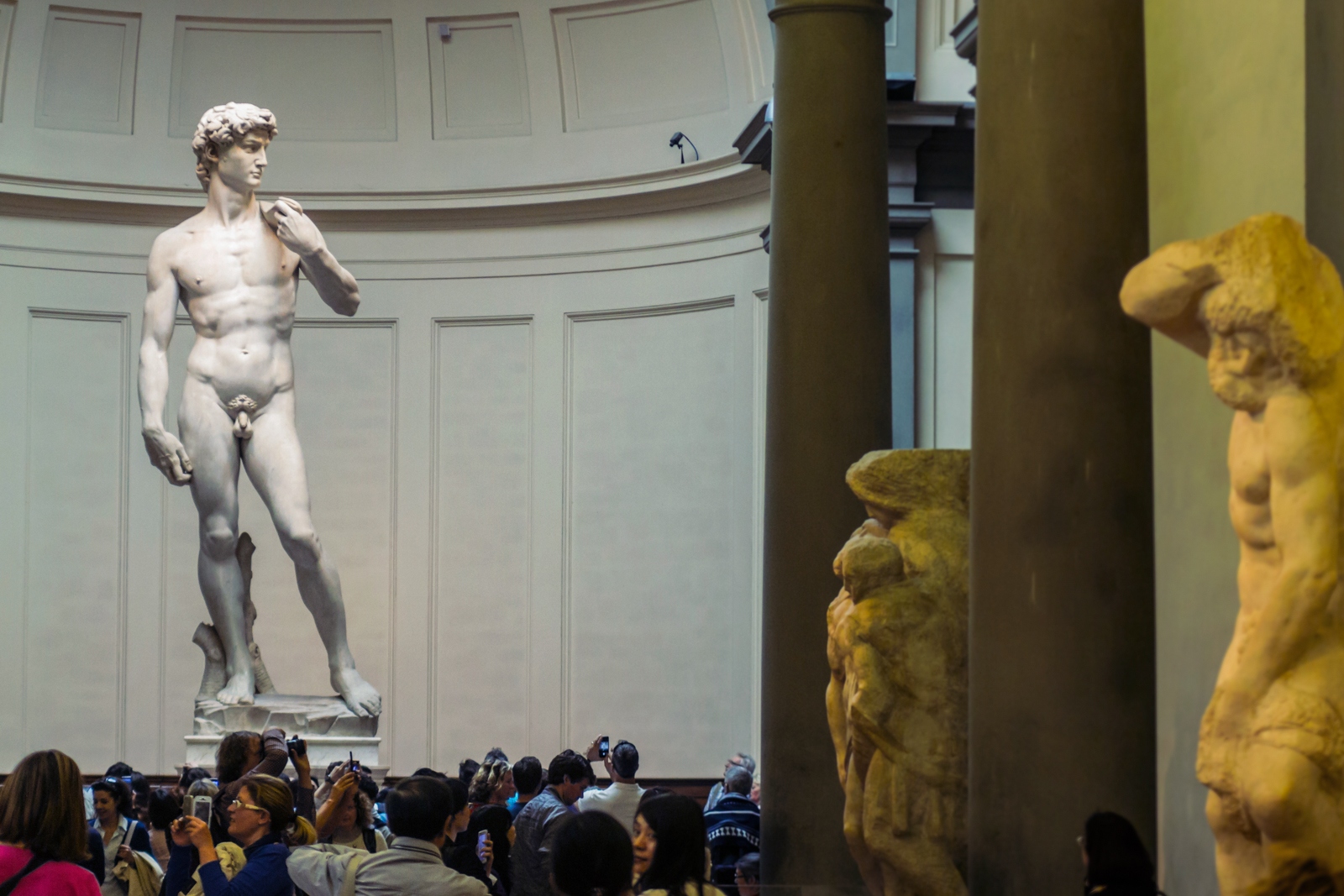
Home to Michelangelo's famous statue of David, the Accademia Gallery is a must-visit for art lovers.
Museum/Art
1-2 hours
€16
Must-Try Local Dishes
Bistecca alla Fiorentina
A thick-cut, grilled T-bone steak, seasoned simply with salt and pepper. It's a must-try for meat lovers.
Dinner
Contains beef, not suitable for vegetarians or vegans
Ribollita
A hearty vegetable and bread soup, traditionally made with leftover bread and vegetables. It's a classic Florentine dish.
Lunch/Dinner
Vegetarian, can be made vegan
Lampredotto
A Florentine street food made from the fourth and final stomach of a cow. It's typically served in a sandwich.
Lunch
Contains beef, not suitable for vegetarians or vegans
Cantucci
Almond biscotti traditionally served with Vin Santo, a sweet Tuscan wine. They are crunchy and perfect for dipping.
Dessert
Contains almonds, can be made gluten-free
Popular Activities
Hiking in the Tuscan countryside
Cycling tours
Hot air balloon rides
Wine tasting tours
Spa day at a luxury hotel
Strolling through the gardens of Villa medici
Visiting museums and art galleries
Attending opera or concerts
Best Time to Visit
April to June, September to October
These months offer pleasant weather and fewer crowds compared to the summer peak. Ideal for sightseeing and outdoor activities.
15-28°C
59-82°F
Practical Information
Language
- Official: Italian
- Widely spoken: English, French, Spanish
- English: Moderately spoken
Currency
Euro (EUR)
Time Zone
GMT+1 (CET), GMT+2 (CEST during daylight saving time)
Electricity
230VV, 50HzHz
Safety Information
Overall Safety Rating: Generally safe
Florence is generally safe for tourists, but pickpocketing and petty theft can occur, especially in crowded areas. Be aware of your surroundings and take precautions to protect your belongings.
Important Precautions:
- • Keep valuables secure and out of sight
- • Be cautious of your surroundings, especially in crowded areas
- • Use licensed taxis or ride-sharing apps
Getting there
By air
- Florence Airport • 5 km from city center
- Pisa International Airport • 85 km from city center
By train
Santa Maria Novella Station
By bus
Villa Costanza Bus Station, Florence Airport Bus Terminal
Getting around
Public transport
The bus network covers the entire city and is the primary mode of public transport. Buses are frequent and reliable.
Taxis
Available • Apps: MyTaxi, FreeNow
Rentals
Car, Bike, Scooter
Neighborhoods
Santa Maria Novella
Oltrarno
San Lorenzo
Santa Croce
Day trips
Siena
70 km from Florence • Half day to full day
A medieval city known for its stunning Piazza del Campo and the Palio, a traditional horse race held twice a year.
Pisa
85 km from Florence • Half day
Home to the iconic Leaning Tower of Pisa, this city offers a mix of historic sites and scenic views.
Chianti Wine Region
30-50 km from Florence • Full day
A picturesque wine region known for its rolling hills, vineyards, and charming villages.
Festivals
Festa di San Giovanni • June 24
Calcio Storico Fiorentino • June (dates vary)
Firenze dei Fiori • April to June
Pro tips
- Visit major attractions early in the morning or late in the afternoon to avoid crowds
- Book tickets for popular attractions in advance to save time and avoid long queues
- Explore the city's hidden gems, such as the Oltrarno neighborhood and the secret passages of the Palazzo Vecchio
- Try local specialties like Bistecca alla Fiorentina, Ribollita, and Lampredotto
- Learn a few basic Italian phrases to enhance your experience and connect with locals
From $25
per person
Price varies by option
Secure booking
Free cancellation available
Instant confirmation