One-day tour in ancient Mtskheta, Gori and Uplistsikhe
Active
10h
For a full refund, cancel at least 24 hours before the scheduled departure time.
Instant confirmation
Mobile or paper ticket accepted
About this experience
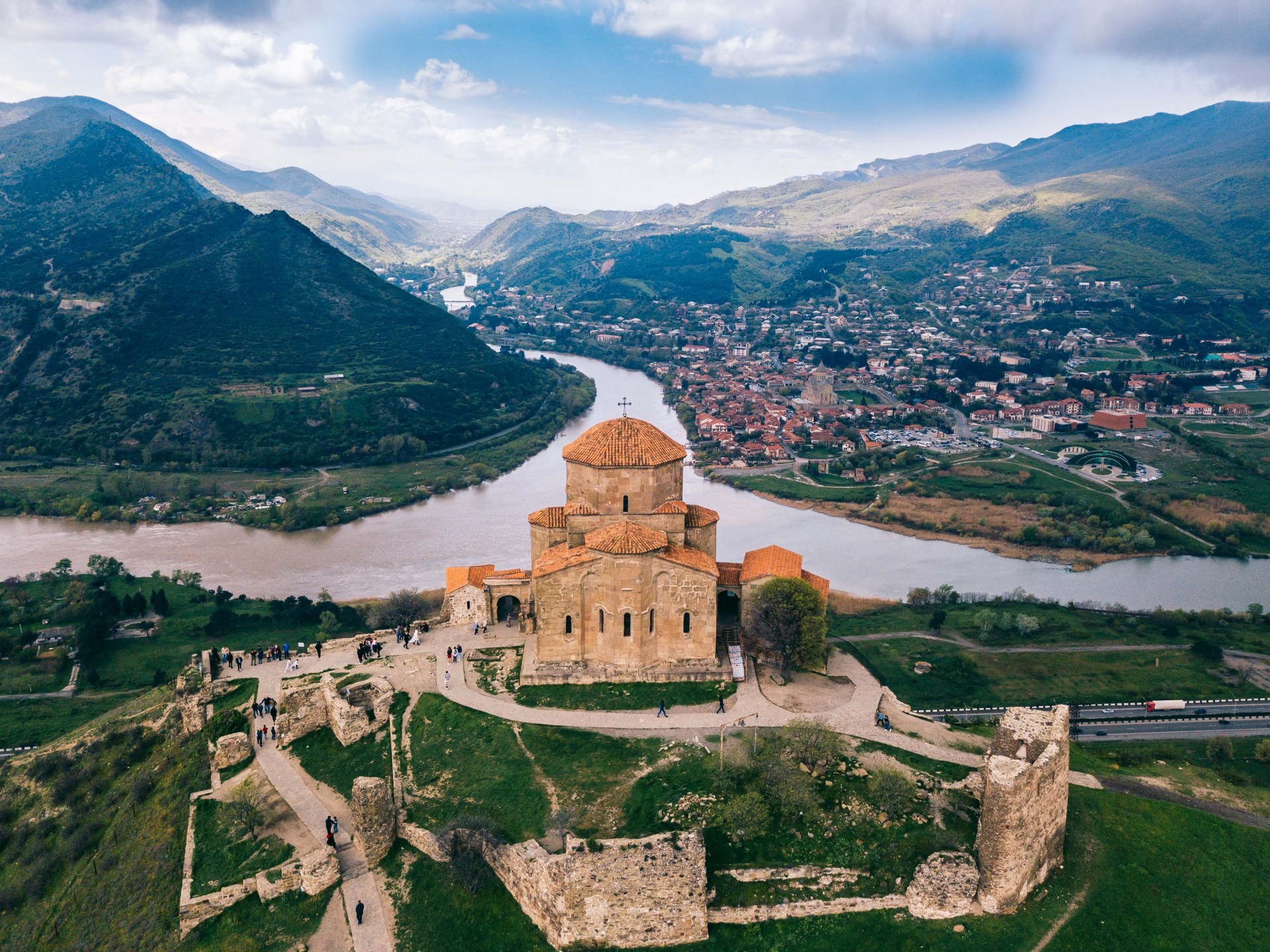
In this one-day tour we will discover historical heritages of Georgia. We will visit the ancient Jvari monastery, which is located on the hilltop at the confluence of
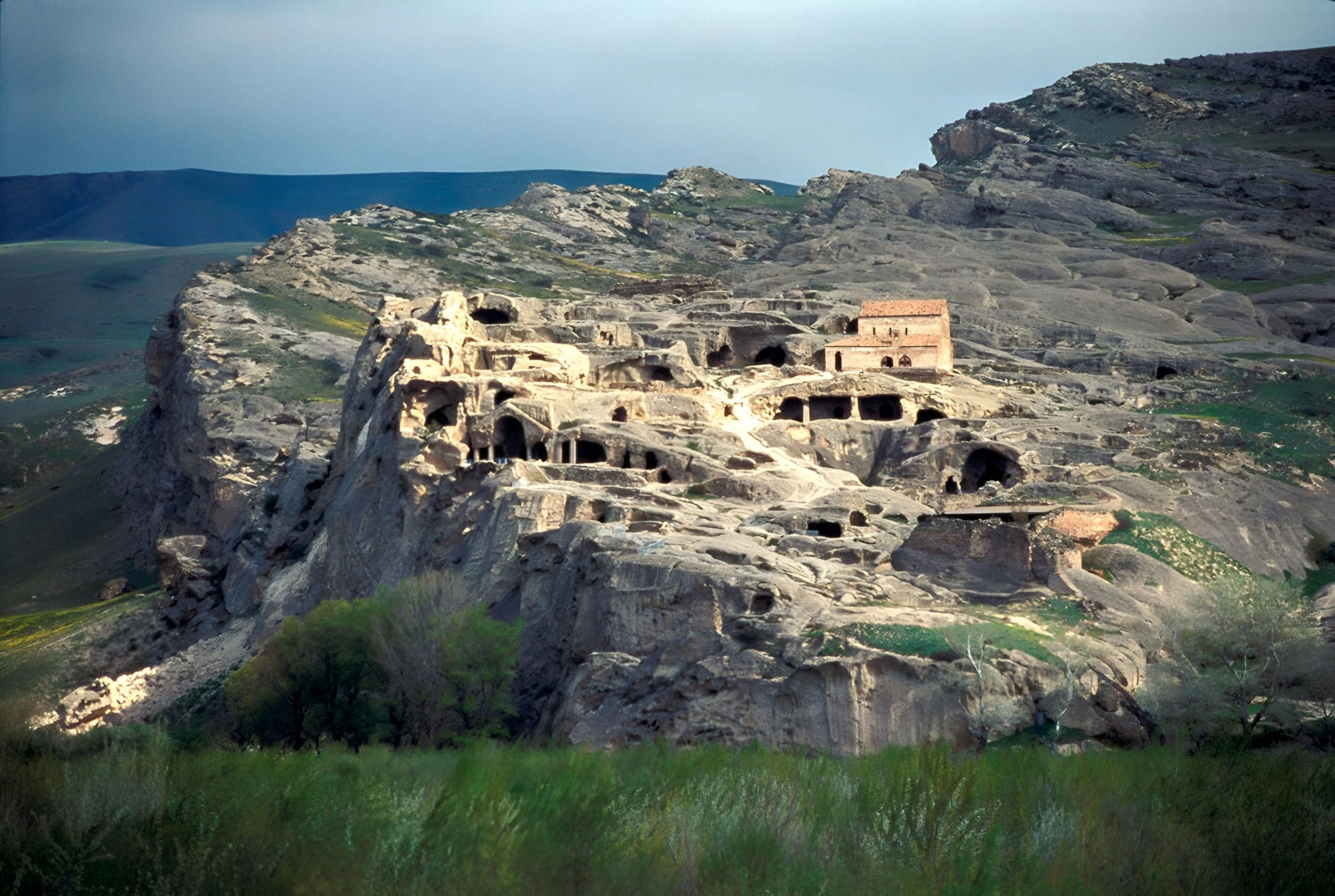
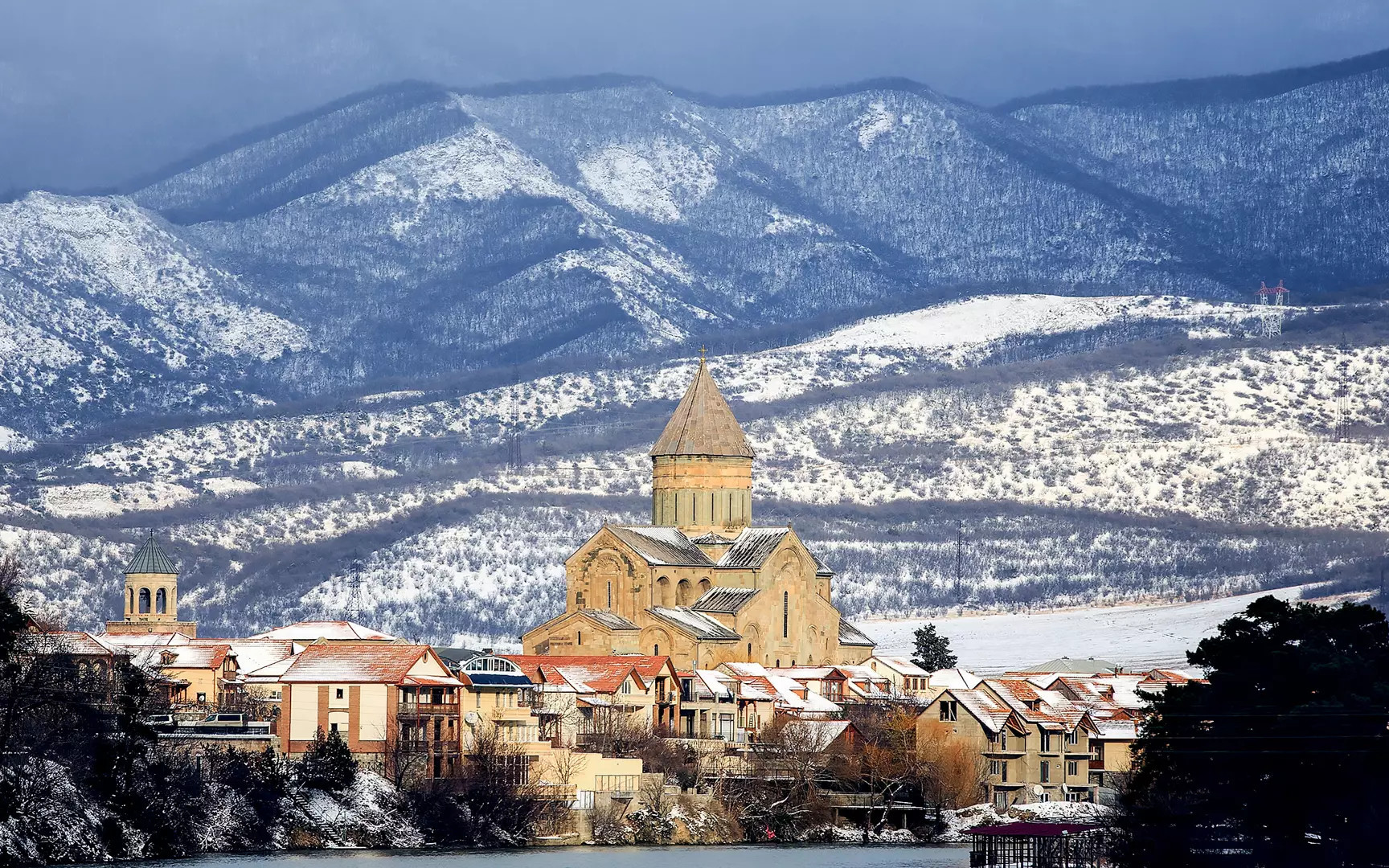
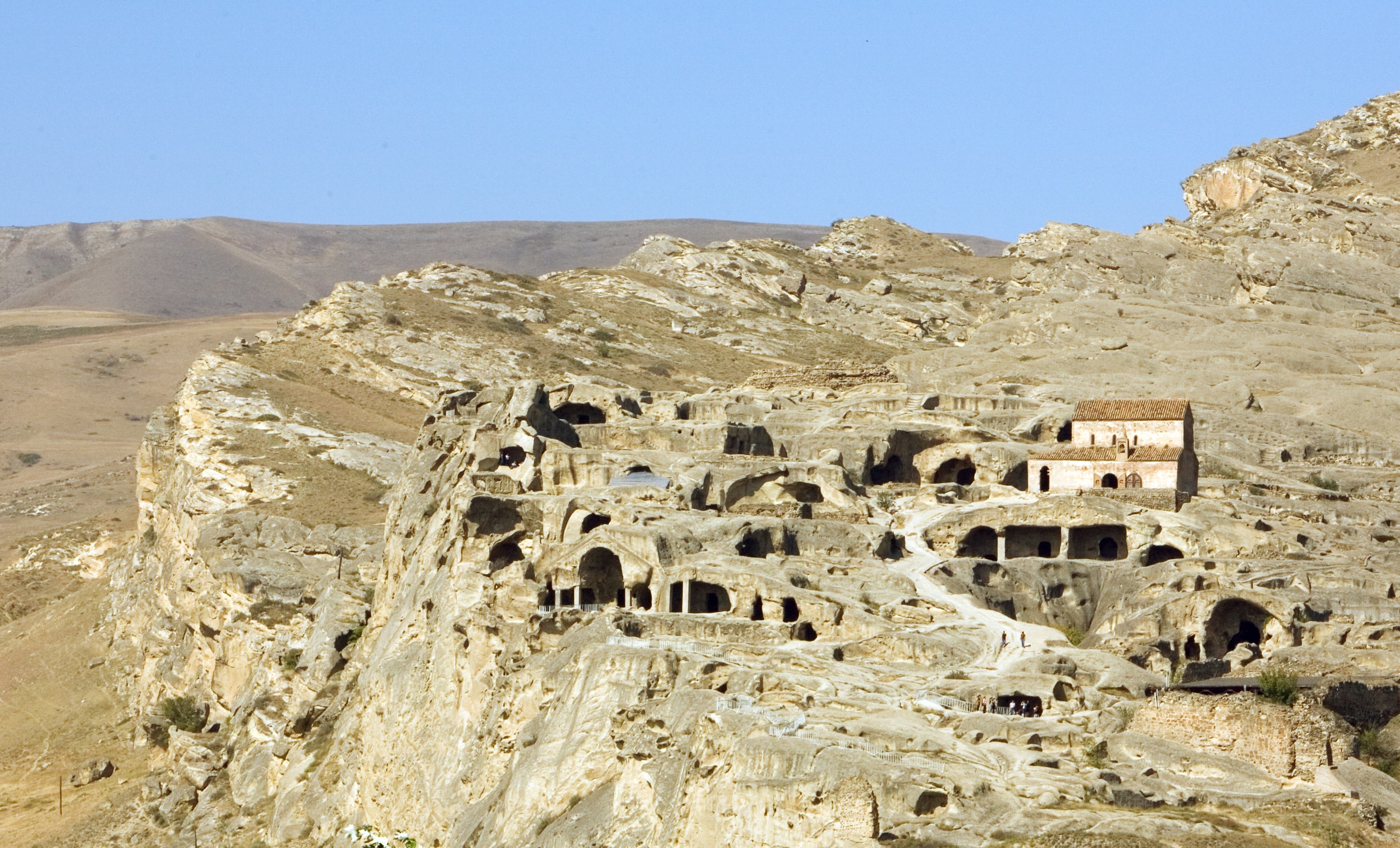
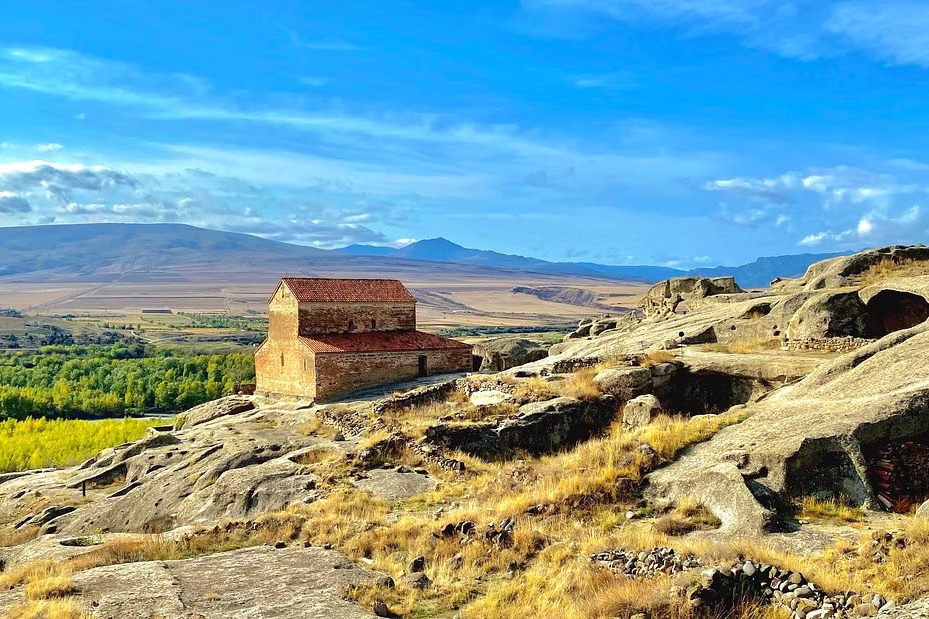
the Mtkvari and Aragvi rivers.This monastery was listed as a world heritage site by UNESCO in 1994. Explore the old town Mtskheta, which is the former capital of the kingdom of Iberia. Walk in the streets with nice balconies and enjoy the architecture. visit the second biggest church Svetitskhoveli, which was built in the 11th century. The legend says that the Christ robe is preserved in this church. We will explore The town of Gori, which is the birthplace of famous communist leader Jozeph Stalin. You will have a chance to visit Stalin’s house, museum and train wagon with the local guide. Then we will discover a cave town, called Uplistsikhe, which is located 10 km away from Gori. Uplistsikhe means the fortress of the lord. This city is identified by the archaeologists as one of the oldest urban settlements in Georgia.
Available options
One-day tour in ancient Mtskheta, Gori and Uplistsikhe
Pickup included
What's included
Bottled water
Air-conditioned vehicle
Fuel surcharge
Professional guide service
Detailed itinerary
1
Stop 1
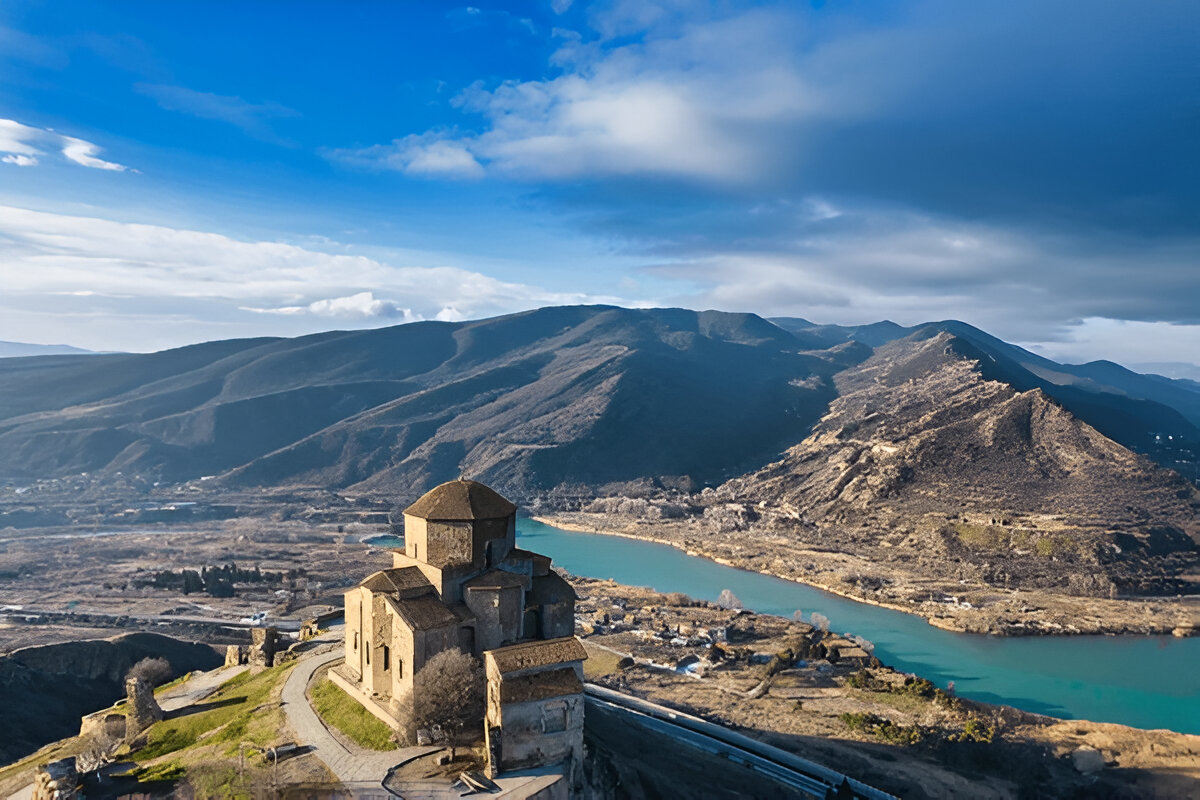
Jvari Monastery is a sixth century Georgian Orthodox monastery near Mtskheta, eastern Georgia. it is listed as a World Heritage site by UNESCO. Jvari Monastery is located on the rocky hilltop at the confluence of the Mtkvari and Aragvi rivers, overlooking the town of Mtskheta, which was the capital of the Kingdom of Iberia before Tbilisi. Shortly after the adoption of Christianity, King Mirian III erected an enormous wooden cross on this site Isymbolizing the acceptance of Christianity by Georgians. In the 2nd half of the VI century Guaram, the ruler of Kartli, built a small church beside the Holy Cross.The temple attracts thousands of tourists because of its architecture, location and historical value.
2
Stop 2
The Svetitskhoveli cathedral is the eastern orthodox Christian church located in the former capital of Mtskheta. A masterpiece of the Early Middle Ages, Svetitskhoveli is recognized by UNESCO as a World Heritage Site. It is currently the second largest church building in Georgia, after the Holy Trinity Cathedral. There is a religious legend, connected with this church origination, about Elioz, a citizen of Mtskheta, who found the Tunic of Jesus Christ in Jerusalem. Elioz's sister, Sidonia, died as soon as she touched the tunic. She was buried wrapped in it . Soon a big tree, cedar of Lebanan, grew on Sidonia's grave. When the ruler Mirian decided to build a temple on the place where the Tunic of the God was buried the cedar was cut down. They made seven columns from the tree and began to install them in the church. Six columns were in place but the seventh was not; it was hanging in mid-air. The Baptist of Georgia, St. Nino prayed all night long and then the column “without a touch of a human hand” froze on its place and … started shedding holy ointment. The miraculous chrism cured patients of heavy illnesses. Hence the temple's name – Svetitskhoveli; in Georgian it means “the Life-Giving Pillar”. The present structure was completed in 1029 by the medieval Georgian architect Arsukisdze.
3
Gori Fortress is a 13th century castle, situated on a hill above the city of Gori in the Shida Kartli region of eastern Georgia. It was captured by the Ottomans in the 16th century and then continually changed hands between the Turks, the Georgians, and the Persians. Much of the structure seen today dates from the 17th and 18th centuries and was significantly damaged by a 6.2 magnitude earthquake in 1920.
4
Stop 4
The Joseph Stalin Museum is a museum in Gori, Georgia dedicated to the life of Joseph Stalin, the leader of the Soviet Union, who was born in Gori. The Museum retains its Soviet-era characteristics.
5
Uplistsikhe is identified by archaeologists as one of the oldest urban settlements in Georgia. Strategically located in the heartland of ancient kingdom of Kartli (or Iberia as it was known to the Classical authors), it emerged as a major political and religious center of the country. The town’s age and importance led medieval Georgian written tradition to ascribe its foundation to the mythical Uplos, son of Mtskhetos, and grandson of Kartlos. The history of Uplistsikhe goes back to the 2nd-1st millenniums B.C. In antiquity, the city was one of the most important centers of Kartli and in the middle Ages it stood on an important trade route that linked Byzantium with India and China. In 10th-16th centuries B.C. one of the strongest communities, residing on this territory used the natural caves for dwellings, later Uplistsikhe became one of the strongest political, cultural, religious and economic centers and the royal residence.
After the establishment of Christianity as the state religion, in the 30s of 4th century, the town began to decline. During Mongol invasions in 12th century it was badly damaged and soon in the 13th century, the hordes of Genghis Khan's son Khulagu finally destroyed it. The five thousand inhabitants of Uplistsikhe perished and life ended forever in the fortress.Today various kinds of halls, rooms, and buildings made in different epochs still survive. Archaeological findings such as ritual things and jewels made of gold, silver, Iron, bones, stone and clay sculptures shed light to the history of the town.
What's not included
Admission fee to Stalin museum and Uplistsikhe
Lunch
Available languages
Guide guide
EN
Reviews breakdown
Tripadvisor
5.0
3 reviews
5★
3
4★
0
3★
0
2★
0
1★
0
Important information
Public transportation options are available nearby
Infants are required to sit on an adult’s lap
Specialized infant seats are available
Suitable for all physical fitness levels
About Tbilisi
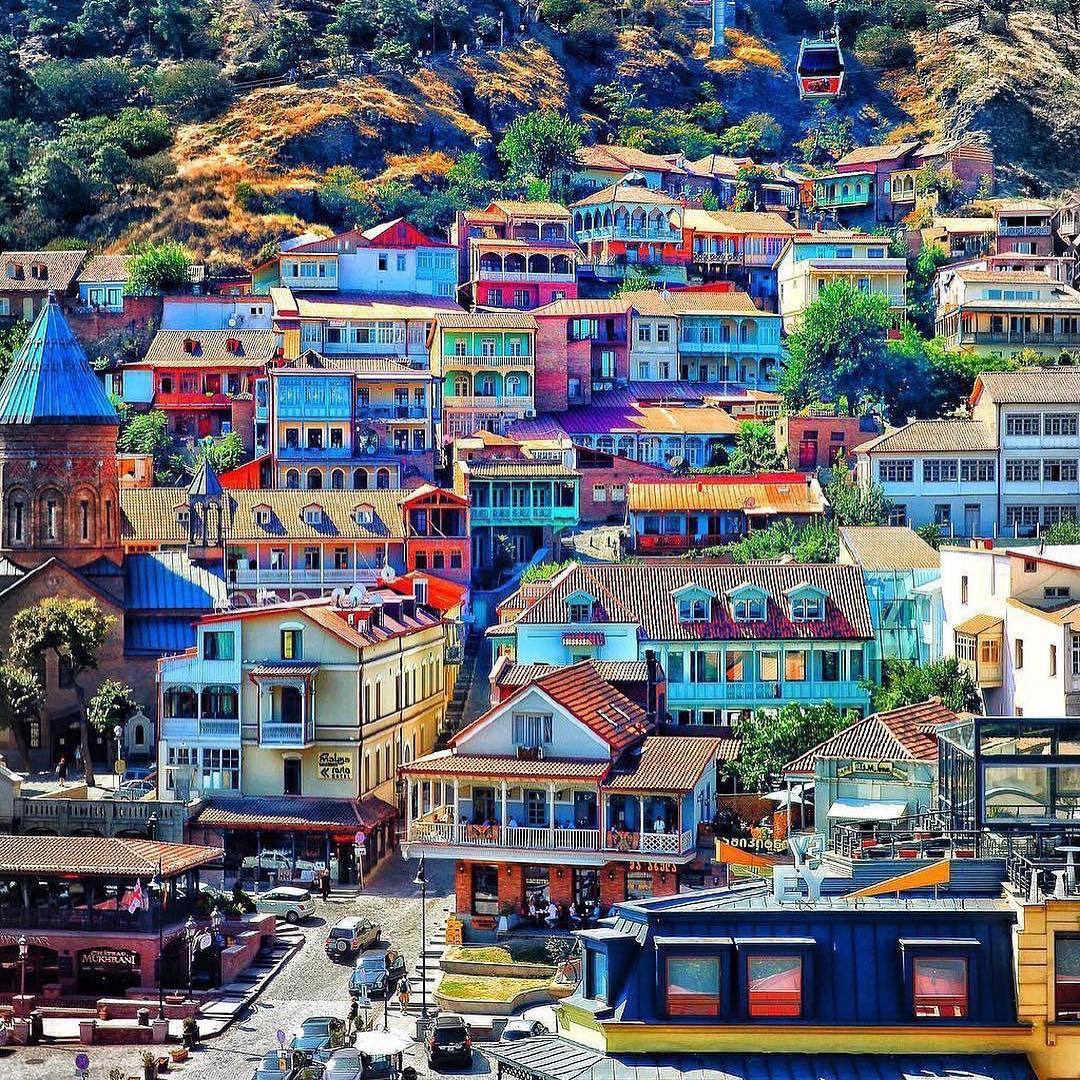
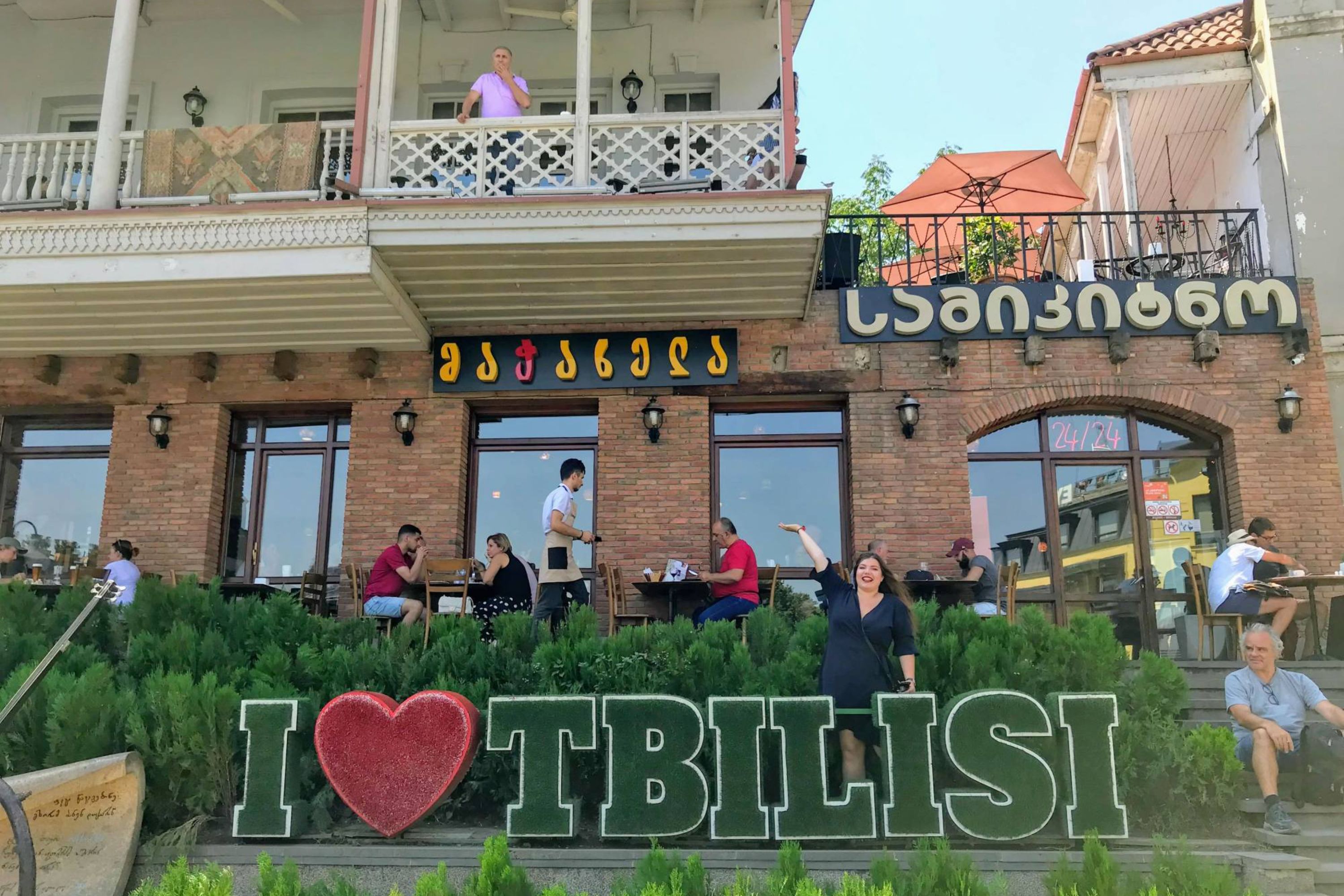
Tbilisi, the capital of Georgia, is a vibrant city where ancient history meets modern culture. Known for its unique architecture, thermal baths, and rich culinary scene, it offers a blend of European and Asian influences that make it a captivating destination for travelers.
Top Attractions
Narikala Fortress
This ancient fortress offers panoramic views of Tbilisi and is a symbol of the city's rich history.
Historical
1-2 hours
Free
Sulfur Baths
A unique historical landmark where people have been bathing in sulfur-rich waters for centuries.
Religious
1-2 hours
10-20 GEL (3-6 USD)
Sameba Cathedral
One of the largest religious buildings in the Caucasus, this cathedral is an architectural masterpiece.
Religious
1 hour
Free
Mtatsminda Park
A beautiful park with panoramic views of the city, perfect for a relaxing stroll or picnic.
Nature
2-3 hours
Free
Dry Bridge Market
A popular flea market where you can find antiques, souvenirs, and local crafts.
Shopping
1-2 hours
Varies
Must-Try Local Dishes
Khachapuri
A cheesy bread filled with melted cheese, often with an egg in the center.
Main Dish
Vegetarian
Khinkali
Dumplings filled with spiced meat or mushrooms, typically served with a side of soup.
Main Dish
Vegetarian options available
Badrijani Nigvzit
Fried eggplant rolls filled with a walnut paste.
Appetizer
Vegetarian
Lobio
A rich, spicy bean stew often served in clay pots.
Side Dish
Vegetarian
Popular Activities
Hiking in the mountains
Paragliding
Rafting
Spa treatments
Thermal baths
Picnics in parks
Visiting museums
Attending festivals
Best Time to Visit
May to October
This is the best time to visit Tbilisi as the weather is warm and pleasant, ideal for exploring the city's outdoor attractions and festivals.
20°C to 35°C
68°F to 95°F
Practical Information
Language
- Official: Georgian
- Widely spoken: Russian, English
- English: Moderately spoken
Currency
Georgian Lari (GEL)
Time Zone
GMT+4
Electricity
220VV, 50HzHz
Safety Information
Overall Safety Rating: Generally safe
Tbilisi is generally safe for travelers, but petty crime and pickpocketing can occur in crowded areas.
Important Precautions:
- • Be cautious of pickpockets in crowded areas
- • Use official taxis or ride-hailing apps
- • Avoid walking alone late at night
Getting there
By air
- Shota Rustaveli Tbilisi International Airport • 17 km from city center
By train
Tbilisi Central Railway Station
By bus
Ortachala Bus Station, Didube Bus Station
Getting around
Public transport
The metro is efficient and affordable, with stations well-connected to major attractions.
Taxis
Available • Apps: Bolt, Yandex.Taxi
Rentals
Car, Bike, Scooter
Neighborhoods
Old Town
Vake
Avlabari
Day trips
Mtskheta
20 km from Tbilisi • Half day
Mtskheta is an ancient city and the former capital of Georgia, known for its historic churches and monasteries.
Kazbegi
160 km from Tbilisi • Full day
Kazbegi is a stunning mountain region with breathtaking views and outdoor activities.
Gori
80 km from Tbilisi • Half day
Gori is a city known for its historic sites, including the birthplace of Joseph Stalin.
Festivals
Tbilisi International Film Festival • March
Tbilisi Open Air • July
Tbilisi Wine Festival • October
Pro tips
- Visit the Dry Bridge Market early in the morning for the best selection of antiques and souvenirs
- Try traditional Georgian dishes at local restaurants and street food vendors
- Explore the Old Town on foot to discover hidden gems and historic sites
- Take a day trip to Mtskheta to experience Georgia's ancient history and culture
- Attend a traditional Georgian supper club for an authentic dining experience
From $25
per person
Price varies by option
Secure booking
Free cancellation available
Instant confirmation