Rome by Ape Calessino Auto Rickshaw
Active
3h
For a full refund, cancel at least 24 hours before the scheduled departure time.
Instant_then_manual confirmation
Mobile or paper ticket accepted
About this experience
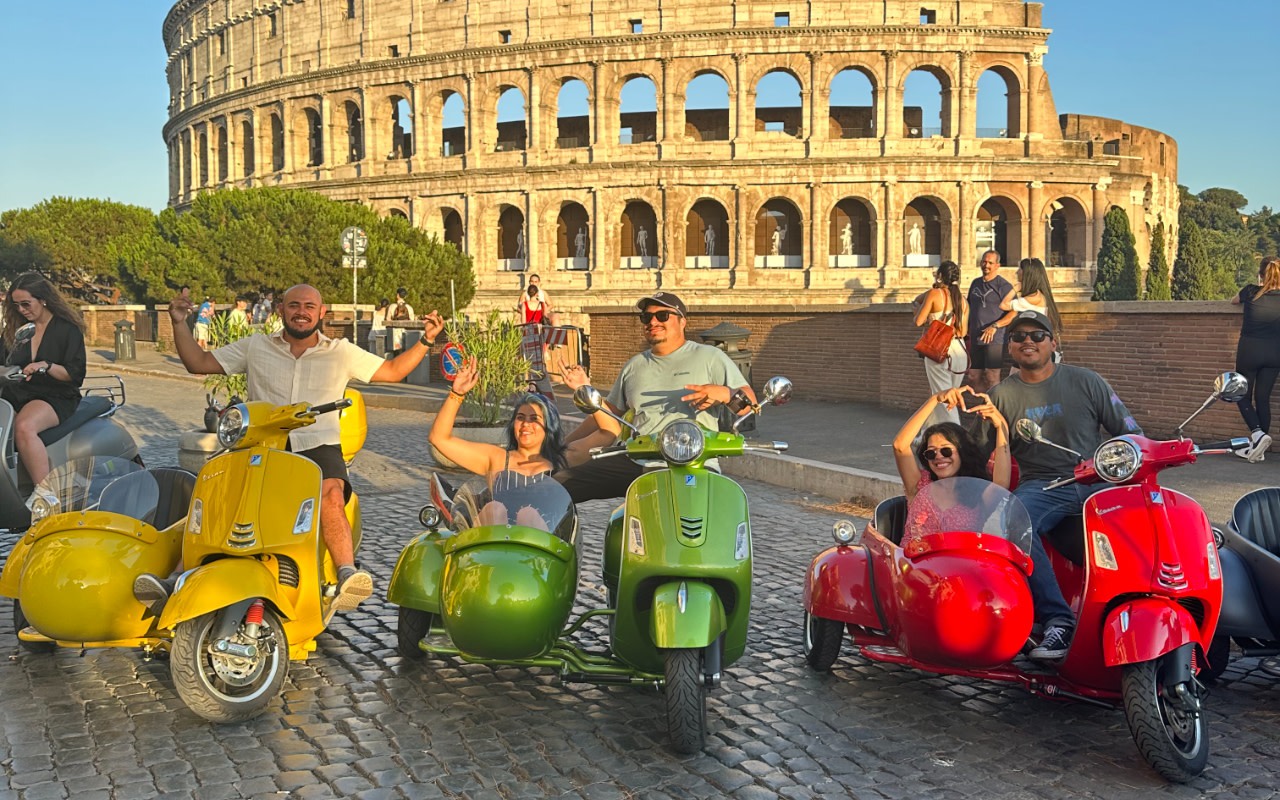
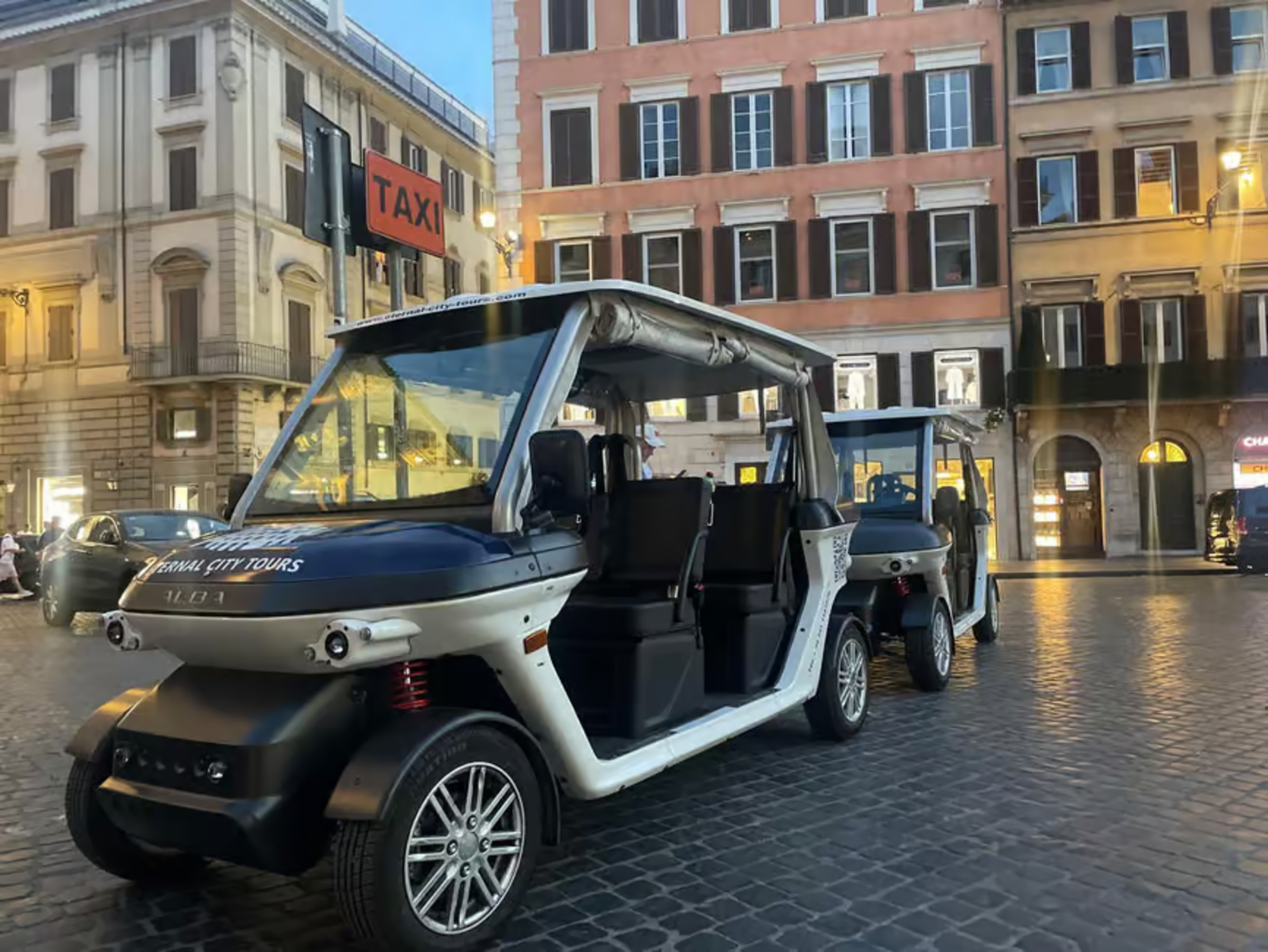
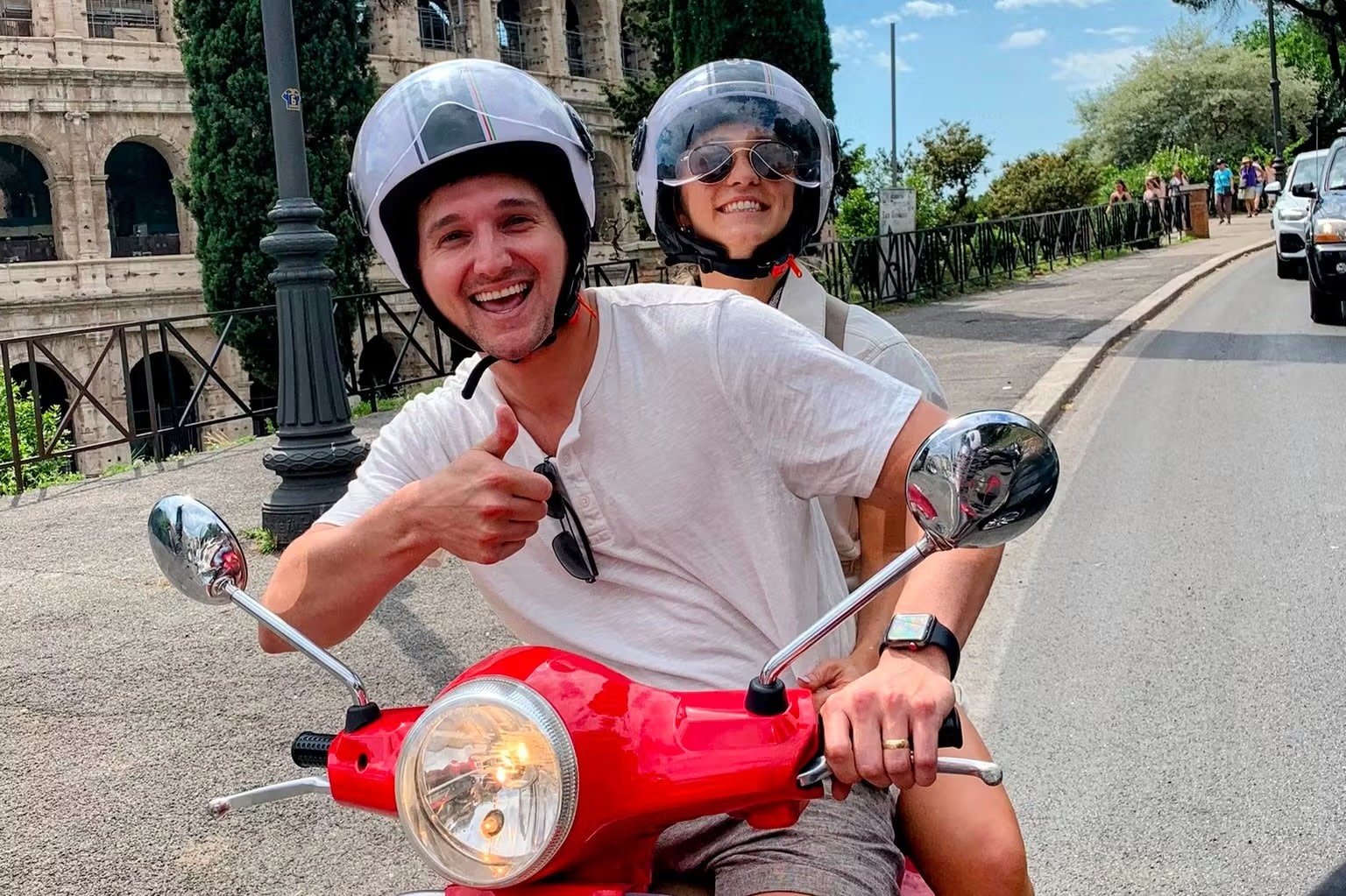
Grand Tour of Rome by Ape Calessino: best sightseeing to match comfort, learning and fun. The Ape Calessino: Italian three wheels known in the world as Tuk Tuk can accommodate three people on the back! Family and friends, tailor-made experience, top notch panoramic excursion in Rome.
Available options
Morning
3hrs chaffereud tour with private guide/driver<br/>Pickup included
Night
3hrs chaffereud tour with private guide/driver<br/>Pickup included
Afternoon
Afternoon autumn/Winter: 3hrs chaffereud tour with private guide/driver<br/>Pickup included
What's included
Hotel pickup and drop-off
Professional guide
Driver/guide
Helmets
Caffè/Cappuccino/Gelato
Transport by private vehicle
Detailed itinerary
1
Stop 1
It was one of the several public baths in Rome, begun by the emperor Septimius Severus in AD 206 and completed by his son Caracalla in 216. Among Rome’s most beautiful and luxurious baths, designed to accommodate about 1,600 bathers, the Baths of Caracalla continued in use until the 6th century.
The extant ruins are the most extensive of any surviving Roman bathing establishments and consist centrally of a block of large vaulted bath chambers, with courts and auxiliary rooms, surrounded by a garden with space used for exercise and games.
There were three main bath chambers: the frigidarium, or cold room; the caldarium, or hot room; and the tepidarium, or lukewarm room. Between the frigidarium and the tepidarium was the great hall, roofed by an enormous vault with clerestory windows, a prototype of the vaulted naves of medieval churches. There were also open-air swimming pools. Marble was used lavishly, and sculpture, mosaics, frescoes, and other decorations ornamented the interior.
2
Stop 2
Pass by
The Circus Maximus, largest of the Roman hippodromes was one of the largest sports arenas ever built. A U-shaped structure with seats on three sides and a low wall running down the middle of the arena around which the chariots raced,
Built in the time of Julius Caesar (1st century BC) to seat an estimated 150,000 spectators. Enlarged by later emperors, it reached a maximum size under Constantine (4th century AD) of about 2,000 by 600 feet (610 by 190 metres), with a seating capacity of possibly 250,000, greater than that of any subsequent stadium.
The Circus Maximus is the Ben Hur movie scenario. Two huge egyptian obelisks, trasnsported form Africa, stood in the middle of the central spine.
3
Appian Way, latin Via Appia, is the first and most famous of the ancient Roman roads, running from Rome to southern Italy. The Appian Way was begun in 312 BCE by the censor Appius Claudius.
The Appian Way was celebrated by Horace and Statius, who called it longarum regina viarum, or “queen of long-distance roads.” As the main highway to the seaports of southeastern Italy, and thus to Greece and the eastern Mediterranean, the Appian Way was so important that during the empire it was administered by a curator of praetorian rank. The road averaged 20 feet (6 metres) in width and was slightly convex in surface in order to facilitate the drainage. The road’s foundation was of heavy stone blocks cemented together with lime mortar; over these were laid polygonal blocks of lava that were smoothly and expertly fitted together.
The first few miles of the Appian Way are flanked by a striking series of monuments, and there are also milestones and other inscriptions along the remains of the road.
4
Stop 4
The Pyramid of Rome is the only surviving ancient Egyptian-style pyramid. The 36-metre high monument dates from the first century BC and was built as a tomb for the powerful Roman magistrate Caius Cestius.
The Pyramid of Cestius was incorporated into into the Aurelian Walls. three centuries later, and an inscription on its white marble façade states that its construction took 330 days.
5
The keyhole of the Knights of Malta is one of the city’s more intriguing off-the-beaten-path sights. With its uninviting door and perfectly framed view of Saint Peter’s Basilica, it has become a favorite stop for travelers looking for alternative attractions in the city. It is common to see visitors queue up in front of the impenetrable door to take a peek, and many try to capture it with their camera — however, the view is one that can be truly experienced only in person.
6
Stop 6
The name literally means field of flowers, and during the day, you’ll now find Rome’s most famous market engulf the piazza. At night, the area turns into a hot spot for locals to enjoy aperitivo and cocktails.
Campo de'Fiori is in the center of Rome’s hustle and bustle. It’s within walking distance to Piazza Navona, the Pantheon, Via del Corso, Trastevere and the Colosseum. So, it’s fair to say that it’s a pretty awesome neighborhood to find yourself in if you want to experience Rome on a rush!
Campo is a colorful area, with lots of different things to do and see. You name it, Campo most probably has it: an outdoor market, shops, restaurants, bars, cafes, museums, churches and monuments.
Campo de Fiori is a lively market area during the day and great place to hang out or grab a bite in the evenings.
What's not included
Tour is panoramic, it doesn't include entrance fees inside the Colosseum/Bath of Caracalla/Vatican
Available languages
Guide guide
EN
IT
Reviews breakdown
Viator
5.0
7 reviews
5★
7
4★
0
3★
0
2★
0
1★
0
Tripadvisor
5.0
7 reviews
5★
7
4★
0
3★
0
2★
0
1★
0
Important information
Not recommended for pregnant travelers
Wheelchair accessible
Infants and small children can ride in a pram or stroller
Public transportation options are available nearby
Transportation options are wheelchair accessible
Not recommended for travelers with spinal injuries
Suitable for all physical fitness levels
Children must be accompanied by an adult
Operates in all weather conditions, please dress appropriately
All the Guests must wear Helmets
Important notes
• Not recommended for pregnant women
• Sunglasses are reccomended
• Tour is chaffereud one you'll be not driving the vehicle
About Rome
Rome, the capital of Italy, is a city of ancient ruins, artistic masterpieces, and vibrant culture. Known as the Eternal City, it is a living museum where every corner tells a story of its rich history spanning over 2,500 years.
Top Attractions
Colosseum
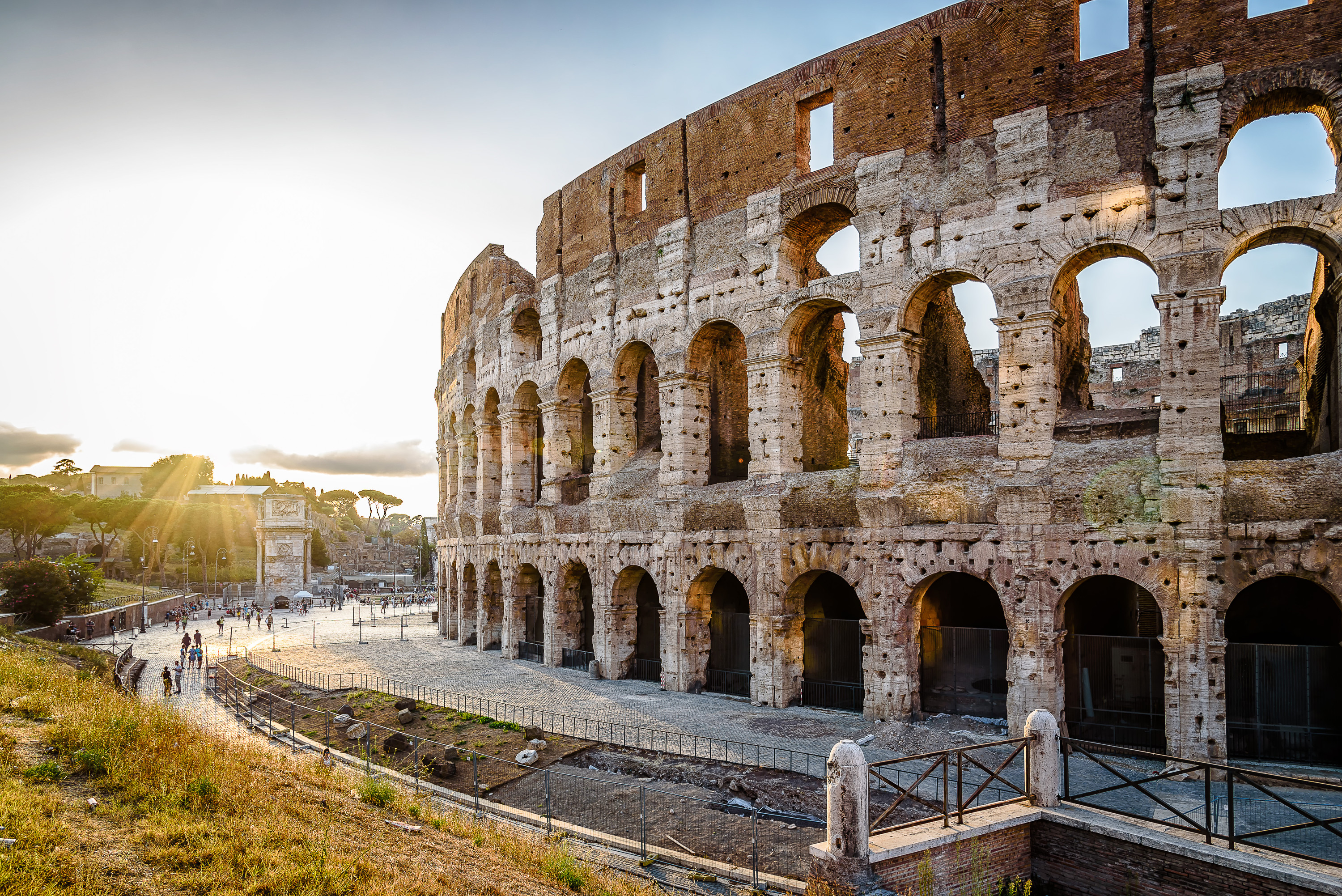
The Colosseum is an iconic symbol of Rome and one of the most famous ancient amphitheaters in the world. It was used for gladiatorial contests and public spectacles.
Historical
1-2 hours
€16 (combined ticket with Roman Forum and Palatine Hill)
Vatican City
Vatican City is an independent city-state enclaved within Rome. It is the spiritual and administrative center of the Roman Catholic Church.
Religious
Half day
€17 (Vatican Museums and Sistine Chapel), Free (St. Peter's Basilica)
Roman Forum
The Roman Forum was the political, commercial, and legal hub of the Roman Republic and Empire. It is a sprawling ruin of temples, basilicas, and arches.
Historical
1-2 hours
€16 (combined ticket with Colosseum and Palatine Hill)
Pantheon
The Pantheon is a former Roman temple, now a church, known for its large dome and oculus. It is one of the best-preserved ancient buildings in Rome.
Historical
30 minutes to 1 hour
Free
Trevi Fountain
The Trevi Fountain is a Baroque masterpiece and the largest fountain in Rome. It is a popular spot for visitors to throw coins and make wishes.
Architecture
15-30 minutes
Free
Must-Try Local Dishes
Cacio e Pepe
A simple yet delicious pasta dish made with Pecorino Romano cheese and black pepper.
Pasta
Vegetarian
Carbonara
A rich pasta dish made with eggs, Pecorino Romano, guanciale (cured pork cheek), and black pepper.
Pasta
Contains pork and eggs
Supplì
Fried rice balls filled with mozzarella and tomato sauce.
Snack
Vegetarian (some variations may contain meat)
Carciofi alla Romana
Artichokes braised with garlic, mint, and olive oil.
Vegetable
Vegetarian
Popular Activities
Hiking in the Appian Way Regional Park
Biking along the Tiber River
Rock climbing in the nearby mountains
Picnicking in Villa Borghese Gardens
Boating on Lake Albano
Enjoying a spa day at a luxury hotel
Visiting the Vatican Museums
Attending an opera at the Teatro dell'Opera di Roma
Best Time to Visit
April to June, September to October
Spring and fall offer pleasant weather and fewer crowds compared to the summer peak. Ideal for sightseeing and outdoor activities.
15-30°C
59-86°F
Practical Information
Language
- Official: Italian
- Widely spoken: English, Spanish, French
- English: Moderately spoken
Currency
Euro (EUR)
Time Zone
GMT+1 (CET), GMT+2 (CEST during daylight saving time)
Electricity
230VV, 50HzHz
Safety Information
Overall Safety Rating: Generally safe
Rome is generally safe for tourists, but pickpocketing and scams can be a problem in crowded areas. Be aware of your surroundings and take precautions to protect your belongings.
Important Precautions:
- • Keep valuables secure and out of sight
- • Use official taxis or ride-sharing services
- • Be cautious of strangers approaching you with petitions or bracelets
Getting there
By air
- Leonardo da Vinci International Airport • 35 km from city center
- Ciampino Airport • 15 km from city center
By train
Roma Termini, Roma Tiburtina
By bus
Tiburtina Bus Station, Roma Termini
Getting around
Public transport
The metro system is efficient and covers major tourist areas. It operates from 5:30 AM to 11:30 PM.
Taxis
Available • Apps: Uber, FreeNow
Rentals
Car, Bike, Scooter
Neighborhoods
Trastevere
Monti
Prancipio
Testaccio
Day trips
Ostia Antica
30 km from Rome • Half day
An ancient Roman port city with well-preserved ruins, including a theater, baths, and mosaics. It offers a glimpse into daily life in ancient Rome.
Tivoli
30 km from Rome • Full day
A picturesque town known for its stunning villas and gardens, including the famous Villa d'Este with its elaborate fountains and gardens.
Orvieto
120 km from Rome • Full day
A charming hilltop town known for its stunning cathedral, underground caves, and local wine. It offers a mix of history, culture, and scenic views.
Festivals
Natale di Roma • April 21
Festa de' Noantri • July
Rome Film Festival • October
Pro tips
- Visit major attractions early in the morning or late in the afternoon to avoid crowds
- Use public transport or walk instead of taking taxis to save money and experience the city like a local
- Try local specialties and ask for recommendations from locals and restaurant staff
- Dress modestly when visiting religious sites and be respectful of local customs and traditions
- Be aware of pickpockets and scams, especially in crowded areas and tourist hotspots
From $25
per person
Price varies by option
Secure booking
Free cancellation available