Northern Armenia Highlights Tour from Tbilisi
Active
10h
For a full refund, cancel at least 24 hours before the scheduled departure time.
Instant confirmation
Mobile or paper ticket accepted
About this experience
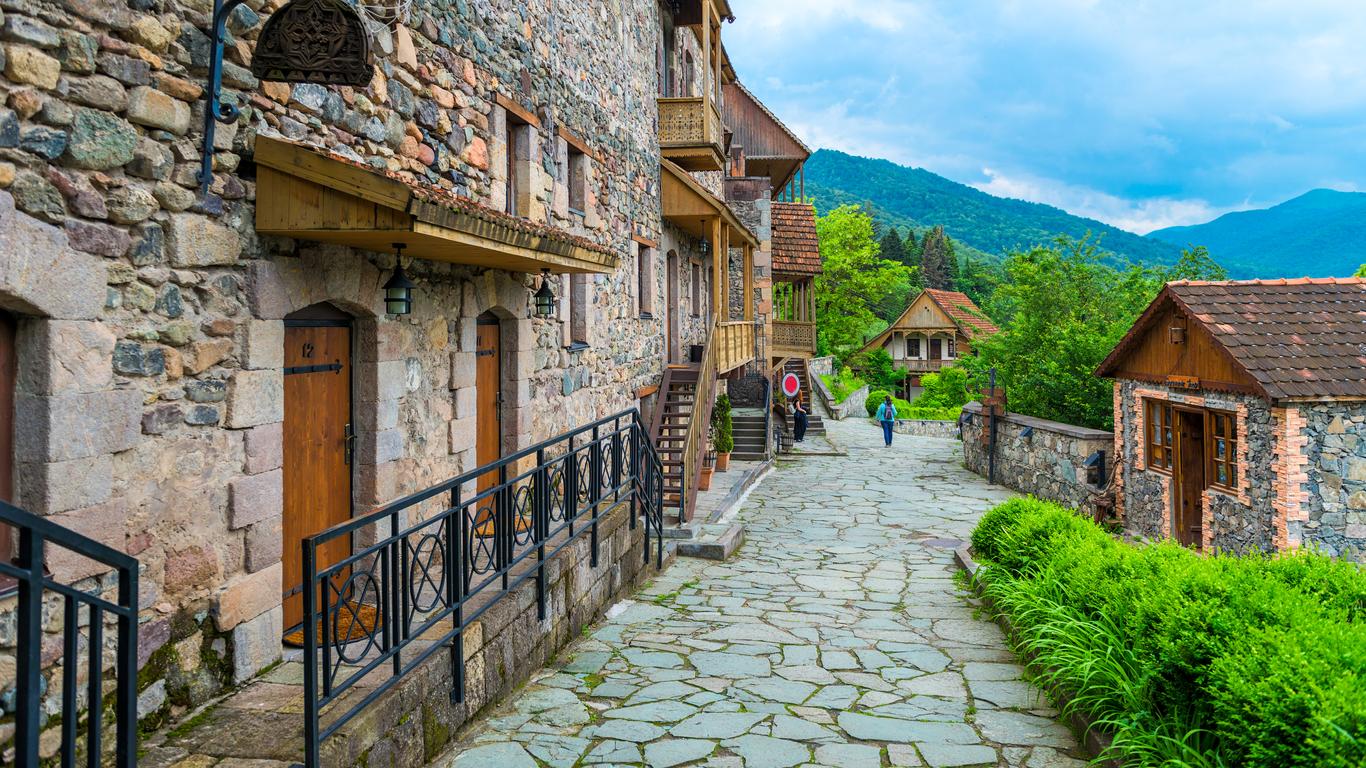
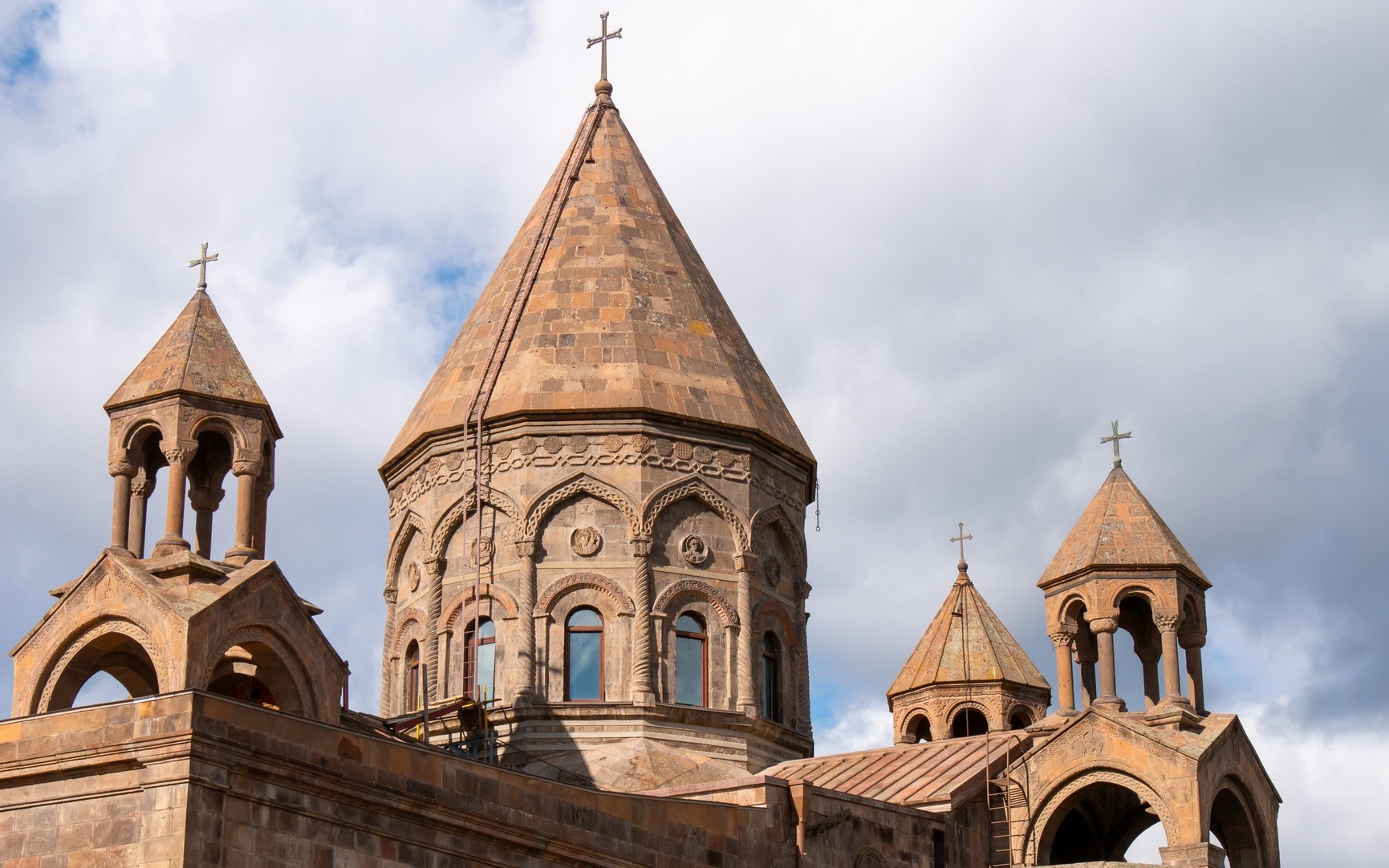
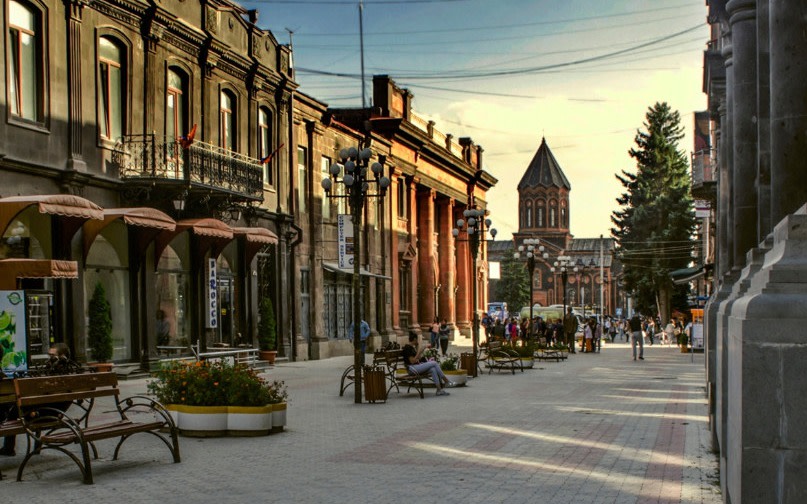
This one-day tour from Tbilisi takes you on a journey through the ancient history and stunning landscapes of northern Armenia. Visit three UNESCO World Heritage-listed monasteries - Haghpat, Sanahin, and Akhtala - and discover their unique architectural styles and religious significance. Along the way, soak up the natural beauty of the Debed Canyon and indulge in local cuisine. Our expert guide will share fascinating stories and insights into Armenian culture and history, making this tour a must-do for history buffs, architecture enthusiasts, and nature lovers alike. Join us on this unforgettable journey and immerse yourself in the rich cultural heritage of northern Armenia!
Available options
Northern Armenia Highlights Tour from Tbilisi
Pickup included
What's included
Private transportation
Private tour
Guide service
Detailed itinerary
1
The tour starts with a comfortable ride from Tbilisi to the Georgian-Armenian border, where you'll have to experience crossing the border between the two countries. After crossing the border, we'll make a stop at a local shop to exchange money and buy some local products, so you can fully immerse yourself in the local culture.
2
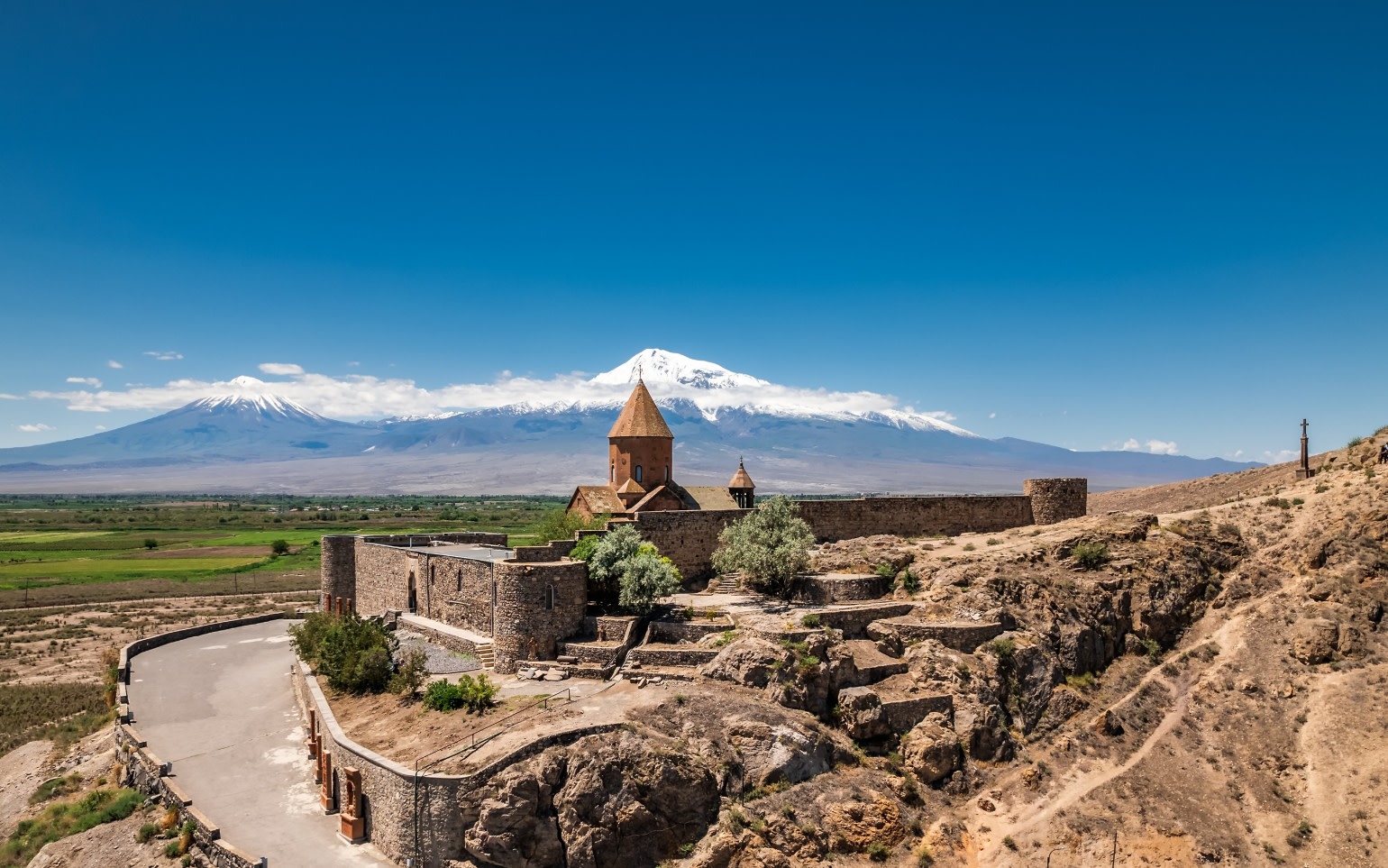
This ancient complex is one of the most important landmarks in the country and a must-see destination for tourists interested in history and architecture.
Built-in the 10th century, Akhtala Monastery is a unique example of Armenian architecture with its well-preserved frescoes, intricate stone carvings, and ancient Armenian script. The monastery is famous for its beautiful bell tower and the imposing walls that surround the complex, which dates back to the 12th century.
Visitors can explore the monastery's main church, which is dedicated to the Holy Trinity, and marvel at the vibrant frescoes that adorn the walls and ceilings. The intricate carvings on the exterior of the church are equally impressive, depicting a variety of religious and historical scenes. The monastery's smaller chapel, known as the Church of St. Astvatsatsin, is also worth a visit for its beautiful frescoes and stunning architecture.
3
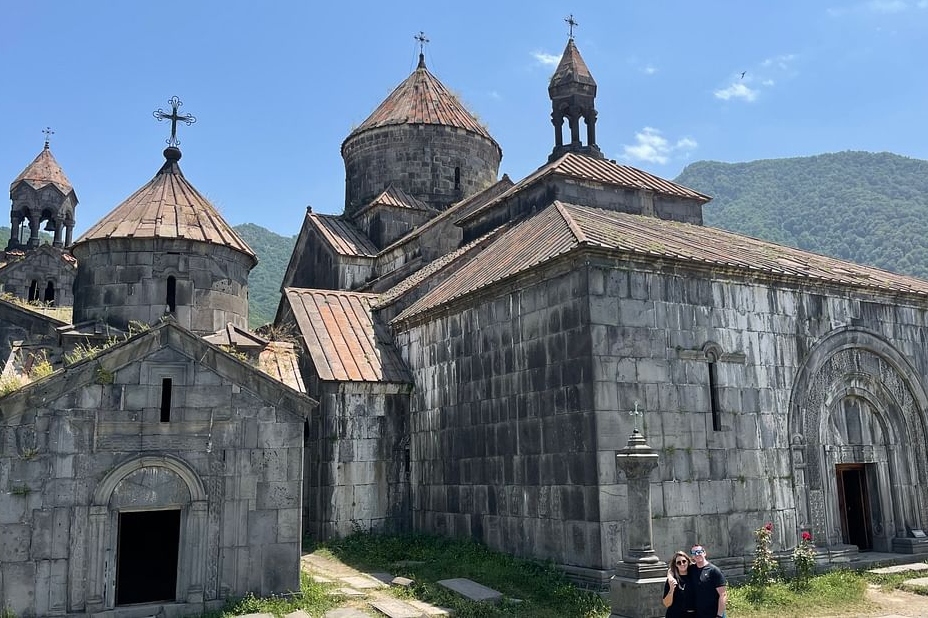
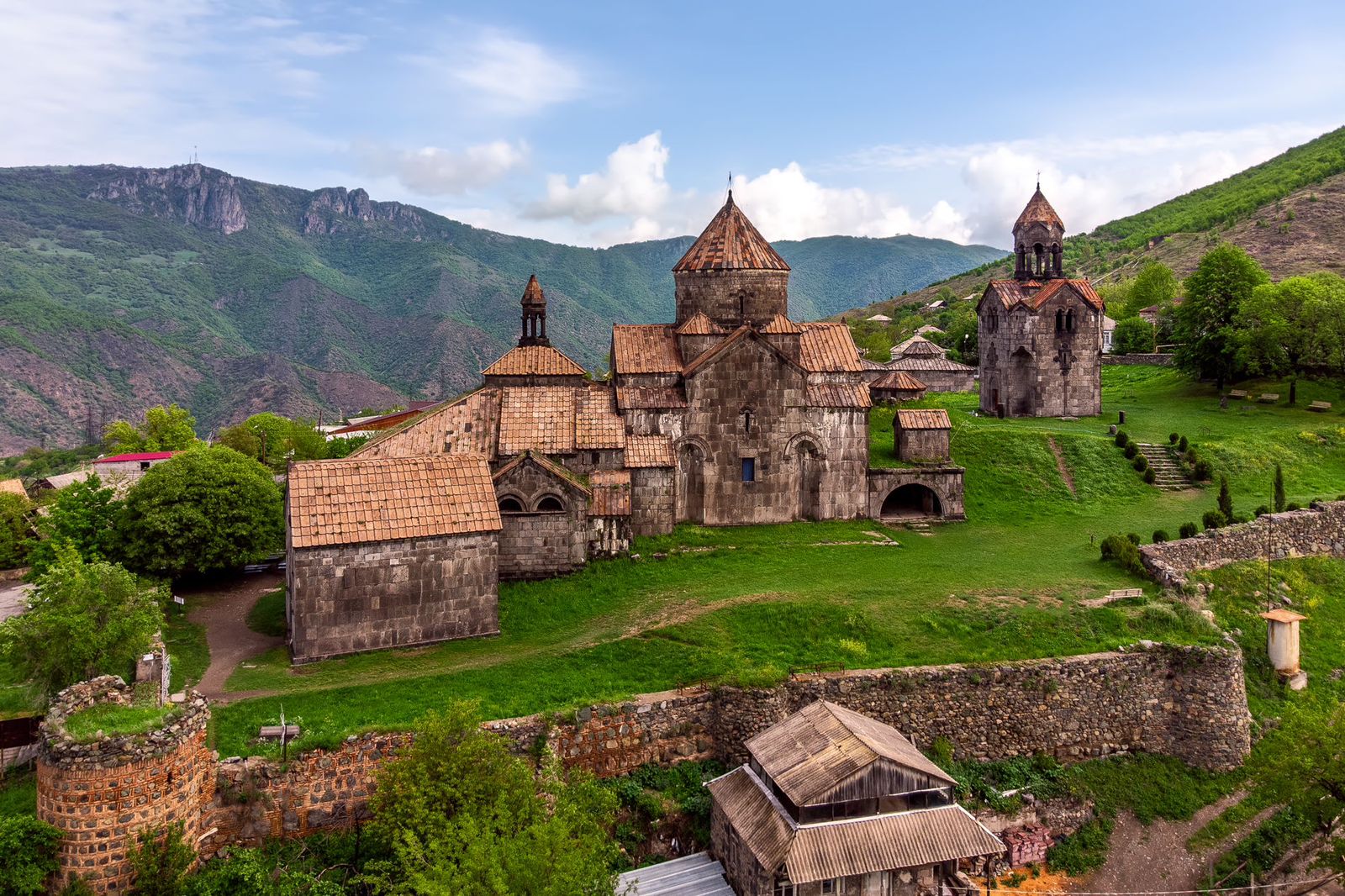
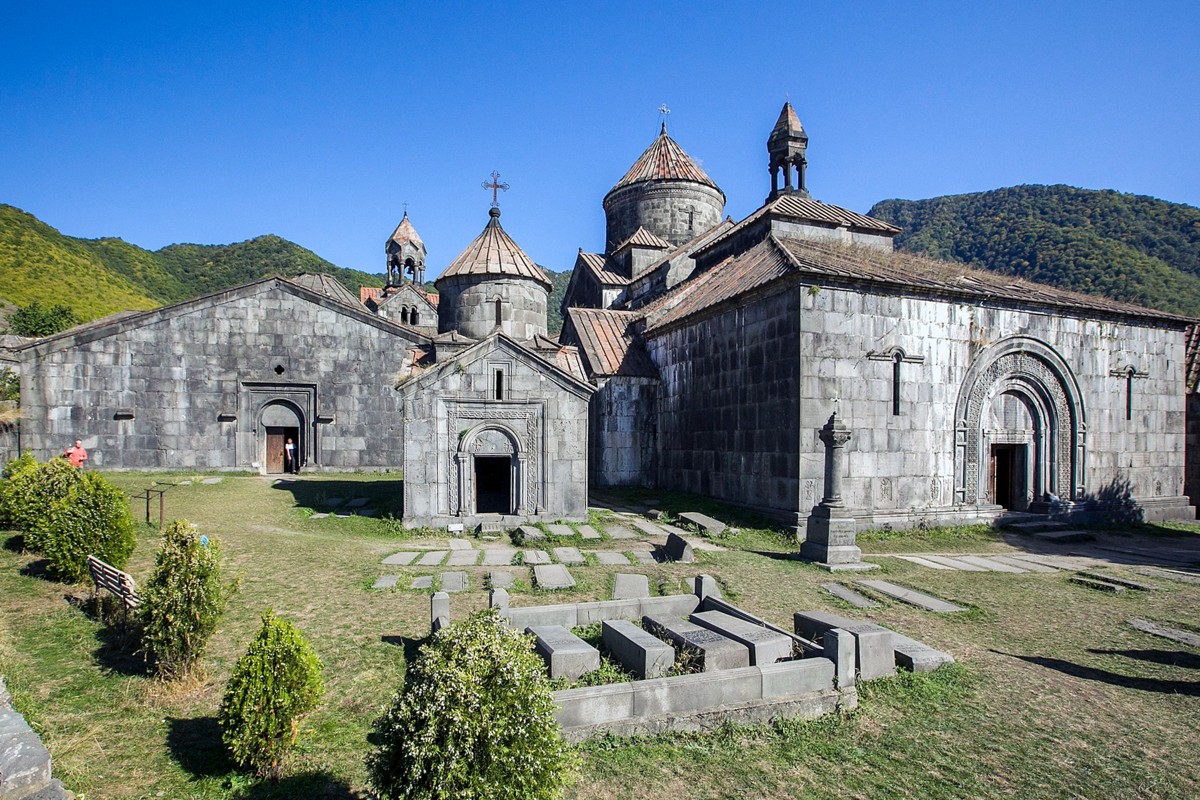
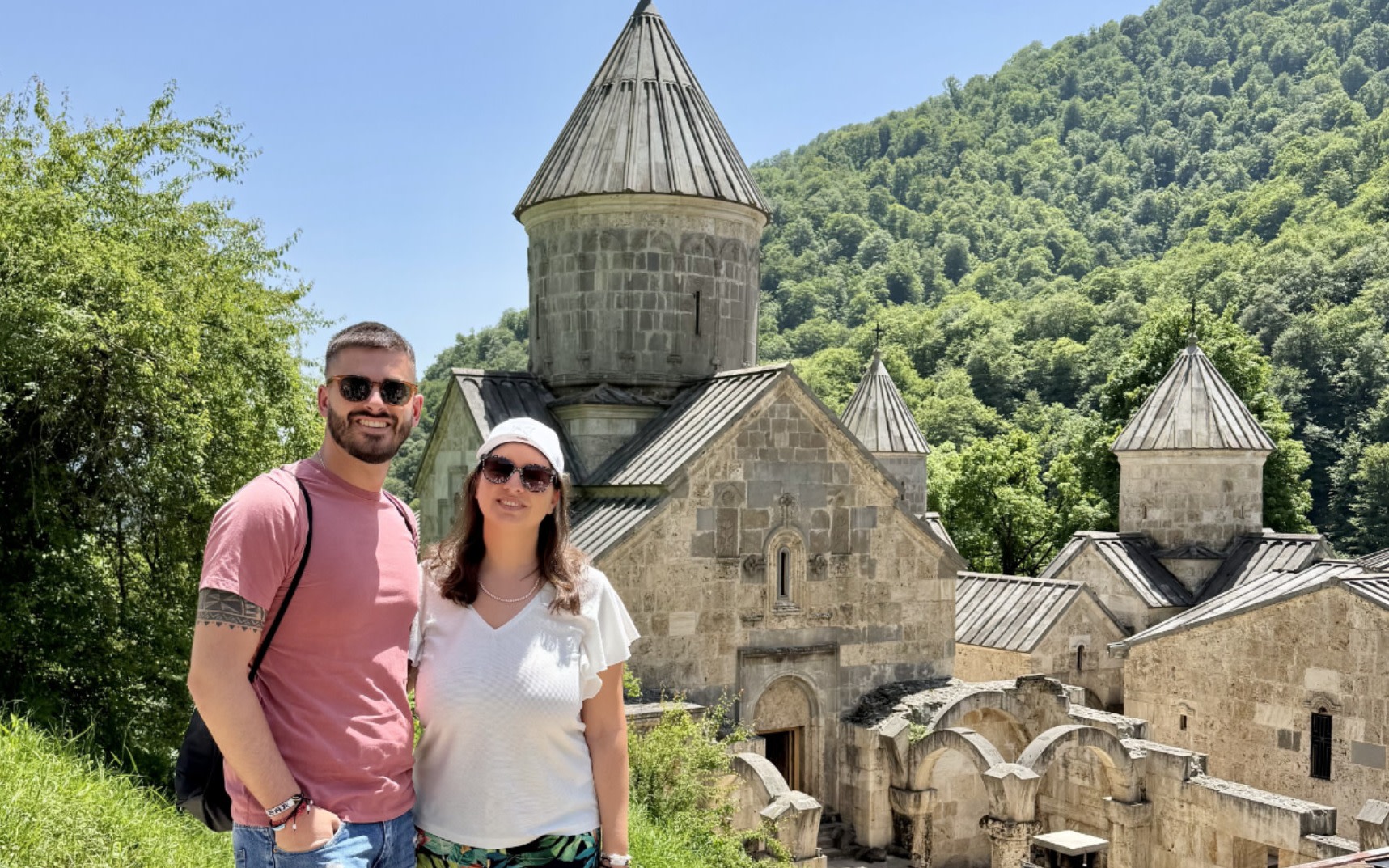
Dating back to the 10th to 13th centuries, the Haghpat complex includes a narthex, two corridor sepulchres, a refectory, a scriptorium, the Chapel of Hamazasp, a belfry, several chapel-tombs, and cross-stones (khachkars), all surrounded by a towered rampart. The architecture of the monastery was built with careful consideration of the functional role, location, and stylistic characteristics of each new building. Haghpat is one of the highest achievements of Armenian religious architecture and has a unique style that blends elements of Byzantine ecclesiastical architecture and traditional vernacular architecture. St. Nshan Church is the oldest monument in the complex and is a complete example of a new stylistic trend of Armenian architecture in the 10th and 11th centuries. The Haghpat Monastery is an exceptional example of Armenian medieval architecture and has numerous monuments of memorial and monumental art preserved on its grounds.
4
This UNESCO World Heritage Site is renowned for its stunning architecture, intricate carvings, and rich cultural history. Dating back to the 10th century, Sanahin was a centre of spiritual and intellectual activity, and it played a crucial role in the development of Armenian religious and cultural traditions.
The complex comprises several churches, chapels, and other structures, each with a unique style and significance. The centrepiece of Sanahin is the Cathedral of St. Astvatsatsin, a magnificent example of Armenian ecclesiastical architecture with its elaborately decorated façade and interior.
Whether you're a history buff or just looking for a peaceful escape from the hustle and bustle of everyday life, Sanahin is an ideal destination. With its rich cultural heritage and natural beauty, this stunning monastic complex is a true gem of Armenia.
5
Here you'll have the chance to see and take photos with a real MIG-21. The museum showcases the story of the Mikoyan brothers, who were pioneers in the development of Soviet aircraft and made a significant impact on the aviation industry.
What's not included
Visa for required countries
Optional
Gratuities
Available languages
Guide guide
RU
EN
Reviews breakdown
Viator
5.0
1 reviews
5★
1
4★
0
3★
0
2★
0
1★
0
Tripadvisor
5.0
2 reviews
5★
2
4★
0
3★
0
2★
0
1★
0
Important information
Not recommended for travelers with spinal injuries
Not recommended for travelers with poor cardiovascular health
Suitable for all physical fitness levels
It is the customer's responsibility to ensure that they have all the necessary documentation to cross the border (Armenia or Georgia), including but not limited to visas, permits, and travel insurance.
If you need a visa, it's recommended to apply for an e-visa in advance. This will help reduce the waiting time at the border and ensure a smoother entry into Armenia.
Border crossing may take significant time (sometimes hours), especially on weekends or during peak tourist season. Delays are beyond our control, so patience is appreciated.
Important notes
Border crossing may take significant time (sometimes hours), especially on weekends or during peak tourist season. Delays are beyond our control, so patience is appreciated.
About Tbilisi
Tbilisi, the capital of Georgia, is a vibrant city where ancient history meets modern culture. Known for its unique architecture, thermal baths, and rich culinary scene, it offers a blend of European and Asian influences that make it a captivating destination for travelers.
Top Attractions
Narikala Fortress
This ancient fortress offers panoramic views of Tbilisi and is a symbol of the city's rich history.
Historical
1-2 hours
Free
Sulfur Baths
A unique historical landmark where people have been bathing in sulfur-rich waters for centuries.
Religious
1-2 hours
10-20 GEL (3-6 USD)
Sameba Cathedral
One of the largest religious buildings in the Caucasus, this cathedral is an architectural masterpiece.
Religious
1 hour
Free
Mtatsminda Park
A beautiful park with panoramic views of the city, perfect for a relaxing stroll or picnic.
Nature
2-3 hours
Free
Dry Bridge Market
A popular flea market where you can find antiques, souvenirs, and local crafts.
Shopping
1-2 hours
Varies
Must-Try Local Dishes
Khachapuri
A cheesy bread filled with melted cheese, often with an egg in the center.
Main Dish
Vegetarian
Khinkali
Dumplings filled with spiced meat or mushrooms, typically served with a side of soup.
Main Dish
Vegetarian options available
Badrijani Nigvzit
Fried eggplant rolls filled with a walnut paste.
Appetizer
Vegetarian
Lobio
A rich, spicy bean stew often served in clay pots.
Side Dish
Vegetarian
Popular Activities
Hiking in the mountains
Paragliding
Rafting
Spa treatments
Thermal baths
Picnics in parks
Visiting museums
Attending festivals
Best Time to Visit
May to October
This is the best time to visit Tbilisi as the weather is warm and pleasant, ideal for exploring the city's outdoor attractions and festivals.
20°C to 35°C
68°F to 95°F
Practical Information
Language
- Official: Georgian
- Widely spoken: Russian, English
- English: Moderately spoken
Currency
Georgian Lari (GEL)
Time Zone
GMT+4
Electricity
220VV, 50HzHz
Safety Information
Overall Safety Rating: Generally safe
Tbilisi is generally safe for travelers, but petty crime and pickpocketing can occur in crowded areas.
Important Precautions:
- • Be cautious of pickpockets in crowded areas
- • Use official taxis or ride-hailing apps
- • Avoid walking alone late at night
Getting there
By air
- Shota Rustaveli Tbilisi International Airport • 17 km from city center
By train
Tbilisi Central Railway Station
By bus
Ortachala Bus Station, Didube Bus Station
Getting around
Public transport
The metro is efficient and affordable, with stations well-connected to major attractions.
Taxis
Available • Apps: Bolt, Yandex.Taxi
Rentals
Car, Bike, Scooter
Neighborhoods
Old Town
Vake
Avlabari
Day trips
Mtskheta
20 km from Tbilisi • Half day
Mtskheta is an ancient city and the former capital of Georgia, known for its historic churches and monasteries.
Kazbegi
160 km from Tbilisi • Full day
Kazbegi is a stunning mountain region with breathtaking views and outdoor activities.
Gori
80 km from Tbilisi • Half day
Gori is a city known for its historic sites, including the birthplace of Joseph Stalin.
Festivals
Tbilisi International Film Festival • March
Tbilisi Open Air • July
Tbilisi Wine Festival • October
Pro tips
- Visit the Dry Bridge Market early in the morning for the best selection of antiques and souvenirs
- Try traditional Georgian dishes at local restaurants and street food vendors
- Explore the Old Town on foot to discover hidden gems and historic sites
- Take a day trip to Mtskheta to experience Georgia's ancient history and culture
- Attend a traditional Georgian supper club for an authentic dining experience
From $25
per person
Price varies by option
Secure booking
Free cancellation available
Instant confirmation