Asakusa: Family-Oriented Private Tour with Amusement Park Visit
Active
3h
For a full refund, cancel at least 24 hours before the scheduled departure time.
Instant confirmation
Mobile or paper ticket accepted
About this experience
This private tour is designed especially for families with small children. Unearth the history of the district with your expert guide before heading to an amusement park that provides entertainment for children and adults alike.
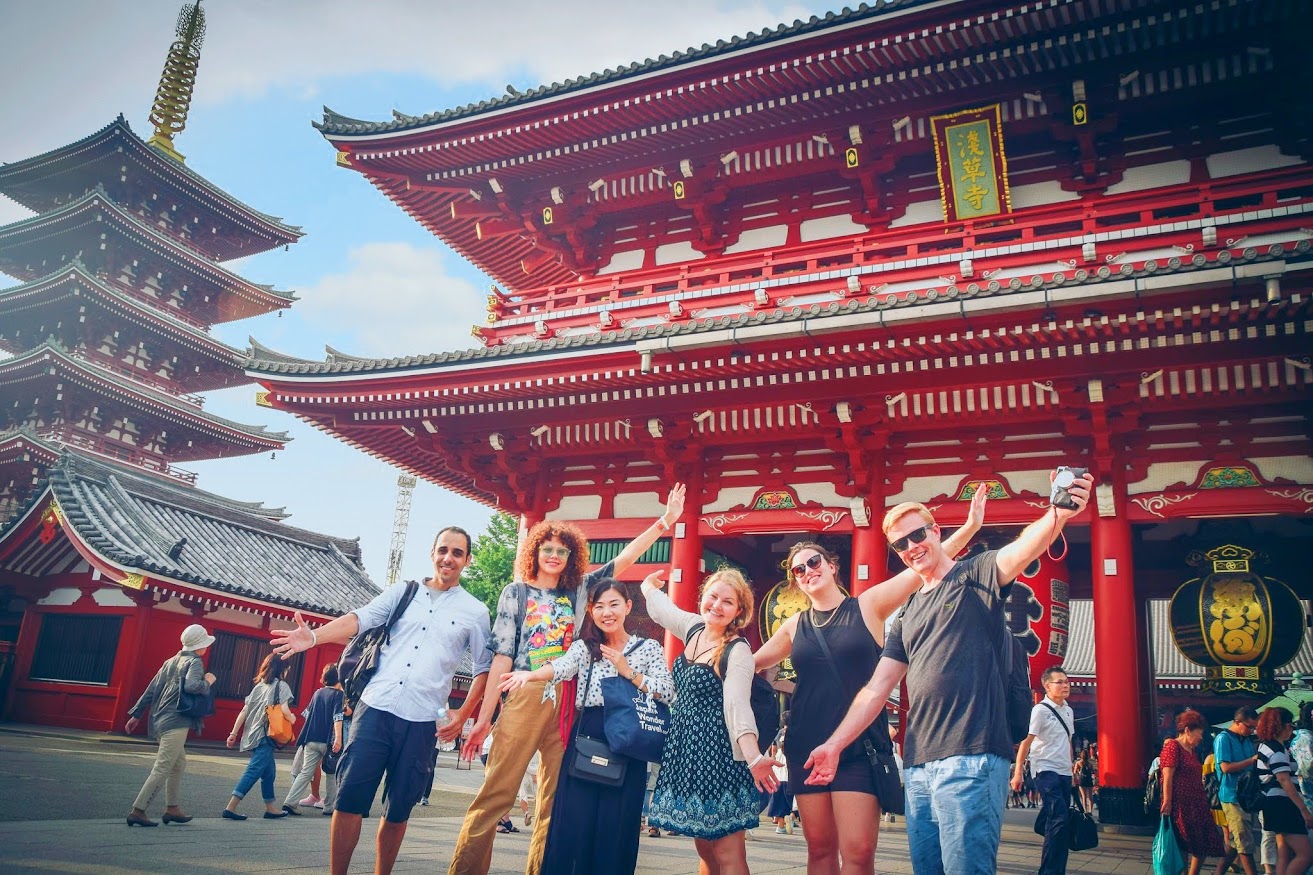
The guide provides the Asakusa history tour with children being the major guests in mind; it starts with the mysterious story of the two brothers who found a Buddhist statue in the river which became the origin of Sensoji Temple. Admire statues, lanterns, souvenir shops which are selected especially for children.
After the history tour, head to Hanayashiki, the oldest amusement park in Japan opened in 1853. This somewhat quaint facility now features 20+ kinds of modern rides and attractions. The guide will help you set up in the park showing around what to expect. Enjoy an incredible inclusion in the tour: unlimited access to rides and attractions with much less waiting time than in major theme parks. Feel free to stay at the park after your tour ends.
Available options
Family package in Asakusa
Pricing: Pricing
What's included
Guiding in English by a local certified expert guide
Entry ticket with unlimited access to all rides / attractions for each guest in the amusement park
For a group of 3 or more, headsets for each to hear the guide's voice clearly even from distance
Detailed itinerary
1
Stop 1
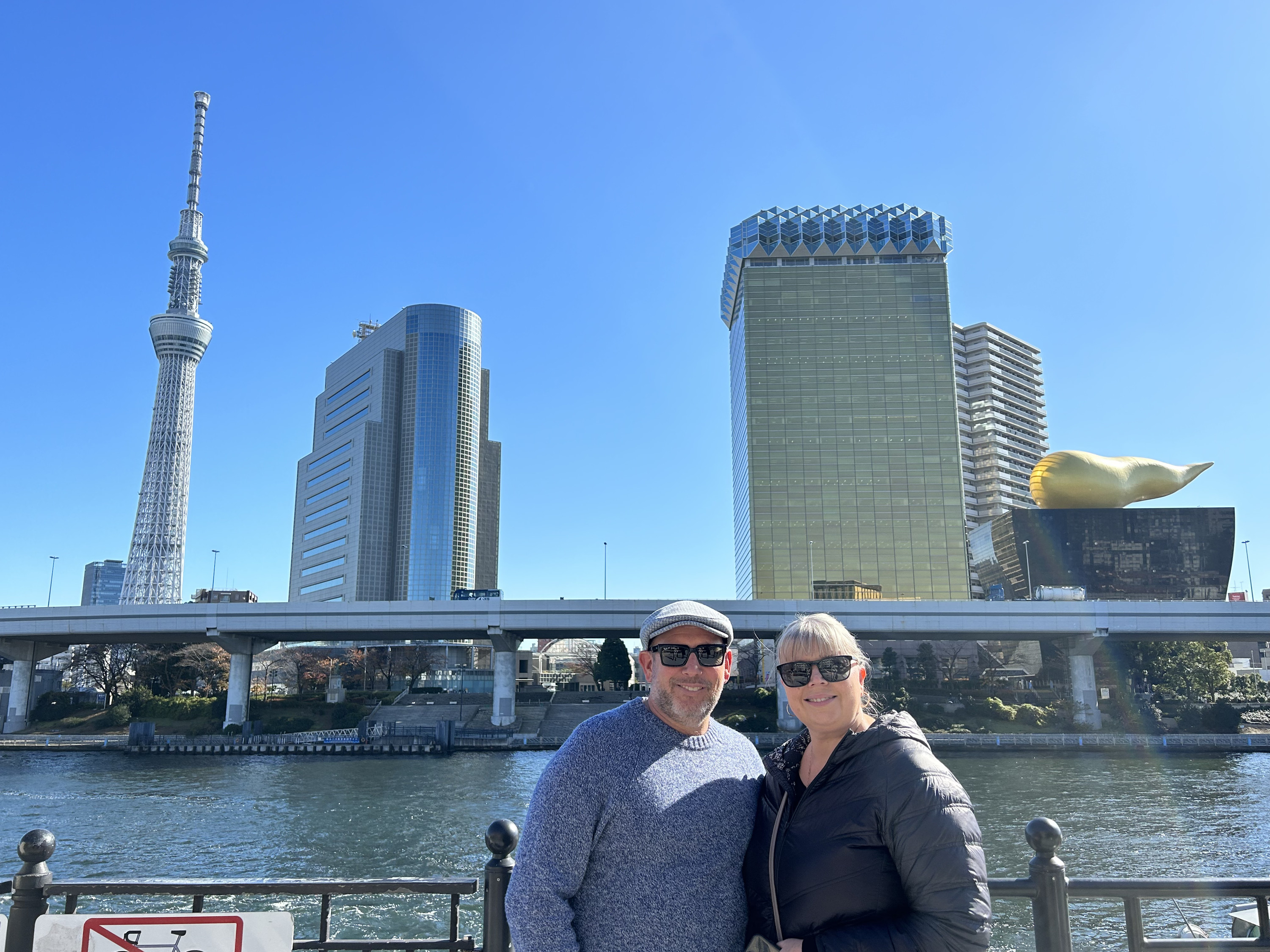
Just as Asakusa’s history started by the Sumida river, so do our tours. Across the Azumabashi bridge, we will see Tokyo Sky Tree, Asahi Breweries' headquarters with its world-famous golden flame object.
2
From Sumida river, we will stroll to Asakusa Culture Tourist Information Center. This is not not just a valuable source of sightseeing information, but one of Asakusa’s newest sightseeing attractions. This 8-story building, designed by a world famous Japanese architect, has a very striking structure with the appearance of a stack of separate wooden buildings that seem piled up on top of each other at different angles. From the open terrace Observation Deck on the 8th floor of the Center, we will have a preview of the entire tour course: not just Tokyo Sky Tree and Asahi Flame we have just seen but the landmarks we are going to see including Kaminarimon gate, Nakamise shopping street, Hozomon gate, Sensoji Temple, and more.
3
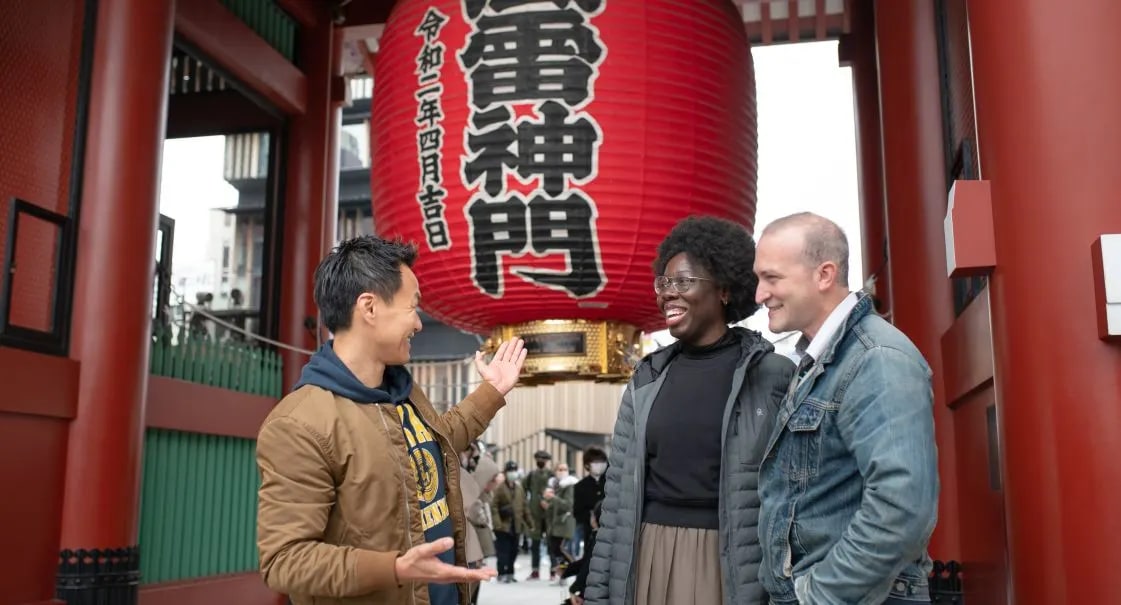
Kaminarimon gate ("Thunder Gate") is the outer of two large entrance gates that ultimately leads to the Sensō-ji temple. The gate, with its huge red lantern and statues, is popular among tourists. The guide will demystify this giant lantern and its surrounding objects.
4
Stop 4
This shopping street connects Kaminarimon gate and Sensoji-temple's main gate. The 250 m approach is lined with a number of souvenir shops and food stalls. The guide will show you where to buy souvenirs you are interested in. The other fun part of strolling along it is that the guide will buy you traditional snacks in Asakusa; note that the guide may buy snacks in other places in the tour based on your preferences.
Toward the end of this long street, we will see a history tablets on its side which depict how Asakusa started and developed around Sensoji-temple.
5
Stop 5
The Hōzōmon (Treasure-House Gate) is the inner of two large entrance gates that ultimately leads to the Sensō-ji temple (the outer being the Kaminarimon), Tokyo. A two-story gate, the Hōzōmon's second story houses many of the Sensō-ji's treasures. We will see two statues, three lanterns and two large sandals housed in the first story.
6
Stop 6
Between Hozomon gate and Sensoji's main hall, we have a lot to see and do.
On the left, we will see Five-storied Pagoda the second highest (53m-high) pagoda in Japan built in 942. It holds Buddha's ashes on its top floor given by Sri Lankan goverment and buddhist society for goodwill between Sri Lanka and Japan.
We will have three major things to observe or do before entering the temple's main hall.
First:
- You will draw omikuji, or paper fortune, to predict your future (included in the costs you have already paid).
Second:
- Most Japanese stop at the huge bronze incense burner to bathe their hands and faces in the smoke. This is a ritual to ward off illnesses-before climbing the stairs to offer their prayers.
Third:
- Water purification fountain which people use to purify themselves before going inside the temple. You will also see a famous sculpture perching on the fountain.
We will now proceed to the main hall of the temple which is the climax of the tour. Look forward to what you will see and the guide will recount there!
7
Stop 7
After the magnificence of Sensoji, we'll escape into the Rokku area: Asakusa's traditional entertainment district, always bustling yet rarely busy. Walk through the Meiji period into the present day (with stops along the way for more Japanese sweet snacks).
Once a district of endless novelty — movies, comedians and exotic animals — Rokku passed through its glory days to become a quaint neighborhood of handicrafts and nostalgia. Through vivid descriptions of its complex, colorful history, you'll even see sights that aren't there to see anymore!
Packed with cosy bars, eateries, and snack stands, as well as boutique shops for traditionally crafted goods of all kinds, the narrow, winding and wandering streets of Rokku will lead you through the other Asakusa experience.
8
Stop 8
Now, it's the long-waited Hanayashiki, the amusement park!
What's not included
Hotel pick-up and drop-off
Available languages
Audio guide
EN
Guide guide
EN
Important information
Infants and small children can ride in a pram or stroller
Service animals allowed
Public transportation options are available nearby
Specialized infant seats are available
Suitable for all physical fitness levels
Meeting point
The meeting place is in front of a Burger King restaurant right next to Exit 4 of Asakusa subway station (G19) on the Ginza line. Please step outside when you reach Exit 4.
Important notes
The meeting place is in front of a Burger King restaurant right next to Exit 4 of Asakusa subway station (G19) on the Ginza line. Please step outside when you reach Exit 4. See below for details.
https://bit.ly/3KBlIr5
About Tokyo
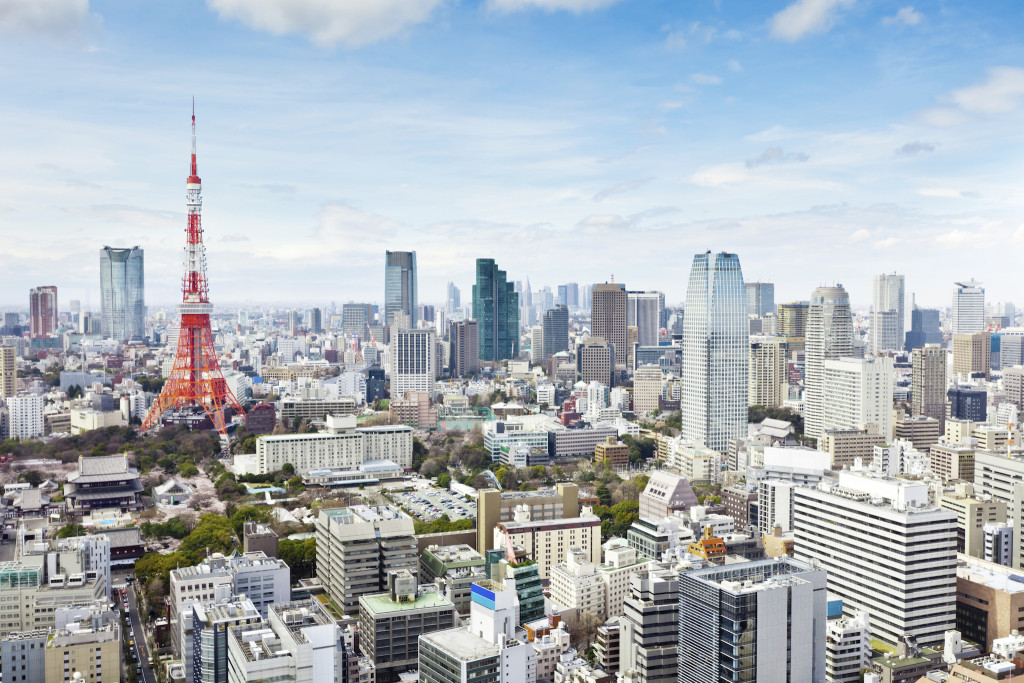
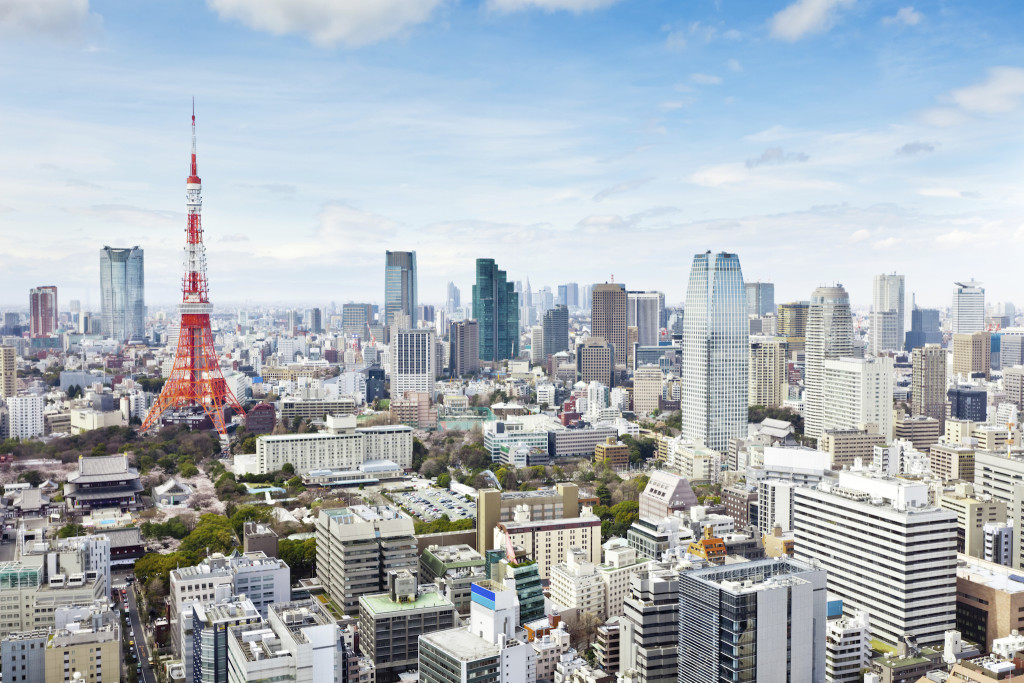
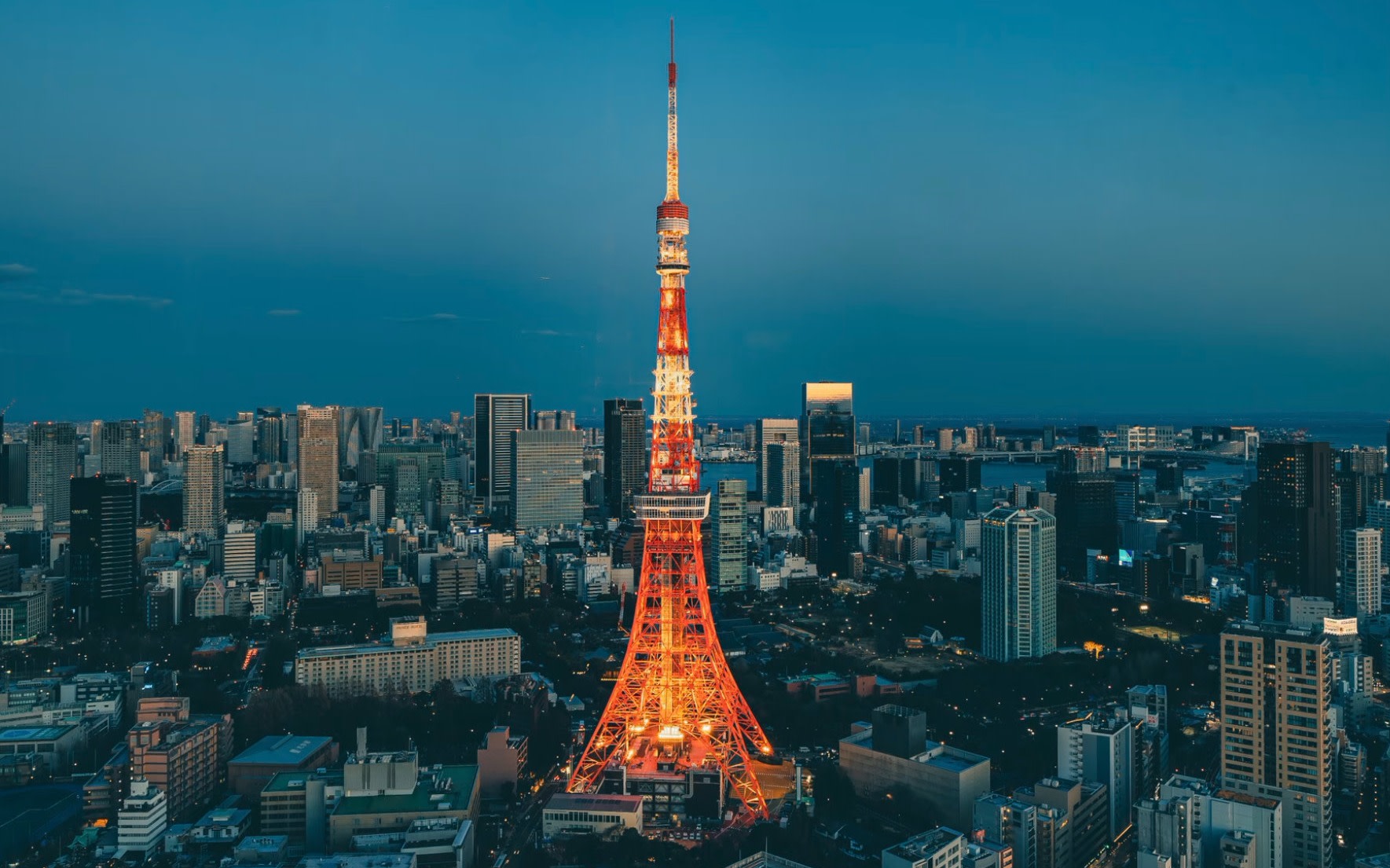
Tokyo, the capital of Japan, is a bustling metropolis that beautifully blends traditional culture with cutting-edge technology. Known for its neon-lit streets, historic temples, and world-class cuisine, Tokyo offers a unique experience that caters to every type of traveler.
Top Attractions
Senso-ji Temple
Senso-ji is Tokyo's oldest temple and one of its most significant. The temple's massive lantern and five-story pagoda are iconic landmarks.
Historical/Religious
1-2 hours
Free (small fee for some areas)
Meiji Shrine
Meiji Shrine is a Shinto shrine dedicated to the deified spirits of Emperor Meiji and his wife, Empress Shoken. It is surrounded by a beautiful forest.
Historical/Religious
1-2 hours
Free
Shibuya Crossing
Shibuya Crossing is the world's busiest pedestrian crossing and a symbol of Tokyo's bustling urban life. It's a must-see for its chaotic yet orderly nature.
Cultural
30 minutes to 1 hour
Free (¥2,200 for Shibuya Sky)
Tokyo Skytree
Tokyo Skytree is the tallest tower in Japan and the second tallest freestanding structure in the world. It offers breathtaking views of the city.
Architecture
2-3 hours
¥2,100 to ¥3,100 (USD $15 to $22)
Odaiba
Odaiba is a man-made island in Tokyo Bay known for its shopping, dining, and entertainment options. It's a great place for families and tech enthusiasts.
Entertainment
Half day to full day
Varies by attraction
Must-Try Local Dishes
Sushi
Fresh raw fish served on vinegared rice, a staple of Japanese cuisine.
Dinner
Contains fish, can be vegetarian with substitutes.
Ramen
Noodle soup with various broths and toppings, a popular comfort food.
Lunch/Dinner
Vegan and vegetarian options available.
Tempura
Deep-fried seafood and vegetables, known for its crispy texture.
Lunch/Dinner
Contains seafood and deep-fried ingredients.
Okonomiyaki
Savory pancake with various ingredients, often topped with sauce and bonito flakes.
Lunch/Dinner
Contains seafood and can be made vegetarian.
Popular Activities
Hiking in the nearby mountains
Parasailing at Odaiba
Onsen (hot spring) visits
Tea ceremonies
Traditional tea ceremonies
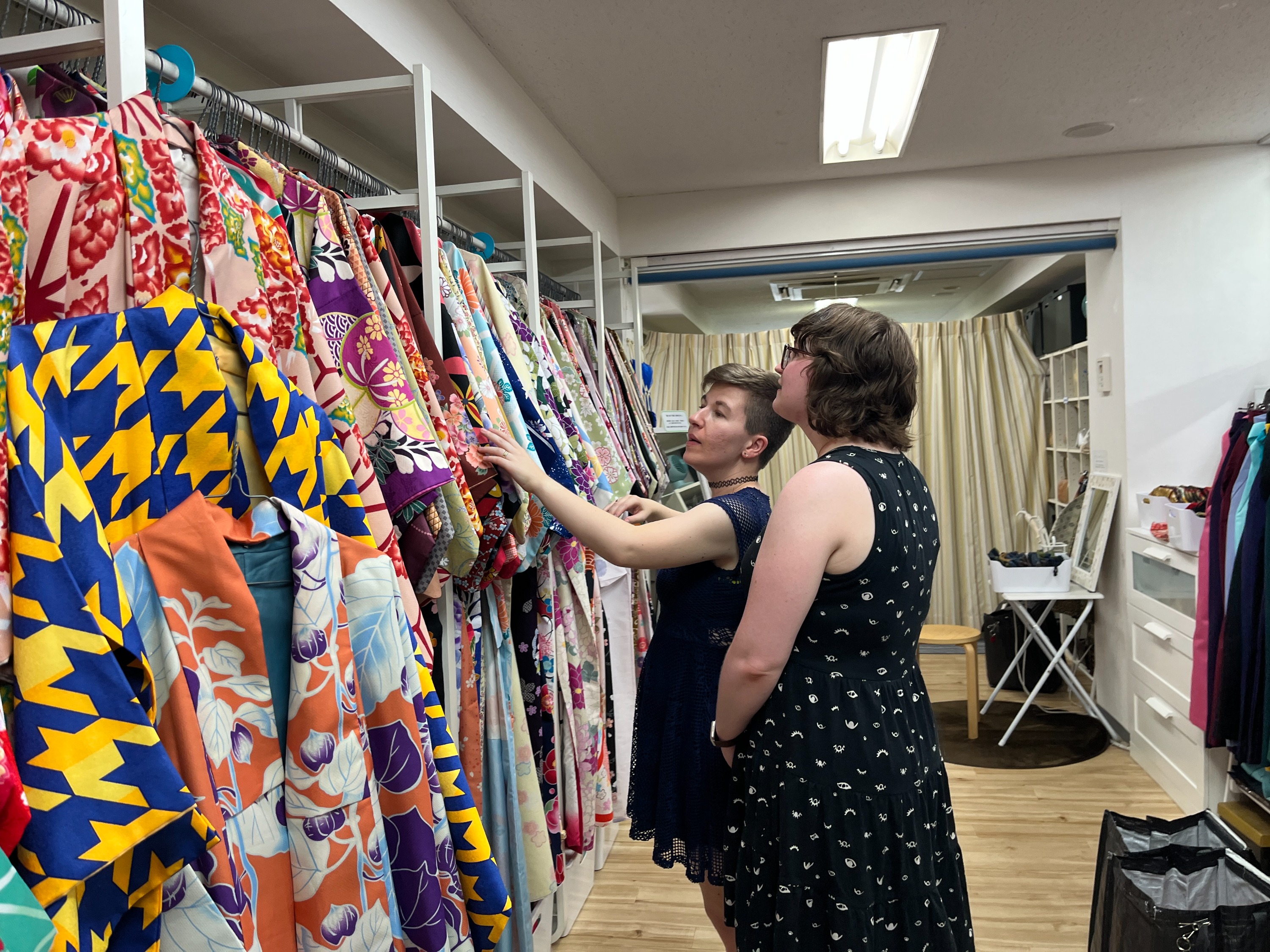
Kimono rentals and photo shoots
Boat tours on the Sumida River
Beach activities at Odaiba
Best Time to Visit
March to May (Spring) and September to November (Autumn)
These seasons offer comfortable temperatures and beautiful scenery, with cherry blossoms in spring and vibrant foliage in autumn. However, these are also the busiest times for tourism.
10°C to 25°C (50°F to 77°F)
50°F to 77°F
Practical Information
Language
- Official: Japanese
- Widely spoken: English, Chinese, Korean
- English: Moderately spoken in tourist areas, limited elsewhere
Currency
Japanese Yen (JPY)
Time Zone
GMT+9
Electricity
100VV, 50/60HzHz
Safety Information
Overall Safety Rating: Very safe
Tokyo is generally very safe, with low crime rates and a strong emphasis on public order. However, petty crimes like pickpocketing can occur in crowded areas.
Important Precautions:
- • Be cautious of your belongings in crowded areas.
- • Use licensed taxis and check fares before getting in.
- • Be aware of your surroundings, especially at night.
Getting there
By air
- Narita International Airport • 60 km (37 miles) from city center
- Haneda Airport • 15 km (9 miles) from city center
By train
Tokyo Station, Shinjuku Station
By bus
Tokyo Station Bus Terminal, Shinjuku Expressway Bus Terminal
Getting around
Public transport
Tokyo's subway system is efficient, clean, and punctual. It consists of multiple lines operated by Tokyo Metro and Toei Subway.
Taxis
Available • Apps: JapanTaxi, DiDi
Rentals
Car, Bike, Scooter
Neighborhoods
Shibuya
Shinjuku
Asakusa
Ginza
Akihabara
Day trips
Nikko
120 km (75 miles) from Tokyo • Full day
Nikko is a city known for its beautiful shrines, temples, and natural scenery. It's a UNESCO World Heritage site and offers a peaceful retreat from the bustling city.
Kamakura
50 km (31 miles) from Tokyo • Half day to full day
Kamakura is a coastal town known for its historic temples, shrines, and the Great Buddha statue. It's a great place to experience traditional Japanese culture.
Hakone
90 km (56 miles) from Tokyo • Full day or overnight
Hakone is a hot spring resort town known for its onsen (hot springs), scenic views of Mount Fuji, and the Open-Air Museum. It's a popular destination for relaxation and nature.
Festivals
Sannō Matsuri • Mid-June (every 2 years)
Kanda Matsuri • Mid-May (every 2 years)
Sumida River Fireworks Festival • Last Saturday of July
Pro tips
- Use IC cards like Suica or Pasmo for convenient and discounted public transport.
- Download useful apps like Google Maps, Japan Transit Planner, and Japan Travel by Navitime.
- Learn a few basic Japanese phrases to enhance your experience and show respect for the local culture.
- Carry cash, as some smaller shops and restaurants may not accept credit cards.
- Visit popular attractions early in the morning or late in the afternoon to avoid crowds.
From $25
per person
Price varies by option
Secure booking
Free cancellation available
Instant confirmation