Private Half-Day Guided Tour of Delhi.
Active
4h
For a full refund, cancel at least 24 hours before the scheduled departure time.
Instant confirmation
Mobile or paper ticket accepted
About this experience
This package is designed to help you see the best of Delhi in Half day—and see it at your own pace and in your own unique way.
Guide will curate a experience as you seek out hidden treasures in areas of Delhi that few visitors are ever lucky enough to find.
We are a team of enthusiastic professionals who are masters of their trade and each of them brings with him/her a unique set of experience adding value to the traveler’s overall experience of the country. We look for the best value for money by sourcing the best materials at the best price. And we‘re always looking for ways to make our services work more efficiently and effectively.
Available options
Half Day New Delhi Tour
Inclusion:: Private tour, Car and professional Guide.
Entrance fee at monuments is not included. <br/>Pickup included
What's included
Professional tour Guide
Bottled water
Private air-conditioned vehicle
Detailed itinerary
1
Agrasen ki Baoli, designated a protected monument by the Archaeological Survey of India under the Ancient Monuments and Archaeological Sites and Remains Act of 1958, is a 60-meter long and 15-meter wide historical step well on Hailey Road near Connaught Place, Jantar Mantar in New Delhi, India. Although there are no known historical records to prove who built Agrasen ki Baoli, it is believed that it was originally built by the legendary king Agrasen, and rebuilt in the 14th century by the Agrawal community which traces its origin to Maharaja Agrasen. It is a popular tourist destination and hangout in New Delhi.. The Baoli is open for public viewing seven days a week from 9 am to 5.30pm. The entry is free for all. Photography charges are also nil.
2
Stop 2
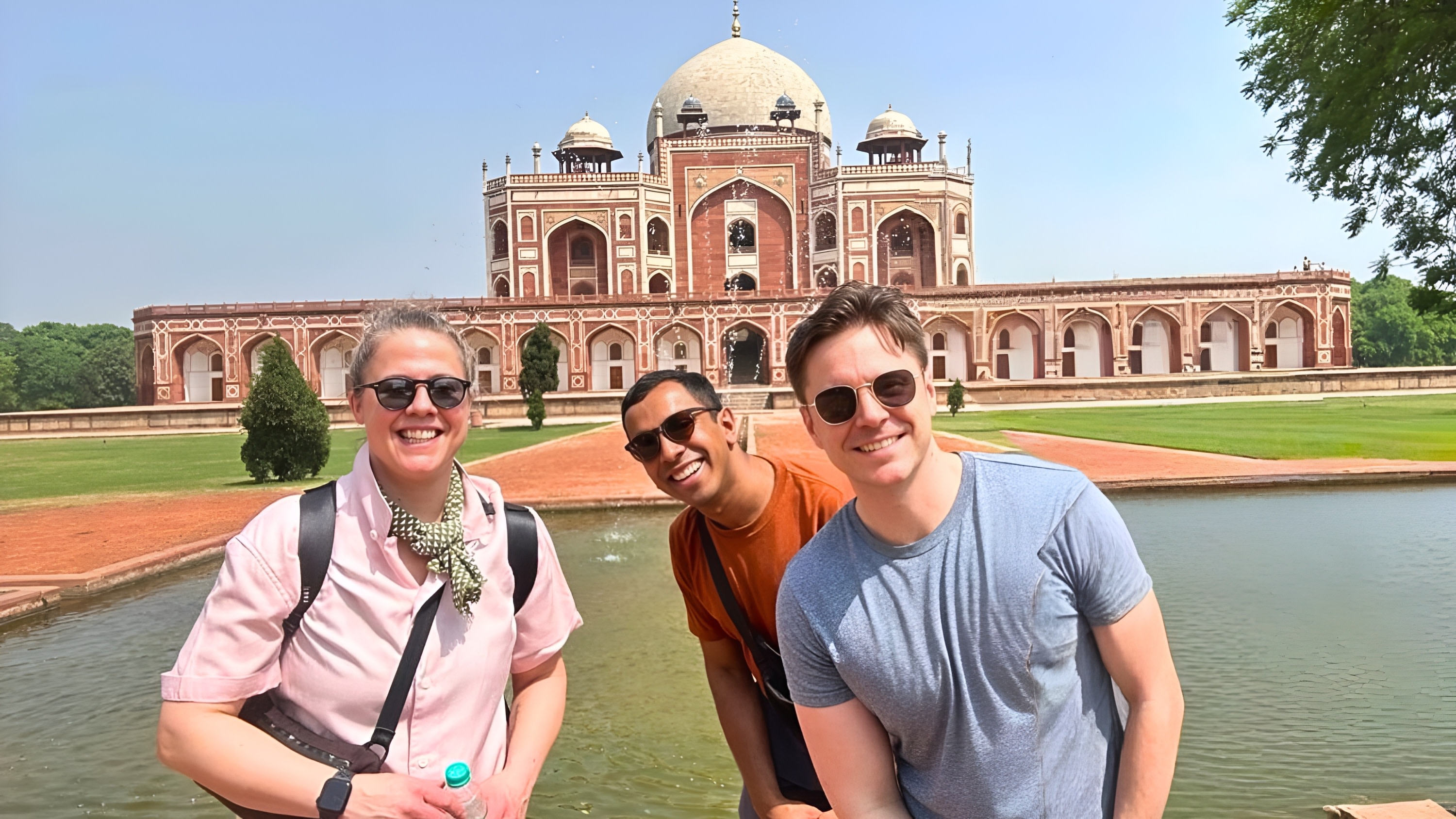
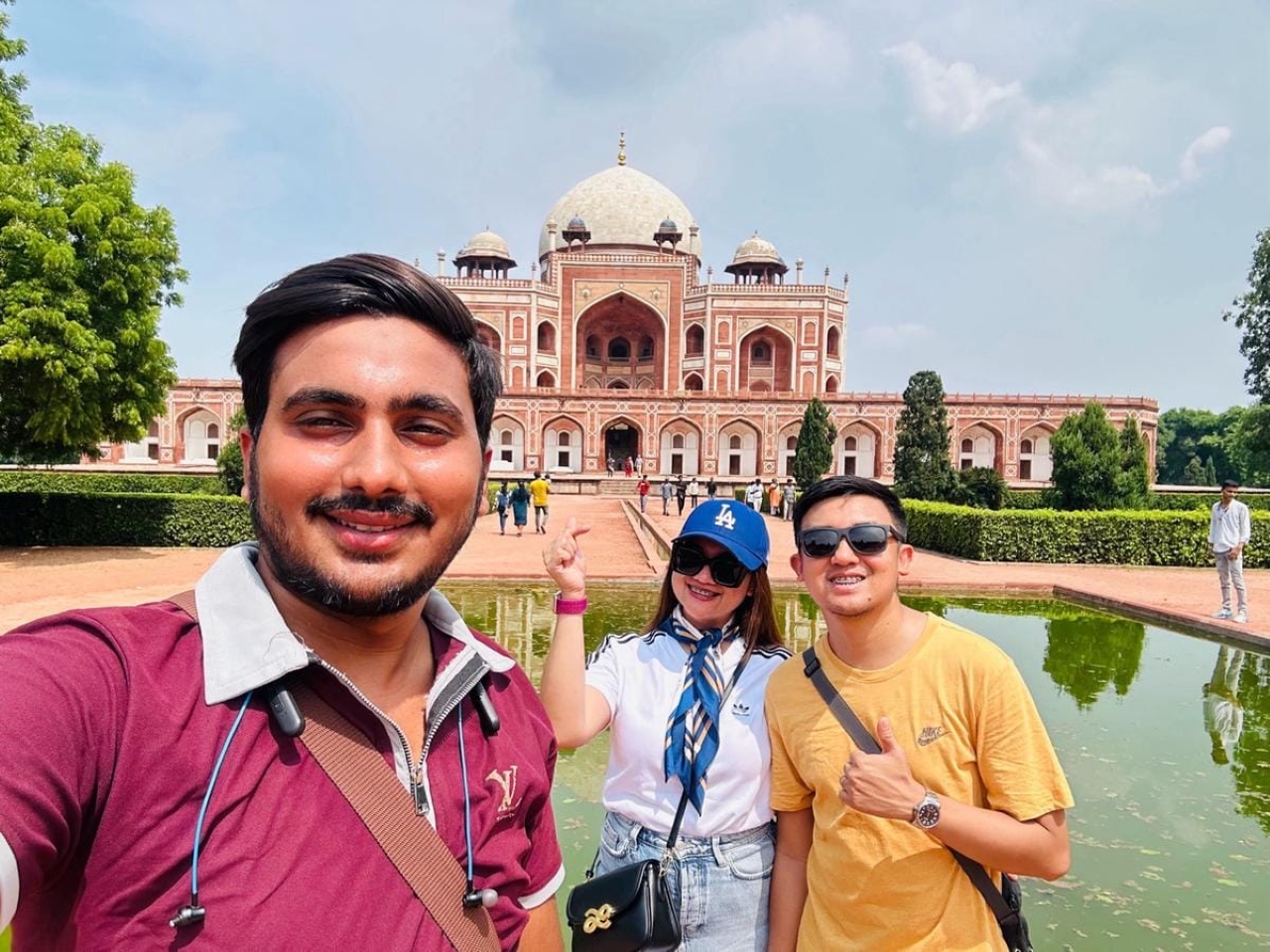
Humayun's tomb is the tomb of the Mughal Emperor Humayun in Delhi, India. The tomb was commissioned by Humayun's first wife and chief consort, Empress Bega Begum, in 1569-70, and designed by Mirak Mirza Ghiyas and his son, Sayyid Muhammad, Persian architects chosen by her. It was the first garden-tomb on the Indian subcontinent, and is located in Nizamuddin East, Delhi, India, close to the Dina-panah Citadel, also known as Purana Qila, that Humayun founded in 1533. It was also the first structure to use red sandstone at such a scale. The tomb was declared a UNESCO World Heritage Site in 1993, and since then has undergone extensive restoration work, which is complete. Besides the main tomb enclosure of Humayun, several smaller monuments dot the pathway leading up to it, from the main entrance in the West, including one that even pre-dates the main tomb itself, by twenty years; it is the tomb complex of Isa Khan Niyazi, an Afghan noble in Sher Shah Suri's court of the Suri dynasty, who fought against the Mughals, constructed in 1547 CE.
3
Stop 3
Pass by
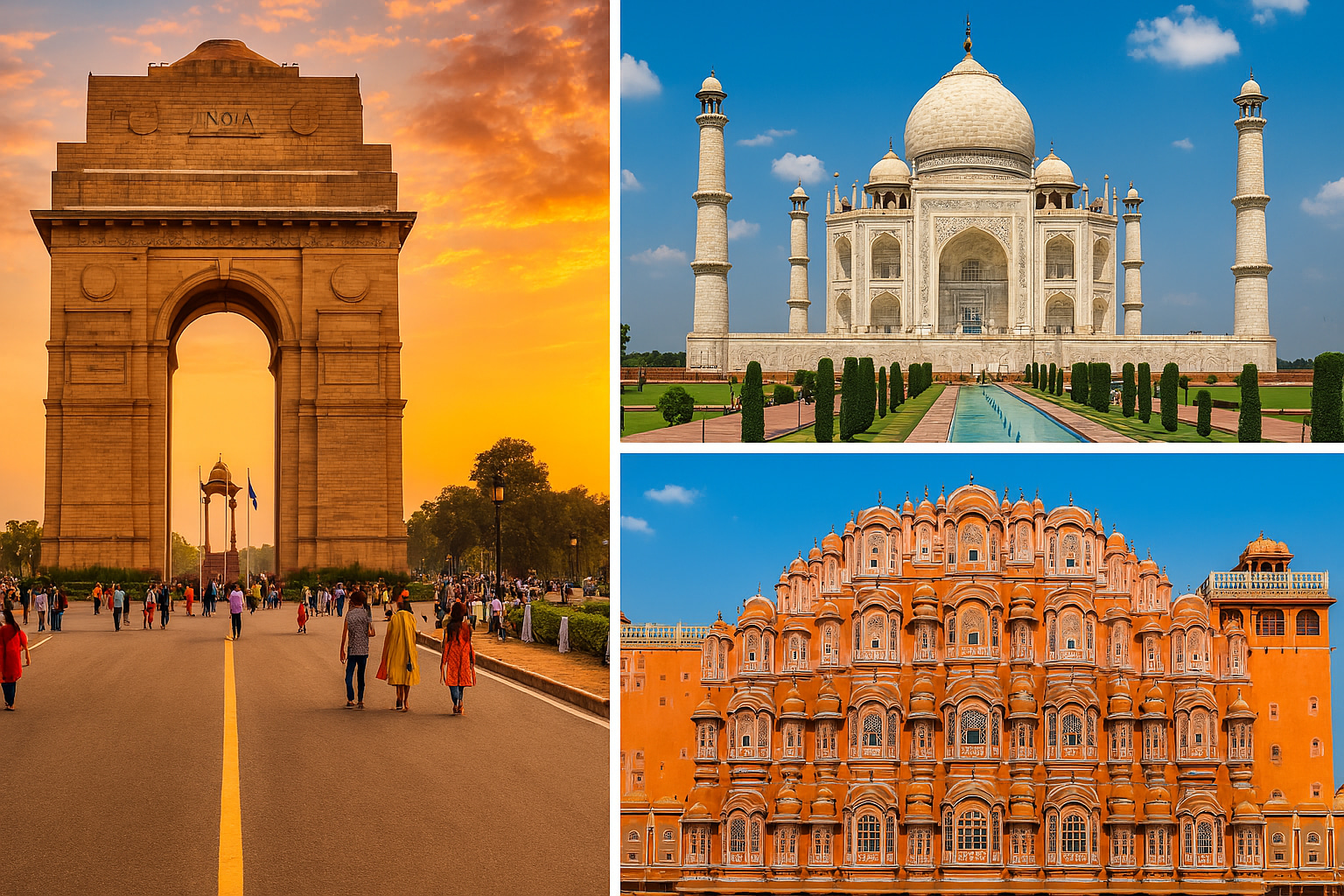
National monument of INDIA
4
Stop 4
Pass by
Biggest president palace in the world.
5
Stop 5
Pass by
Parliament House, officially known as the Samvidhan Sadan, was the seat of the Imperial Legislative Council of India between 18 January 1927 and 15 August 1947, the Constituent Assembly of India
6
Lutyens' Delhi is a neighborhood in New Delhi, India, named after British architect Sir Edwin Lutyens (1869–1944). Lutyens designed the area during the British Raj, when India was part of the British Empire in the 1920s–1940s. Lutyens' Delhi is known for its wide boulevards, grand government buildings, and lush greenery.
7
Stop 7
Pass by
The National Gallery of Modern Art is the premier art gallery under Ministry of Culture, Government of India. The main museum at Jaipur House in New Delhi was established on 29 March 1954 by the Government of India, with subsequent branches at Mumbai and Bangalore.
8
Stop 8
Lodi Gardens is a city park situated in New Delhi, India. Spread over 90 acres (360,000 m2),[1] it contains Mohammed Shah's Tomb, the Tomb of Sikandar Lodi, the Shisha Gumbad and the Bara Gumbad,[2] architectural works of the 15th century by Lodis - who ruled parts of northern India and Punjab and Khyber Pakhtunkhwa province of modern-day Pakistan, from 1451 to 1526 are present here. The site is now protected by the Archaeological Survey of India (ASI).[1]
What's not included
Any personal expenses
Monuments entrance fees
Tips to Guide and Driver (RECOMMENDED)
Available languages
Guide guide
EN
Important information
Suitable for all physical fitness levels
About New Delhi
New Delhi, the capital of India, is a vibrant blend of ancient history and modern development. It offers a rich cultural experience with its historic monuments, bustling markets, and diverse cuisine. The city is a gateway to understanding India's past and present.
Top Attractions
Red Fort
A UNESCO World Heritage Site and a symbol of India's struggle for independence. Built by Emperor Shah Jahan in the 17th century.
Historical
2-3 hours
₹35 ($0.50) for Indians, ₹500 ($7) for foreigners
Qutub Minar
Another UNESCO World Heritage Site, this towering minaret is a fine example of early Indo-Islamic architecture.
Historical
1-2 hours
₹30 ($0.40) for Indians, ₹500 ($7) for foreigners
India Gate
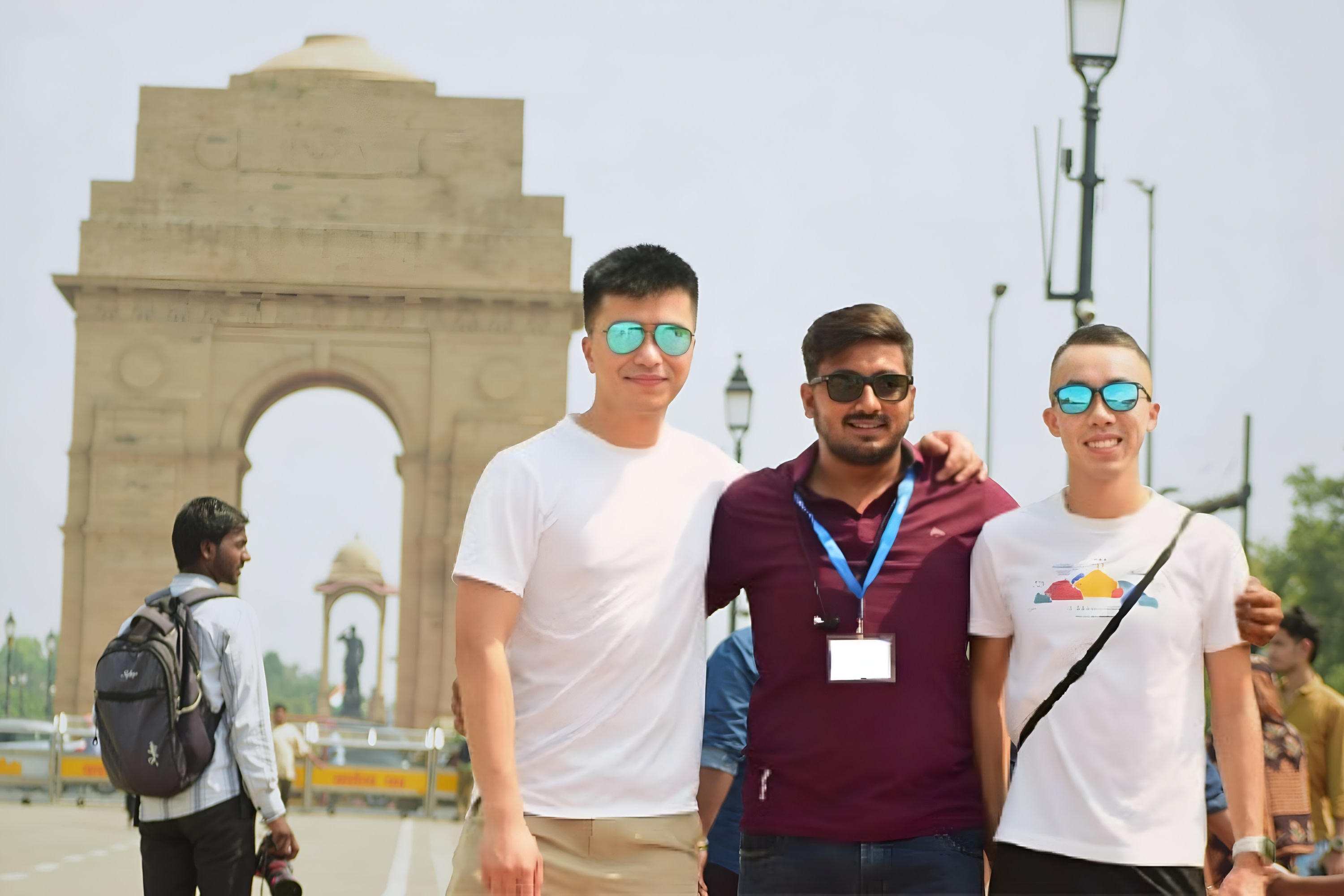
A war memorial dedicated to the soldiers who died in World War I and the Afghan Wars. A popular evening spot for locals and tourists.
Historical
1 hour
Free
Humayun's Tomb
A UNESCO World Heritage Site and a precursor to the Taj Mahal. This beautiful Mughal garden tomb is a must-visit.
Historical
1-2 hours
₹30 ($0.40) for Indians, ₹500 ($7) for foreigners
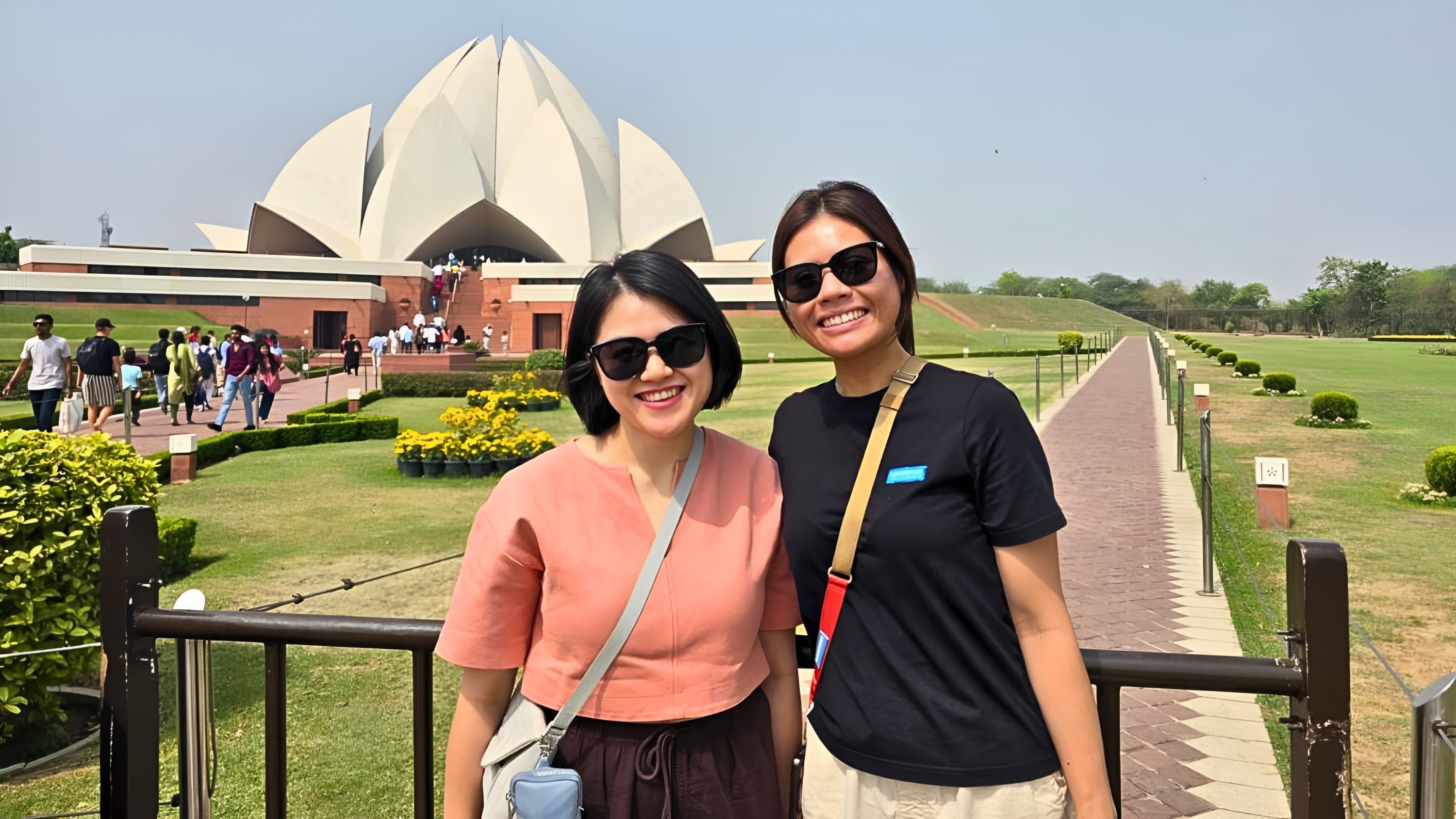
Lotus Temple
A Baha'i House of Worship known for its flower-like shape. It is a symbol of peace and unity.
Religious
1 hour
Free
Must-Try Local Dishes
Butter Chicken
Creamy tomato-based curry with tender chicken pieces, originated in Delhi.
Dinner
Non-vegetarian
Chole Bhature
Spicy chickpea curry served with deep-fried bread.
Lunch
Vegetarian
Chaat
A variety of savory snacks like Pani Puri, Bhel Puri, and Aloo Tikki.
Snack
Vegetarian, some options vegan
Paratha
Stuffed flatbread cooked on a griddle, often served with yogurt or pickle.
Breakfast
Vegetarian, some options vegan
Popular Activities
River rafting in Rishikesh
Hot air ballooning in Jaipur
Trekking in the Aravalli Range
Spa treatments in luxury hotels
Yoga and meditation in Rishikesh
Strolls in Lutyens' Delhi
Attending a classical music or dance performance
Visiting art galleries and museums
Best Time to Visit
October to March
This is the most pleasant time to visit with cooler temperatures and various festivals. It's ideal for sightseeing and outdoor activities.
15°C to 35°C
59°F to 95°F
Practical Information
Language
- Official: Hindi, English
- Widely spoken: Punjabi, Urdu, Bhojpuri
- English: Widely spoken in urban areas
Currency
Indian Rupee (INR)
Time Zone
IST (GMT+5:30)
Electricity
230VV, 50HzHz
Safety Information
Overall Safety Rating: Exercise caution
New Delhi is generally safe for tourists, but petty crimes like pickpocketing and scams can occur. Be cautious, especially in crowded areas.
Important Precautions:
- • Use trusted transport options
- • Avoid walking alone at night
- • Be cautious of strangers offering help
Getting there
By air
- Indira Gandhi International Airport • 16 km from city center
By train
New Delhi Railway Station, Old Delhi Railway Station
By bus
Inter-State Bus Terminal (ISBT), Dhaula Kuan Bus Stand
Getting around
Public transport
Clean, efficient, and air-conditioned. Connects major attractions and neighborhoods.
Taxis
Available • Apps: Ola, Uber
Rentals
Car, Bike, Scooter
Neighborhoods
Connaught Place
Old Delhi
Lutyens' Delhi
Hauz Khas
Day trips
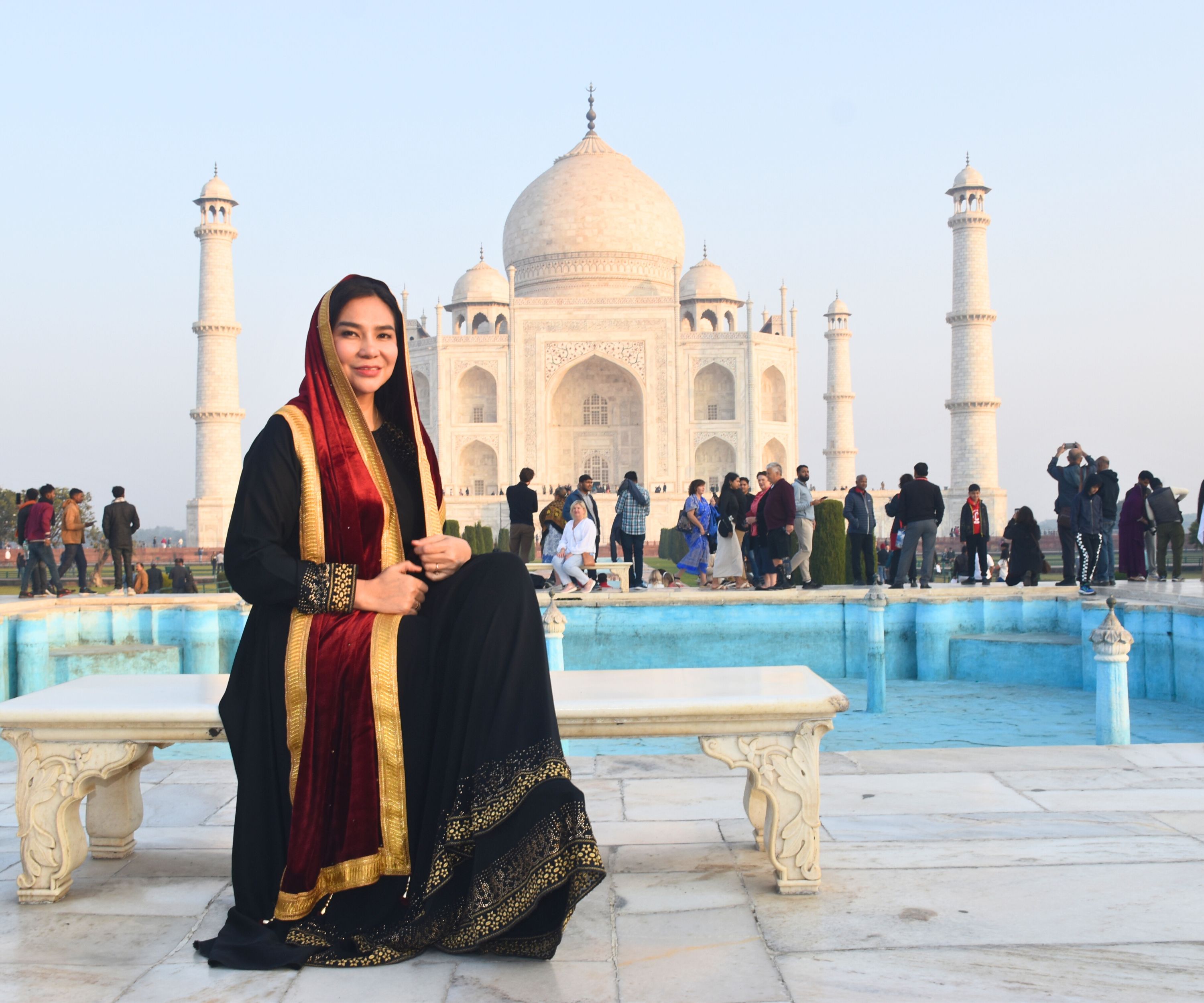
Agra
233 km from Delhi • Full day
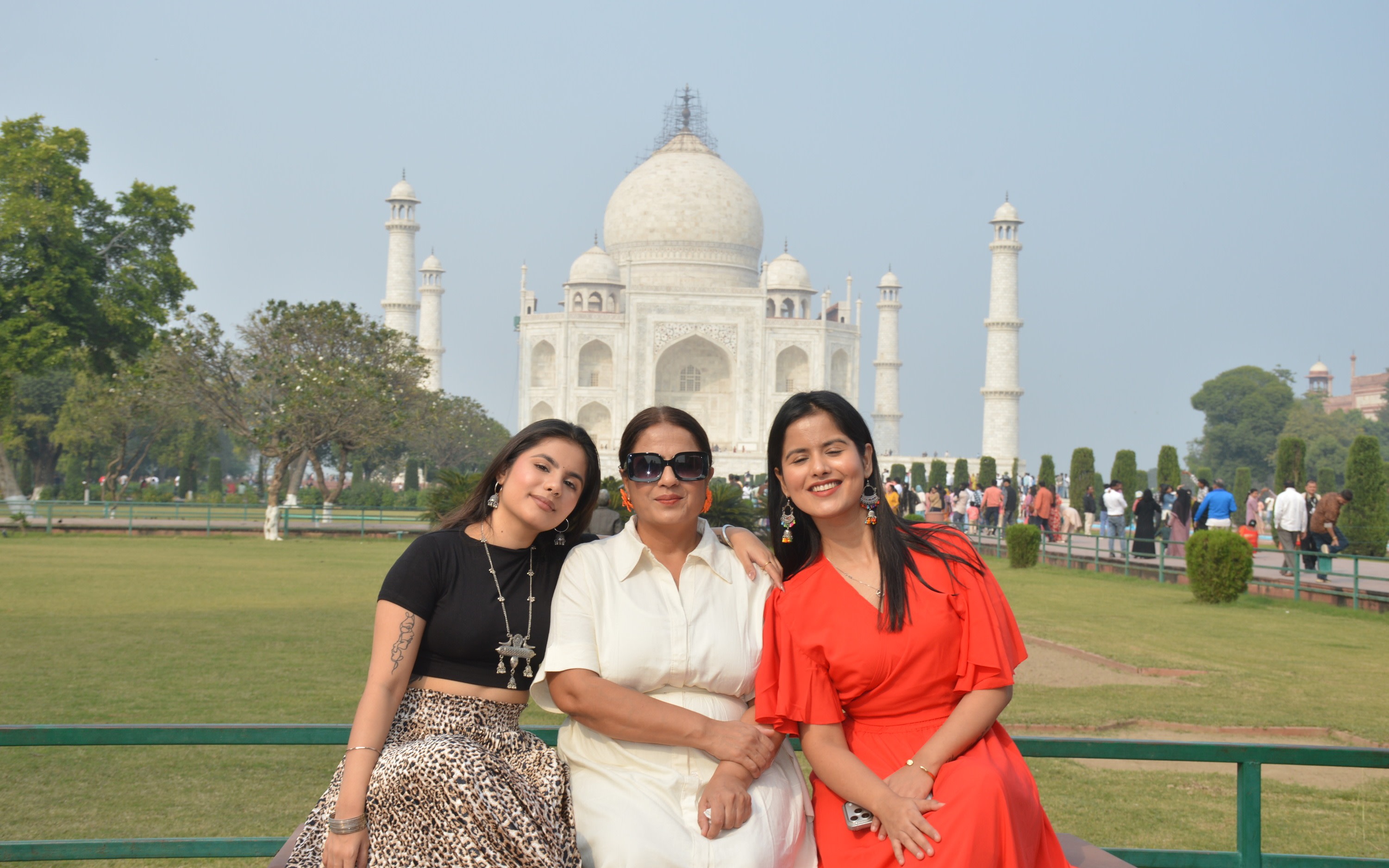
Home to the iconic Taj Mahal, Agra is a must-visit for history and architecture lovers.
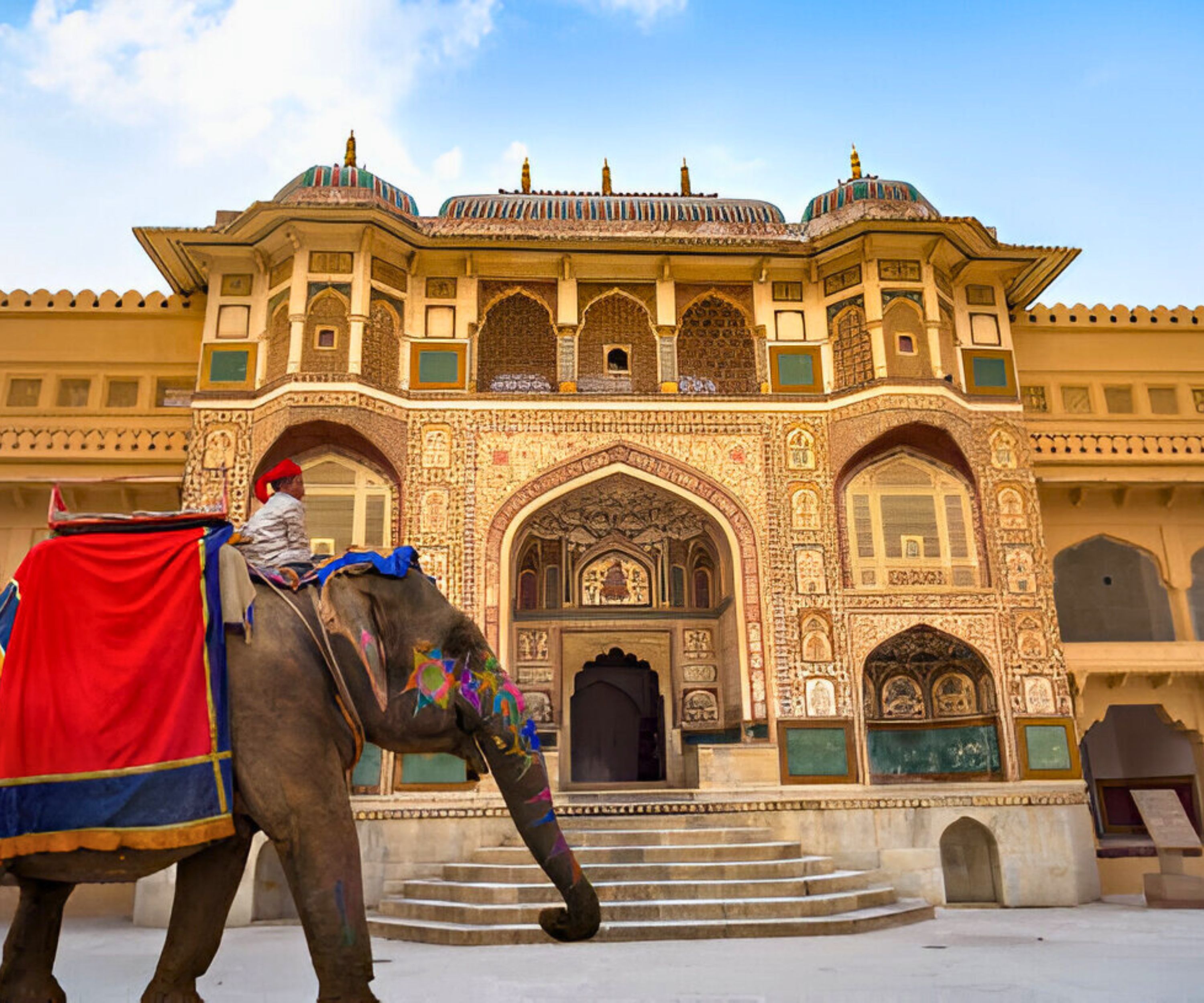
Jaipur
268 km from Delhi • Full day or overnight
The Pink City is known for its palaces, forts, and vibrant culture.
Rishikesh
240 km from Delhi • Full day or overnight
A spiritual and adventure hub, Rishikesh is famous for yoga, meditation, and river rafting.
Festivals
Diwali • October-November (dates vary)
Holi • March (dates vary)
Republic Day • January 26
Pro tips
- Use the Delhi Metro for efficient and affordable travel around the city.
- Try street food from busy stalls to ensure freshness and hygiene.
- Bargain politely in markets, but be prepared to pay a fair price.
- Carry small denominations for shopping and street food.
- Respect local customs and traditions, especially when visiting religious sites.
From $25
per person
Price varies by option
Secure booking
Free cancellation available
Instant confirmation