Life Under Communism" with optional visit to the House of Terror
Active
3h
For a full refund, cancel at least 24 hours before the scheduled departure time.
Instant confirmation
Mobile or paper ticket accepted
About this experience
For nearly half of the 20th century, the Hungarian government was directed by the leadership of the Soviet Union, and the traces of decades of communism are still visible throughout the capital. Following an introductory conversation, we set off on a walking tour showcasing relics and memorials from the communist era that remain visible today.
This tour is recommended for those interested in how communism functioned and who want to understand how Hungarian society responded to the country’s political, ideological, and administrative changes.
The tour is available in three options with different routes. Every booking is tailored individually based on the outlined program, the selected option, and any personal requests.
Available options
House of Terror Museum 4-Hour
House of Terror Museum : In this option the tour includes a visit to the House of Terror, the museum commemorating the victims of the regime. <br/>Duration: 4 hours<br/>Tea, coffee or a soft drink<br/>Entrance tickets: The price includes the entrance tickets.<br/>Pickup included
Life Under Communism – 3-Hour
Duration: 3 hours<br/>Pickup included
What's included
Local guide
Entrance Ticket For Visit Options
Informative handouts
Detailed itinerary
1
Starting in Liberty Square, we will look at the memorial to the Soviet army. This is a grandiose memorial to the Siege of Budapest, the 50-day-long encirclement by Soviet forces of the Hungarian capital of Budapest, near the end of World War II.
2
Stop 2
Pass by
One of the most stately squares in the city centre, Szabadság tér owes its extensive dimensions to the Habsburg era, when the Bastille-like Újépület stood here. This peacefull, spaceous grean area is great place for peace seekers to rest in delighting enviroment.
3
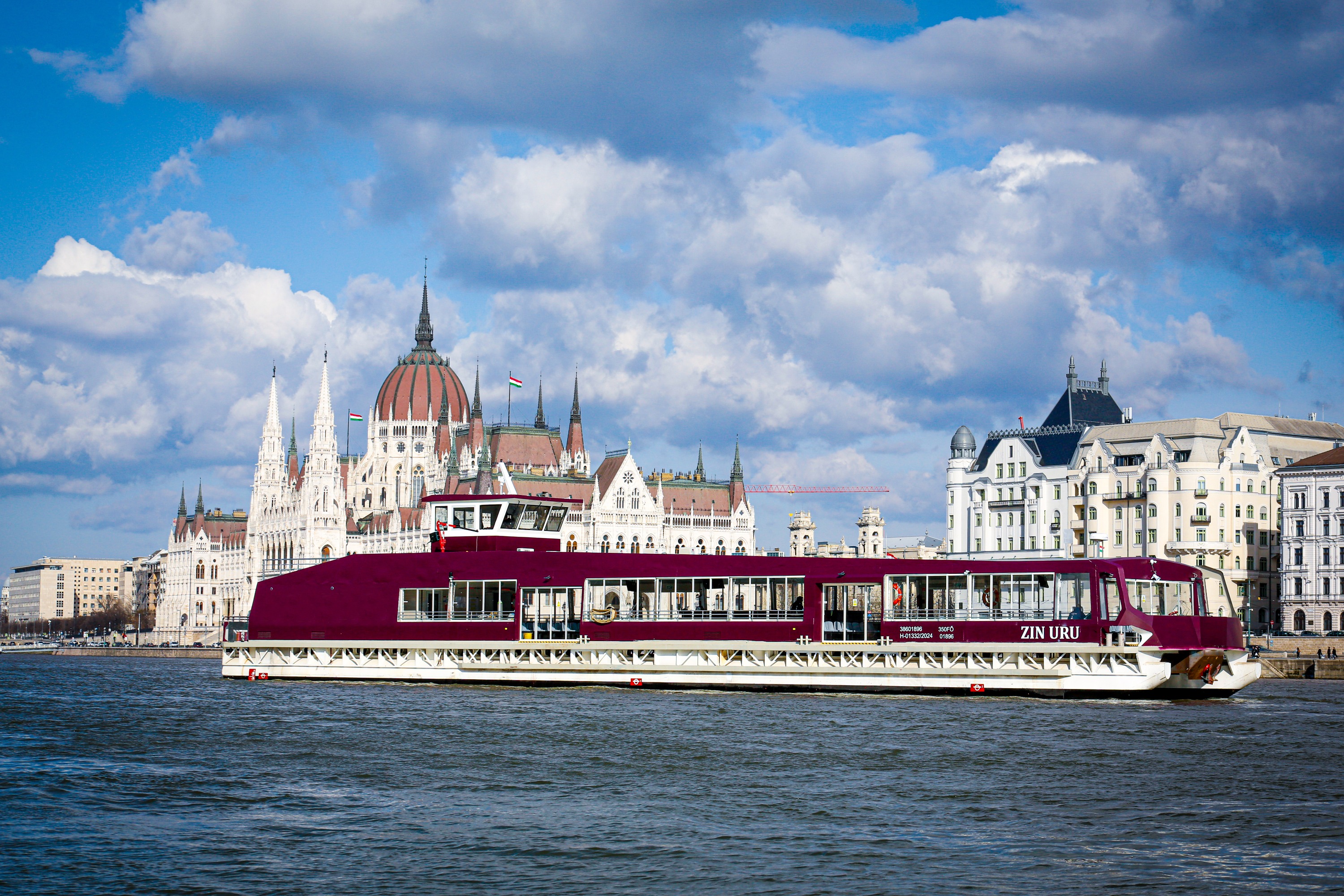
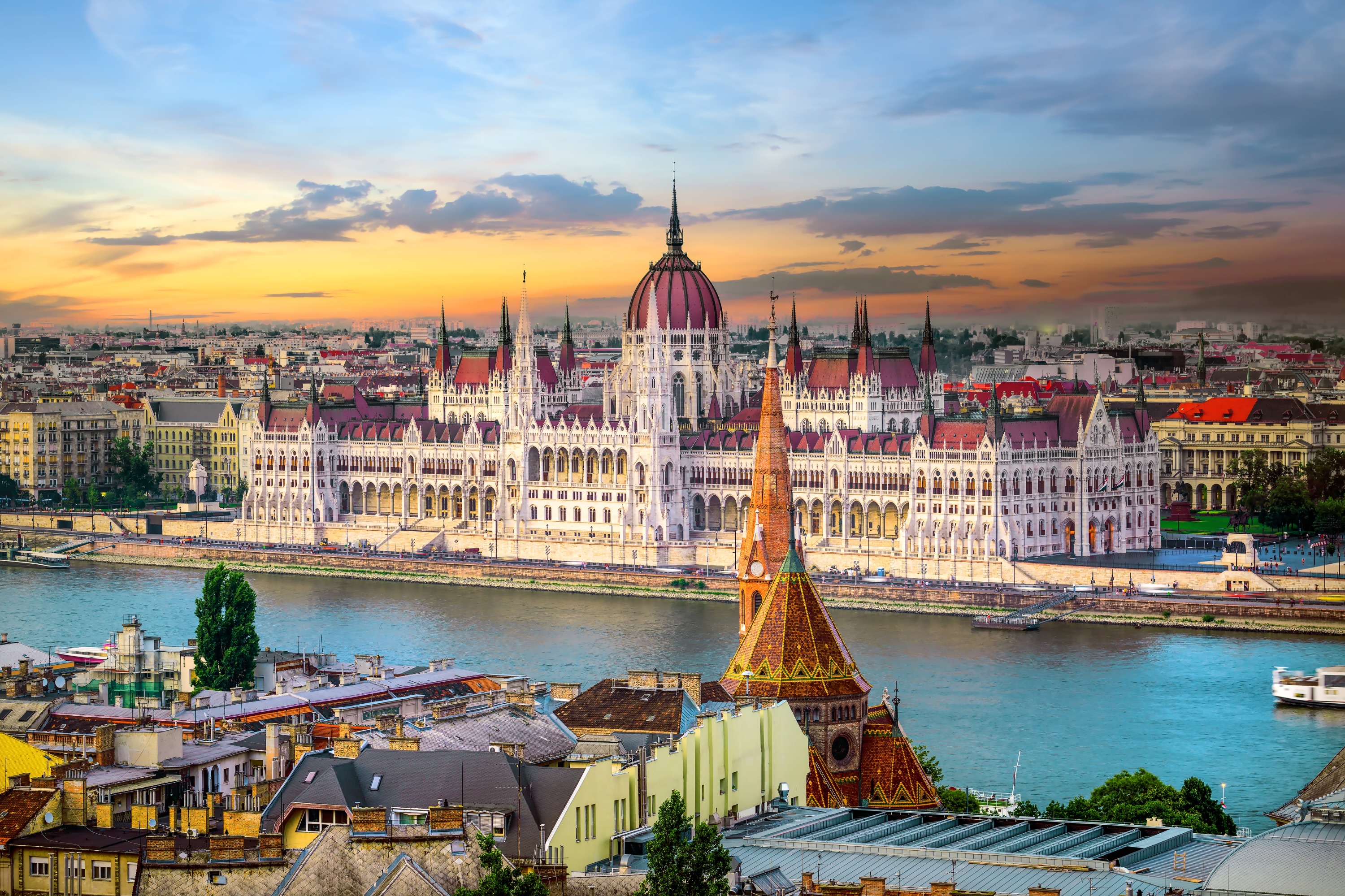
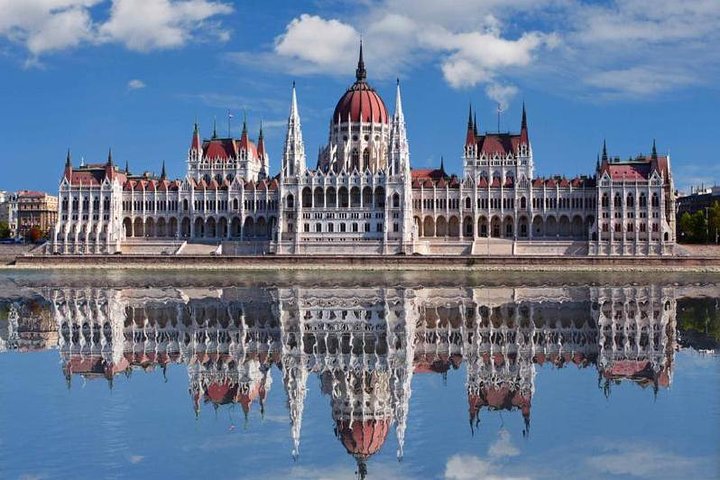
We will visit Kossuth Square where the Hungarian parliament stands. During the 1956 revolution, a firefight started in front of the Parliament building, and we stilldon't know exactly how many demonstrators died. The crowd at Kossuth Square consisted of mixed civilian protesters. Next to the men were women, children, the elderly. The news of the massacre played an important role in bringing the people of the country and Budapest to the brink of revolution and armed struggle.
4
Stop 4
The square, renamed in 1927 in honor of Lajos Kossuth, was previously known by several names including Parliament square. Facing the parliament building are the Museum of Ethnography, and the Ministry of Agriculture.
5
Petőfi Statue, and Március 15. Square, located at the foot of Erzsébet Bridge, at front of the oldest church of Budapest. Thanks to a renovation in 2011, is a very popular scene of social life - not just for tourists.
6
On the south-east part of Budapest's city, Corvin köz was the major resistance center, where in 1956 local youngsters fought the invading Russians with Molotov cocktails and guns they stole from soldiers to fight against Soviet tanks.
We will look at the reminders of the battles here and talk about the invasion of 1956 and its aftermath.
7
We walk across one of Budapest's most beautiful bridges to arrive to the foot of the emblematic Gellért hill where we find our next stop.
8
St Gellért Square is one of the most impressive squares in Buda. The square is named after Bishop St Gellért , also called the Martyr for Hungarian Christendom.
From here we have an excellent view of the Liberty statue - erected in 1947 in remembrance of the Soviet liberation of Hungary.
9
Stop 9
IF THIS OPTION IS CHOSEN
When Communism collapsed in Hungary in 1989, the city of Budapest was left with many public works of art that celebrated that era. In 1993, four years after the fall, the city government decided to save the statues rather than destroy them and the idea for the Memento Park was born.
10
Stop 10
IF THIS OPTION IS CHOSEN
During the year-long construction work, the building was fully renovated inside and out. The reconstruction plans for the House of Terror Museum were designed by architects János Sándor and Kálmán Újszászy. The reconstruction turned the exterior of the building into somewhat of a monument; the black exterior structure (consisting of the decorative entablature, the blade walls, and the granite footpath) provides a frame for the museum, making it stand out in sharp contrast to the other buildings on Andrássy Avenue. Inside the building, the Museum has a T-54 tank on display.
What's not included
Additional food and drink
Hotel pickup and drop-off
Gratuities
Entrance ticket that not listed
Available languages
Guide guide
DE
EN
Reviews breakdown
Viator
4.0
9 reviews
5★
6
4★
0
3★
1
2★
1
1★
1
Tripadvisor
4.7
11 reviews
5★
10
4★
0
3★
0
2★
1
1★
0
Important information
Service animals allowed
Public transportation options are available nearby
Travelers should have at least a moderate level of physical fitness
Children must be accompanied by an adult
About Budapest
Budapest, the capital of Hungary, is a vibrant city known for its rich history, stunning architecture, and thermal baths. Straddling the Danube River, it offers a unique blend of Eastern and Western European cultures, making it a captivating destination for travelers.
Top Attractions
Budapest Parliament Building
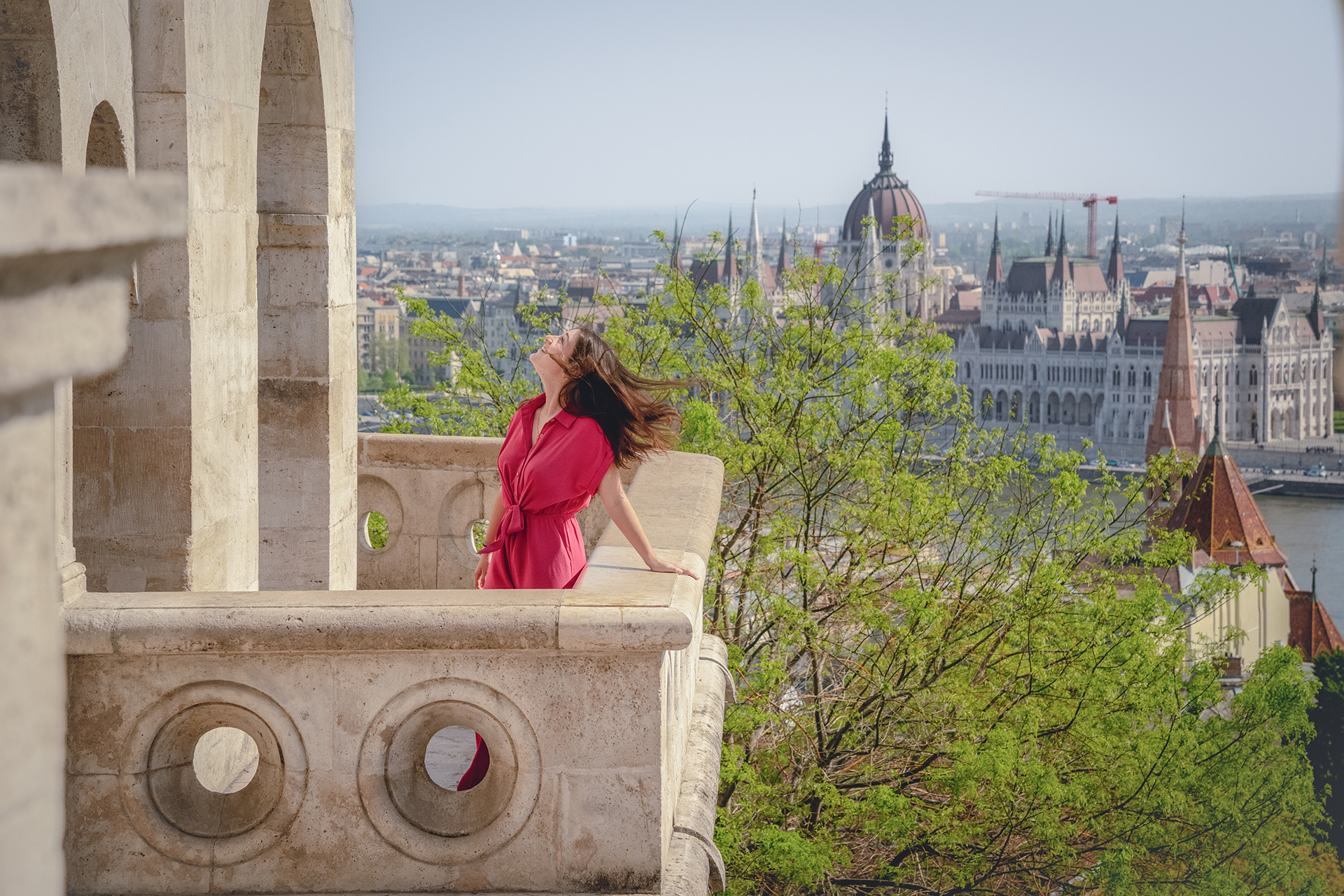
The Hungarian Parliament Building is a stunning example of neo-Gothic architecture and a symbol of Hungary.
Architecture
1-2 hours
€20-30
Buda Castle
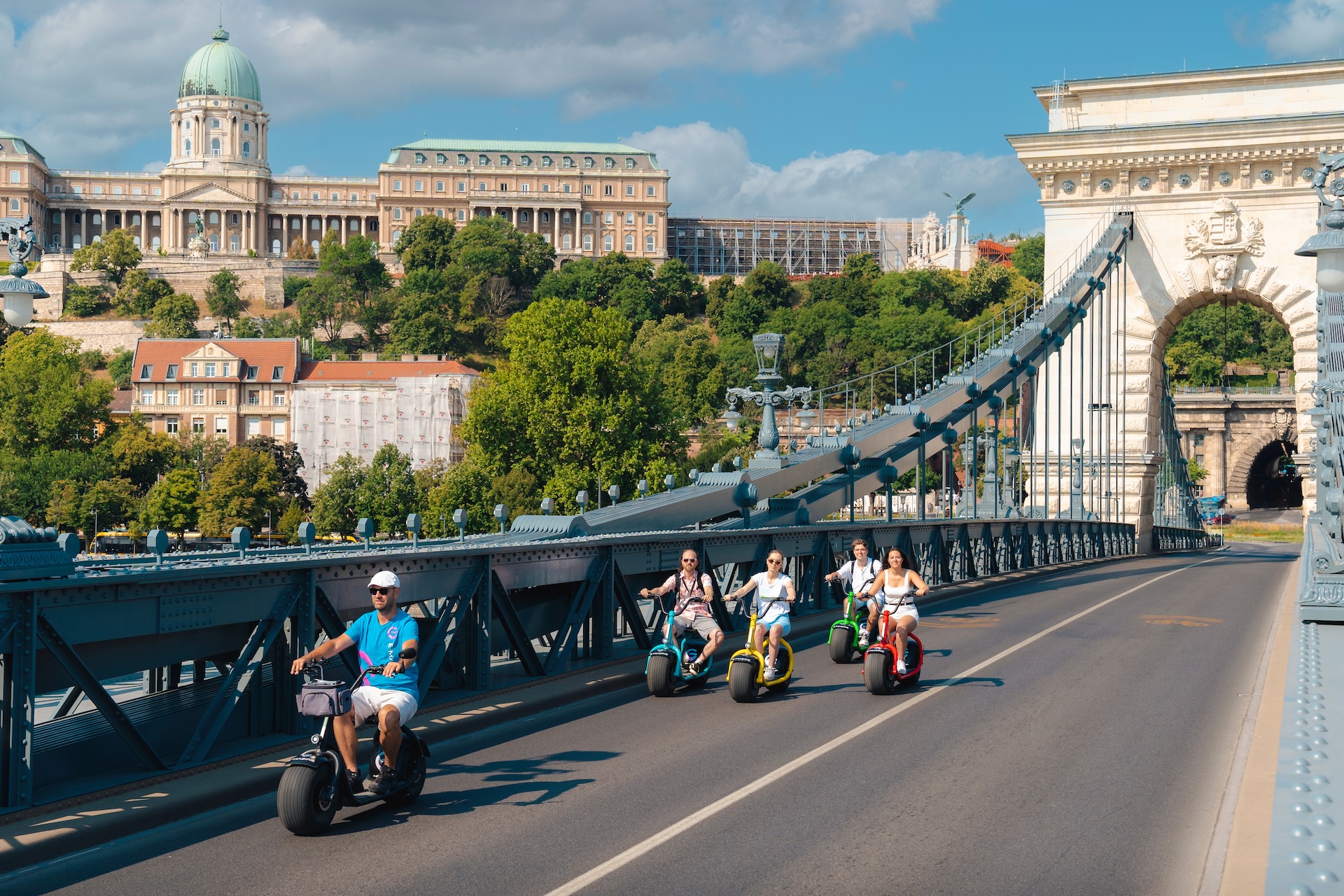
Buda Castle is a historical castle and palace complex that offers panoramic views of the city.
Historical
2-3 hours
Free to explore, €3-5 for museums
Széchenyi Thermal Bath
Széchenyi Thermal Bath is one of the largest thermal baths in Europe, offering a relaxing experience in historic surroundings.
Relaxation
2-3 hours
€15-20
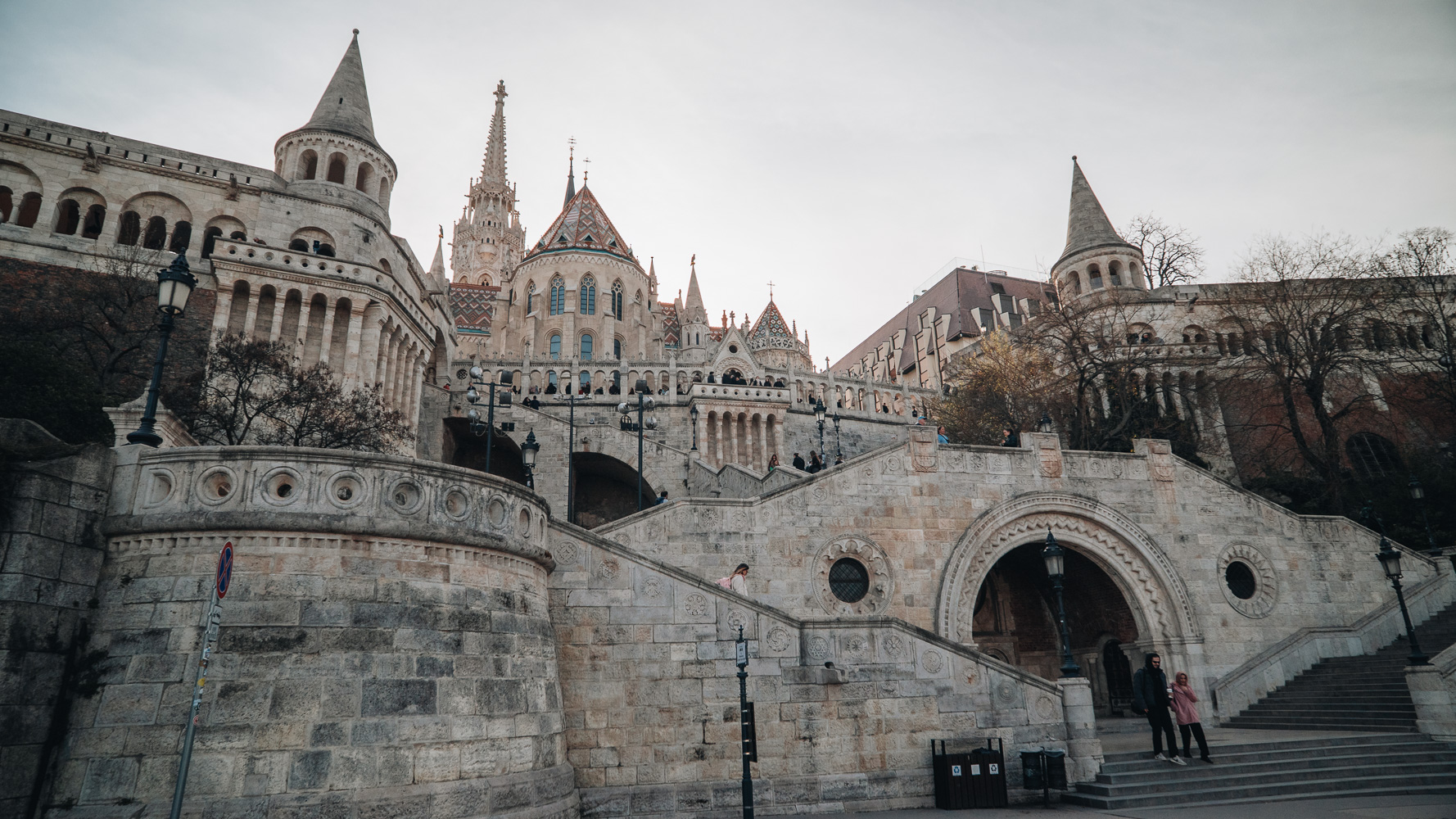
Fisherman's Bastion
Fisherman's Bastion is a neo-Gothic and neo-Romanesque structure offering panoramic views of the Danube and Pest.
Architecture
1 hour
Free (€3 for the tower)
Heroes' Square
Heroes' Square is a significant monument and a major landmark in Budapest, commemorating the heroes of Hungary's history.
Historical
1 hour
Free
Must-Try Local Dishes
Goulash
A traditional Hungarian soup made with beef, vegetables, and paprika.
Dinner
Contains beef, gluten (from bread or flour)
Lángos
A deep-fried dough topped with sour cream, cheese, and garlic.
Snack
Contains dairy, can be made gluten-free
Chimney Cake (Kürtőskalács)
A sweet, cylindrical pastry cooked over an open fire and coated with sugar and cinnamon.
Dessert
Contains wheat, sugar, can be made gluten-free
Töltött Káposzta
Cabbage rolls stuffed with minced pork and rice, cooked in a tomato sauce.
Dinner
Contains pork, gluten (from tomato sauce)
Popular Activities
Hiking in the Buda Hills
Cycling along the Danube
Kayaking on the Danube
Visiting thermal baths
Strolling along Andrássy Avenue
Relaxing in City Park
Visiting museums and galleries
Attending classical music concerts
Best Time to Visit
May to September
This is the best time to visit Budapest for warm weather and outdoor activities. The city is lively with festivals and tourists.
18°C to 30°C
64°F to 86°F
Practical Information
Language
- Official: Hungarian
- Widely spoken: English, German
- English: Moderately spoken
Currency
Hungarian Forint (HUF)
Time Zone
GMT+1 (Central European Time)
Electricity
230VV, 50HzHz
Safety Information
Overall Safety Rating: Generally safe
Budapest is generally safe for travelers, but petty crime and scams can occur, especially in tourist areas.
Important Precautions:
- • Be cautious with valuables in crowded areas
- • Use official taxis or app-based services
- • Check bills carefully at restaurants and bars
Getting there
By air
- Budapest Ferenc Liszt International Airport • 16 km from city center
By train
Budapest-Keleti Railway Station, Budapest-Nyugati Railway Station
By bus
Népliget Bus Station, Árpád Bridge Bus Station
Getting around
Public transport
The metro system is efficient and easy to use, with four lines connecting major attractions.
Taxis
Available • Apps: Bolt, Főtaxi
Rentals
Car, Bike, Scooter
Neighborhoods
District V (Belváros)
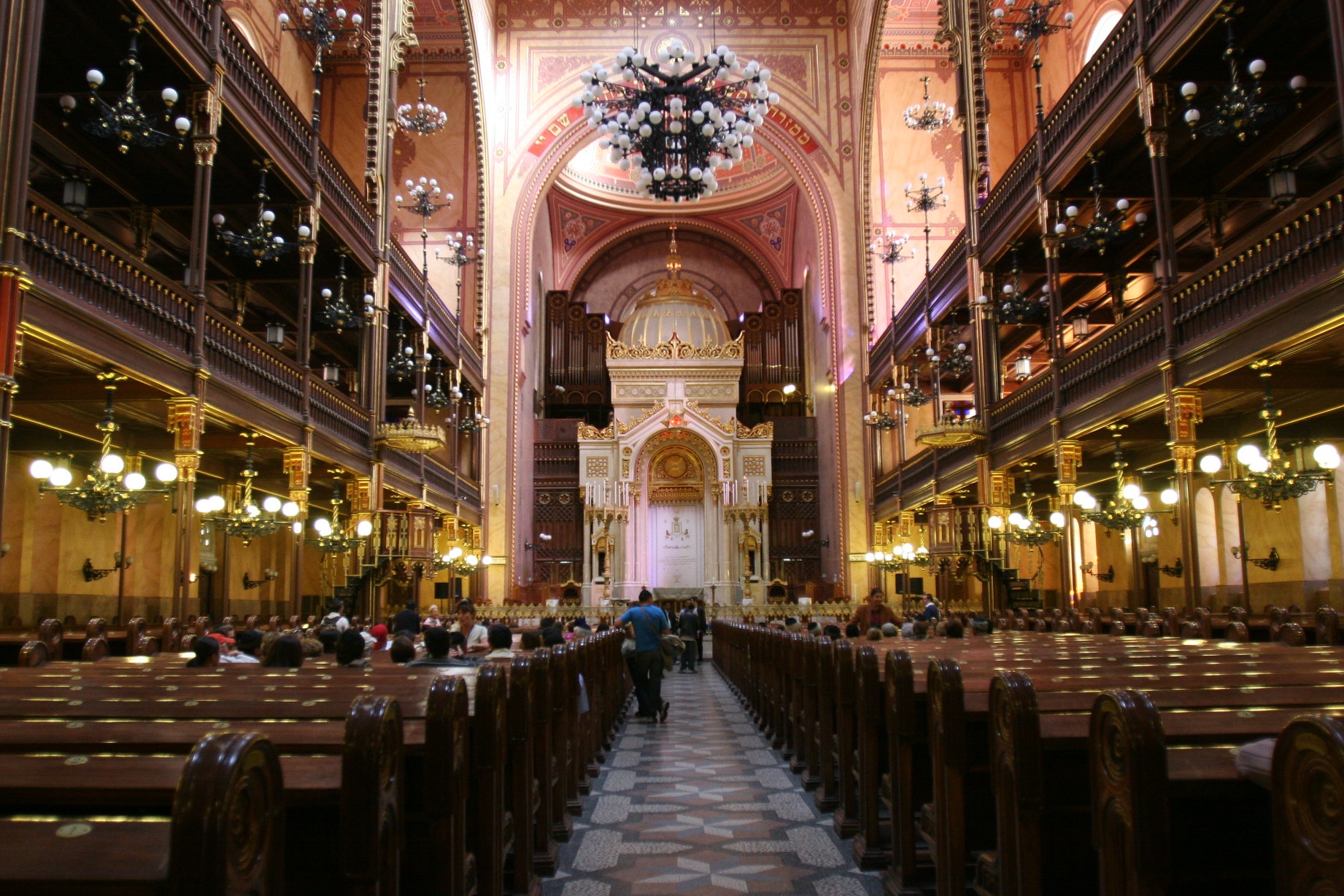
District VII (Jewish Quarter)
District VIII (Józsefváros)
District IX (Ferencváros)
Day trips
Szentendre
20 km from Budapest • Half day
A charming town known for its museums, galleries, and colorful houses.
Esztergom
50 km from Budapest • Full day
A historic town with a stunning basilica and a rich history.
Visegrád
40 km from Budapest • Full day
A historic town with a royal palace and scenic views of the Danube Bend.
Festivals
Budapest Christmas Market • Late November to early January
Budapest Spring Festival • March
Sziget Festival • August
Pro tips
- Use the Budapest Card for free public transport and discounts on attractions
- Take a Danube River cruise for stunning views of the city
- Visit the thermal baths early in the morning or late in the evening to avoid crowds
- Explore the Jewish Quarter for its vibrant nightlife and historic sites
- Try local street food, such as lángos and kürtőskalács, for an authentic taste of Budapest
From $25
per person
Price varies by option
Secure booking
Free cancellation available
Instant confirmation