Subah e Banaras Sunrise Boat Ride Morning Aarti and Rituals
Active
3h - 4h
For a full refund, cancel at least 24 hours before the scheduled departure time.
Instant confirmation
Mobile or paper ticket accepted
About this experience
Subah-e-Banaras: Sunrise Boat Ride, Morning Aarti & Rituals in Varanasi:
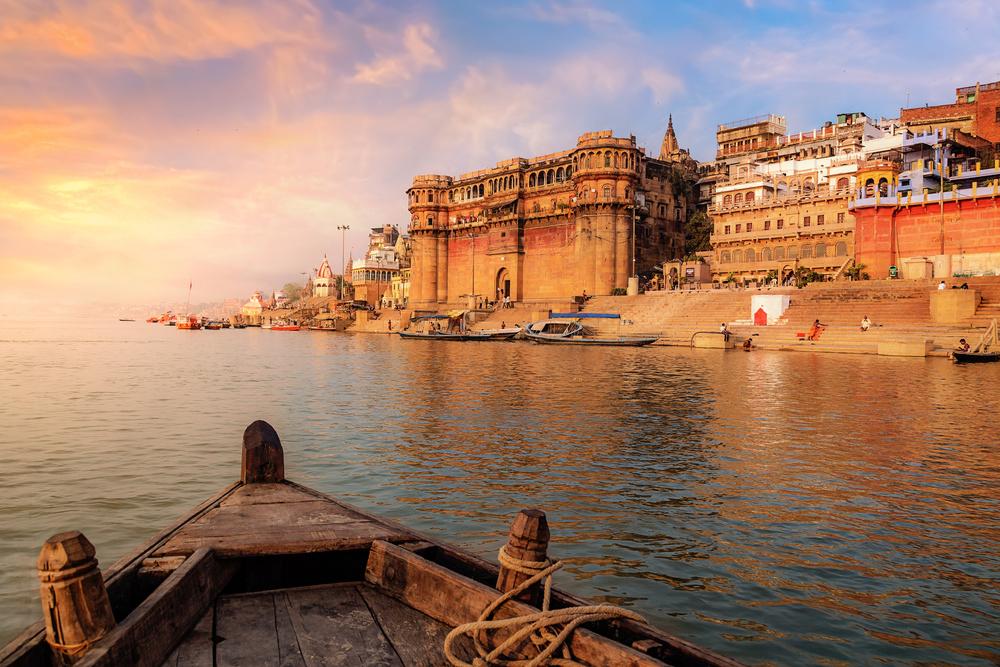
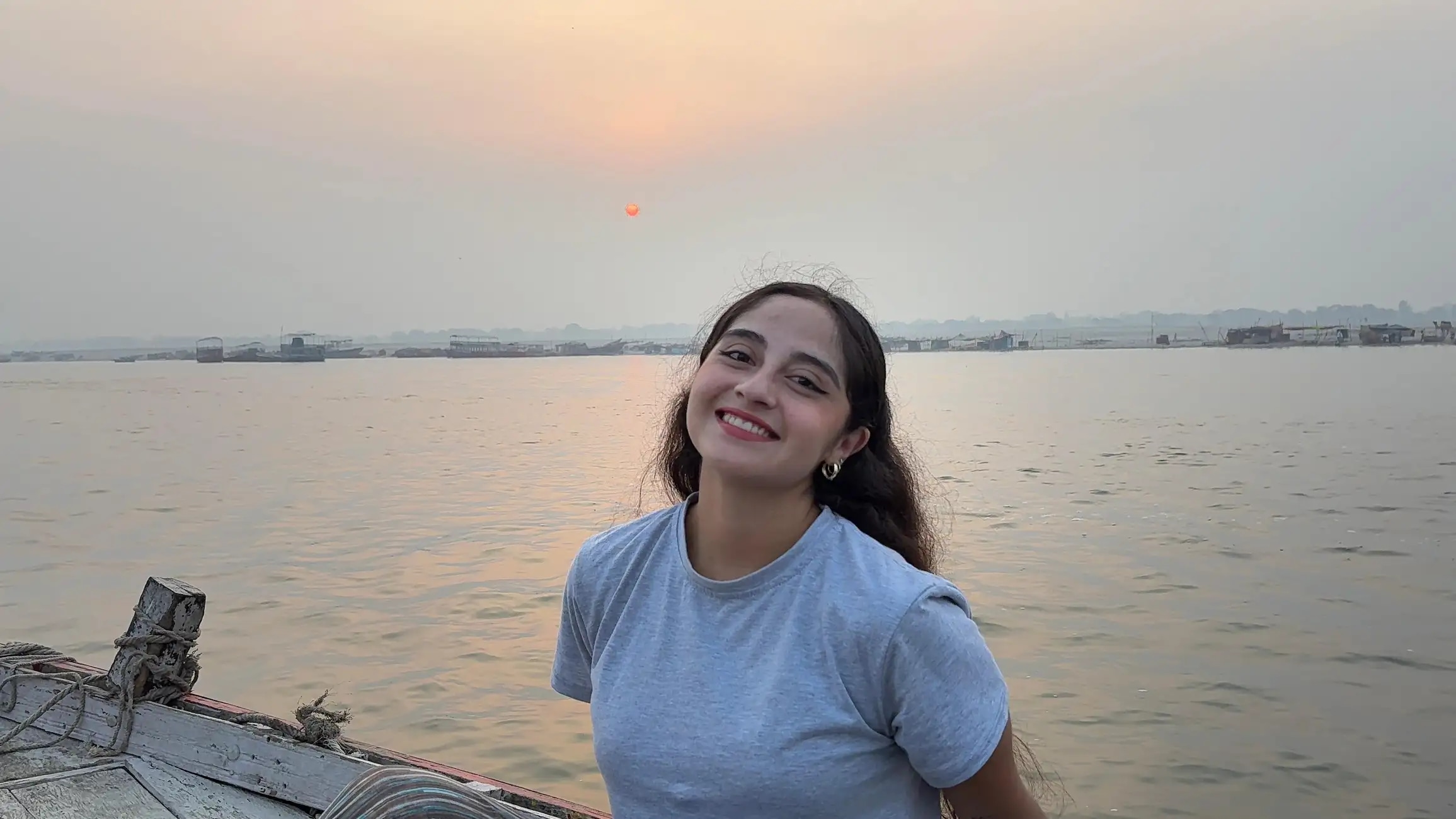
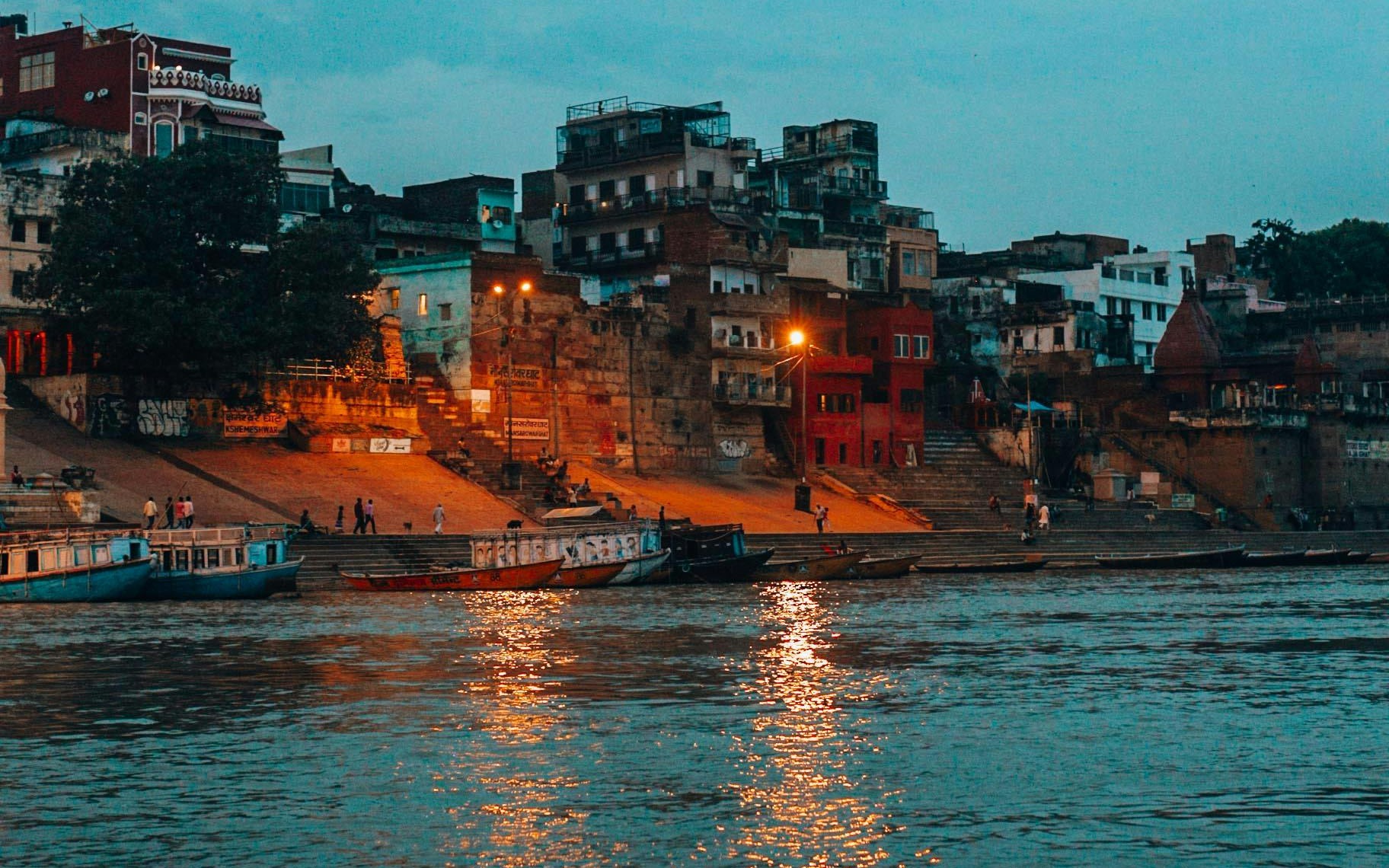
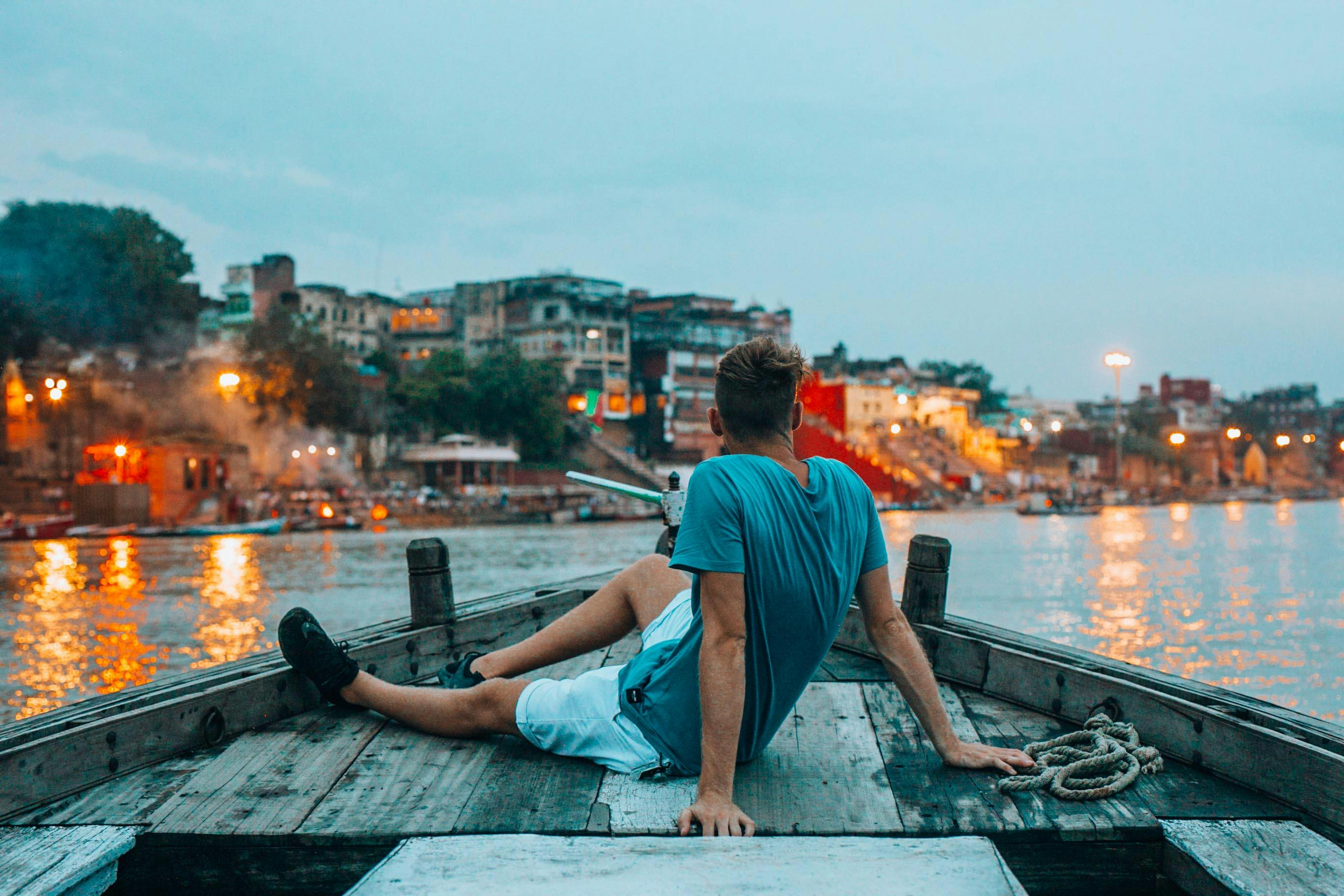
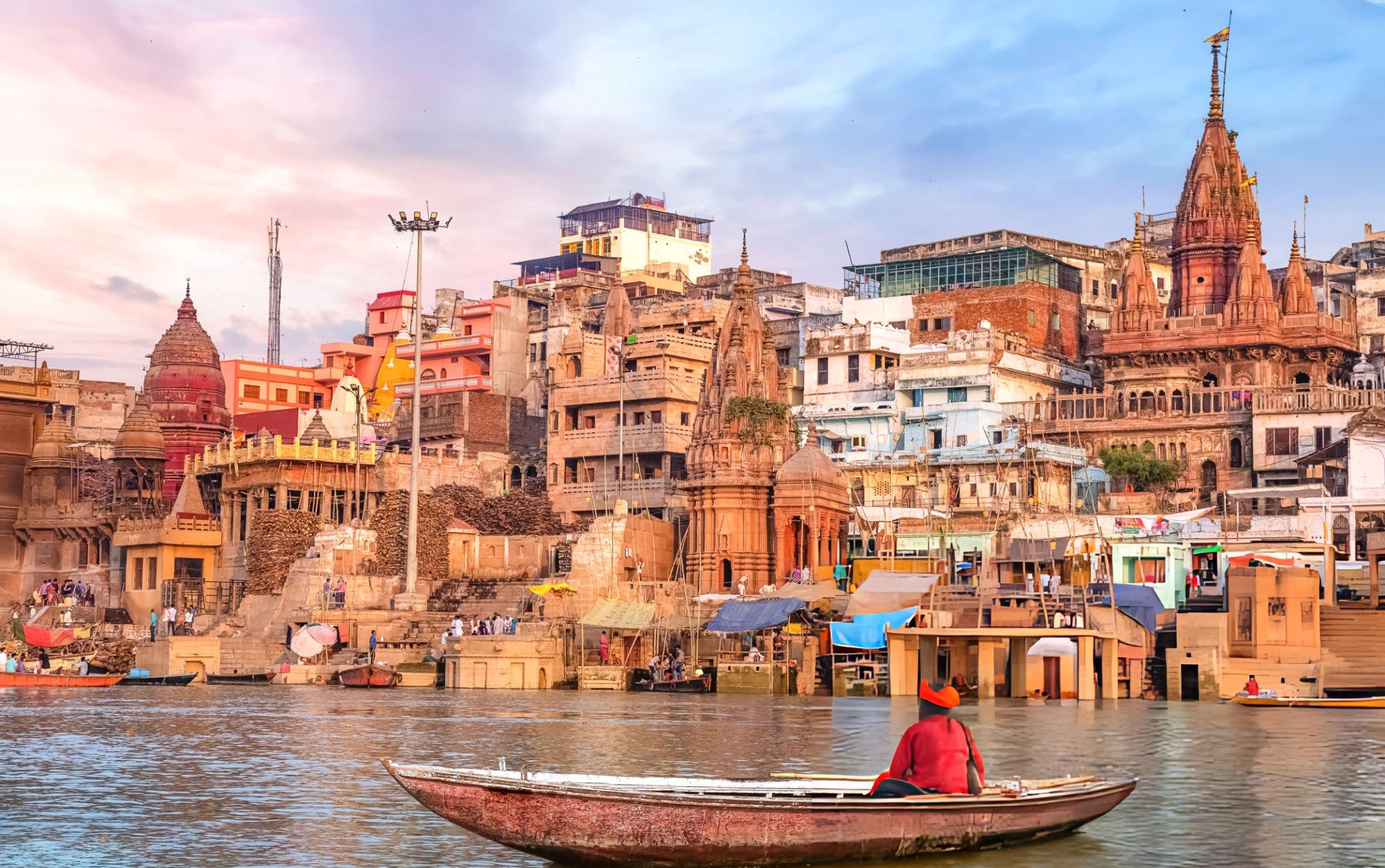
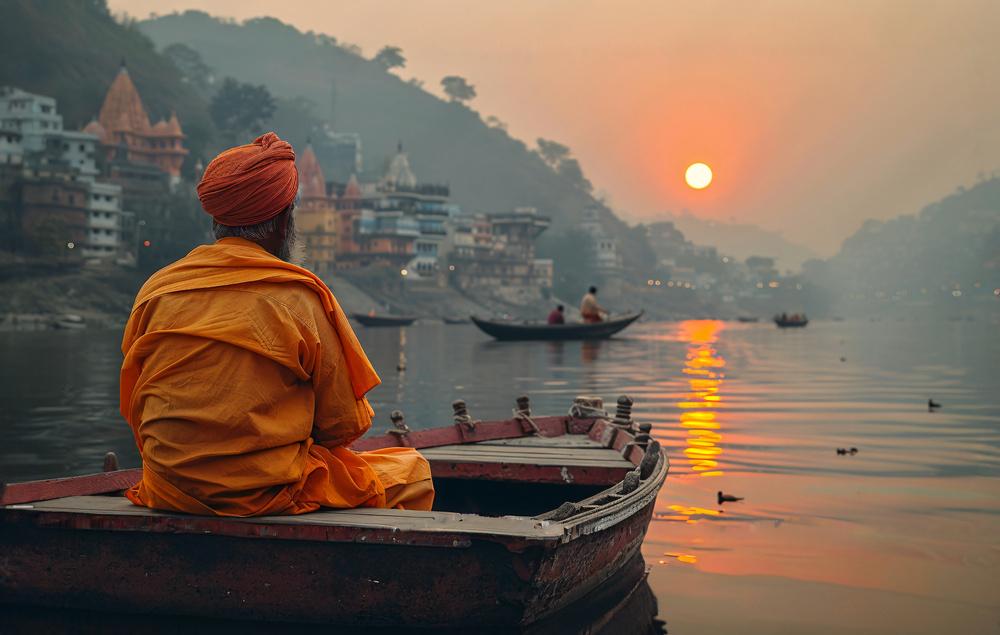
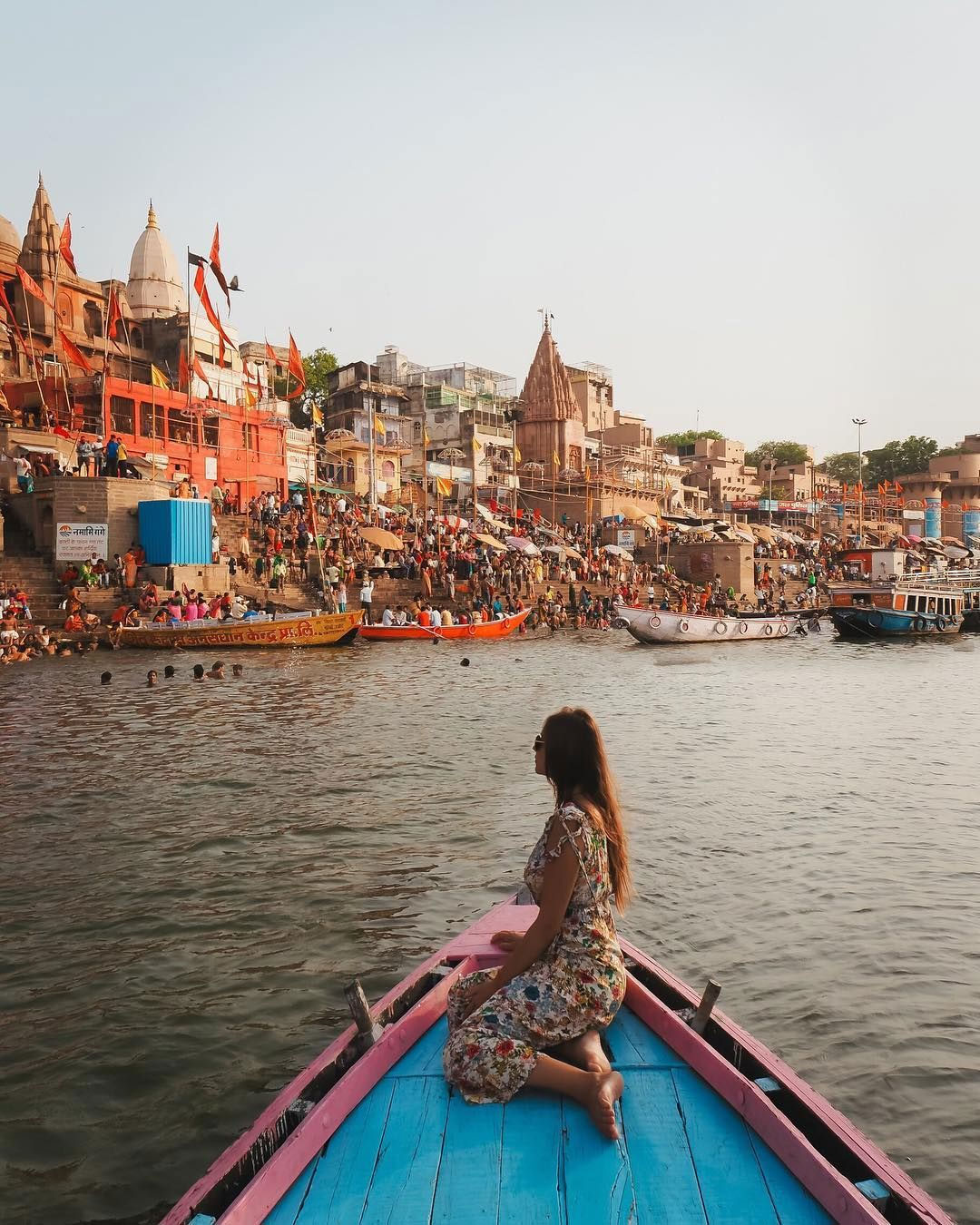
Begin your day with the divine Subah-e-Banaras experience — a soul-stirring sunrise journey on the sacred Ganges. Witness the enchanting Morning Aarti at Assi Ghat, where priests, music, and mantras welcome the first light of the day. Glide on a private boat as the sun rises, illuminating ancient ghats and morning rituals along the river. Feel the peaceful rhythm of local life and the city’s deep spirituality. Guided by a licensed professional, this serene experience captures the timeless essence of Varanasi — pure, sacred, and unforgettable.
Highlights:
✅ Witness Subah-e-Banaras Morning Aarti at Assi Ghat
✅ Exclusive sunrise boat ride on the Ganges
✅ Licensed & professional local guide
✅ Observe morning prayers and rituals on the ghats
✅ Peaceful private experience to feel true Varanasi
Available options
Subah e Banaras Sunrise Boat Ride Morning Aarti and Rituals
Pickup included
What's included
Private Guide (For safe and honourable tourism, we provide only licensed professional guides.)
Exclusive Boat Tour [Hand Rowing]
Private Transport for hotel pickup and drop-off (if needed)
Detailed itinerary
1
Assi Ghat marks the sacred confluence of the Ganga and Assi Rivers, making it one of the most vibrant ghats in Varanasi. It’s famous for the soulful Subah-e-Banaras sunrise ceremony that includes yoga, chanting, and live music by the river. Pilgrims take a holy dip here before worshipping Lord Shiva at the nearby Assi Sangameshwar Temple. With its calm yet lively aura, Assi Ghat beautifully captures the essence of Varanasi’s spiritual and cultural charm.
2
Tulsi Ghat is named after the revered poet-saint Goswami Tulsidas, who composed the Ramcharitmanas here. The ghat is serene and deeply spiritual, dotted with shrines dedicated to Lord Rama. It is also known for its traditional wrestling akharas and festivals like Tulsi Jayanti and Nag Nathaiya. A visit to Tulsi Ghat reveals the literary and devotional legacy of Varanasi, blending divine devotion, cultural heritage, and the tranquil beauty of the Ganges.
3
Chet Singh Ghat stands as a symbol of royal valor and architectural grandeur. The impressive Chet Singh Fort, built by Raja Chet Singh in the 18th century, dominates the ghat’s skyline. This site witnessed a historic battle between Chet Singh and the British forces. Today, the ghat offers a peaceful view of the Ganga and is a reminder of Varanasi’s regal past. It’s an ideal stop for travelers interested in history, architecture, and ancient tales of Kashi.
4
Stop 4
Harishchandra Ghat is one of the oldest cremation ghats in Varanasi, second only to Manikarnika Ghat. It is named after the legendary King Harishchandra, who served here in adherence to truth and duty. Hindus believe that cremation at this sacred site grants moksha, or liberation from the cycle of birth and death. The ghat’s continuous flame and solemn rituals reflect the eternal rhythm of life and death along the holy Ganges.
5
Stop 5
Pass by
Kedar Ghat is a vibrant and colorful spot popular among South Indian pilgrims visiting Varanasi. It houses the ancient Kedareshwar Temple, dedicated to Lord Shiva, which resembles the Kedarnath Temple in Uttarakhand. The ghat is known for its beautiful steps, devotional chants, and refreshing morning scenes. The waters here are believed to be especially holy. Kedar Ghat is a peaceful place to experience Varanasi’s living spirituality, traditional rituals, and South Indian cultural influence.
6
Raja Ghat, built in 1720 by Raja Rao Balaji, stands as a graceful reminder of Varanasi’s royal past. The ghat features the elegant Peshwa Haveli, reflecting fine Maratha architecture and heritage. Once a bathing place for nobility, Raja Ghat is now a peaceful retreat along the Ganges, ideal for meditation and photography. Its broad stone steps, quiet surroundings, and historic charm offer visitors a glimpse into the regal traditions that once flourished on the sacred riverbanks of Kashi.
7
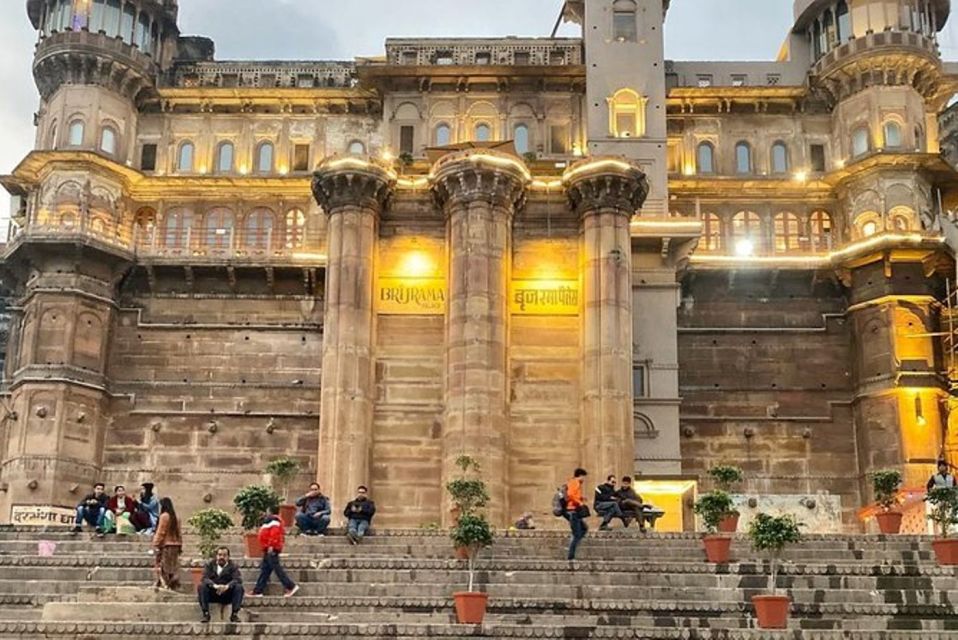
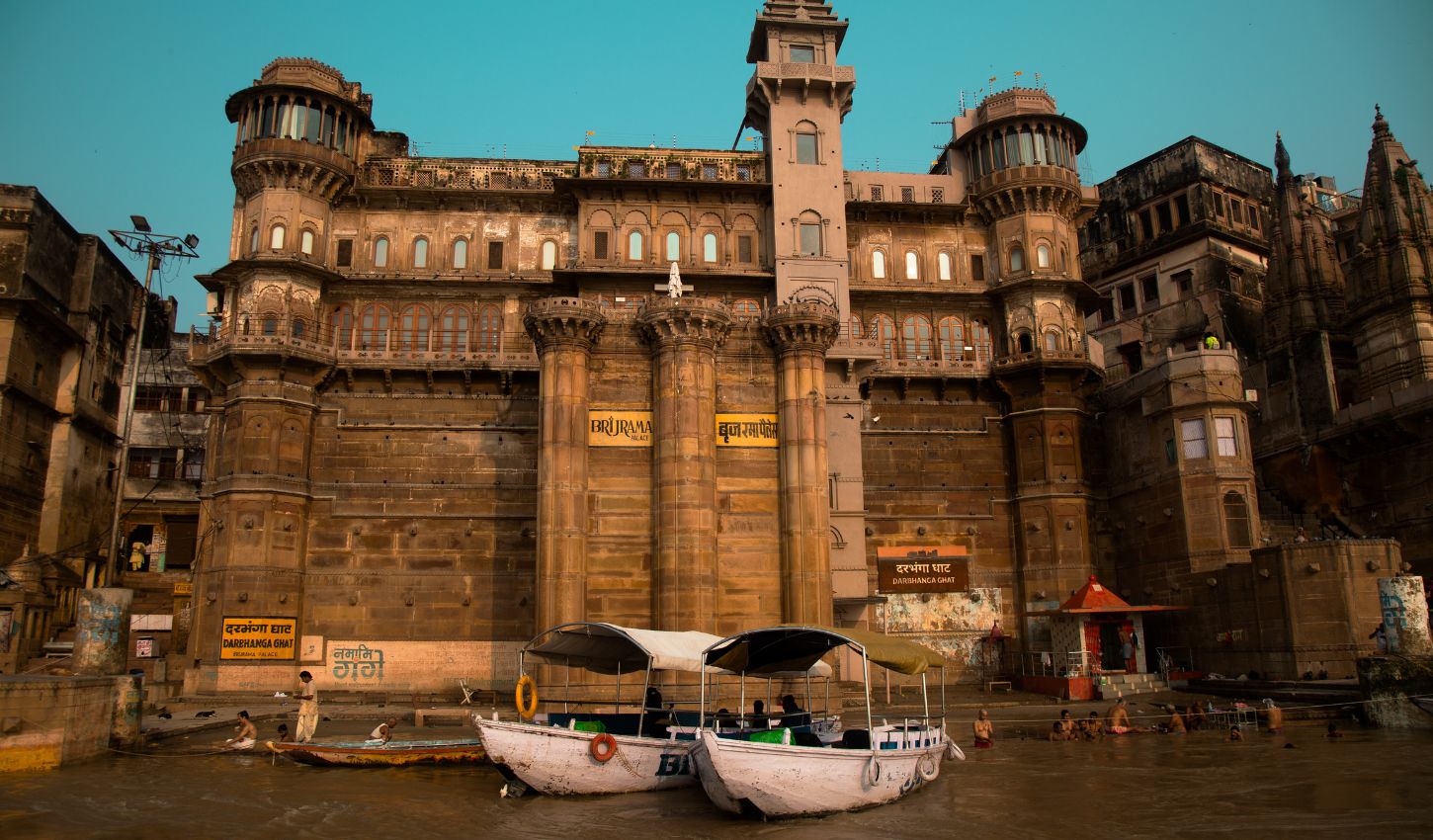
Darbhanga Ghat, one of the most magnificent ghats in Varanasi, was built by the Darbhanga royal family of Bihar in the early 20th century. The highlight is the grand Darbhanga Palace, constructed in red sandstone with splendid balconies and pillars overlooking the Ganga. Its regal architecture reflects a blend of Rajasthani and Mughal styles. Today, part of the palace functions as a heritage hotel, offering guests a royal stay by the river. Darbhanga Ghat’s majestic beauty, especially during sunrise, makes it a photographer’s and traveler’s delight in Varanasi.
8
Ahilyabai Ghat, named after the legendary Queen Ahilyabai Holkar of Indore, stands as a tribute to her devotion and philanthropy. In the late 18th century, she rebuilt several temples in Varanasi, including the sacred Kashi Vishwanath Temple, and renovated this ghat for pilgrims’ use. The ghat is simple yet spiritually powerful, connecting directly to the heart of Varanasi’s religious life. Its proximity to Dashashwamedh Ghat and Vishwanath Temple makes it a sacred stop for devotees seeking purification and blessings on the banks of the Ganga.
9
Stop 9
Pass by
Dashashwamedh Ghat is the most spectacular and lively ghat in Varanasi. According to legend, Lord Brahma performed ten horse sacrifices (Dashashwamedh Yajna) here. Every evening, the grand Ganga Aarti illuminates the steps with lamps, chants, and divine energy. It’s the heart of Varanasi’s spiritual life, attracting thousands of visitors daily. A sunrise boat ride or evening aarti experience at Dashashwamedh Ghat is truly the soul of the Varanasi journey.
10
Stop 10
Pass by
Manikarnika Ghat is the most sacred cremation ground in India, symbolizing the eternal cycle of life and death. It is believed that Goddess Parvati’s earring (Manikarnika) fell here, sanctifying the spot forever. Hindus believe that those cremated here attain moksha, or liberation. Despite its intense spiritual significance, the ghat’s atmosphere is deeply peaceful and transformative. Visiting Manikarnika Ghat offers a profound understanding of the philosophy that defines Varanasi’s spiritual essence.
11
Panchganga Ghat marks the mythical confluence of five holy rivers—Ganga, Yamuna, Saraswati, Kirana, and Dhutpapa. The revered Bindu Madhav Temple stands on its steps, drawing devotees year-round. Once a major learning center for scholars, the ghat retains its historic charm and serenity. The tranquil ambiance, ancient rituals, and religious significance make Panchganga Ghat one of Varanasi’s most spiritually enriching and historically important places to visit.
What's not included
Coffee and/or Tea
Breakfast
Gratuities
Available languages
Guide guide
EN
ES
Reviews breakdown
Tripadvisor
5.0
2 reviews
5★
2
4★
0
3★
0
2★
0
1★
0
Important information
Infants and small children can ride in a pram or stroller
Public transportation options are available nearby
Infants are required to sit on an adult’s lap
Specialized infant seats are available
Not recommended for travelers with spinal injuries
Not recommended for pregnant travelers
Not recommended for travelers with poor cardiovascular health
Suitable for all physical fitness levels
About Varanasi
Varanasi, one of the oldest living cities in the world, is a spiritual and cultural hub on the banks of the Ganges River. Known for its ancient temples, vibrant ghats (riverfront steps), and rich cultural heritage, it offers a profound experience of India's spiritual traditions and historical depth.
Top Attractions
Kashi Vishwanath Temple
One of the most sacred Hindu temples dedicated to Lord Shiva, the Kashi Vishwanath Temple is a major pilgrimage site. The temple's golden spire and intricate architecture are awe-inspiring.
Religious
1-2 hours
Free (donations welcome)
Dasaswamedh Ghat
One of the most famous ghats in Varanasi, Dasaswamedh Ghat is a bustling hub of activity. It's known for its evening Ganga Aarti, a spectacular ritual of worshipping the Ganges River.
Historical
1-2 hours
Free (boat rides cost INR 200-500)
Sarnath
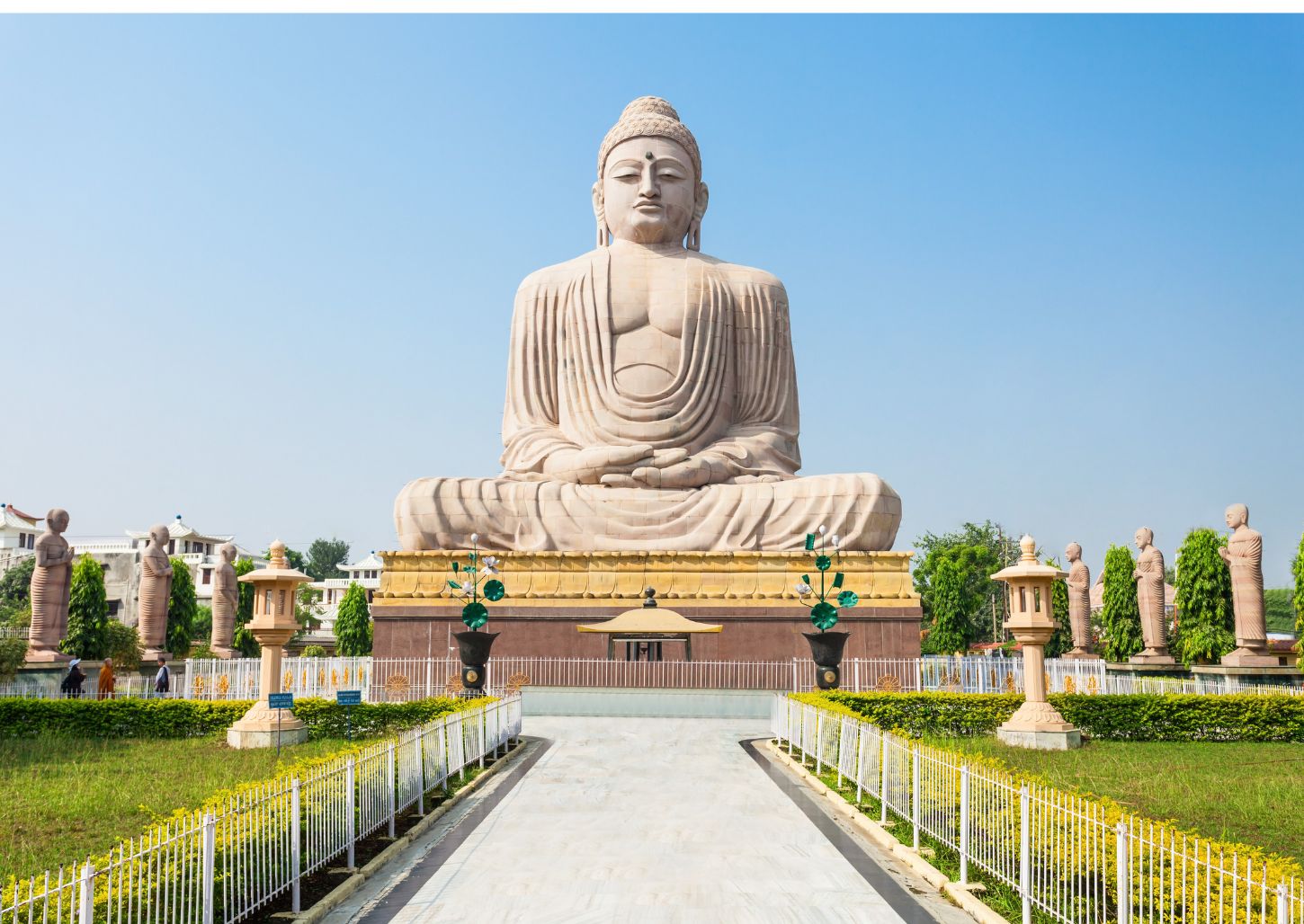
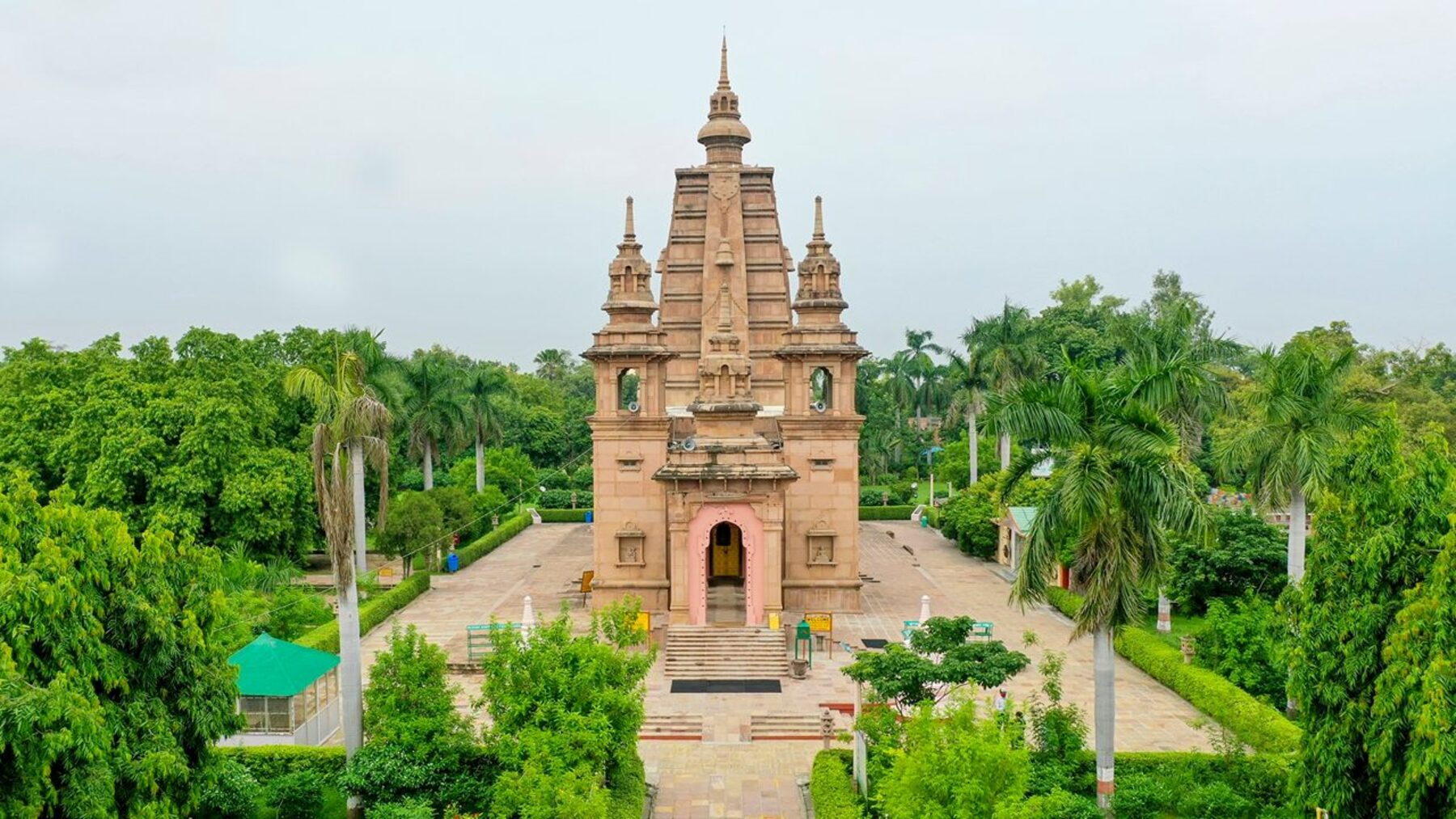
A significant Buddhist pilgrimage site, Sarnath is where Lord Buddha delivered his first sermon. It's home to several ancient stupas, temples, and museums.
Historical
Half day
Free (entry fees for some sites)
Manikarnika Ghat
One of the oldest and most sacred ghats in Varanasi, Manikarnika Ghat is primarily used for cremation ceremonies. It's a profound and moving experience to witness the rituals here.
Religious
1-2 hours
Free
Banaras Hindu University (BHU)
Founded by Madan Mohan Malaviya, BHU is one of India's most prestigious universities. The campus is vast and beautiful, with museums, temples, and lush gardens.
Educational
2-3 hours
Free (entry fees for some sites)
Must-Try Local Dishes
Kachori
A deep-fried, spiced pastry filled with a mixture of lentils, onions, and spices. It's a popular street food item in Varanasi.
Breakfast
Vegetarian
Peda
A sweet made from condensed milk and sugar, often flavored with cardamom. Banarasi peda is famous for its rich and creamy texture.
Dessert
Vegetarian
Malaiyo
A traditional Banarasi sweet made from reduced milk, sugar, and saffron. It's often served during festivals and special occasions.
Dessert
Vegetarian
Chaat
A savory snack made with a variety of ingredients like potatoes, onions, chickpeas, and tangy tamarind sauce. It's a popular street food item.
Snack
Vegetarian
Popular Activities
Boat rides on the Ganges River
Exploring narrow alleys and hidden temples
Meditation and yoga sessions
Attending the Ganga Aarti at Dasaswamedh Ghat
Visiting ancient temples and historical sites
Swimming in the Ganges River (not recommended due to pollution)
Attending winter festivals and fairs
Visiting historical sites and museums
Best Time to Visit
October to March
This period offers pleasant weather, making it ideal for sightseeing and participating in various festivals. The city is lively with tourists and pilgrims.
15°C to 30°C
59°F to 86°F
Practical Information
Language
- Official: Hindi
- Widely spoken: English, Bhojpuri
- English: Moderately spoken in tourist areas, limited in other areas
Currency
Indian Rupee (INR)
Time Zone
GMT+5:30
Electricity
230VV, 50HzHz
Safety Information
Overall Safety Rating: Exercise caution
Varanasi is generally safe for tourists, but pickpocketing, scams, and petty crime can occur, especially in crowded areas. Be cautious and aware of your surroundings, and take precautions to protect your belongings.
Important Precautions:
- • Use common sense and stay alert
- • Avoid walking alone at night
- • Be cautious of strangers and touts
Getting there
By air
- Lal Bahadur Shastri International Airport • 24 km from city center
By train
Varanasi Junction, Manduar Diara
By bus
Varanasi Bus Stand, Sarnath Bus Stand
Getting around
Public transport
Buses are the most common form of public transport in Varanasi. They are affordable but can be crowded.
Taxis
Available • Apps: Ola, Uber
Rentals
Car, Bike, Scooter
Neighborhoods
Old Varanasi
Sarnath
Cantt (Cantonment)
Day trips
Sarnath
10 km from Varanasi • Half day to full day
Sarnath is a significant Buddhist pilgrimage site, known for its ancient stupas, temples, and museums. It's a peaceful and historically rich area, offering a contrast to the bustling old city of Varanasi.
Chunar
55 km from Varanasi • Full day
Chunar is a historic town known for its ancient fort, located on the banks of the Ganges River. The fort offers panoramic views of the river and surrounding countryside.
Rajghat
20 km from Varanasi • Half day
Rajghat is an ancient site located on the banks of the Ganges River, known for its historic significance and scenic beauty. It's a peaceful and serene place to visit, offering a break from the bustling city of Varanasi.
Festivals
Diwali • October or November (dates vary by lunar calendar)
Maha Shivaratri • February or March (dates vary by lunar calendar)
Ganga Mahotsav • November (dates vary by year)
Pro tips
- Hire a local guide to navigate the city's narrow alleys and hidden temples.
- Attend the Ganga Aarti at Dasaswamedh Ghat for a spectacular and moving cultural experience.
- Try local street food and sweets, but be cautious and choose stalls with high turnover and good hygiene practices.
- Dress modestly and respectfully, especially when visiting temples and religious sites.
- Use common sense and stay alert to avoid scams, pickpocketing, and petty crime.
From $25
per person
Price varies by option
Secure booking
Free cancellation available
Instant confirmation