Private Hoi An Scooter/Motorbike Tour Village By Aodai Lady Rider
Active
3h - 4h
For a full refund, cancel at least 24 hours before the scheduled departure time.
Instant confirmation
Mobile or paper ticket accepted
About this experience
If you would like to explore the differences of Hoi An like beautiful rice fields, typical life of the local farmers and fishermen, the daily works of craftmen or learn how to seed, plant, water aromatic vegeteable farm by local ways...
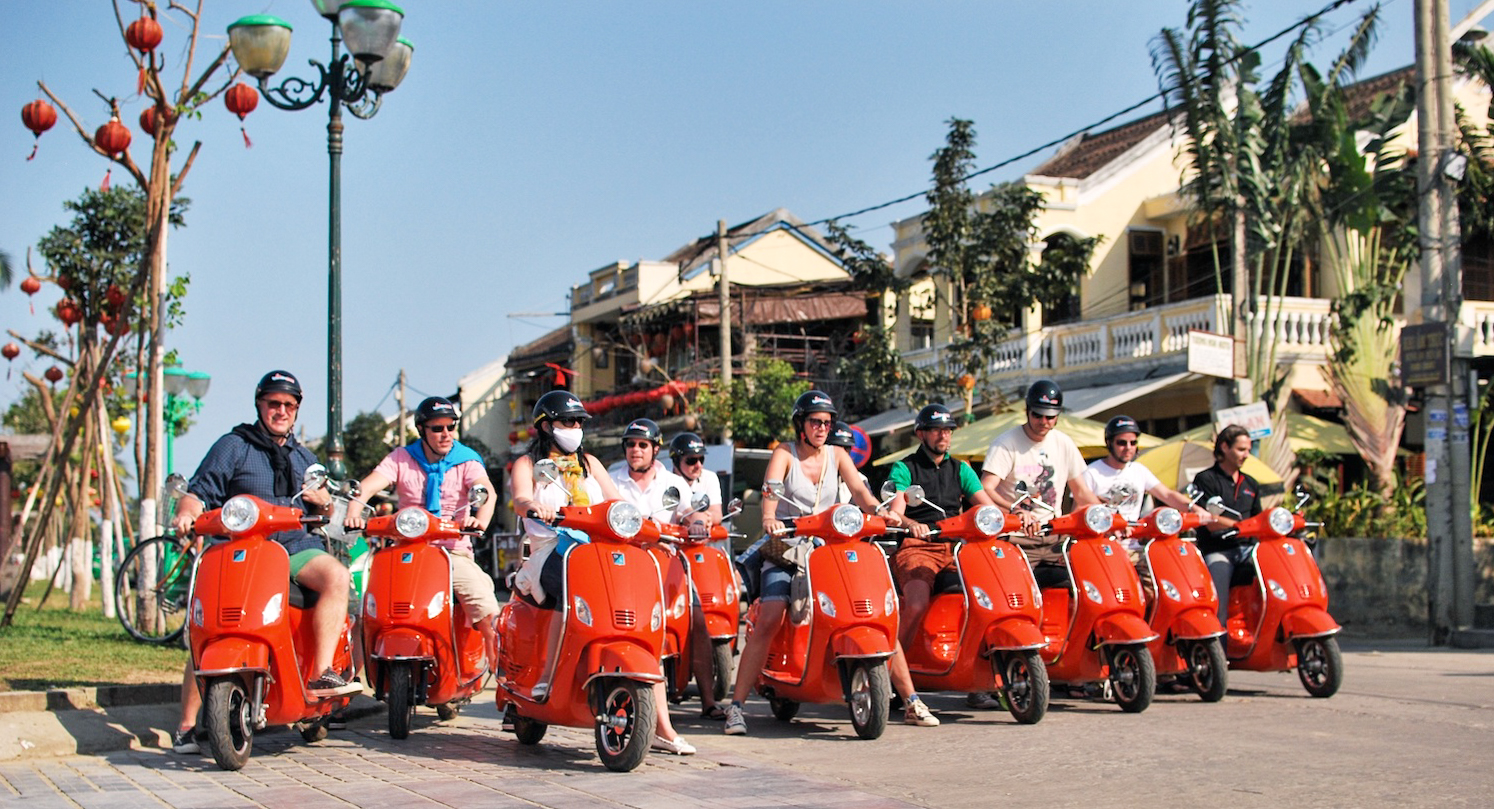
Just join this private tour with our lovely Aodai lady riders who ride you on the back of motorbike( scooter) to immerse your self into the culture, lifestyle, sprits of the local surrounding in Hoi An.
We have explained for you every things for what you see at the village at the random that only the local know.
Each of our stop, we get you join in all the local activities for the best memory with us in Hoi An.
Because there are many villages around Hoi An, depent on your selected options that you can ride you to villages that you love to explore by your eyes and spirits.
Let join the adventure journeys with our friendly, knowledgeable and enthusiastic Lady riders with us in Hoi An right after when you reach Hoi An for the general insights of Hoi An.
Available options
Farming-Coracle Boat Riding X
Farming-Coracle Boat Ride X: Ride you to Tra Que Herbal village for your farming activties then head coconut forest for your basket boat activities.<br/>Duration: 4 hours<br/>Cao Lau or My Quang Noodles<br/>Pickup included
Wet Rice Making-Capentry-Boat
Wet Rice Making-Carpenty-Boat : Ride you to join wet rice making and capentry class in Cam Kim Village next ride you to cocout forest for boat tour.<br/>Duration: 4 hours<br/>Cao Lau Noodles or My Quang<br/>Pickup included
Pottery & Coconut Boat X
Pottery-Coconut Boat Riding X: Ride you to Pottery Village for ceramic making then head to Coconut Forest for basket boat tour with us.<br/>Duration: 4 hours<br/>Cao Lau Noodles or My Quang<br/>Thanh Ha & Coconut Village: Ride you to Thanh Ha Village and Coconut Village for the experience with us.<br/>Pickup included
Pottery-Weaving-Capentry X
Pottery & Carpenty Village: Ride you to village and you join in pottery making, wet rice making, carpenty class and weaving experience.<br/>Private Guided Tour<br/>Duration: 4 hours<br/>Local Meals with Noodles: End of the tour, we serve you local noodles with Cao Lau or My Quang as your delicious meals with us.<br/>Thanh Ha & Cam Kim Village: Ride you to Thanh Ha for pottery then Cam Kim Village for Wet rice making, carpentry class and Mat Weaving.<br/>Motorbike/Scooter<br/>Pickup included
Full Option Trip
Full Option Trip: Ride you to join wet rice making, capentry class-mat weaving-ceramic making and coconut basket boat tour<br/>Duration: 6 hours<br/>Full Option Trip: Ride you to Cam Kim Island, Kim Bong Carpentry Village, Thanh Ha Pottery Village and Coconut Village.<br/>Pickup included
What's included
Wet Rice Making( If you select Cam Kim Village)
Coconut Basket Boat Tour( If you select Coconut Village)
Carpentry Class( If you select option with Kim Bong Carpentry Village)
Private Guided and Rided by Lady Aodai Rider in English speaking.
Vegetable Planting( If you select Tra Que Village).
Parking fees, road fees, helmet and puncho( if raining)
Local Meals with Local Noodles at the end of each tour.
Private pick up and drop off by private Ao Dai Lady Riders in Hoi An.
Ceramic Class( if you select option with Thanh Ha Village)
All the villages entrance tickets( depent on the option)
Detailed itinerary
1
Stop 1
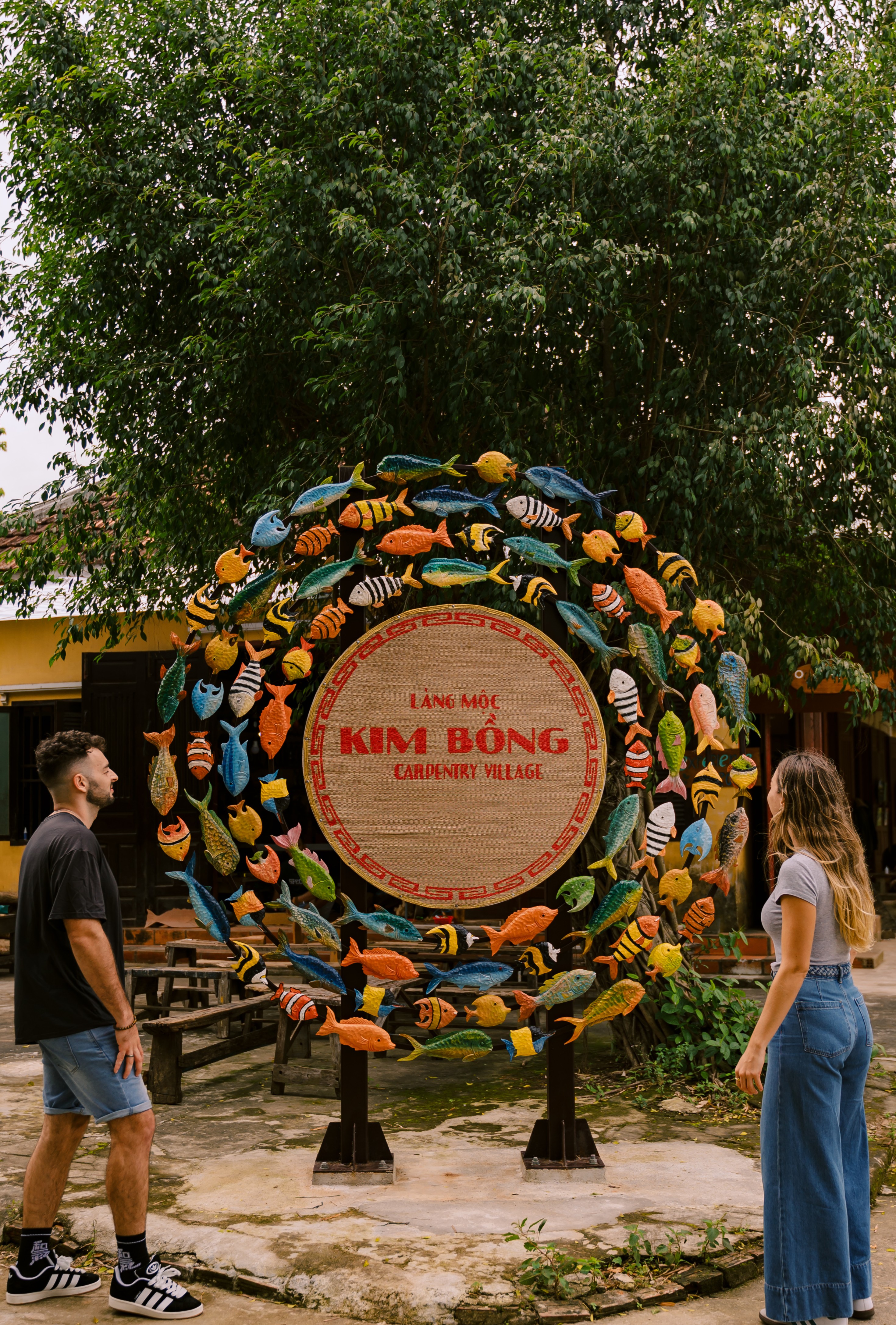
Kim Bong Carpentry village is not the only place remaining the traditional habits and costumes of Hoi An; but it is also considered the origin of craftsmen generations nowadays. Along with Thanh Ha village and Tra Que village, Kim Bong village is a testament to a bustling, long-standing and prosperous land of Hoi An – the ancient capital of Vietnam during the 16th century.
With the convenient situation and come-in-handy commune, Kim Bong Carpentry Village used to be the hustling market and the interaction of many foreign merchants in Feudalism.
Nowadays, the village retains its traditions and develops the techniques of sculpture, which is considered “the specialty” of the village. The culprit behind the popularity of Kim Bong tourist attraction is the sophistication of craftsmen products as well as the long-ago history of an ancient village. Tourists coming from all regions always desire to come to discover the pastoral beauty of nature and subtle fingers of craftsmen here.
2
Cam Kim Island is the second largest island on the Thu Bon River. It lies to the south of Hoi An Ancient Town. Here, visitors will see tranquil villages, rice fields, vegetable gardens, and craft workshops. The best way to explore this rural area is riding the motorbike with a local Ao Dai Lady Riders, and visit local households to learn about their daily life. It’s absolutely one of the most stunning non-touristy activities in Hoi An
3
Pottery craft in Thanh Ha, flourishing in the 16th and 17th centuries, has profoundly impacted Hoi An's history. Thanh Ha bricks and tiles were crucial in shaping Hoi An's ancient architecture. These pottery products are also a distinctive product of Quang Nam, integral to the making of household items. Many skilled artisans of Thanh Ha have influenced the architecture of the royal buildings in Hue.
Beyond pottery-making, the villagers have preserved a rich system of folk knowledge and specialized terminology related to their craft. These cultural values are actively preserved and showcased in the village's tourism activities, allowing visitors to appreciate the traditional craft. Thanh Ha pottery was included in the national intangible cultural heritage list in 2019.
4
Stop 4
Tra Que is a small village located 3km north of Hoi An’s Old Town. Its location is between De Vong River and Tra Que alga pond. Thanks to the special condition of rich soil and water, the village has long been known for growing many kinds of vegetables: lettuce, salad, houttuynia, flagrant knoutwed, basil and coriander vegetables etc, with which the traditional specialities of Hoi An have gained part of their fame.
It is fascinated by watching the farming procedures of local farmers, including: raking the ground, sowing, watering, picking vegetables and many other activities which are rarely seen in modern daily life. Moreover, tourists can listen to people talking about organic farming techniques and try their hand at actual farming. The farmers don’t use chemical or fertilisers but a kind of algae found only in a lagoon in Tra Que. Thanks to this technique, Tra Que herbs and veggies are widely recognized for their quality, safety and especially outstanding taste and flavour.
5
It is one of the most popular ecotourism sites in Hoi An City.
It reminds visitors of places in the southwestern area with fresh air, a pervasive green coconut forest and leisurely, peaceful boat rides.
The forest is located in Cam Thanh commune, near Cua Dai Bridge, about 4 km from Hoi An city. The name Bay Mau was given because this nipa palm forest previously had an area of about 7 acres (Bay Mau). Currently, the coconut forest area has been developed to be much larger, yet the name Bay Mau remains.
During the resistance war, the forest area was an important base for the Vietnamese army and people. The lush green coconut trees, stretching across the river, unintentionally became a shield to protect villagers and soldiers during wartime.
Over time, with strong tourism development in Hoi An, the coconut forest has become an attractive eco-tourism destination.
It is said that more than 200 years ago, people brought coconut varieties from the southwestern region of Vietnam to Hoi An
What's not included
Travel Insurance.
Personal expense and Tip
Available languages
Audio guide
EN
Reviews breakdown
Tripadvisor
5.0
3 reviews
5★
3
4★
0
3★
0
2★
0
1★
0
Important information
Not recommended for travelers with spinal injuries
Not recommended for pregnant travelers
Not recommended for travelers with poor cardiovascular health
Travelers should have at least a moderate level of physical fitness
We only ride our guests who under 90 kgs for safety reason since we are all women.
About Hoi An
Hoi An is a charming ancient town and UNESCO World Heritage Site known for its well-preserved architecture, lantern-lit streets, and rich cultural heritage. This former trading port blends Vietnamese, Chinese, Japanese, and European influences, offering a unique glimpse into Southeast Asia's history.
Top Attractions
Hoi An Ancient Town
A UNESCO World Heritage Site, the Ancient Town is famous for its well-preserved architecture, lantern-lit streets, and historic buildings. It offers a glimpse into the town's rich history as a trading port.
Historical
Half day to full day
120,000 VND (Ancient Town Entry Ticket)
An Bang Beach
A beautiful beach located about 4 km from Hoi An, known for its white sand and clear waters. It's a great spot for relaxation and water activities.
Beach
Half day
Free
My Son Sanctuary
A UNESCO World Heritage Site, My Son is an ancient Hindu temple complex built by the Cham civilization. It's a significant archaeological site with intricate carvings and ruins.
Historical
Full day
150,000 VND
Hoi An Night Market
A bustling night market offering a variety of local food, souvenirs, and handicrafts. It's a great place to experience the local culture and try street food.
Market
1-2 hours
Varies
Tra Que Vegetable Village
A peaceful village known for its organic vegetable farming. Visitors can participate in farming activities, learn about traditional farming techniques, and enjoy a farm-to-table meal.
Cultural
Half day
Varies
Must-Try Local Dishes
Cao Lau
A noodle dish with pork, herbs, and a unique broth made from pork bones and ash of burnt rice. It's a local specialty and a must-try.
Lunch/Dinner
Contains pork and gluten
Banh Mi
A Vietnamese baguette sandwich filled with various ingredients like pâté, cold cuts, pickled vegetables, and fresh herbs. Hoi An's version is particularly delicious.
Breakfast/Lunch
Can be made vegetarian or with various fillings
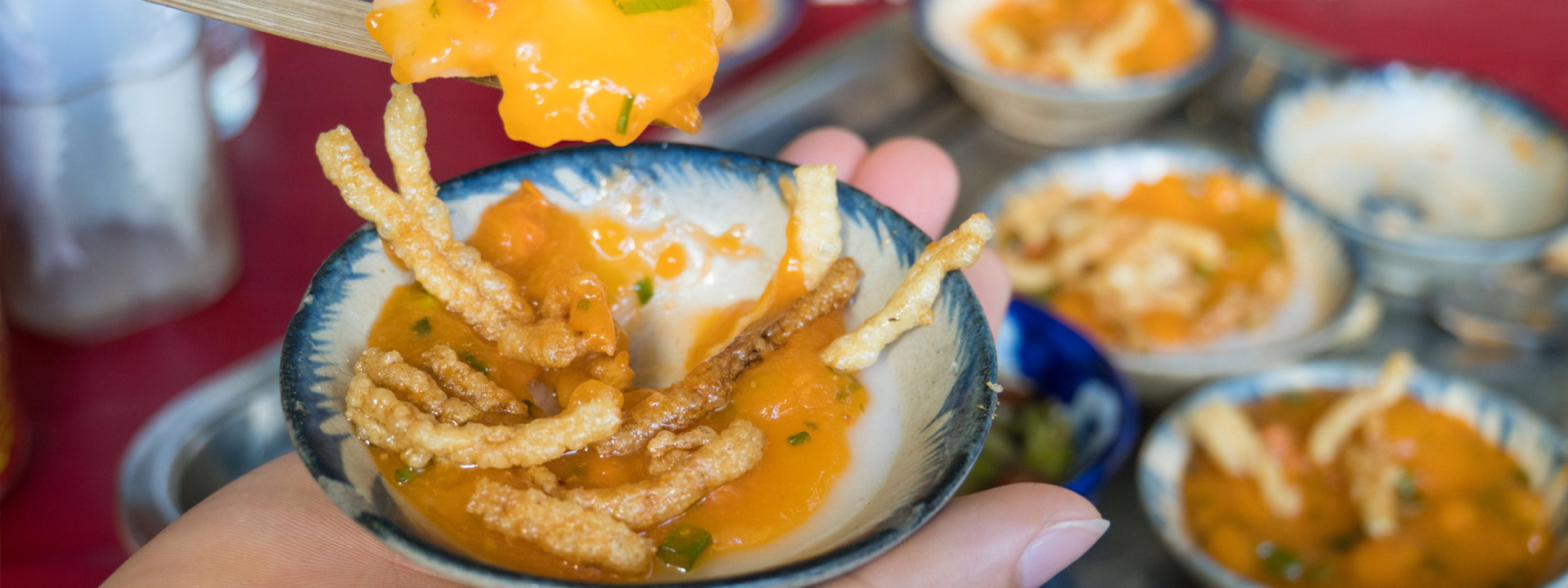
White Rose Dumplings
Small, delicate shrimp dumplings that resemble white roses. They are a local specialty and a popular street food item.
Snack
Contains shrimp and gluten
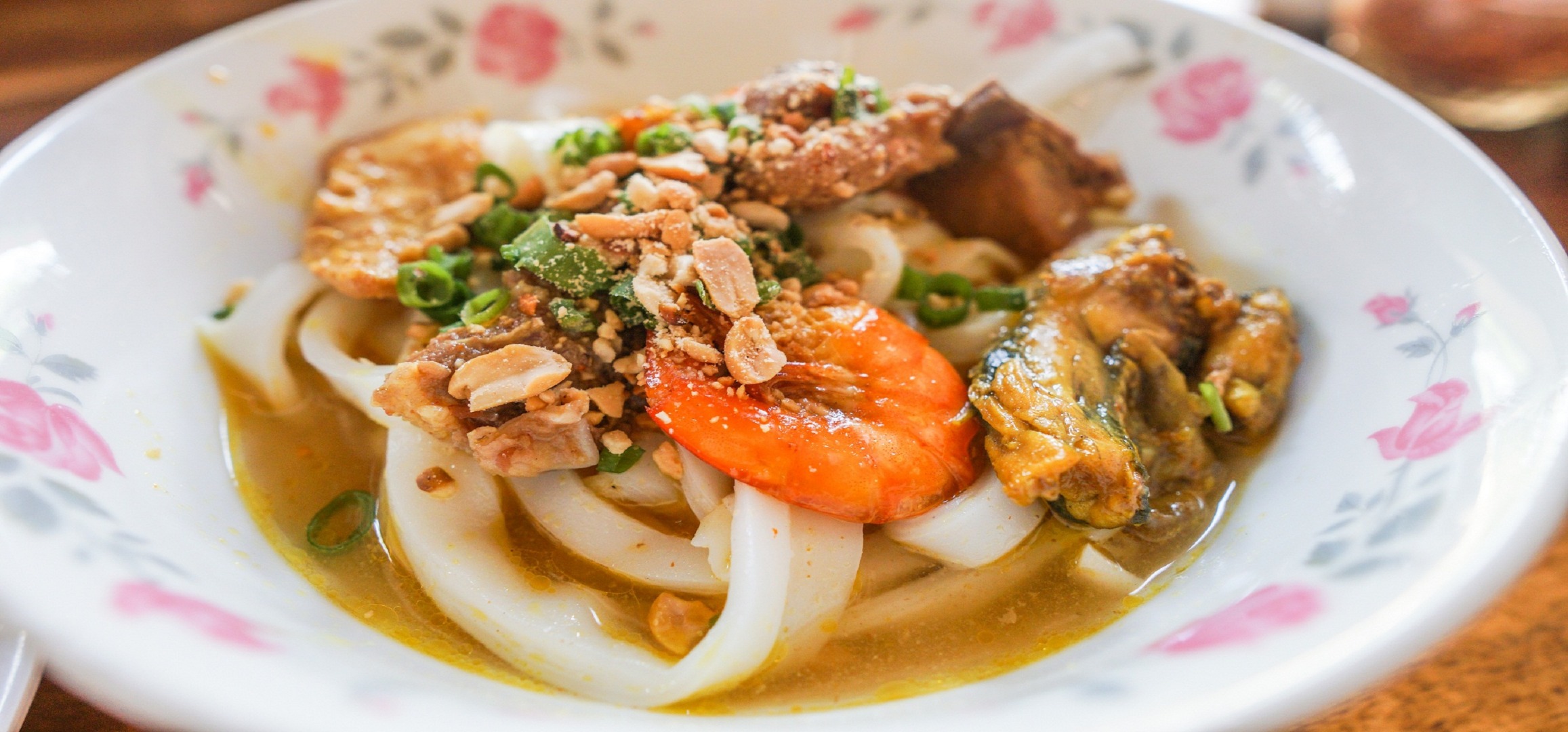
Quang Noodles
A noodle dish with turmeric-infused rice noodles, pork, shrimp, and a flavorful broth. It's a popular dish from the nearby town of Quang and also loved in Hoi An.
Lunch/Dinner
Contains pork and shrimp
Popular Activities
Snorkeling
Diving
Hiking
Motorbike tours
Beach activities
Spa treatments
Cooking classes
Yoga
Best Time to Visit
February to April
This period offers the best weather with warm temperatures, low humidity, and minimal rain. It's ideal for exploring the town and enjoying outdoor activities.
25-30°C
77-86°F
Practical Information
Language
- Official: Vietnamese
- Widely spoken: English
- English: Moderately spoken in tourist areas, limited elsewhere
Currency
Vietnamese Dong (VND)
Time Zone
GMT+7
Electricity
220VV, 50HzHz
Safety Information
Overall Safety Rating: Generally safe
Hoi An is generally a safe destination for travelers. Petty crime can occur, so take precautions to protect your belongings. Be cautious of motorbikes when walking, as they can be numerous and fast.
Important Precautions:
- • Use reputable taxi services or ride-hailing apps like Grab.
- • Keep your belongings secure and be aware of your surroundings.
- • Bargain for souvenirs and services to avoid overpaying.
Getting there
By air
- Da Nang International Airport • 30 km
By train
Hoi An Station
By bus
Hoi An Bus Station
Getting around
Public transport
Buses connect Hoi An to nearby towns and cities but are not extensively used within the town itself.
Taxis
Available • Apps: Grab
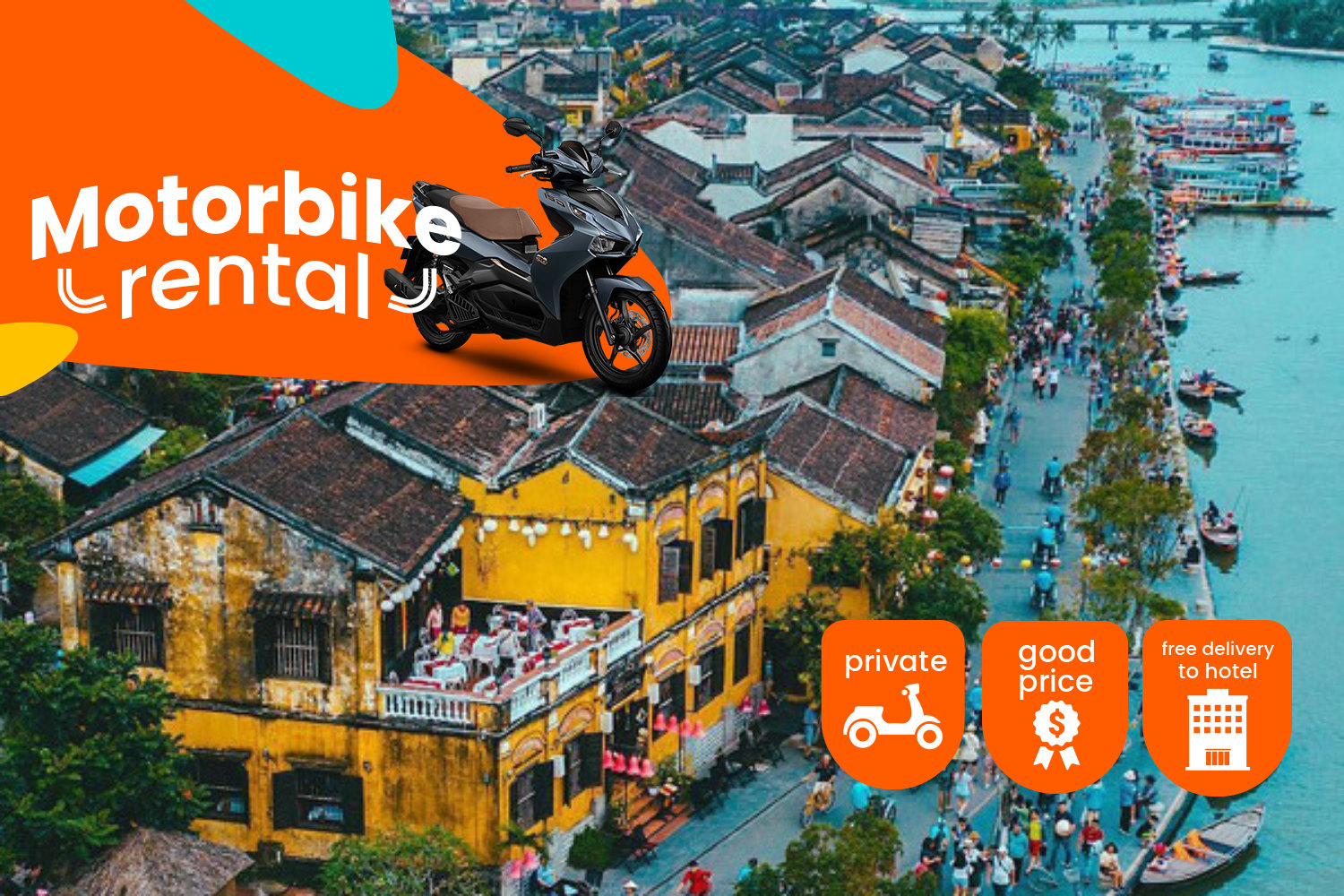
Rentals
Car, Bike, Scooter
Neighborhoods
Ancient Town
Cam Chau
An Bang
Day trips
Da Nang
30 km • Half day to full day
Da Nang is a vibrant coastal city known for its beaches, modern architecture, and cultural sites. It offers a mix of urban attractions and natural beauty.
My Son Sanctuary
50 km • Full day
A UNESCO World Heritage Site, My Son is an ancient Hindu temple complex built by the Cham civilization. It's a significant archaeological site with intricate carvings and ruins.
Cham Islands
20 km • Full day
A group of eight islands known for their beautiful beaches, coral reefs, and biodiversity. The islands are a great spot for snorkeling, diving, and relaxing.
Festivals
Hoi An Lantern Festival • 14th of each lunar month
Hoi An International Food Festival • Annual, usually in June
Mid-Autumn Festival • Annual, usually in September or October
Pro tips
- Visit the Ancient Town in the evening when the lanterns are lit for a magical experience.
- Try local specialties like Cao Lau, Banh Mi, and White Rose Dumplings at local eateries and markets.
- Explore the town on foot or by bicycle to discover hidden gems and enjoy the pedestrian-friendly streets.
- Book a cooking class to learn about local ingredients and techniques, and enjoy a farm-to-table meal.
- Visit the Hoi An Lantern Festival on the 14th of each lunar month for a unique and cultural experience.
From $25
per person
Price varies by option
Secure booking
Free cancellation available
Instant confirmation