Rio's Downtown Walking Tour: Unveiling Rich History and Landmarks
Active
4h
For a full refund, cancel at least 24 hours before the scheduled departure time.
Instant confirmation
Mobile or paper ticket accepted
About this experience
Discover Rio's captivating history on our unforgettable Historical Walking Tour. Start at the renowned Museum of Tomorrow, then marvel at Kobra's Mural, a vibrant street art masterpiece. Enjoy a leisurely stroll along Rio Branco Avenue, filled with architectural wonders and lively atmosphere. Experience the remarkable journey through Rio's rich heritage as stories of the past come alive.
Visit São Bento Monastery, appreciate the Brazilian Navy's significance, and marvel at the colonial architecture of Candelária Church. Immerse yourself in culture at the Cultural Center Banco do Brasil and discover the Teles Arch's historical charm.
Explore the hidden gem of Nossa Senhora da Lapa dos Mercadores church and soak in the lively atmosphere of XV Square.
Delve into Rio's colonial heritage at the Piramide Chafaria and conclude the tour at the stunning Nossa Senhora do Carmo da Antiga Sé. Indulge in a delicious snack at the historic Confeitaria Colombo, savoring the taste of Rio's delights.
Available options
Rio's Downtown Walking Tour: Unveiling Rich History and Landmarks
What's included
VAT, all taxes and handling charges.
Professional bilingual private tour guide.
Detailed itinerary
1
Meeting point:
The tour begins at the JW Marriott Hotel in Copacabana. Meet your guide at the hotel entrance. From there, we’ll head to the city center — we may use the subway, taxi, or ride-sharing services to reach the starting point of the walking tour, depending on traffic and group preference.
How the tour unfolds:
This is a guided walking tour, designed to explore Rio’s rich history through its iconic downtown landmarks. The route is flat, with short walking distances between attractions and occasional stops for photos, restrooms, and coffee. We’ll finish near Cinelândia Square, a central and well-connected area with great options for lunch or further exploration.
2
Valongo Wharf (Cais do Valongo)
A UNESCO World Heritage Site and former arrival port for enslaved Africans. A powerful symbol of Afro-Brazilian history.
3
A striking street art piece by Eduardo Kobra, honoring key Black figures and cultural heritage. One of the city’s largest and most colorful murals.
4
Stop 4
Museum of Tomorrow (Museu do Amanhã)
An architectural landmark designed by Santiago Calatrava, focused on science and sustainability. We’ll explore the surroundings and take photos from the outside.
5
Navy Cultural Center (Centro Cultural da Marinha)
Located near the harbor, this area preserves Brazil’s naval history with old vessels and maritime exhibits (external view).
6
Candelária Church
One of Rio’s most iconic churches, known for its baroque façade and historical significance during colonial times.
7
Stop 7
A neoclassical building housing rotating exhibitions, cafés, and cultural programs. Optional break inside for coffee and restrooms.
8
A charming baroque church from 1608, nestled between modern office buildings — showcasing the old-meets-new feel of downtown.
9
Legislative Assembly of Rio de Janeiro
An impressive early 20th-century building that reflects Brazil’s republican era architecture (external explanation).
10
Pyramid Fountain (Chafariz da Pirâmide)
A historic fountain from 1789 designed by Mestre Valentim, one of the few remaining colonial monuments in the area.
11
Stop 11
A picturesque colonial alley known for its cobblestones, bars, and preserved architecture. Popular filming location.
12
Stop 12
Imperial Palace (Paço Imperial)
Former royal residence and political center during Brazil’s monarchy. One of the main historical highlights of the tour.
13
Stop 13
São Bento Monastery (Mosteiro de São Bento)
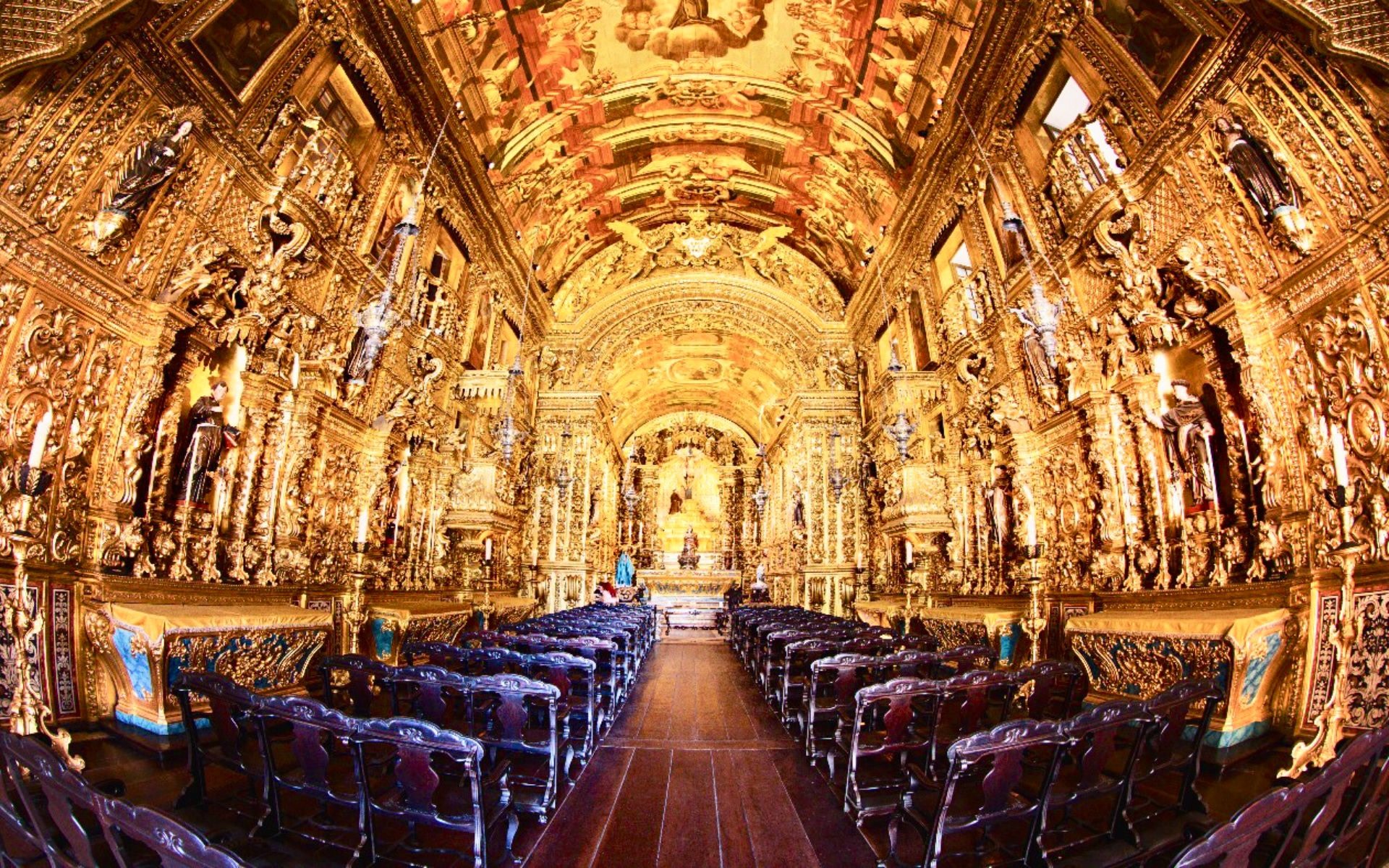
A masterpiece of Brazilian baroque, featuring richly gilded interiors. If time and schedule allow, we may visit inside to witness Gregorian chants.
14
Royal Portuguese Reading Room (Real Gabinete Português de Leitura)
One of the most beautiful libraries in the world, with rare books and stunning Neo-Manueline architecture.
15
Confeitaria Colombo
Time for a coffee break. This 1894 Belle Époque café is one of Rio’s most traditional and elegant pastry shops.
16
Confeitaria Cavé
A smaller, equally historic pastry shop serving classic Portuguese sweets — a hidden gem less visited by tourists.
17
Stop 17
Cinelândia Square
The tour ends in this iconic plaza surrounded by landmarks such as the Theatro Municipal, National Library, and Fine Arts Museum.
What's not included
Tips. (optional)
Available languages
Guide guide
EN
ES
Reviews breakdown
Viator
5.0
1 reviews
5★
1
4★
0
3★
0
2★
0
1★
0
Tripadvisor
4.7
9 reviews
5★
7
4★
1
3★
1
2★
0
1★
0
Important information
Public transportation options are available nearby
Suitable for all physical fitness levels
Meeting point
Meet your guide at the designated meeting point (JW Marriott Hotel in Copacabana) at least 10 minutes before the chosen tour start time.
The tour begins promptly at the time you selected during booking.
Important notes
• Please meet your guide at the designated meeting point at least 10 minutes before the tour's scheduled start time.
The closest subway station to the JW Marriott Hotel in Copacabana is Cantagalo Station, on Line 1 (Red) of the Rio subway system. From there, it’s about a 10-minute walk to the hotel entrance.
• Tour start time: 09:30 (please arrive by 09:20)
• Meeting address:
JW Marriott Hotel
Avenida Atlântica, 2600 – Copacabana, Rio de Janeiro – RJ, 22041-001, Brazil
---
• In the unlikely event that you are unable to find your guide, please contact us immediately using one of the emergency numbers below:
Contacts:
+55 (11) 2157-1629
+55 (11) 9 9311-9144 [WhatsApp](https://wa.me/5511931199144)
+55 (11) 9 4738-2606 [WhatsApp](https://wa.me/5511947382606)
About Rio de Janeiro
Rio de Janeiro, known as the 'Marvelous City,' is famous for its natural settings, Carnival, samba, bossa nova, and Balneario beaches such as Copacabana and Ipanema. It's a vibrant city with a rich cultural heritage and stunning landscapes, including the iconic Christ the Redeemer statue and Sugarloaf Mountain.
Top Attractions
Christ the Redeemer
One of the New Seven Wonders of the World, this iconic statue offers breathtaking views of Rio de Janeiro.
Historical/Religious
2-3 hours
R$84 (including train ticket)
Sugarloaf Mountain
A famous peak offering stunning views of Rio de Janeiro and its beaches.
Nature
2-3 hours
R$88 (round-trip cable car)
Copacabana Beach
One of the most famous beaches in the world, known for its vibrant atmosphere and beautiful sunsets.
Beach
Half day or full day
Free
Tijuca National Park
The world's largest urban forest, offering hiking trails, waterfalls, and diverse wildlife.
Nature
Half day or full day
Free (some attractions may have fees)
Santa Teresa
A historic and bohemian neighborhood known for its cobblestone streets, art galleries, and scenic views.
Cultural
Half day
Free to explore
Must-Try Local Dishes
Feijoada
A hearty stew made with black beans and various cuts of pork, often served with rice, collard greens, and orange slices.
Dinner
Contains pork, not suitable for vegetarians or vegans.
Pão de Queijo
Cheese bread made with tapioca flour, giving it a unique texture and flavor.
Snack
Vegetarian, but contains dairy.
Moqueca
A traditional fish stew cooked in coconut milk and dendê oil, with various seafood and vegetables.
Dinner
Can be made vegetarian or vegan with vegetable broth and tofu.
Açaí
A thick, creamy fruit pulp from the açaí palm, often served with granola and condensed milk.
Dessert/Drink
Can be made vegan with plant-based milk.
Popular Activities
Hiking in Tijuca National Park
Surfing in Arpoador
Paragliding in Pedra Bonita
Beach lounging in Ipanema
Spa treatments in Copacabana
Yoga in Botafogo
Visiting museums in Centro
Attending a samba show
Best Time to Visit
December to March
This is the peak tourist season with warm weather and the famous Carnival in February/March. Expect crowded beaches and higher prices.
25-30°C
77-86°F
Practical Information
Language
- Official: Portuguese
- Widely spoken: English (limited)
- English: Limited
Currency
Brazilian Real (BRL)
Time Zone
GMT-3 (Brasília Time)
Electricity
110V/220VV, 60HzHz
Safety Information
Overall Safety Rating: Exercise caution
Rio de Janeiro is generally safe for tourists, but petty crime and violence can occur. Exercise caution, especially in less touristy areas and at night.
Important Precautions:
- • Avoid walking alone at night in unsafe areas
- • Use common sense and stay alert to your surroundings
- • Keep valuables secure and out of sight
Getting there
By air
- Rio de Janeiro-Galeão International Airport • 20 km (12 miles) from city center
- Santos Dumont Airport • 12 km (7.5 miles) from city center
By train
Central do Brasil
By bus
Rodoviária Novo Rio, Terminal Rodoviário da Gavea
Getting around
Public transport
Efficient and air-conditioned, the metro is a great way to avoid traffic.
Taxis
Available • Apps: Uber, 99 Taxis
Rentals
Car, Bike, Scooter
Neighborhoods
Copacabana
Ipanema
Santa Teresa
Lapa
Botafogo
Day trips
Petrópolis
65 km (40 miles) • Full day
A charming colonial town in the mountains, known for its historic architecture and cool climate.
Paraty
170 km (105 miles) • Full day or overnight
A historic coastal town with cobblestone streets, colonial architecture, and beautiful beaches.
Búzios
170 km (105 miles) • Full day or overnight
A picturesque beach town known for its stunning beaches, clear waters, and vibrant nightlife.
Festivals
Carnival • February/March (dates vary)
Rio Carnival Samba Parade • February/March (dates vary)
New Year's Eve (Réveillon) • December 31
Pro tips
- Visit Christ the Redeemer early in the morning to avoid crowds and enjoy the best views
- Take a helicopter tour for a unique perspective of the city
- Explore the less touristy neighborhoods like Santa Teresa and Botafogo for a more authentic experience
- Try local street food like pão de queijo and coxinha for a taste of Brazilian flavors
- Learn some basic Portuguese phrases to enhance your interactions with locals
From $25
per person
Price varies by option
Secure booking
Free cancellation available
Instant confirmation