Hidden Rome - Private Tour with Driver
Active
6h
For a full refund, cancel at least 24 hours before the scheduled departure time.
Instant confirmation
Mobile or paper ticket accepted
About this experience
This tour is designed for those who wish to enjoy a different Rome, away from the more touristic places, but still filled with wonders.Your English speaking driver will meet you at your hotel in the morning and you will start with a little drive outside the city.
Available options
Hidden Rome -Tickets included
9:00 AM Hotel pick up, Appian Way, Catacombs, Park of the Aqueducts, Baths of Caracalla, Aventine hill, Trastevere, Janiculum<br/>Pickup included
Tickets and Lecture guide
Lecture tour guide included<br/>Pickup included
What's included
Hotel pickup and drop-off
Local guide
Private tour
Catacombs admission fee
Driver/guide
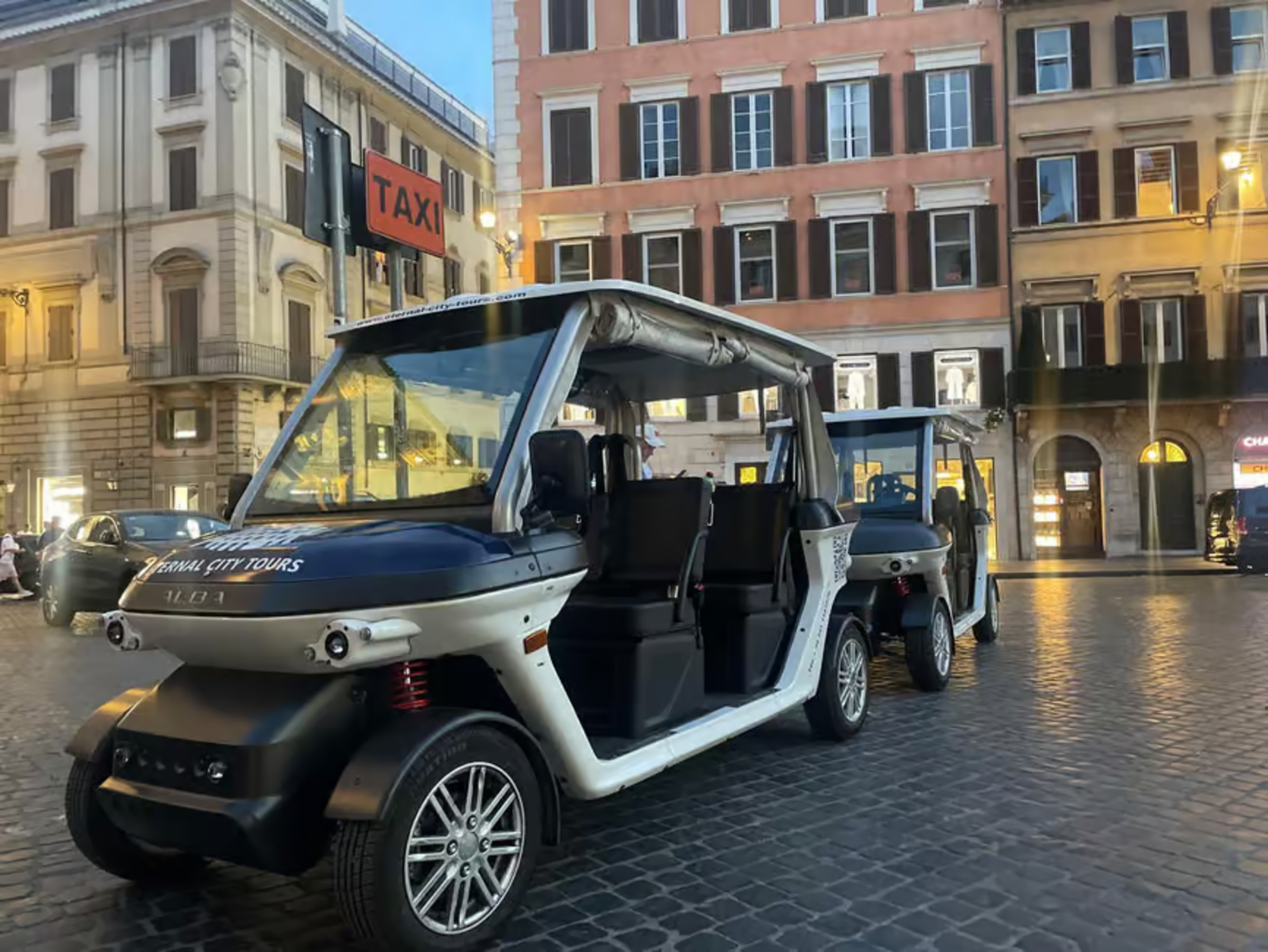
Transport by private vehicle
Detailed itinerary
1
The Appian Way was a crucial road for the Roman Empire. It connected Rome to some of its most distant settlements. Originally built by Appius Claudius Caecus, the then-censor of Rome, the road connected Rome to Capua near Naples. Eventually, it extended more than 300 miles to Brindisi, Puglia on the Adriatic Coast, making it the widest and longest road in existence at the time. Called the “Queen of Roads,” it’s construction was truly momentous, especially considering it was built in 312 BC!
Even compared to many of the other best attractions in Rome, The Appian Way is incredibly well-preserved. It’s made of large, flat stones, which have been firmly set in place by thousands of years of rain, wheels, and feet passing over them.
2
Stop 2
This cemetery, named after the martyr St. Sebastian, who is buried here, was originally called "ad catacumbas". According to the widely acknowledged explanation, the name signifies "near the hollows", because of the mines of tuff located in this area. The name was later used generally to indicate all subterranean Christian cemeteries.
Another ancient name of the cemetery was "Apostolic Memorial" (Memoria Apostolorum). The name derives from the liturgical celebrations, dedicated to the Apostles Peter and Paul, which took place here for a limited period in the first centuries.
From the first century, the site had been intensely exploited and constructed upon. The caves and the tunnels of the mines were used for pagan and Christian rectangular wall tombs (loculi), as well smaller tombs (colombari) used to house urns. At least two residential buildings were constructed above ground, especially noted for their interior wall painting decorations.
3
Stop 3
Located on the outskirts of Rome, Parco degli Acquedotti is one of Rome’s most interesting parks.
One of Rome’s must underexplored outdoor spaces, Parco degli Acquedotti offers a taste of the grandeur of the ancient empire’s famous aqueducts.
The structures were built to bring fresh water from the mountains and countrysides into the city.
That they still stand today is a testament to this incredible feat of engineering.
Virtually tourist free, locals know that this section of Parco dell’Appia Antica is perfect for enjoying Rome’s near-perfect weather.
Just a few miles from the center of Rome, the park contains long stretches of the Aqua Felix, as well as portions of the aqueduct known as Aqua Claudia.
The wide expanses of meadows, dotted with umbrella pines and crisscrossed with the massive ancient ruins feels other worldly.
The large grassy areas under the aqueducts are filled with picnicking families on the weekends, but you can also rent a bike to explore the park.
Most simple of all is to visit Parco degli Acquedotti with plenty of time to stroll. Exploring the park on foot is one of the best free things to do in Rome throughout the year.
4
Stop 4
Built between the years 212 and 216 under the direction of Marcus Aurelius Antoninus Augustus, more commonly known as Emperor Caracalla, the Baths of Caracalla were one of the greatest and most spectacular thermal complexes in ancient times.
In spite of the fact that today only the brick walls and large collapsed vaults remain, the remnant of the splendour of the Baths of Caracalla is still preserved.
5
Stop 5
Pass by
The Tiber is one of longest rivers in Italy, the second longest river after the Po. The Tiber is about 250 miles long and varies between 7 and 20 feet deep. It flows from the Apennines at Mount Fumaiolo through Rome and into the Tyrrhenian Sea at Ostia. Most of the city of Rome is to the east of the Tiber River. The area to the west, including the island in the Tiber, Insula Tiberina or Insula Sacra, was included in Region XIV of Caesar Augustus's administrative areas of the city of Rome.
6
Stop 6
Trastevere, sitting just down the Tiber from the Vatican, is a city within a city; an enclave with its own identity where the locals have generally greeted creeping commercialisation and ongoing attempts at gentrification with a wonderfully Roman disdain, flatly refusing to let such shenanigans impede on the richness of their daily lives.
A strong sense of civic pride resides among the Medieval maze of piazzas and cobbled vicoli (alleyways). An old friend of mine, native born to the area, has even turned his back on following the capital’s beloved AS Roma football club and instead spends his weekends rooting for the Trastevere Calcio team (you can find them, should you look hard enough, down in the murky depths of the Italian game’s fourth tier).
Not that this is an unwelcoming place. Far from it. Joining in the fun, becoming a part of Trastevere’s great bustling backdrop is easy to do, whether you’re simply sitting on the steps of the Piazza Trilussa or ordering a coffee at the counter of one of the area’s many bars.
7
Stop 7
The recent restoration of one of Rome’s oldest churches has given new life to the 12th-century Pietro Cavallini mosaics (including his celebrated Vita della Vergine) and frescoes and marbles of more recent vintage. Domenichino’s gloriously Baroque 16th-century octagonal gold ceiling also houses one of his greatest paintings, L’Assunzione della Vergine (1616-1617). Dating back to the third century at least, the church has a decent claim to being the first official Christian place of worship in the city.
8
Stop 8
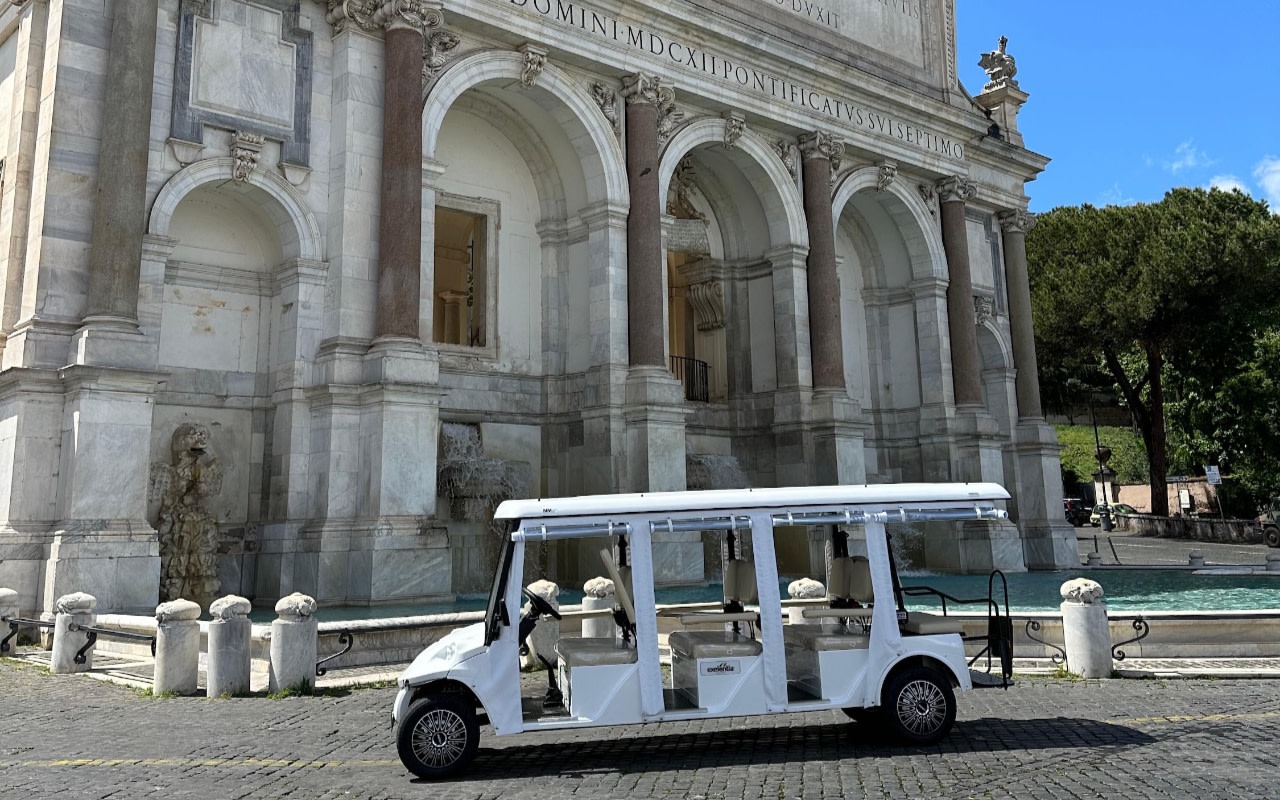
The Janiculum is one of the best locations in Rome for a scenic view of central Rome with its domes and bell towers. Other sights on the Janiculum include the church of San Pietro in Montorio, on what was formerly thought to be the site of St Peter's crucifixion; a small shrine known as the Tempietto, designed by Donato Bramante, marks the supposed site of Peter's death. The Janiculum also houses a Baroque fountain built by Pope Paul V in the late 17th century, the Fontana dell'Acqua Paola, and several foreign research institutions, including the American Academy in Rome and the Spanish Academy in Rome. The Hill is also the location of The American University of Rome, Pontifical Urban University, and Pontifical North American College, as well as the Orto Botanico dell'Università di Roma "La Sapienza" and the Palazzo Montorio, residence of the Ambassadors of Spain.
What's not included
Food and drinks
Gratuities
Available languages
Guide guide
EN
Reviews breakdown
Viator
4.7
11 reviews
5★
10
4★
0
3★
0
2★
1
1★
0
Tripadvisor
5.0
29 reviews
5★
28
4★
1
3★
0
2★
0
1★
0
Important information
Infants and small children can ride in a pram or stroller
Service animals allowed
Specialized infant seats are available
Travelers should have at least a moderate level of physical fitness
Due to the Jubilee, some monuments may be under restoration. Please pay attention to any messages we may send regarding potential changes.
Important notes
• A dress code is required to enter places of worship and selected museums. No shorts or sleeveless tops allowed. Knees and shoulders MUST be covered for both men and women. You may risk refused entry if you fail to comply with these dress requirements
• Comfortable walking shoes are recommended
About Rome
Rome, the capital of Italy, is a city of ancient ruins, artistic masterpieces, and vibrant culture. Known as the Eternal City, it is a living museum where every corner tells a story of its rich history spanning over 2,500 years.
Top Attractions
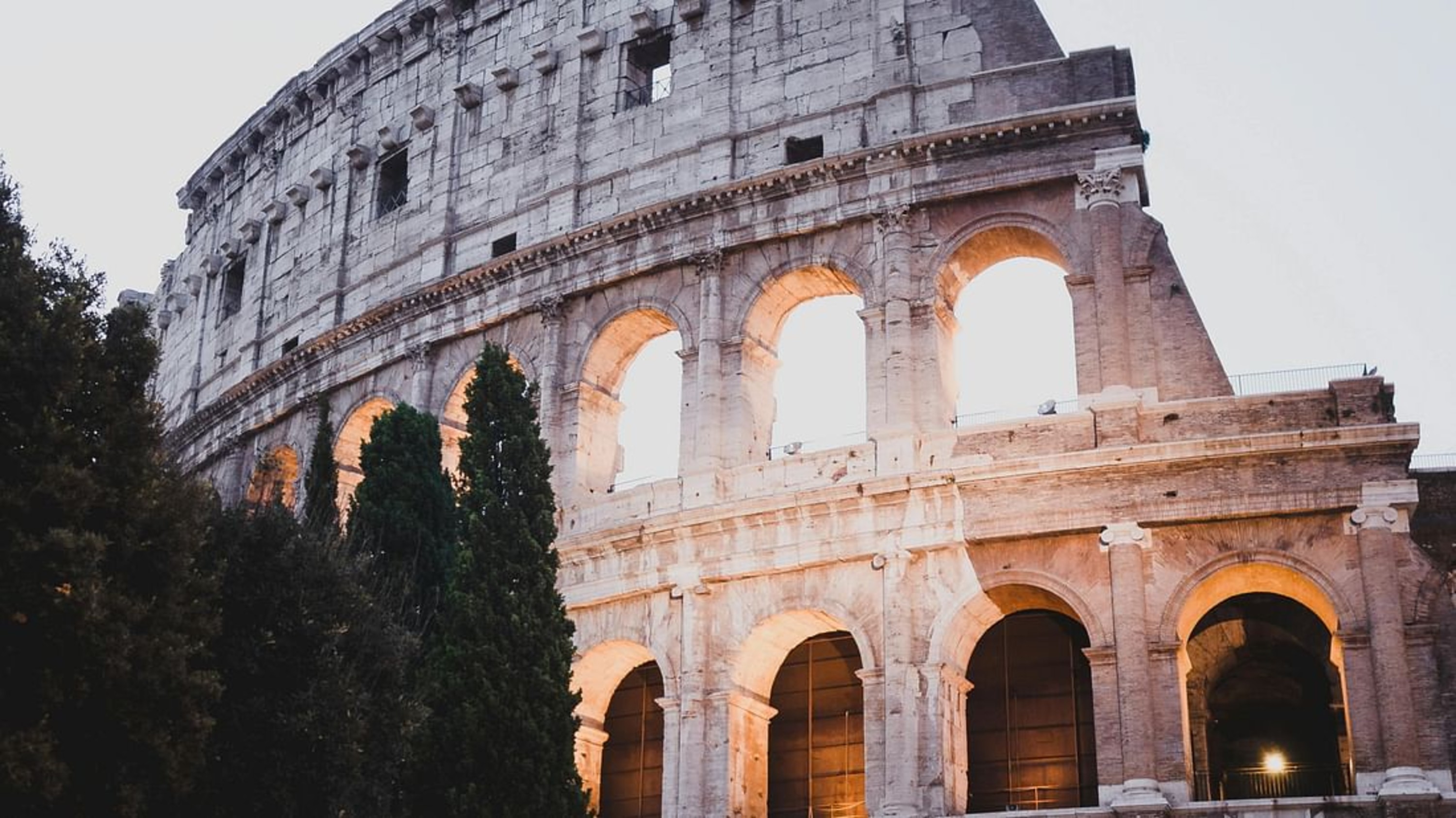
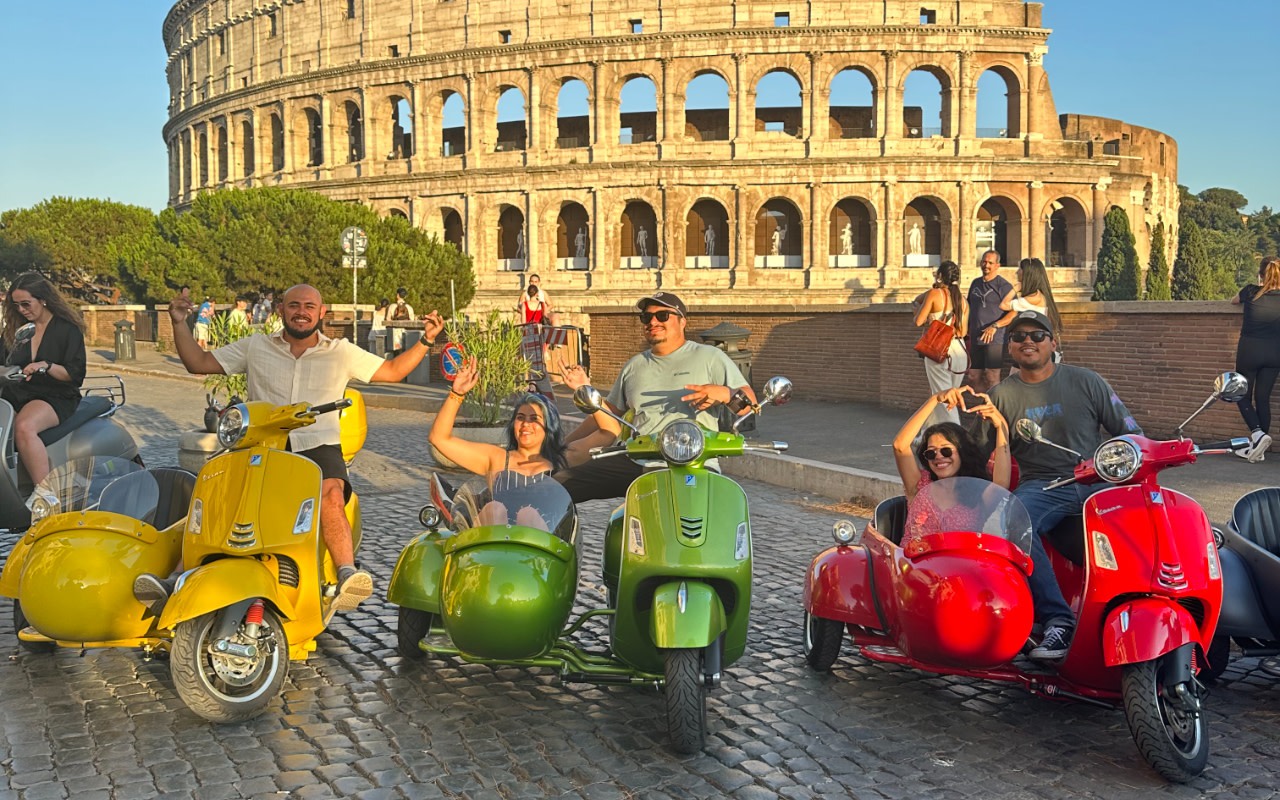
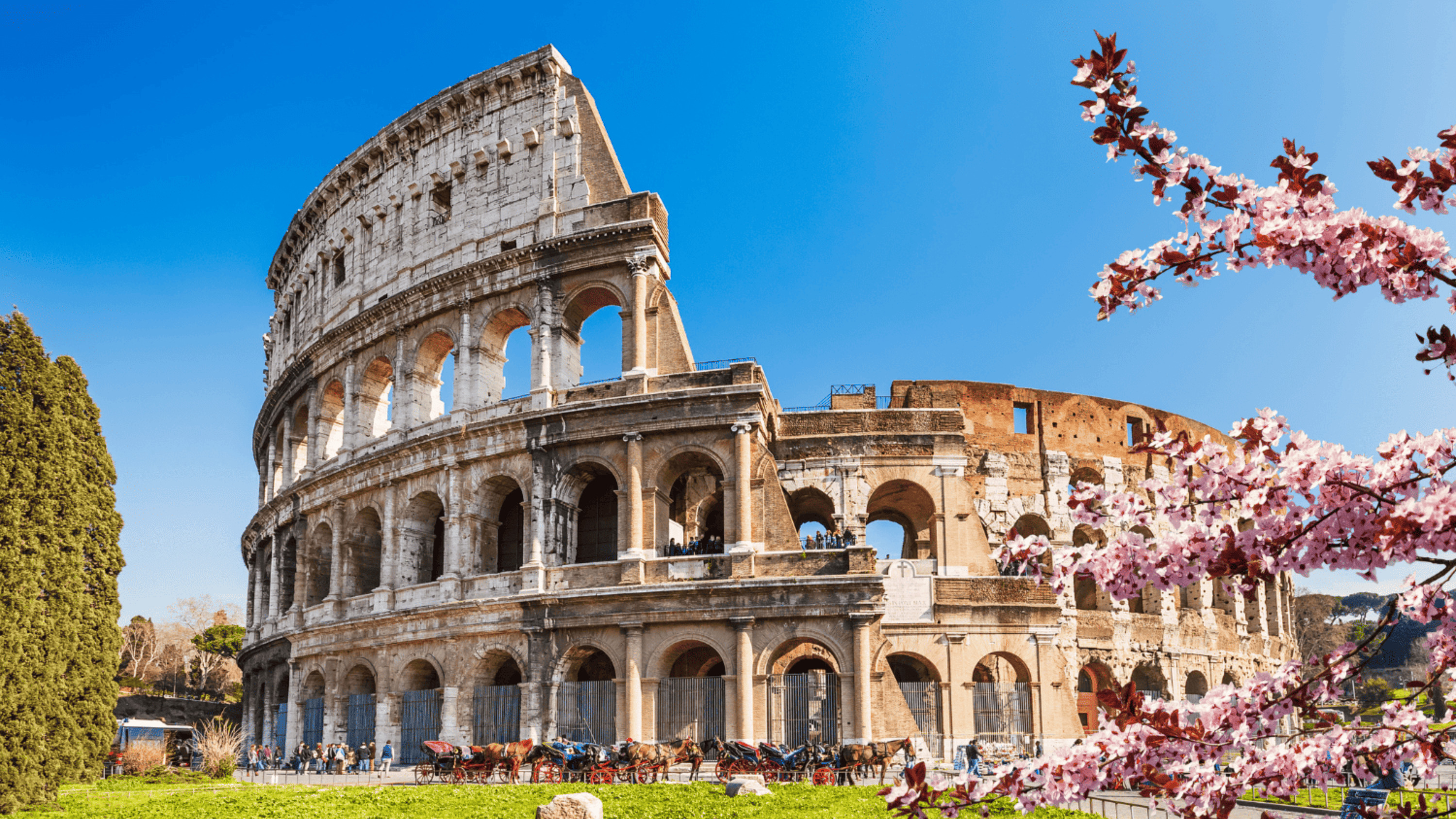
Colosseum
The Colosseum is an iconic symbol of Rome and one of the most famous ancient amphitheaters in the world. It was used for gladiatorial contests and public spectacles.
Historical
1-2 hours
€16 (combined ticket with Roman Forum and Palatine Hill)
Vatican City
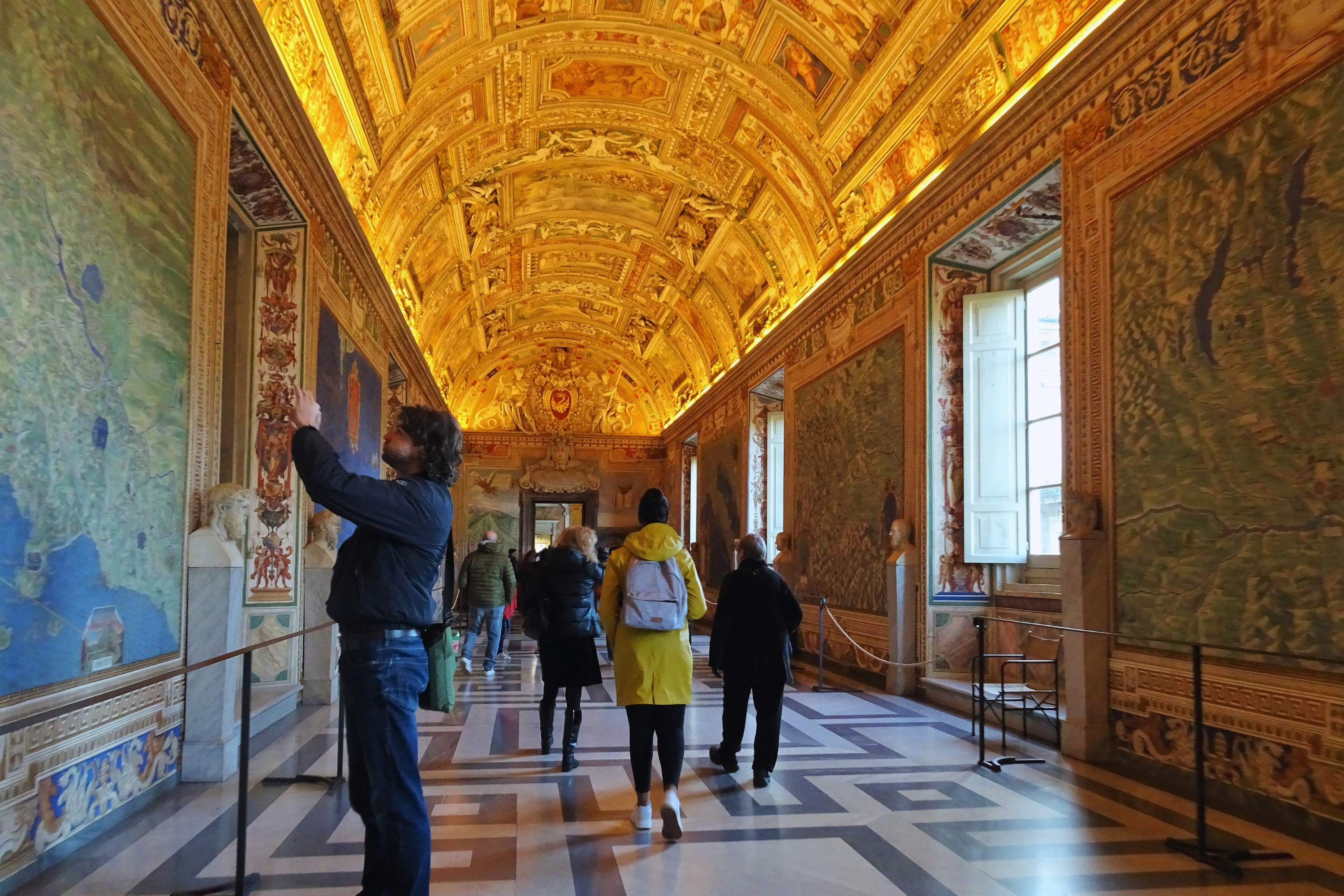
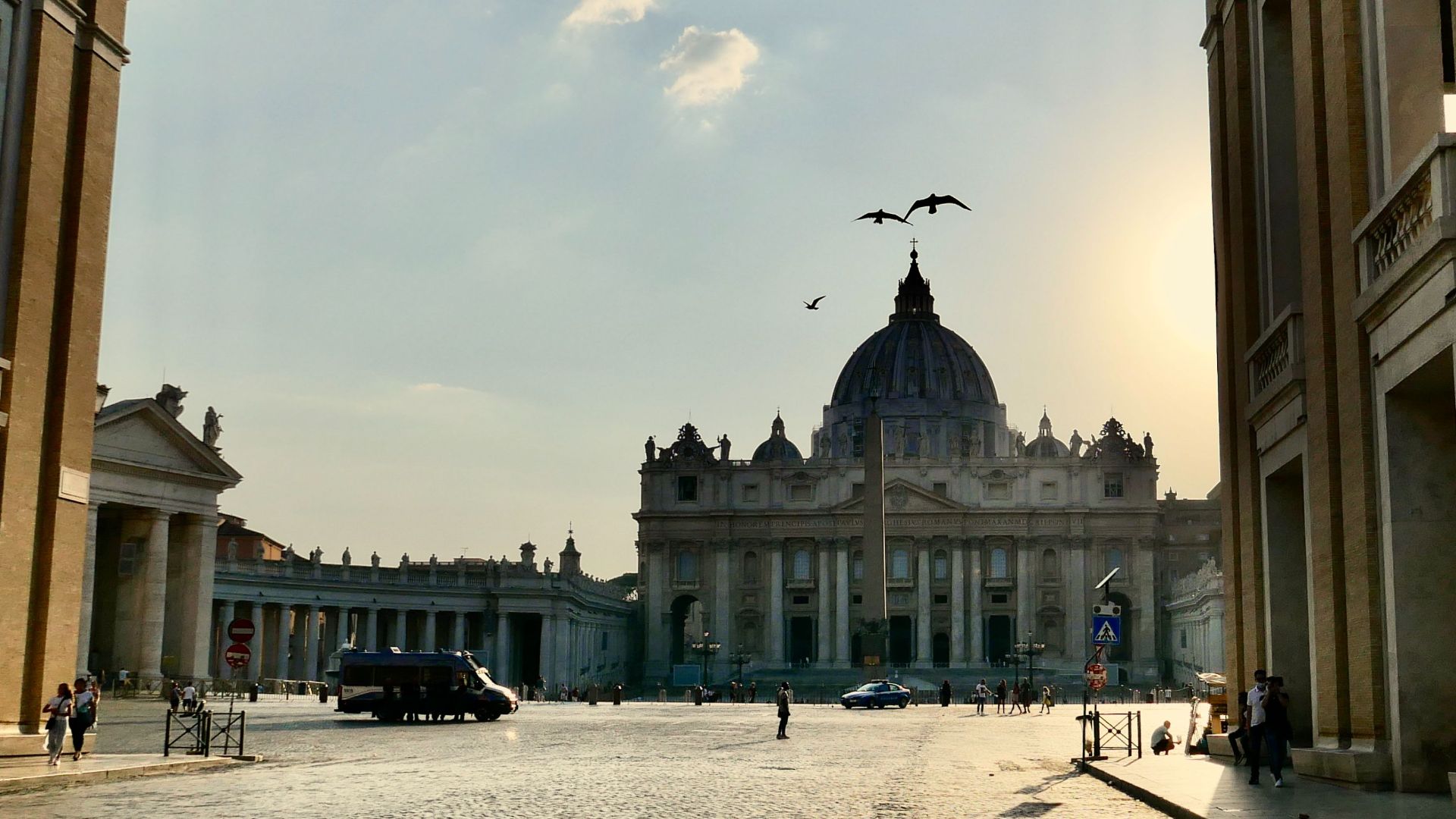
Vatican City is an independent city-state enclaved within Rome. It is the spiritual and administrative center of the Roman Catholic Church.
Religious
Half day
€17 (Vatican Museums and Sistine Chapel), Free (St. Peter's Basilica)
Roman Forum
The Roman Forum was the political, commercial, and legal hub of the Roman Republic and Empire. It is a sprawling ruin of temples, basilicas, and arches.
Historical
1-2 hours
€16 (combined ticket with Colosseum and Palatine Hill)
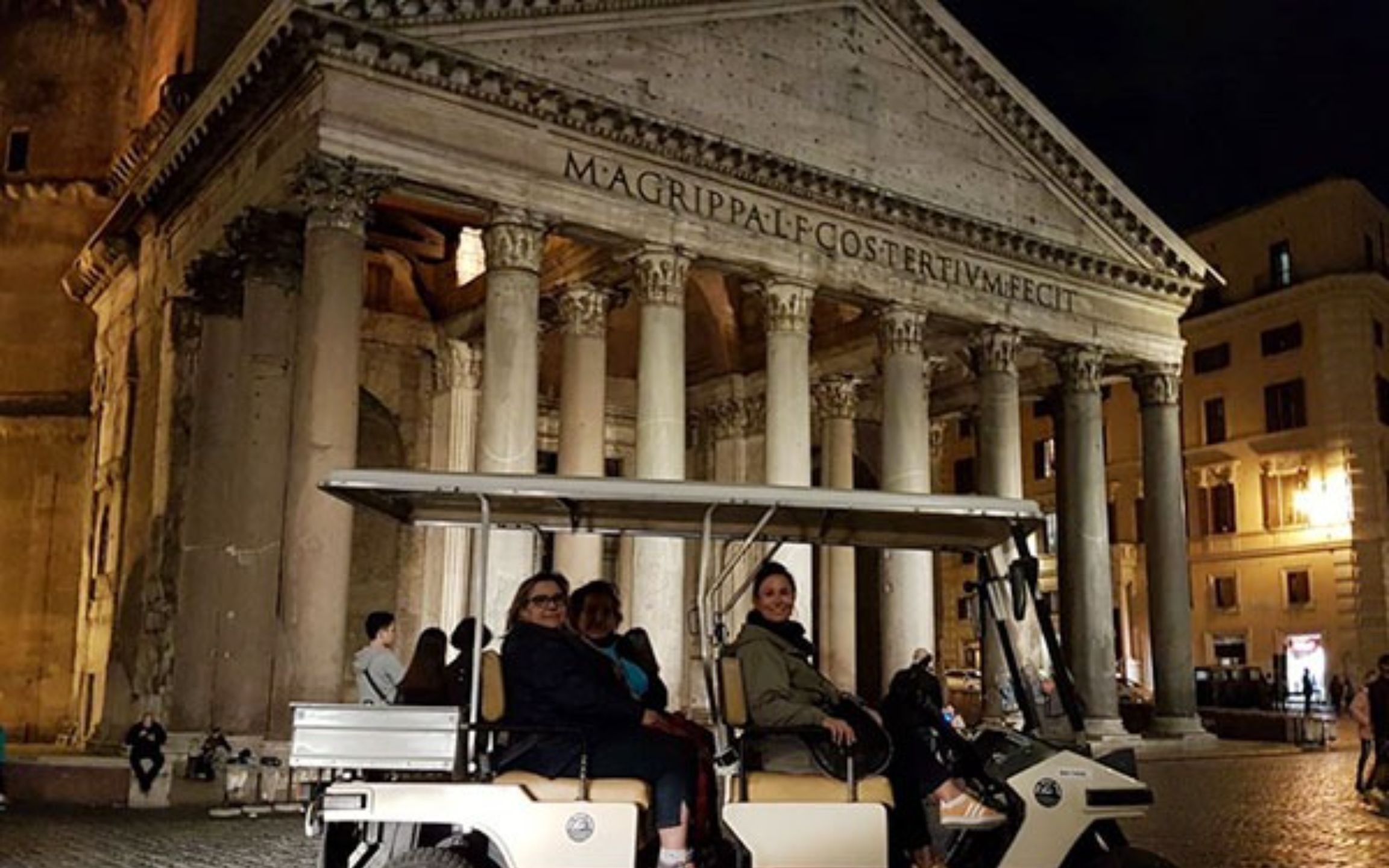
Pantheon
The Pantheon is a former Roman temple, now a church, known for its large dome and oculus. It is one of the best-preserved ancient buildings in Rome.
Historical
30 minutes to 1 hour
Free
Trevi Fountain
The Trevi Fountain is a Baroque masterpiece and the largest fountain in Rome. It is a popular spot for visitors to throw coins and make wishes.
Architecture
15-30 minutes
Free
Must-Try Local Dishes
Cacio e Pepe
A simple yet delicious pasta dish made with Pecorino Romano cheese and black pepper.
Pasta
Vegetarian
Carbonara
A rich pasta dish made with eggs, Pecorino Romano, guanciale (cured pork cheek), and black pepper.
Pasta
Contains pork and eggs
Supplì
Fried rice balls filled with mozzarella and tomato sauce.
Snack
Vegetarian (some variations may contain meat)
Carciofi alla Romana
Artichokes braised with garlic, mint, and olive oil.
Vegetable
Vegetarian
Popular Activities
Hiking in the Appian Way Regional Park
Biking along the Tiber River
Rock climbing in the nearby mountains
Picnicking in Villa Borghese Gardens
Boating on Lake Albano
Enjoying a spa day at a luxury hotel
Visiting the Vatican Museums
Attending an opera at the Teatro dell'Opera di Roma
Best Time to Visit
April to June, September to October
Spring and fall offer pleasant weather and fewer crowds compared to the summer peak. Ideal for sightseeing and outdoor activities.
15-30°C
59-86°F
Practical Information
Language
- Official: Italian
- Widely spoken: English, Spanish, French
- English: Moderately spoken
Currency
Euro (EUR)
Time Zone
GMT+1 (CET), GMT+2 (CEST during daylight saving time)
Electricity
230VV, 50HzHz
Safety Information
Overall Safety Rating: Generally safe
Rome is generally safe for tourists, but pickpocketing and scams can be a problem in crowded areas. Be aware of your surroundings and take precautions to protect your belongings.
Important Precautions:
- • Keep valuables secure and out of sight
- • Use official taxis or ride-sharing services
- • Be cautious of strangers approaching you with petitions or bracelets
Getting there
By air
- Leonardo da Vinci International Airport • 35 km from city center
- Ciampino Airport • 15 km from city center
By train
Roma Termini, Roma Tiburtina
By bus
Tiburtina Bus Station, Roma Termini
Getting around
Public transport
The metro system is efficient and covers major tourist areas. It operates from 5:30 AM to 11:30 PM.
Taxis
Available • Apps: Uber, FreeNow
Rentals
Car, Bike, Scooter
Neighborhoods
Trastevere
Monti
Prancipio
Testaccio
Day trips
Ostia Antica
30 km from Rome • Half day
An ancient Roman port city with well-preserved ruins, including a theater, baths, and mosaics. It offers a glimpse into daily life in ancient Rome.
Tivoli
30 km from Rome • Full day
A picturesque town known for its stunning villas and gardens, including the famous Villa d'Este with its elaborate fountains and gardens.
Orvieto
120 km from Rome • Full day
A charming hilltop town known for its stunning cathedral, underground caves, and local wine. It offers a mix of history, culture, and scenic views.
Festivals
Natale di Roma • April 21
Festa de' Noantri • July
Rome Film Festival • October
Pro tips
- Visit major attractions early in the morning or late in the afternoon to avoid crowds
- Use public transport or walk instead of taking taxis to save money and experience the city like a local
- Try local specialties and ask for recommendations from locals and restaurant staff
- Dress modestly when visiting religious sites and be respectful of local customs and traditions
- Be aware of pickpockets and scams, especially in crowded areas and tourist hotspots
From $25
per person
Price varies by option
Secure booking
Free cancellation available
Instant confirmation