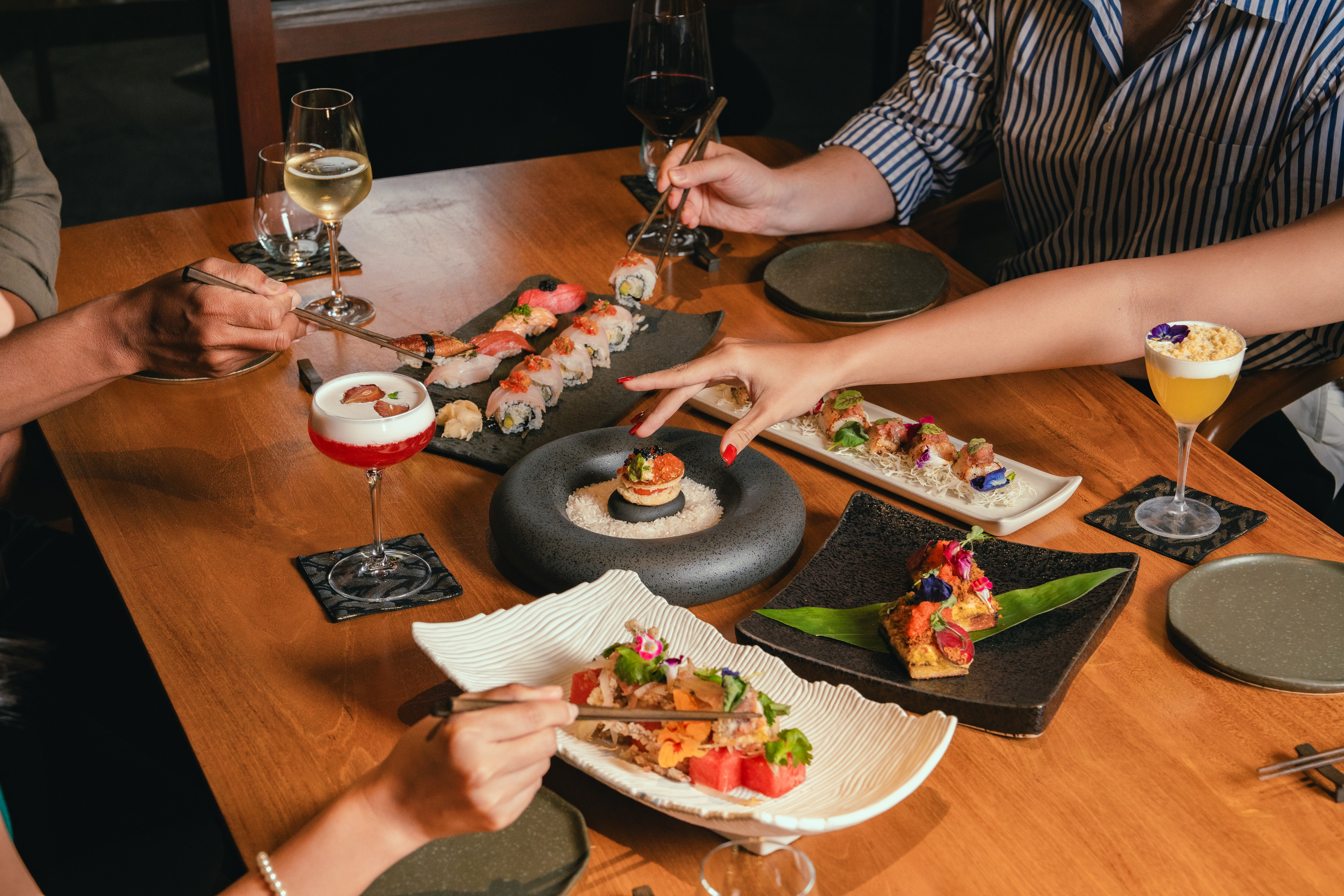
Hire Bali Guide
Active
8h
For a full refund, cancel at least 24 hours before the scheduled departure time.
Instant confirmation
Mobile or paper ticket accepted
About this experience
- Our service "Bali Hire Guide" will provide you with an expert legal licensed tour guide of Indonesian Tourism.
- Decide your own tour program to meet your needs.
- Our expert guide will show you the two major Bali attractions, between the sightseeing, culture, and the tradition of Bali.
- On this tour program you may include visit to the traditional market , where you observe the Balinese shopping for their daily needs.
- Get touch closely to the real Balinese Living and the structure of Balinese house building by visiting our local compound.
- Visiting primary school are the best way where you can see Balinese children begin learning their English (depending on the school calendar closed during school holiday, local holiday, and national holiday.)
Available options
Hire Bali Guide
Pickup included
What's included
Using sarong for Temple visit
Bottled water
Air-conditioned vehicle
Detailed itinerary
1
Observe the Balinese shopping for their daily needs. where they sell fruit, vegetables, clothing, and any local goods.
2
Stop 2
Tirta Empul Temple is built around the sacred spring at Tampak Siring. The holy spring which bubbles up in the inner courtyard of the Tirta Empul Temple in Tampaksiring is believed to have magic curative powers, and throngs of people visit the special bathing pools where clear cool water spouts from mossy walls. For more than a thousand years, Balinese worshipers have been drawn to Tirta Empul Temple whose sacred spring is said to have been created by God Indra and to have curative properties.
3
Rice Field in Ubud at Tegalalang is famous for its beautiful scenes of rice paddies involving the subak (traditional Balinese cooperative irrigation system), which according to history, was passed down by a revered holy man named Rsi Markandeya in the eighth century. This view alone has an outlook that spreads down before you and away to the rice terraces on the slopes across the valley. The high roadside location is cool and breezy and it is a well-known spot for tourists to stop and take photos.
4
Stop 4
Goa Gajah or Elephant Cave located on the western fringe of Bedulu village just minutes from central Ubud. The word of Goa Gajah is anticipated coming from the word of Lwa Gajah, the name of Buddhist Temple or hermitage for Buddhist monk. Goa Gajah was rediscovered in 1923 and in 1954 was rediscovered the bathing pond in front of the cave followed by the restoration. Goa gajah is a special place to visit and explore the relics contained in the courtyard, meditation cave, fountains, bathing pools and rock-wall carvings.
What's not included
Lunch
All Fees and Taxes
Personal Expenses
Tipping (optional)
Available languages
Guide guide
EN
Important information
Infants are required to sit on an adult’s lap
Specialized infant seats are available
Suitable for all physical fitness levels
About Nusa Dua
Nusa Dua is a luxurious coastal area in Bali, known for its pristine beaches, high-end resorts, and serene atmosphere. It's a haven for travelers seeking relaxation, water sports, and world-class amenities.
Top Attractions
Pura Geger Temple
A beautiful beachside temple offering stunning ocean views and a serene atmosphere for spiritual reflection.
Religious
1-2 hours
Free (Donations appreciated)
Puja Mandala
A unique complex housing five places of worship, representing Bali's religious harmony.
Religious
1 hour
Free (Donations appreciated)
Ganesa Art and Culture Center
A hub for traditional Balinese arts and crafts, offering workshops, performances, and cultural experiences.
Cultural
2-3 hours
IDR 50,000-200,000 (USD 3.50-14) depending on the activity
Must-Try Local Dishes
Babi Guling (Suckling Pig)
A Balinese specialty of roasted suckling pig, seasoned with traditional spices and served with rice and vegetables.
Dinner
Not vegetarian or vegan
Nasi Campur
A mixed rice dish with a variety of small portions of vegetables, meat, fish, and peanuts.
Lunch/Dinner
Can be vegetarian or vegan with modifications
Bebek Betutu
A Balinese duck dish slow-cooked with a rich blend of spices, wrapped in banana leaves.
Dinner
Not vegetarian or vegan
Popular Activities
Scuba diving
Snorkeling
Surfing
Whitewater rafting
Spa treatments
Beach lounging
Yoga and wellness
Temple visits
Best Time to Visit
April to September (Dry Season)
The dry season offers sunny days, low humidity, and minimal rain, making it ideal for beach activities and sightseeing.
26-30°C
79-86°F
Practical Information
Language
- Official: Indonesian
- Widely spoken: Balinese, English
- English: Moderately spoken
Currency
Indonesian Rupiah (IDR)
Time Zone
Indonesia Eastern Time (WITA, UTC+8)
Electricity
230VV, 50HzHz
Safety Information
Overall Safety Rating: Generally safe
Nusa Dua is a safe and secure destination, with a strong police presence and low crime rates. However, travelers should still exercise caution and take common-sense precautions to protect themselves and their belongings.
Important Precautions:
- • Use reputable tour operators and taxi services.
- • Be cautious of strangers offering unsolicited help or services.
- • Keep valuables secure and out of sight.
Getting there
By air
- Ngurah Rai International Airport • 15 km (9.3 miles)
By bus
Sanur Bus Terminal
Getting around
Public transport
Local minivans (called 'Kura-Kura') run between Nusa Dua and nearby areas like Sanur and Kuta, but they are not very tourist-friendly.
Taxis
Available • Apps: Gojek, Grab
Rentals
Car, Bike, Scooter
Neighborhoods
Nusa Dua Resort Area
Tanjung Benoa
Day trips
Uluwatu Temple
30 km (18.6 miles) • Half day to Full day
A stunning sea temple perched on a cliff, offering breathtaking ocean views and traditional Kecak fire dance performances.
Ubud
40 km (24.9 miles) • Full day
Bali's cultural heart, offering a mix of traditional arts, lush landscapes, and adventure activities.
Festivals
Nyepi (Day of Silence) • March (date varies based on the Balinese calendar)
Galungan • Every 210 days (date varies based on the Balinese calendar)
Pro tips
- Book spa treatments and activities in advance, especially during peak season, to secure your preferred time and avoid disappointment.
- Haggle politely when shopping at local markets, but be respectful and know when to walk away if the price is not agreeable.
- Rent a scooter or bicycle to explore Nusa Dua and nearby areas at your own pace, but be cautious of traffic and road conditions.
- Visit the Bali Collection shopping center for a mix of international brands, local boutiques, and dining options, all in one convenient location.
- Take a day trip to Uluwatu Temple to experience the stunning cliffside views, traditional Kecak fire dance, and nearby surfing spots.
From $25
per person
Price varies by option
Secure booking
Free cancellation available
Instant confirmation






![[Muslim Friendly] All-in Bali Private Car Charter](https://res.klook.com/image/upload/activities/bjgvy4usiyzdcfqwtest.jpg)