Alexandria Day Tour: Visit the Top Attractions of Alexandria City
Active
6h - 7h
For a full refund, cancel at least 24 hours before the scheduled departure time.
Instant confirmation
Mobile or paper ticket accepted
About this experience
Make the most of your visit to Ancient Roman Theater with our premium Entry Ticket and transportation service. Travel in comfort in our air-conditioned vehicle, ensuring a pleasant journey to and from the site. With your online entry ticket, enjoy fast-track access and delve into the history of this iconic theater at your own pace. Immerse yourself in the grandeur of Ancient Rome with this luxurious and convenient package.
Available options
private tour
Pickup included
What's included
Private transportation
Bottled water
Entry Fees
Tour Guide
Detailed itinerary
1
The Great Library of Alexandria in Alexandria, Egypt, was one of the largest and most significant libraries of the ancient world. The library was part of a larger research institution called the Mouseion, which was dedicated to the Muses, the nine goddesses of the arts.[10] The idea of a universal library in Alexandria may have been proposed by Demetrius of Phalerum, an exiled Athenian statesman living in Alexandria, to Ptolemy I Soter, who may have established plans for the Library, but the Library itself was probably not built until the reign of his son Ptolemy II Philadelphus. The Library quickly acquired many papyrus scrolls, owing largely to the Ptolemaic kings' aggressive and well-funded policies for procuring texts. It is unknown precisely how many scrolls were housed at any given time, but estimates range from 40,000 to 400,000 at its height.
2
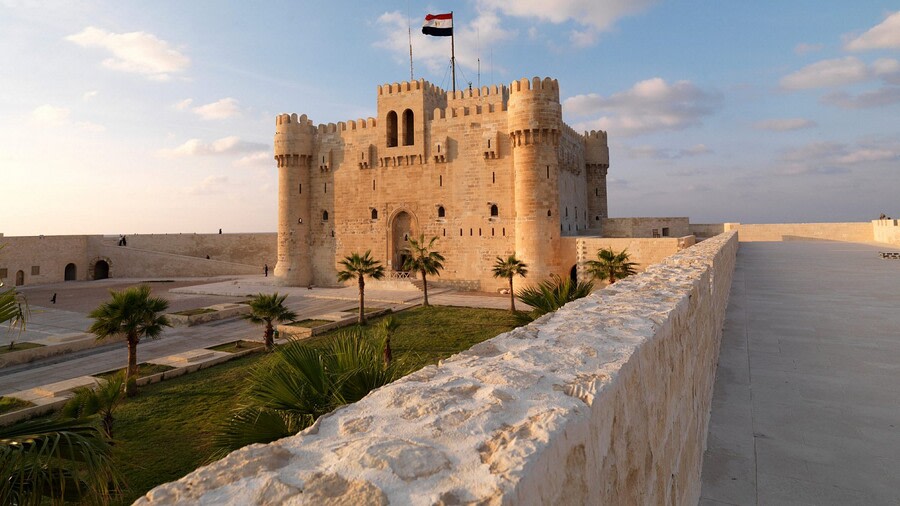
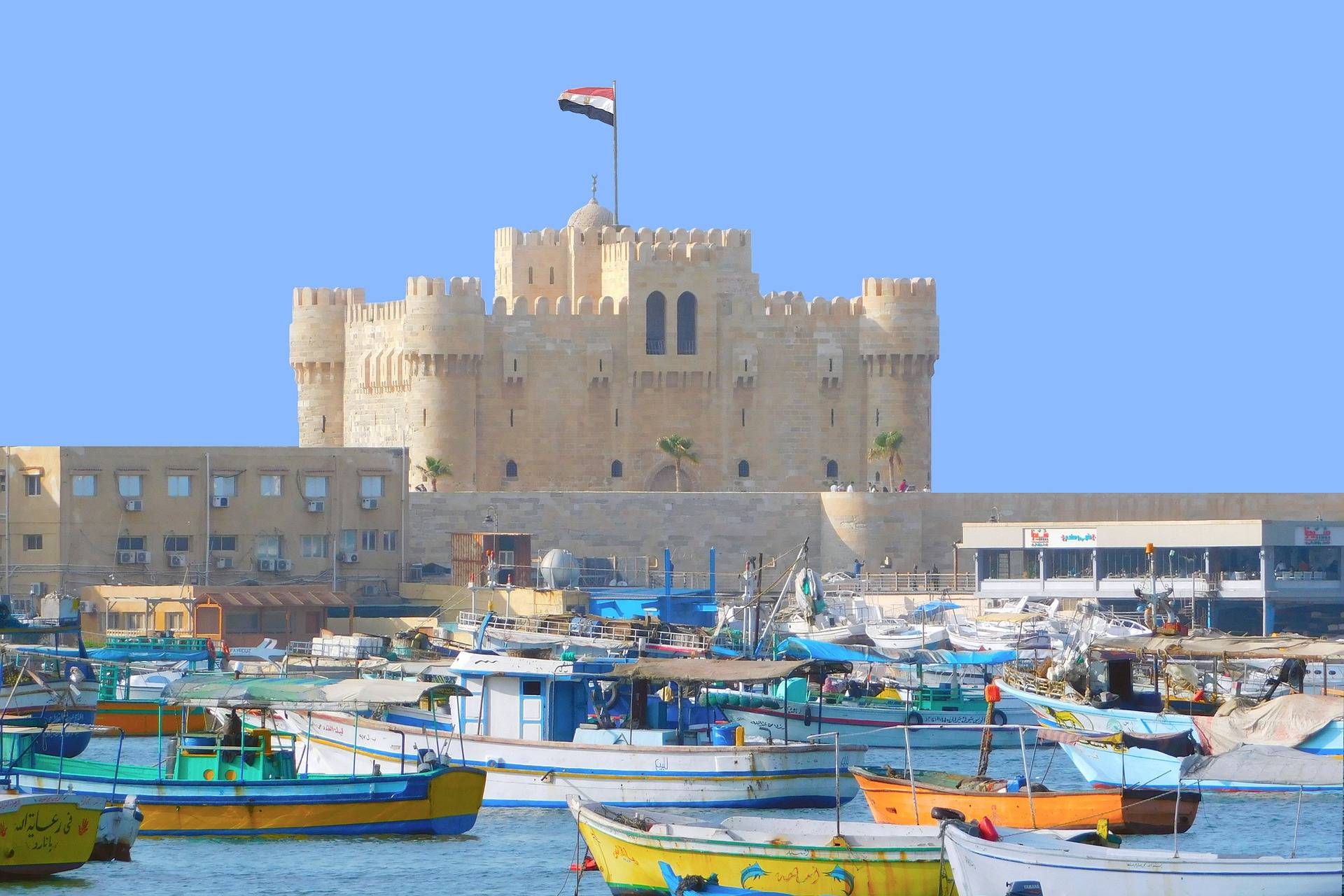
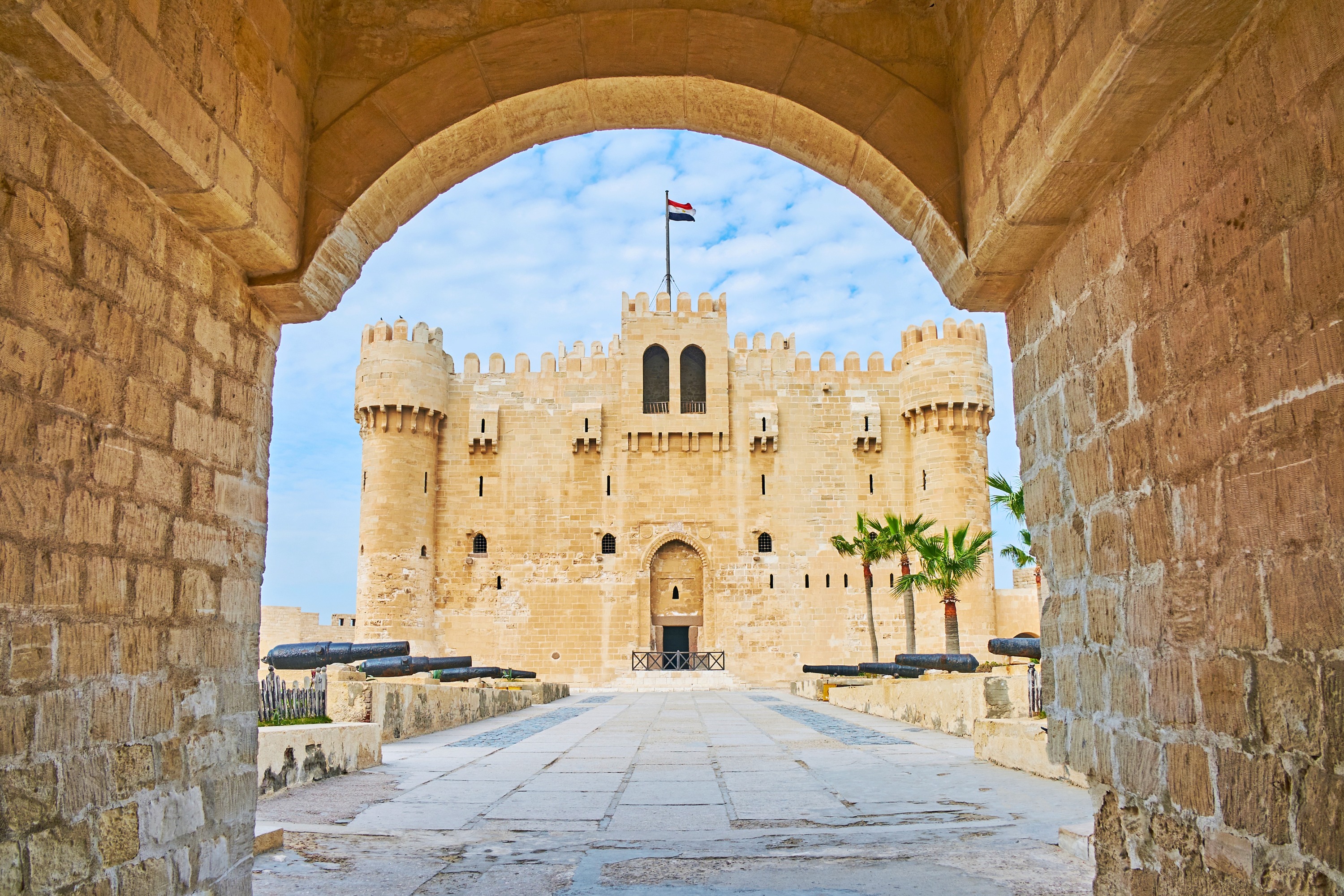
The Citadel of Qaitbay (or the Fort of Qaitbay; Arabic: قلعة قايتباي) is a 15th-century defensive fortress located on the Mediterranean sea coast, in Alexandria, Egypt. It was built from 1477 to 1479 AD (882–884 AH) by Sultan Al-Ashraf Sayf al-Din Qa'it Bay.[2] The Citadel is situated on the eastern side of the northern tip of Pharos Island at the mouth of the Eastern Harbour.[3]
3
Stop 3
The catacombs of Kom El Shoqafa (Arabic: مقابر كوم الشقافة, romanized: Maqābir Kūm al-Shuqāfah, lit. 'Mound of Shards')[1] is a historical archaeological site located in Alexandria, Egypt, and is considered one of the Seven Wonders of the Middle Ages.[2]
The necropolis consists of a series of Alexandrian tombs, statues and archaeological objects of the Pharaonic funerary cult with Hellenistic and early Imperial Roman influences. Due to the time period, many of the features of the catacombs of Kom El Shoqafa merge Roman, Greek and Egyptian cultural points; some statues are Egyptian in style, yet bear Roman clothes and hair style whilst other features share a similar style. A circular staircase, which was often used to transport deceased bodies down the middle of it, leads down into the tombs that were tunneled into the bedrock during the age of the Antonine emperors (2nd century CE).
4
Roman theatres derive from and are part of the overall evolution of earlier Greek theatres. Much of the architectural influence on the Romans came from the Greeks, and theatre structural design was no different from other buildings. However, Roman theatres have specific differences, such as generally being built upon their own foundations instead of earthen works or a hillside and being completely enclosed on all sides.
5
The Abu al-Abbas al-Mursi Mosque (Arabic: جامع أبو العباس المرسي) is an Egyptian mosque in the city of Alexandria. The historic mosque is named after the 13th century mystic Abu'l Abbas al-Mursi, who is also buried in the same place along with members of the Ashraf family.[1]
What's not included
Gratuities
Lunch
Available languages
Audio guide
DE
EN
IT
FR
ES
Guide guide
DE
EN
IT
ES
Important information
Public transportation options are available nearby
Specialized infant seats are available
Not recommended for travelers with spinal injuries
Not recommended for pregnant travelers
Not recommended for travelers with poor cardiovascular health
Suitable for all physical fitness levels
About Alexandria
Alexandria, known as the 'Pearl of the Mediterranean,' is a vibrant coastal city in Egypt, famous for its rich history, ancient landmarks, and beautiful Mediterranean beaches. It was once the center of Hellenistic civilization and the legendary library of Alexandria.
Top Attractions
Bibliotheca Alexandrina
A modern tribute to the ancient Library of Alexandria, this impressive building houses a vast collection of books, a planetarium, and various cultural exhibits.
Historical
2-3 hours
EGP 100 (USD 6) for the library, additional for planetarium shows
Citadel of Qaitbay
This 15th-century fortress stands on the site of the ancient Lighthouse of Alexandria, one of the Seven Wonders of the Ancient World.
Historical
1-2 hours
EGP 100 (USD 6)
Montazah Palace Gardens
A beautiful royal garden with lush greenery, peacocks, and stunning views of the Mediterranean Sea.
Nature
2-3 hours
EGP 50 (USD 3) for the gardens, additional for the palace
Catacombs of Kom El Shoqafa
This ancient necropolis is a fascinating blend of Egyptian, Greek, and Roman funeral art and architecture.
Historical
1-2 hours
EGP 80 (USD 5)
Alexandria National Museum
This museum showcases a vast collection of artifacts spanning the Pharaonic, Greco-Roman, Coptic, and Islamic periods.
Museum
1-2 hours
EGP 100 (USD 6)
Must-Try Local Dishes
Sayadeya
A traditional Egyptian fish dish made with rice, tomato sauce, and spices, cooked with fresh fish.
Main Course
Contains fish and spices.
Koshari
A popular Egyptian street food made with rice, lentils, chickpeas, pasta, and a spicy tomato sauce.
Main Course
Vegetarian, can be made vegan.
Grilled Seafood
Freshly caught seafood, such as shrimp, squid, and fish, grilled to perfection and served with lemon and spices.
Main Course
Contains seafood.
Baklava
A sweet pastry made with layers of filo dough, nuts, and honey syrup.
Dessert
Vegetarian, contains nuts.
Popular Activities
Hiking in Wadi El Natrun
Scuba diving and snorkeling in the Mediterranean
Beach lounging and swimming
Spa and wellness treatments
Visiting historic sites and museums
Exploring local markets and shops
Swimming and sunbathing
Boat tours and water sports
Best Time to Visit
October to April
This period offers pleasant weather with mild temperatures, making it ideal for sightseeing and beach activities. The city is lively with tourists and cultural events.
15°C to 25°C
59°F to 77°F
Practical Information
Language
- Official: Arabic
- Widely spoken: English, French
- English: Moderately spoken in tourist areas, limited in other areas
Currency
Egyptian Pound (EGP)
Time Zone
EET (UTC +2)
Electricity
220VV, 50HzHz
Safety Information
Overall Safety Rating: Exercise caution
Alexandria is generally safe for travelers, but petty crime, such as pickpocketing and scams, can occur in crowded areas and tourist hotspots. Be aware of your surroundings and take precautions to protect your belongings.
Important Precautions:
- • Be cautious of your surroundings and keep your belongings secure, especially in crowded areas and tourist hotspots.
- • Use reputable tour companies and guides for excursions and activities.
- • Be wary of strangers offering help or services, as they may be trying to scam you.
Getting there
By air
- Borg El Arab Airport • 30 km (19 miles) from city center
By train
Alexandria Railway Station
By bus
Al-Ibrahimiyah Bus Station, Sidi Gaber Bus Station
Getting around
Public transport
Buses are the most common form of public transport, covering most of the city. They are affordable but can be crowded.
Taxis
Available • Apps: Uber, Careem
Rentals
Car, Bike, Scooter
Neighborhoods
Downtown Alexandria
Chatby
Montazah
Stanley
Day trips
El Alamein
130 km (81 miles) from Alexandria • Full day
A historic town known for its World War II battlefields and memorials, as well as its beautiful beaches and resorts.
Rosetta
50 km (31 miles) from Alexandria • Half day
A historic town known for its ancient ruins and the Rosetta Stone, which helped decipher Egyptian hieroglyphs.
Wadi El Natrun
100 km (62 miles) from Alexandria • Full day
A valley known for its ancient Coptic monasteries and religious sites, as well as its natural beauty and hiking opportunities.
Festivals
Alexandria Film Festival • September
Alexandria Library Festival • April
Eid al-Fitr • Varies (depends on the Islamic lunar calendar)
Pro tips
- Visit the Bibliotheca Alexandrina and its cultural exhibits to learn about the city's rich history and intellectual heritage.
- Explore the ancient catacombs and necropolises, such as the Catacombs of Kom El Shoqafa, to discover the city's fascinating past.
- Enjoy the city's beautiful beaches and Mediterranean views, and consider taking a boat tour or water sports activity.
- Sample the local cuisine, including fresh seafood and traditional Egyptian dishes, at the city's many restaurants and cafes.
- Experience the city's vibrant cultural scene, with a variety of performances, festivals, and events throughout the year.
From $25
per person
Price varies by option
Secure booking
Free cancellation available
Instant confirmation