Dubrovnik Coast and Cavtat Shore Excursion
Active
4h
For a full refund, cancel at least 24 hours before the scheduled departure time.
Instant confirmation
Mobile or paper ticket accepted
About this experience
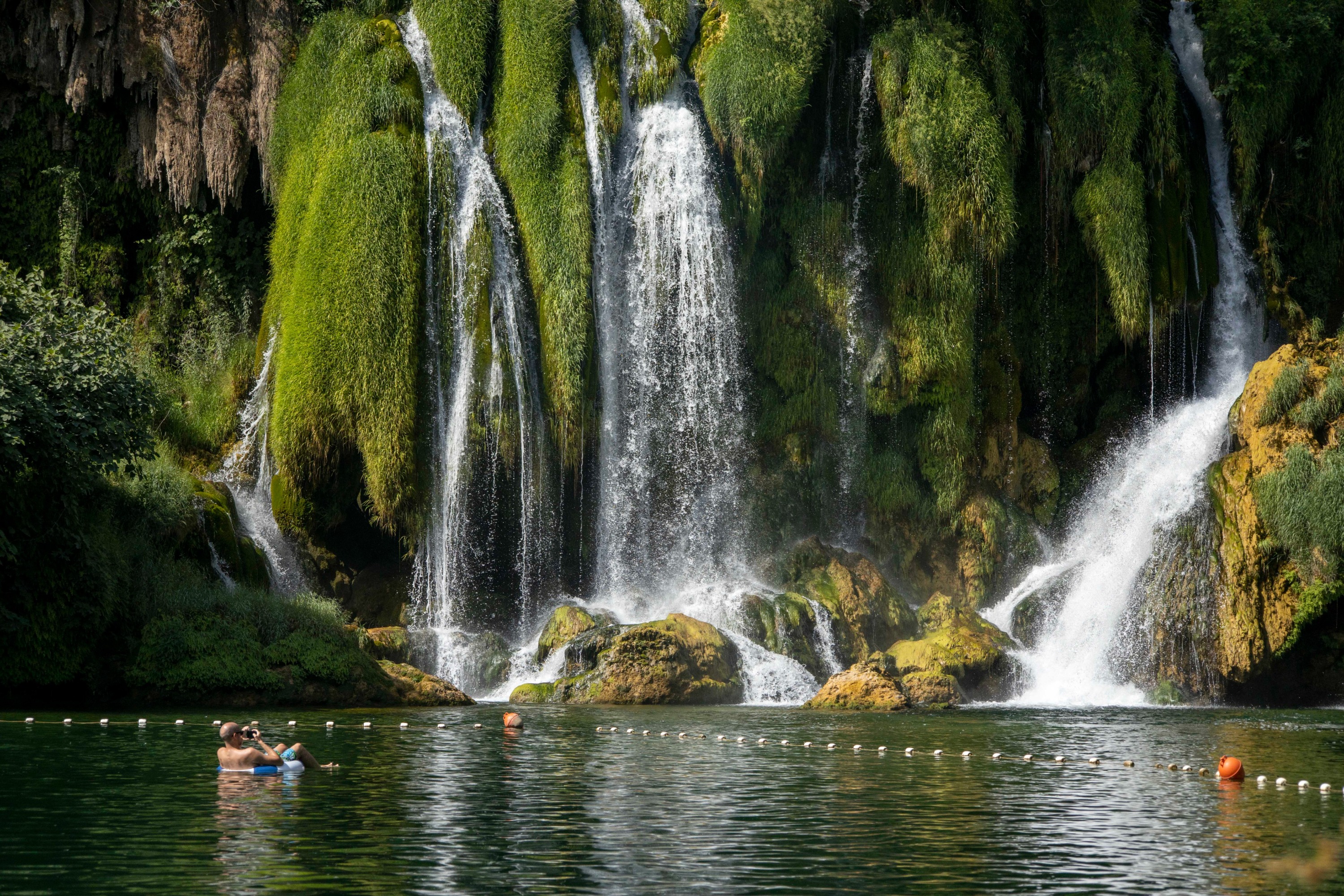
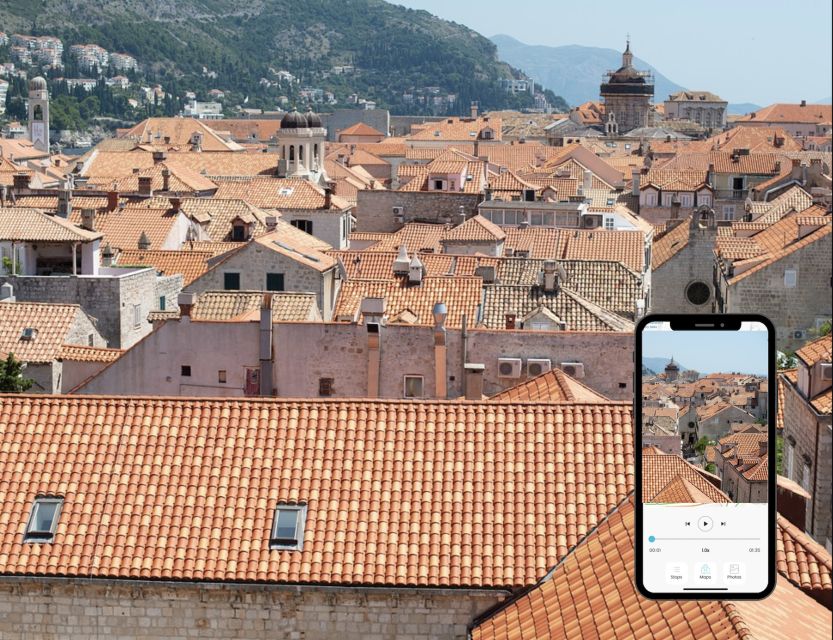
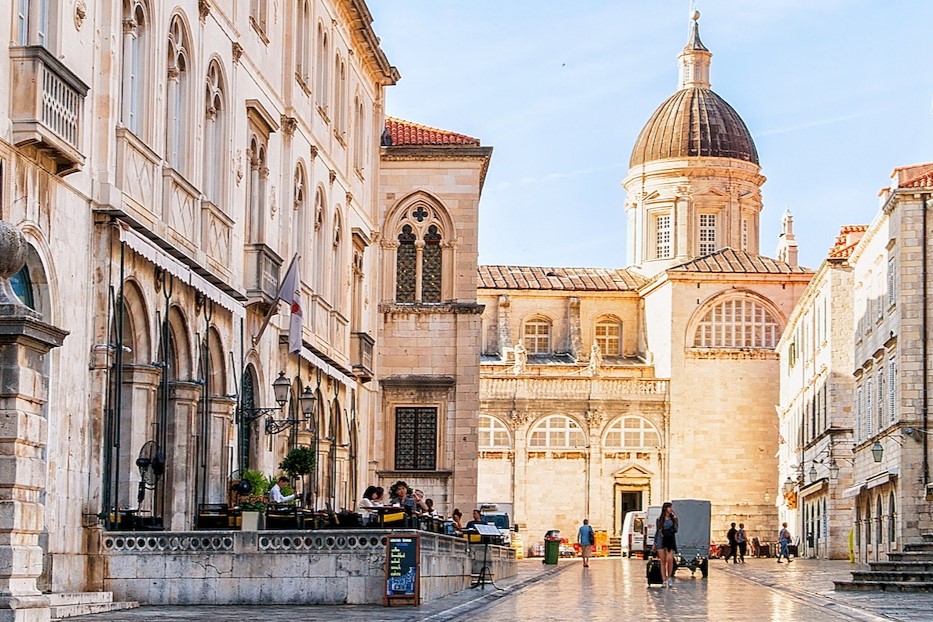
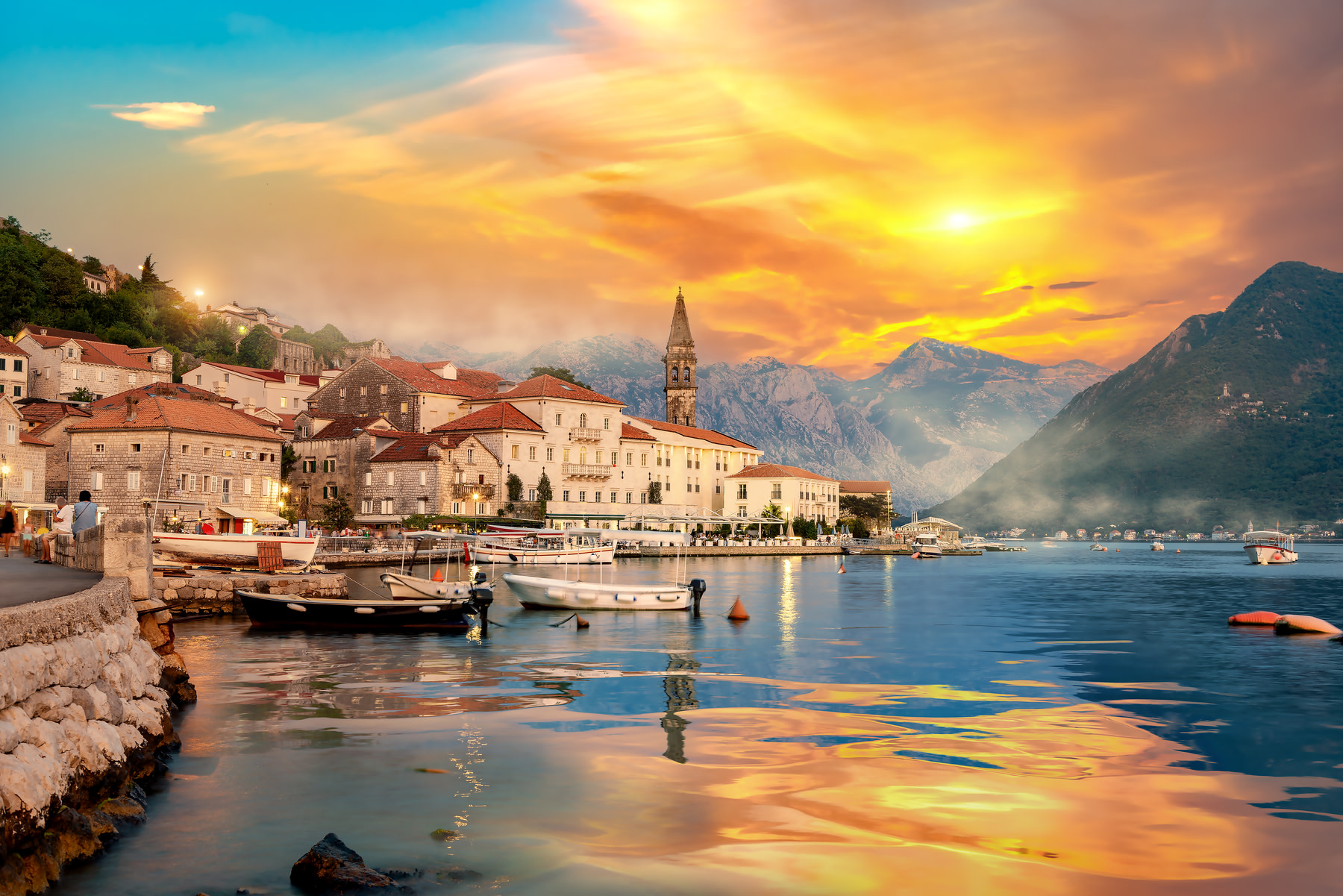
Our guests will visit the best sightseeing spots outside of Dubrovnik on a half-day tour which takes you to best photo-points in Dubrovnik and to a coastal town Cavtat. Our guests will visit the spring of river Ombla, a hidden gem with a small cascade coming straight from the mountain, enjoy the breathtaking view over the Old Town from the Mt. Srd, visit a Homeland War Museum and take a walk through Cavtat
Available options
Dubrovnik Coast and Cavtat Shore Excursion
Pickup included
What's included
Optional private tour
30min visit to Cavtat
English speaking driver/guide (other languages available upon request)
Optional Private 1.5 hour walking tour in the Old Town of Dubrovnik with a professional guide
Hotel/accommodation or cruise ship pick-up and drop-off
Live commentary on board
Insurance
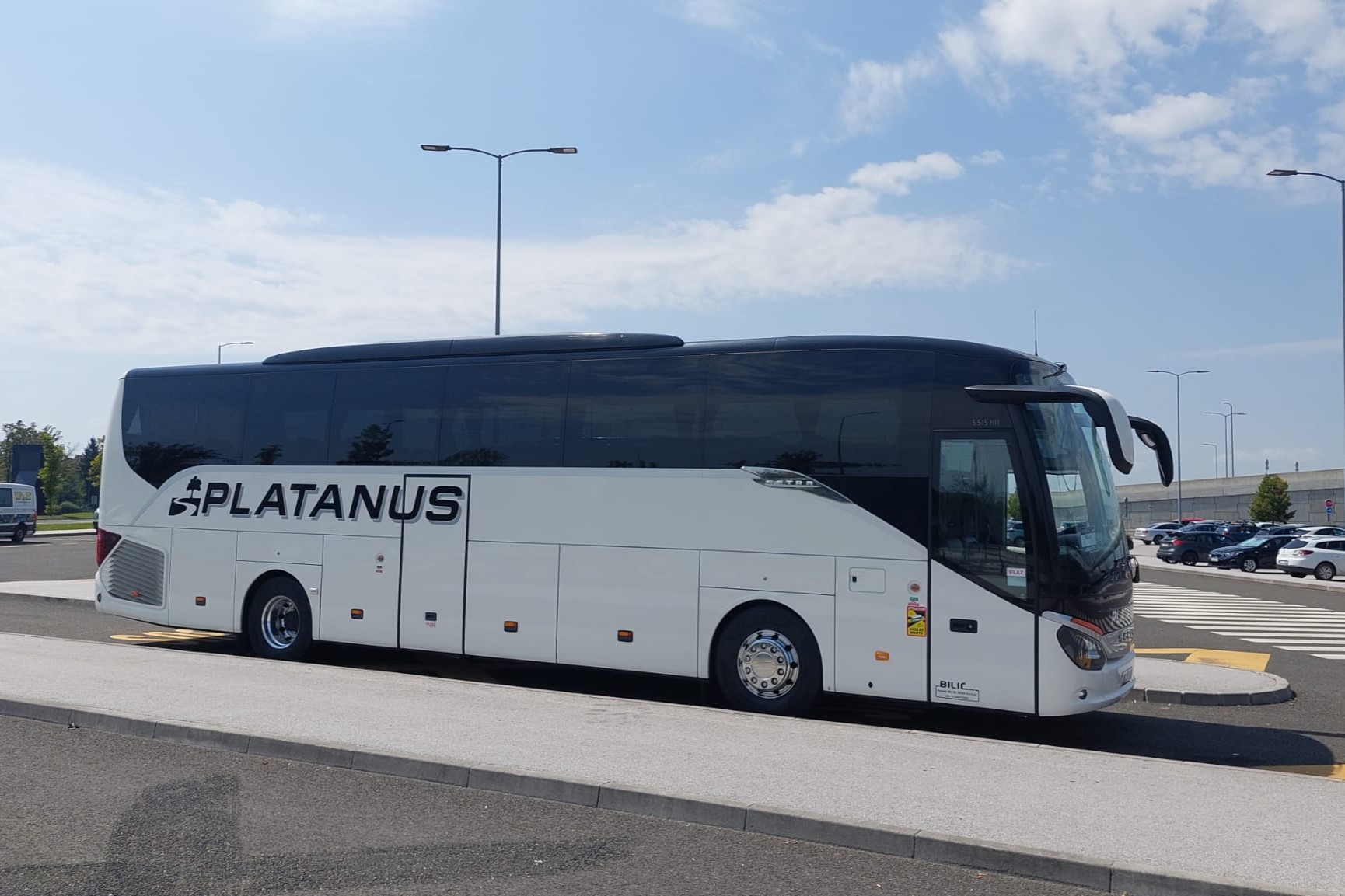
Transport by fully A/C comfortable touristic vehicle
Detailed itinerary
1
The Franjo Tuđman Bridge (Croatian: Most dr. Franja Tuđmana) is a cable-stayed bridge carrying the D8 state road at the western approach to Dubrovnik, Croatia across Rijeka Dubrovačka near Port of Gruž. The original bridge design was developed in 1989; however, construction was stopped at the onset of the Croatian War of Independence. The bridge has been redesigned by Structures Department of the University of Zagreb Faculty of Civil Engineering and the design employed has been developed by Zlatko Šavor.Construction of the bridge started in October 1998. The construction works were carried out by Walter Bau AG and Konstruktor, Split.[3] Construction was completed in April 2002, and the bridge was officially opened on May 21, 2002. The bridge construction costs were reportedly 252 million Croatian kuna (c. US$31 million) making Franjo Tuđman Bridge the most expensive bridge in Croatia.[2][5] Opening of the bridge was characterized by delays due to various permit requirements, so the opening and dedication ceremony was delayed five times.
2
Stop 2
The Ombla is a short river in Croatia, northeast of Dubrovnik. Its course is approximately 30 metres (98 feet) long, and it empties into the Rijeka Dubrovačka embayment of the Adriatic Sea near Komolac in Dubrovnik-Neretva County. Rijeka Dubrovačka is actually a ria, a flooded river valley formed through changes in sea surface elevation on a geologic time scale. The river rises as a karst spring fed by groundwater replenished by Trebišnjica, which is an influent stream flowing in Popovo Polje, in the immediate hinterland of the Ombla. The elevation difference between the river's source and its mouth is just over 2 metres (6 feet 7 inches). The average discharge of the river is 24.1 cubic metres (850 cubic feet) per second. The drainage basin of the Ombla encompasses 600 square kilometres (230 square miles) and, besides the short surface course, includes only groundwater flow.
3
Stop 3
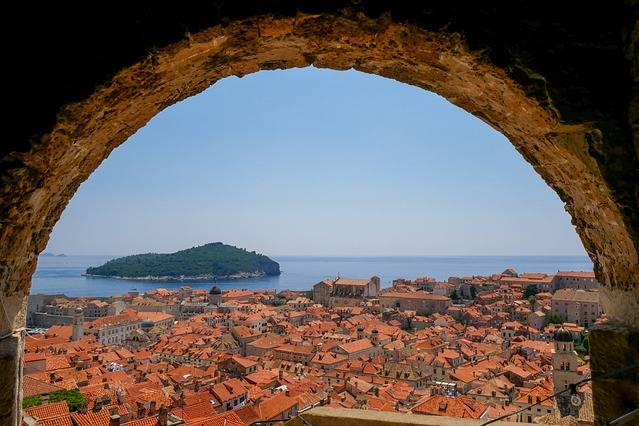
Srđ is a low mountain just behind the walled city of Dubrovnik in Dalmatia, Croatia.[1] The mountain, part of the Dinaric Alps, has a height of 412 metres (1,352 ft).[2] At its top is a large white stone cross and Fort Imperial, a defensive structure built by the French in 1810 during the Napoleonic Wars. Srđ is popular with tourists as a viewpoint[1] from which it is possible to see the walled city of Dubrovnik, Lokrum island, the Adriatic Sea and various local attractions (including restaurants and the Stradun).
4
Stop 4
Cavtat (Croatian pronunciation: [t͡sǎʋtat],Italian: Ragusa Vecchia, lit. 'Old Ragusa') is a village in the Dubrovnik-Neretva County of Croatia. It is on the Adriatic Sea coast 15 kilometres (9 miles) south of Dubrovnik and is the centre of the Konavle municipality.The original city was founded by the Greeks in the 6th century BC under the name of Epidaurus (or Epidauros, Greek: Επίδαυρος).[3][4] The surrounding area was inhabited by the Illyrians, who called the city Zaptal.[5]
The town changed its name to Epidaurum when it came under Roman rule in 228 BC. Justinian I the Emperor of the Byzantine Empire sent his fleet to Cavtat during the Gothic War (535–554)[6] and occupied the town.
The city was sacked and destroyed by the Avars and Slavs in the 7th century.[7] Refugees from Epidaurum fled to the nearby island, Laus (Ragusa) which over time evolved into the city of Dubrovnik.[8]
Middle Ages
Edit
The town was re-established in the Middle Ages (Italian: Ragusa Vecchia).[9][10] After a short while it came under the control of its powerful neighbor, the Republic of Ragusa.
The modern Croatian name for the city reveals its ancient origins and its link with Dubrovnik. Cavtat is derived from Civitas Vetus, that means old city in Latin Language.
What's not included
Gratuities
Available languages
Written guide
DE
RU
IT
FR
Guide guide
EN
ES
Reviews breakdown
Viator
3.2
5 reviews
5★
2
4★
1
3★
0
2★
0
1★
2
Tripadvisor
4.7
3 reviews
5★
2
4★
1
3★
0
2★
0
1★
0
Important information
Infants and small children can ride in a pram or stroller
Public transportation options are available nearby
Specialized infant seats are available
Suitable for all physical fitness levels
Minimum 1 numbers apply. There is a possibility of cancellation after confirmation if there are not enough passengers to meet requirements. In the event of this occurring, you will be offered an alternative or full refund
Important notes
Confirmation will be received at time of booking
Children must be accompanied by an adult
Infant seats are available on request if advised at time of booking
Transportation method: Renaul Grand Senic for 1 – 7 person, Opel Vivaro van for 5 – 8 person, MB Sprinter minibus for 9 – 19 person
Hop-on hop-off tour with stops near cruise port
Times are subject to change due to local traffic conditions.
Tour departs within walking distance of the cruise port
Hotel pickups commence prior to this time, you must contact the local service provider to verify your exact pickup time.
Hotel pickups commence prior to this time
Hotel pickups commence approximately 30 - 60 minutes prior to this time, exact pickup time will be advised on reconfirmation.
Valid from the time you exchange your voucher, for the duration selected.
About Dubrovnik
Dubrovnik is a historic coastal city known for its stunning Old Town, medieval walls, and Adriatic Sea views. A UNESCO World Heritage site, it's famous for its well-preserved architecture, cultural heritage, and as a filming location for 'Game of Thrones'.
Top Attractions
Old Town
The heart of Dubrovnik, a UNESCO World Heritage site with medieval architecture, historic sites, and charming streets.
Historical
Half day to full day
Free to explore, individual attractions may have entry fees
City Walls
The iconic medieval walls surrounding the Old Town, offering stunning views of the city and the Adriatic Sea.
Historical
1-2 hours
250 HRK (~34 EUR)
Lokrum Island
A small island near Dubrovnik with lush vegetation, historic sites, and peacocks roaming freely.
Nature
Half day
100 HRK (~14 EUR) for ferry and entrance
Mount Srđ
A mountain overlooking Dubrovnik, offering panoramic views of the city and the Adriatic Sea.
Nature
1-2 hours
200 HRK (~27 EUR) for cable car round trip
Dubrovnik Cathedral
A beautiful Baroque cathedral with a rich history and a museum housing religious artifacts.
Religious
30 minutes to 1 hour
50 HRK (~7 EUR) for the museum
Must-Try Local Dishes
Black Risotto (Crni Rižot)
A traditional Dalmatian dish made with cuttlefish or squid ink, giving it a distinctive black color. It's often served with a side of white wine.
Main Course
Contains seafood, not suitable for vegetarians or those with seafood allergies.
Peka
A slow-cooked dish made with meat (lamb, veal, or octopus) and vegetables, cooked under a bell-like lid with hot coals on top.
Main Course
Can be made with meat or seafood, not suitable for vegetarians.
Rožata
A traditional Dalmatian dessert similar to crème caramel, made with eggs, sugar, and cream, and flavored with lemon or orange zest.
Dessert
Contains dairy and eggs, not suitable for vegans.
Popular Activities
Hiking
Kayaking
Rock climbing
Paragliding
Beach relaxation
Spa treatments
Yoga
Meditation
Best Time to Visit
June to September
This is the warmest and sunniest time of year, perfect for beach activities and sightseeing. The city is bustling with tourists, and the sea is at its warmest.
22°C to 35°C
72°F to 95°F
Practical Information
Language
- Official: Croatian
- Widely spoken: English, Italian, German
- English: Widely spoken, especially in tourist areas
Currency
Croatian Kuna (HRK)
Time Zone
CET (UTC +1), CEST (UTC +2) during daylight saving time
Electricity
230VV, 50HzHz
Safety Information
Overall Safety Rating: Generally safe
Dubrovnik is generally a safe destination for travelers, with low crime rates and a welcoming atmosphere. However, as with any tourist destination, it's important to be aware of your surroundings and take precautions to protect yourself and your belongings.
Important Precautions:
- • Keep valuables secure
- • Be cautious of pickpockets in crowded areas
- • Use licensed taxis or ride-sharing apps
Getting there
By air
- Dubrovnik Airport • 20 km from city center
By bus
Dubrovnik Bus Station
Getting around
Public transport
The bus system is efficient and affordable, with frequent services connecting the city center to the airport, ports, and other key locations.
Taxis
Available • Apps: Camme, Bolt
Rentals
Car, Bike, Scooter
Neighborhoods
Old Town
Lapad
Ploče
Day trips
Mljet National Park
100 km from Dubrovnik • Full day
A beautiful national park with lush forests, saltwater lakes, and a small island monastery. Perfect for hiking, swimming, and kayaking.
Kotor, Montenegro
90 km from Dubrovnik • Full day
A charming medieval town with a well-preserved Old Town, surrounded by towering mountains and a stunning bay. A UNESCO World Heritage site.
Cavtat
20 km from Dubrovnik • Half day
A charming coastal town with beautiful beaches, historic sites, and a relaxed atmosphere. A great escape from the bustle of Dubrovnik.
Festivals
Dubrovnik Summer Festival • July to August
Dubrovnik Winter Festival • Late November to early January
Dubrovnik Jazz Festival • Early July
Pro tips
- Visit the City Walls early in the morning or late in the afternoon to avoid crowds and heat
- Take a ferry to the nearby islands for a unique perspective on Dubrovnik and the Adriatic Sea
- Try local dishes like black risotto, peka, and rožata for an authentic taste of Dalmatian cuisine
- Explore the Old Town on foot to discover hidden gems and charming streets
- Take a cable car to Mount Srđ for breathtaking views of the city and the Adriatic Sea
From $25
per person
Price varies by option
Secure booking
Free cancellation available
Instant confirmation