University of Wrocław: Audio Guide & Admission
Active
45m
For a full refund, cancel at least 24 hours before the scheduled departure time.
Instant confirmation
Mobile or paper ticket accepted
About this experience
Discover the fascinating history and magnificent architecture of the University of Wrocław, one of the city’s most treasured landmarks. With an audio guide, explore the richly decorated Baroque interiors of the Aula Leopoldina and Oratorium Marianum—masterpieces of art and architecture filled with ornate sculptures, intricate ceiling frescoes, and centuries of academic tradition. As you wander through these historic halls, learn about the university’s Austrian legacy, the Counter-Reformation, and the influential scholars and musicians, including Johannes Brahms, who once graced its spaces.
Afterward, continue your visit independently to the Mathematical Tower, where you can enjoy breathtaking panoramic views of Wrocław. From this vantage point, take in the city’s skyline while reflecting on its dramatic past—from wartime destruction and shifting borders to the university’s rebirth as a proud Polish institution.
Available options
Audio Guide
What's included
Audio guide available in Spanish, German, English, French, Italian, Polish, Ukrainian, Portuguese.
Entry Ticket to the Museum of the University of Wrocław
All Fees and Taxes
Detailed itinerary
1
Be amazed by the spectacular interiors of Aula Leopoldina, Oratorium Marianum, and the Imperial Staircase as a great example of Austrian baroque
2
Find out why Jahanes Brahms composed the Academic Overture for Wroclaw’s Alma Mater. Learn about 10 Nobel Prize Winners originating from the city. Admire the scenic views of the historic old town and the Odra River from Mathematical Tower
Available languages
Audio guide
DE
PT
UK
EN
IT
PL
FR
ES
Guide guide
EN
PL
Reviews breakdown
Viator
5.0
2 reviews
5★
2
4★
0
3★
0
2★
0
1★
0
Tripadvisor
5.0
3 reviews
5★
3
4★
0
3★
0
2★
0
1★
0
Important information
Public transportation options are available nearby
Suitable for all physical fitness levels
Access to certain rooms may be limited due to events hosted by the University of Wrocław. If any of the rooms are closed on the day of your visit, we will contact you to offer an alternative time or date. If rescheduling is not possible, please keep in mind that you might not be able to see all the rooms described in the tour.
Meeting point
Meet in front of the Fencer Fountain, located in the middle of the University of Wrocław complex. Our coordinator will be waiting for you with a red umbrella.
About Wrocław
Wrocław, Poland's fourth-largest city, is a vibrant hub of culture, history, and architecture. Known for its picturesque Market Square, charming old town, and numerous bridges, it offers a unique blend of medieval charm and modern energy. The city's rich history, diverse architecture, and lively atmosphere make it a must-visit destination in Poland.
Top Attractions
Market Square (Rynek)
The heart of Wrocław, Market Square is one of the largest medieval market squares in Europe. Surrounded by colorful townhouses, historic buildings, and lively cafes, it's a must-visit.
Historical/Architecture
1-2 hours
Free
Wrocław Cathedral
A stunning example of Gothic architecture, Wrocław Cathedral is one of the city's most iconic landmarks. Climb the tower for panoramic views of the city.
Historical/Religious
1-2 hours
Free (tower climb: ~10 PLN)
Centennial Hall (Hala Stulecia)
A UNESCO World Heritage site, Centennial Hall is an iconic example of early 20th-century modernist architecture. It hosts various events and exhibitions.
Architecture/Historical
1-2 hours
Free (events and exhibitions may have fees)
Wrocław Zoo
One of the oldest and most renowned zoos in Poland, Wrocław Zoo is home to a wide variety of animals and beautiful botanical gardens.
Nature/Adventure
2-3 hours
~40 PLN for adults, ~25 PLN for children
Panorama of the Battle of Racławice
A massive 360-degree painting depicting the Battle of Racławice, this panoramic artwork is a unique and immersive experience.
Historical/Cultural
1 hour
~20 PLN
Must-Try Local Dishes
Śląskie Kluski z Bryndzą
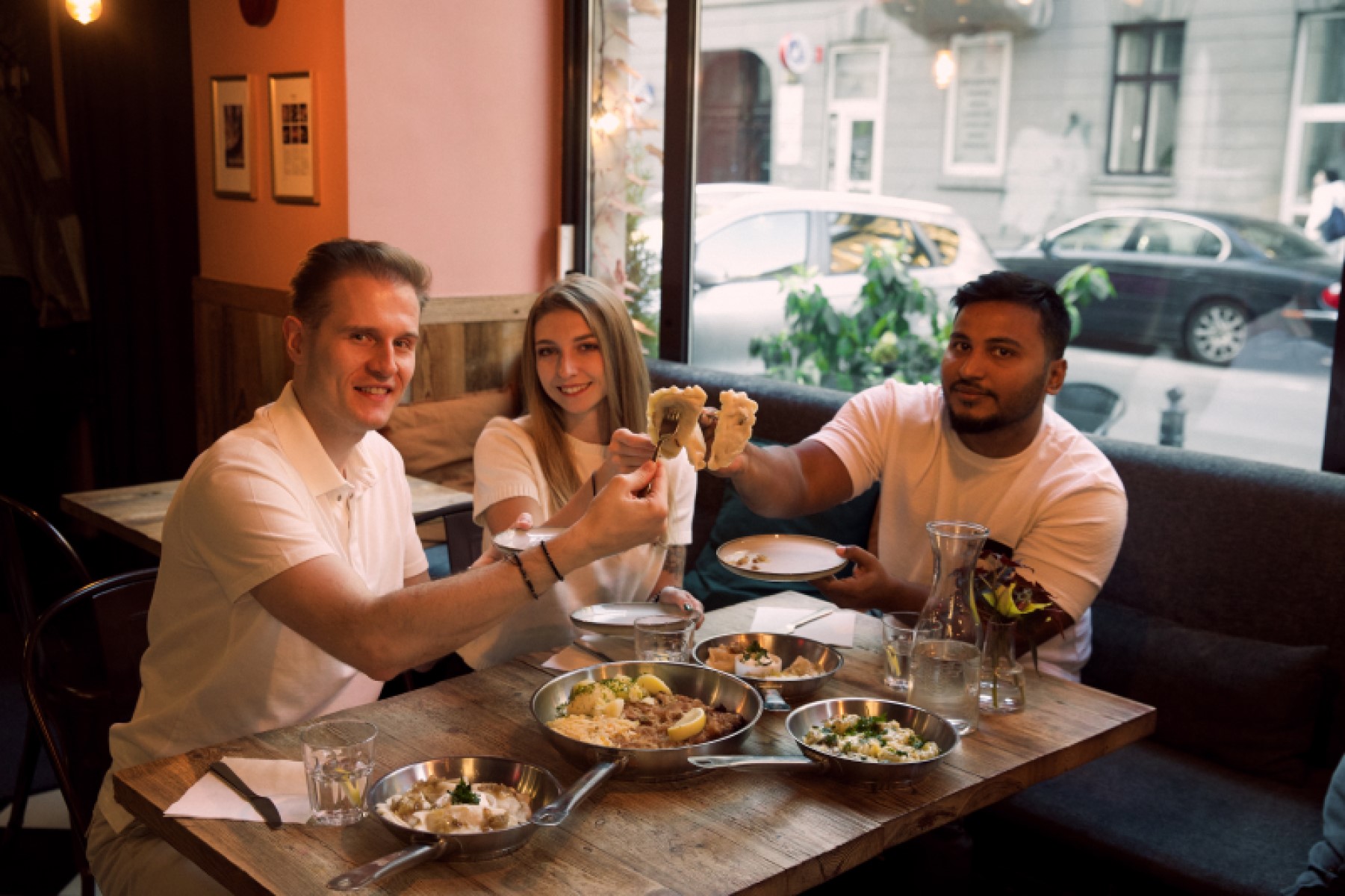
A traditional Silesian dish made with potato dumplings and sheep's cheese.
Main Course
Contains dairy and gluten
Makowiec
A popular Polish pastry filled with poppy seed paste.
Dessert
Contains nuts and gluten
Zapiekanka
A popular street food consisting of a half-baguette topped with various ingredients, typically mushrooms and cheese.
Snack
Can be made vegetarian or vegan
Popular Activities
Hiking in Karkonosze National Park
Cycling around Wrocław
Kayaking on the Oder River
Visiting the Japanese Garden
Spa and wellness treatments
Strolling through Market Square
Exploring museums and galleries
Attending festivals and events
Best Time to Visit
May to September
This period offers the best weather for outdoor activities and sightseeing. The city is lively with festivals and events.
15°C to 25°C
59°F to 77°F
Practical Information
Language
- Official: Polish
- Widely spoken: English, German
- English: Moderately spoken in tourist areas, limited in rural areas
Currency
Polish Złoty (PLN)
Time Zone
GMT+1 (Central European Time, CET)
Electricity
230VV, 50HzHz
Safety Information
Overall Safety Rating: Generally safe
Wrocław is generally a safe city for travelers, with low crime rates and a welcoming atmosphere. However, as with any destination, it's important to stay aware of your surroundings and take basic precautions.
Important Precautions:
- • Keep valuables secure and out of sight
- • Use licensed taxis or app-based services
- • Be cautious when using ATMs, especially at night
Getting there
By air
- Copper Airport Wrocław • 10 km from city center
By train
Wrocław Główny
By bus
Wrocław Bus Station, Wrocław Airport Bus Terminal
Getting around
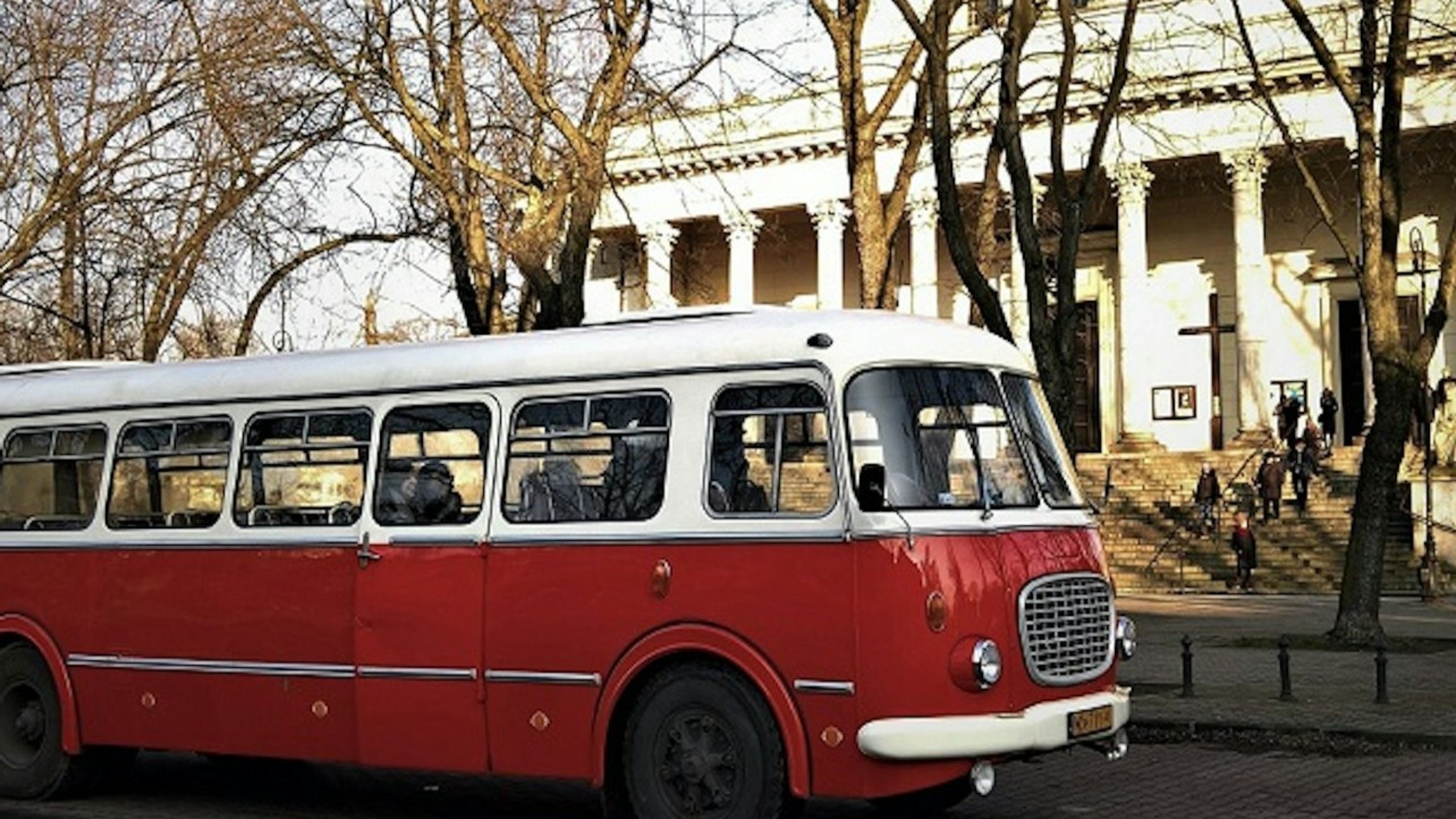
Public transport
The tram system is efficient and covers most of the city. Tickets can be purchased at stations or via the Jakdojade app.
Taxis
Available • Apps: Uber, FreeNow
Rentals
Car, Bike, Scooter
Neighborhoods
Stare Miasto (Old Town)
Ostrów Tumski (Cathedral Island)
Naprzod
Sródmieście
Day trips
Karkonosze National Park
60 km from Wrocław • Full day
A stunning national park in the Karkonosze Mountains, offering beautiful hiking trails, scenic views, and outdoor activities.
Jelenia Góra
80 km from Wrocław • Full day
A charming town in the Karkonosze Mountains, known for its historic architecture, museums, and proximity to nature.
Legnickie Pole
20 km from Wrocław • Half day
A small town near Wrocław, known for its historical significance and the Battle of Legnica museum.
Festivals
Jazz Festival • May
Wratislavia Cantans • September
Wrocław Christmas Market • December
Pro tips
- Explore the city's hidden gnomes (dwarfs) by joining a guided tour or using a gnome map
- Visit the Panorama of the Battle of Racławice for a unique and immersive historical experience
- Stroll through the Japanese Garden for a peaceful and scenic escape from the bustling city
- Try local specialties like Śląskie Kluski z Bryndzą and Makowiec at traditional Polish restaurants
- Use the Jakdojade app for real-time public transport schedules and navigation
From $25
per person
Price varies by option
Secure booking
Free cancellation available
Instant confirmation