Acropolis and Agora Tour: The Rise & Fall of Democracy
Active
3h
For a full refund, cancel at least 24 hours before the scheduled departure time.
Instant_then_manual confirmation
Mobile or paper ticket accepted
About this experience
**Smallest group size in Athens!**
For centuries, ancient Athenians experimented with a variety of political regimes until they invented the one that suited them best... or so they thought! Visit the Acropolis & the Ancient Agora, learn the backstory on how democracy was born, and understand its principles, its values, the purposes it served, and, ultimately, the reasons for its failure.
Walk in the footsteps of the great minds that established Democracy: Socrates, Pericles, Solon, and Cleisthenes. Explore the Ancient Agora, the heart of ancient Athens, where democracy was first born. Understand why democracy was an experiment, the values and principles it served, and the reasons for its failure. Discover how contemporary democracy compares to Ancient Greek Democracy
Available options
Tour in English
Tour in French
What's included
Small group tour
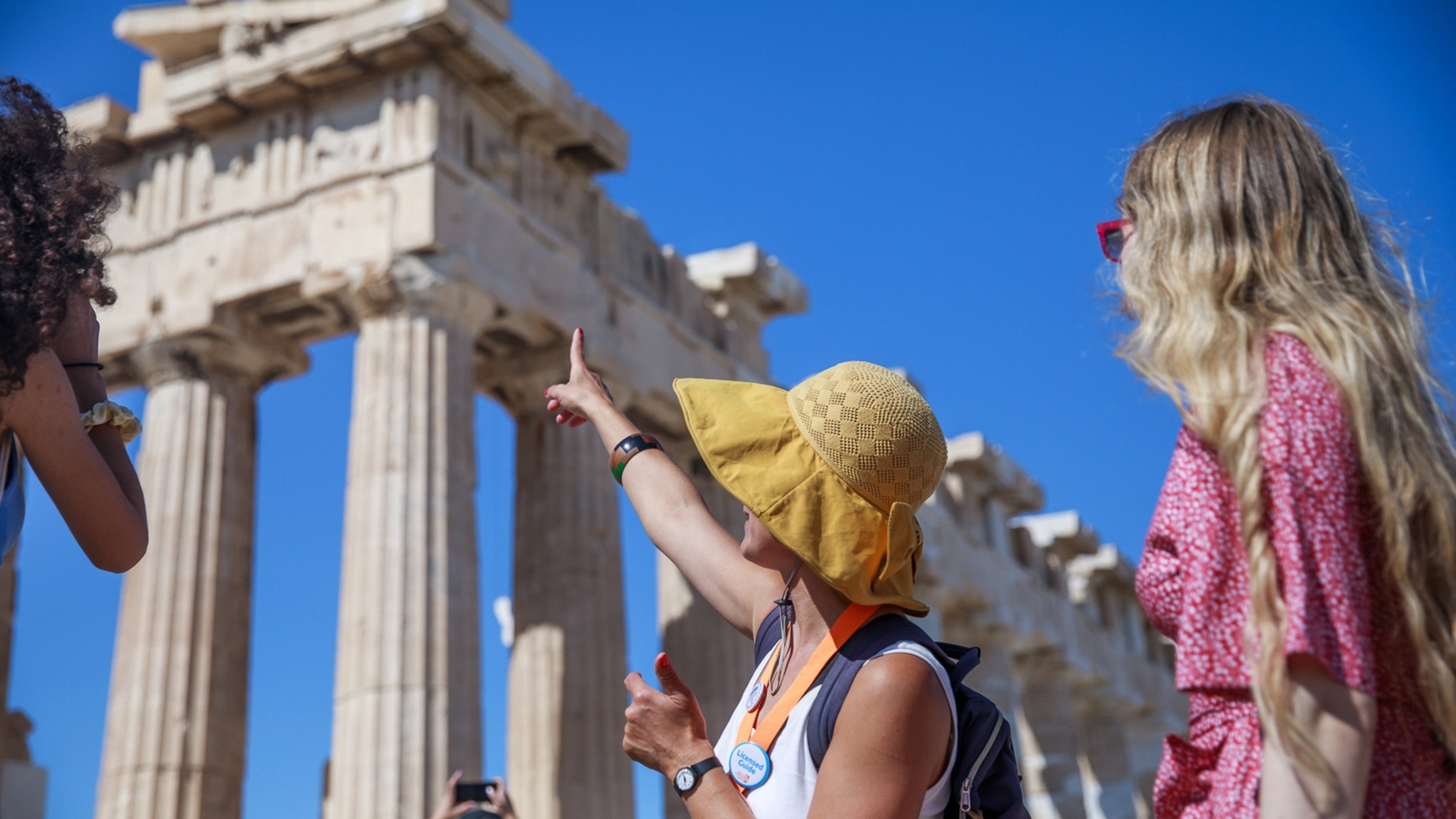
Expert certified guide
Fun ancient Athens map
Detailed itinerary
1
Stop 1
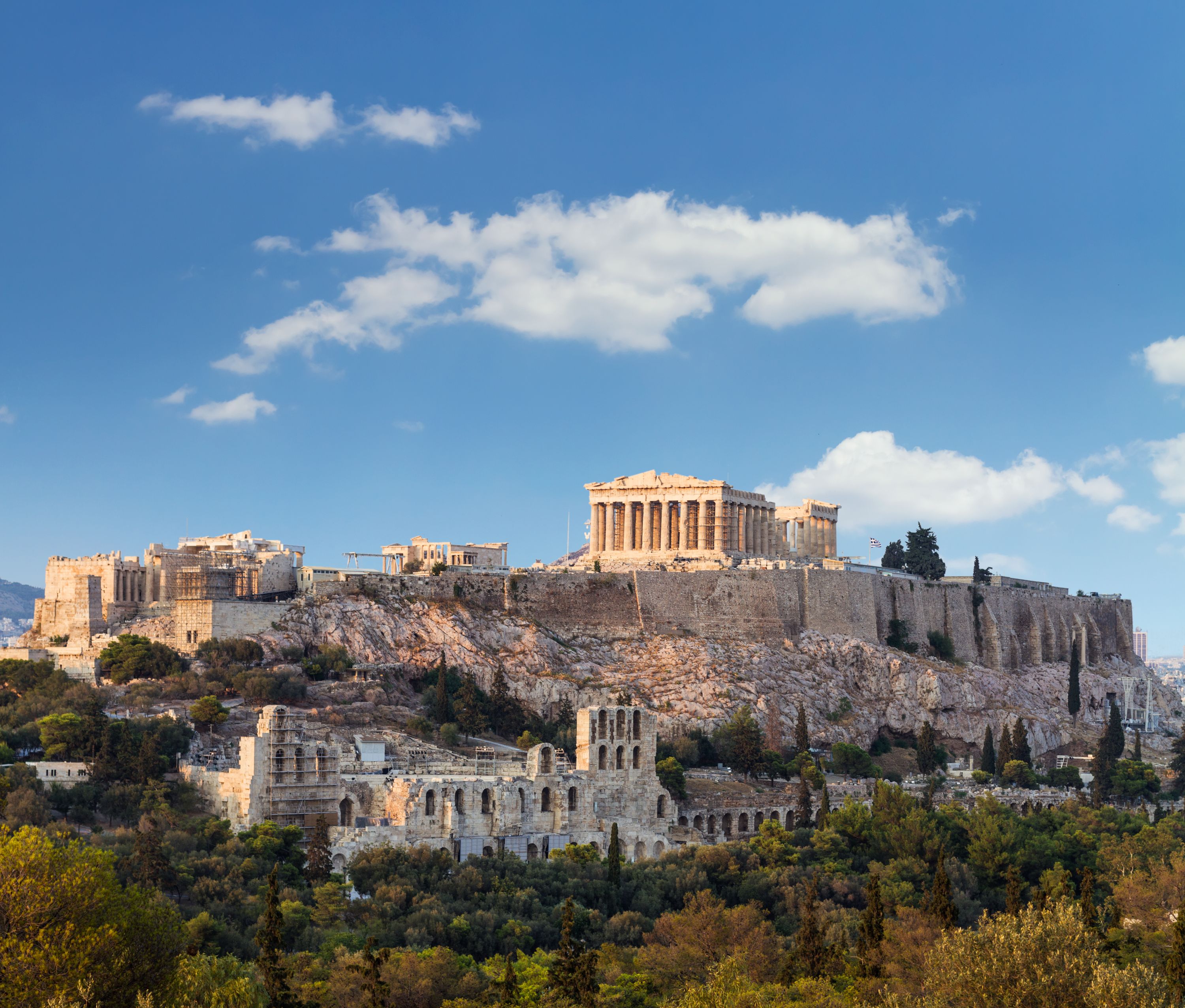
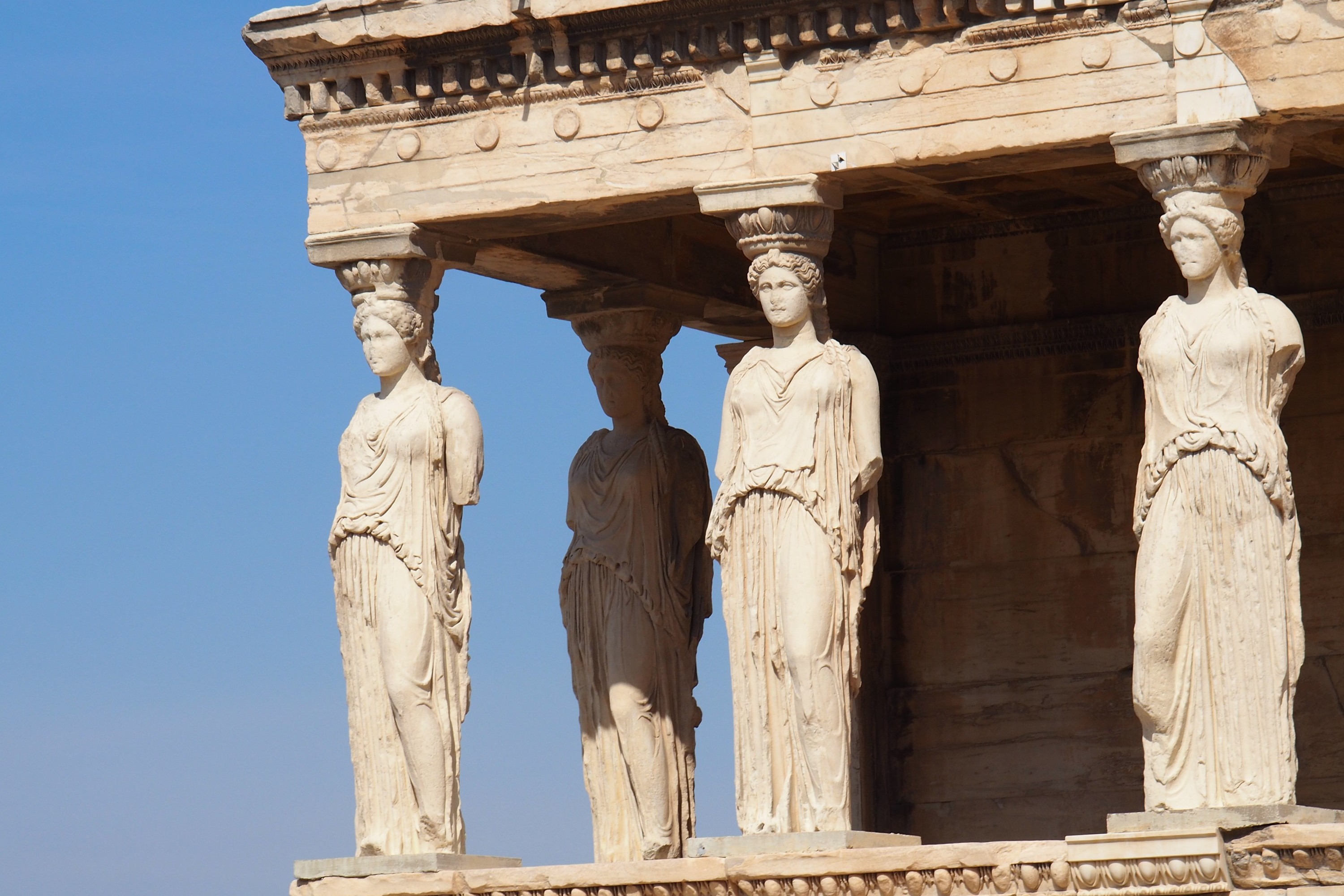
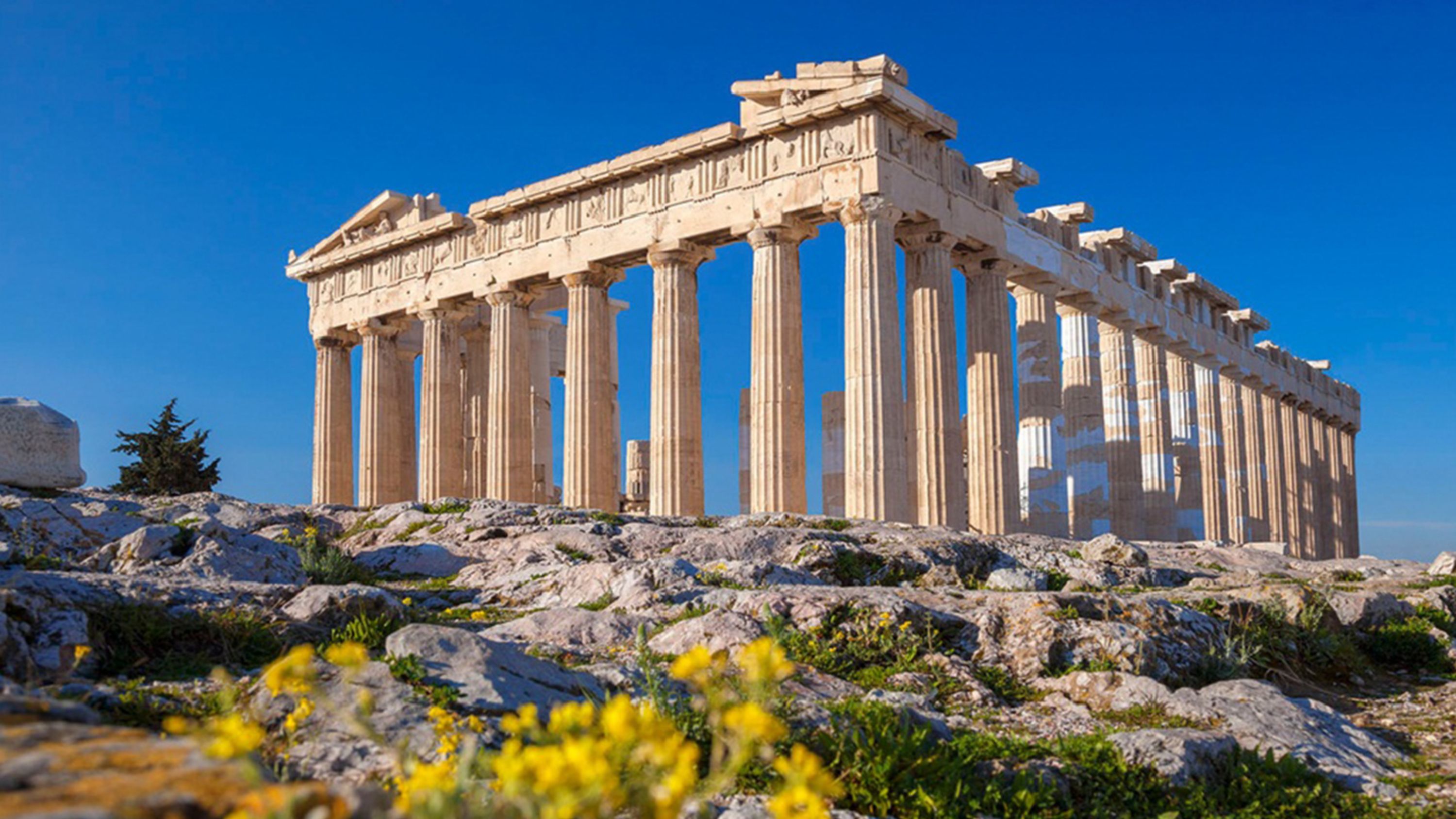
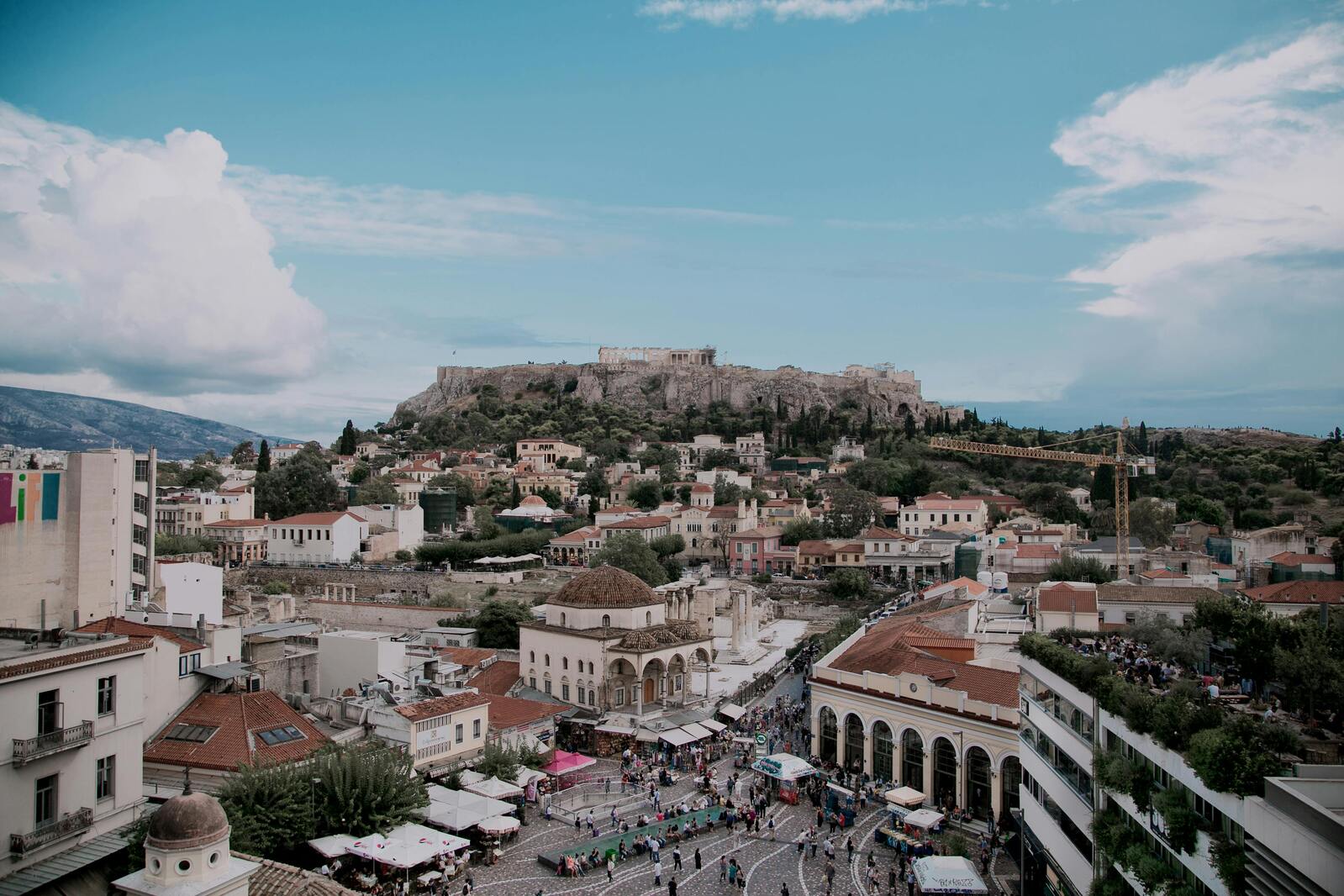
The greatest and finest sanctuary of ancient Athens, dedicated primarily to its patron, the goddess Athena, has been dominating the center of the City for Millenia. The monuments of the Acropolis (the Parthenon, the Temple of Athena Nike, the Erechteion, the Propylae, the Theater of Dionysus), all unique masterpieces of ancient architecture, have influenced art and culture for many centuries and stand in harmony with their natural setting.
2
Stop 2
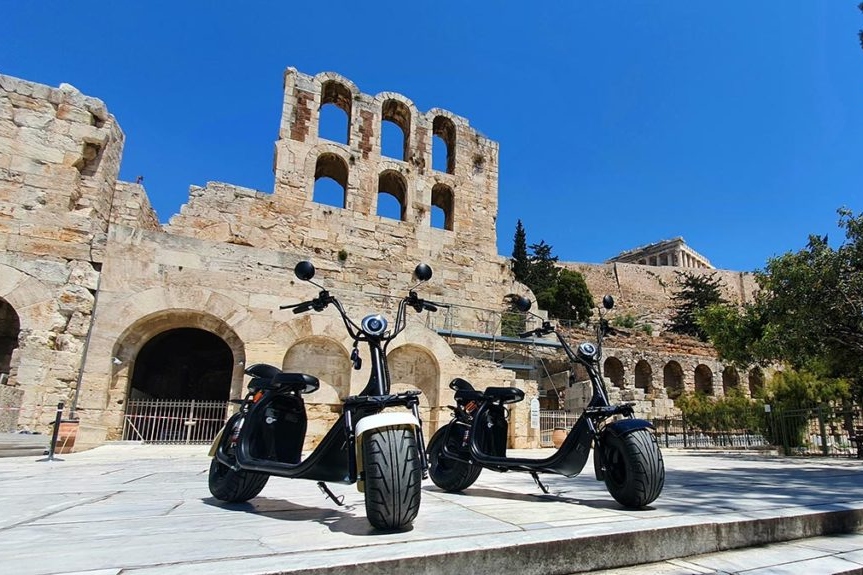
Dionysus was the god of wine and grape harvest. The theatre of Dionysus was the oldest to be founded in Athens; it was in this theatre that the unsurpassed works by Aeschylus, Sophocles, Euripides and Aristophanes were performed for the first time.
3
Stop 3
The Temple of Athena Nike was dedicated to the goddesses Athena and Nike. Nike was the goddess of victory in Greek mythology, and Athena was worshipped in this form, representative of being victorious in war. It is said that the cult statue of the goddess at the temple had no wings so that she would never leave Athens.
4
Stop 4
The Erechtheion is an ancient Greek temple constructed on the Acropolis of Athens in order to house the ancient wooden cult statue of Athena and generally glorify the great city at the height of its power and influence.
5
Stop 5
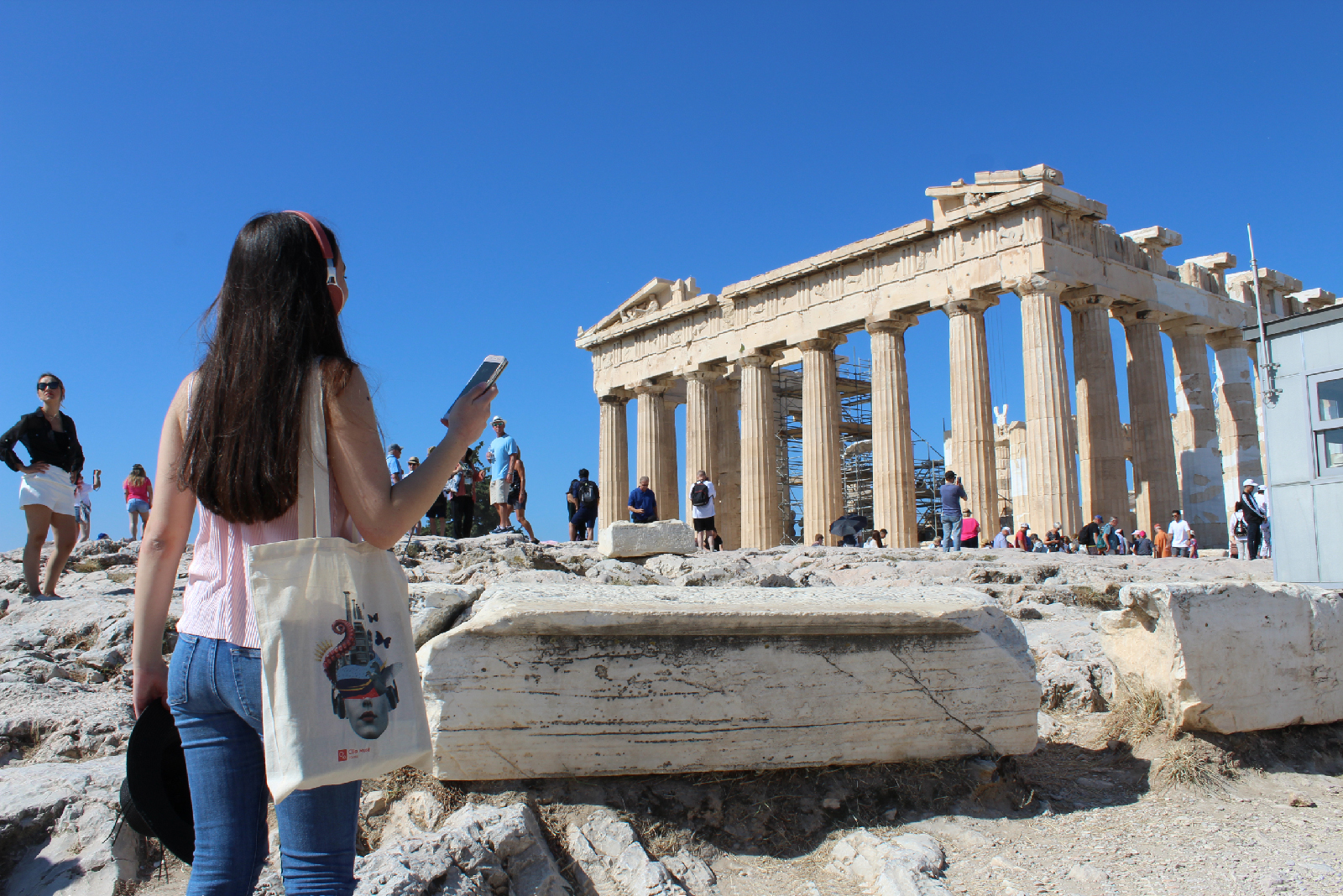
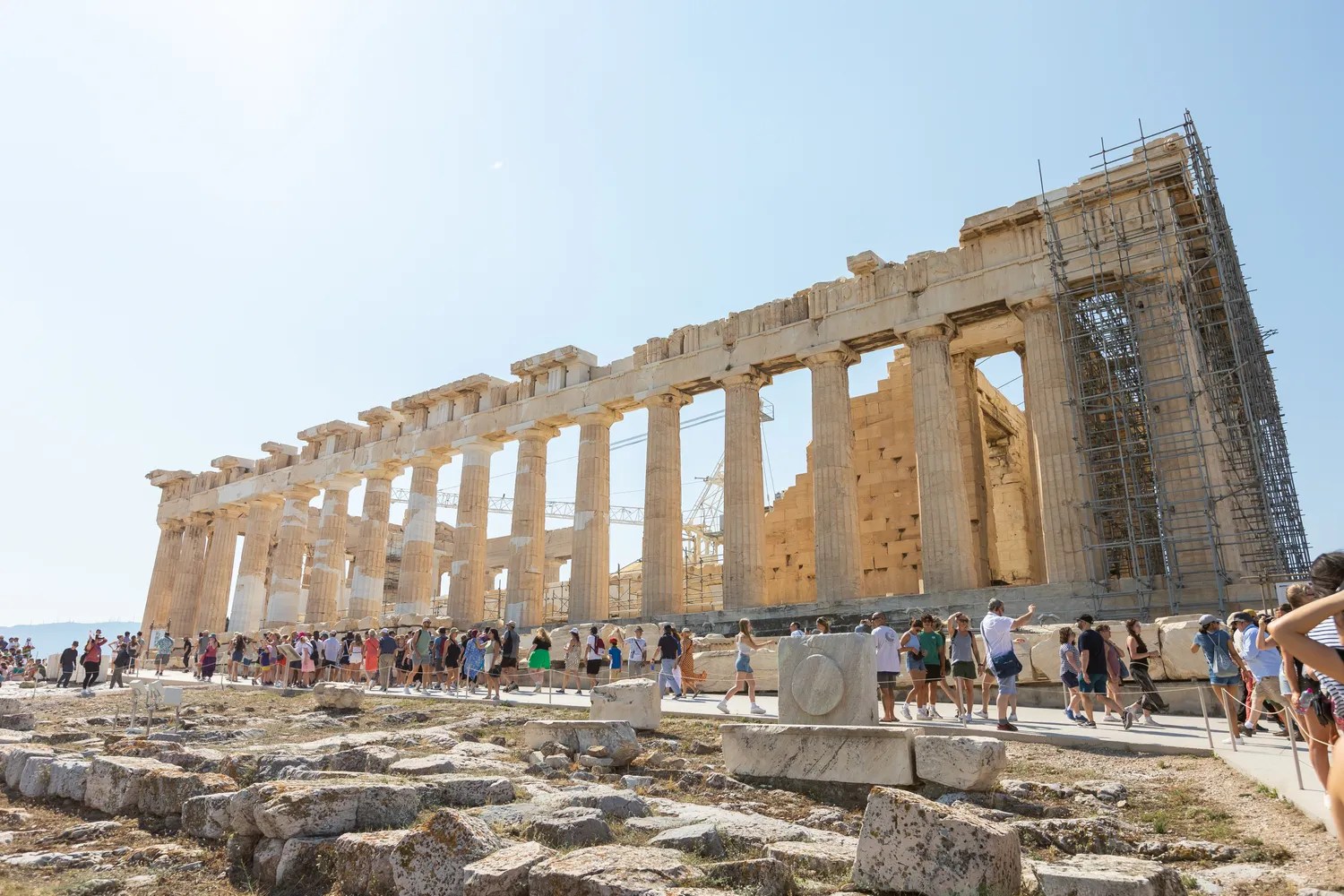
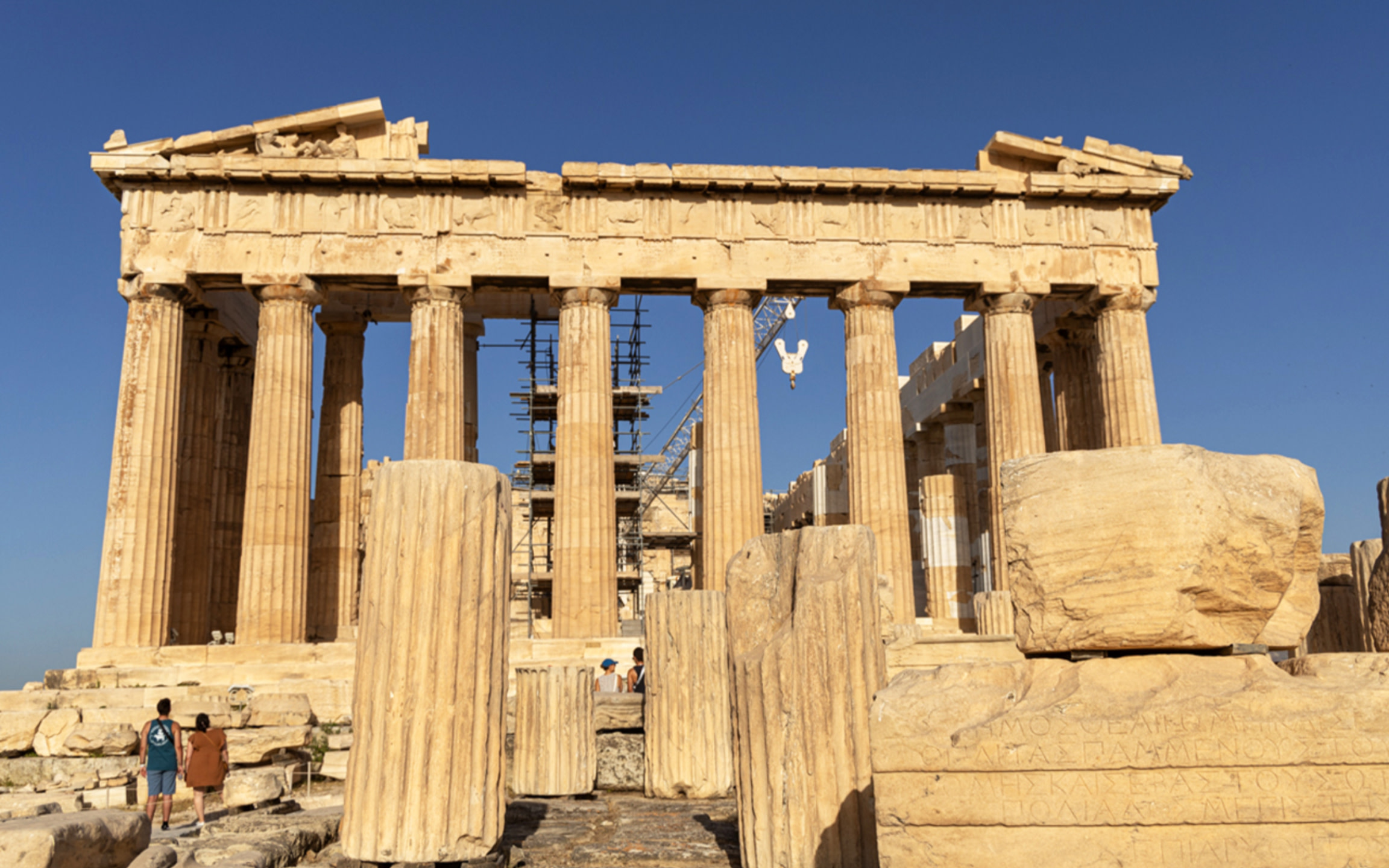
The Parthenon is temple that dominates the hill of the Acropolis at Athens. It was built in the mid-5th century BCE and dedicated to the Greek goddess Athena Parthenos (“Athena the Virgin”). The temple is generally considered to be the culmination of the development of the Doric order, the simplest of the three Classical Greek architectural orders.
6
Stop 6
The Agora was the heart of ancient Athens, the focus of political, commercial, administrative and social activity, the religious and cultural centre, and the seat of justice.
7
Stop 7
The magnificent temple of Hephaestus, one of the best preserved ancient temples in the world, was the place of worship for two important deities for many merchants and shop owners of the Ancient Agora: god Hephaestus, protector of all metallurgists, and goddess Athena Ergani, protecting all potters and the cottage industries.
What's not included
Entry fees to all attractions (we can pre-purchase for you)
Meals
Transfer from/to meeting point
Available languages
Guide guide
EN
FR
Reviews breakdown
Tripadvisor
5.0
10 reviews
5★
10
4★
0
3★
0
2★
0
1★
0
Important information
Public transportation options are available nearby
Suitable for all physical fitness levels
Entry fees are non-refundable, non-exchangeable
ID card or passport are required for people under the age of 25 for possible discounts
Strollers, backpacks and big bags are not allowed at the Acropolis and should not be taken on the tour
Premium, small group tour
We can pre-purchase entry tickets for you, just let us know!
Meeting point
In front of the Holy church of Aghia Sophia.
Your guide will be holding an ALTERNATIVE ATHENS sign.
Important notes
• For this tour you will need entrance tickets to the Archaeological sites - Acropolis & the Ancient Agora (not included in the tour price) - Adult ticket: 50 euros
Children aged 0–18 and individuals from EU countries under 25 are entitled to free admission.
They must still reserve a free (“zero-value”) ticket and present a valid identity card or passport on the day of the tour.
You can buy your tickets online from the official website www.hhticket.gr (please make sure you choose the correct time slot for the tour) or contact us and we can arrange them for you.
• Your meeting points is at 45 Dionysiou Areopagitou str. Infront of the Holy church of Aghia Sophia. https://maps.app.goo.gl/qx8TWqjZM1LJ6DvW7
The closest metro station is ACROPOLIS (red line), then it's an 8 mins walk to the Church. Your guide will be waiting for you holding a sign "ALTERNATIVE ATHENS"
• Strollers and backpacks are not allowed on the Acropolis
• Comfortable walking shoes and sun hat are recommended
• Minimum numbers apply. Cancellation after confirmation may occur if the minimum participant number is not met. In the unlikely event of a cancellation, you will be offered an alternative tour date or full refund.
About Athens
Athens, the capital of Greece, is a city rich in history and culture, often considered the cradle of Western civilization. It is home to iconic ancient landmarks, vibrant neighborhoods, and a thriving modern scene.
Top Attractions
Acropolis of Athens
The Acropolis is the most iconic landmark in Athens, featuring ancient ruins and temples, including the Parthenon.
Historical
2-3 hours
€20 (combined ticket for multiple sites)
Ancient Agora of Athens
The heart of ancient Athens, featuring the Temple of Hephaestus and the Stoa of Attalos.
Historical
1-2 hours
€8 (included in the combined ticket)
Plaka
A charming, historic neighborhood with narrow streets, neoclassical houses, and vibrant nightlife.
Cultural
2-3 hours
Free to explore
Acropolis Museum
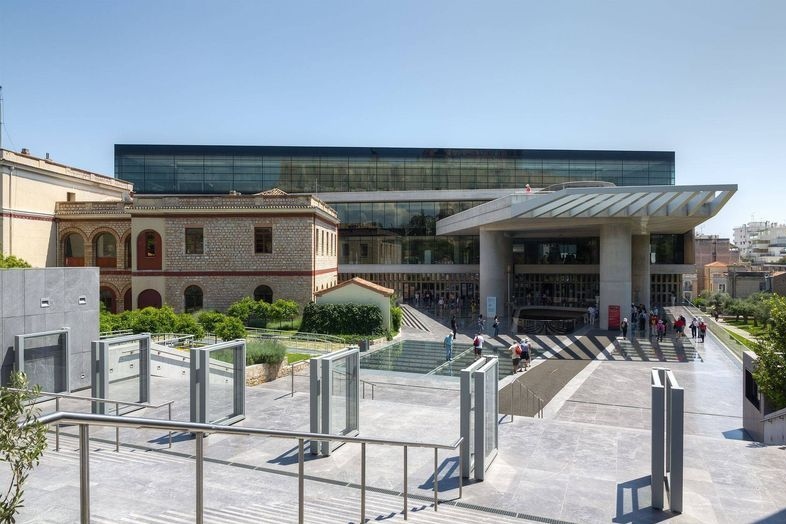
A modern museum showcasing artifacts from the Acropolis and its surroundings.
Museum
1-2 hours
€10
Temple of Olympian Zeus
An ancient temple dedicated to Zeus, once the largest temple in Greece.
Historical
30 minutes to 1 hour
€6 (included in the combined ticket)
Must-Try Local Dishes
Moussaka
A baked dish with layers of eggplant, minced meat, and béchamel sauce.
Dinner
Vegetarian versions available
Souvlaki
Grilled meat skewers, often served with pita bread and tzatziki.
Snack
Can be made with chicken, pork, or vegetarian options
Tzatziki
A yogurt-based dip with cucumber, garlic, and herbs.
Snack
Vegetarian and vegan options available
Baklava
A sweet pastry made with layers of filo, nuts, and honey syrup.
Dessert
Vegetarian
Popular Activities
Hiking in the mountains
Rock climbing
Scuba diving
Beach visits
Spa treatments
Café hopping
Museum visits
Theater performances
Best Time to Visit
April to June, September to October
The best time to visit Athens is during the spring and autumn months when the weather is pleasant and the tourist crowds are smaller.
18°C to 32°C
64°F to 90°F
Practical Information
Language
- Official: Greek
- Widely spoken: English, French, German
- English: Moderately spoken
Currency
Euro (EUR)
Time Zone
GMT+2 (EET)
Electricity
230VV, 50HzHz
Safety Information
Overall Safety Rating: Generally safe
Athens is generally safe for travelers, but petty crime and pickpocketing can occur in tourist areas. Be cautious with your belongings and avoid poorly lit areas at night.
Important Precautions:
- • Keep valuables secure
- • Use licensed taxis or ride-sharing apps
- • Be cautious with ATMs and credit cards
Getting there
By air
- Eleftherios Venizelos International Airport • 30 km from city center
By train
Athens Central Railway Station
By bus
KTEL Bus Station
Getting around
Public transport
Clean, efficient, and air-conditioned. Easy to navigate with clear signage in English.
Taxis
Available • Apps: Beat, Uber
Rentals
Car, Bike, Scooter
Neighborhoods
Plaka
Monastiraki
Psiri
Koukaki
Kolonaki
Day trips
Cape Sounion
65 km from Athens • Half day to full day
A scenic coastal area featuring the Temple of Poseidon with stunning views of the Aegean Sea.
Delphi
180 km from Athens • Full day
An ancient archaeological site and home to the famous Oracle of Delphi.
Meteora
350 km from Athens • Overnight
A unique landscape featuring rock formations and medieval monasteries perched atop cliffs.
Festivals
Athens Festival • May to October
Athens Epidaurus Festival • June to August
Athens International Film Festival • October
Pro tips
- Visit major attractions early in the morning or late in the afternoon to avoid crowds and heat
- Use the metro for easy and efficient travel around the city
- Explore local neighborhoods for an authentic Greek experience
- Try local street food for a quick and delicious meal
- Learn a few basic Greek phrases to enhance your experience and connect with locals
From $25
per person
Price varies by option
Secure booking
Free cancellation available