Venice Explorer Pass: Gondolas, Museums & Island Tours
Active
1d - 5d
For a full refund, cancel at least 24 hours before the scheduled departure time.
Instant confirmation
Mobile or paper ticket accepted
About this experience
Step into the heart of Venice and explore its most iconic landmarks, museums, and churches—all with just one pass.
The Venice City Pass opens the door to the city's rich history and timeless beauty, giving you priority access to must-see attractions like the majestic Doge’s Palace, a guided walking tour through the enchanting streets, and an unforgettable gondola ride along the shimmering Grand Canal.
Venture beyond the city to the colorful islands of Murano, Burano, and Torcello, each with its own story and charm. With access to over 20 attractions, the Venice City Pass gives you the freedom to explore at your own pace—without the hassle of individual tickets.
Optional: Add a public transportation ticket
Available options
3 Day with public transport
Public Transportation ticket<br/>Duration: 3 days
1 Day Pass
Duration: 1 day
2 Day Pass
Duration: 2 days
4 Day with public transport
Public Transportation ticket<br/>Duration: 4 days
5 Day Pass
Duration: 5 days
3 Day Pass
Duration: 3 days
5 Day with public transport
Public Transportation ticket<br/>Duration: 5 days
4 Day Pass
Duration: 4 days
2 Day with public transport
Public Transportation ticket<br/>Duration: 2 days
1 Day with public transport
Public Transportation ticket<br/>Duration: 1 day
What's included
Join a local guided walking tour
Da Vinci Interactive Museum included
Experience Venice on a Gondola Ride
Beautiful Doge`s Palace included
Book optional your public transportation ticket
Enjoy the island tour to Murano - Burano - Torcello
Detailed itinerary
1
Stop 1
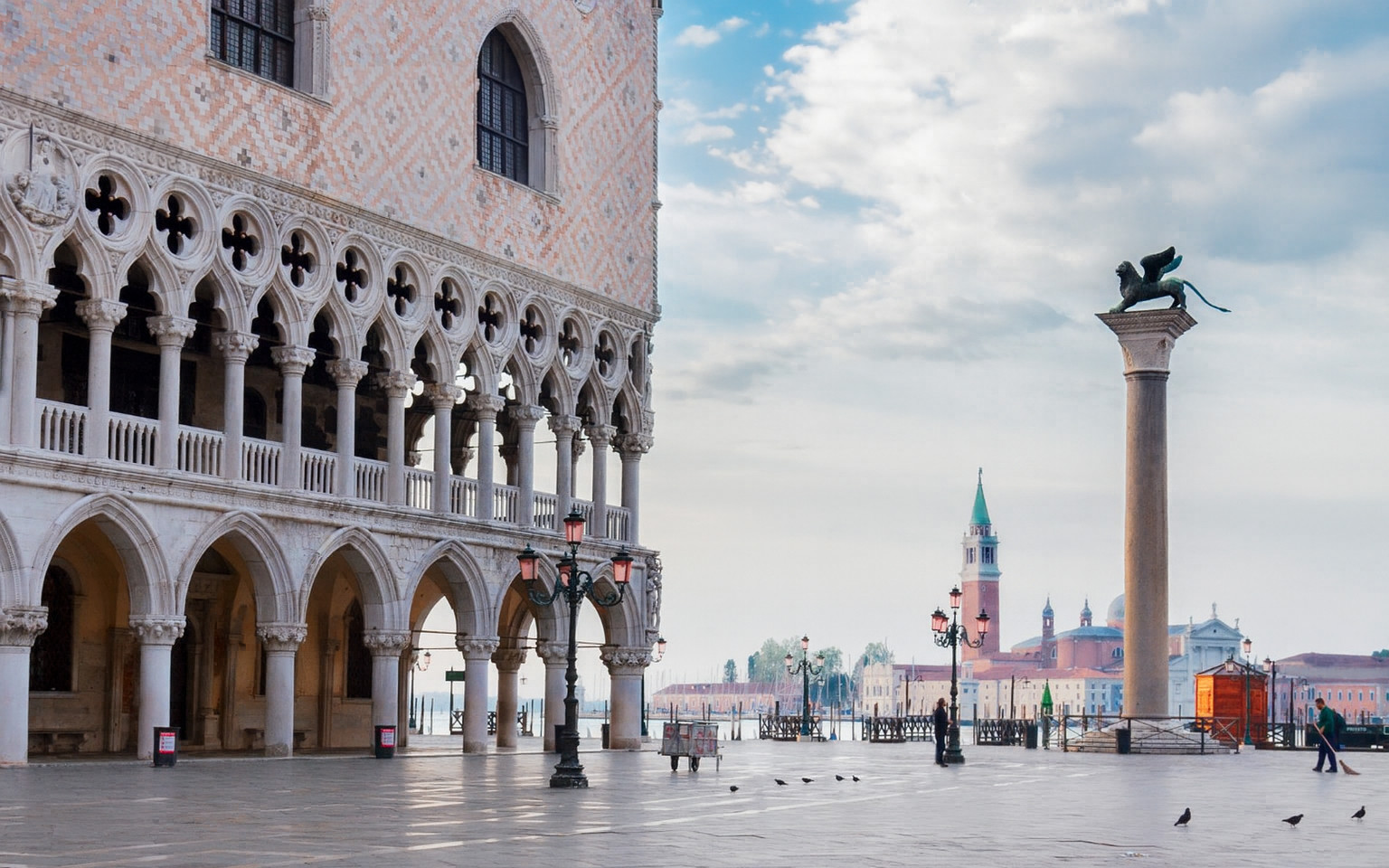
With its gothic architecture and being the former residence of Venetian dukes, Doge’s Palace is one of the most visited sights in Venice.
2
Here you can peruse through ancient Greek and Roman sculptures, which were mostly donated from private collections of Venetian aristocrats.
3
Today, this library owns one of the most important collections of Greek, Latin, and Oriental works. These collections are focused primarily on Venetian history, classical linguistics, and ancient geography maps.
4
The Leonardo Da Vinci Museum in Venice is an exciting and interactive exhibition that showcases da Vinci’s life and masterpieces.
5
Stop 5
The Scuola San Rocco is one of the largest confraternities in Venice. It was established in the 13th century and had influence on the religious and communal life of Venice.
6
The exhibition covers the life and culture of the Venetian Republic through bronze statues, paintings and books.
7
Stop 7
The Scala Contarini del Bovolo is attached to the Gothic palace “Plazzo Contarini del Bovolo” and draws all the attention due to its uniquely constructed spiral staircase.
8
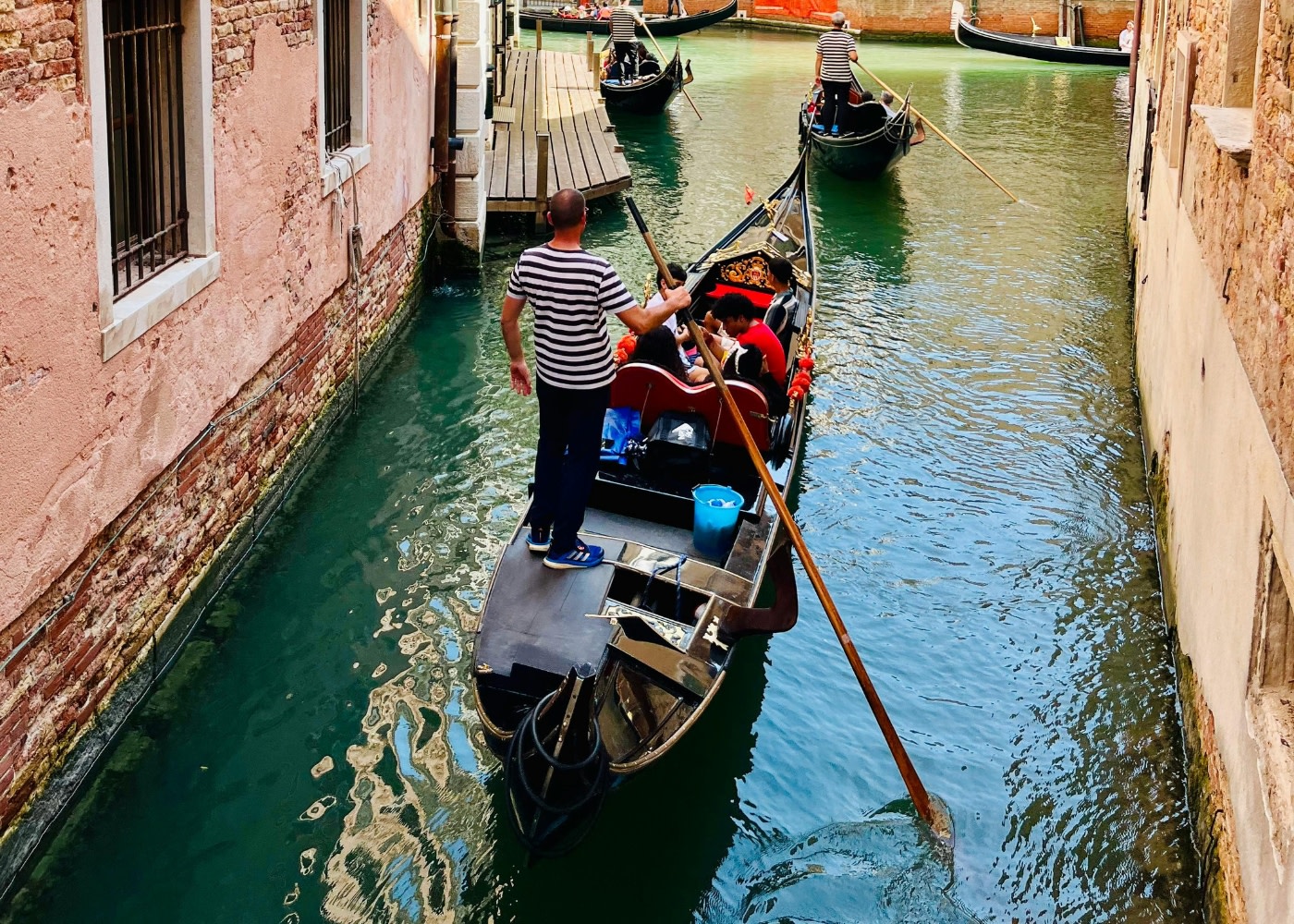
Experience our included Gondola ride tour.
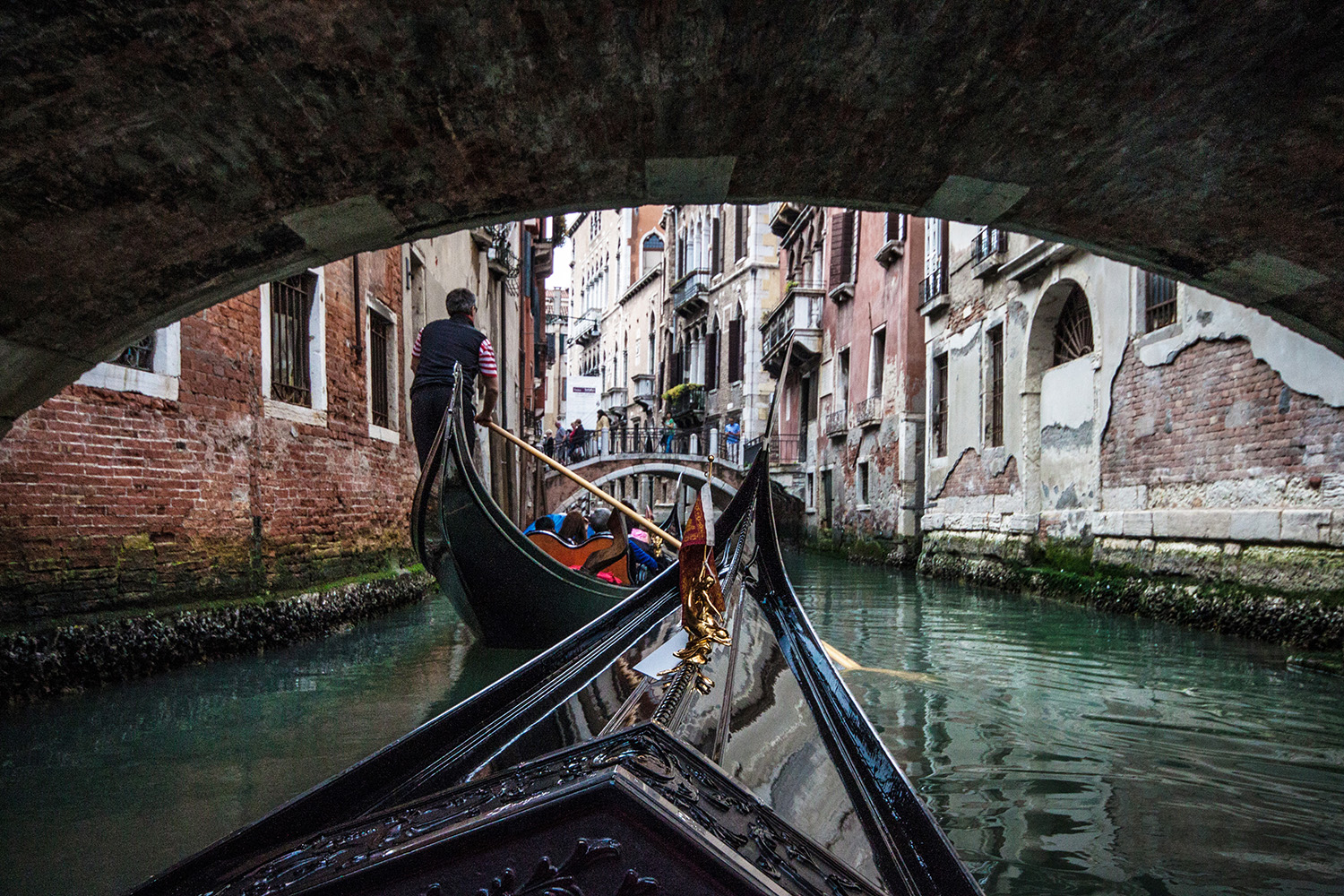
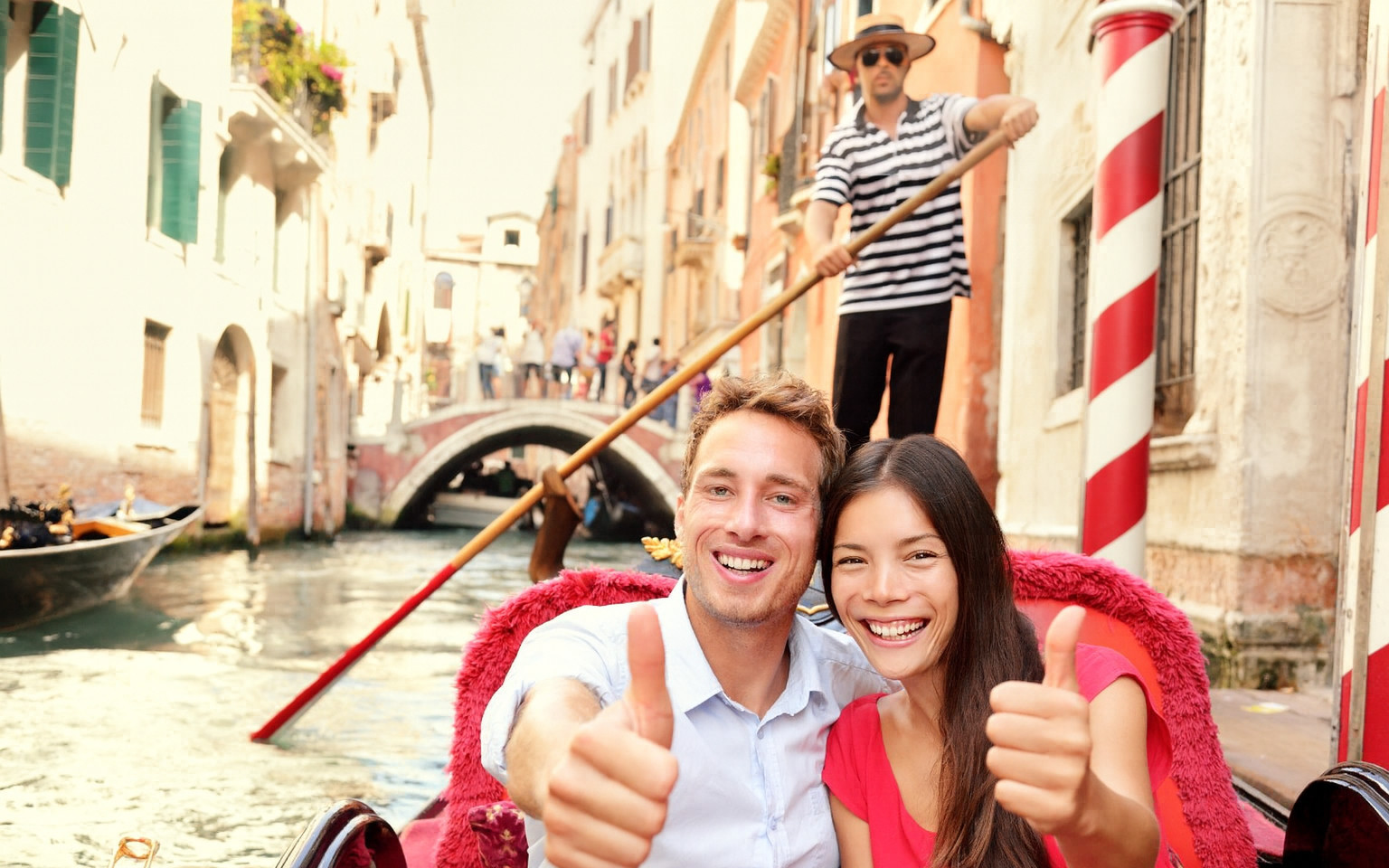
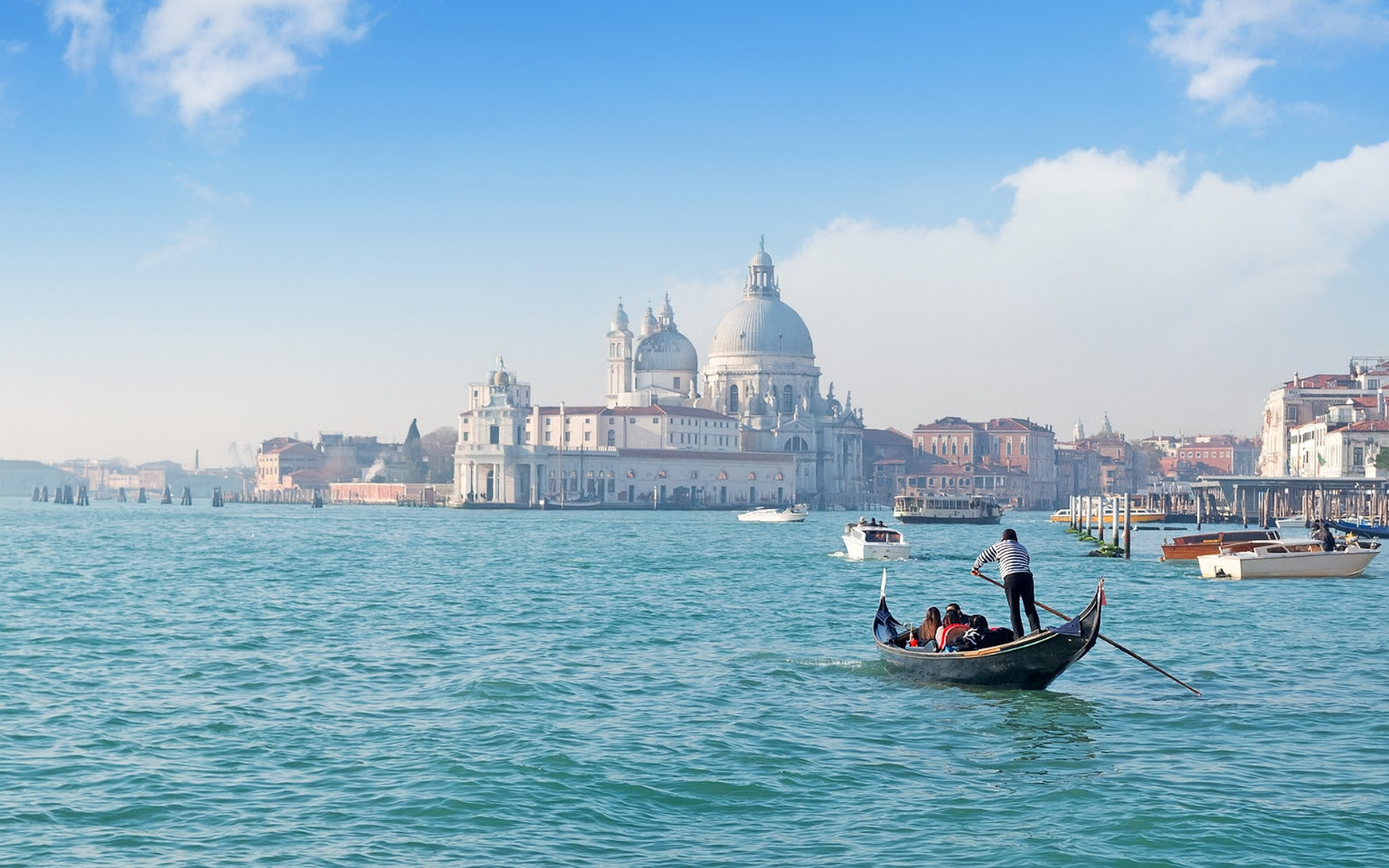
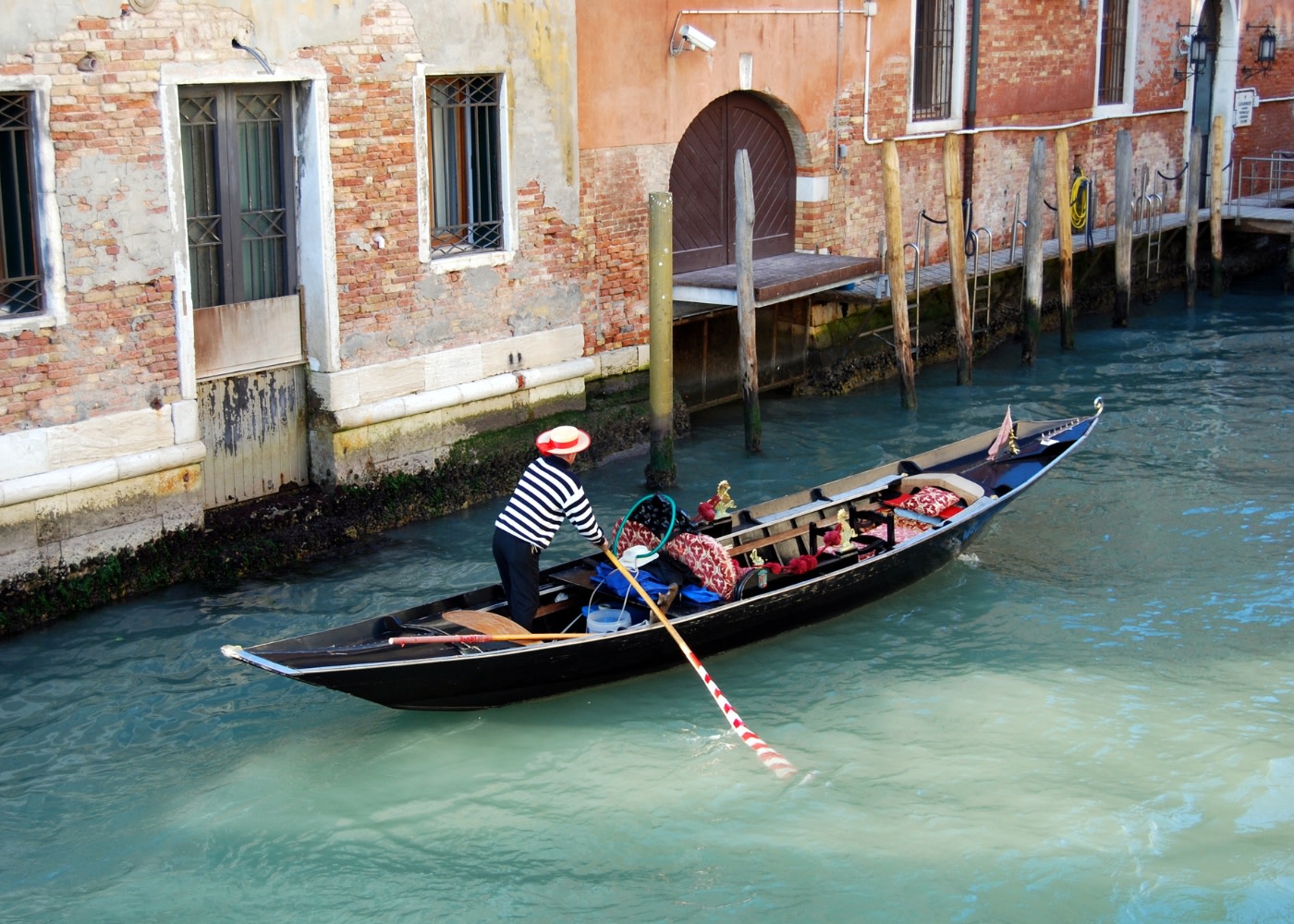
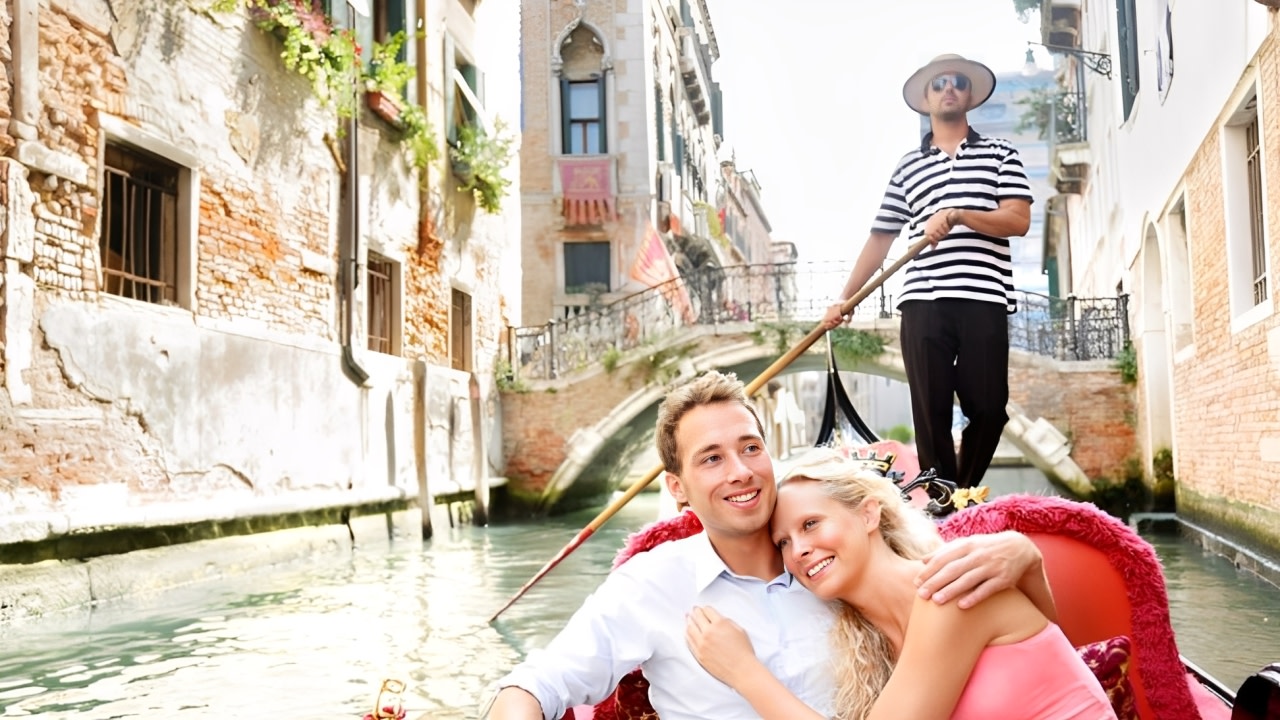
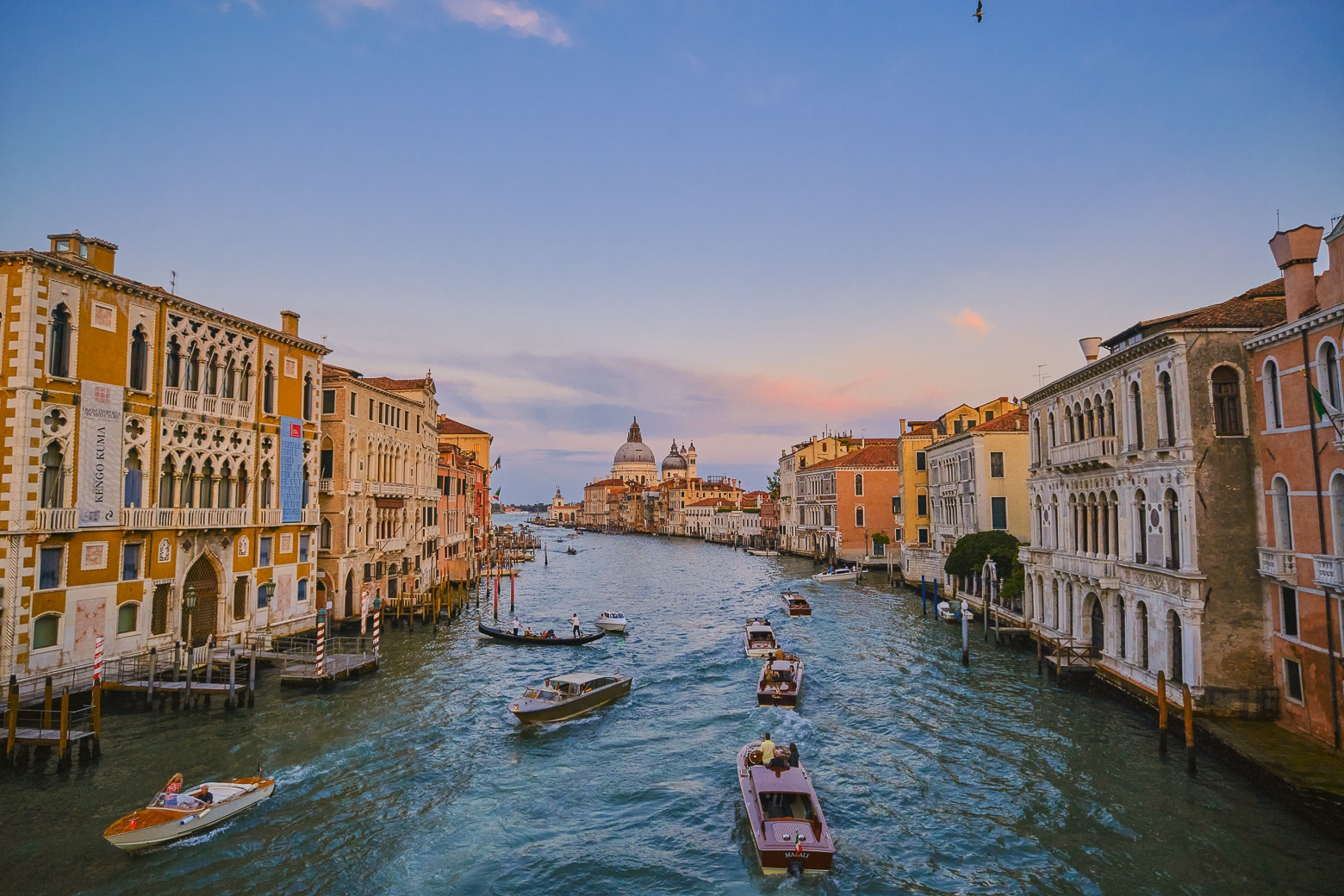
The characteristic gondolas that decorate the city's canals are a symbol of Venice. For many visitors, a gondola ride is a “must-do” while in Venice. This unforgettable experience will let you see Venice and all its buildings and attractions through a whole different perspective by showcasing the city and its attractions from the Canal Grande and smaller canals around the Piazza San Marco.
9
Stop 9
Free admission tour our Island tour Murano, Burano & Torcello.
The three islands, Murano, Burano and Torcello, are the most famous islands of Venice—and they all have something to offer. The island tour starts in Venice and has its first stop at Murano. This island is famous for its handmade glass—for this reason, you can visit a glassblowing workshop. The tour goes on to Burano, which will warmly welcome you with the vibrant colors of its fisheries. Here you can also admire their famous bobbin lacework. The tour’s last stop is Torcello, which is home to ancient St. Maria Assunta Cathedral and the St. Forsa Church (created in the 11th & 12th century) – both of which are definitely worth a visit.
10
Stop 10
The palace is one of the few Venetian noble palaces that is open to the public today, and provides a valuable insight into the life of the rich Venetian upper class in the 18th century. It now houses the Museo del Settecento Veneziano, with numerous works of art and interior decorations from one of the absolute heyday of Venetian painting and art. It contains works from the late Baroque, Rococo and early Classicism periods, including paintings and frescoes by Pietro Longhi, Canaletto, Francesco Guardi, and the father and son Tiepolo, as well as furniture and fittings that were brought here from other palaces and villas.
11
he International Gallery of Modern Art in Ca’ Pesaro contains important 19th- and 20th-century collections of paintings and sculptures, including masterpieces by Gustav Klimt and Auguste Rodin and remarkable works by artists such as Medardo Rosso, Adolfo Wildt and Giacomo Balla, as well as a rich selection of works by other Italian artists and an important section on graphic art. The second floor of the monumental palace is home to temporary exhibitions and the third floor hosts the Museum of Oriental Art.
12
The museum's glass art collection is considered one of the most extensive in the world and is presented in seven chronologically arranged sections from antiquity to the present day. The last three sections of the exhibition are dedicated to the ‘rebirth’ of Murano glass, which has been in high demand again since the second half of the 19th century. You can admire both classical and Art Nouveau objects, as well as modern and contemporary works.
13
Stop 13
The Scuola Grande San Giovanni Evangelista is one of the oldest brotherhoods in Venice and has existed since 1261. A visit to this impressive historical building is a journey through history, between Gothic, Renaissance, Baroque and Rococo. You will discover the wonderful paintings of Tintoretto, Tiepolo, Jacopo Palma il giovane, Marieschi, Longhi, Vicentino and many other works of art. The staircase by Mauro Codussi and the marble septum are known worldwide as an architectural masterpiece. Let yourself be enchanted by 800 years of history!
14
Stop 14
The museum is located at the historic palace of Podestà of Torcello, in Piazza Galuppi, Burano, seat of the famous Burano Lace School from 1872 to 1970. Rare and precious pieces offer a complete overview of the history and artistry of the Venetian and lagoon’s laces, from its origins to the present day are on display, in a picturesque setting decorated in the typical colours of the island.
15
Carlo Osvaldo Goldoni (25 February 1707 – 6 February 1793) was an Italian playwright and librettist from the Republic of Venice. His works include some of the most famous and popular plays in Italy. Audiences appreciate Goldoni’s plays for their ingenious blend of wit and honesty. In his memoirs, Goldoni particularly remembers the palace where he was born and grew up. Today, this palace is a museum in his honour. It is also home to an institute for theatre studies.
16
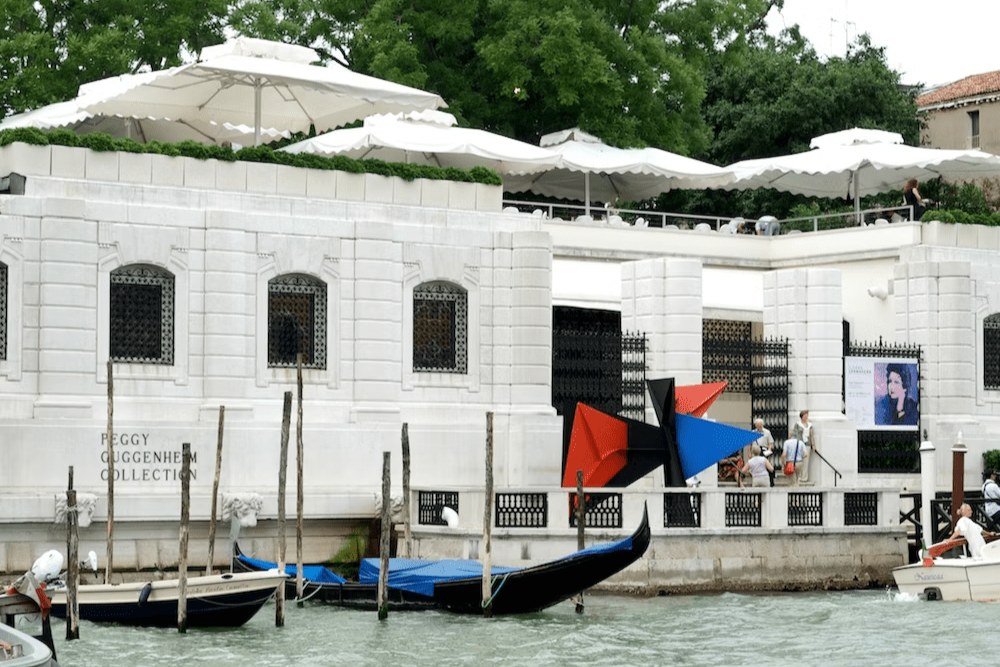
The Museo Mariano Fortuny is considered a second location of the Museo d'Arte Pesaro. The Palazzo Pesaro Fortuny displays the works of the artist and designer Mariano Fortuny, as well as other works of modern art. On the first floor, you will find the former living space of Mariano Fortuny. The artist created the interior of his home, sometimes even inventing new techniques to bring his ideas to life. As a painter and a set-designer he was a renowned artist of his time, aiming to find the perfect lighting for both works and performances of art. In the Palazzo Fortuny Museum, today you can find paintings, photographs, and fabrics, all set up according to the vision of perfect lighting of the artist.
17
Stop 17
The museum houses the vast collections of ancient fabrics and clothes belonging to the Venice City Museums, with a section dedicated to perfume. It is meant to be a Study Centre for the history of fabrics, costumes and fashion. The rooms skilfully evoke the different aspects of the life and activities of a Venetian nobleman between the 17th and 18th century. The layout of the museum integrates the palazzo furnishings and paintings with a large number of works from different sectors and deposits of the Venice Civic Museums. After restoring and valorising canvases and pastels, furnishings and glass that had never been on display before, it w shows a rich and opulent display of luxurious elegance of former times.
What's not included
Public Transport, if not selected optional
Available languages
Written guide
DE
EN
IT
FR
ES
Reviews breakdown
Viator
3.0
7 reviews
5★
2
4★
0
3★
2
2★
2
1★
1
Tripadvisor
3.8
16 reviews
5★
10
4★
1
3★
1
2★
0
1★
4
Important information
Wheelchair accessible
Suitable for all physical fitness levels
Important notes
•Check your e-mail inbox for the link to your digital pass and booking app sent by Turbopass
• Click on the link in the e-mail sent to you by Turbopass and get familiar to your digital City pass
• Check which attractions require you to pre-book, then book your slots following the instructions in the booking app included with your pass
About Burano
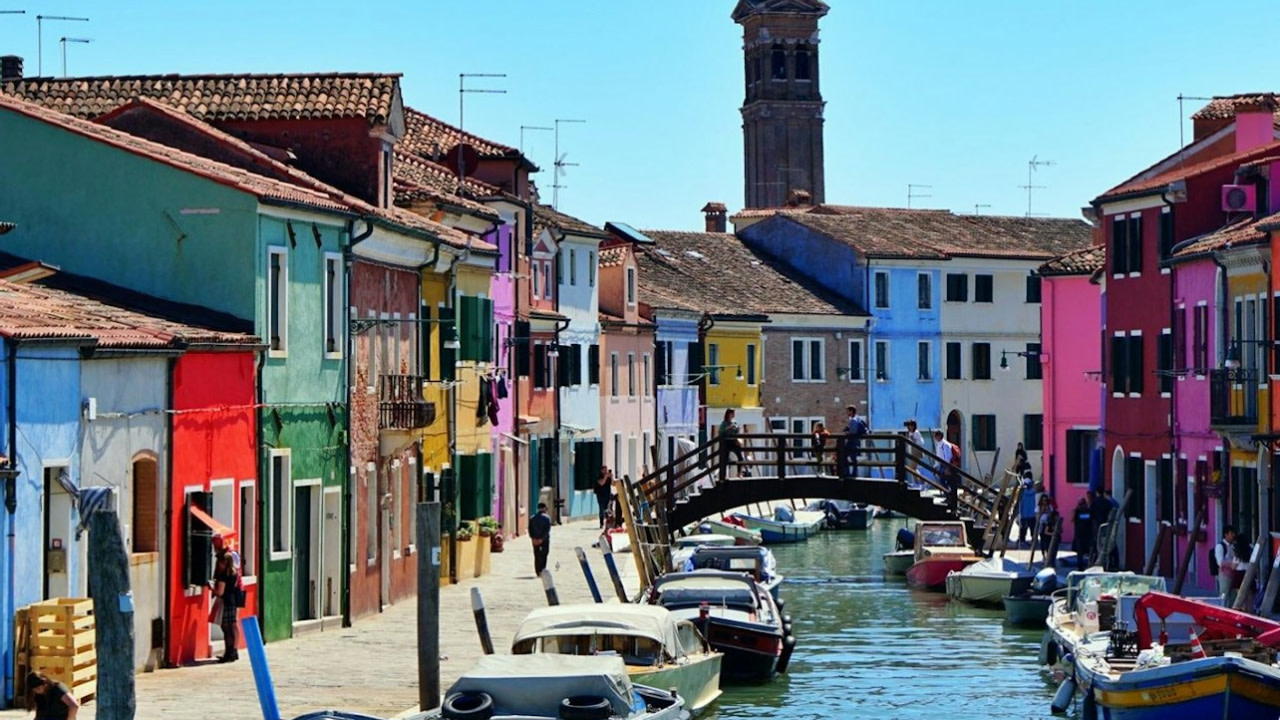
Burano is a picturesque island in the Venetian Lagoon, renowned for its vibrant, multicolored houses and delicate lace-making tradition. It's a charming escape from the bustling crowds of Venice, offering a glimpse into authentic Venetian life.
Top Attractions
Colorful Houses
The iconic colorful houses of Burano are a must-see. Each house is painted in vibrant hues, creating a stunning and photogenic landscape.
Cultural
1-2 hours
Free
Burano Lace Museum
This museum showcases the intricate lace-making tradition of Burano. It houses a collection of historical lace pieces and demonstrates the craftsmanship involved.
Museum
1 hour
€5
Campanile di Burano
The leaning bell tower of Burano is a notable landmark. Its tilt is similar to the Leaning Tower of Pisa, making it a unique sight.
Historical
30 minutes
Free to view, €2 to climb
Museo del Merletto
This museum is dedicated to the art of lace-making, a traditional craft of Burano. It features exhibits on the history and techniques of lace production.
Museum
1 hour
€5
Must-Try Local Dishes
Risotto al Nero di Seppia
Risotto made with cuttlefish ink, giving it a distinctive black color and rich flavor.
Main Course
Contains seafood
Sarde in Saor
Sweet and sour sardines marinated with onions, raisins, and vinegar.
Appetizer
Contains fish
Baccalà Mantecato
Creamy salted cod spread, often served on bread.
Appetizer
Contains fish
Fritelle
Sweet fried dough balls, often filled with cream or jam.
Dessert
Vegetarian
Popular Activities
Walking tours
Photography
Lace-making workshops
Visiting museums
Exploring the colorful houses
Visiting the leaning bell tower
Best Time to Visit
April to June, September to October
The best time to visit Burano is during the spring and fall when the weather is pleasant, and the island is less crowded. The colors of the houses are particularly vibrant during these seasons.
15°C to 28°C
59°F to 82°F
Practical Information
Language
- Official: Italian
- Widely spoken: English, Venetian dialect
- English: Moderately spoken
Currency
Euro (EUR)
Time Zone
CET (UTC +1), CEST (UTC +2) during daylight saving time
Electricity
230VV, 50HzHz
Safety Information
Overall Safety Rating: Generally safe
Burano is a very safe island with low crime rates. The main concerns are pickpocketing and petty theft, especially during peak tourist seasons.
Important Precautions:
- • Keep valuables secure
- • Be cautious of pickpockets in crowded areas
- • Use official taxis or vaporettos
Getting there
By air
- Venice Marco Polo Airport • 12 km (7.5 miles)
By train
Venice Santa Lucia Station
By bus
Venice Piazzale Roma
Getting around
Public transport
The vaporetto system is the primary means of transportation to and from Burano. It's reliable and affordable.
Taxis
Available • Apps: None
Rentals
Bike
Neighborhoods
Central Burano
Day trips
Murano
5 km (3.1 miles) • Half day
Murano is famous for its glass-making tradition. Visitors can watch glassblowers at work and purchase unique glass items.
Torcello
10 km (6.2 miles) • Half day
Torcello is one of the oldest settlements in the Venetian Lagoon, featuring ancient churches and a museum.
Festivals
Festa di San Martino • November 11
Pro tips
- Visit early in the morning or late in the afternoon to avoid crowds and enjoy the best lighting for photography
- Try the local specialties, especially seafood dishes and risotto
- Explore the narrow alleys and side streets to find the most colorful and photogenic spots
- Check the vaporetto schedule in advance, as they can be less frequent in the off-season
- Respect the privacy of residents and avoid entering private properties
From $25
per person
Price varies by option
Secure booking
Free cancellation available
Instant confirmation