Bridge to the Sunship and Wallanders Ystad Viking Runestones
Active
8h
For a full refund, cancel at least 24 hours before the scheduled departure time.
Instant confirmation
Mobile or paper ticket accepted
About this experience
We travel across the impressive Øresund Bridge to Sweden and the lovely county of Skåne, with its rolling hills and charming little villages. Then we make our way along the Counts Road to Ystad, home of Henning Mankell's fictional Detective Kurt Wallander. After some time in Ysatd, we will make our way to the seaside village of Kåsaberga, above which, is the Sunship, which is ring of stones in the shape of a ship, that dates back to the Bronze age. Who put them there? Perhaps that's a case for Kurt Wallander?
Finally we make our way back to Copenhagen, through Wallander Country and recross the Øresund Bridge, made famous in the television series. 'The Bridge, entering Denmark again via the man-made island of Pebberholm.
.
Available options
Bridge to the Sunship and Wallanders Ystad Viking Runestones
What's included
WiFi on board
Air-conditioned vehicle
Detailed itinerary
1
Stop 1
Pass by
WE travel across the iconic Øresund Bridge, which when built, was the longest bridge in the world for road and rail. As we travel across, we get a fantastic view of the Øresund and the Danish and Swedish Coasts.
2
On the way to Anderslöv, we travel through the beautiful Swedish countryside and tiny little villages, where only around 50 people live. The road we travel along is known as the Counts Road, as many members of the Swedish aristocracy owned land in this area.
3
Historic area with Runestones and a Medieval bridge, where people still celebrate New Years Eve.
Nearby is the old Väpmannahög, which gave its name to Vemmenhög.
4
Skivarp is an urban area with 1,250 inhabitants in Skurup Municipality, Skåne Län, Sweden. Skivarp's church is from the 12th century.
5
Here is the famous combined rune and picture stone, the Tullstorp stone. It stands at the far back of the cemetery by a small hill. About 960 - 980.
The images show a ship of the Eastern Roman type and "The great beast" perhaps a wolf. A small leaflet about the Tullstorp stone can be found in the church, which replaced the old medieval church in the 19th century
6
A lovely church in a very special place. High up and in the middle of the village. Unfortunately not open for visits Cultural heritage in all its glory.
7
Sjörup's old church was rebuilt sometime between 1150 and 1170, under the leadership of Carl Stenmästare. Previously there was a wooden church on the same site, a so-called stave church. This was a common church type during the early Christian period in what was then Denmark. Byggmästare Carl Stenmästare had participated in the construction of Lund's cathedral, which was completed in 1145.
8
We pass a ruined church that was last used in the early 1900s. Behind it is a large farm, with beautiful fields.
9
Ystad is a town on the south coast of Scania with 18,350 inhabitants and the seat of the municipality of Ystad in Skåne län, Sweden. In the city center there are many medieval buildings, and Ystad, with its around 300 half-timbered houses, is Scania's best-preserved medieval town
10
Kåseberga is an old fishing village in Ystads municipality in Skåne county. The distinctive ridge Kåse Head rises almost 30 meters above the sea and above the city. A few hundred meters to the northwest lies Ale's stone
11
Magnificent view of the Baltic Sea
On a high hill with a magnificent view of the Baltic Sea and Bornholm, the stone set Ales stenar rises. The 59 stones stand in a formation like a ship with a length of 67 meters and a width of up to 19 meters. From the small fishing village of Kåseberga, a path leads up to Ales stoner.
Ship setting or solar calendar?
There are two completely different perceptions of what function Ale's stones have had and when the facility was built. Archaeologists from the state Riksantikvarieämbetet have long claimed that Ales stenar is a shipwreck from the Late Bronze Age (1000 - 500 BCE) or Late Iron Age (500 - 1000 CE) and that the site probably served as a burial ground.
12
On the other hand, a group of people outside the established scientific community maintain that Ale's stone is a large solar calendar and sundial dating back to the Bronze Age. Coincidentally or not, Ale's stone is oriented so that the "bow of the ship" points exactly towards the sunset at the summer solstice (longest day of the year) in June, and the "stern" points towards the sunrise at the winter solstice (shortest day of the year) in December.
13
Stones point to sunrises and sunsets
The individual stones also point exactly towards the rising and setting of the sun in an interval of 30 days, seen from the center of the stone setting. The Viking calendar began at the winter solstice around 23/12 and consisted of 360 days divided into 12 months of 30 days each. A calendar which, according to the people behind the solar calendar theory, must date back to the Bronze Age, when the stone set was erected. For the sunrise on 23/1, 22/2, 24/3, etc., occurs exactly in front of a stone, seen from the center of the stone setting, well about the mark when you correct for the displacement of the sun's path since the Bronze Age and the 1.5 meters of sand that have been deposited on the stone setting, which is why the people of the time saw the stones from a slightly lower perspective. The entire plant is set up according to the solar path for 11 months of 30 days each and one month of 35 days
14
It was built of limestone in the middle of the 12th century. It is the only known fortified round church in Scania. Master mason of the church, Carl stenmästare, also built churches on Bornholm, where round churches were common. The baptismal font was cut by the Romanesque artist known today as Majestatis and shows one of the legends about Saint Peter and Paul of Tarsus. The pulpit was made in 1619. The altar cabinet dates to the beginning of the 16th century.
In 1791, the round church was considerably altered when extensions were made to the north, west and south. These extensions were demolished in 1908–1910 when the round church was restored and a large cathedral-like extension was made to the west, including a new tower.
15
We make our way back to Denmark, after our beautiful view over the Baltic at Kåsaberga. This is the countryside that inspired Henning Mankell to write the Wallander detective stories.
16
Stop 16
Pass by
We cross back to Denmark, over the Øresund via the Øresund Bridge.
What's not included
Lunch
Available languages
Audio guide
EN
Guide guide
EN
Important information
Infants and small children can ride in a pram or stroller
Public transportation options are available nearby
Specialized infant seats are available
Not recommended for travelers with poor cardiovascular health
Travelers should have at least a moderate level of physical fitness
Not suitable for people who have problems walking over rough ground.
Meeting point
Meet outside the Astoria Hotel, Banegårdspladsen 4, near Copenhagen Central Rail Station (Hovedbanegård).
About Copenhagen
Copenhagen, the capital of Denmark, is a charming city known for its picturesque canals, historic architecture, and vibrant cultural scene. It seamlessly blends old-world charm with modern innovation, making it a unique and appealing destination for travelers.
Top Attractions
Tivoli Gardens
Tivoli Gardens is one of the world's oldest and most famous amusement parks, offering a mix of thrilling rides, beautiful gardens, and live entertainment.
Entertainment
3-5 hours
Moderate (150-250 DKK for entry and rides)
The Little Mermaid
The Little Mermaid is a famous statue inspired by Hans Christian Andersen's fairy tale, located by the waterside in the Langelinie park.
Historical
30 minutes to 1 hour
Free
Rosenborg Castle
Rosenborg Castle is a 17th-century castle that houses the Danish Crown Jewels and offers a glimpse into royal Danish history.
Historical
1-2 hours
Moderate (115 DKK for entry)
Nyhavn
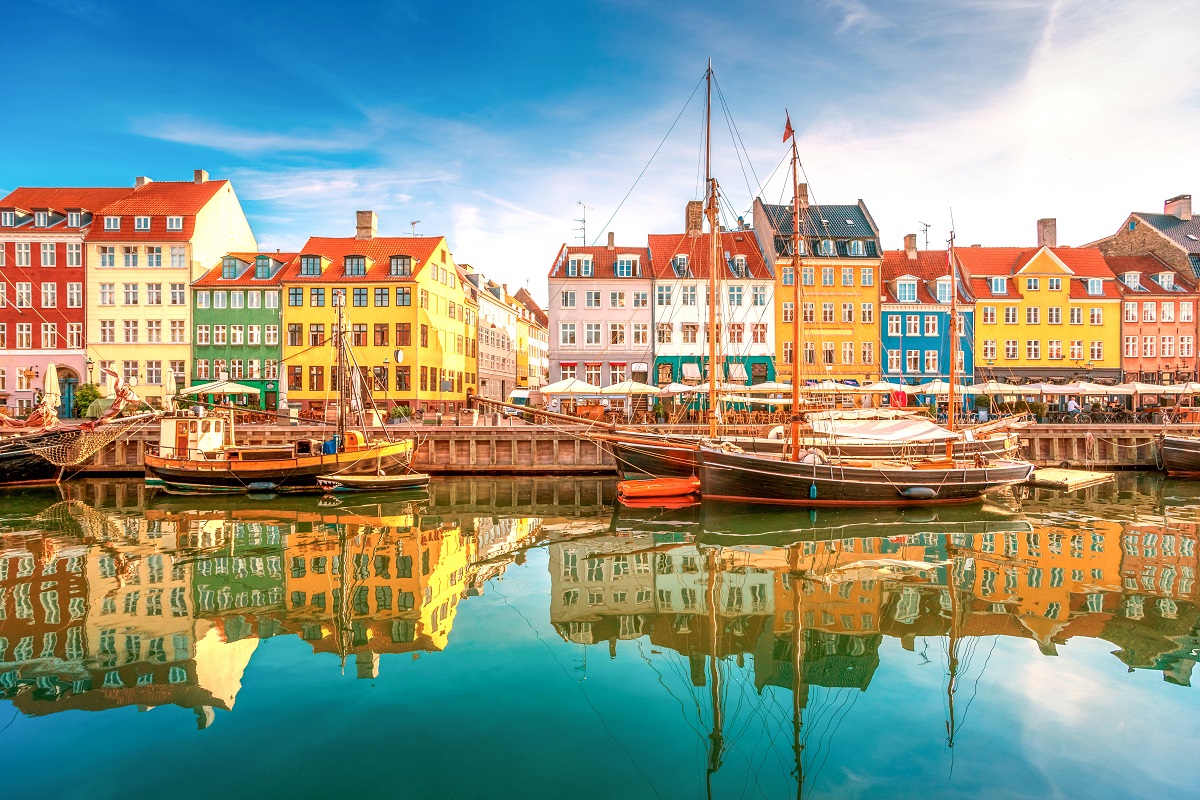
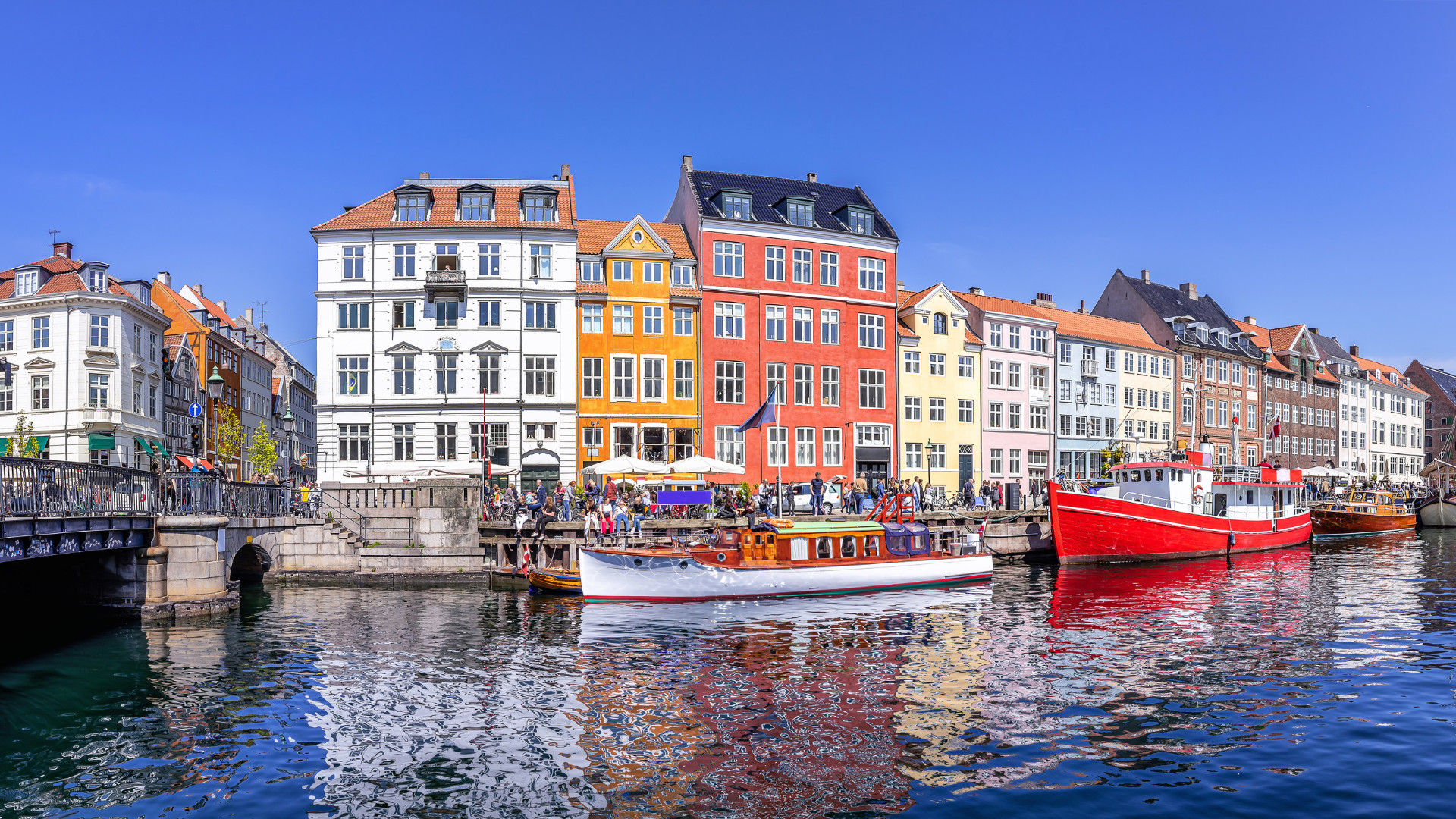
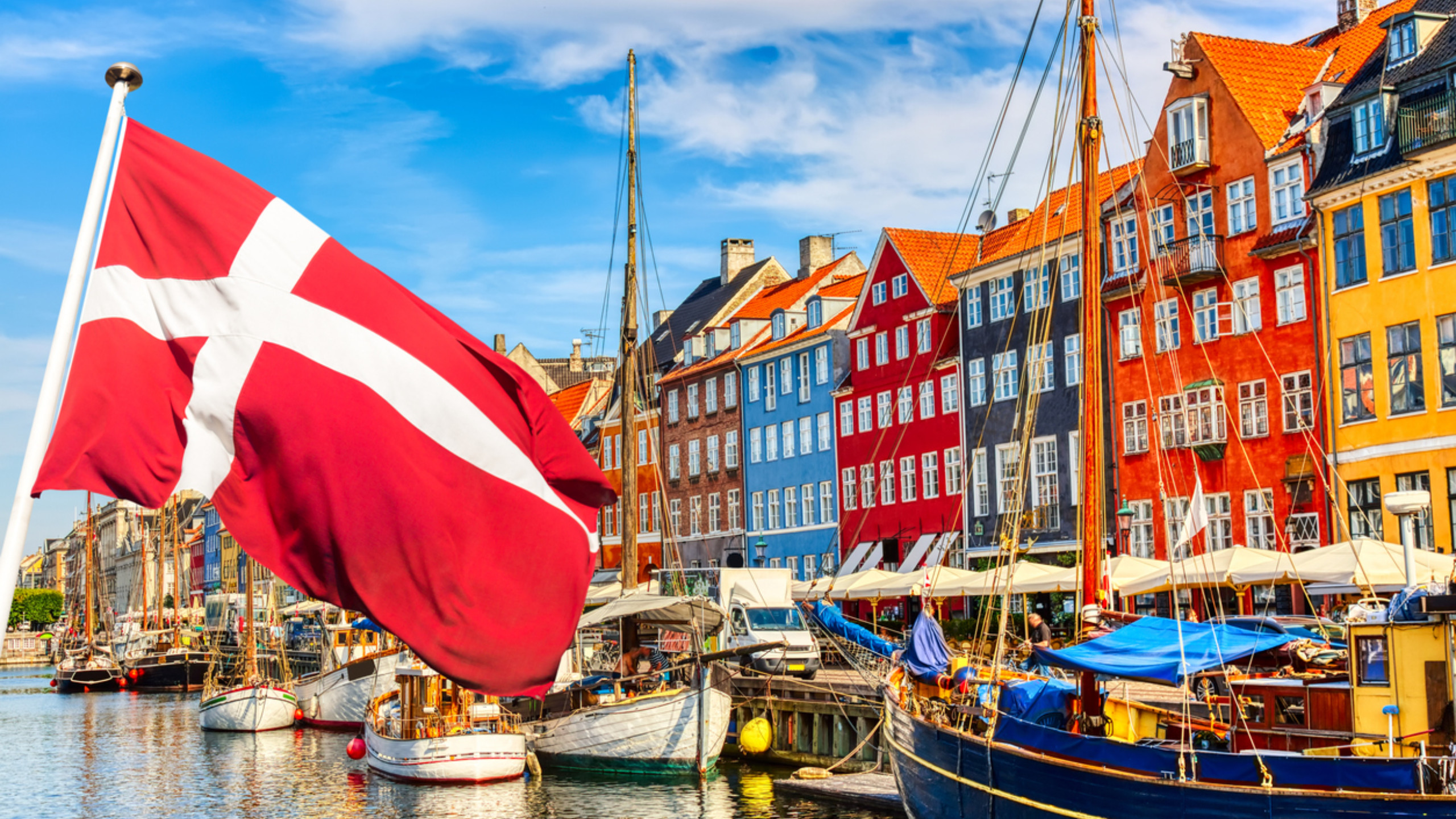
Nyhavn is a picturesque waterfront district known for its colorful 17th-century townhouses, canals, and lively atmosphere.
Historical
1-2 hours
Free to explore (costs vary for canal tours and dining)
Christiansborg Palace
Christiansborg Palace is the seat of the Danish Parliament, the Prime Minister's Office, and the Supreme Court. It also houses the Royal Reception Rooms and the Royal Stables.
Historical
1-2 hours
Moderate (135 DKK for entry to the Royal Reception Rooms and Royal Stables)
Must-Try Local Dishes
Smørrebrød
An open-faced sandwich typically served on rye bread, topped with ingredients like pickled herring, roast beef, or shrimp.
Lunch
Can be vegetarian or vegan with appropriate toppings
Frikadeller
Danish meatballs made from a mixture of pork and veal, served with potatoes and gravy.
Dinner
Contains meat
Æbleskiver
Small, spherical pancakes traditionally served during the Christmas season, often dusted with powdered sugar and accompanied by jam and whipped cream.
Dessert
Contains gluten and dairy
Rødgrød med Fløde
A traditional Danish dessert made from berries, usually raspberries or red currants, served with cream.
Dessert
Contains dairy
Popular Activities
Biking
Kayaking
Hiking
Spas
Saunas
Picnicking in parks
Museum visits
Art galleries
Best Time to Visit
June to August
Summer is the peak tourist season in Copenhagen, offering long daylight hours, pleasant weather, and a variety of outdoor activities. The city comes alive with festivals, outdoor dining, and vibrant nightlife.
15°C to 23°C
59°F to 73°F
Practical Information
Language
- Official: Danish
- Widely spoken: English, German
- English: Widely spoken
Currency
Danish Krone (DKK)
Time Zone
GMT+1 (CET), GMT+2 (CEST during daylight saving time)
Electricity
230VV, 50HzHz
Safety Information
Overall Safety Rating: Very safe
Copenhagen is generally a very safe city with a low crime rate. However, as with any major city, it's important to be aware of your surroundings and take precautions to protect your belongings.
Important Precautions:
- • Be aware of your surroundings, especially in crowded areas
- • Keep valuables secure and out of sight
- • Use licensed taxis or ride-sharing services
Getting there
By air
- Copenhagen Airport • 8 km from city center
By train
Copenhagen Central Station
By bus
Copenhagen Central Bus Station
Getting around
Public transport
The Metro is efficient, clean, and easy to use. It operates 24 hours on Fridays and Saturdays, making it convenient for late-night travel.
Taxis
Available • Apps: Taxa 4x35, Uber
Rentals
Car, Bike, Scooter
Neighborhoods
Indre By (Inner City)
Vesterbro
Nørrebro
Østerbro
Frederiksberg
Day trips
Malmö, Sweden
35 km from Copenhagen • Half day to full day
Malmö is a vibrant Swedish city just across the Øresund Bridge from Copenhagen, offering a mix of historic sites, modern architecture, and a lively cultural scene.
Kronborg Castle
40 km from Copenhagen • Half day
Kronborg Castle is a historic castle and UNESCO World Heritage Site, best known as the setting for Shakespeare's Hamlet.
Louisiana Museum of Modern Art
50 km from Copenhagen • Full day
The Louisiana Museum of Modern Art is a renowned art museum located in Humlebæk, just north of Copenhagen, offering a stunning collection of modern and contemporary art.
Festivals
Copenhagen Jazz Festival • July
Copenhagen Pride • August
Copenhagen Christmas Markets • December
Pro tips
- Consider purchasing a Copenhagen Card for unlimited public transportation and free entry to many attractions
- Use a bike to get around the city, as Copenhagen is known for its bike-friendly infrastructure and culture
- Try local specialties like smørrebrød, frikadeller, and æbleskiver for a true taste of Danish cuisine
- Visit the city's many museums and cultural institutions, which offer a wealth of knowledge and history
- Explore the city's vibrant neighborhoods, each with its own unique character and attractions
From $25
per person
Price varies by option
Secure booking
Free cancellation available
Instant confirmation