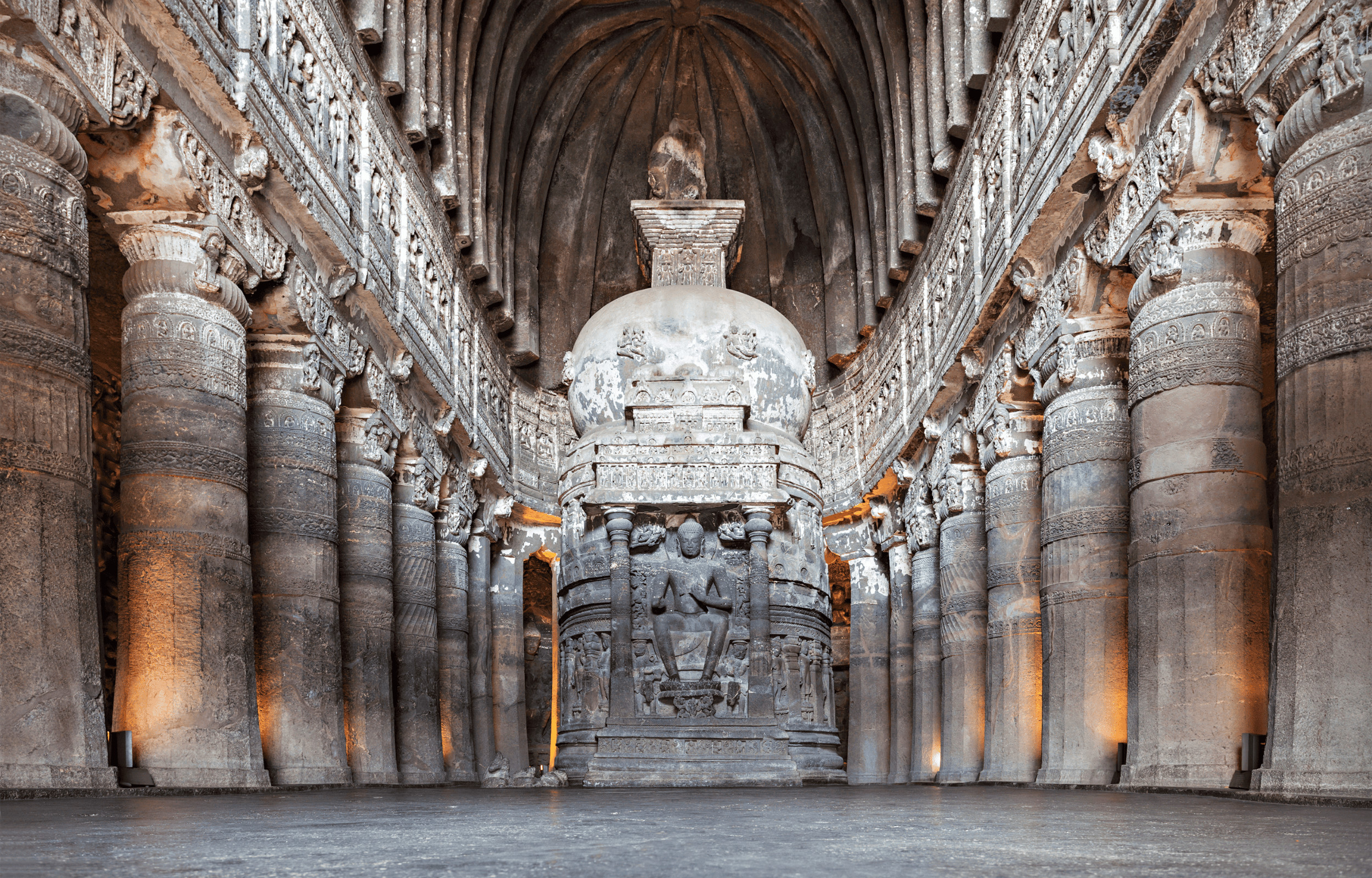
Day Excursion To Ancient City Polonnaruwa From Negombo
Active
12h - 14h
For a full refund, cancel at least 24 hours before the scheduled departure time.
Instant confirmation
Mobile or paper ticket accepted
About this experience
To reach the historic city of Polonnaruwa, which is listed as a UNESCO World Heritage Site, by early morning, you will be driven there in an air-conditioned vehicle. You will discover why Polonnaruwa is one of the most stunning old cities and why it has so much to offer archaeologists, history buffs, and people who just want to learn more about Sri Lanka. Learn more about Sri Lankan culture and life style. While on tour, make sure to sample some of the delicious Sri Lankan cuisine; we have a unique palate. Take a break, enjoy some seasonal fruits, and revitalize yourself. Rest as much as you need to, and our experts will take you directly where you need to go. After a memorable day, you'll return to your lodging. After a memorable day, you'll return to your accommodations.
Available options
Day Excursion To Ancient City Polonnaruwa From Negombo
Pickup included
What's included
Bottled water
Multi Language Specialist guide at Polonnaruwa
Professional & English speaking Expert Driver
Seasonal Fruits
Free Wifi Onboard upon request
Pickup & Drop Service By Air conditioned vehicle
Detailed itinerary
1
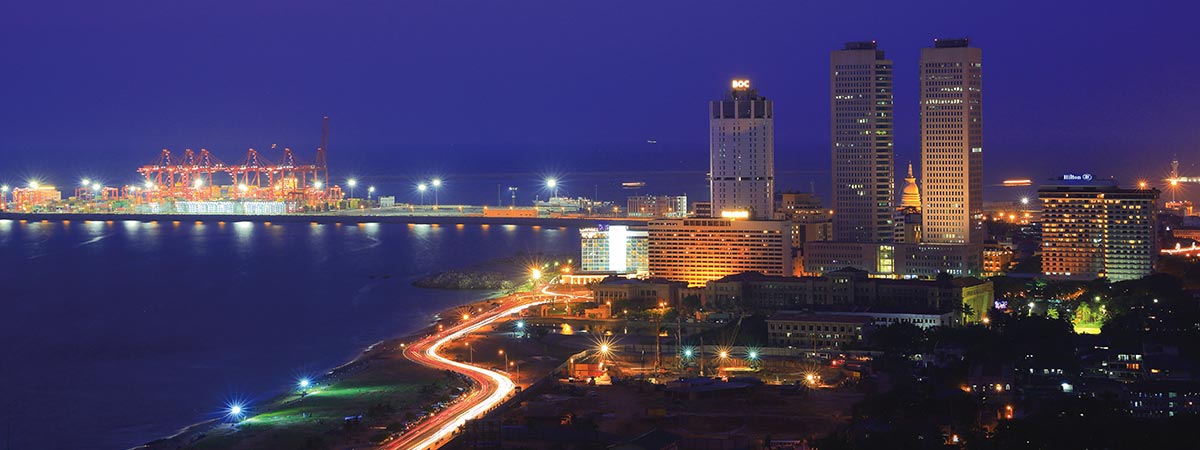
One best city to relax on beach views and City Offers lots for travelers such as Luxury hotels, mangrove island, fishing and much more.
2
Poḷonnaruwa is the main town of Polonnaruwa District in North Central Province, Sri Lanka. Kaduruwela area is the Polonnaruwa New Town and the other part of Polonnaruwa remains as the royal ancient city of the Kingdom of Polonnaruwa
3
Thuparamaya is an ancient Buddhist temple in Anuradhapura, Sri Lanka. Located in the sacred area of Mahamewna park, the Thuparamaya Stupa is the earliest Dagoba to be constructed in the island, dating back to the reign of King Devanampiya Tissa
4
District, in the center of Dambulla town started in 1999 to establish a wholesale market for vegetables and fruits. One important feature of the DDEC is thus a more direct participation of the farmers is selling farm produce.
5
Atadage Dalada Maligaya is the house of the tooth relic of Buddha built by King Vijayabahu I (1070-1110). This building is built on 54 stone pillars. The tooth relic has been kept on the second floor probably made out of wood. (20 minutes- combined with Dalada Maluva)
6
Ibbankatuwa Ancient burial ground lies five kilometres before the Dambulla town on the Kurunegala-Dambulla Road. An archaeological Department board will indicate the turn off from the main road. The site is reached by traveling about 500m in to this road. The site was developed in to a tourist attraction in 2017 and was formally open to the public.
7
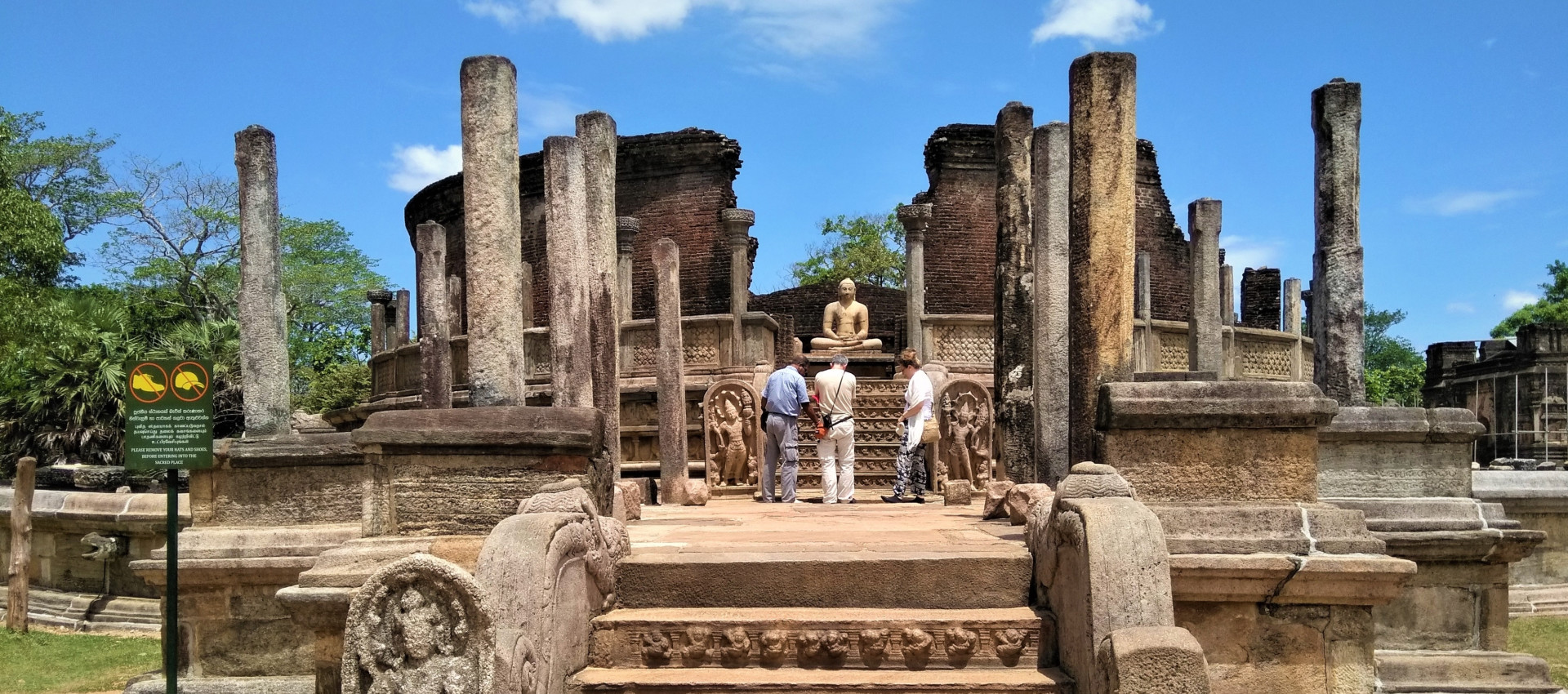
The impressive Royal Palace, located in Sri Lanka's historic city of Polonnaruwa, was built between 1153 and 1186 during the reign of King Mahaparakram Bahu. Due to its significant historical significance, UNESCO designated the Royal Palace of King Parakramabahu as a World Heritage Site in 1982 (20 Minutes)
8
The circular building of Dalada Maluwa, also known as Terrace of the Tooth Relic of Lord Buddha, is a beautiful work of art and architecture of the 12th century. It was built by King Parakrambahu the great (1164-1196AD), it was later enhanced and decorated by King Nissankamalla (1198-1206).
9
This lovely Stupa House (Vatadage) was constructed before Nissanga Malla's (1187–1196) reign, but he carried out significant renovations on it. Thus, what you see today was probably created by him. (20 minutes- combined with Dalada Maluva)
10
Rankoth Vehera is the 4th largest stupa in Sri Lanka. It was built by the Nissanka Malla(1187-1196) it is one of the most sought after tourist attractions.
11
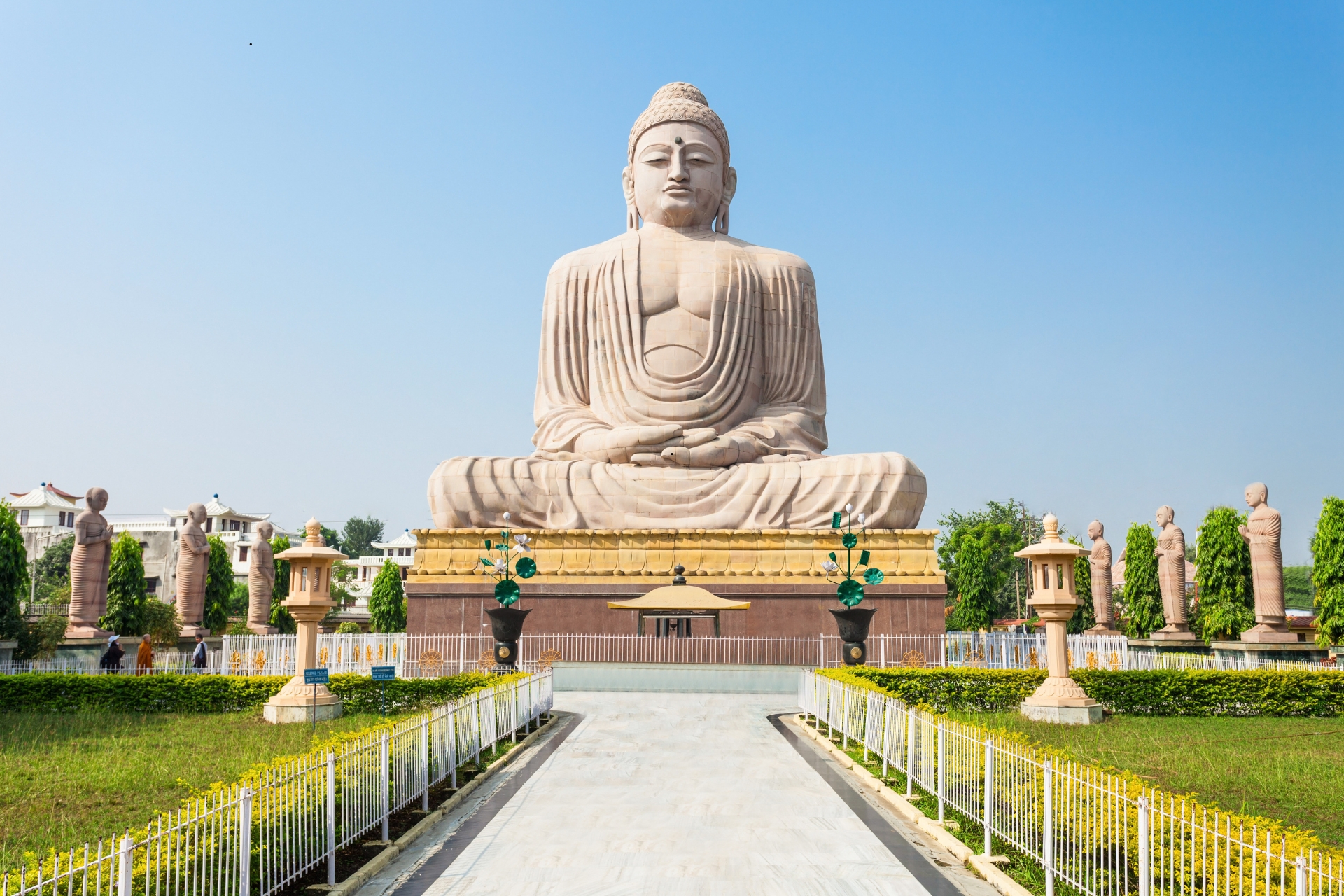
The Gal Vihara, also known as Gal Viharaya and originally as the Uttararama, is a rock temple of the Buddha situated in the ancient city of Polonnaruwa in North Central Province, Sri Lanka. It was fashioned in the 12th century by Parakramabahu
12
Parakrama Samudra is a water reservoir which consists of five different lakes namely Thopa, Dumbutulu, Erabadu, Boo, Katu tanks. Parakrama Samudra is a water reservoir which consists of five different lakes. It is also known as King Parakrama's Sea and is in Polonnaruwa, Sri Lanka. Topa Wewa is the oldest reservoir here which was built around 386 AD.
13
Pothgul Viharaya is an old library and monastery in the Polonnaruwa district of Sri Lanka. The ruins of this ancient library date back to the twelfth century. It was thought to be a Buddhist library complex where Buddhist writings were studied. Now it is nothing but a demolished historic site.
14
It is in outstanding condition and is the third-largest dagaba of the ancient city of Polonnaruwa. It is unknown where the Pabalu Vehera stupa got its unusual shape. A concubine of the great Parakramabahu the Great erected it ( 1153-1186 AD). Currently, this stupa is referred to as "Pabalu,"
amount of glass beads were discovered. Recently, invading parties and treasure hunters demolished the stupa's top and middle sections.
15
Nissanka Latha Mandapaya is located in Dalada Maluwa quadrangle of Polonnaruwa district in North Central Province, Sri Lanka. The purpose of this construction was to recite and hear Buddhist scriptures. The granite pillars are 8.5 feet tall and surprisingly curved at three places. The middle of the platform is a small stupa, which is also made of stone. The top of the pillars has a carving of a blooming lotus, while the test of the columns denotes the structure of a stem.
16
The Nelum pokuna or the Lotus bath is a small stone bath of completely unique design, built in tiers of eight petalled lotuses. The jewel of the architecture lies hidden along the lonely road to the northern city, well away from the bus loads of pilgrims and tourists.
17
The Buddha statue at the Thivanka Pilimage is about 8 meters in height but today the part of the statue above the head has been destroyed. The inside walls of the buildings have been decorated with frescoes showing the Jataka Stories (prior births of Buddha before enlightenment). As most other structures of this era, this is too built with bricks including the statue. The Buddha statue at the Thivanka Pilimage is about 8 meters in height but today the part of the statue above the head has been destroyed.
18
The Shiva Devale No. 2 is thought to be the oldest structure in Polonnaruwa because it was constructed during the South Indian Chola era, when the city was founded by Indian invaders. It had been constructed entirely of stone, in contrast to many of the structures in the Ancient City of Polonnaruwa. This is why the building is still in a similar shape to how it was when it was built hundreds of years ago. Keep an eye out for the statue of Nandi, the bull, Lord Shiva's mount.
19
The Kiri Vehera of Polonnaruwa is said to have been built by a queen of king Parakramabahu (1153-1186). The original name of this has been "Rupavathi Stupa" and this too is a part of Alahana Privena. Its cylindrical surfaces are divided in to eight parts with pilasters between the pilasters are figures of deities with hands in the attitude of adoration. According to Paranavithana, the stupa had 16 reliefs telamons supporting the pseudo-entablature which was badly weathered. The two identical stupas south to the Lankathilaka is thought to be built upon remains of a king and a queen.
20
King Nissakamalla's inscriptions have been found on two pillars in the Baddhasima prasada premises. According to the history book Mahawamsa, King Parakramabahu constructed this twelve-story structure. The principle statement is introduced by a repetition of some of Nissakamalla's deeds in the inscriptions, and the pavilion at the location was built after his return from the Indian Campaign, according to the final clause.
What's not included
Food and drinks, unless specified
Gratuities
Local Srilankan Guide
Entrance tickets to Sights
Available languages
Guide guide
AR
EN
TA
Written guide
DE
IT
FR
ES
Important information
Not recommended for travelers with poor cardiovascular health
Infants are required to sit on an adult’s lap
Not recommended for travelers with spinal injuries
Not recommended for pregnant travelers
Travelers should have at least a moderate level of physical fitness
Comfortable walking shoes recommended for this tour.
All visitors to Buddhist and Hindu temples are expected to remove footwear and hats. Also shoulders and knees should be covered
The duration of transfers are approximate, the exact duration will depend on the time of day and traffic conditions
A current valid passport is required on the day of travel
Subject to favorable weather conditions. If canceled due to poor weather, you will be given the option of an alternative date
About Negombo
Negombo is a vibrant coastal city in Sri Lanka, known for its beautiful beaches, historic Dutch-era architecture, and the bustling fish market. Often called 'Little Rome' due to its significant Catholic population and churches, it offers a mix of cultural heritage, natural beauty, and lively local life.
Top Attractions
Negombo Beach
Negombo Beach is a beautiful stretch of golden sand along the Indian Ocean, perfect for swimming, sunbathing, and water sports. The beach is lined with palm trees and offers stunning sunsets.
Beach
Half day to full day
Free
Negombo Fish Market
The Negombo Fish Market is one of the largest and most vibrant fish markets in Sri Lanka. It's a bustling hub where fishermen sell their daily catch, and visitors can enjoy fresh seafood.
Market
1-2 hours
Free (Food purchases extra)
St. Mary's Church
St. Mary's Church is a historic Catholic church in Negombo, known for its beautiful architecture and religious significance. It's a popular pilgrimage site and a key landmark in the city.
Religious
30-60 minutes
Free
Dutch Canal
The Dutch Canal is a historic waterway built by the Dutch during their colonial period. It's a scenic spot for a leisurely walk or boat ride, offering glimpses of local life and nature.
Historical
1-2 hours
Free (Boat rides extra)
Anguruwankanda Forest Hermitage
Anguruwankanda Forest Hermitage is a peaceful retreat nestled in a lush forest. It's a great place for meditation, hiking, and experiencing the serenity of nature.
Nature
Half day
Free (Donations welcome)
Must-Try Local Dishes
Kottu Roti
A popular Sri Lankan dish made with chopped roti flatbread, vegetables, and meat or seafood, cooked with spices and served with gravy.
Dinner
Can be made vegetarian or vegan.
Seafood Curry
A flavorful curry made with fresh seafood, coconut milk, and a blend of spices, served with rice.
Dinner
Contains seafood and coconut.
Hoppers (Appa)
Bowl-shaped pancakes made from fermented rice flour and coconut milk, often served with an egg in the center.
Breakfast
Vegetarian (unless with egg).
Lamprais
A Dutch-influenced dish consisting of rice cooked in meat stock, wrapped in a banana leaf with meat, sambol, and a hard-boiled egg.
Lunch/Dinner
Contains meat and fish.
Popular Activities
Water sports
Boat safaris
Hiking
Beach lounging
Spa treatments
Yoga
Visiting temples and churches
Exploring local markets
Best Time to Visit
December to April
This is the dry season with sunny days and minimal rain, making it ideal for beach activities, sightseeing, and outdoor adventures. The city is bustling with tourists during this period.
26-30°C
79-86°F
Practical Information
Language
- Official: Sinhala, Tamil
- Widely spoken: English
- English: Moderately spoken
Currency
Sri Lankan Rupee (LKR)
Time Zone
GMT+5:30
Electricity
230VV, 50HzHz
Safety Information
Overall Safety Rating: Generally safe
Negombo is generally a safe destination for travelers. However, standard precautions should be taken to ensure a safe and enjoyable trip.
Important Precautions:
- • Use reputable taxi services or app-based taxis.
- • Keep valuables secure and out of sight.
- • Be cautious of strangers offering unsolicited help or services.
Getting there
By air
- Bandaranaike International Airport • 35 km (22 miles)
By train
Negombo Railway Station
By bus
Negombo Bus Station
Getting around
Public transport
Buses are the most common and affordable way to get around Negombo. They connect the city center with beaches, markets, and other attractions.
Taxis
Available • Apps: PickMe, Uber
Rentals
Car, Bike, Scooter
Neighborhoods
Negombo City Center
Negombo Beach
Lunuwila
Day trips
Colombo
35 km (22 miles) • Half day to full day
Colombo is the capital city of Sri Lanka, offering a mix of modern and colonial architecture, vibrant markets, and cultural attractions.
Kelani River Safari
40 km (25 miles) • Full day
A scenic boat safari along the Kelani River, offering opportunities to spot wildlife and enjoy the natural beauty of the river and its surroundings.
Muthurajawela Marsh
20 km (12 miles) • Half day
A unique wetland ecosystem located near Negombo, offering opportunities for birdwatching, boat rides, and nature walks.
Festivals
Easter Celebrations • March or April (varies by year)
Christmas Celebrations • December 25
Pro tips
- Visit the Negombo Fish Market early in the morning to see the fresh catch and experience the bustling atmosphere.
- Take a boat ride along the Dutch Canal to enjoy the scenic views and learn about its history.
- Try local seafood dishes, particularly grilled fish and prawn curry, for an authentic culinary experience.
- Explore the historic St. Mary's Church and learn about its significance to the local Catholic community.
- Relax on Negombo Beach and enjoy the beautiful sunset views.
From $25
per person
Price varies by option
Secure booking
Free cancellation available
Instant confirmation