Day Excursions to UNESCO City ANURADHAPURA from Negombo
Active
12h - 14h
For a full refund, cancel at least 24 hours before the scheduled departure time.
Instant confirmation
Mobile or paper ticket accepted
About this experience
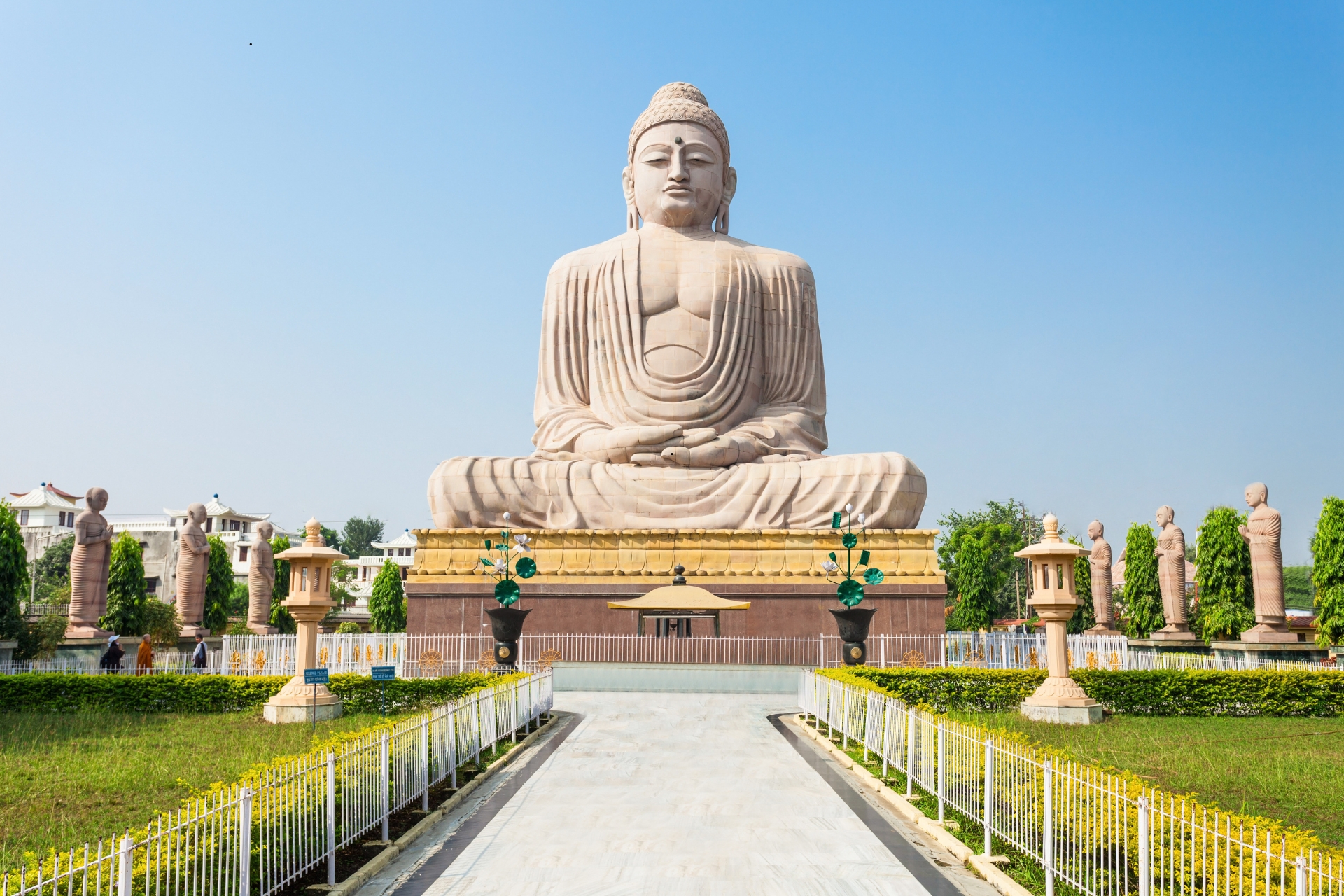
Visit The ruins of Anuradhapura are one of South Asia’s most evocative sights. The sprawling complex contains a rich collection of archaeological and architectural wonders: enormous dagobas (brick stupas), ancient pools and crumbling temples, built during Anuradhapura’s thousand years of rule over Sri Lanka.
Available options
Day Excursions to UNESCO City ANURADHAPURA from Negombo
Pickup included
What's included
Hotel pickup and drop-off
Bottled water
English Speaking Driver Cum Guide
Complimentary WiFi Excess During the Travel (Subjected To Availability)
Transport by private vehicle
Detailed itinerary
1
Stop 1
Mihintale Mountain, with the arrival of Buddhism in Sri Lanka, began to serve as a residential area for the venerable monks headed by Arahath Mahinda Mahathera. But soon, with the royal patronage, the sanctuary housed a multitude of with monastic buildings-stupas, uposathgharas, bodhigharas- to serve the monks. Sixty-eight cave dwellings provided the monks' shade and shelter. Mihintale, the sanctuary for many thousands of laymen as well as holy men, had all the facilities and amenities for basic living.
2
Jaya Sri Maha Bodhiya of Anuradhapura, Sri Lanka is the oldest living tree in documented history of the world. It is a sapling from the historical Bodhi tree under which Buddha enlightened. It was planted in 288 BCF and is the oldest living human-planted tree in the world with a known planting date. It was brought from Buddhagaya India by the Ven. Sanghamitta Therini, a sister of Arhant Mahinda – who introduced the Teachings of the Buddha to Sri Lanka.
3
This charming rock temple, dating from the reign of Devanampiya Tissa (r 307–267 BC), is set around a lovely lotus pond, the corner of which is carved with images of elephants playfully splashing water. The central temple has some particularly fine mural paintings. Climb around the back to the rock summit to see the bell-shaped stupa and a pair of Buddha footprints etched into the rock.
4
Jethawana Stupa is the largest stupa in Sri Lanka. It was originally 400 feet (122 meters) in height and was the third tallest building in the world at that time. Even today as a brick monument, Jethawanaramaya still remains the tallest of its kind in the world.
5
As the oldest stupa in Sri Lanka, Ruwanwelisaya is considered to be an icon of architectural glory in ancient Sri Lanka. Ruwanwelisaya, rising with its glory in the city of Anuradhapura, tops the list among Buddhists’ sacred places. Ruwenwelisaya bears witness for his incomparable service to revive Buddhism in the country. It is located just a short walk away from the Maha Bodhi tree in Anuradhapura. The stupa is one of the eight places of veneration situated in Anuradhapura which are places believed to have been visited by Buddha during his three visits to Sri Lanka.
6
Negombo is habitually where sightseers go through their first day or two in Sri Lanka resting up after a long and depleting plane ride. Before they head on to investigate Sri Lanka. Negombo is loaded with places of worship. Local people were so effectively changed over to Catholicism by the Europeans, that the town is called 'Little Rome'. Most inns and guesthouses are situated at the principal street that travels north from the town community, going corresponding to the seashore.
7
Anuradhapura, a Ceylonese political and strict capital that thrived for a long time, was relinquished after an intrusion in 993. Shrouded away in thick wilderness for a long time, the wonderful site, with its royal residences, cloisters, and landmarks, is currently open by and by.
What's not included
Food and drinks, unless specified
Gratuities
Local Srilankan Guide
Available languages
Guide guide
AR
EN
TA
Written guide
DE
IT
FR
ES
Reviews breakdown
Tripadvisor
5.0
1 reviews
5★
1
4★
0
3★
0
2★
0
1★
0
Important information
Not recommended for travelers with poor cardiovascular health
Infants are required to sit on an adult’s lap
Not recommended for travelers with spinal injuries
Not recommended for pregnant travelers
Travelers should have at least a moderate level of physical fitness
Comfortable walking shoes recommended for this tour.
All visitors to Buddhist and Hindu temples are expected to remove footwear and hats. Also shoulders and knees should be covered
The duration of transfers are approximate, the exact duration will depend on the time of day and traffic conditions
A current valid passport is required on the day of travel
Subject to favorable weather conditions. If canceled due to poor weather, you will be given the option of an alternative date
Mandatory to complete 14 days of quarantine for unvaccinated passengers before starting the tour.
Vaccinated passengers should stay in Level 1 hotel once arrived in Sri Lanka and obtain negative PCR report, in order to start the tour. (14 Days of quarantine is not required).
About Negombo
Negombo is a vibrant coastal city in Sri Lanka, known for its beautiful beaches, historic Dutch-era architecture, and the bustling fish market. Often called 'Little Rome' due to its significant Catholic population and churches, it offers a mix of cultural heritage, natural beauty, and lively local life.
Top Attractions
Negombo Beach
Negombo Beach is a beautiful stretch of golden sand along the Indian Ocean, perfect for swimming, sunbathing, and water sports. The beach is lined with palm trees and offers stunning sunsets.
Beach
Half day to full day
Free
Negombo Fish Market
The Negombo Fish Market is one of the largest and most vibrant fish markets in Sri Lanka. It's a bustling hub where fishermen sell their daily catch, and visitors can enjoy fresh seafood.
Market
1-2 hours
Free (Food purchases extra)
St. Mary's Church
St. Mary's Church is a historic Catholic church in Negombo, known for its beautiful architecture and religious significance. It's a popular pilgrimage site and a key landmark in the city.
Religious
30-60 minutes
Free
Dutch Canal
The Dutch Canal is a historic waterway built by the Dutch during their colonial period. It's a scenic spot for a leisurely walk or boat ride, offering glimpses of local life and nature.
Historical
1-2 hours
Free (Boat rides extra)
Anguruwankanda Forest Hermitage
Anguruwankanda Forest Hermitage is a peaceful retreat nestled in a lush forest. It's a great place for meditation, hiking, and experiencing the serenity of nature.
Nature
Half day
Free (Donations welcome)
Must-Try Local Dishes
Kottu Roti
A popular Sri Lankan dish made with chopped roti flatbread, vegetables, and meat or seafood, cooked with spices and served with gravy.
Dinner
Can be made vegetarian or vegan.
Seafood Curry
A flavorful curry made with fresh seafood, coconut milk, and a blend of spices, served with rice.
Dinner
Contains seafood and coconut.
Hoppers (Appa)
Bowl-shaped pancakes made from fermented rice flour and coconut milk, often served with an egg in the center.
Breakfast
Vegetarian (unless with egg).
Lamprais
A Dutch-influenced dish consisting of rice cooked in meat stock, wrapped in a banana leaf with meat, sambol, and a hard-boiled egg.
Lunch/Dinner
Contains meat and fish.
Popular Activities
Water sports
Boat safaris
Hiking
Beach lounging
Spa treatments
Yoga
Visiting temples and churches
Exploring local markets
Best Time to Visit
December to April
This is the dry season with sunny days and minimal rain, making it ideal for beach activities, sightseeing, and outdoor adventures. The city is bustling with tourists during this period.
26-30°C
79-86°F
Practical Information
Language
- Official: Sinhala, Tamil
- Widely spoken: English
- English: Moderately spoken
Currency
Sri Lankan Rupee (LKR)
Time Zone
GMT+5:30
Electricity
230VV, 50HzHz
Safety Information
Overall Safety Rating: Generally safe
Negombo is generally a safe destination for travelers. However, standard precautions should be taken to ensure a safe and enjoyable trip.
Important Precautions:
- • Use reputable taxi services or app-based taxis.
- • Keep valuables secure and out of sight.
- • Be cautious of strangers offering unsolicited help or services.
Getting there
By air
- Bandaranaike International Airport • 35 km (22 miles)
By train
Negombo Railway Station
By bus
Negombo Bus Station
Getting around
Public transport
Buses are the most common and affordable way to get around Negombo. They connect the city center with beaches, markets, and other attractions.
Taxis
Available • Apps: PickMe, Uber
Rentals
Car, Bike, Scooter
Neighborhoods
Negombo City Center
Negombo Beach
Lunuwila
Day trips
Colombo
35 km (22 miles) • Half day to full day
Colombo is the capital city of Sri Lanka, offering a mix of modern and colonial architecture, vibrant markets, and cultural attractions.
Kelani River Safari
40 km (25 miles) • Full day
A scenic boat safari along the Kelani River, offering opportunities to spot wildlife and enjoy the natural beauty of the river and its surroundings.
Muthurajawela Marsh
20 km (12 miles) • Half day
A unique wetland ecosystem located near Negombo, offering opportunities for birdwatching, boat rides, and nature walks.
Festivals
Easter Celebrations • March or April (varies by year)
Christmas Celebrations • December 25
Pro tips
- Visit the Negombo Fish Market early in the morning to see the fresh catch and experience the bustling atmosphere.
- Take a boat ride along the Dutch Canal to enjoy the scenic views and learn about its history.
- Try local seafood dishes, particularly grilled fish and prawn curry, for an authentic culinary experience.
- Explore the historic St. Mary's Church and learn about its significance to the local Catholic community.
- Relax on Negombo Beach and enjoy the beautiful sunset views.
From $25
per person
Price varies by option
Secure booking
Free cancellation available
Instant confirmation