Day Excursions to Galle Fort & Bentota from Colombo
Active
12h - 14h
For a full refund, cancel at least 24 hours before the scheduled departure time.
Instant confirmation
Mobile or paper ticket accepted
About this experience
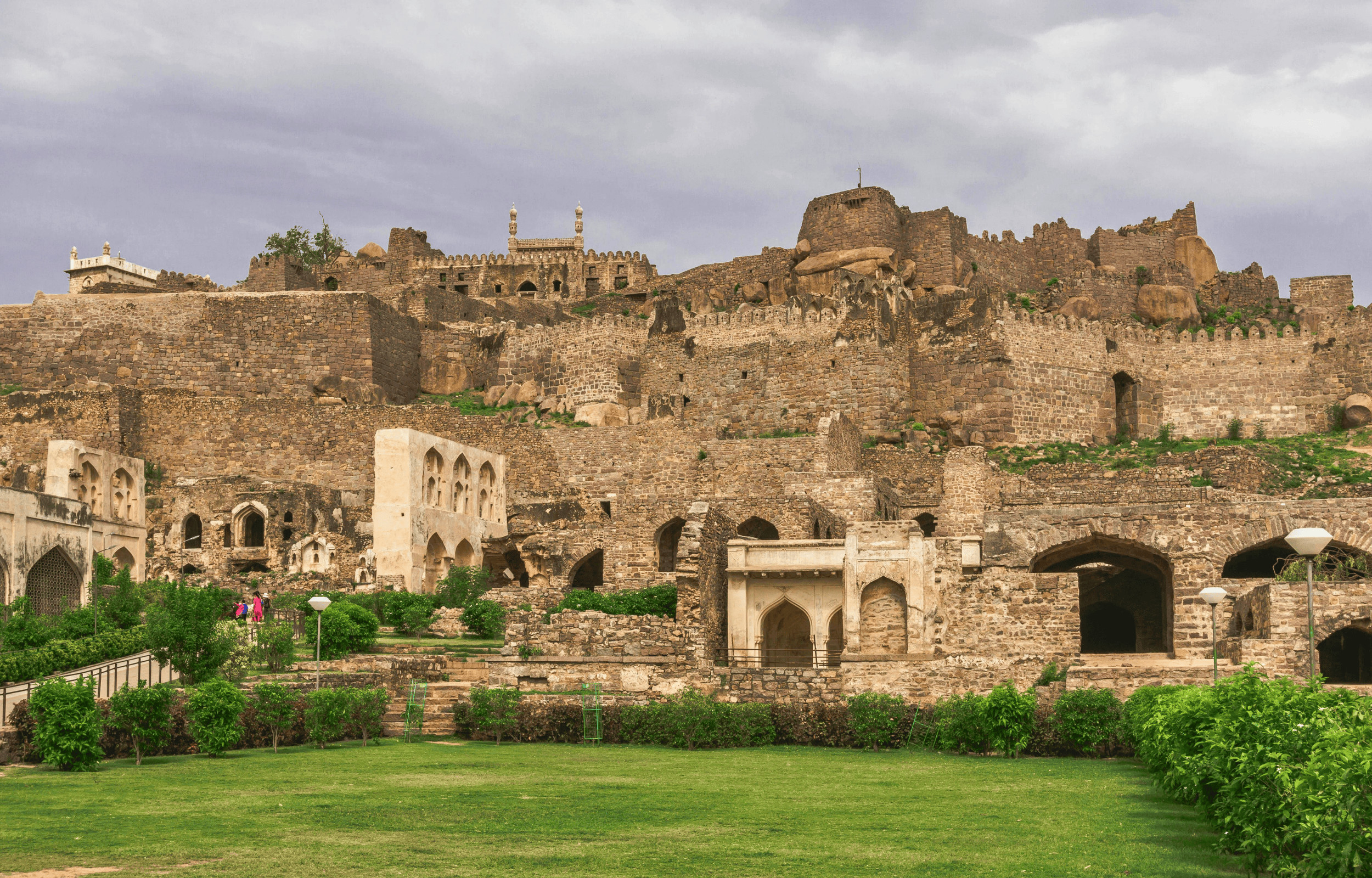
Galle is one of Sri Lanka's most populous cities. This beachside paradise in the southwest of the island is one of the most well-known in the entire country because of its historical significance. It served as the island's main port until the arrival of the Portuguese in the 16th century. While traveling, look out for fishermen selling their wares along the side of the road and take in the stunning green and turquoise beaches that line it. Tell our chauffeur if you wish to bury your toes in the sand. There are two possibilities regarding the origin of Galle's current name. You can have a unique experience while walking on Galle Fort by gazing down and taking in the view of the sea. You may take in the sunset over the fort in the evening. Once the sun has set, return to the port carrying priceless memories.
Available options
Day Excursions to Galle Fort & Bentota from Colombo
Pickup included
What's included
Free WIFI Onboard Upon Request
Bottled water
Seasonal Fruits
Professional & Expert English Speaking Driver
Hotel pickup and drop off by an air conditioned vehicle
King Coconut
Detailed itinerary
1
Sri Lanka's capital city, Colombo, has a long history of serving as a port on ancient east-west trade routes that were successively run by the Portuguese, Dutch, and British. Its engineering, which combines pilgrim shrines with high structures and retail malls, is a reflection of that tradition.
2
Stop 2
The Sea Turtle Farm and Hatchery is a non - profitable organization which is maintained for the survival of Sea Turtles for the next generation. The "Turtle Farm" is situated in Habaraduwa near to the beautiful beach. That is 5m from the Galle - Matara main road. The center was started in 1986 and have released more than 500,000 sea turtles to the ocean.
# Optional Tour –per person
• Turtle hatchery
3
In the Southern region of Sri Lanka lays the Galle district. Balapitiya is a little town in the district and would be quite unimportant; except for the location of a river. The Madu River is very rich in biodiversity. It passes through the wet zone of Sri Lanka opening up into the large Madu Lagoon on its way to the Indian Ocean.
# Optional Tour –per person USD 30
• Madu ganga Boat safari - Fish therapy, Pass by Shrimp farm , Visit Cinnamon Island
4
Stop 4
The Galle lighthouse is situated inside the landmark Galle Fort. It is built seven meters above the road on the ramparts. This is Sri Lanka’s oldest light station dating back to 1848, but the original lighthouse was destroyed by fire in 1934. It was rebuilt at the current height of 26m. The light station is within the walls of the ancient Galle fort, a UNESCO world heritage site and well known tourist attraction, making this the countries most often visited lighthouse. (Combines with Galle fort)
5
The National Maritime Museum of Galle is chock-full of nautical and marine marvels, dug up from the sea and showcased here. Galle has always been a major harbor, visited by ships and traders from across the globe for several millennia. As such it did not escape the clutches of the Dutch traders who put profit before all else.
6
The Galle Clock Tower is a four story tall stone monument hailing from the late 19th century. It was built within the ramparts of the Galle Fort on the site of the previous guardroom, overlooking one of the three bastions of the fort. While the aged clock tower is a great monument to photograph, it will take some skilful manoeuvring due to the extreme angle close by. Hence it might be better to photograph it from the Moon Bastion which the tower faces.( combines with Galle fort)
End of the tour, will head back to Accommodation with full of nice memories
7
Originally built in 1640, the present building dates from 1752. Its floor is paved with gravestones from Dutch cemeteries, while other impressive features include the organ and an imposing pulpit made from calamander wood and topped by a grand hexagonal canopy.( combines with Galle fort)
8
Once a racecourse for wagering British colonials, Galle's cricket ground was established over 100 years ago. Since 1998 it has been used for international matches; in 2010 it was the site of the legendary last appearance of Sri Lanka's great bowler, Muttiah Muralitharan. There's a great perspective of the ground from the Sun Bastion to the south.
9
- Located in Galle, Dutch Hospital Shopping Precinct as the name would suggest is a shopping mall located in a beautifully restored colonial building originally built during the Dutch occupation. It has a constantly growing selection of places to eat, drink or shop. There are fabulous bay views from its upper balcony.
(combines with Galle fort)
What's not included
Entrance Fees - Madu River WIth Fish Massage USD 30 Per person
Gratuity For Driver & Guide
Food & Drinks Other than Specified
Optional Activities
Available languages
Written guide
DE
IT
FR
ES
Guide guide
EN
TA
Reviews breakdown
Viator
3.2
6 reviews
5★
2
4★
1
3★
1
2★
0
1★
2
Tripadvisor
4.7
14 reviews
5★
11
4★
2
3★
1
2★
0
1★
0
Important information
Infants are required to sit on an adult’s lap
Not recommended for travelers with spinal injuries
Not recommended for pregnant travelers
Not recommended for travelers with poor cardiovascular health
Travelers should have at least a moderate level of physical fitness
Littering & smoking is prohibited inside the vehicle.
Deposit trash in designated receptacles
The exact duration will depend on the time of day and traffic conditions
Subject to favorable weather conditions. If cancelled due to poor weather, you will be given the option of an alternative date.
We Recommend all customers carry the Vaccination card while traveling (Digitally or Physically)
Pickup will be commenced prior to start the tour time; you must contact us to verify your exact pickup time.
Comfortable walking shoes recommended for this tour.
About Negombo
Negombo is a vibrant coastal city in Sri Lanka, known for its beautiful beaches, historic Dutch-era architecture, and the bustling fish market. Often called 'Little Rome' due to its significant Catholic population and churches, it offers a mix of cultural heritage, natural beauty, and lively local life.
Top Attractions
Negombo Beach
Negombo Beach is a beautiful stretch of golden sand along the Indian Ocean, perfect for swimming, sunbathing, and water sports. The beach is lined with palm trees and offers stunning sunsets.
Beach
Half day to full day
Free
Negombo Fish Market
The Negombo Fish Market is one of the largest and most vibrant fish markets in Sri Lanka. It's a bustling hub where fishermen sell their daily catch, and visitors can enjoy fresh seafood.
Market
1-2 hours
Free (Food purchases extra)
St. Mary's Church
St. Mary's Church is a historic Catholic church in Negombo, known for its beautiful architecture and religious significance. It's a popular pilgrimage site and a key landmark in the city.
Religious
30-60 minutes
Free
Dutch Canal
The Dutch Canal is a historic waterway built by the Dutch during their colonial period. It's a scenic spot for a leisurely walk or boat ride, offering glimpses of local life and nature.
Historical
1-2 hours
Free (Boat rides extra)
Anguruwankanda Forest Hermitage
Anguruwankanda Forest Hermitage is a peaceful retreat nestled in a lush forest. It's a great place for meditation, hiking, and experiencing the serenity of nature.
Nature
Half day
Free (Donations welcome)
Must-Try Local Dishes
Kottu Roti
A popular Sri Lankan dish made with chopped roti flatbread, vegetables, and meat or seafood, cooked with spices and served with gravy.
Dinner
Can be made vegetarian or vegan.
Seafood Curry
A flavorful curry made with fresh seafood, coconut milk, and a blend of spices, served with rice.
Dinner
Contains seafood and coconut.
Hoppers (Appa)
Bowl-shaped pancakes made from fermented rice flour and coconut milk, often served with an egg in the center.
Breakfast
Vegetarian (unless with egg).
Lamprais
A Dutch-influenced dish consisting of rice cooked in meat stock, wrapped in a banana leaf with meat, sambol, and a hard-boiled egg.
Lunch/Dinner
Contains meat and fish.
Popular Activities
Water sports
Boat safaris
Hiking
Beach lounging
Spa treatments
Yoga
Visiting temples and churches
Exploring local markets
Best Time to Visit
December to April
This is the dry season with sunny days and minimal rain, making it ideal for beach activities, sightseeing, and outdoor adventures. The city is bustling with tourists during this period.
26-30°C
79-86°F
Practical Information
Language
- Official: Sinhala, Tamil
- Widely spoken: English
- English: Moderately spoken
Currency
Sri Lankan Rupee (LKR)
Time Zone
GMT+5:30
Electricity
230VV, 50HzHz
Safety Information
Overall Safety Rating: Generally safe
Negombo is generally a safe destination for travelers. However, standard precautions should be taken to ensure a safe and enjoyable trip.
Important Precautions:
- • Use reputable taxi services or app-based taxis.
- • Keep valuables secure and out of sight.
- • Be cautious of strangers offering unsolicited help or services.
Getting there
By air
- Bandaranaike International Airport • 35 km (22 miles)
By train
Negombo Railway Station
By bus
Negombo Bus Station
Getting around
Public transport
Buses are the most common and affordable way to get around Negombo. They connect the city center with beaches, markets, and other attractions.
Taxis
Available • Apps: PickMe, Uber
Rentals
Car, Bike, Scooter
Neighborhoods
Negombo City Center
Negombo Beach
Lunuwila
Day trips
Colombo
35 km (22 miles) • Half day to full day
Colombo is the capital city of Sri Lanka, offering a mix of modern and colonial architecture, vibrant markets, and cultural attractions.
Kelani River Safari
40 km (25 miles) • Full day
A scenic boat safari along the Kelani River, offering opportunities to spot wildlife and enjoy the natural beauty of the river and its surroundings.
Muthurajawela Marsh
20 km (12 miles) • Half day
A unique wetland ecosystem located near Negombo, offering opportunities for birdwatching, boat rides, and nature walks.
Festivals
Easter Celebrations • March or April (varies by year)
Christmas Celebrations • December 25
Pro tips
- Visit the Negombo Fish Market early in the morning to see the fresh catch and experience the bustling atmosphere.
- Take a boat ride along the Dutch Canal to enjoy the scenic views and learn about its history.
- Try local seafood dishes, particularly grilled fish and prawn curry, for an authentic culinary experience.
- Explore the historic St. Mary's Church and learn about its significance to the local Catholic community.
- Relax on Negombo Beach and enjoy the beautiful sunset views.
From $25
per person
Price varies by option
Secure booking
Free cancellation available
Instant confirmation