

From Colombo: Sigiriya and Dambulla Day Trip and Safari
Active
12h - 14h
For a full refund, cancel at least 24 hours before the scheduled departure time.
Instant confirmation
Mobile or paper ticket accepted
About this experience
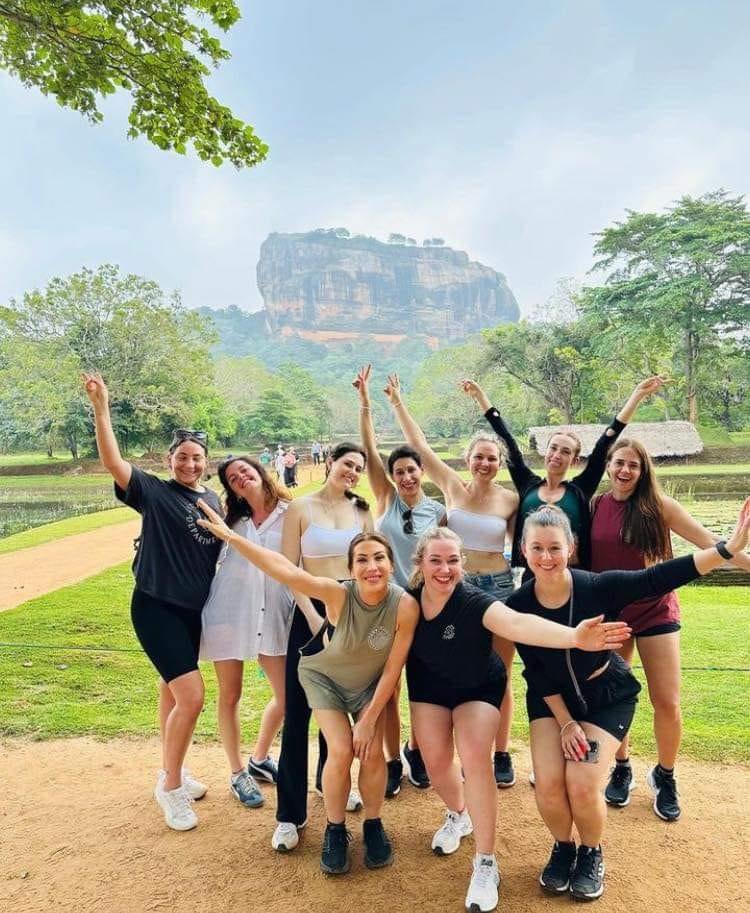
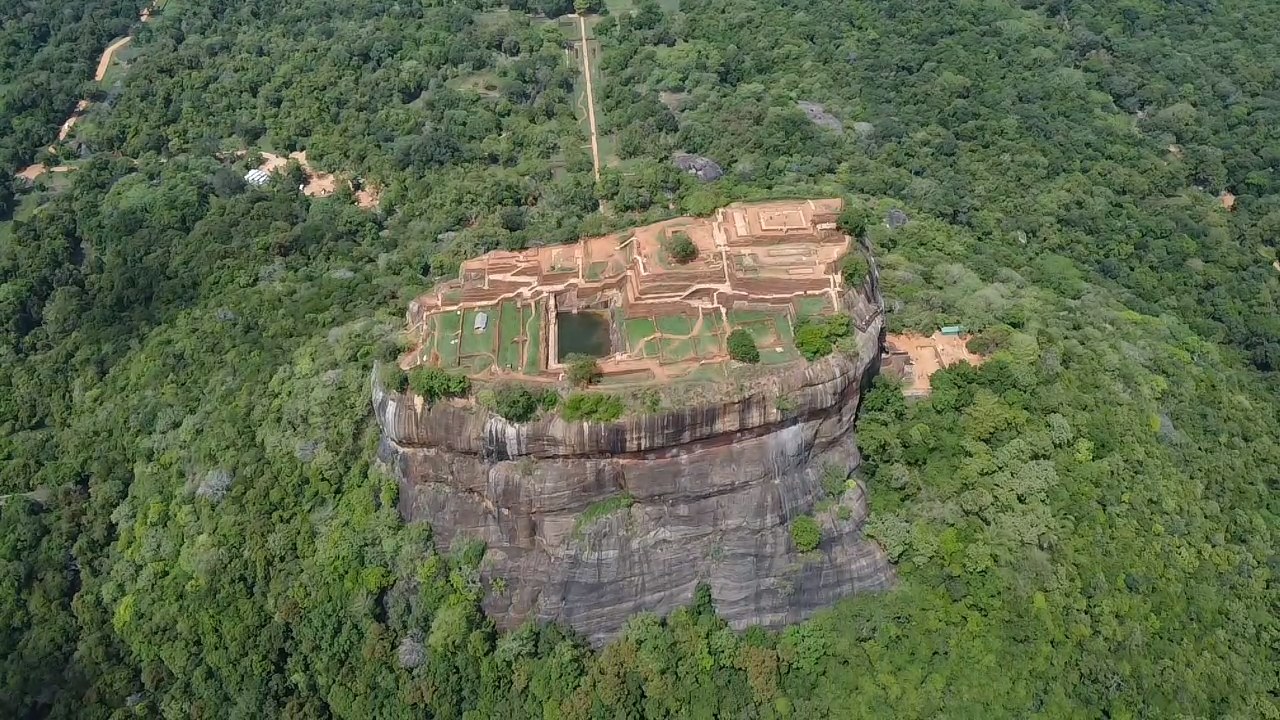
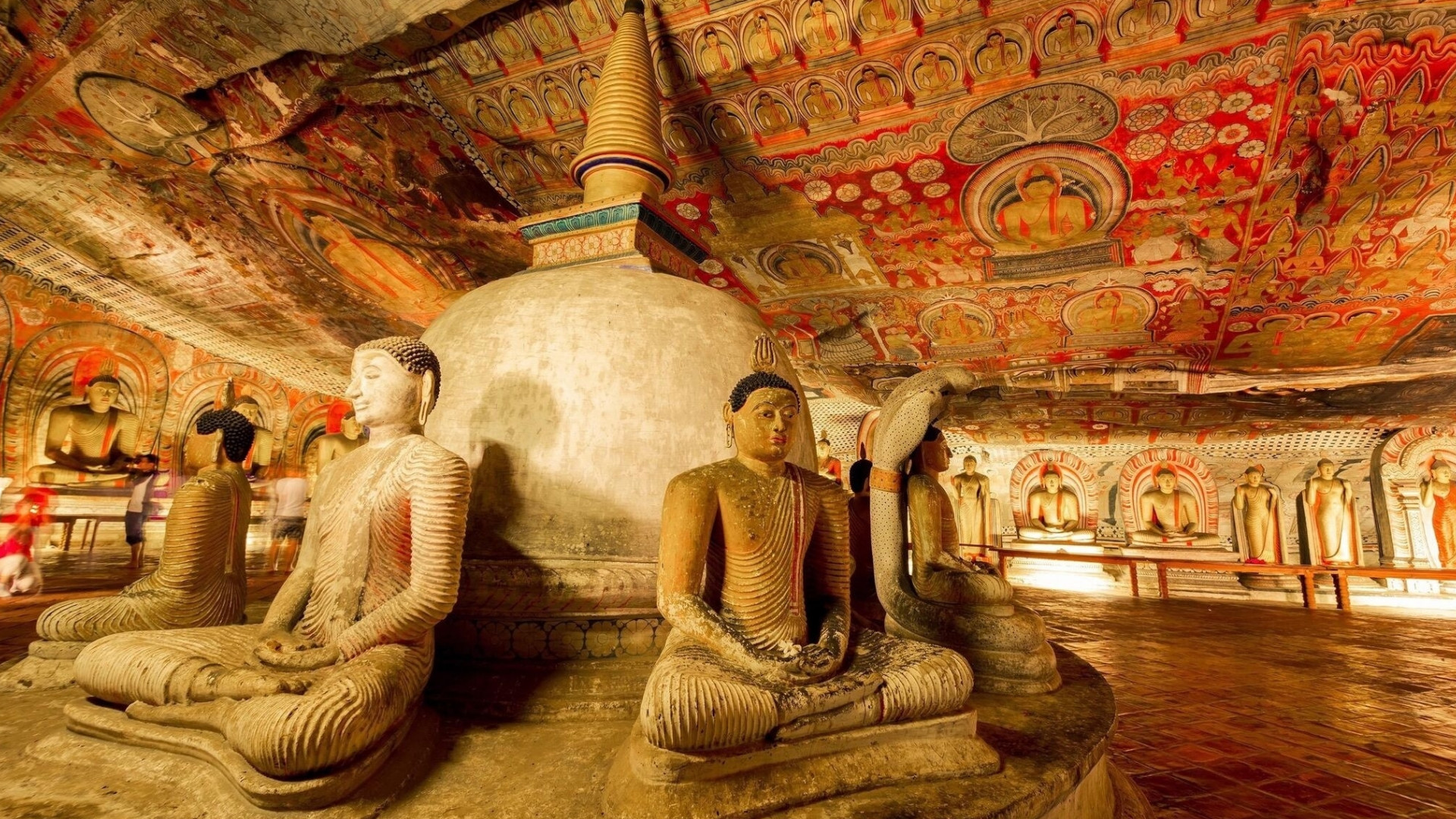
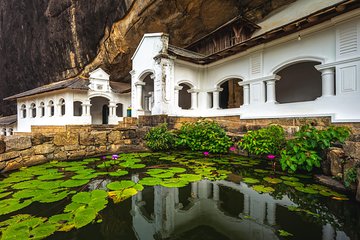
Climbing a rock - if you’re in good shape and don’t stop to look at things, it’ll take you less than 30 minutes to climb all the way to the top of the rock. If you need a few breaks along the way or simply want to stop often to take photos and admire the view, it’ll take an hour and a half to two hours to climb up and go back down again. and then Visit The beautiful Royal Rock Temple complex sits about 160m above the road in the southern part of Dambulla. Buddha images were first created here over 2000 years ago, and over the centuries subsequent kings added to and embellished the cave art.
Available options
Sigiriya & Dambulla
Pickup included
What's included
Complimentary Wifi Access During the Travel Subject To Availability
Seasonal fruits - subject to available
Hotel pickup and drop off by air conditioned vehicle
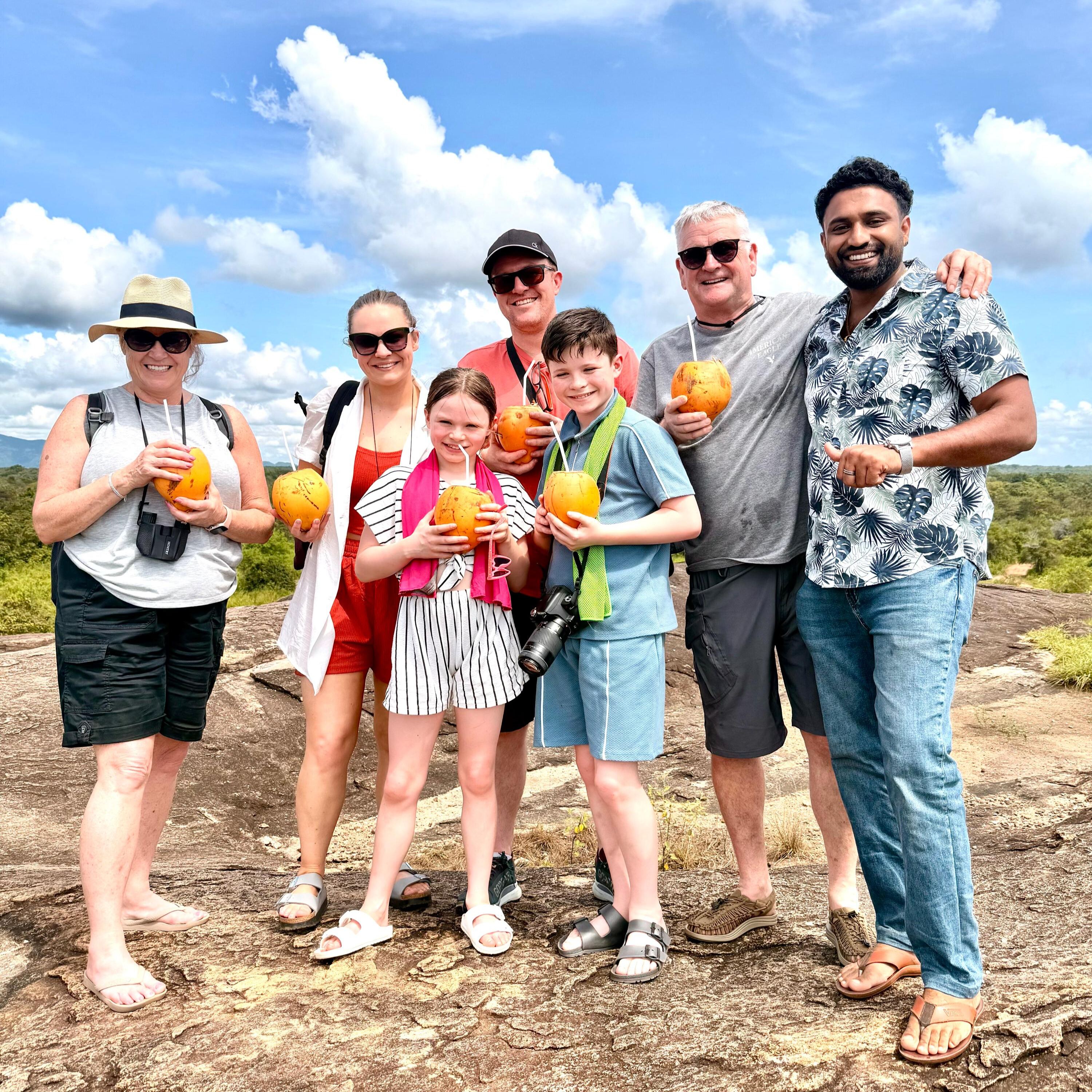
King Coconut - subject to available
Bottled water
Guide Assistance in Sigiriya Lion Rock ( English,German, French, Spanish )
English Speaking Driver cum Guide
Detailed itinerary
1
Our Driver will meet your at the lobby from your pickup location choose we recommended to be at lobby 10 mins before activity. if you able to get the Packed breakfast from hotel
2
Get Refresh your self with some coffees can assure you that this is the best coffee and cafe you’d find Such great service and it’s a very clean set up
3
Stop 3
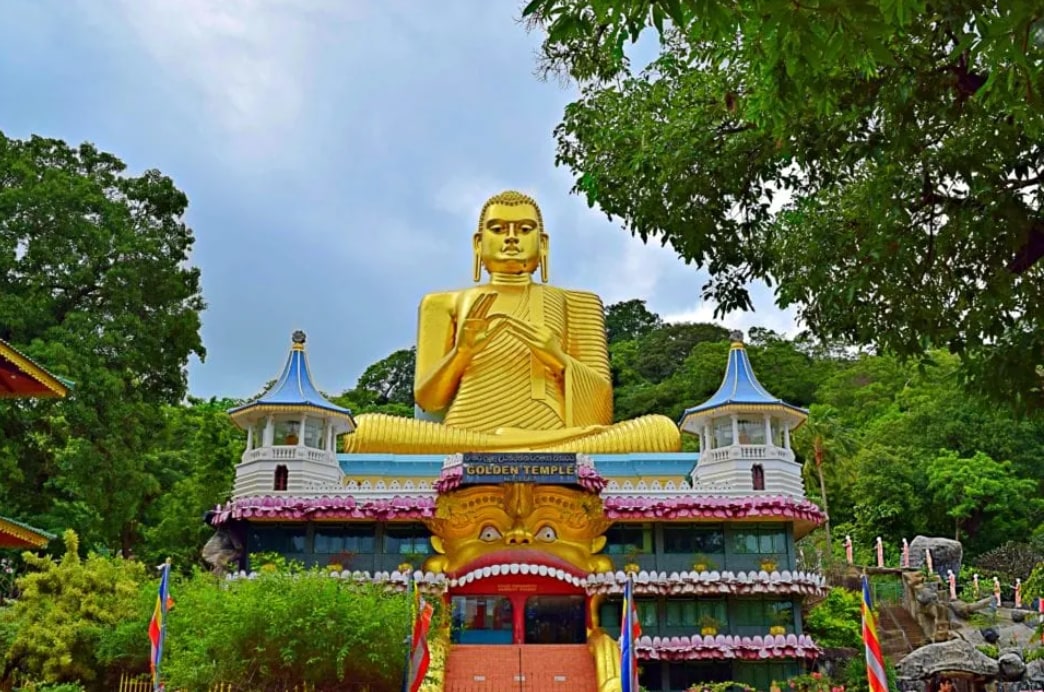
Dambulla cave temple also known as the Golden Temple of Dambulla is a World Heritage Site in Sri Lanka, situated in the central part of the country. This site is situated 148 kilometres east of Colombo and 72 kilometres north of Kandy. Dambulla is the largest and best-preserved cave temple complex in Sri Lanka
4
The Rock Temple of Dambulla, called Jumbukola Vihara (Dambulla Cave Temple) in the (Mahavamsa)-the principal Pali Chronicle of Sri Lanka, is situated about forty seven miles north west of Kandy, the last capital of the Sinhalese kings, on the main road to Anuradhupura. Dambulla is a scent of unique interest. Its rock temples are the most extensive in the Island, and one of the most ancient, and in the highest state of preservation and order.(photo Stop only)
5
Located in the Dambulla SecretariatDivision of Matale District, in the center of Dambulla town started in 1999 to establish a wholesale market for vegetables and fruits. One important feature of the DDEC is thus more direct participation of the farmers is selling farm produce.
6
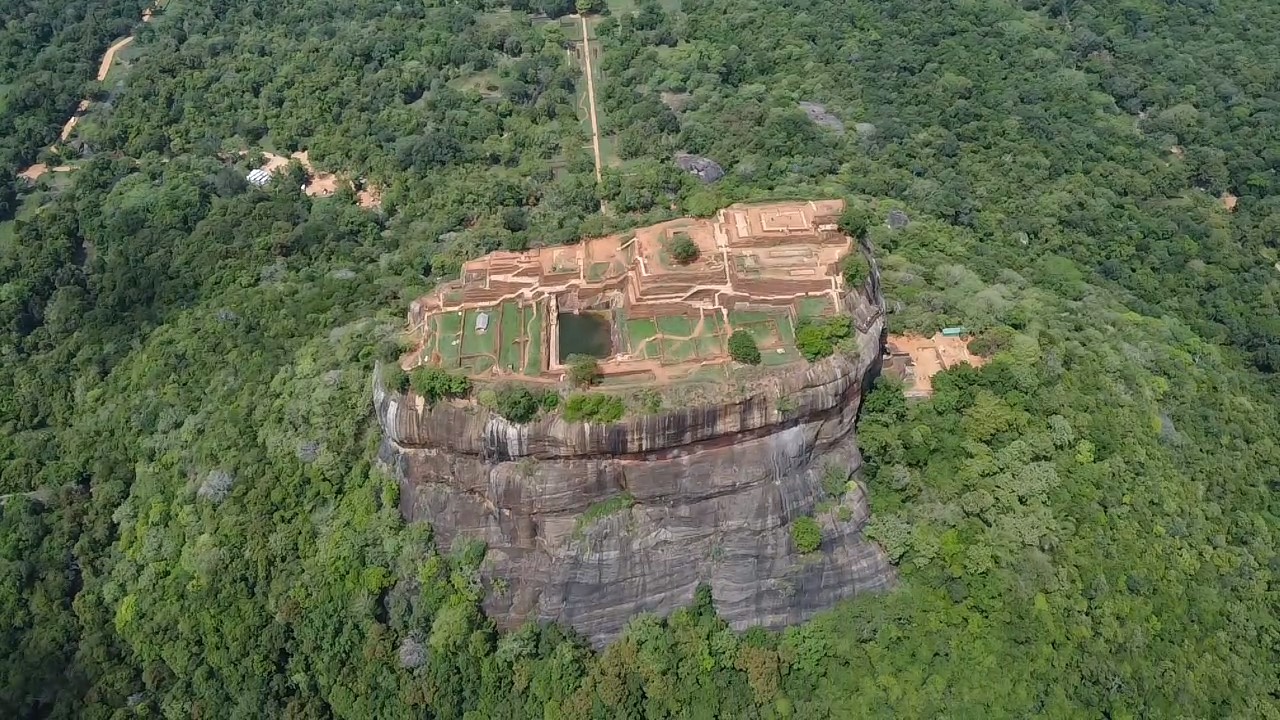
The Sigiriya Museum known to be the most beautiful museums in all of South Asia is managed by the central Cultural Fund. This museum represents the cultural, technological and archeological value of Sigiriya. The Sigiriya Museum allows its visitors to explore three decades of archeological research on Sigiriya. The design of the Sigiriya museum was inspired by the complex design systems evident in Sigiriya itself. Most importantly the cleaver use of water, where it both enhances the beauty and quality of the environment as well as the conservation of it for the purpose of irrigation is been replicated here at the Sigiriya Museum. (combine with Sigiriya rock fortress )
7
Stop 7
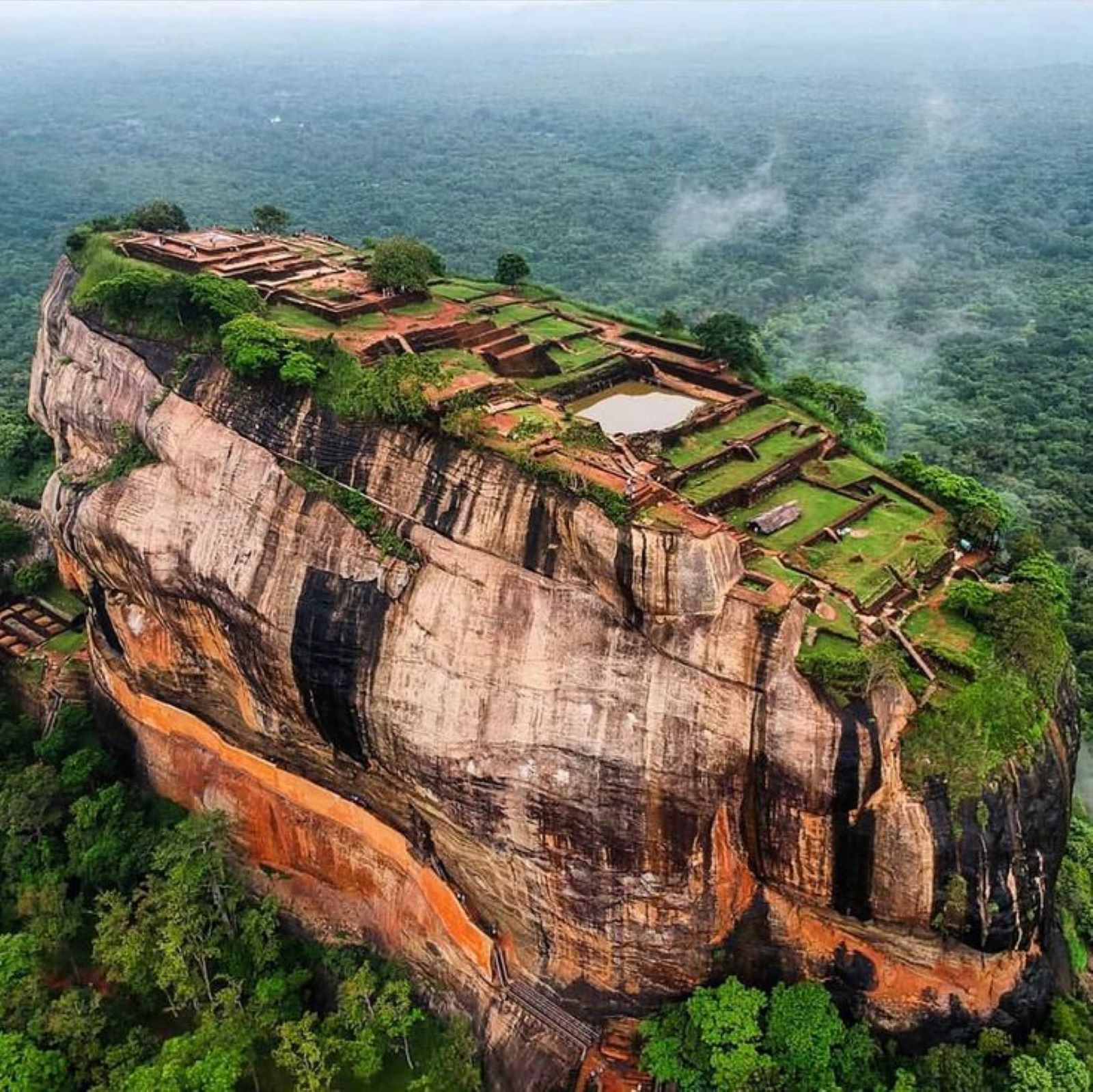
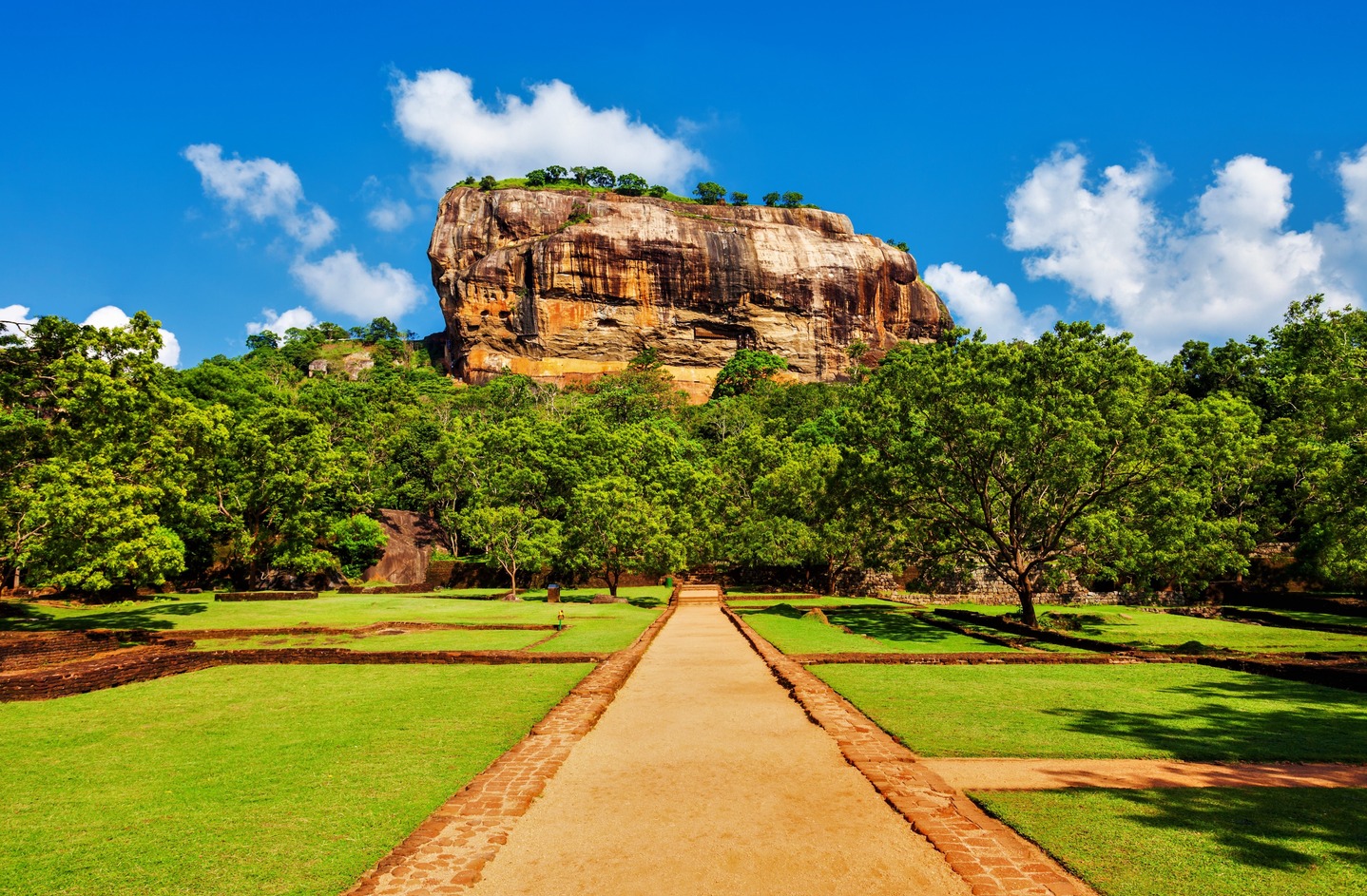
Sigiriya is the most exquisite example of ancient Sri Lankan art, architecture and landscaping. Built over 1,600 years ago, the now sinister-looking 600 ft high black rock once appeared like a massive dazzling white cloud floating above the surrounding forests. Its sides were painted with beautiful frescoes of semi-naked nymphs. A large gatehouse in the form of a lion guarded the entrance to the innermost sanctum of the city – the Sky Palace on top of the rock. Sigiriya burst briefly into pre-eminence and was then abandoned and lay hidden in the forests for nearly 1,500 years. The climb to the top is strenuous but it is worth it. Definitely a must visit site!
8
From typical wooden elephant ornaments to the more intricately carved wooden traditional masks, Oak Ray Wood Carving boasts of one of the more comprehensive wood carving collections in Sri Lanka. The ‘Oak Ray’ brand, primarily catering to the hospitality needs of tourists has diversified its name into the niche of handicrafts and has quickly become a go-to establishment to find that perfect memento of your journey around the Paradise Island of Sri Lanka.
What's not included
Food and Beverages, unless specified
Gratuities
Entrance Fees Sigiriya USD 36 & Cave Temple USD 8
Sigiriya lion rock
Dambulla Cave Temple
Coffee, Juice and etc need to pay as per your choice
Coffee, Beer, Juice and etc need to pay as per your choice
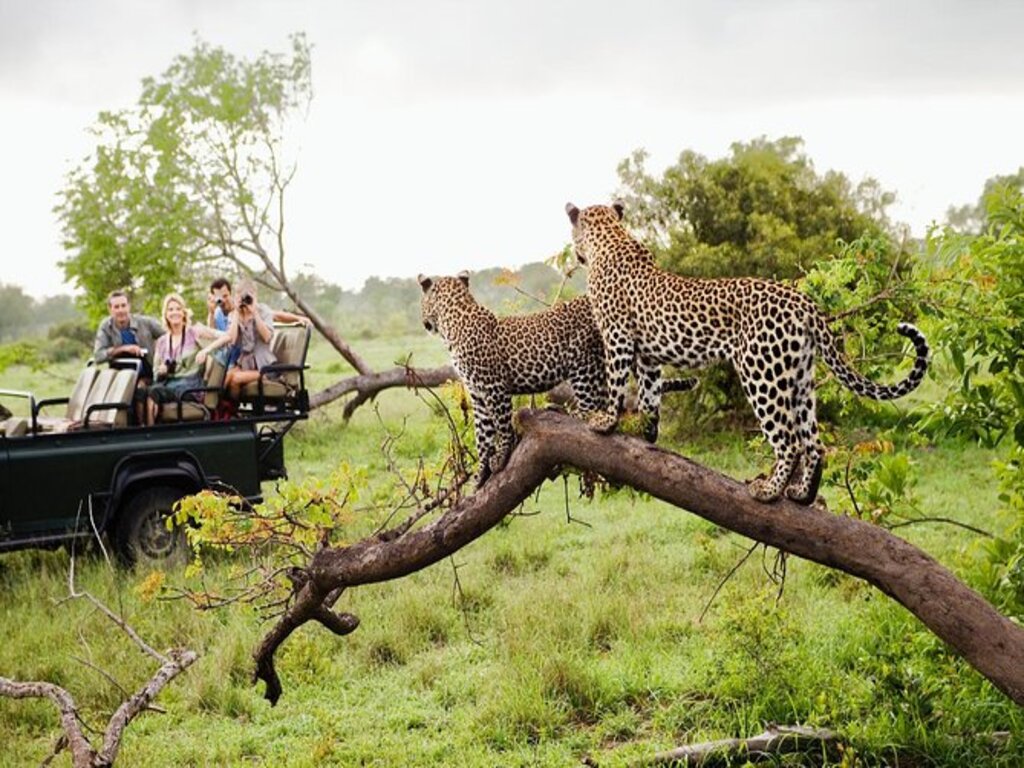
National Park safari
Available languages
Guide guide
AR
DE
RU
EN
FR
TA
Written guide
DE
IT
FR
ES
Reviews breakdown
Viator
4.5
39 reviews
5★
30
4★
5
3★
1
2★
1
1★
2
Tripadvisor
4.5
86 reviews
5★
66
4★
9
3★
4
2★
2
1★
5
Important information
Not recommended for travelers with poor cardiovascular health
Public transportation options are available nearby
Infants are required to sit on an adult’s lap
Not recommended for travelers with spinal injuries
Not recommended for pregnant travelers
Travelers should have at least a moderate level of physical fitness
Comfortable walking shoes recommended for this tour.
All visitors to Buddhist and Hindu temples are expected to remove footwear and hats. Also shoulders and knees should be covered
The duration of transfers are approximate, the exact duration will depend on the time of day and traffic conditions
A current valid passport is required on the day of travel
Subject to favorable weather conditions. If canceled due to poor weather, you will be given the option of an alternative date
Entrance need to pay directly and please bring cash to avoid the delay
If you need to withdraw cash by ATM please advice to Driver or Guide about that earlier
Cave temple - 2000 must pay by local rupees / card payment and USD cash not accepted
Sigiriya 11,000 rupees (around 35 USD) in payment can be done by card and USD cash
About Colombo
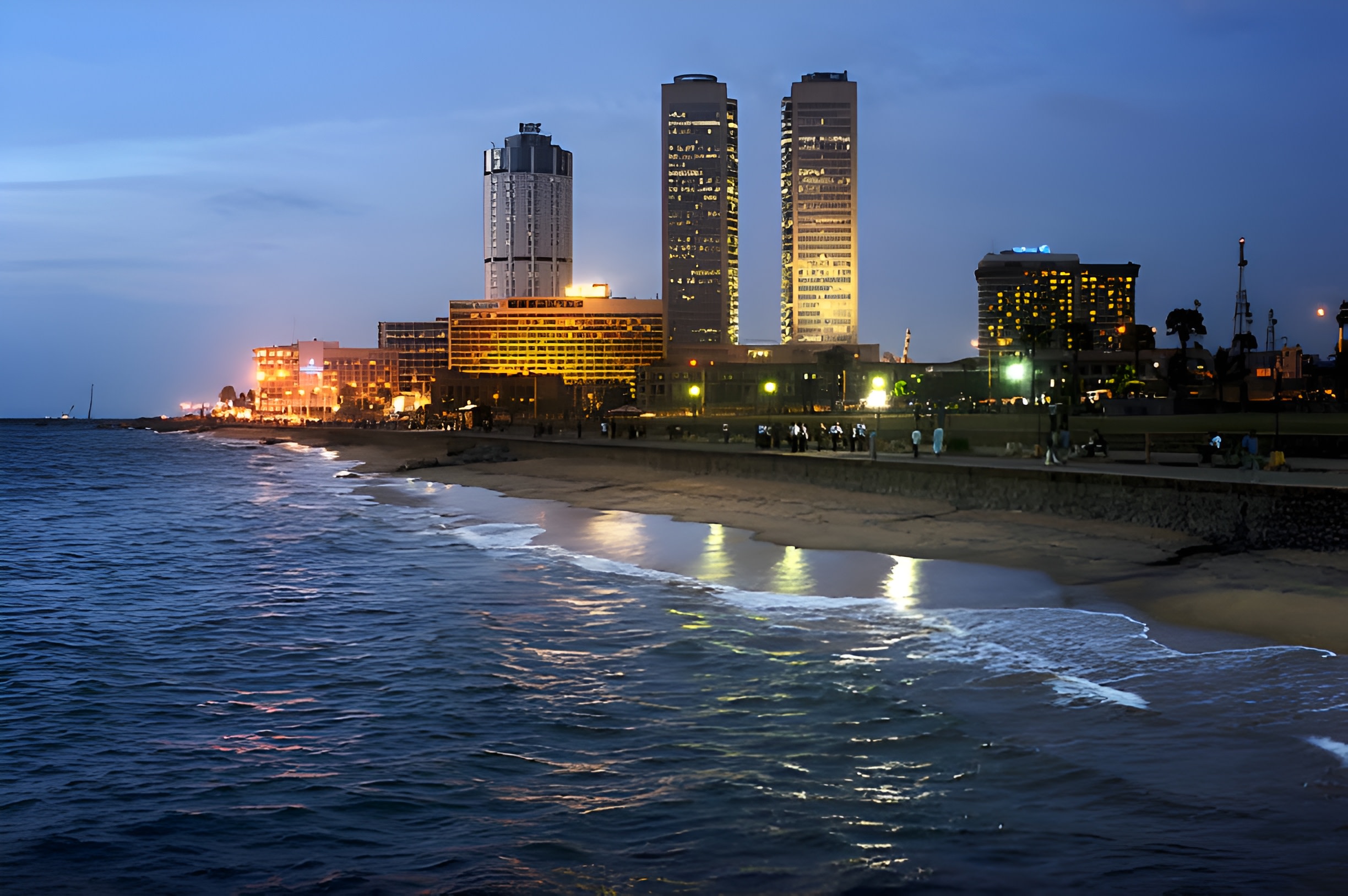
Colombo, Sri Lanka's bustling commercial capital, is a vibrant blend of modern life and colonial charm. With its diverse culture, rich history, and tropical beauty, the city offers everything from historic sites and religious landmarks to lively markets and beautiful beaches.
Top Attractions
Galle Face Green
A scenic promenade along the Indian Ocean, popular for kite flying, evening strolls, and street food.
Beach
1-2 hours
Free
National Museum of Colombo
Sri Lanka's largest museum, showcasing the country's rich history and cultural heritage.
Museum
2-3 hours
LKR 1,000 (foreigners)
Kelaniya Raja Maha Vihara
An ancient Buddhist temple with significant historical and religious importance.
Religious
1-2 hours
Free (donations welcome)
Beira Lake
A scenic lake in the heart of Colombo, offering boat rides and beautiful views.
Nature
1-2 hours
Free (boat rides may have a small fee)
Colombo Dutch Hospital Shopping Precinct
A historic building transformed into a vibrant shopping and dining destination.
Shopping
1-3 hours
Varies by shop
Must-Try Local Dishes
Rice and Curry
A traditional Sri Lankan meal consisting of rice served with a variety of curries made from vegetables, meat, or fish.
Main Dish
Vegetarian and non-vegetarian options available, may contain allergens like nuts and seafood.
Hoppers (Appa)
Bowl-shaped pancakes made from fermented rice flour and coconut milk, often served with an egg in the center.
Breakfast/Dinner
Vegetarian, can be made vegan without egg.
Kottu Roti
A popular street food made from chopped roti (flatbread) cooked with vegetables, meat, or fish, and spices.
Dinner/Snack
Vegetarian and non-vegetarian options available, may contain allergens like nuts and seafood.
Lamprais
A Dutch-influenced dish consisting of rice, meat, and vegetables cooked in banana leaves.
Main Dish
Non-vegetarian, may contain allergens like nuts and seafood.
Popular Activities
Hiking
Water sports
Wildlife safaris
Beach activities
Spa treatments
Yoga
Temple visits
Museum tours
Best Time to Visit
December to March
This period offers the best weather for visiting, with warm temperatures and less rainfall, making it ideal for exploring the city and its attractions.
28-32°C
82-90°F
Practical Information
Language
- Official: Sinhala, Tamil
- Widely spoken: English
- English: Widely spoken in tourist areas and by younger generations
Currency
Sri Lankan Rupee (LKR)
Time Zone
GMT+5:30
Electricity
230VV, 50HzHz
Safety Information
Overall Safety Rating: Generally safe, but exercise caution in crowded areas and at night
Colombo is generally safe for tourists, but petty crime and scams can occur, especially in crowded areas and tourist hotspots. Be cautious of pickpocketing, bag snatching, and overcharging by taxis and vendors.
Important Precautions:
- • Use reputable tour operators and guides
- • Agree on fares before using taxis or tuk-tuks
- • Keep valuables secure and out of sight
Getting there
By air
- Bandaranaike International Airport • 35 km south of Colombo
By train
Colombo Fort Station
By bus
Bastion Street Bus Terminal, Colombo Central Bus Stand
Getting around
Public transport
Buses are the most common and affordable way to get around, but they can be crowded and slow.
Taxis
Available • Apps: Uber, PickMe
Rentals
Car, Bike, Scooter
Neighborhoods
Colombo Fort
Cinnamon Gardens
Galle Face
Pettah
Day trips
Kandy
115 km • Full day
Kandy, the last capital of the ancient kings' era, is a UNESCO World Heritage Site known for its rich history, cultural landmarks, and scenic beauty.
Galle
120 km • Full day
Galle is a historic coastal city known for its UNESCO World Heritage-listed Dutch Fort, beautiful beaches, and rich cultural heritage.
Negombo
35 km • Half day
Negombo is a coastal town known for its beautiful beaches, historic sites, and vibrant fishing industry.
Festivals
Vesak • May (full moon day)
Esala Perahera • July or August (full moon day)
Christmas • December 25
Pro tips
- Use app-based taxi services like Uber or PickMe for reliable and transparent pricing
- Carry small denominations of cash for markets and street vendors, as change may be limited
- Bargain politely when shopping at markets and with street vendors, as prices are often negotiable
- Try local street food for an authentic and affordable culinary experience, but be cautious of food hygiene and choose busy stalls with high turnover
- Visit popular attractions early in the morning or late in the afternoon to avoid crowds and the heat
From $25
per person
Price varies by option
Secure booking
Free cancellation available
Instant confirmation