Expert Archaeologist - Private Stonehenge, Bath and Avebury Tour
Active
11h
For a full refund, cancel at least 24 hours before the scheduled departure time.
Manual confirmation
Mobile or paper ticket accepted
About this experience
5* Award–Winning Archaeologist Guided Experience from London.
"A once-in-a-lifetime experience. Imagine visiting the best art gallery in the world with your own curator, or Shakespeare's Globe with a literary scholar . . . Well, why not visit Stonehenge with your very own expert archaeologist."
Experience the ‘Heart of Neolithic Britain’. Explore the Stonehenge 'builder's village' at Durrington Walls and Woodhenge, before a truly unique experience of Stonehenge stone circle with your very own passionate, expert Archaeologist guide.
Our luxury Mercedes will then transport you to beautiful Georgian Bath.
Visit the largest man-made tumuli in Prehistoric Europe - Silbury Hill, and enter the 5500-year-old Neolithic tomb at West Kennet. Finally we visit the world's largest stone circle at Avebury, and its beautiful medieval village.
For further details of our expert guides & custom itineraries please visit our website. We look forward to providing a once in a lifetime experience.
Available options
Tour for maximum of 6 people
Pickup included
What's included
A seperate professional driver (so our guides can concentrate on the client and not the road)
Transport by air-conditioned luxury vehicle (Mercedes E–Class, V–Class or Sprinter)
Parking Fees
Expert-led Archaeologist guide
Detailed itinerary
1
Woodhenge is a prehistoric monument that was built during the Late Neolithic period. The monument consists of a series of six concentric rings of wooden posts, consisting of 168 posts in total. The posts are arranged in a symmetrical pattern and were possibly connected by lintels. Woodhenge is thought to have been used as a ceremonial site, and it may have been aligned with the movements of the sun and moon. The site was excavated in the 1920s, and the wood posts were found to have been made from oak trees. 1h 30m drive from London to Woodhenge.
2
Visit the Stonehenge 'builder's village' Durrington Walls, a large henge situated in the beautiful Wiltshire landscape. The site consists of a large circular earthwork with a diameter of over 500m. Within the earthwork are two large timber circles, thought to have been used for ceremonial purposes. Durrington Walls is one of the largest and most famous henge monuments in the world. The site is believed to have been constructed around 2600 BC, making it one of the earliest known examples of this type of monument. It is thought that Durrington Walls was used as a ceremonial centre for the local population. Durrington Walls is an important archaeological site that provides insight into the lives of our prehistoric ancestors. 10m drive from Durrington Walls to Stonehenge
3
Stop 3
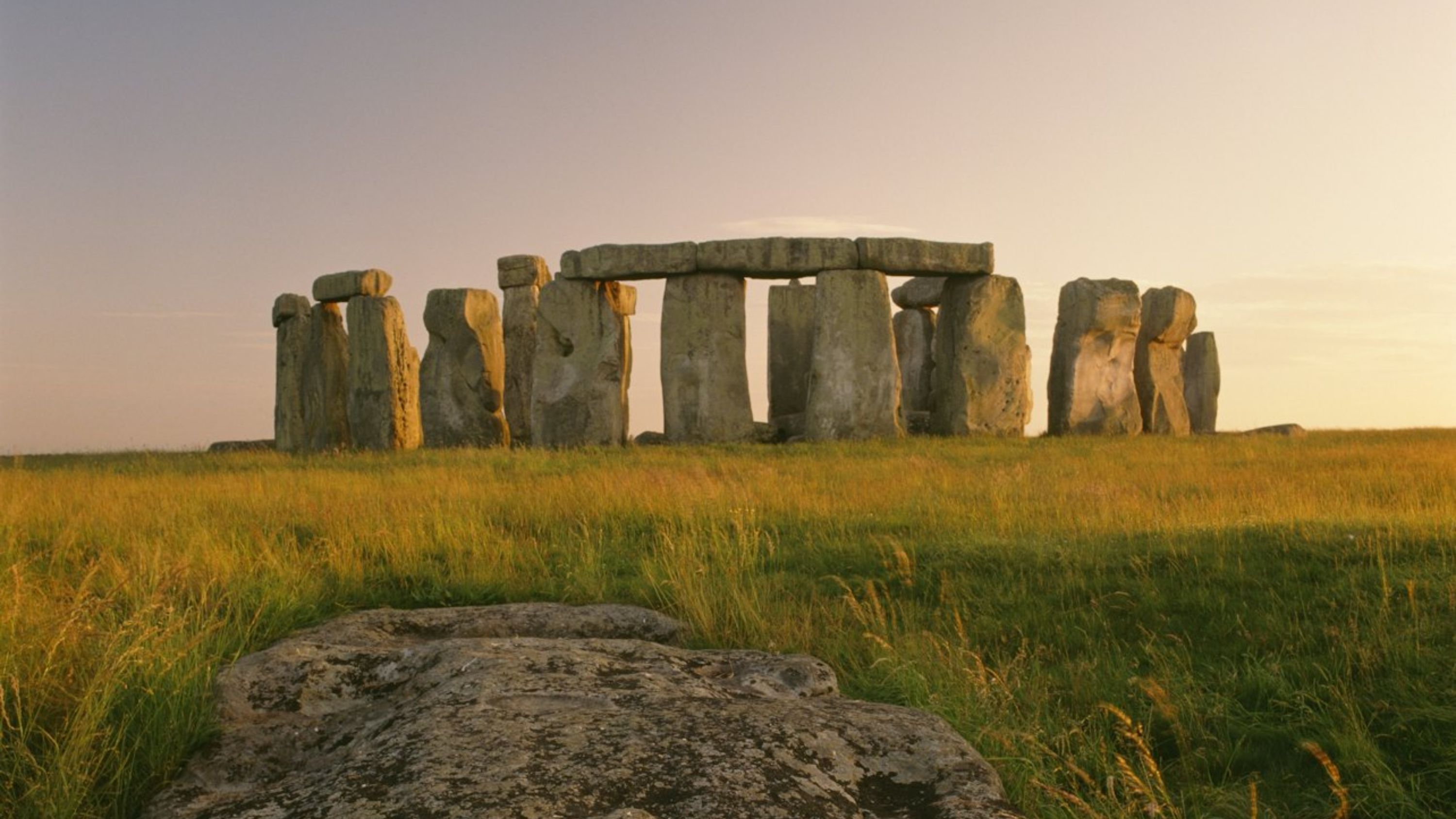
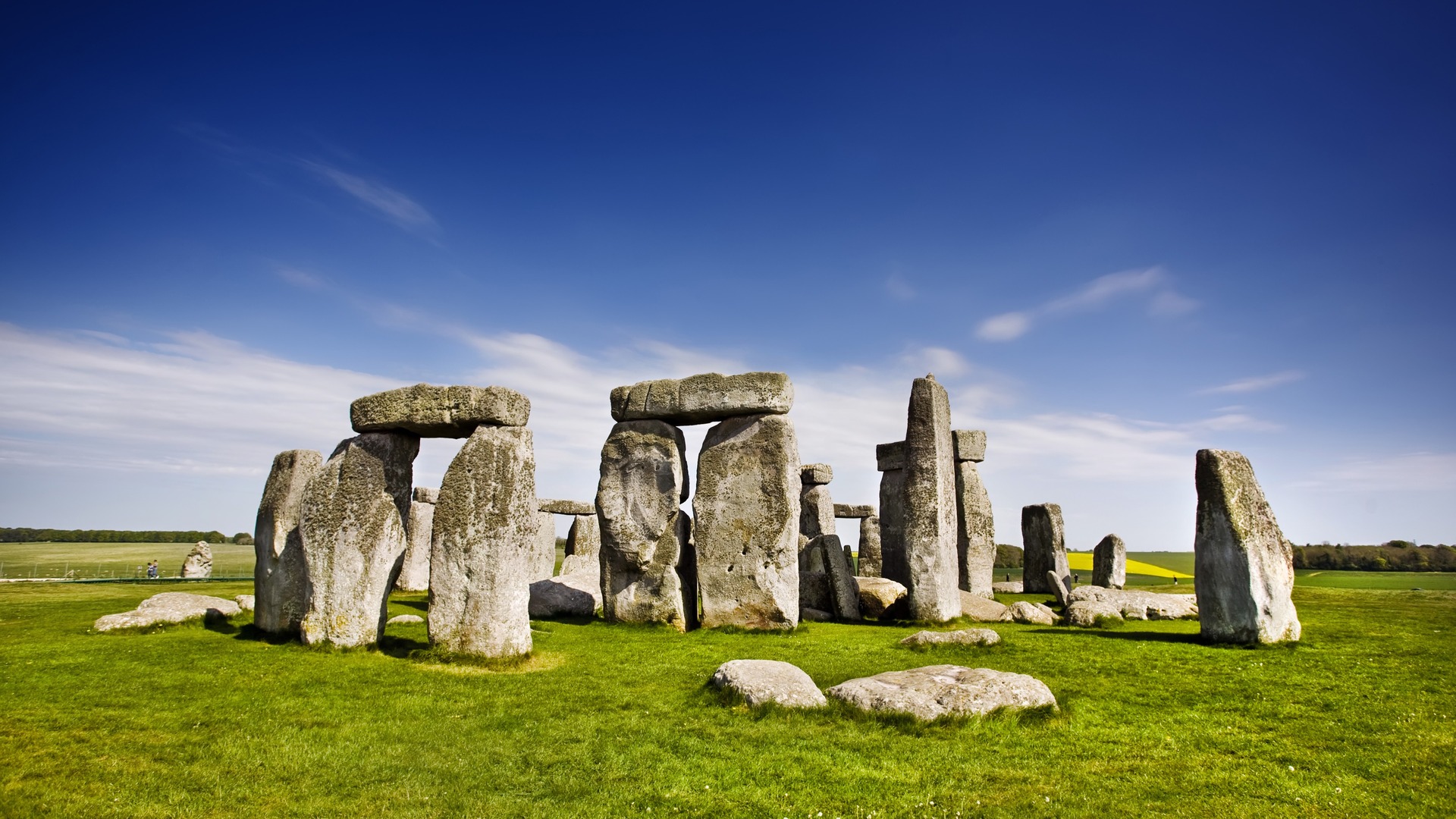
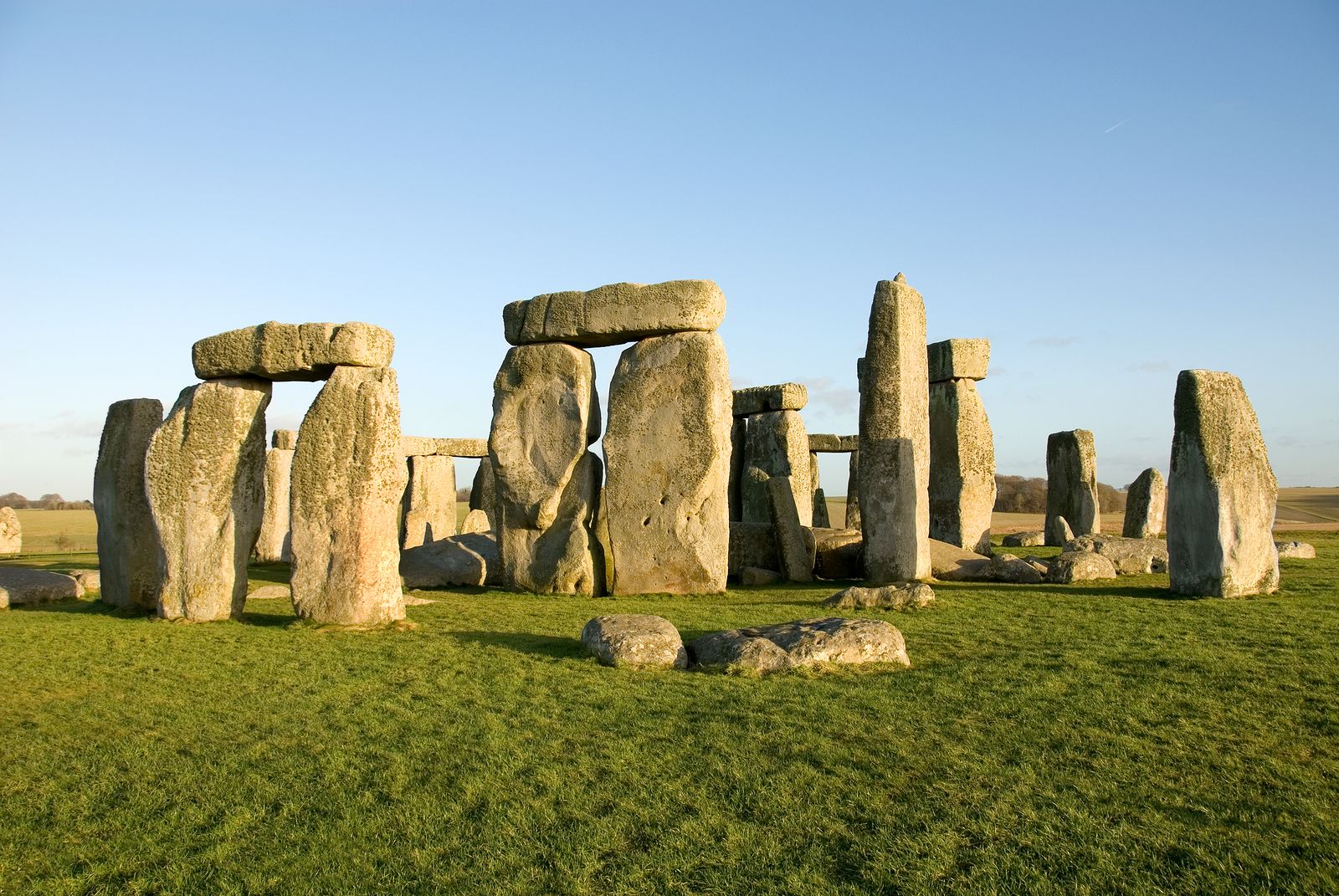
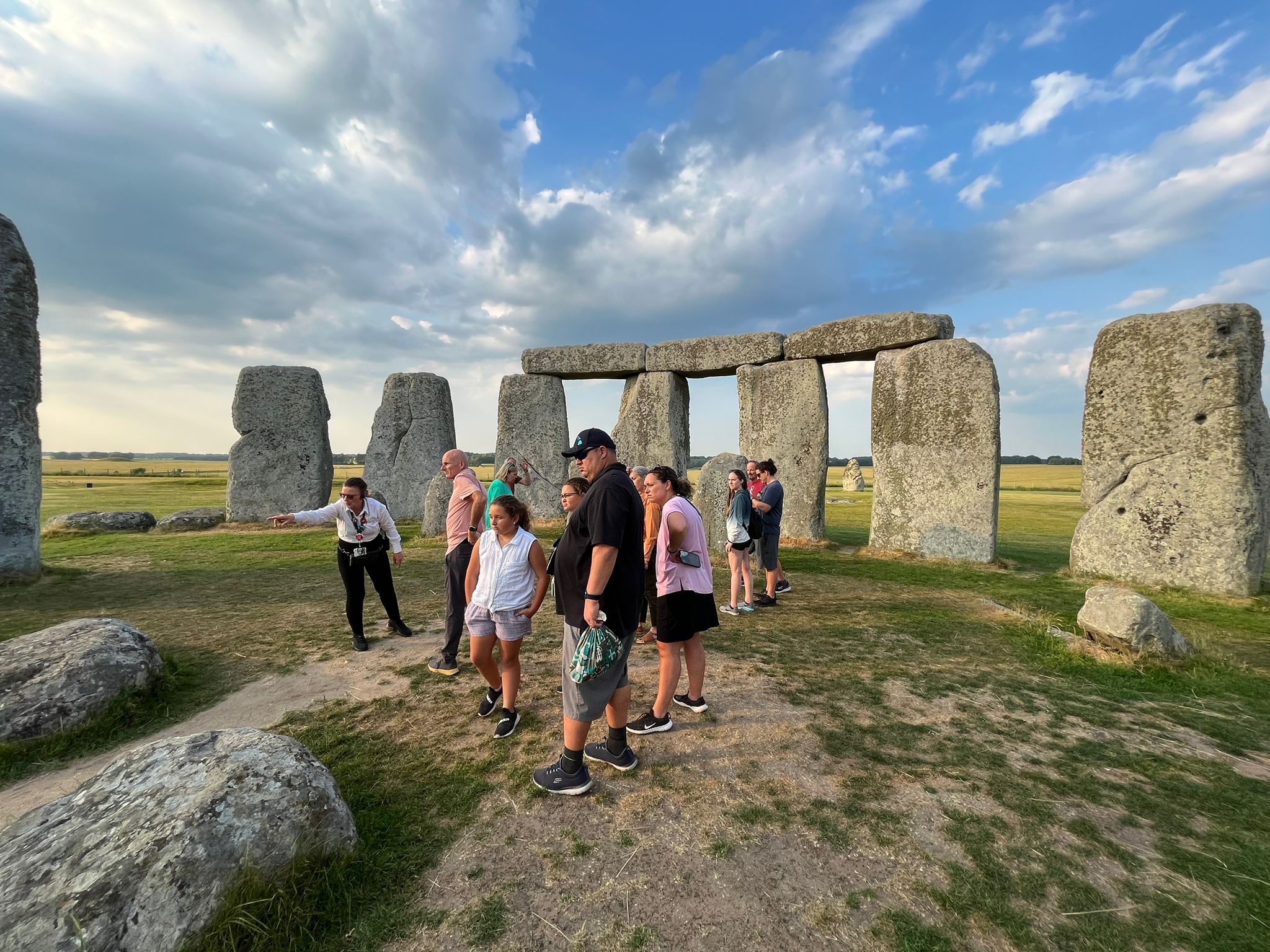
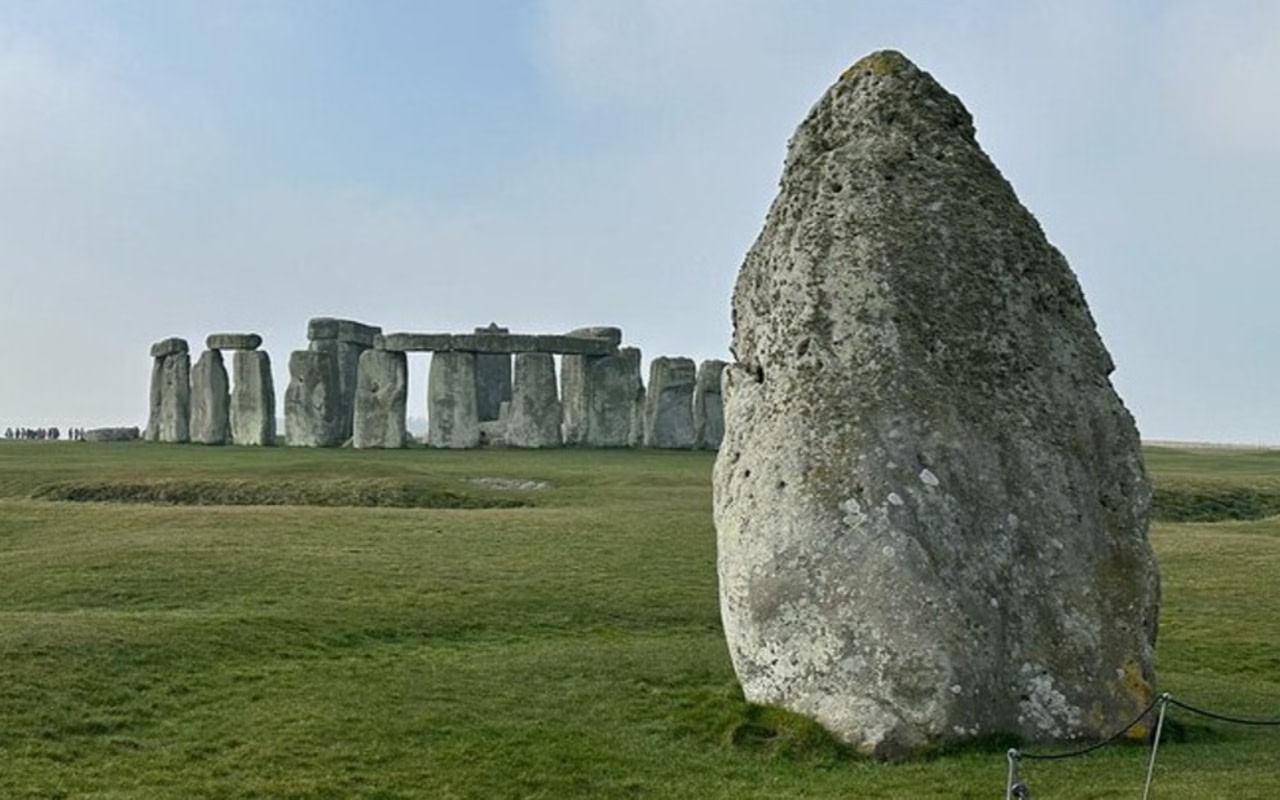
The power of Stonehenge lies in its inspired evocation of our shared past. A fusion of imagination and history.
Although many theories and ideas have been put forwards over the centuries to answer the enigma of ‘what is Stonehenge?’, perhaps of more significance is why this monument evokes the need in people to travel vast distances to walk amongst these stones and throughout this landscape. The answer to this may be beyond our current understanding, but what we do know is this ‘force’ on visitors is not new. Archaeological evidence indicates Neolithic and Bronze Age peoples travelling (perhaps over weeks and months) the length and breadth of the British Isles and continental Europe to stand in the midst of this testament to human ingenuity. Like these ancient travellers, you too should pilgrimage to Stonehenge along paths well-worn and truly experience this iconic symbol of Britain and our shared past humanity. 1 hour drive to Bath.
4
Bath is one of the supreme achievements of British architecture and urban design. The Romans harnessed the hot springs to create a resort of some brilliance. But it was in the 18th century that visiting Bath became highly fashionable, with architects transforming and extending the city into the stunning creation we see today. Bath offers an opportunity for an independent lunch.
5
Stop 5
Visit the largest man-made tumuli in Prehistoric Europe - Silbury Hill. Silbury Hill is a man-made mound in Wiltshire, England. It is the tallest prehistoric artificial hill in Europe and one of the largest in the world. The hill stands at a height of 37 meters (130 feet) and has a base diameter of 160 meters (520 feet). It is made from chalk and clay and was built using a technique known as terrazzo (or ‘pounded earth’). This technique involved mixing water with dry chalk and clay and then pounding it into place with wooden beams or stone hammers. The resulting mixture was extremely strong and durable and allowed the builders to create a huge mound without the use of modern construction techniques or materials. Silbury Hill is an astonishing feat of engineering, and its size and scale are testimony to the skill and dedication of its Ancient builders. 1 hour drive to West Kennet and Silbury hill
6
Enter the 5500-year-old Neolithic tomb at West Kennet long barrow, a Neolithic monument located in Avebury, Wiltshire, England. The barrow consists of a burial chamber with an attached passageway and side chambers. It is roofed with large slabs of stone, and the entrance is flanked by two massive upright stones. The West Kennet long barrow was built around 3750 BC, and it is one of the largest and best-preserved examples of its type in the country. In recent years, the barrow has been the subject of archaeological excavations, and it is now open to the public. 5m drive to Avebury
7
Stop 7
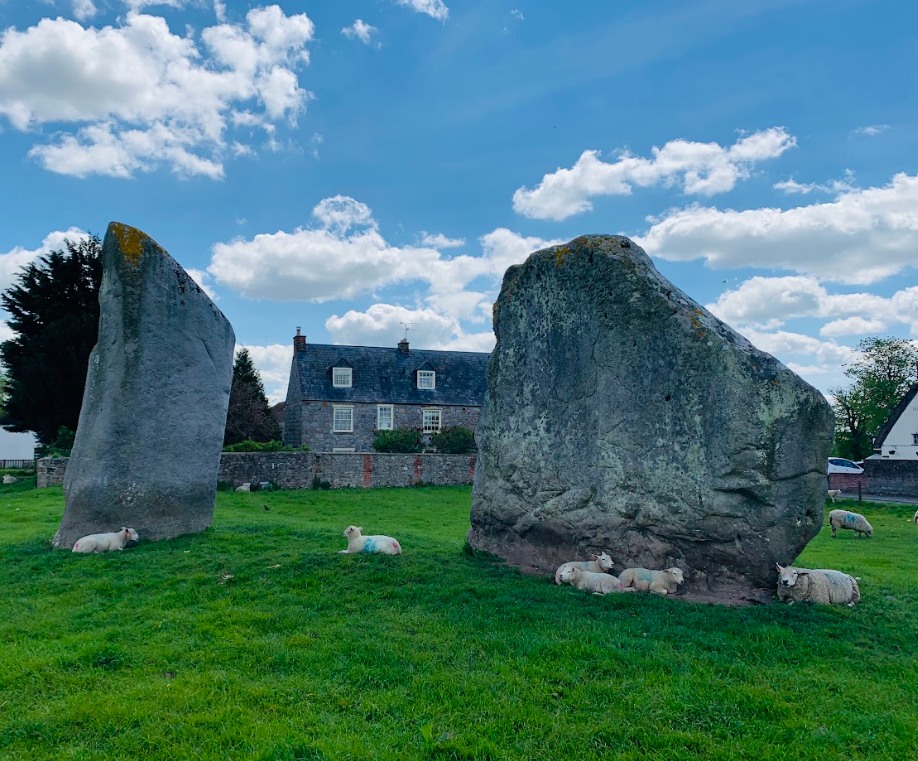
We finish by visiting the world's largest stone circle at Avebury, with its beautiful medieval village situated inside. As John Aubrey in the 1600's notes [Avebury]...'does as much exceed in greatness the so renowned Stonehenge as a Cathedral doeth a parish church.'
Avebury is a small village in Wiltshire, England, best known for its extraordinary stone circles. The Avebury Stone Circles are among the largest and most impressive megalithic monuments in the world, and they have been designated a World Heritage Site by UNESCO. The site consists of three stone circles: the outer circle, which is the largest, two smaller circles (northern and southern), and the avenue. The stones are thought to have been erected between 2600 and 2400 BC, and they may have been used for astronomical purposes or for ritual ceremonies. We will explore the stone circles, walk along the avenue, and finish the day with a drink at the Red Lion pub. 1h 45m drive back to London
What's not included
Stonehenge
Available languages
Guide guide
EN
Reviews breakdown
Viator
5.0
2 reviews
5★
2
4★
0
3★
0
2★
0
1★
0
Tripadvisor
5.0
5 reviews
5★
5
4★
0
3★
0
2★
0
1★
0
Important information
Public transportation options are available nearby
Infants and small children can ride in a pram or stroller
Transportation options are wheelchair accessible
Wheelchair accessible
Suitable for all physical fitness levels
Please note visits to the West Kennet long barrow occur between March 1st–October 31st
Children must be accompanied by an adult
A moderate amount of walking is involved, and across some uneven surfaces
Operates in all weather conditions, please dress appropriately
No large items of luggage are permitted, luggage compartment is limited
Collapsible wheelchairs with removable wheels can be accommodated providing the passenger is accompanied by someone who can assist them board and disembark
The total duration includes the travel time.
About London
London, the capital of England and the United Kingdom, is a vibrant, multicultural metropolis known for its rich history, iconic landmarks, and dynamic cultural scene. From the ancient Tower of London to the modern Shard, the city offers a blend of the old and the new, making it a fascinating destination for travelers from around the world.
Top Attractions
Tower of London
A historic castle located on the north bank of the River Thames. It has served as a royal palace, prison, armory, and treasury. The Crown Jewels are also housed here.
Historical
2-3 hours
£28 (adult ticket)
Buckingham Palace
The official residence of the British monarch. Visitors can watch the Changing of the Guard ceremony and tour the State Rooms during the summer.
Historical
1-2 hours
£27.50 (adult ticket for State Rooms)
The British Museum
One of the world's largest and most comprehensive museums, housing a vast collection of artifacts from around the globe.
Museum
2-3 hours
Free (special exhibitions may have a charge)
The London Eye
A giant Ferris wheel on the South Bank of the River Thames, offering panoramic views of the city.
Entertainment
30 minutes
£27-£33 (adult ticket)
Westminster Abbey
A large, mainly Gothic abbey church just to the west of the Palace of Westminster. It is one of the most notable religious buildings in the UK and the traditional place of coronation and burial for English and, later, British monarchs.
Religious
1-2 hours
£27 (adult ticket)
Tower Bridge
An iconic symbol of London, this combined bascule and suspension bridge spans the River Thames. Visitors can explore the bridge's walkways and the Tower Bridge Exhibition.
Architecture
1-2 hours
£11 (adult ticket for the exhibition)
Must-Try Local Dishes
Fish and Chips
A classic British dish consisting of battered and fried fish, usually cod or haddock, served with thick-cut chips (fries).
Dinner
Contains gluten and fish
Full English Breakfast
A hearty breakfast consisting of eggs, bacon, sausages, baked beans, grilled tomatoes, mushrooms, black pudding, and toast.
Breakfast
Contains meat and gluten
Afternoon Tea
A quintessential British tradition involving a selection of finger sandwiches, scones with clotted cream and jam, and a variety of pastries, all served with tea.
Snack
Can be adapted for vegetarian, vegan, and gluten-free diets
Sunday Roast
A traditional British meal served on Sundays, featuring roasted meat (usually beef, lamb, or chicken), Yorkshire pudding, roast potatoes, vegetables, and gravy.
Dinner
Contains meat and gluten
Popular Activities
Rock climbing
Kayaking on the Thames
Cycling tours
Afternoon tea
Spas and wellness centers
Punting on the River Cam
Museum visits
Theater performances
Best Time to Visit
June to August
Summer is the peak tourist season in London, with long daylight hours and a variety of festivals and events. The weather is generally pleasant, though it can be unpredictable.
15°C to 25°C
59°F to 77°F
Practical Information
Language
- Official: English
- Widely spoken: English
- English: Widely spoken
Currency
British Pound (GBP)
Time Zone
GMT (UTC+0) or BST (UTC+1) during daylight saving time
Electricity
230VV, 50HzHz
Safety Information
Overall Safety Rating: Generally safe
London is generally safe for travelers, but like any major city, it's important to be aware of your surroundings and take precautions to protect yourself and your belongings.
Important Precautions:
- • Keep your belongings secure and be aware of your surroundings
- • Avoid carrying large amounts of cash
- • Use licensed taxis or ride-sharing services
Getting there
By air
- Heathrow Airport • 23 km from city center
- Gatwick Airport • 40 km from city center
By train
London Waterloo, London King's Cross
By bus
Victoria Coach Station, Earls Court, Farringdon
Getting around
Public transport
The Tube is the fastest and most efficient way to get around London. It operates from early morning until late at night and covers all major attractions.
Taxis
Available • Apps: Uber, Bolt
Rentals
Car, Bike, Scooter
Neighborhoods
Westminster
Camden Town
Soho
Notting Hill
Shoreditch
Greenwich
Day trips
Windsor Castle
34 km from London • Half day to full day
Windsor Castle is the oldest and largest occupied castle in the world, and it's one of the official residences of the British monarch.
Stonehenge
130 km from London • Full day
Stonehenge is a prehistoric monument consisting of a ring of standing stones, located in the English county of Wiltshire.
Brighton
80 km from London • Full day
Brighton is a vibrant coastal city known for its beaches, lively atmosphere, and eclectic mix of shops, restaurants, and attractions.
Festivals
Notting Hill Carnival • Last Sunday and Monday of August
London Film Festival • October
New Year's Eve Fireworks • December 31
Pro tips
- Use an Oyster card or contactless payment for cheaper and more convenient public transportation
- Book tickets in advance for popular attractions to skip the queue and save money
- Explore the city's neighborhoods and markets for a unique and authentic experience
- Try the local street food and international cuisine at markets like Borough Market and Camden Market
- Visit the city's parks and gardens for a peaceful escape from the bustling streets
From $25
per person
Price varies by option
Secure booking
Free cancellation available