Tour to Timanfaya, Jameos del Agua, Cueva de los Verdes and viewpoint from the cliff
Active
9h
For a full refund, cancel at least 24 hours before the scheduled departure time.
Instant confirmation
Mobile or paper ticket accepted
About this experience
This exclusive tour combines the best of Lanzarote and its resorts: Timanfaya, Jameos del Agua, Cueva de los Verdes and the spectacular views from the cliff to La Graciosa.
You will have the opportunity to visit these four resorts without waiting in queues, as well as other incredible places such as the Valley of the 10,000 Palm Trees, La Geria and the Green Lagoon.
Our experienced guides will offer you a unique experience. You will learn the history of each of César Manrique's creations and soak up the island's culture.
All you have to do is relax and enjoy. We assure you comfort and wellbeing on your trip.
Available options
Tour + 3 tickets included
Tickets to 3 locations included: Includes tickets to 3 locations (Timanfaya, Jameos del Agua and Cueva de los Verdes)<br/>Pickup included
Tour + 2 tickets included
Tickets to two locations included: This option includes admission to two centres (Jameos del Agua and Timanafaya).
NOT INCLUDED ADMISSION TO CUEVA DE LOS VERDES<br/>Pickup included
What's included
Hotel pick-up or nearby in tourist areas
Air-conditioned vehicle
Tickets included for: Timanfaya, Jameos and Cueva de los Verdes (depending on the option booked)
Detailed itinerary
1
The Cueva de los Verdes is a unique formation of extraordinary scenic and volcanological value. Located in the north of the island, and integrated into the vast volcanic landscape of the Malpaís de la Corona, it is one of the wonders hidden in the bowels of Lanzarote, endowed with a mysterious and special character.
2
Stop 2
Los Jameos del Agua is the first Art, Culture and Tourism Centre created by César Manrique, a natural space created inside a volcanic tunnel.
Inaugurated in 1968, the artist, painter and sculptor transformed the space into a unique work that represents the maximum expression of his ideology: artistic creation in harmony with the environment and nature.
3
Situated 500 metres from the cliff, you can enjoy spectacular views of La Graciosa.
4
Haría is located in the enchanting "valley of a thousand palm trees", one of the best palm groves of the Canary Islands. As the road enters the mountains, this oasis appears in the middle of the island's pure geology: green land and crops dotted with the white of the island's popular architecture.
5
Located in the geographical centre of Lanzarote in the municipality of San Bartolomé, the Casa-Museo del Campesino is the work with which César Manrique recognises the efforts of the farmers of Lanzarote. From the bus we will see the Monumento a la Fecundidad, also known as the Monumento al Campesino. It is a construction of more than 15 metres, created by César Manrique together with the master Jesús Soto, from old water tanks from ships, iron and concrete objects assembled together, a magnificent reflection of avant-garde art, which has become one of the iconographic symbols of the island.
6
La Geria is a peculiar area of the island of Lanzarote with an abundance of vineyards.
With a volcanic landscape and arid land, the quality of its wines is surprising. It is unusual to find vineyards in such a terrain. We will stop at a winery for a small wine tasting.
7
At the camel track, you can take a 20-minute ride on the back of this beautiful animal. For those who do not wish to visit a small museum about the history of the camels on the island of Lanzarote.
8
Stop 8
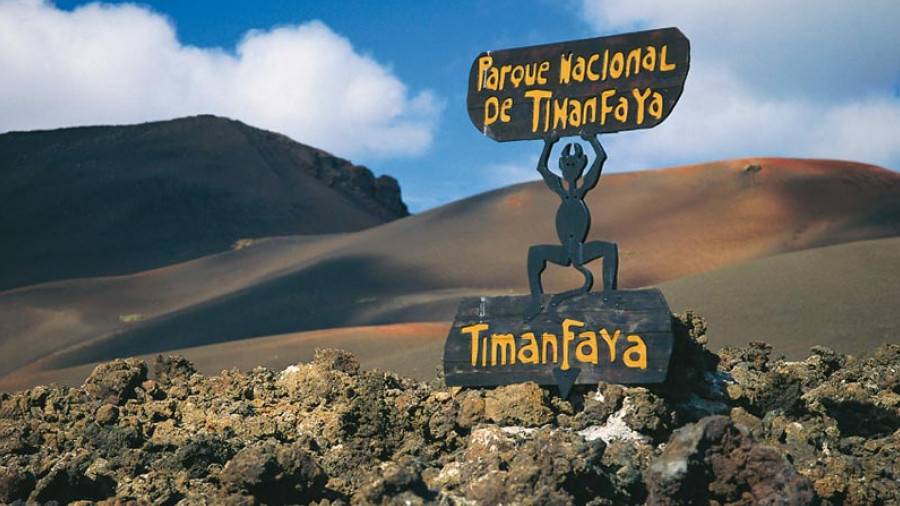
The Fire Mountains are the unusual result of the eruptions in the south of Lanzarote in the 18th and 19th centuries. A spectacle of red craters, lava flows and lunar landscapes that reflect the burning of the earth and its uncontrollable force.
Its 200 kilometres of extension form part of the Timanfaya National Park, where one of the largest volcanic activities in the world can be seen, both for the immense quantity of materials thrown up by the fire, and for its spectacular duration: six years between 1730 and 1736 when the bowels of the island did not stop roaring.
9
Stop 9
This green lake located in the crater of a volcano has become one of Lanzarote's main tourist attractions.
What's not included
Lunch
Camel ride 11 euros per person
Available languages
Guide guide
EN
ES
Reviews breakdown
Viator
4.7
295 reviews
5★
223
4★
55
3★
10
2★
4
1★
3
Tripadvisor
4.8
1,069 reviews
5★
928
4★
103
3★
27
2★
4
1★
7
Important information
Infants are required to sit on an adult’s lap
Suitable for all physical fitness levels
About Lanzarote
Lanzarote is a volcanic island in the Canary Islands known for its dramatic landscapes, unique architecture, and year-round mild climate. It's a paradise for nature lovers, offering a mix of black sand beaches, lunar-like landscapes, and charming villages.
Top Attractions
Timanfaya National Park
A unique volcanic landscape with geothermal activity. Visitors can take a guided bus tour to see the fire mountains and geysers.
Nature
2-3 hours
€12-€25
Jameos del Agua
A stunning natural cave system designed by César Manrique. Features a lagoon, restaurant, and auditorium.
Architecture/Nature
1-2 hours
€9.50
César Manrique Foundation
A museum dedicated to the life and work of César Manrique, the artist and architect who shaped Lanzarote's unique aesthetic.
Museum/Architecture
1-2 hours
€10
Playa de Papagayo
A beautiful, secluded beach with golden sand and clear waters, located in the southern part of the island.
Beach
Half day
Free
Mirador del Río
A stunning viewpoint designed by César Manrique, offering panoramic views of the nearby island of La Graciosa.
Viewpoint
1-2 hours
€5
Must-Try Local Dishes
Papas arrugadas con mojo
Wrinkled potatoes boiled in saltwater and served with a spicy mojo sauce made from peppers, garlic, and olive oil.
Side Dish
Vegetarian, contains gluten
Sancocho canario
A traditional fish stew made with salted fish, potatoes, and sometimes sweet potatoes, cooked in a clay pot.
Main Course
Contains fish, gluten-free
Goat cheese
Lanzarote is known for its unique goat cheese, often flavored with herbs, peppers, or even volcanic ash.
Snack/Dessert
Vegetarian, contains dairy
Vino de malvasía
A sweet white wine produced in Lanzarote, made from the Malvasía grape variety grown in the unique volcanic soil of La Geria.
Drink
Vegan, gluten-free
Popular Activities
Hiking
Mountain biking
Horseback riding
Scuba diving
Snorkeling
Beachcombing
Sunbathing
Spa treatments
Best Time to Visit
November to April
This is the best time to visit Lanzarote for pleasant weather and outdoor activities. The island is less crowded, and temperatures are ideal for exploring.
18-24°C
64-75°F
Practical Information
Language
- Official: Spanish
- Widely spoken: English, German
- English: Moderately spoken
Currency
Euro (EUR)
Time Zone
GMT+0 (WET) / GMT+1 (WEST)
Electricity
230VV, 50HzHz
Safety Information
Overall Safety Rating: Generally safe
Lanzarote is generally a safe destination for travelers, with low crime rates and a welcoming atmosphere. However, as with any destination, it's important to take precautions and be aware of your surroundings.
Important Precautions:
- • Keep valuables secure and out of sight
- • Be cautious when using ATMs, especially at night
- • Use reputable tour operators and rental companies
Getting there
By air
- Lanzarote Airport • 5 km from Arrecife
By bus
Arrecife Bus Station
Getting around
Public transport
Buses are reliable and affordable. They are a good option for getting around, but schedules can be limited in rural areas.
Taxis
Available • Apps: Cabify
Rentals
Car, Bike, Scooter
Neighborhoods
Arrecife
Teguise
Puerto del Carmen
Haría
La Geria
Day trips
La Graciosa
30 km from Arrecife • Full day
A small, unspoiled island with beautiful beaches, clear waters, and a laid-back atmosphere. La Graciosa is part of the Chinijo Archipelago and is a popular day trip from Lanzarote.
Jinamar
15 km from Arrecife • Half day
A small village known for its volcanic landscapes, hiking trails, and outdoor activities. Jinamar is a great spot for nature lovers and adventure seekers.
Famara Cliff
30 km from Arrecife • Half day
A stunning cliff formation on the northwest coast of Lanzarote, offering breathtaking views of the Atlantic Ocean and the nearby island of La Graciosa. Famara Cliff is a popular spot for hiking, photography, and birdwatching.
Festivals
Carnival of Arrecife • February
Wine Festival • September
San Ginés Festival • August 25th
Pro tips
- Rent a car to explore the island at your own pace and access off-the-beaten-path attractions
- Visit Timanfaya National Park early in the morning or late in the afternoon to avoid crowds and the midday heat
- Try local dishes and specialties, such as papas arrugadas con mojo and goat cheese, at traditional restaurants and tapas bars
- Explore the island's unique volcanic landscapes and hiking trails, such as the Famara Cliff and the Haría Palm Grove
- Attend local festivals and events, such as the Carnival of Arrecife and the Wine Festival, to experience the island's vibrant culture and traditions
From $25
per person
Price varies by option
Secure booking
Free cancellation available
Instant confirmation