

Guided Exploring Luang Prabang Full-Day Tour
Active
6h - 8h
For a full refund, cancel at least 24 hours before the scheduled departure time.
Instant confirmation
Mobile or paper ticket accepted
About this experience
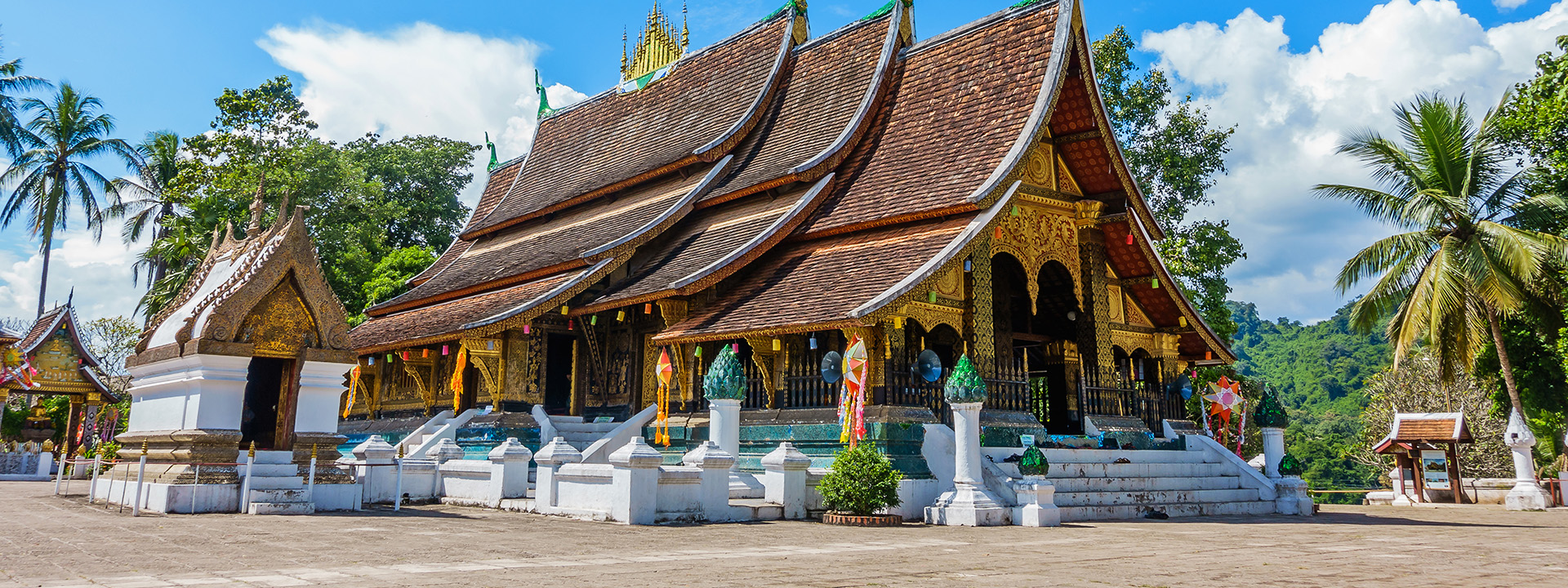
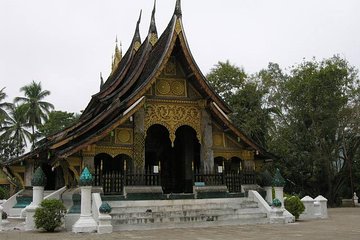
This 8-hour guided tour explores the rich culture and history of Luang Prabang as you visit temples, museums, arts centers and hidden lane-ways. Visit the gilded halls of temples such as Wat Xieng Thong and Wat Visoun, walk through the historic former Royal Palace and explore the diverse cultures and traditions of Laos’ hill-tribes at the Traditional Arts and Ethnology Center.
Available options
Group 7-9 person
Private tour for group 7-9 with lunch<br/>Pickup included
Private tour 4-6 person
Private tour for group 4-6 person with lunch<br/>Pickup included
Private tour 1-3 person
Private tour for group 1-3 with lunch<br/>Pickup included
What's included
Professional English-speaking guide
Lunch
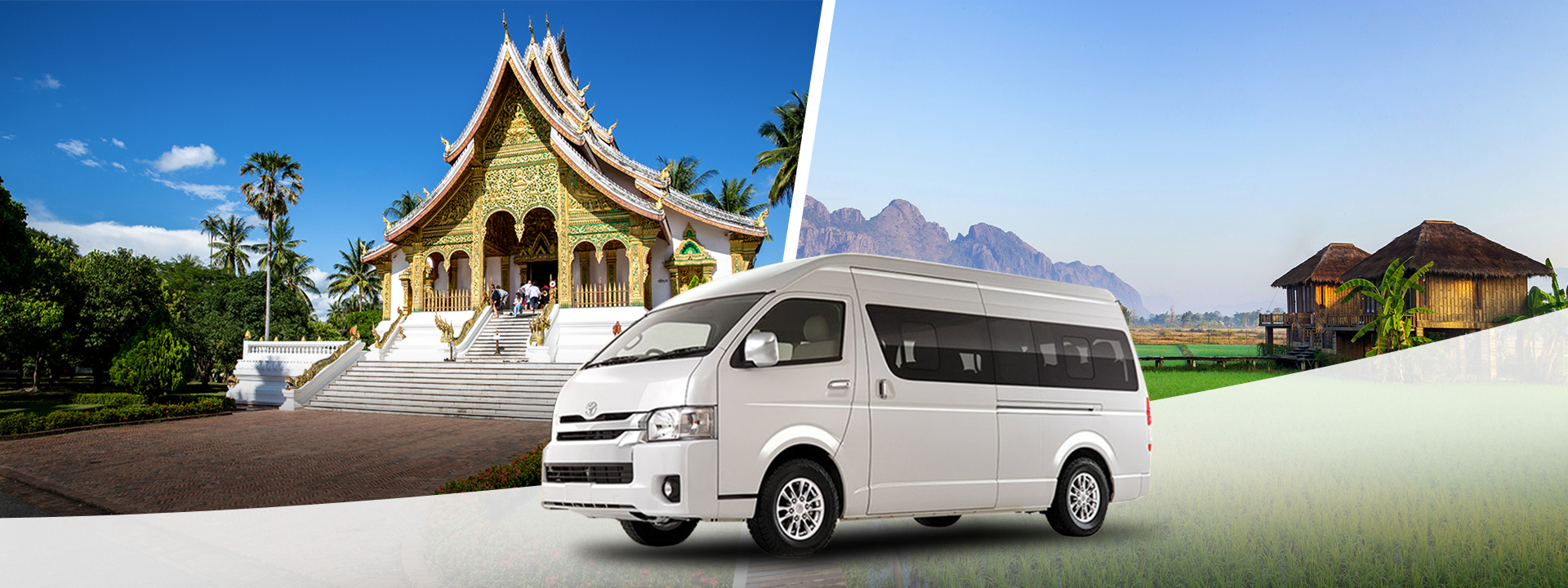
Hotel pickup and drop-off by tuk tuk
Detailed itinerary
1
Stop 1
The Royal Palace in Luang Prabang also known as “Haw Kham” and translated to “Golden Palace” was once Laos’ Royal Palace. The former Royal Palace is located on the banks of the Mekong River and faces the Mount Phousi. The palace houses a lot of historical items with interesting stories behind. The Royal palace is worth a visit, and you will learn more about Lao history and culture.
2
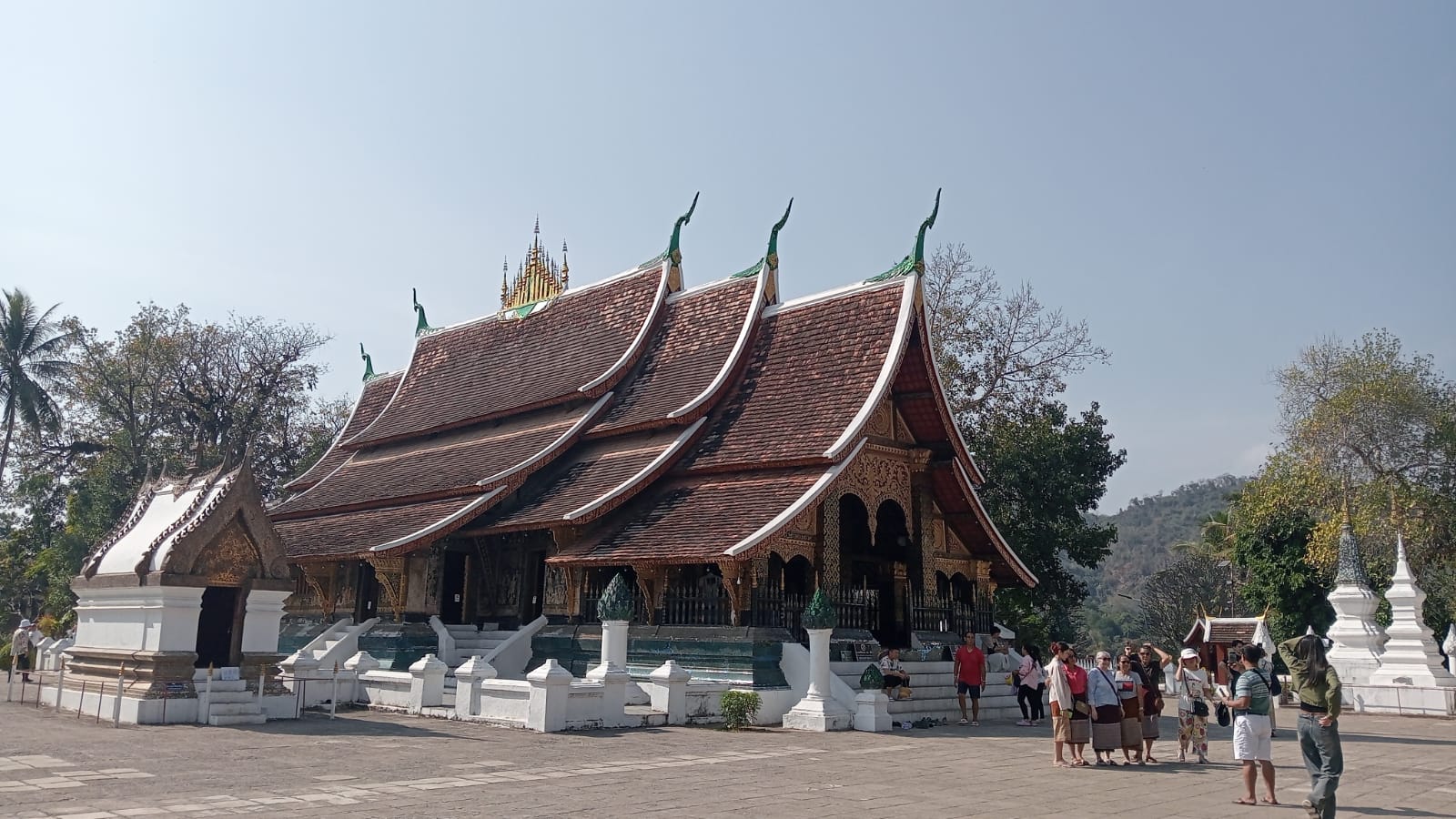
Continue on foot to Wat Mai, a temple renowned for its golden bas-relief, and Wat Sensoukarahm, which features a beautiful, dazzling golden façade. Finish this morning’s tour at Wat Xieng Thong, the most revered temple in Luang Prabang. Located at the end of the peninsula, close to the Mekong, this temple was built in 1560 by King Setthathirat, and is decorated with ornate carvings and mosaics
3
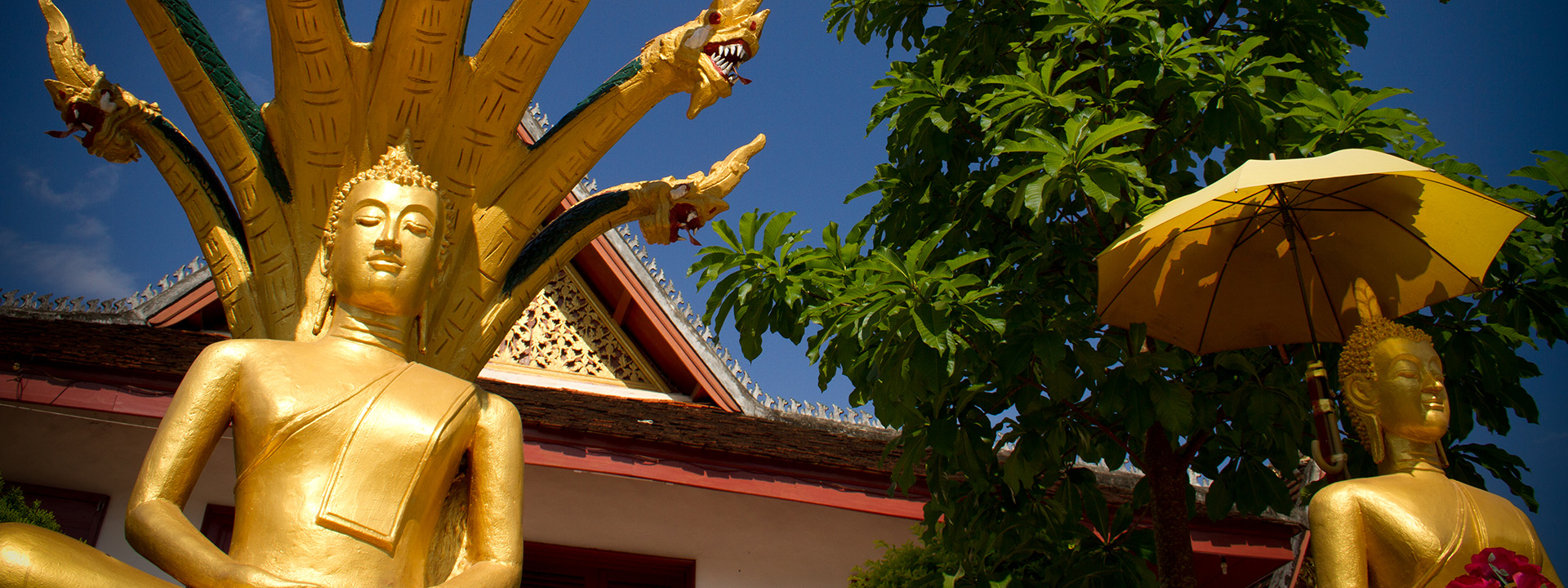
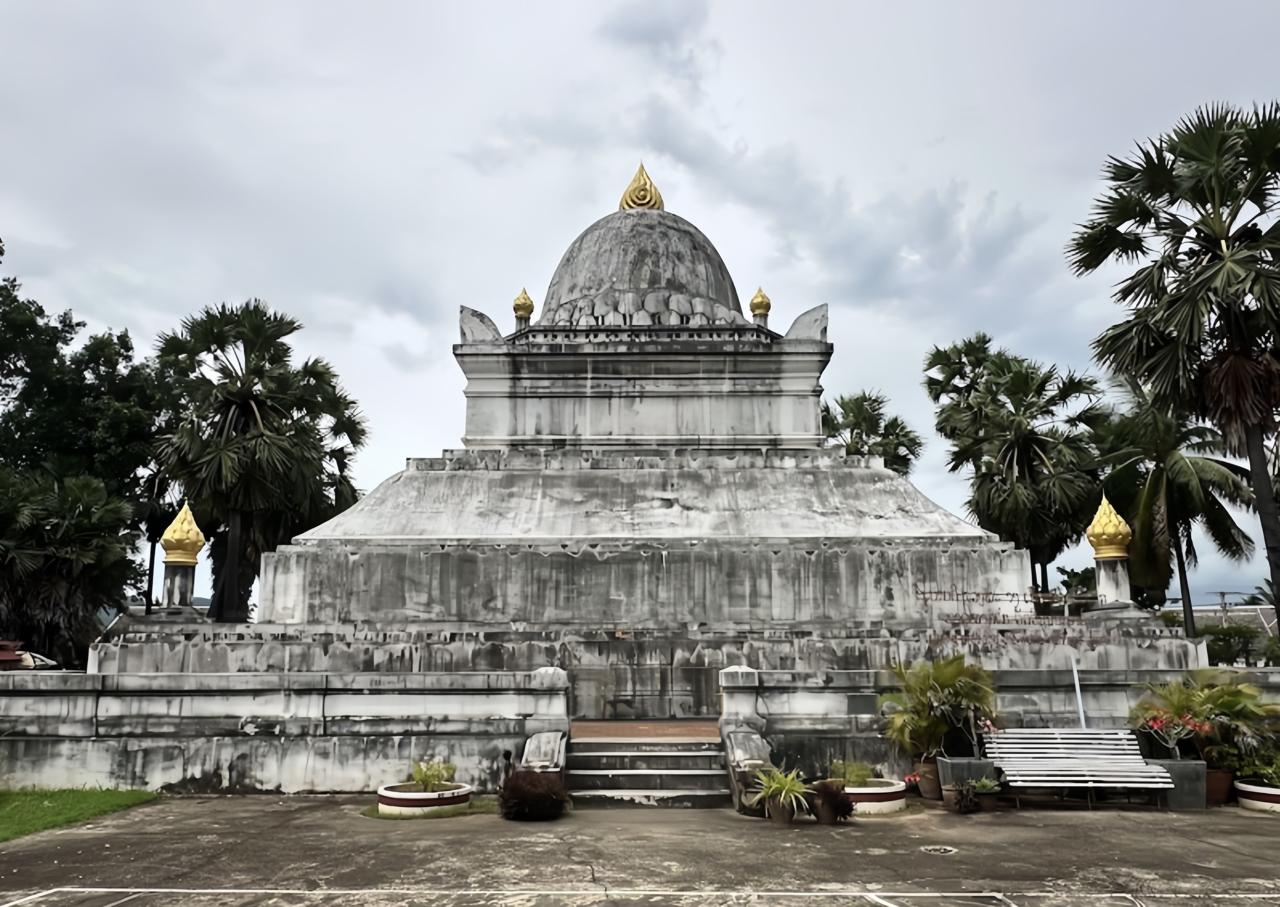
you visit Wat Visoun, the holiest temple of the city, which was entirely rebuilt in 1887 after being destroyed by the invading Black Flags from Southern China. In the courtyard of Wat Visoun stands the Watermelon Stupa, shaped like the fruit from which it takes its name.
4
Continue past Wat Aham, which was first built in the 1500s, and on to Wat That, where the ashes of King Sisavang Vong are kept inside the large central stupa
5
Stop 5
a museum dedicated to exploring the rich diversity of Laos’ ethnic minorities. Traditional costumes, tools, and artifacts are on display alongside in-depth descriptions and written histories. It is a great opportunity to gain insight in to the Lao people (note: closed on Mondays)
6
Stop 6
Pass by
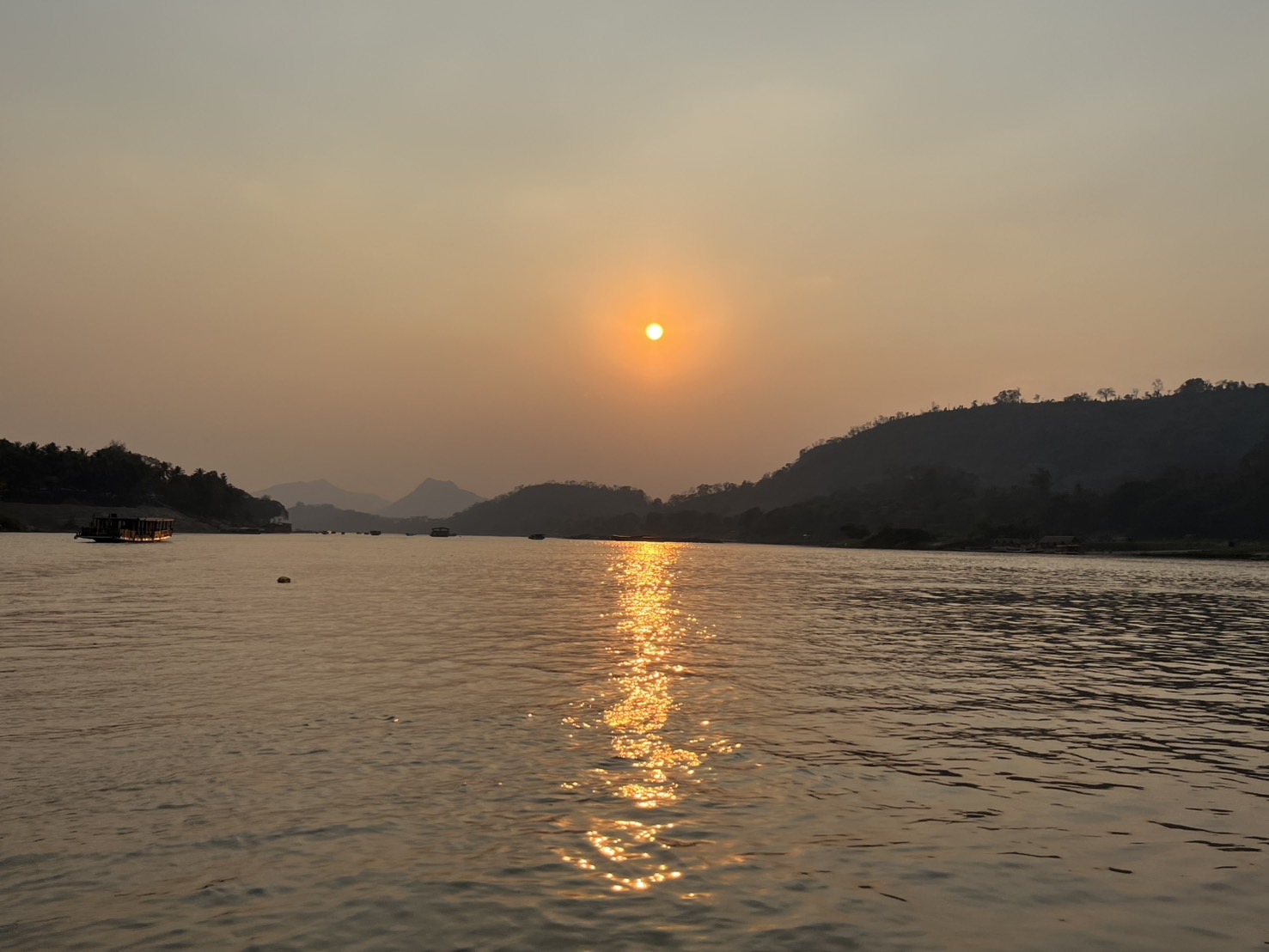
you'll climb the 328 stairs of Mount Phousi and watch the sun set over the city and surrounding hills, then visit the hill-tribe evening market for some shopping. This colorful market takes place every evening around 5pm, along the main streets of town and is a great place to look for souvenirs
What's not included
Drinks
Gratuities
Available languages
Guide guide
EN
Reviews breakdown
Viator
5.0
1 reviews
5★
1
4★
0
3★
0
2★
0
1★
0
Important information
Public transportation options are available nearby
Suitable for all physical fitness levels
A minimum of 2 people per booking is required
Minimum age is 2 years
Please advise any specific dietary requirements at time of booking
About Luang Prabang
Luang Prabang, a UNESCO World Heritage site, is renowned for its well-preserved traditional Laos architecture and serene natural beauty. Nestled at the confluence of the Mekong and Nam Khan rivers, it offers a unique blend of historic temples, French colonial buildings, and lush landscapes.
Top Attractions
Wat Xieng Thong
One of the most important temples in Laos, known for its beautiful architecture and intricate mosaics.
Religious
1-2 hours
5 USD
Mount Phousi
A small mountain in the center of Luang Prabang offering panoramic views of the city and surrounding countryside.
Nature
1-2 hours
5 USD
Kuang Si Falls
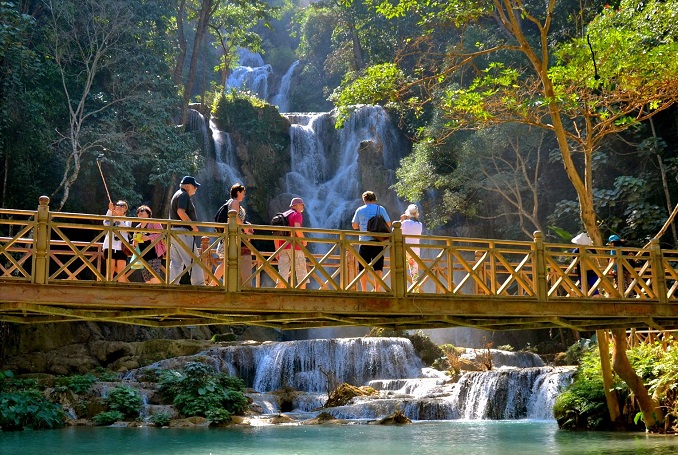
A stunning series of waterfalls and turquoise pools, perfect for swimming and picnicking.
Nature
Half day
10 USD
Must-Try Local Dishes
Larb
A spicy minced meat salad with herbs, spices, and lime juice.
Main Dish
Contains meat, can be made vegetarian with tofu.
Tam Mak Hoong
Green papaya salad with tomatoes, chilies, and lime juice.
Main Dish
Vegetarian if made without fish sauce.
Khao Soi
A Northern Lao noodle dish with a coconut curry broth.
Main Dish
Contains meat, can be made vegetarian.
Popular Activities
Hiking in the surrounding mountains
Kayaking on the Mekong River
Visiting spas and wellness centers
Sunset watching at Mount Phousi
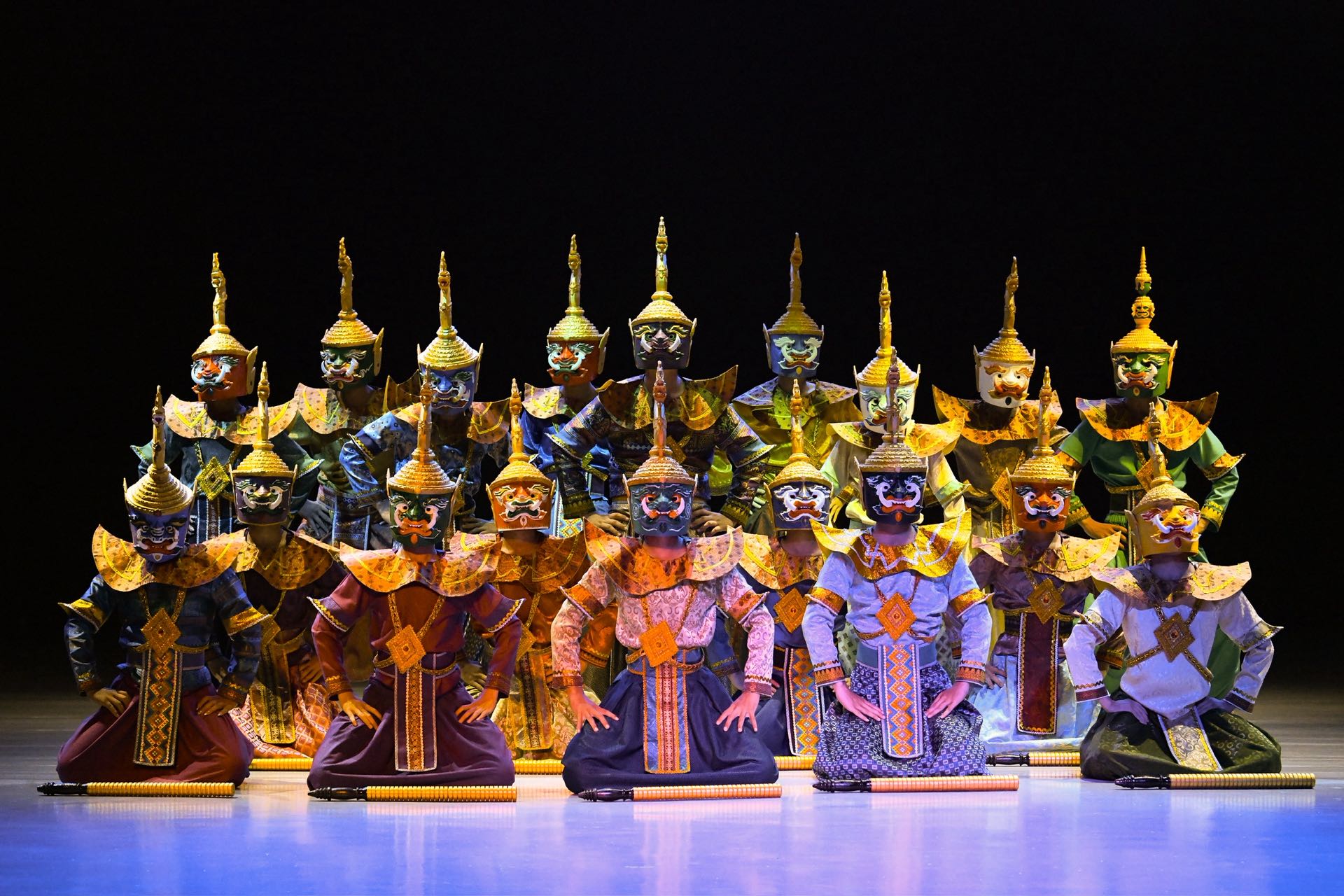
Attending a traditional Lao dance performance
Participating in a cooking class
Swimming at Kuang Si Falls
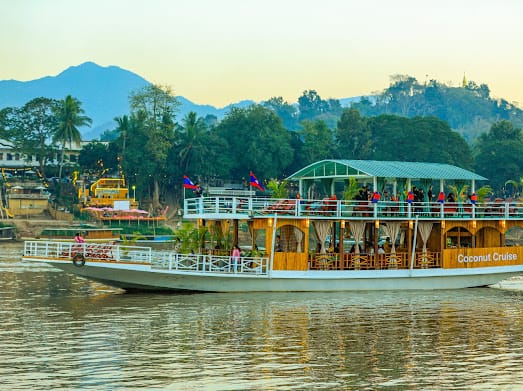
Boat tours on the Mekong River
Best Time to Visit
November to February
This is the cool and dry season, perfect for exploring the city and its surroundings. The weather is pleasant, and it's the peak tourist season.
15-30°C
59-86°F
Practical Information
Language
- Official: Lao
- Widely spoken: English, French
- English: Moderately spoken in tourist areas, limited elsewhere
Currency
Lao Kip (LAK)
Time Zone
Indochina Time (ICT), UTC+7
Electricity
230VV, 50HzHz
Safety Information
Overall Safety Rating: Generally safe
Luang Prabang is generally safe for travelers, but petty crime and scams can occur. Be cautious with your belongings and use common sense.
Important Precautions:
- • Keep valuables secure
- • Use reputable tour operators
- • Be cautious when using ATMs
Getting there
By air
- Luang Prabang International Airport • 3 km from city center
By bus
Northern Bus Station, Southern Bus Station
Getting around
Public transport
The most common and affordable mode of transport. Negotiate fares before starting your journey.
Taxis
Available • Apps: Limited app-based services
Rentals
Car, Bike, Scooter
Neighborhoods
Old Town
Ban Phou Khoune
Day trips
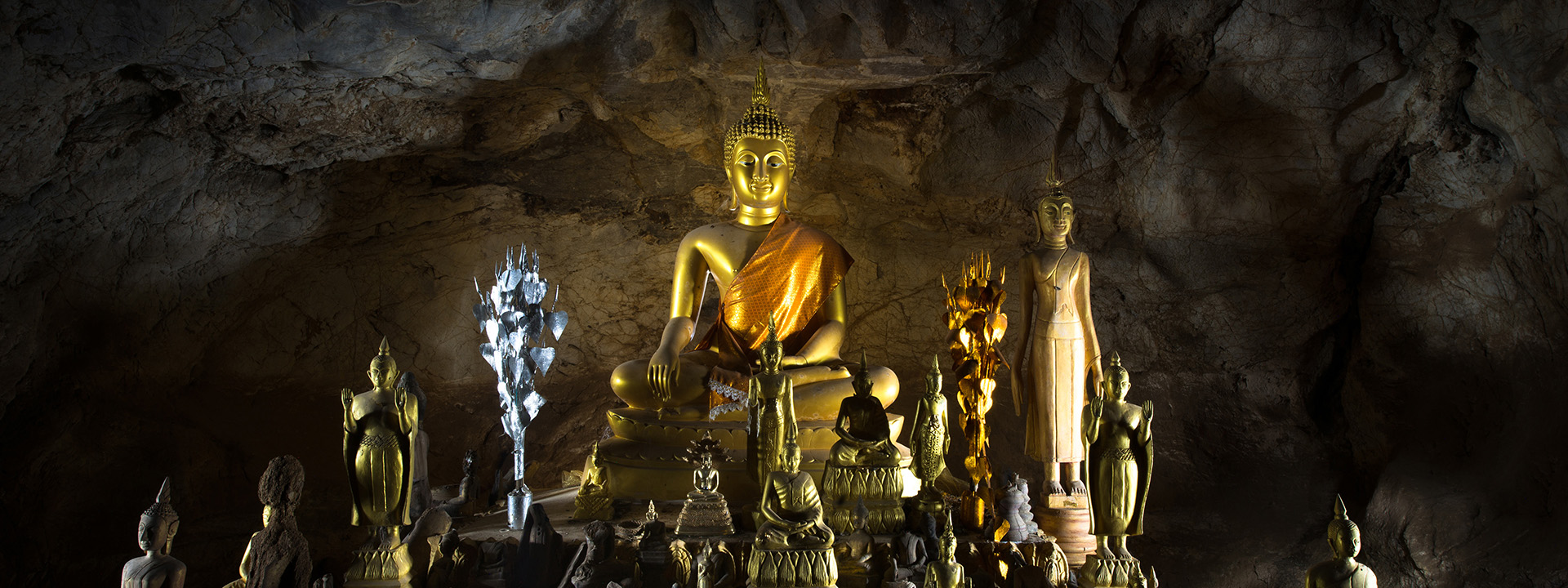
Pak Ou Caves
25 km north of Luang Prabang • Half day
A complex of caves filled with thousands of Buddha images, dating back to the 16th century.
Living Land Farm
15 km from Luang Prabang • Half day
A working farm offering insights into traditional Lao farming practices and sustainable agriculture.
Festivals
Lao New Year (Pi Mai) • April 13-15
Boun Ok Phansa • October (date varies)
Pro tips
- Visit Kuang Si Falls early in the morning to avoid crowds and enjoy the cool weather.
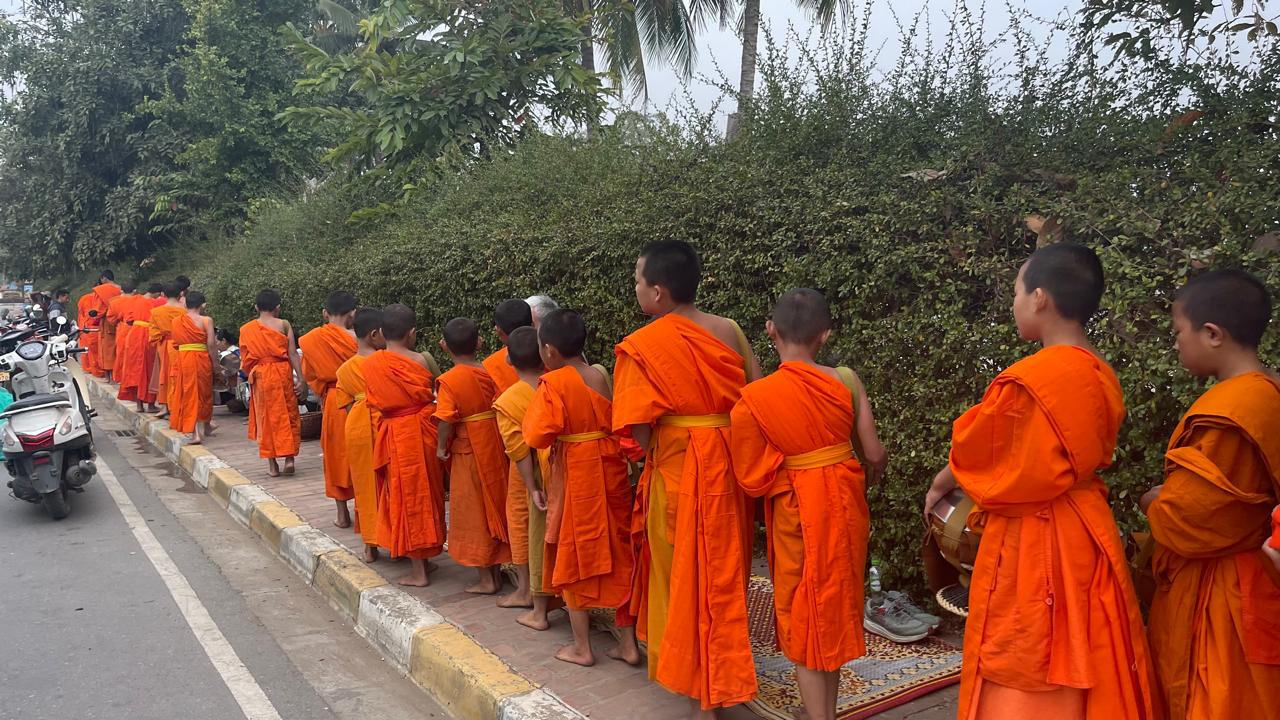
- Attend the alms-giving ceremony (Tak Bat) for a unique cultural experience, but be respectful and follow the rules.
- Explore the city on foot or by bicycle to discover hidden gems and local life.
- Try local Lao coffee and enjoy the relaxed atmosphere at the many cafes in town.
- Bargain politely when shopping at markets, as prices are often inflated for tourists.
From $25
per person
Price varies by option
Secure booking
Free cancellation available
Instant confirmation